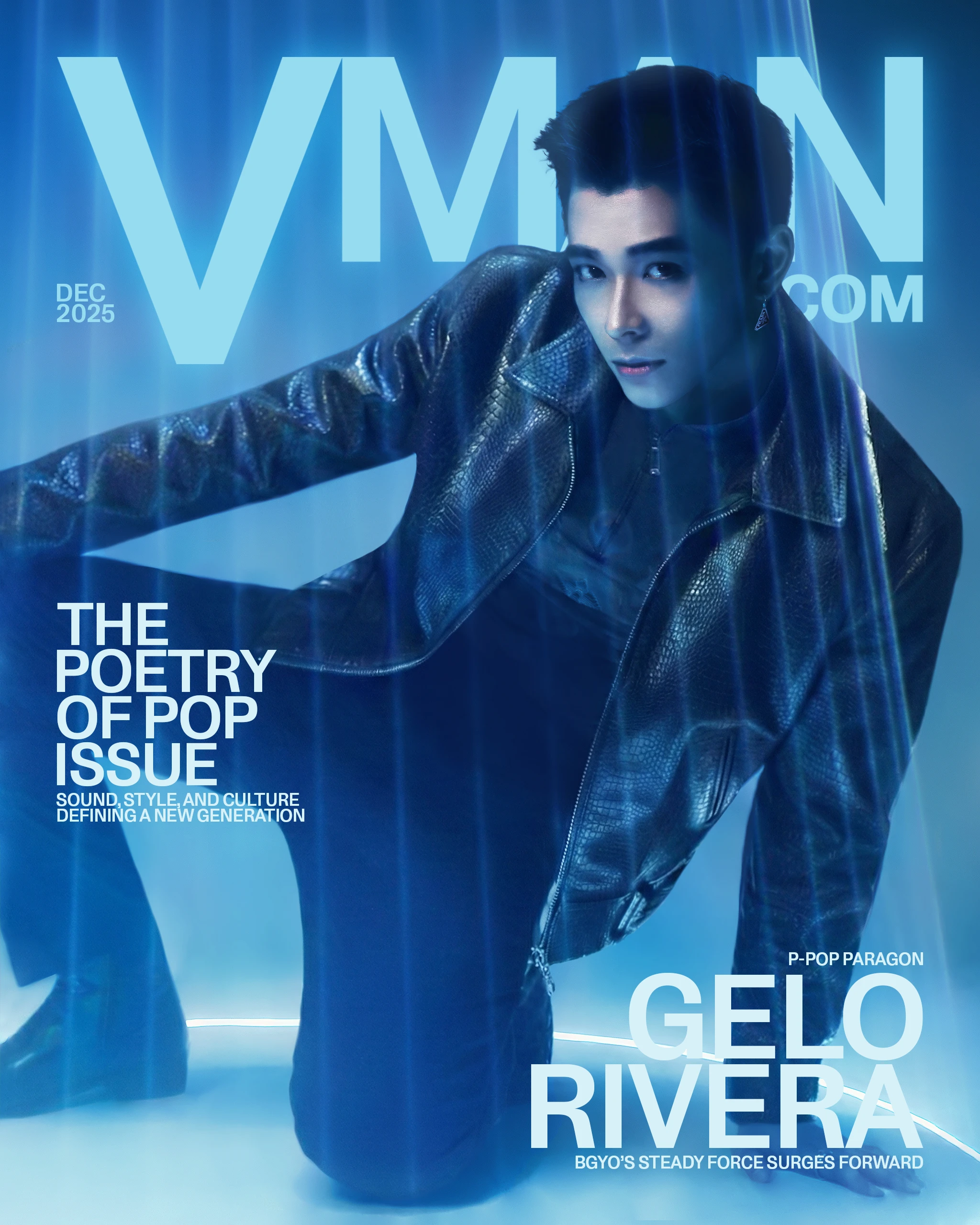
Gelo Rivera: The Paragon of P-Pop
Wearing some of the most memorable archival looks of recent decades, the rising Philippine pop star balances the demands of P-pop stardom with a deep commitment to craft and the roots of Filipino identity




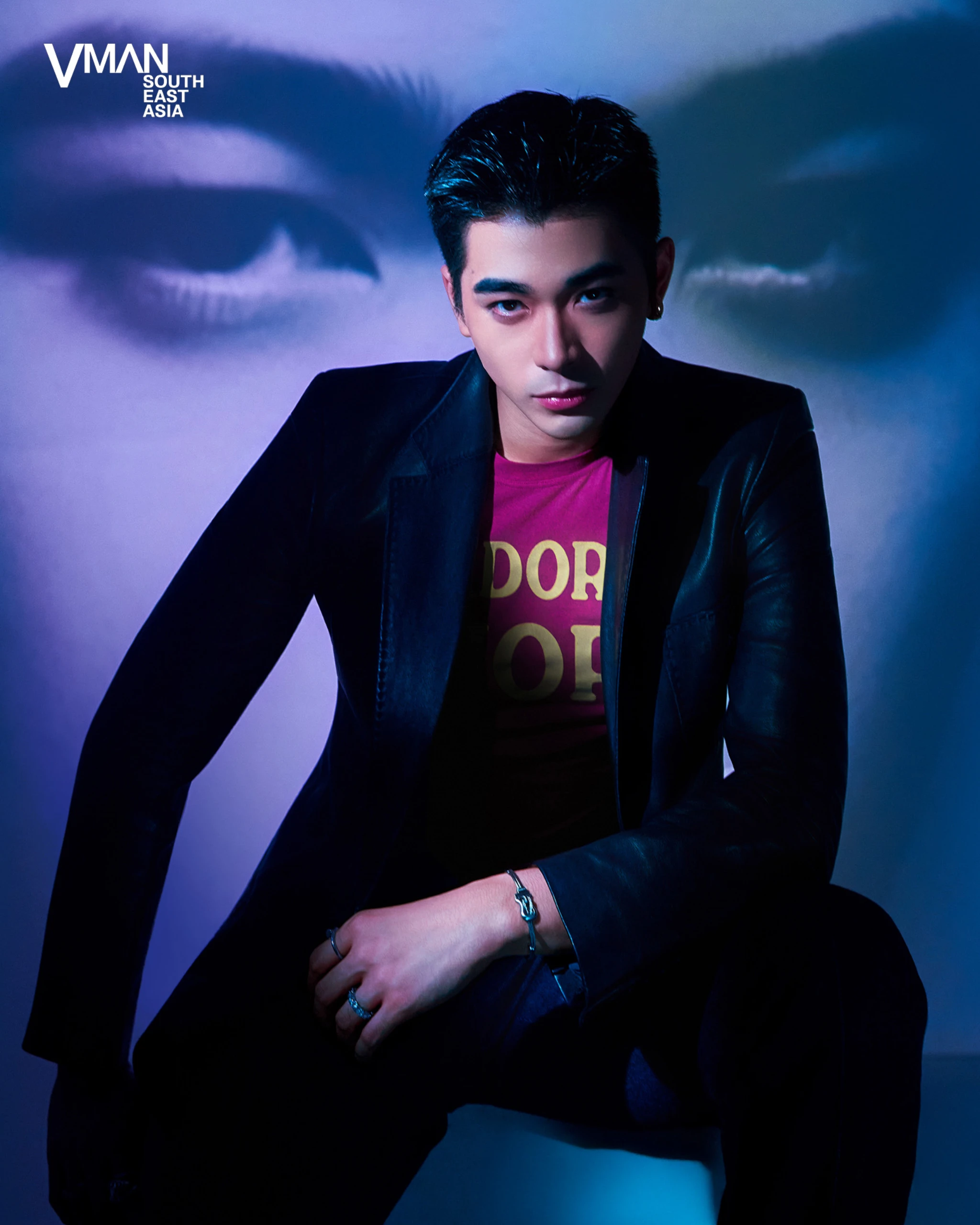
Gelo Rivera speaks with the measured clarity of someone used to directing a room, but his presence carries none of the forcefulness usually associated with leadership. He puts it simply: “I do not think leadership has to be loud.”
Instead, he has a calmness that gives shape to the space around him. Gelo, twenty-four, introduces himself with a line he has repeated many times. He is the leader of BGYO, one of the Philippines’ most visible boy groups, and he loves performing. “Performing has always been home for me,” he says.
What follows is a story about discipline, risk, and a steady ambition shaped by movement and uncertainty from a young age.
READ MORE: No Ego, No Drama—Gelo Rivera’s Guide to Being That Guy
Where movement became identity
Gelo grew up between different cities in the Philippines. His parents separated early, and the constant switching of homes and schools created a cycle of adjustment that became part of his personality. He describes these years without dramatizing them, noting, “It was not easy, but it taught me how to move.”
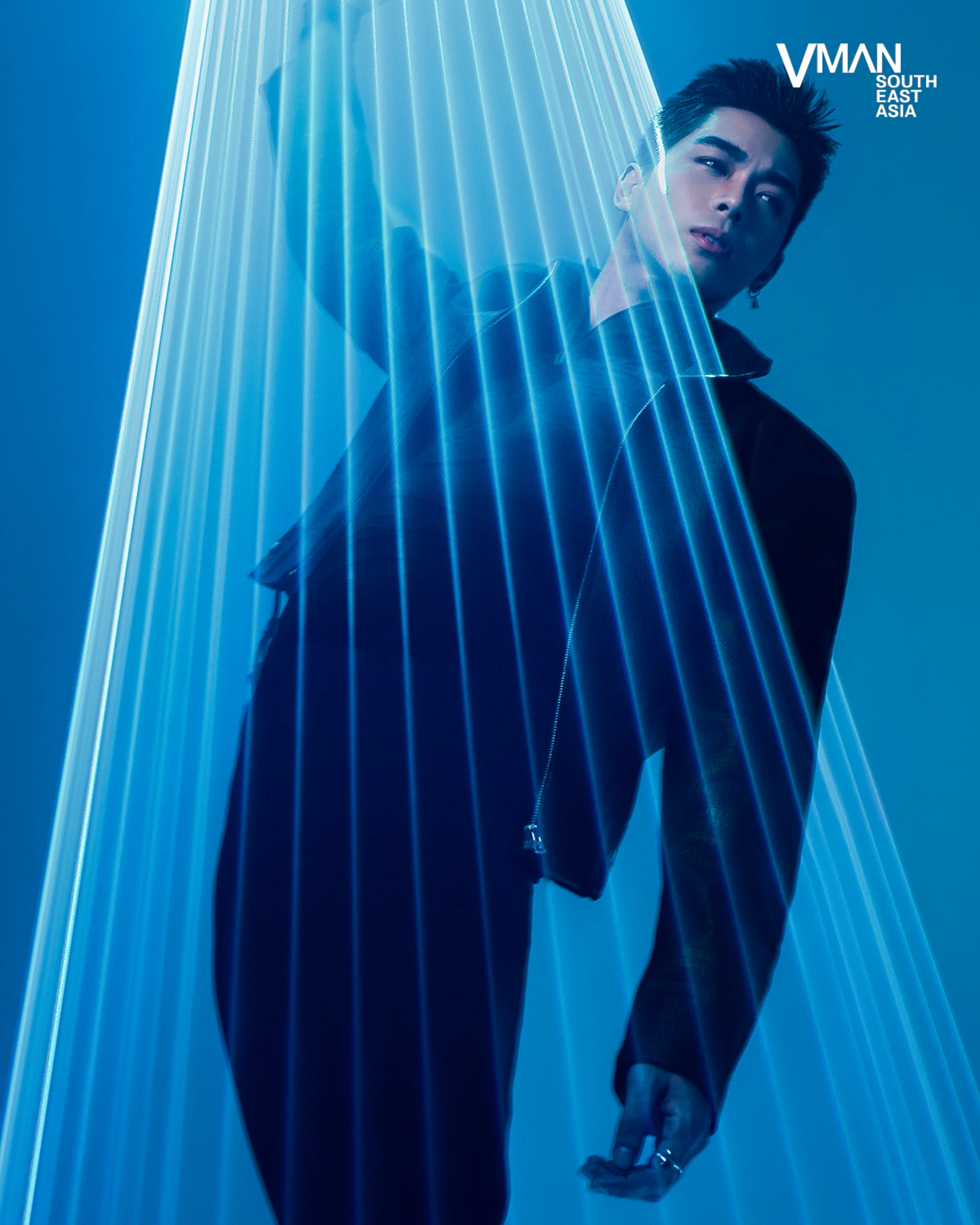
He learned how to adapt, observe, and enter unfamiliar environments with ease. These early shifts formed the foundation of the performer he would eventually become.
Dance came first. Gelo’s sister encouraged him to join school teams, competitions, and inter-school events. From there, he entered outside groups, including the renowned A-Team, which shaped his style and work ethic.
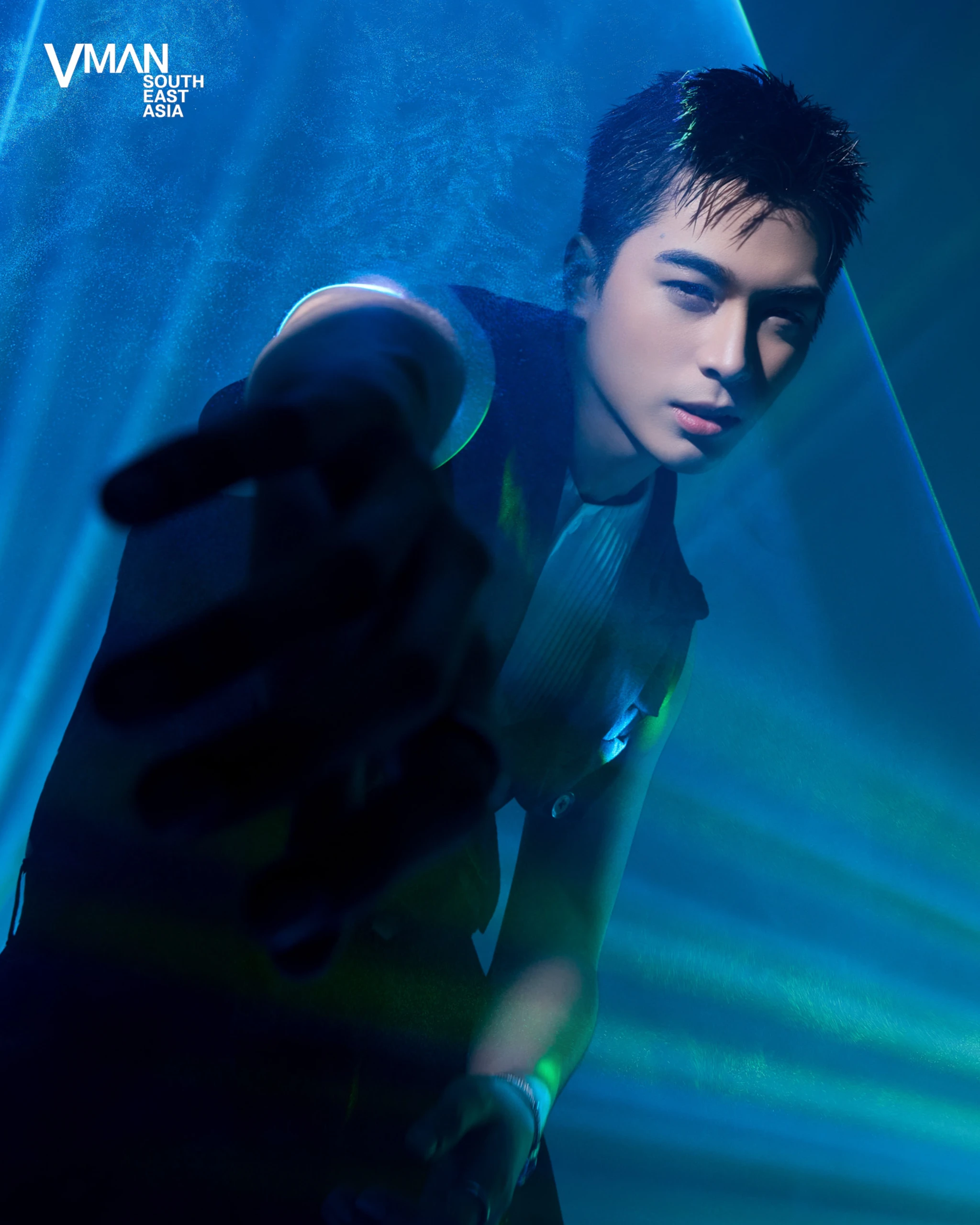
Gelo speaks with gratitude about the coaches who helped form him. Ballroom coaches, street dance mentors, and community figures, who eventually scouted him for a mysterious audition. He assumed it was for backup dancing. It turned out to be a singing audition for a project he had never heard of. The project later became BGYO. “I walked in thinking it was choreography,” he recalls with a laugh, “then suddenly they asked me to sing.”
Built in uncertainty
Training and debut, however, were not guaranteed. The group formed during a period marked by a media company shutdown and strict pandemic restrictions. Gelo recalls a long stretch defined by uncertainty. “There were days when we wondered if it would happen at all,” he says, “but we held on.”
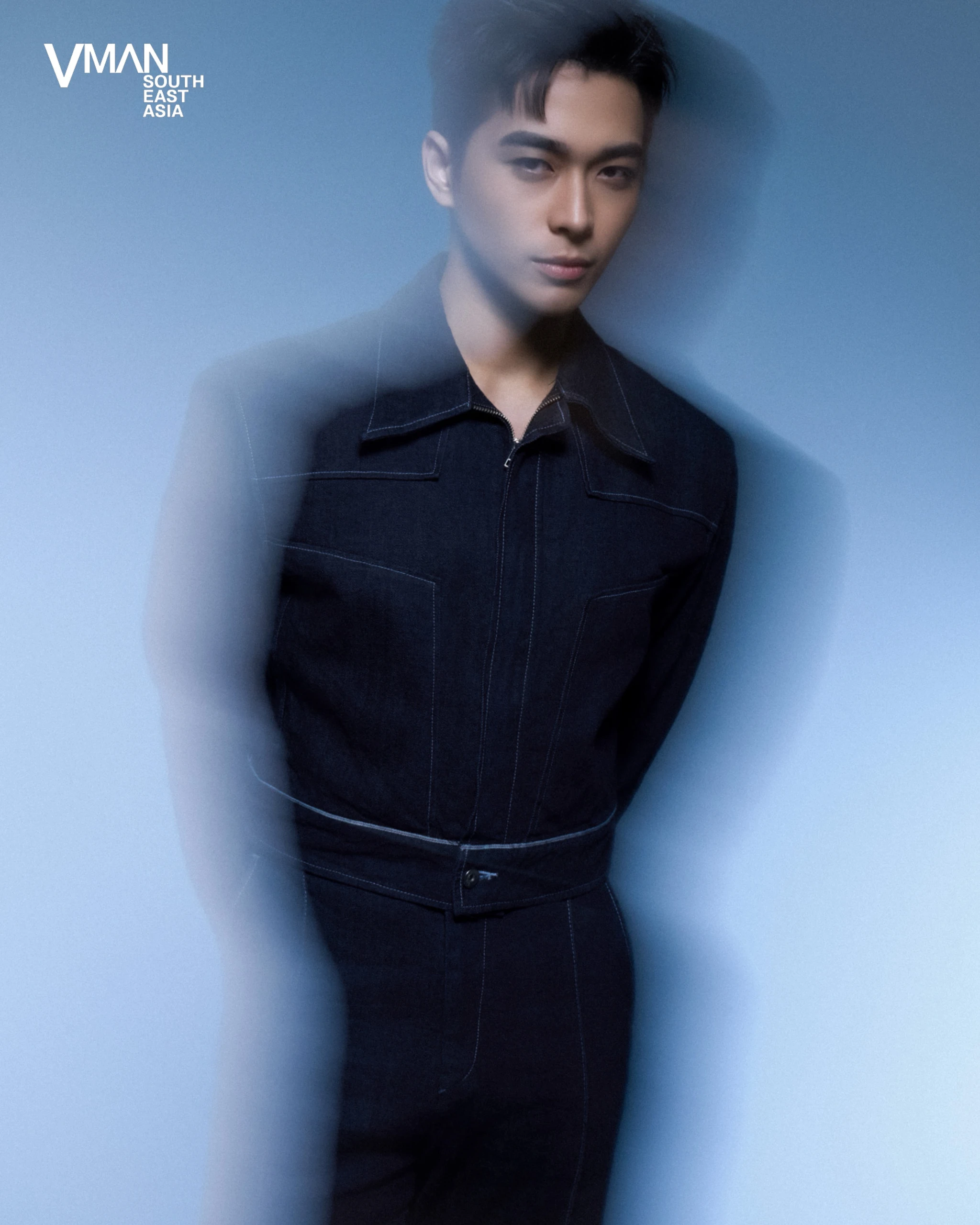
Trainees waited without clear timelines. They did not know when or if they would debut. The challenge, he says, was staying motivated when nothing felt stable. His tone when describing it is steady. It was difficult, but they kept going.
The question of leadership often arises when people speak about Gelo. Within P-Pop and K-Pop systems, the role is usually a fixed position with specific expectations. He carries the title but interprets it differently. He does not see leadership as a hierarchy but as facilitation.
Leadership without force
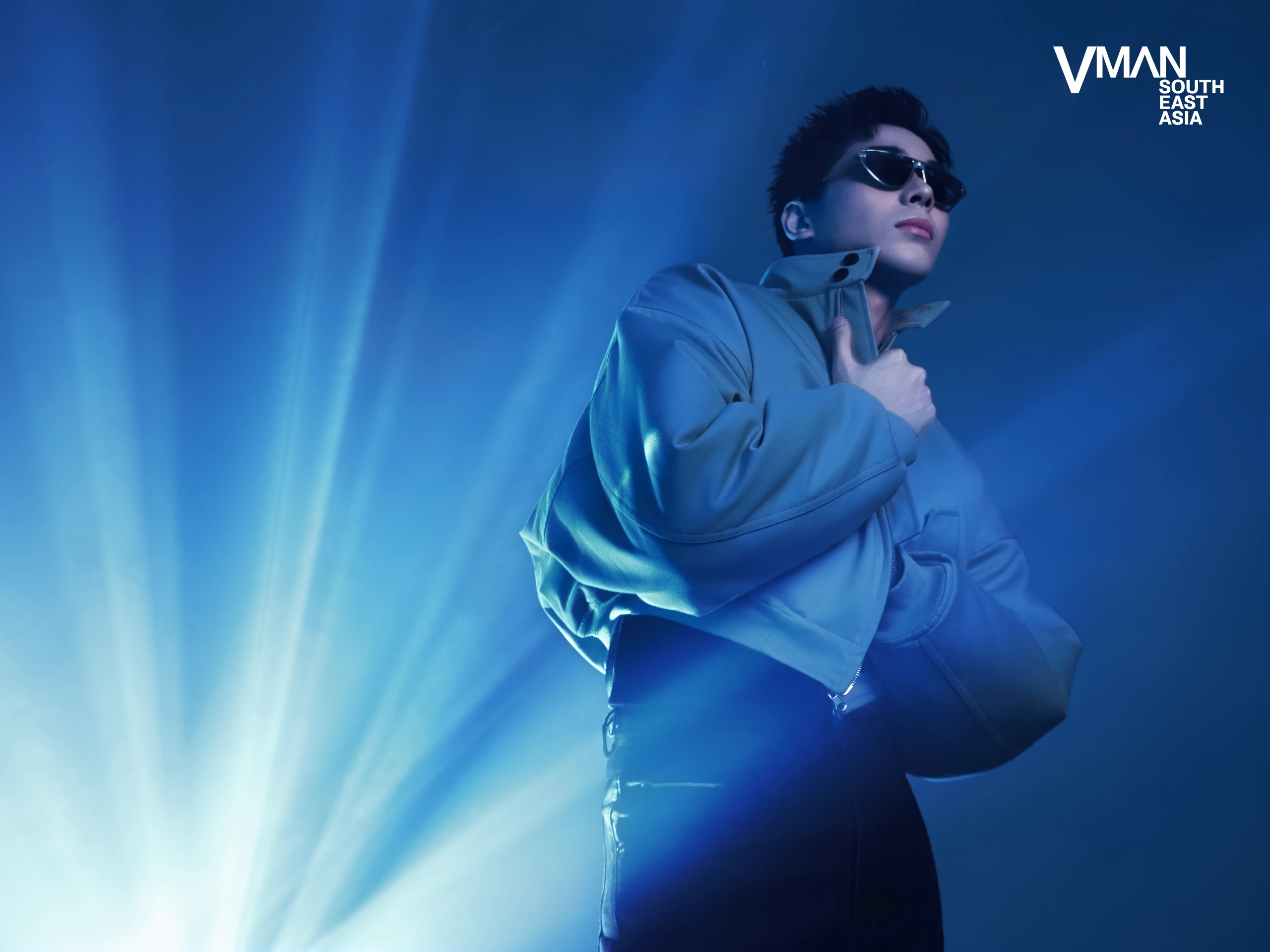
He is not the loudest voice in the room, listening and allowing others to take space when they need to. Only one official role exists within BGYO and that is the leader. Yet Gelo resists the idea that this role makes him the group’s primary speaker. In his words, the role feels simpler and more collective: “A group is a conversation. Even in dance. Especially in dance. You match each other’s breath. You learn each other’s tendencies.”
Inside the rehearsal studio, Gelo’s influence is clearer. Dance is his strongest field, and he often collaborates with fellow member Nate Porcalla, who also has an extensive dance background.
When the group learns new choreography, they are usually the ones asked for guidance. Still, Gelo emphasizes that their collaboration has always been based on shared strengths rather than authority. “Everyone deserves a voice,” he says, “my job is to make sure it is heard.”
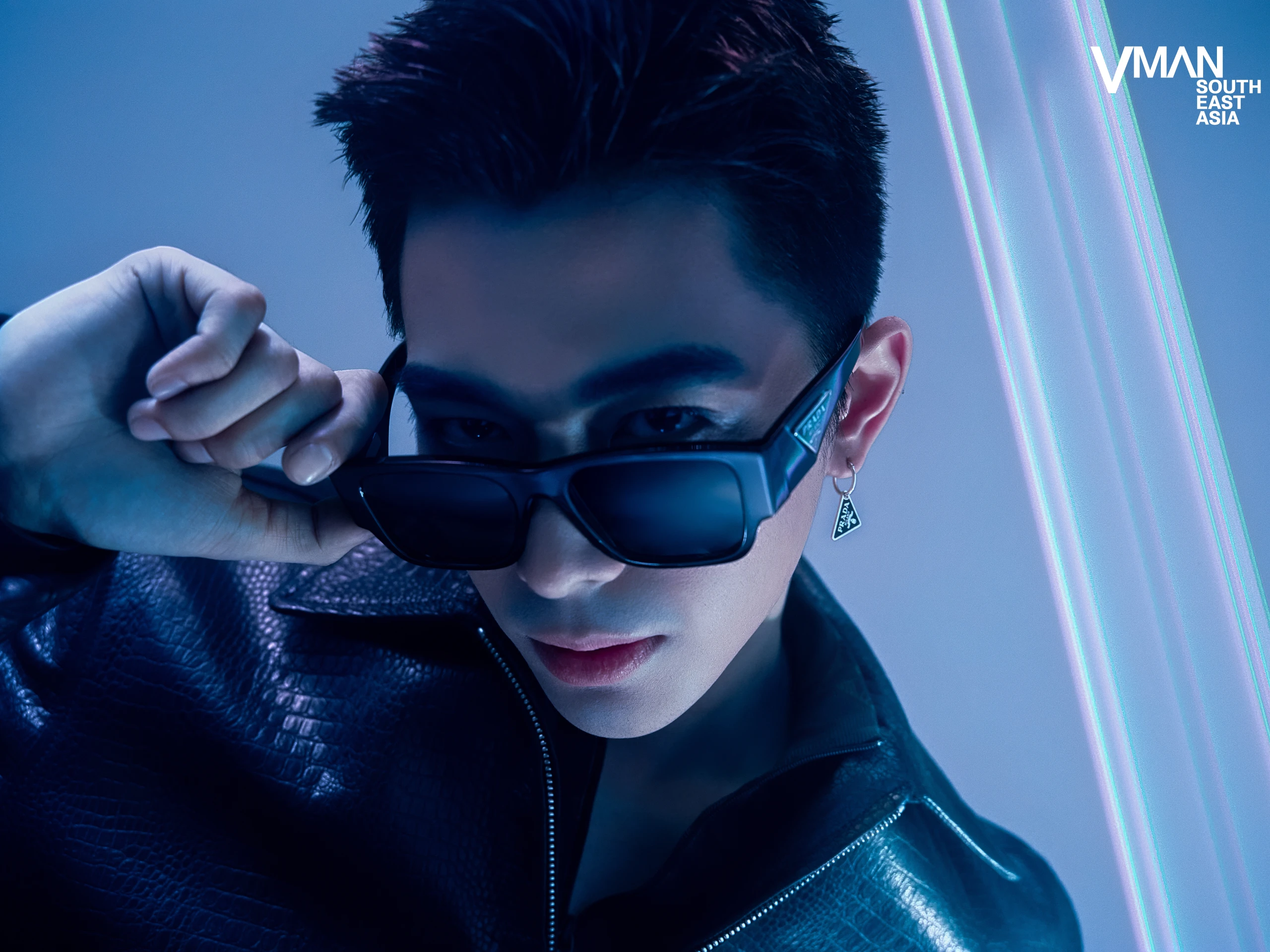
BGYO entered the industry with different skills that complemented one another. Akira Morishita, Mikki Claver, and JL Toreliza strengthened the vocal layers. Nate and Gelo handled choreography. The structure emerged naturally.
Feeling before form
Gelo approaches new material with a simple method. He listens first. Before memorizing steps or practicing lines, he tries to understand the emotional tone of the piece. Once he identifies the sentiment he wants to express, the performance becomes clearer. It is a process that keeps the work personal.
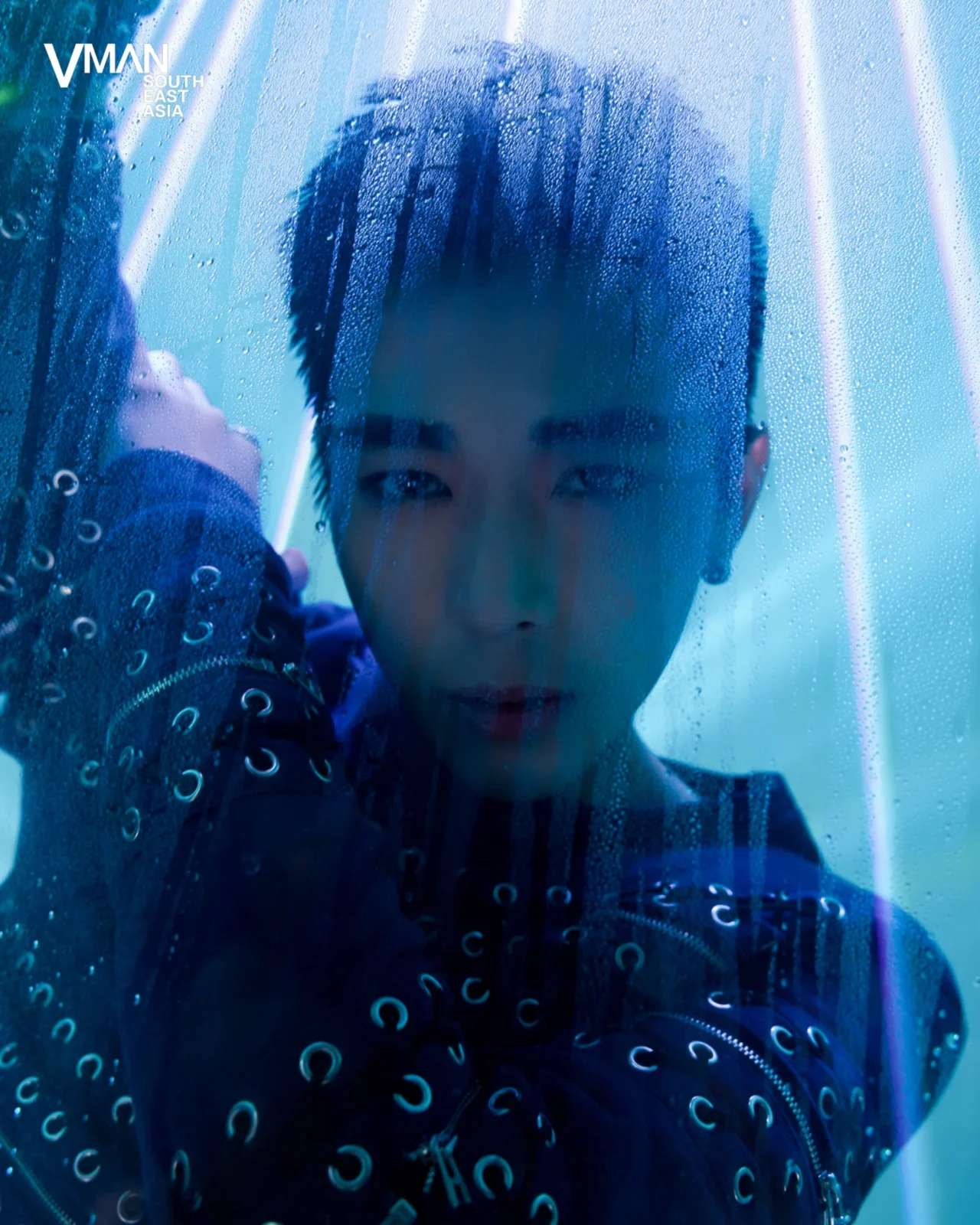
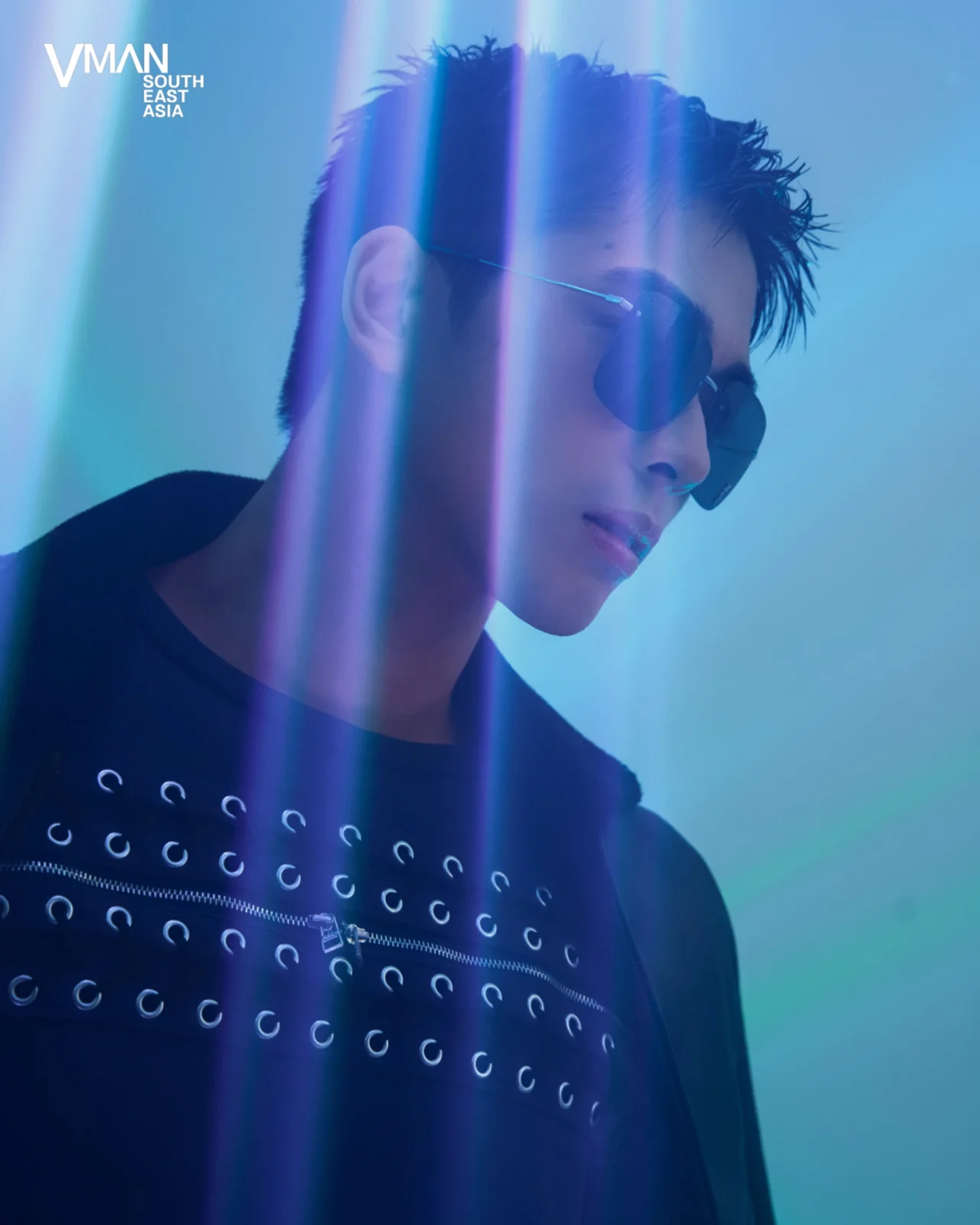
One theme appears frequently in his explanations. He believes Filipino storytelling is at the core of P-Pop. Genres shift and formats evolve, but the narrative style of Filipino music gives the scene its identity. For Gelo, this distinction matters.
As P-Pop grows internationally, he wants audiences to see how deeply narrative and heart driven the performances are. This extends to visual choices as well. BGYO makes conscious decisions to incorporate Filipino identity into their work through costumes, production design, or lyrical elements. “We always ask how we can show who we are.”
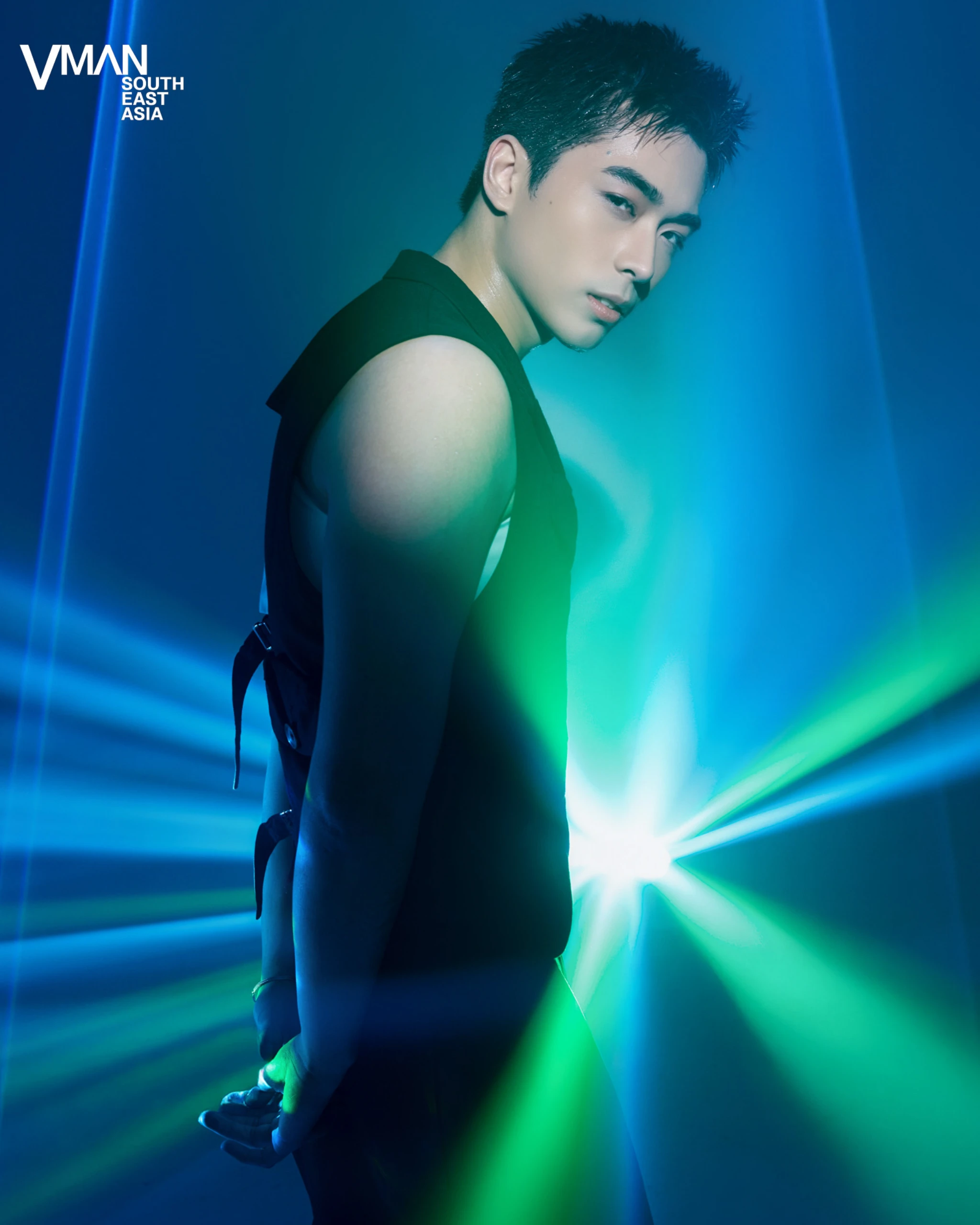
A new generation taking shape
The group is often positioned as one of the leaders of the new generation of P-Pop acts. Gelo responds to this with caution. He acknowledges the recognition, but he resists any framing that puts BGYO above others. Gelo insists that Filipino artists across the industry deserve equal visibility. “The goal is not to hold a title but to help widen the reach of P-Pop and OPM globally.”
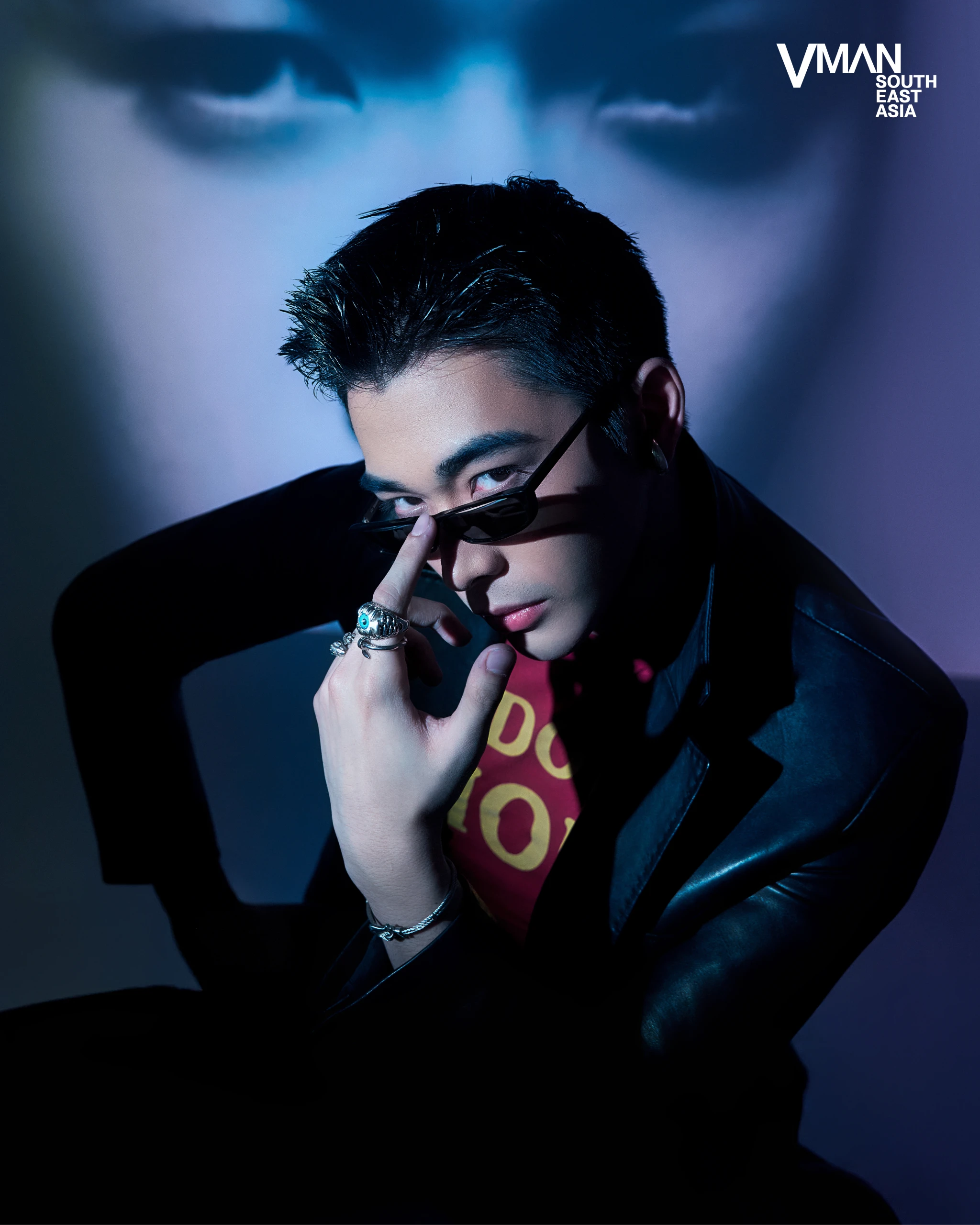
His aspirations for the group reflect that broader view. Gelo hopes BGYO can showcase not only their music but their range. Singing, dancing, acting, even hosting. He wants the world to see the full spectrum of what Filipino performers can offer.
Despite the pressure that comes with representing a rising genre, Gelo maintains a grounded approach to identity. He describes Filipino performance as intense yet filled with heart. That balance is something he tries to embody in every project.
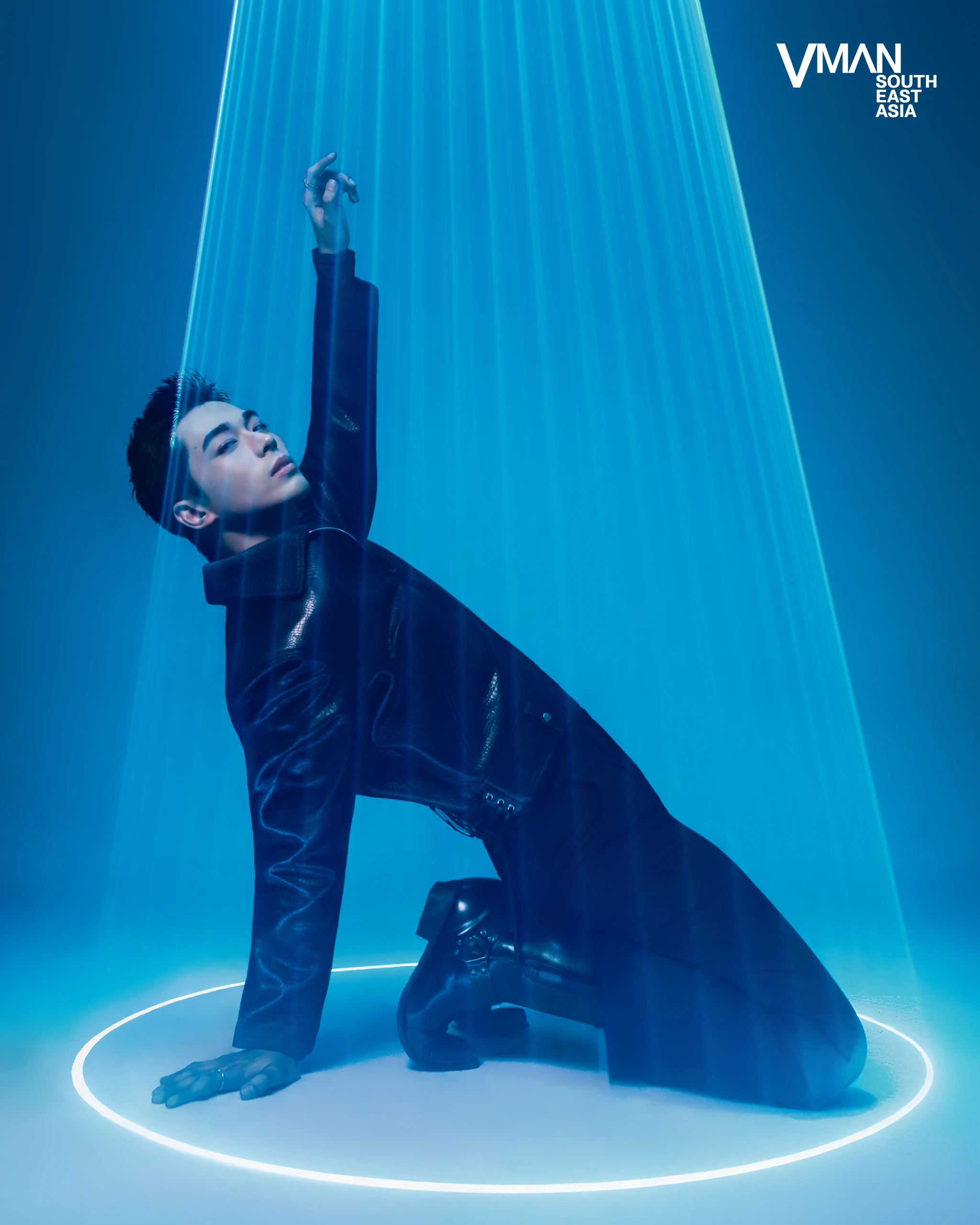
Brotherhood in motion
Much of his calm comes from the people around him. BGYO has grown up together. They trained, debuted, and developed their sound as a unit. Gelo often calls them family. He credits the group’s cohesion to communication and shared history.
They know each other’s limits and understand the subtlest signs of stress or fatigue. This dynamic informs his leadership. It is not a role he switches on and off. It follows him into his daily life, shaping how he approaches work and relationships.
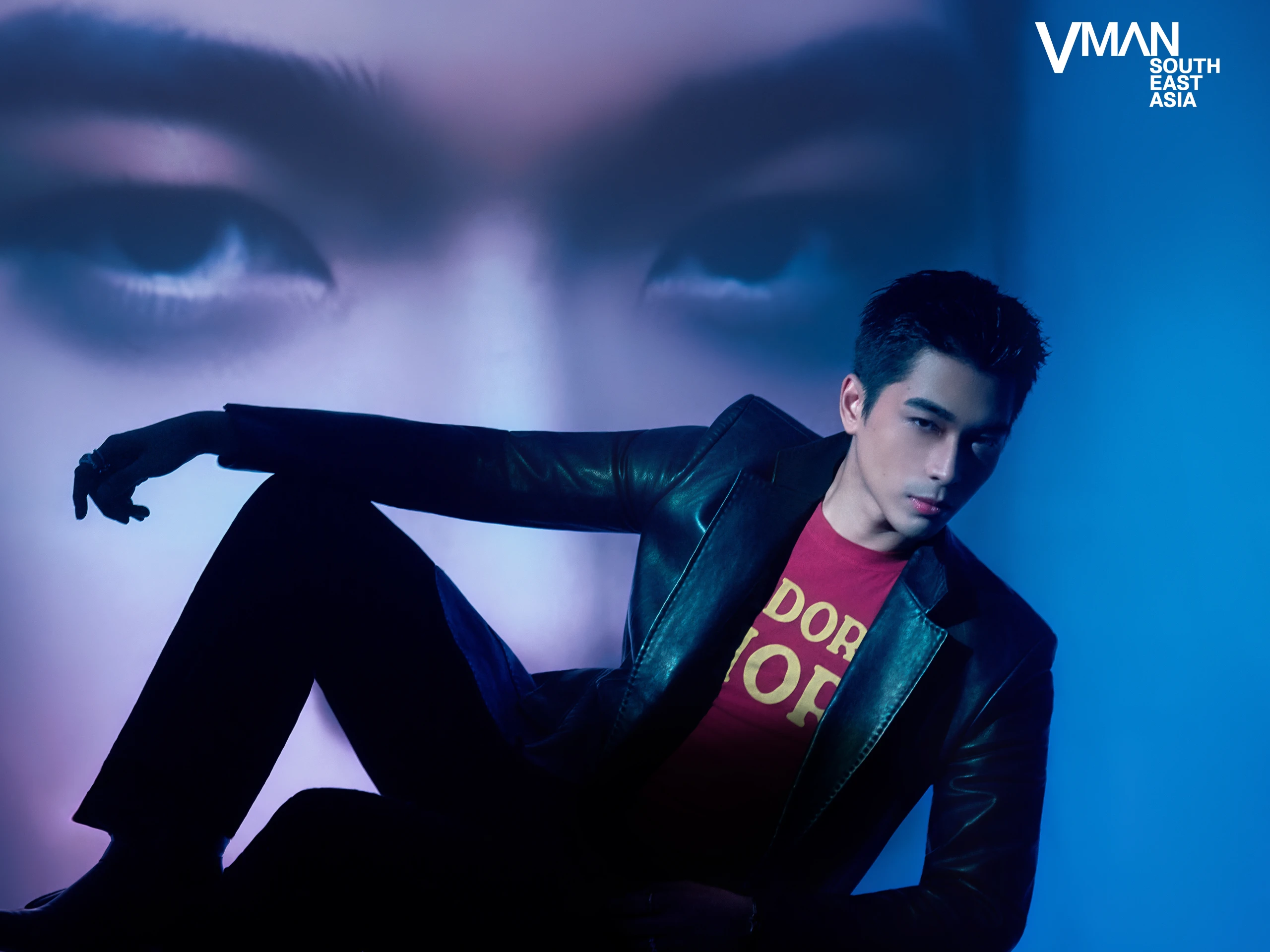
In conversation, Gelo’s gratitude is consistent. He thanks their fans, the ACES, and acknowledges the families, friends, and staff members who support them. He credits God for the opportunities they have been given. The tone is sincere, without any sense of obligation.
Steadiness as signature
The image that emerges is not the stereotype of an idol leader who commands attention through dominance. Instead, Gelo represents a simpler model. He leads by creating stability. He guides by observing. It is a style shaped by years of adjusting to new environments and learning how to move through them with confidence.
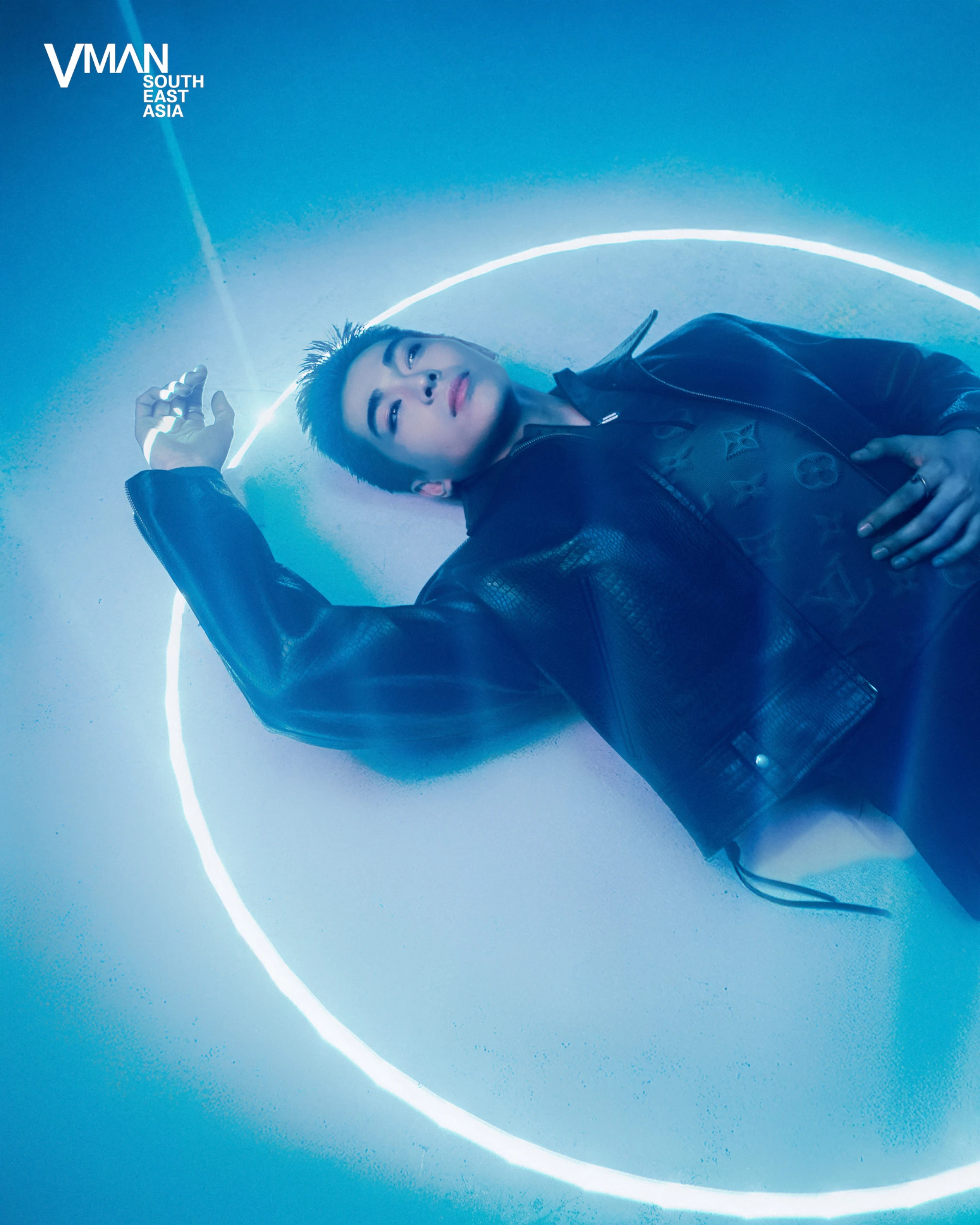
BGYO’s path forward remains ambitious. The group is focused on expanding their global presence and continuing to refine their sound. Gelo stands at the center of this momentum with the same calm he has carried since his early years.
Gelo Rivera remains steady. That steadiness is its own form of leadership, and it continues to shape not only BGYO’s path, but the evolving face of P-Pop itself.
Chief of Editorial Content Patrick Ty
Photography Dookie Ducay
Creative direction Vince Uy
Art direction Mike Miguel
FashionFashionThe art and industry of designing, producing, and styling clothing, footwear, accessories, and beauty trends. It reflects cultural influences, personal expression, and evolving styles across seasons and markets.Go to Fashion Glossary Ryuji Shiomitsu
Editor Dayne Aduna
Grooming and Hair Jaime Sy
Retouching Summer Untalan
FashionFashionThe art and industry of designing, producing, and styling clothing, footwear, accessories, and beauty trends. It reflects cultural influences, personal expression, and evolving styles across seasons and markets.Go to Fashion Glossary assistants Jay Felix and Dale Chan
Special thanks Kristian Gray, Gray Matter, Neelam Gopwani Chainani, and Vision Express
Frequently Asked Questions
Gelo Rivera is the twenty-four-year-old leader of BGYO, one of the Philippines’ most prominent P-Pop boy groups. A trained dancer who entered the industry through an audition he initially believed was for backup dancing, Gelo leads with a facilitative approach — prioritizing listening, collective voice, and group cohesion over hierarchical authority.
BGYO formed and trained during a period marked by a media company shutdown and strict pandemic restrictions, leaving the group in an extended period of uncertainty with no clear timeline for debut. Gelo describes the experience as a sustained test of motivation — holding on without stability until the group eventually debuted and began building their profile.
Gelo’s leadership model is grounded in facilitation rather than authority. He describes a group as a conversation — particularly in dance, where members match each other’s breath and learn each other’s tendencies. His role, as he frames it, is not to be the loudest voice but to ensure every member’s voice is heard.
BGYO makes deliberate choices to reflect Filipino identity through costumes, production design, and lyrical content. Gelo believes Filipino storytelling is the defining characteristic of P-Pop — giving the scene its identity regardless of how genres or formats evolve. The group consistently asks how each project can represent who they are as Filipino performers.
Gelo’s ambition for BGYO and for P-Pop extends beyond chart performance. He hopes to showcase the full range of what Filipino performers can offer — singing, dancing, acting, and hosting — while resisting any framing that places BGYO above other Filipino artists. His stated goal is to widen the global reach of P-Pop and OPM collectively rather than to hold a singular position within it.
Recommended Video