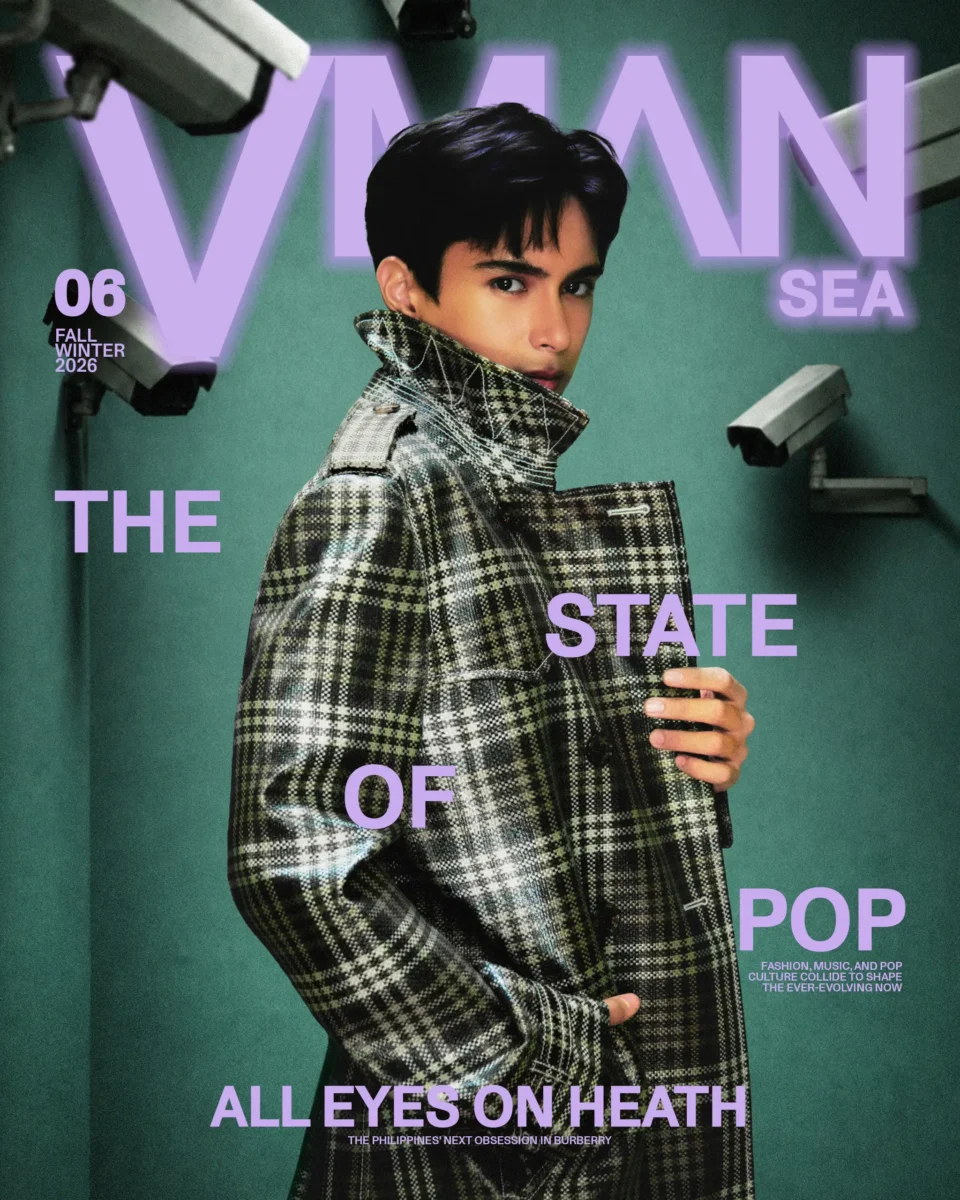
Emilio Daez and Michael Sager Make It Clear That It’s Cool to Care
The Filipino actor duo makes a convincing case that the coolest men in the room are the ones who actually care





The rise of a new Filipino masculinity
For generations, masculinity came with a familiar checklist. Be fearless. Be composed. Never let them see you hesitate. The leading man climbed the mountain, won the fight, got the girl, and somehow managed to do it all without admitting he was afraid. It made for great cinema. It also left very little room for reality.
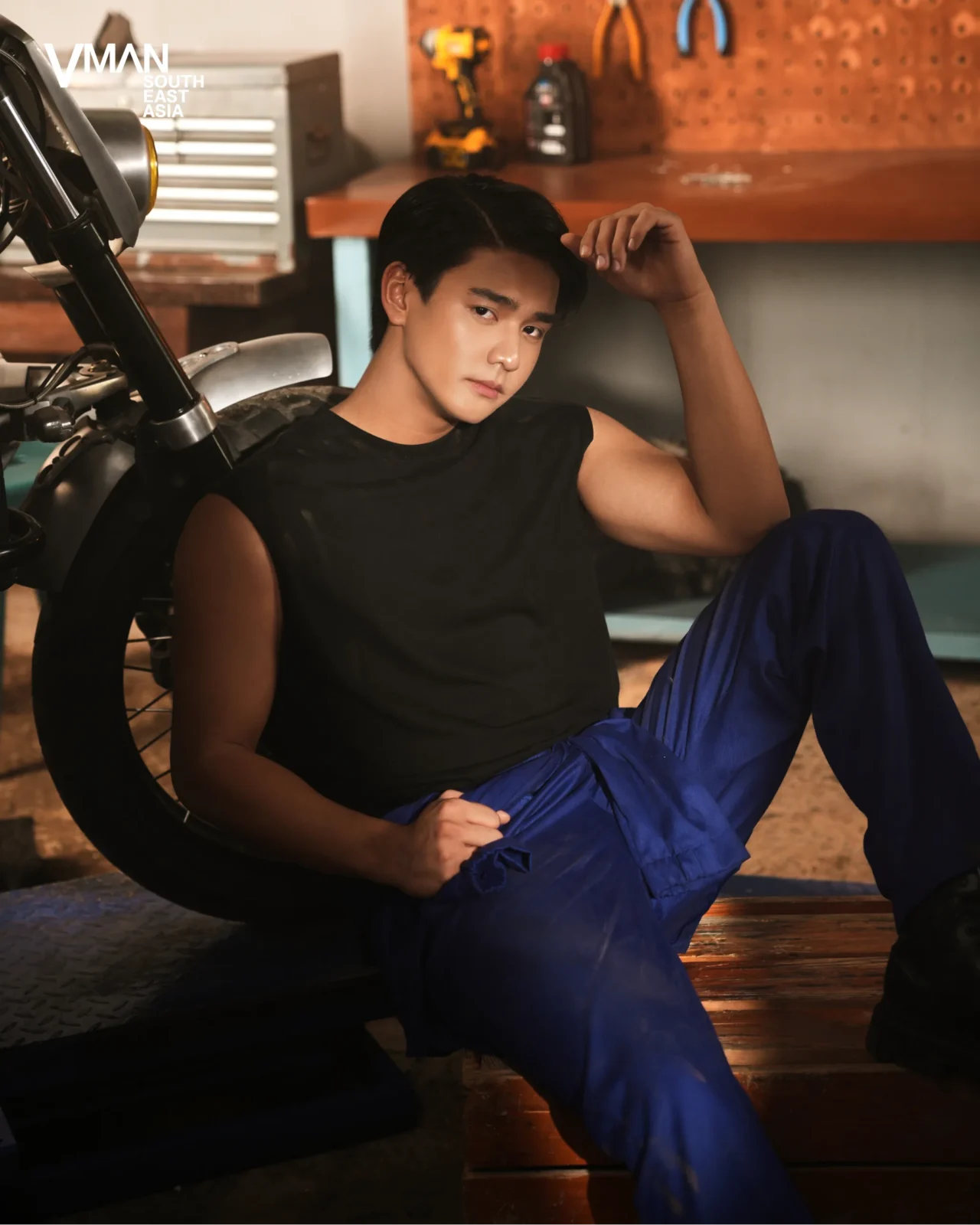

Today, the image is changing. The modern leading man still trains hard and still carries himself with confidence. But increasingly, he’s also talking about therapy, checking in on his friends, treating groomingGroomingThe care and maintenance of hair, skin, beard, and nails, including cleansing, shaving, styling, and scent. Once niche, men's grooming has grown into a major lifestyle category, and VMAN's VanityGo to Grooming Glossary as part of his daily routine, and admitting that strength doesn’t disappear the moment vulnerability enters the room.
The old binaries are beginning to collapse. Tough or tender. Rugged or refined. Stoic or emotional. More and more, the most compelling men refuse to choose.
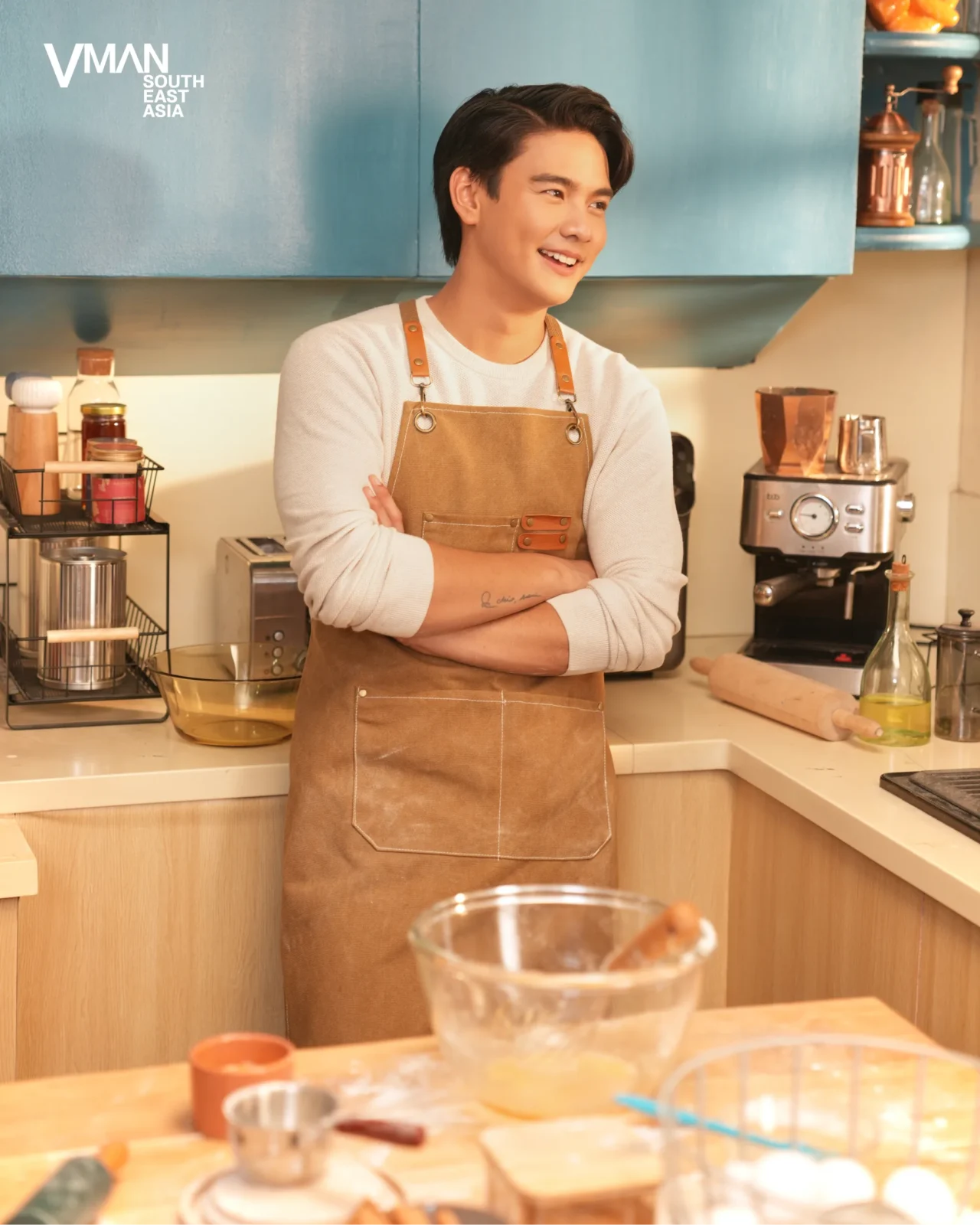
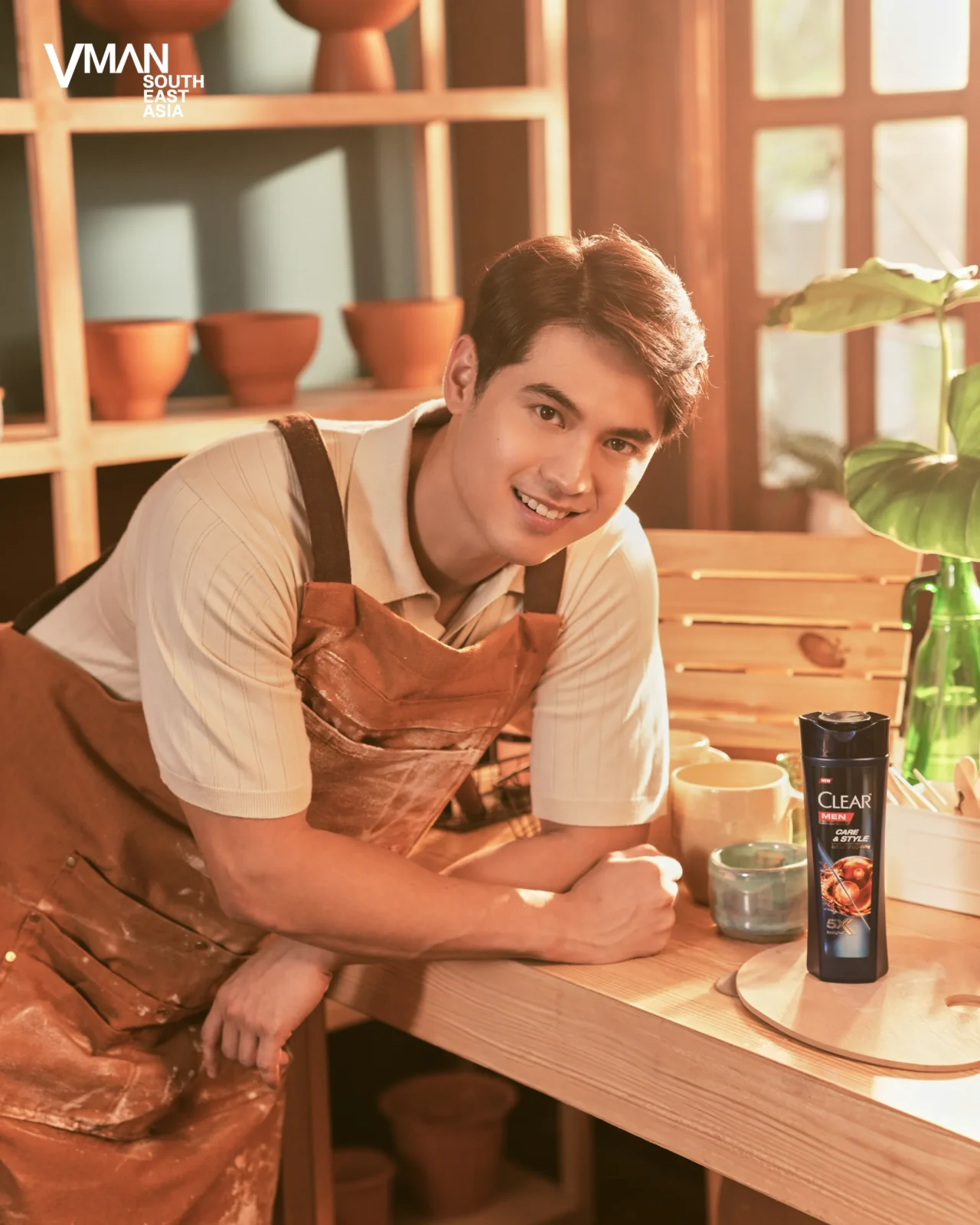
Emilio Daez and Michael Sager belong to that generation. They look every bit the classic leading men: adventurous, athletic, comfortable in front of a camera, and equally convincing in the worlds of entertainment and fashion.
But spend enough time talking to them, and another quality comes into focus. They speak about discipline and kindness in the same breath, about ambition alongside empathy, and about self-care as something earned rather than indulgent.
It’s precisely why CLEAR‘s latest campaign, It’s Cool to Care, marks a shift in where masculinity itself is heading.
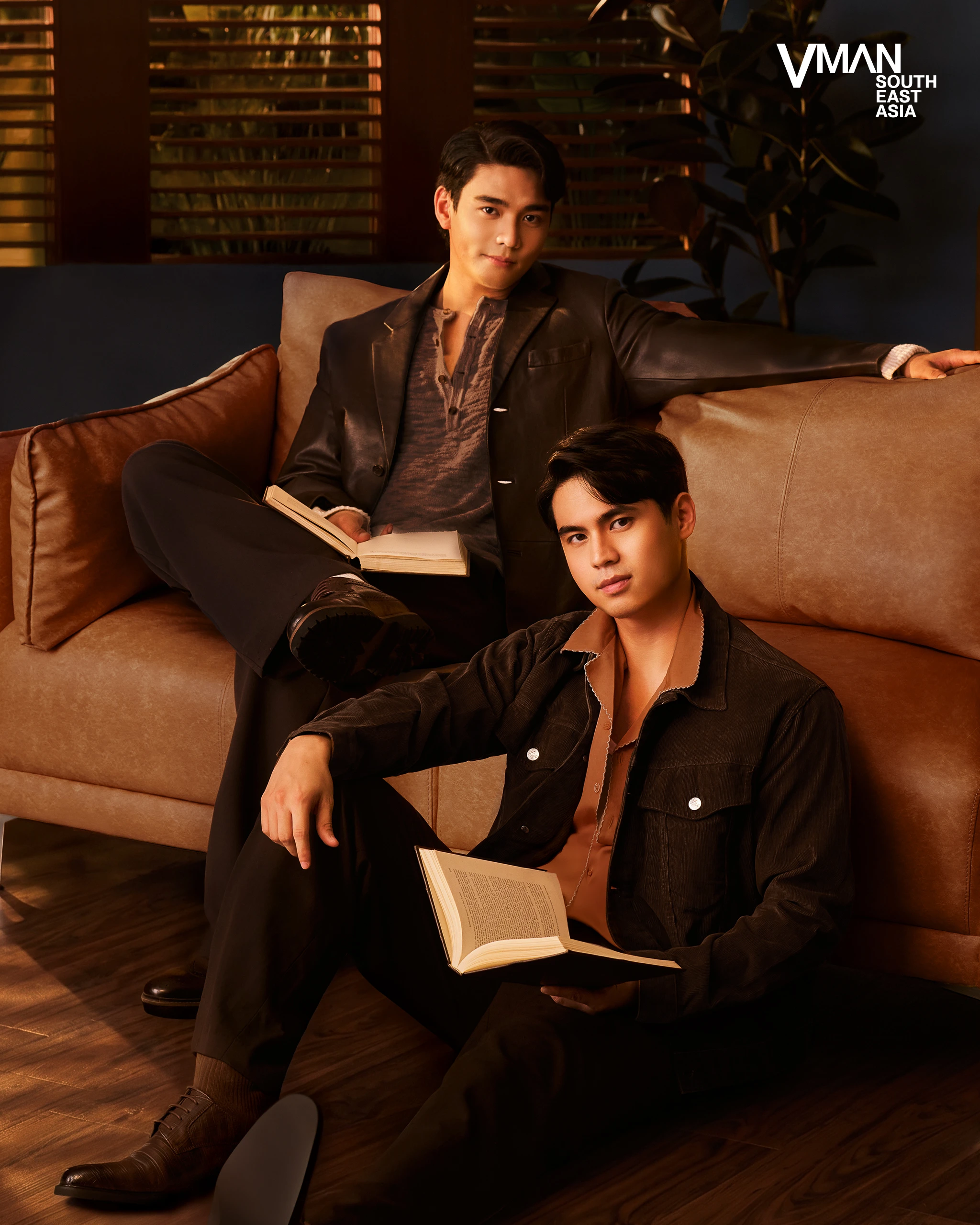
Emilio on why strength and kindness go hand in hand
Emilio doesn’t overcomplicate what “It’s Cool to Care” means. For him, it begins with something straightforward.
“To me, it means being confident enough to care for yourself, for loved ones, friends, family, and for your health and well-being. That’s real strength.”
Emilio speaks about masculinity with an ease that makes his perspective feel almost self-evident. Rather than trying to redefine it through sweeping declarations, he focuses on the everyday habits that shape confidence over time.
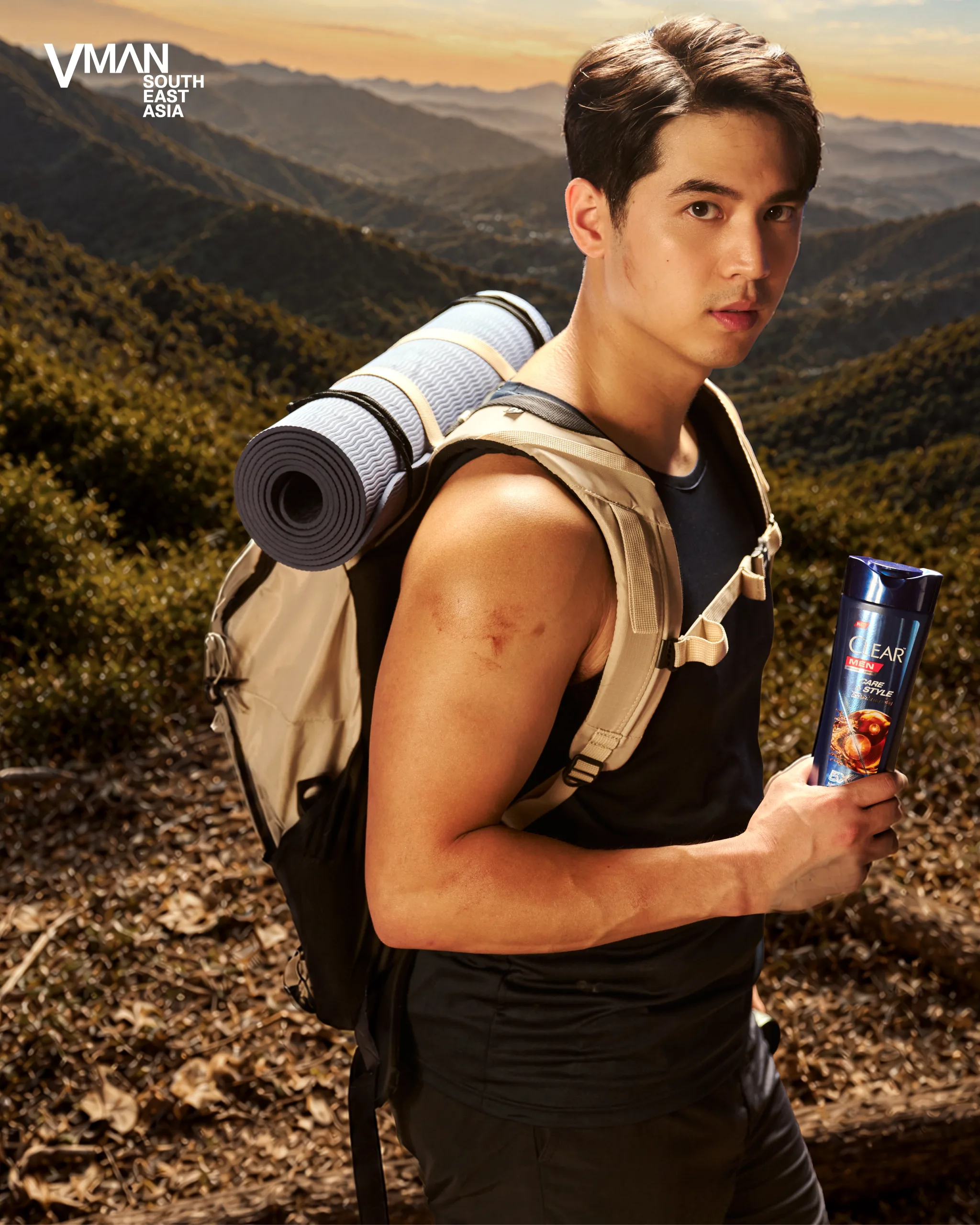
“I just try to lead by example, showing that being disciplined, kind, and taking care of yourself can all go hand in hand.”
If there’s one idea that runs through Emilio’s answers, it’s that masculinity isn’t something to prove. It’s something you practice. Confidence comes from showing up for yourself as consistently as you do for everyone else.
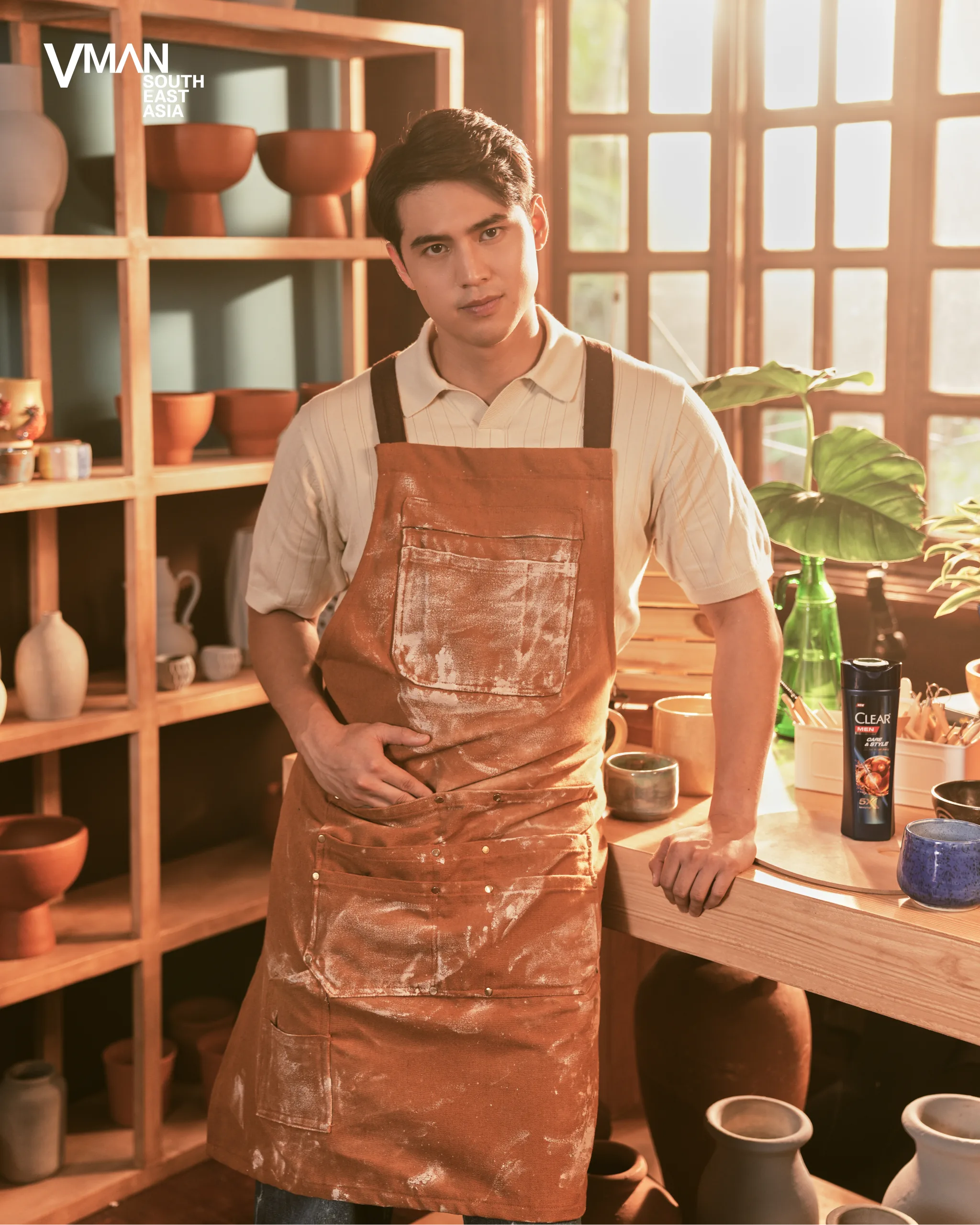
Asked whether men have to choose between being rugged and rough or smooth and sensitive, his answer comes without hesitation:
“Honestly, I think you can and should be both. You can be confident and strong while still being thoughtful and caring.”
Why Michael believes caring is the most underrated form of confidence
Michael takes that idea a step further. While Emilio sees care as an everyday expression of strength, Michael believes it demands something many men still struggle with: the confidence to admit that something matters.
“Sometimes people think it’s ‘cooler’ to not care and play it off. But the people I respect most are obsessive about the things they love. They care loudly. To me, ‘it’s cool to care’ means having the nerve to admit something matters to you.”
It is an idea that runs through nearly every answer he gives. Caring, in Michael’s view, isn’t the opposite of confidence but evidence of it. The discipline that allows someone to commit to a role, show up to work before sunrise, or spend months improving a craft isn’t fundamentally different from the discipline required to care for other people.
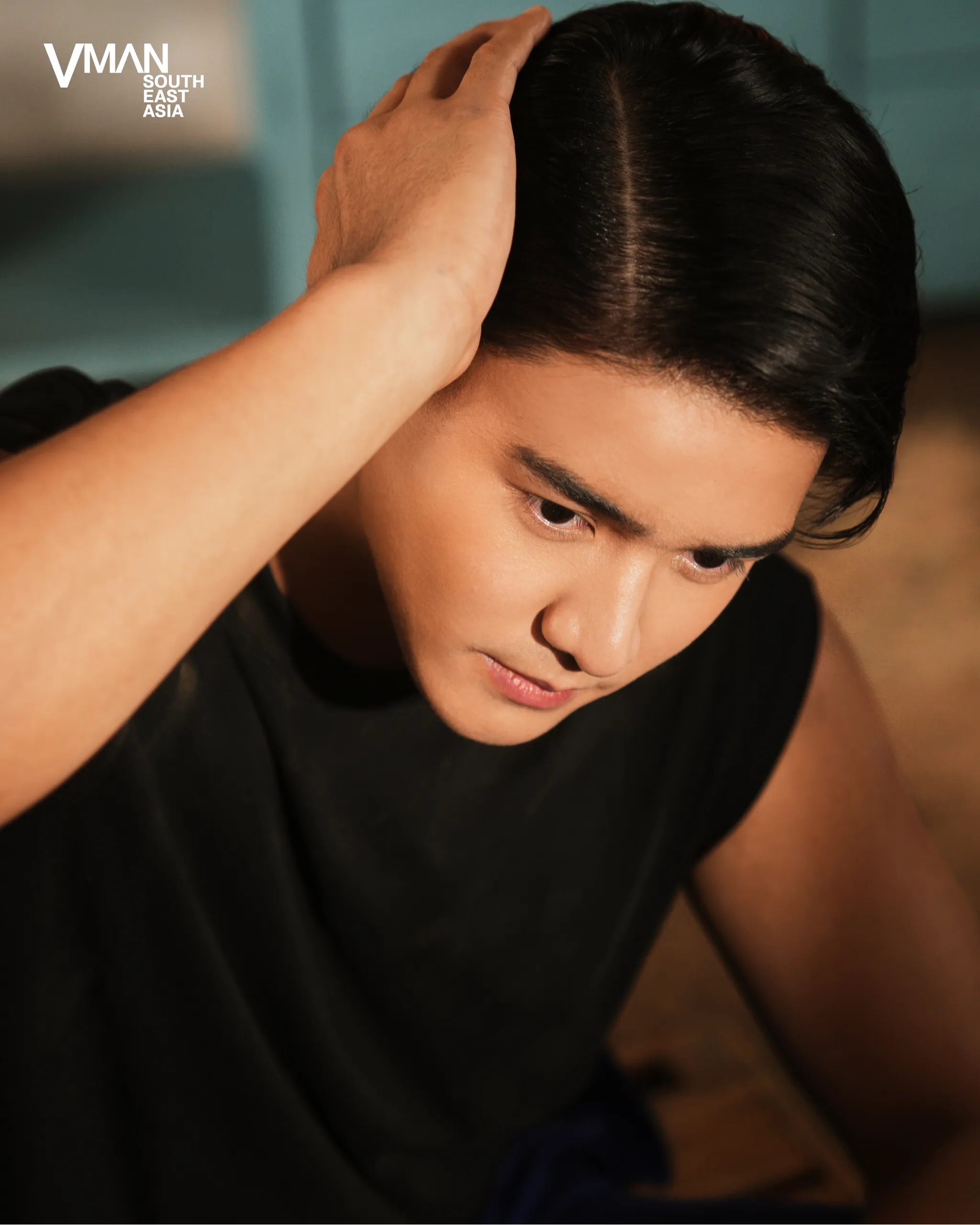
“I don’t see them as a switch I flip,” he says when asked about balancing toughness with softness.
“The discipline it takes to build something, show up, do the reps, run a set, that’s the same muscle as being tender with the people around you. I’ll be hard on myself about the work and soft with my team in the same afternoon and not feel a contradiction in it. Toughness without care is just ego. Care without toughness doesn’t ship anything.”
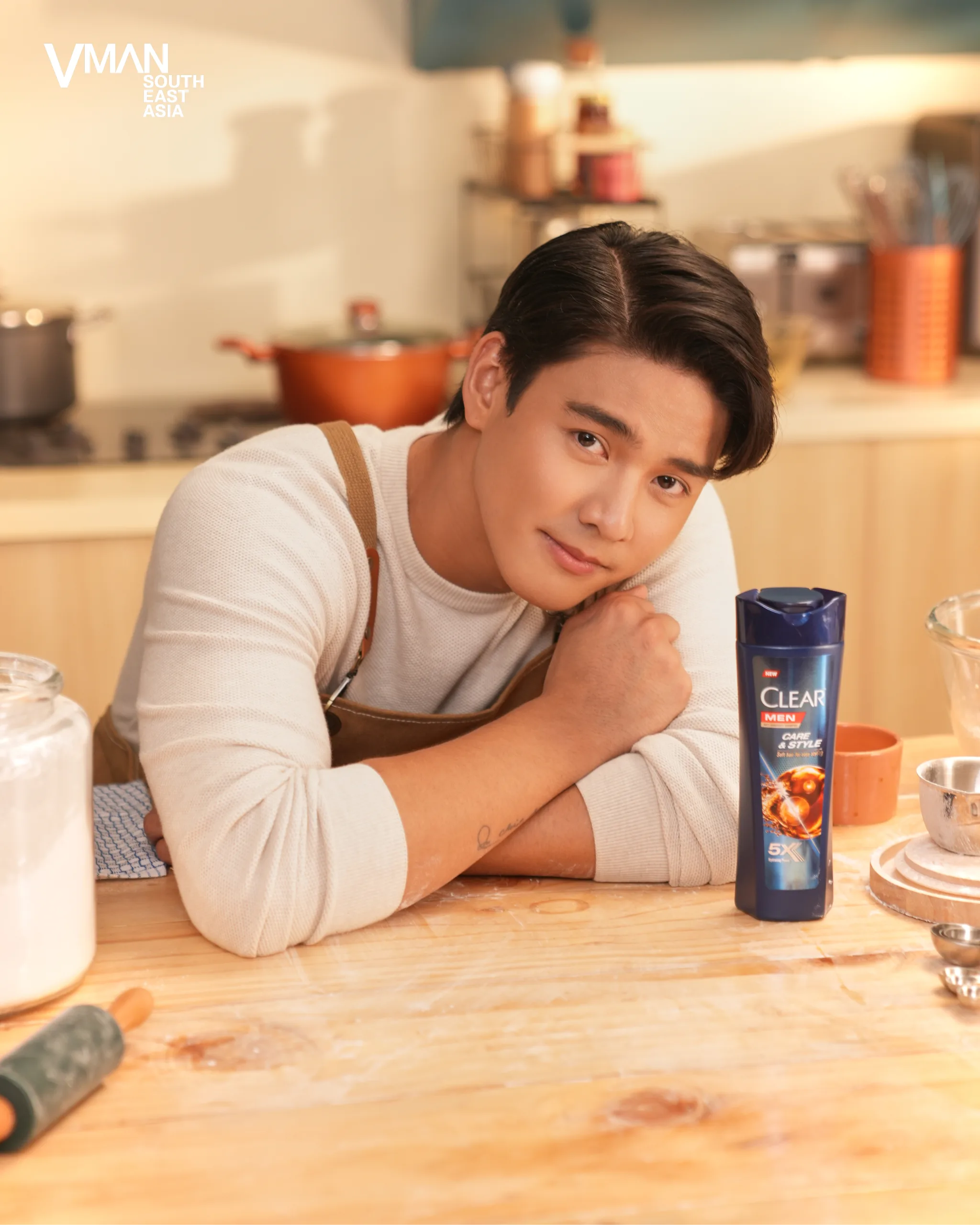
As an actor, he’s also aware that audiences rarely separate the characters they admire from the people portraying them. Leading roles inevitably become examples, especially for younger viewers still figuring out their own definitions of masculinity.
“When you play a lead, you’re not just delivering lines,” he says. “You’re modeling how a man handles pressure, love, failure.”
“If a kid watches that and thinks, ‘Okay, I’m allowed to feel things and still be the guy,’ that’s the whole job, honestly.”
CLEAR and self-care is becoming part of modern masculinity
That evolution becomes particularly clear when the conversation turns to grooming. Emilio says his perspective has shifted over time.
“I used to see it as just looking presentable. Now I see it as part of taking care of myself, physically and mentally.”
Michael shares a similar realization. What began as a routine centered on appearance gradually became something rooted in self-respect. Looking after himself, he says, begins with how he wants to feel before the day asks anything of him.

This makes CLEAR’s It’s Cool to Care campaign feel timely. Rather than asking men to become someone different, it gives language to qualities many have always possessed but rarely felt encouraged to express.
“When a brand this visible says ‘it’s cool to care,’ it gives young guys language and permission they didn’t have,” Michael says.
“A lot of men don’t lack the feeling; they lack a culturally okay way to show it. A grooming brand making care aspirational, not soft in the bad sense, moves the needle.”
Emilio sees the message in similarly practical terms: “CLEAR reminds men that taking care of yourself, starting with your scalp, is something to be proud of,” he says. “Self-care is part of confidence.”

The new leading man knows that caring is cool
For all the television roles and public appearances, both actors insist the distance between their public image and private selves is surprisingly small.
Michael admits the biggest contrast isn’t personality but process. Audiences see the finished image, while he spends most of his time immersed in scripts, call sheets, revisions, and the invisible work that happens long before the cameras roll.
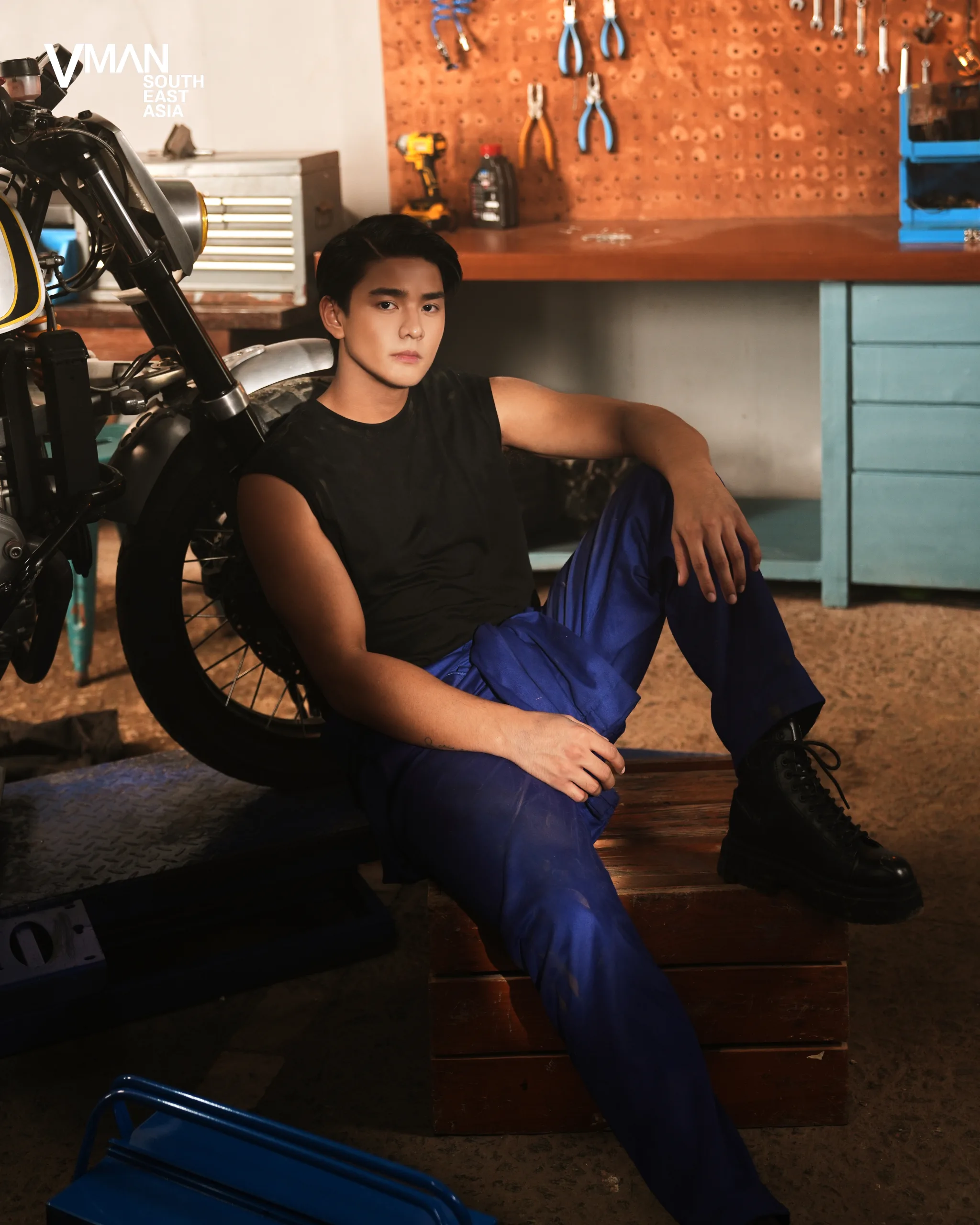
Emilio laughs when asked the same question, insisting that what people see is essentially who he is, just “a little more chill” when the cameras are off.
When asked to define modern masculinity in a single sentence, both arrive at remarkably similar conclusions. Michael describes it as “being soft enough to feel everything and steady enough to carry it.” Emilio calls it “having the confidence to care, for yourself and for others.”
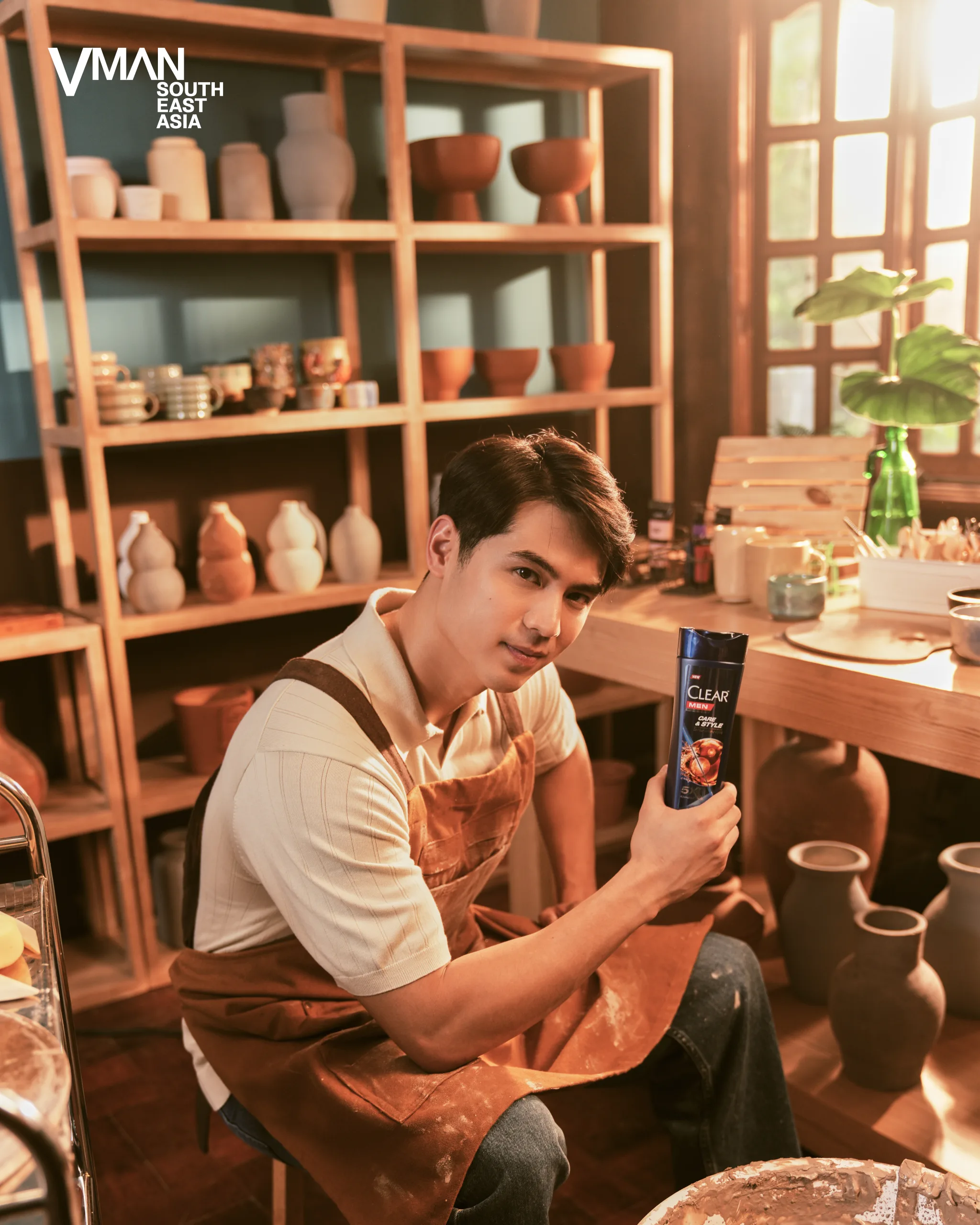
Taken together, those definitions form a portrait of a generation that still values discipline and strength, but no longer mistakes emotional distance for either.
If the old leading man was admired because nothing seemed to affect him, this new one stands out for the opposite reason. He cares deeply, says so without apology, and understands that confidence comes from being secure enough to feel everything.
Chief of Editorial Content Patrick Ty
Photography Jharwin Castaneda
Art direction Summer Untalan
FashionFashionThe art and industry of designing, producing, and styling clothing, footwear, accessories, and beauty trends. It reflects cultural influences, personal expression, and evolving styles across seasons and markets.Go to Fashion Glossary Abi Capicete
GroomingGroomingThe care and maintenance of hair, skin, beard, and nails, including cleansing, shaving, styling, and scent. Once niche, men's grooming has grown into a major lifestyle category, and VMAN's VanityGo to Grooming Glossary and hair Felicito Nato and Rye Ko
Production Francis Vicente
FashionFashionThe art and industry of designing, producing, and styling clothing, footwear, accessories, and beauty trends. It reflects cultural influences, personal expression, and evolving styles across seasons and markets.Go to Fashion Glossary associate Corven Uy
Photography assistants Aljon Celis and Joshua Navato
Recommended Video