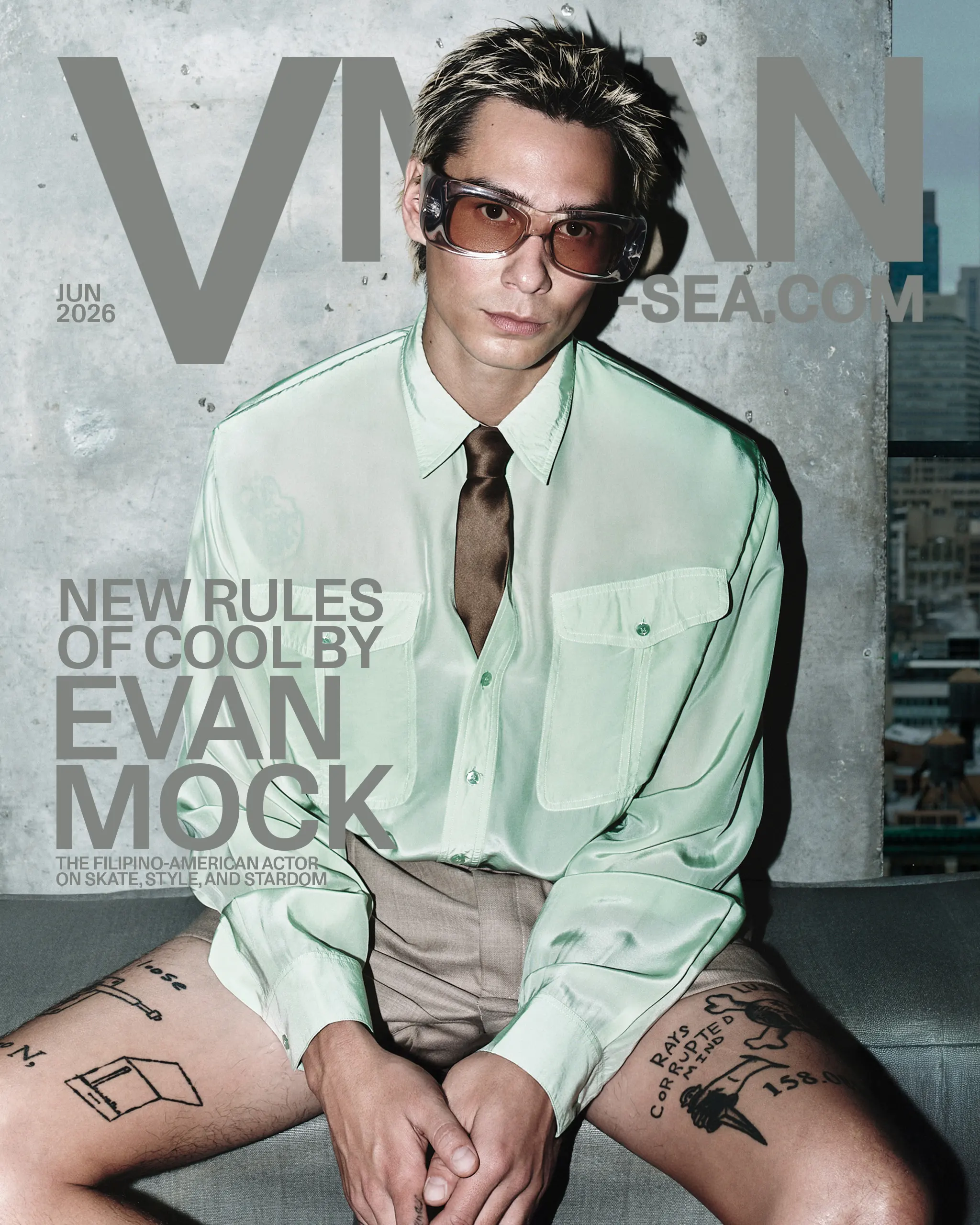
The New Rules of Cool by Evan Mock
From Hawaii’s North Shore to the worlds of fashion and television, Evan reflects on fame, identity, and why the ocean still feels more real than any spotlight




- Evan Mock discusses how growing up in Hawaii, alongside his Filipino heritage, shaped his identity, creativity, and approach to style.
- The actor, model, and designer shares how curiosity led him from skateboarding and fashion into television, including his breakout role in Gossip Girl.
- Despite navigating fame and multiple creative pursuits, Evan remains grounded by family and a commitment to staying true to himself.
Where Evan’s story begins
Before Evan Mock became a television actor and fashionFashionThe art and industry of designing, producing, and styling clothing, footwear, accessories, and beauty trends. It reflects cultural influences, personal expression, and evolving styles across seasons and markets.Go to Fashion Glossary fixture, he was a kid on Oahu’s North Shore spending most of his time in the ocean.
Surfing came first, then skateboarding, then eventually, an internet-famous pink buzzcut that transformed him from a local Hawaiian skater into one of fashionFashionThe art and industry of designing, producing, and styling clothing, footwear, accessories, and beauty trends. It reflects cultural influences, personal expression, and evolving styles across seasons and markets.Go to Fashion Glossary’s most recognizable new faces almost overnight.
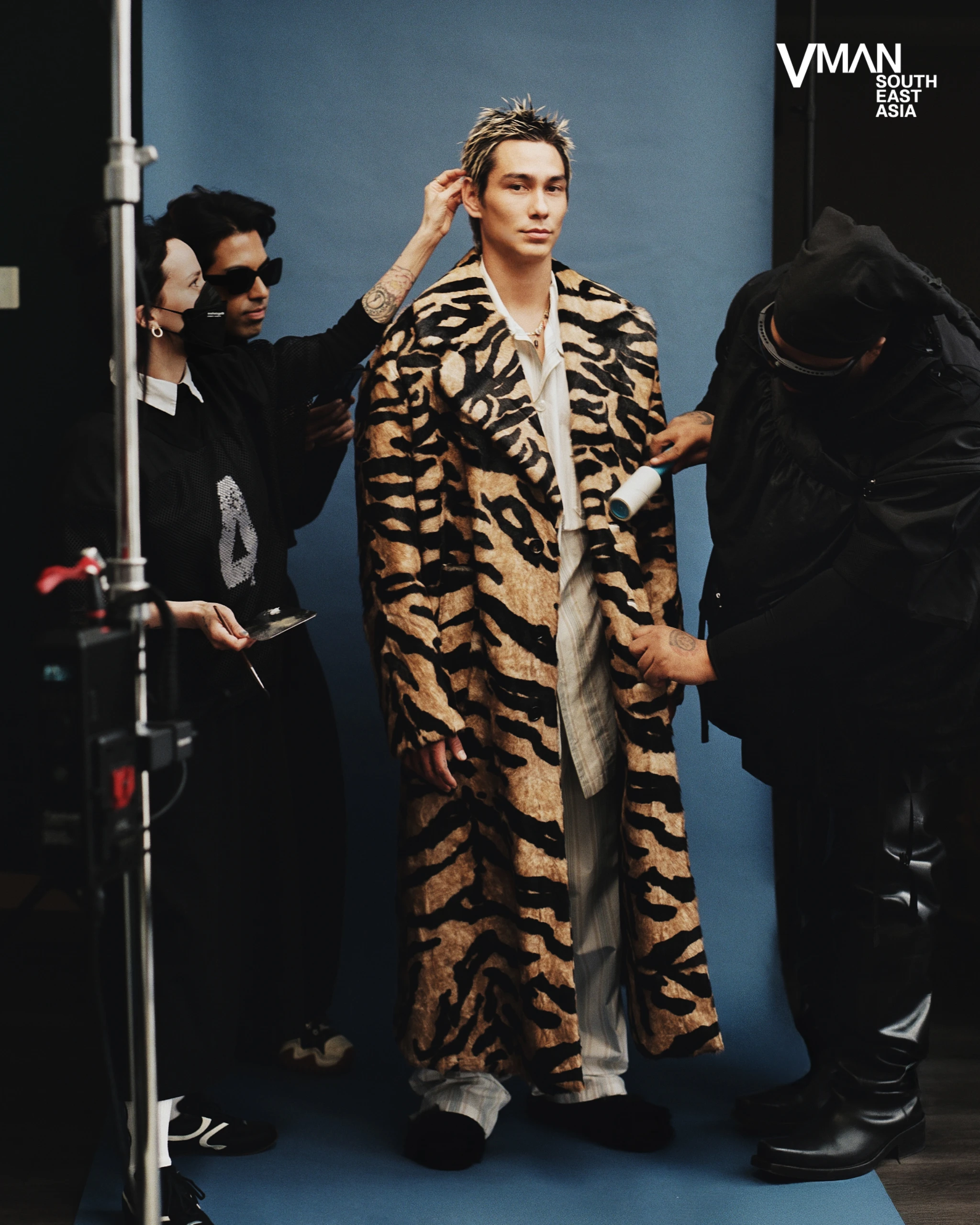
Years later, Evan’s career has evolved far beyond viral visibility.
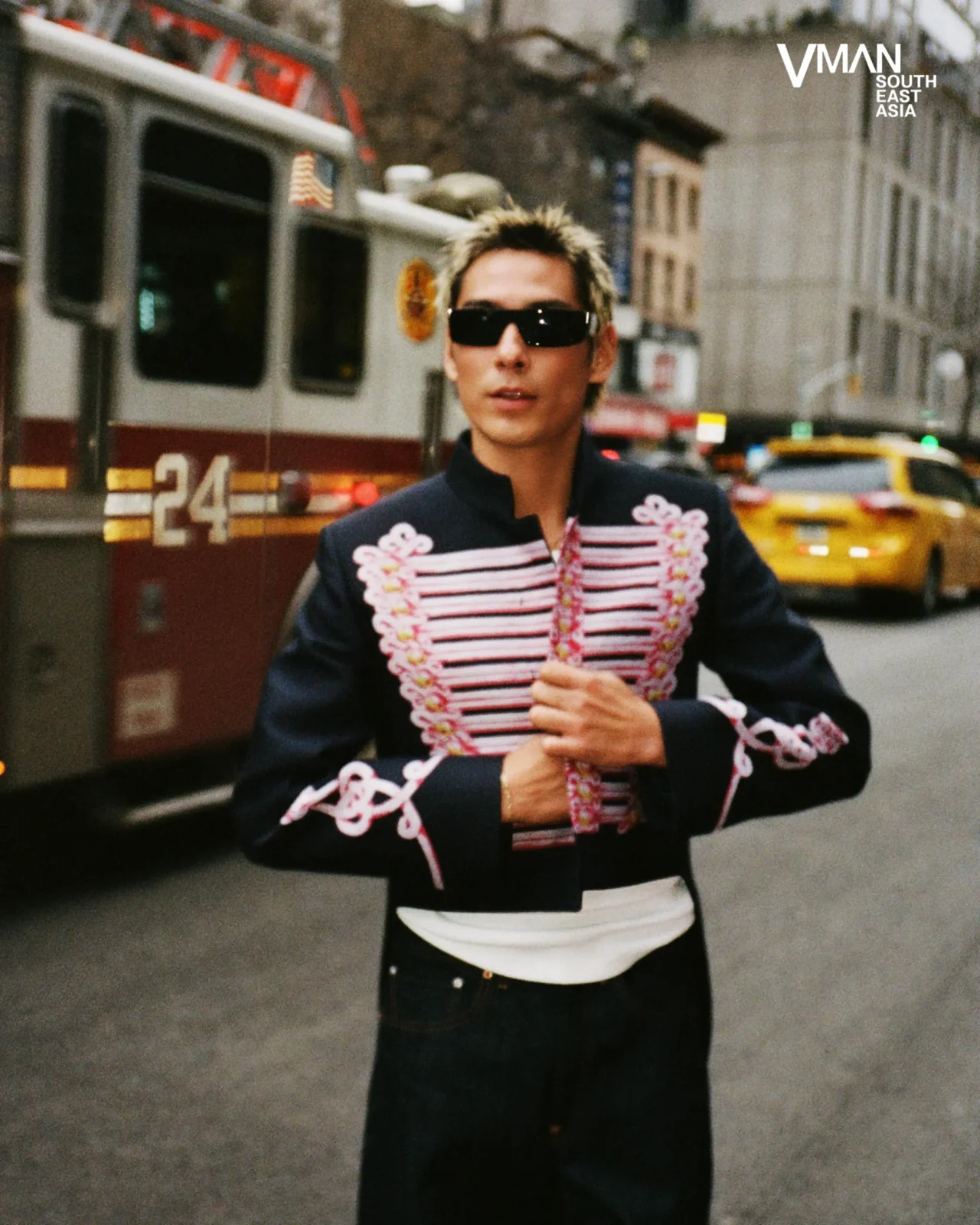
As the cover star of our Style & TV issue, he represents a generation of creatives redefining what modern cool looks like: less performative, less polished, and rooted instead in nonchalance and authenticity.
Evan occupies a rare cultural space where fashionFashionThe art and industry of designing, producing, and styling clothing, footwear, accessories, and beauty trends. It reflects cultural influences, personal expression, and evolving styles across seasons and markets.Go to Fashion Glossary, television, and lifestyle naturally intersect. Modeling led to campaigns for Calvin Klein, Pandora, and Paco Rabanne, alongside magazine covers for Vogue Man Philippines, Esquire Vietnam, GQ Korea, among others
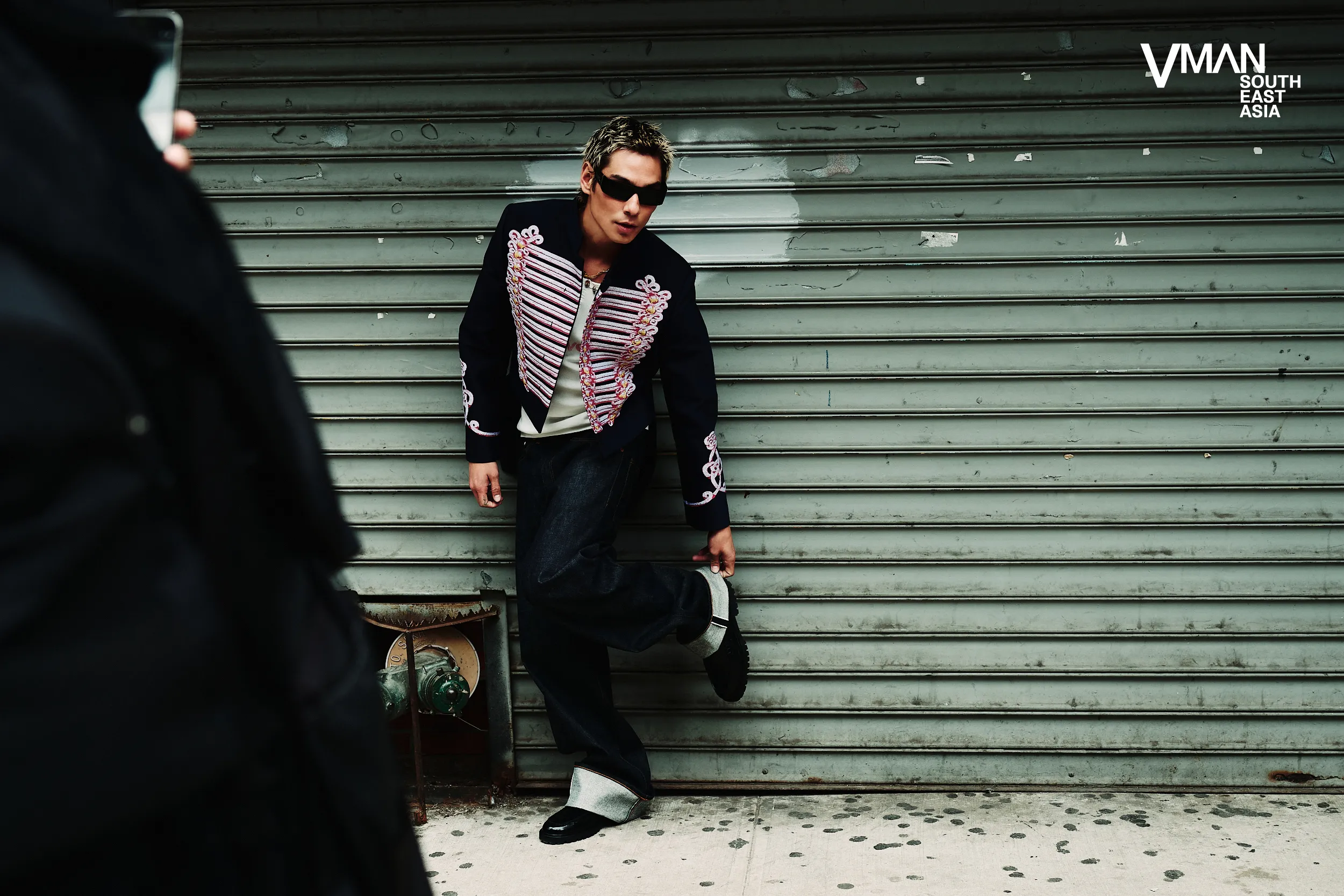
Acting led to HBO Max’s Gossip Girl reboot, where his role as Aki Menzies helped establish him as more than just a fashionFashionThe art and industry of designing, producing, and styling clothing, footwear, accessories, and beauty trends. It reflects cultural influences, personal expression, and evolving styles across seasons and markets.Go to Fashion Glossary-world personality. But beneath all of it remains the sensibility of someone shaped by Hawaii long before the world started paying attention.
As the descendant of three generations of Filipino immigrants, he also grew up surrounded by Filipino food and the cultural mix that defines everyday life on the islands. Hawaii, in his telling, was never just one thing.
It was skate culture and surf culture, but also a convergence of communities and identities that shaped the person he would become.
From skater to fashion and TV star
The striking thing about Evan is how little he romanticizes any of it. He speaks about career pivots casually, almost suspiciously casually, as though becoming famous online and then transitioning into television happened somewhere between skate sessions and flights out of Honolulu.
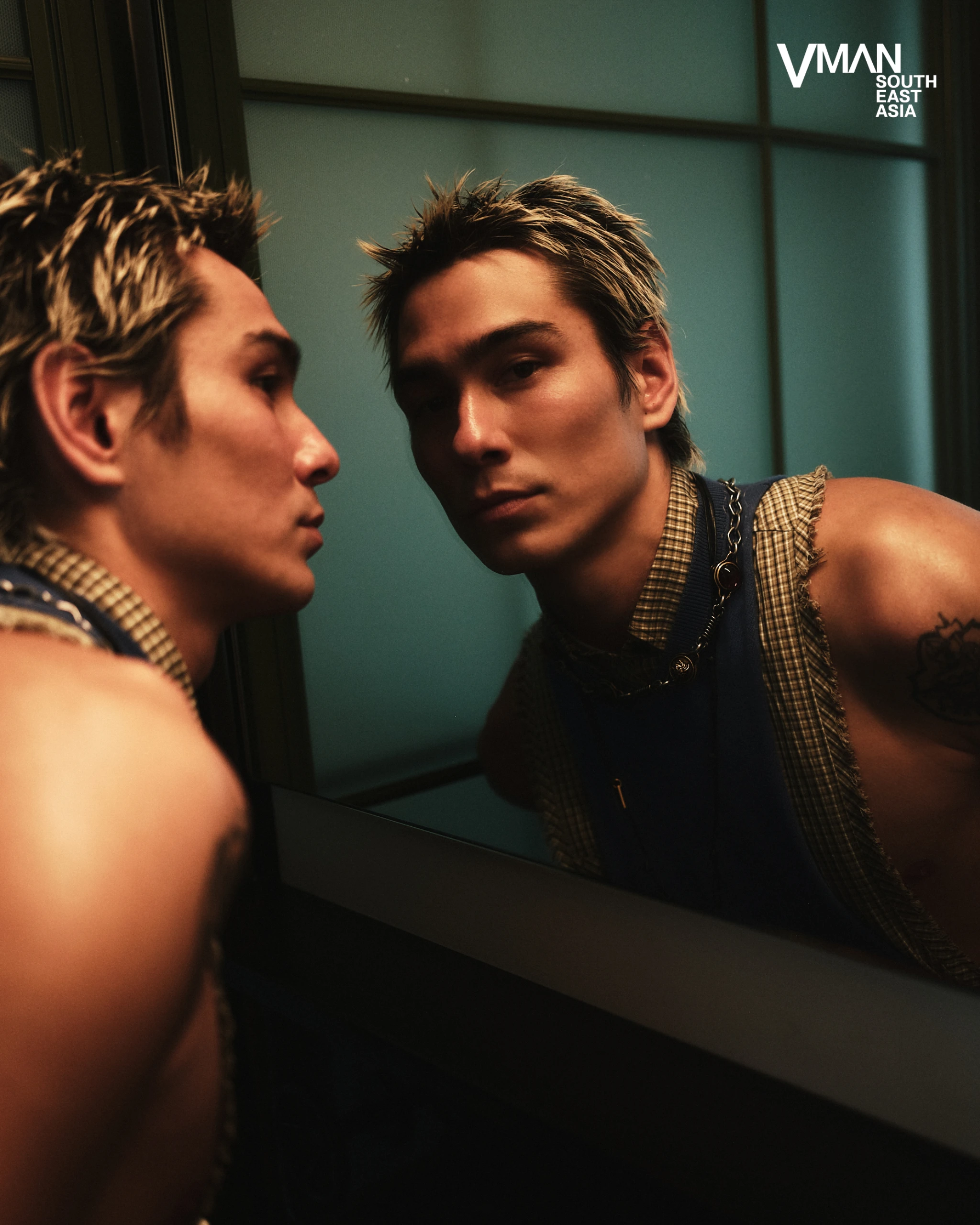
There is no rehearsed mythology in the way he talks about himself. No grand narrative about chasing stardom. If anything, his career seems to have emerged from instinct and a refusal to stay still for too long.
“Surfing and skateboarding are really the root of everything I’ve done. They shaped what I wear, the people I know, and the places I’ve been.”
“ ”
How Hawaii shaped Evan’s creative identity
Growing up on Oahu meant movement was part of everyday life. The ocean dictated schedules, surf reports mattered, and friends drifted between beaches and parking lots with boards tucked under their arms.
Hawaii, particularly in fashion and media, is often flattened into postcard imagery, but Evan describes it as a deeply specific ecosystem of people and culture.
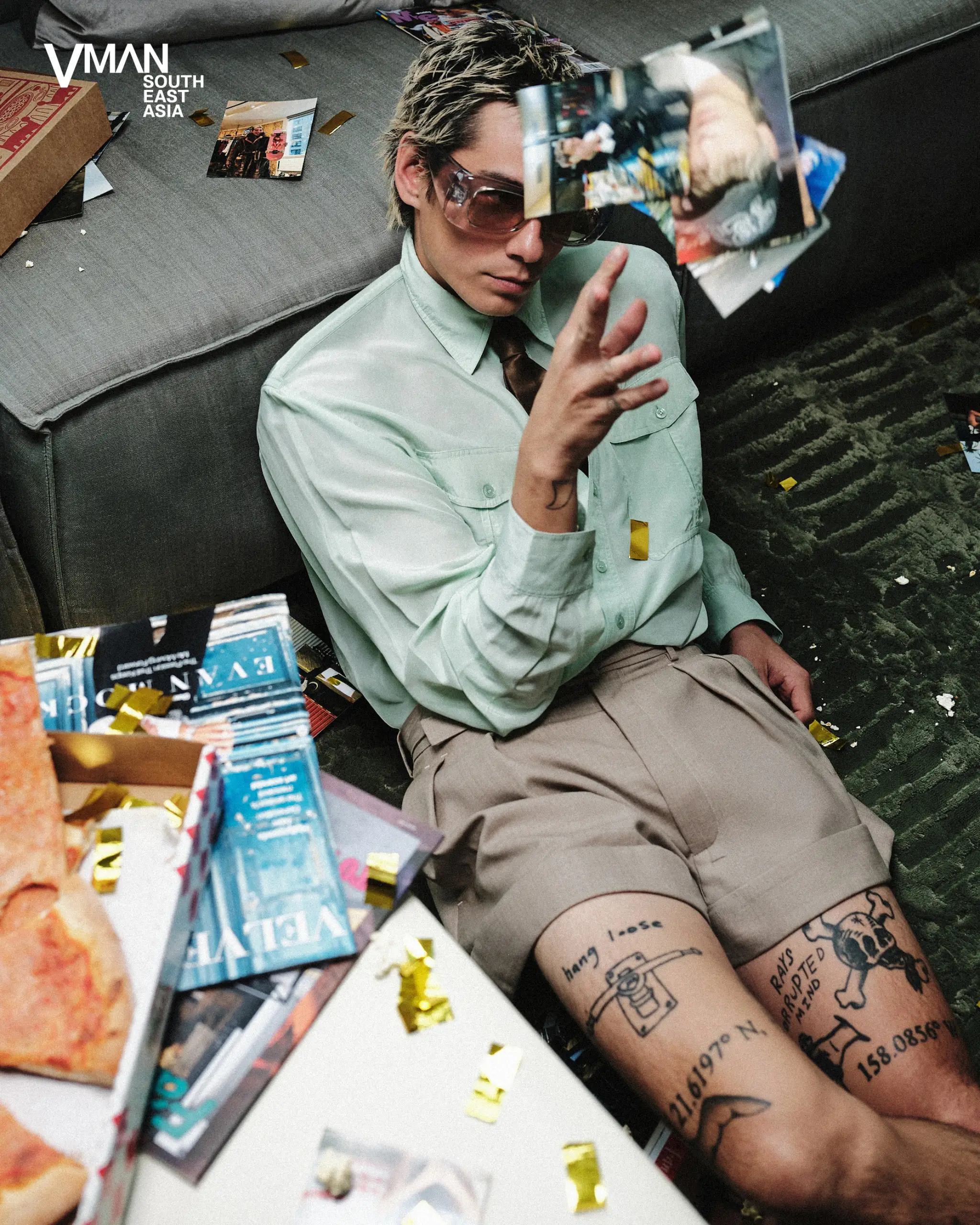
Surfing dominated his childhood first. On Hawaii, it is almost unavoidable. But eventually he noticed something that subtly shifted his direction.
“My friends were way better than me and already getting sponsored,” he says, laughing. “Even though I was young, I think I wanted to find something that felt more like my own lane.”
At around 10 years old, he found skateboarding. “I became obsessed with it,” he says. “I wanted to skate every day, all day.”
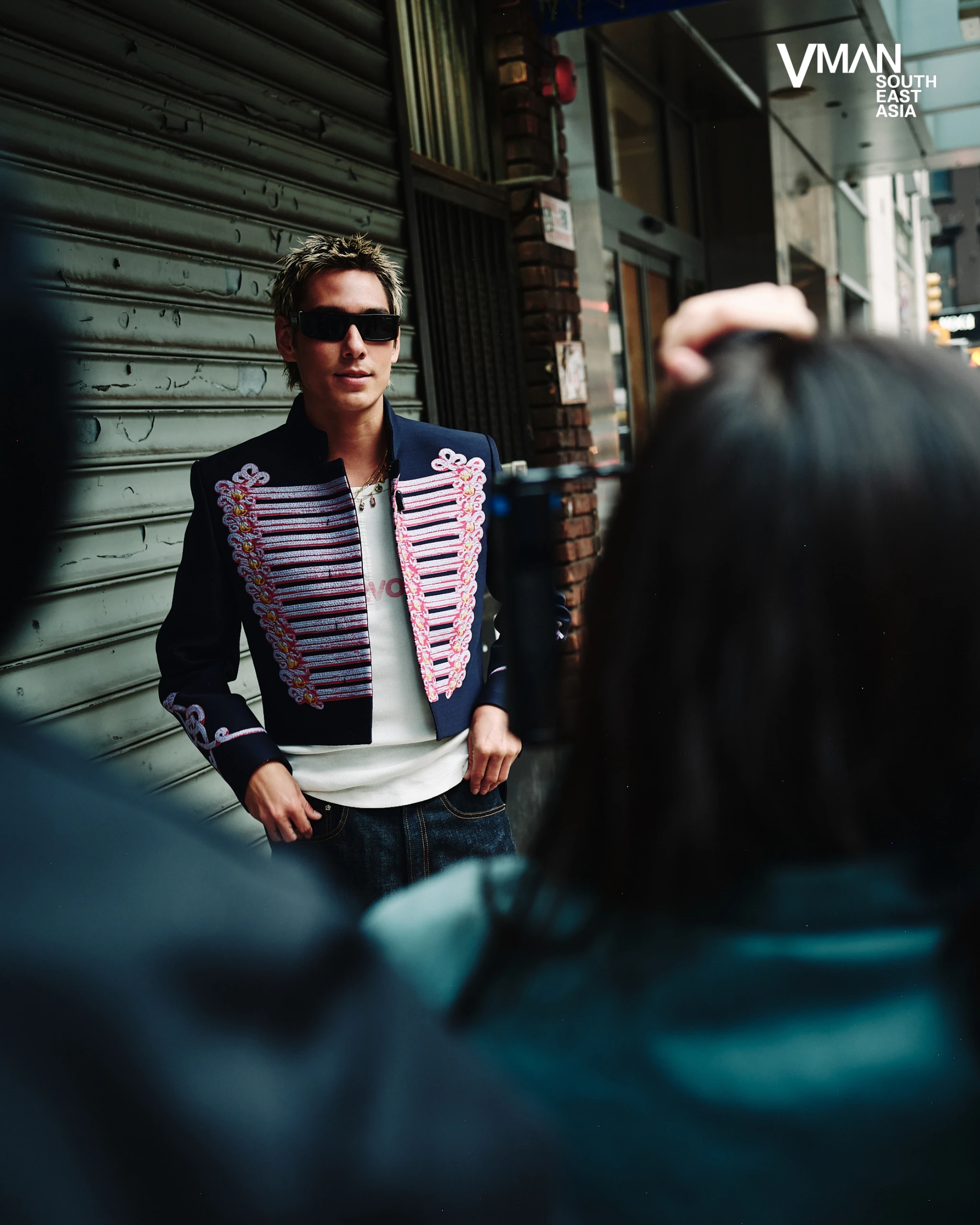
Why skateboarding and surf culture still influence his style
Long before fashion campaigns and television sets entered the picture, skateboarding influenced how Evan understood style. It introduced him to people outside Hawaii, gave him reasons to travel, and eventually connected him to creative industries that would later define his career.
Today, skate and surf culture exist at the center of global fashionFashionThe art and industry of designing, producing, and styling clothing, footwear, accessories, and beauty trends. It reflects cultural influences, personal expression, and evolving styles across seasons and markets.Go to Fashion Glossary. Fashion houses routinely borrow from both aesthetics, whether through oversized silhouettes, distressed clothing, or campaigns designed to mimic the spontaneity of street culture. But the Filipino-Hawaiian actor believes fashion still misunderstands those worlds.
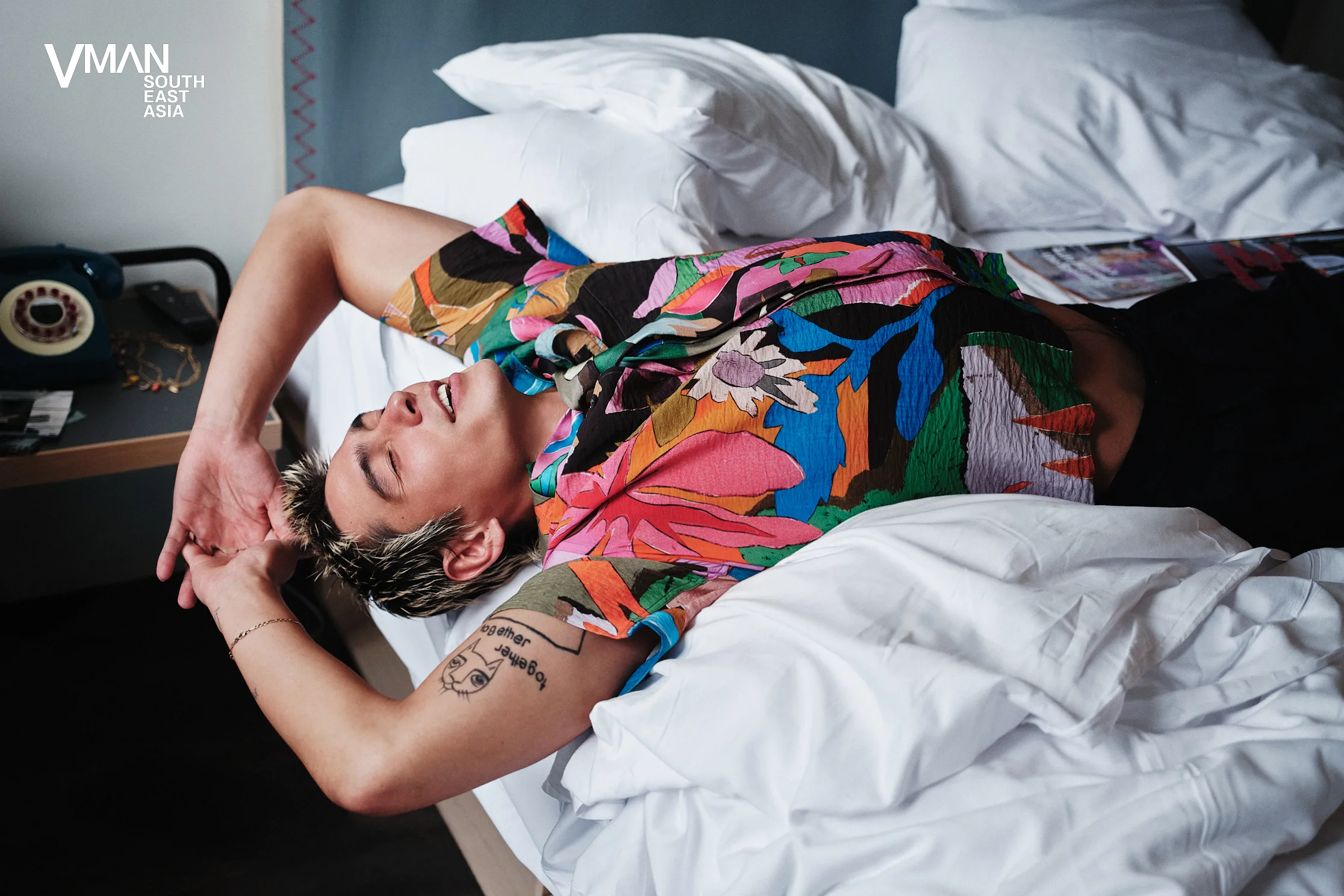
“FashionFashionThe art and industry of designing, producing, and styling clothing, footwear, accessories, and beauty trends. It reflects cultural influences, personal expression, and evolving styles across seasons and markets.Go to Fashion Glossary still gets a lot of it wrong,” he says. “I think people underestimate how tuned into fashion surfers and skaters actually are.”
For him, the issue is authenticity. Surfers and skaters are not participating in aesthetics as trends. Their style develops naturally through how they experience life.
“We’re living it as a lifestyle, not as a trend. We’re not doing things because they look cool online or because they’re fashionable at the moment.”
That distinction has become increasingly relevant in the age of algorithmic style, where subcultures are often discovered and replicated at rapid speed. Evan emerged during one of the earliest versions of that cycle, eventually becoming one of fashion’s most recognizable young faces before transitioning into television.
How a series reboot anchored Evan’s acting career
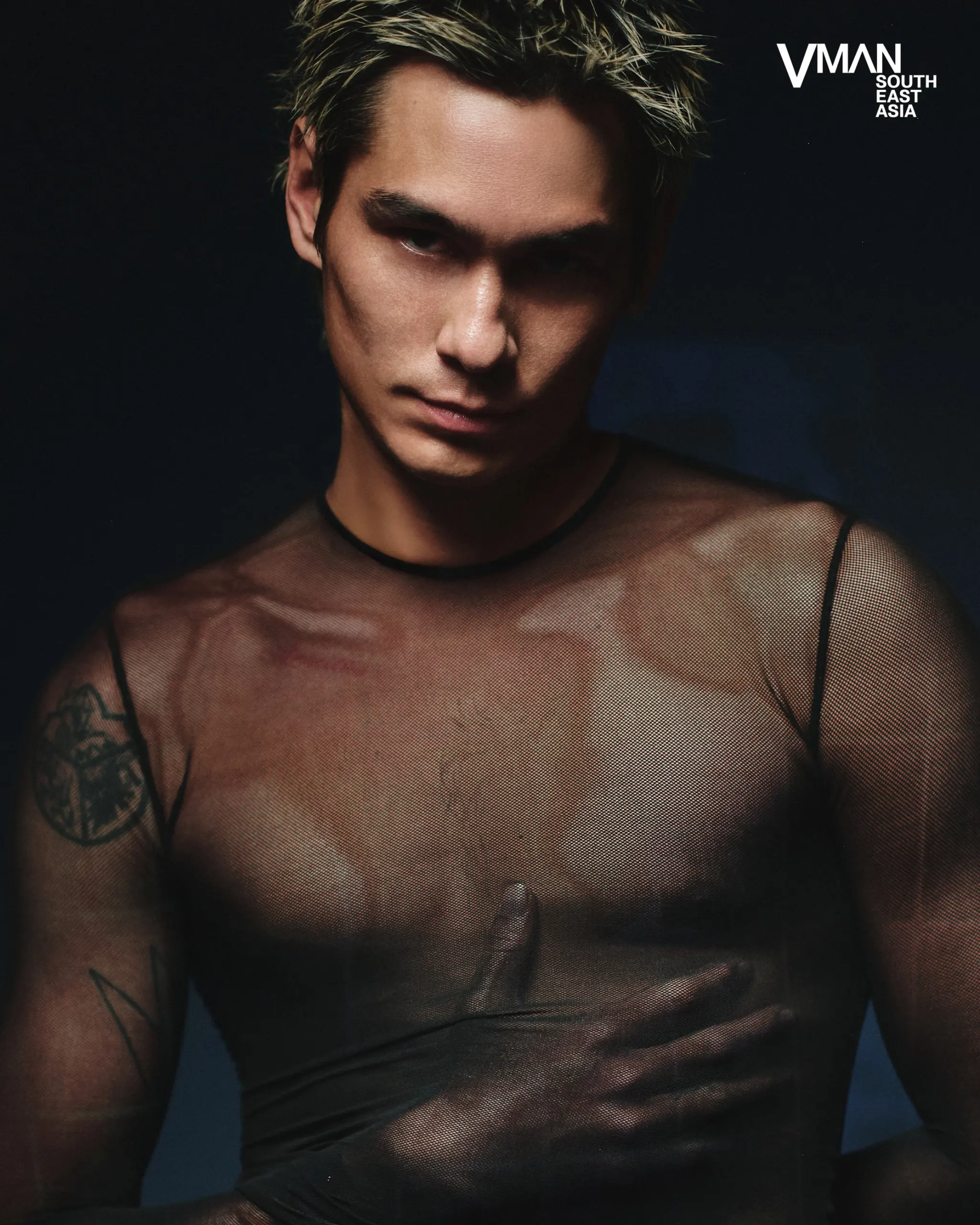
Gossip Girl became the turning point.
The HBO Max reboot arrived with enormous cultural baggage attached to it. The original series had defined an entire generation’s understanding of aspirational New York living. The reboot attempted to reinterpret that formula for a younger audience shaped by social media and internet surveillance.

Evan’s character, Aki Menzies, stood apart from the chaos surrounding him. Emotionally uncertain and noticeably softer than many of the show’s other characters, Aki became one of the reboot’s emotional anchors.
Through storylines centered on identity and intimacy, he brought a vulnerability to the role that expanded public perception of him.
Until then, many people viewed him primarily through the lens of fashionFashionThe art and industry of designing, producing, and styling clothing, footwear, accessories, and beauty trends. It reflects cultural influences, personal expression, and evolving styles across seasons and markets.Go to Fashion Glossary: editorials, campaigns, and street-style photographs. Gossip Girl allowed audiences to see him differently as someone capable of carrying an emotional narrative.
Why Evan refuses to stay in one creative lane
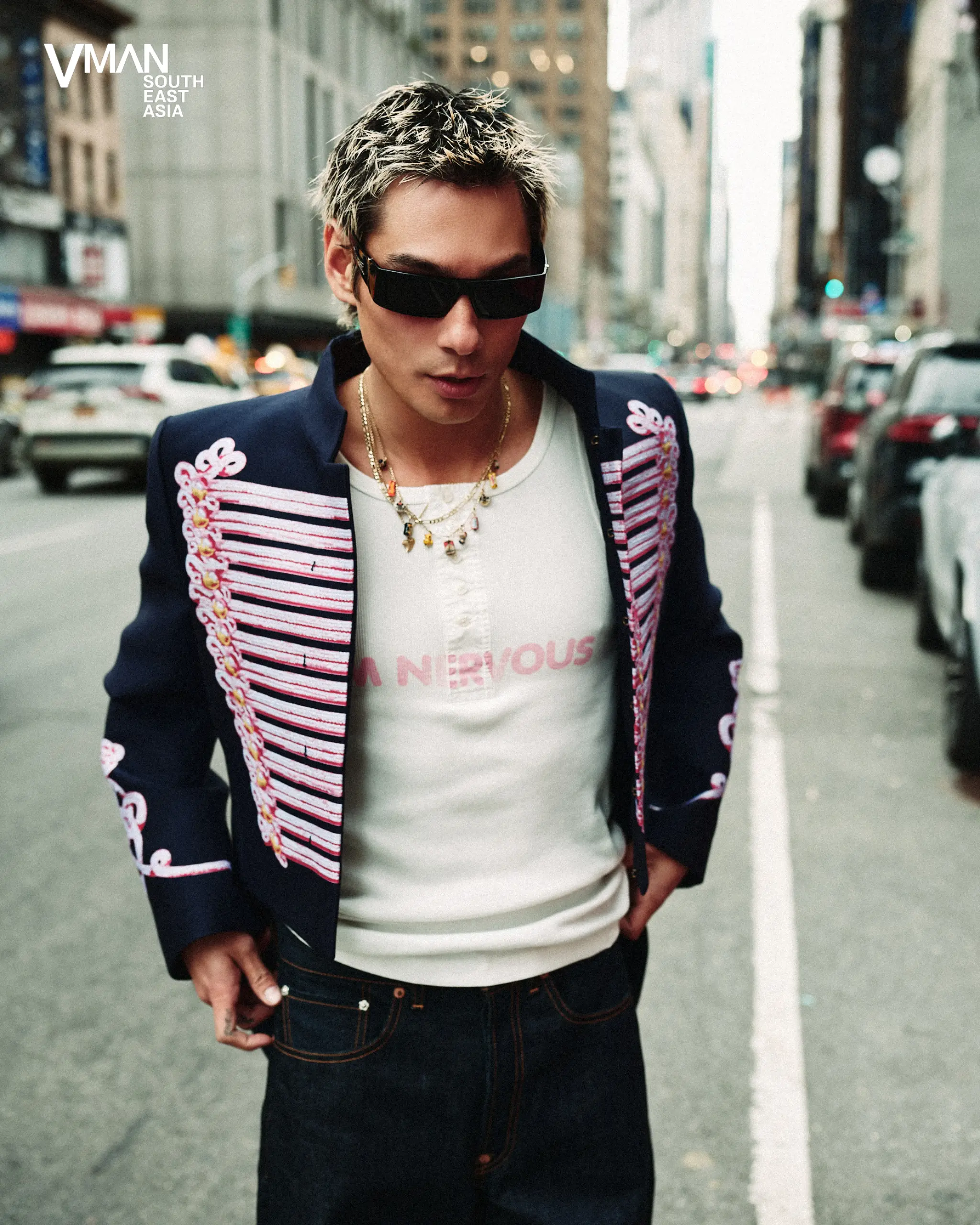
For Evan, acting emerged the same way many of his other careers did: through curiosity. “I’m always trying my hand at things that genuinely interest me,” he says. “Sometimes I just get lucky, and they turn into careers.”
This philosophy has guided nearly every creative transition he has made. Skateboarding became work. Modeling became work. Acting became work. Most recently, entrepreneurship joined the list through Wahine, the clothing brand he has been developing.
“A hobby can suddenly become a whole new chapter of your life. Sometimes it becomes a career, and sometimes it just becomes an expensive habit.”
The humor in the comment mirrors something essential about Evan’s personality. Despite existing inside industries built around ambition, he rarely frames success in overly serious terms. He seems far more interested in exploration than mastery.
“The reason I’m into so many things is because I never really put myself in a box,” he says. “I like keeping things fresh and new.”
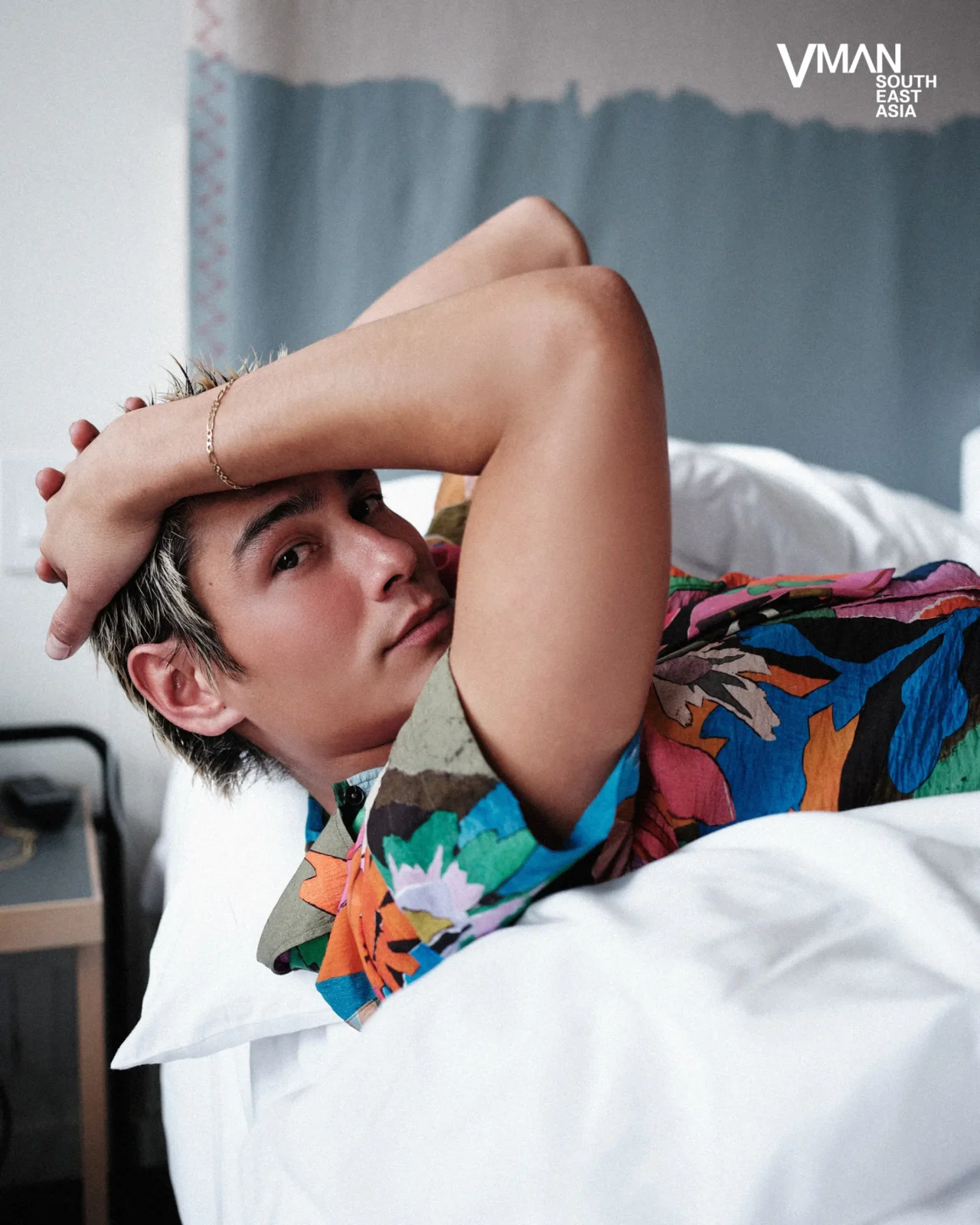
Inside Wahine, his Hawaiian-inspired fashion brand
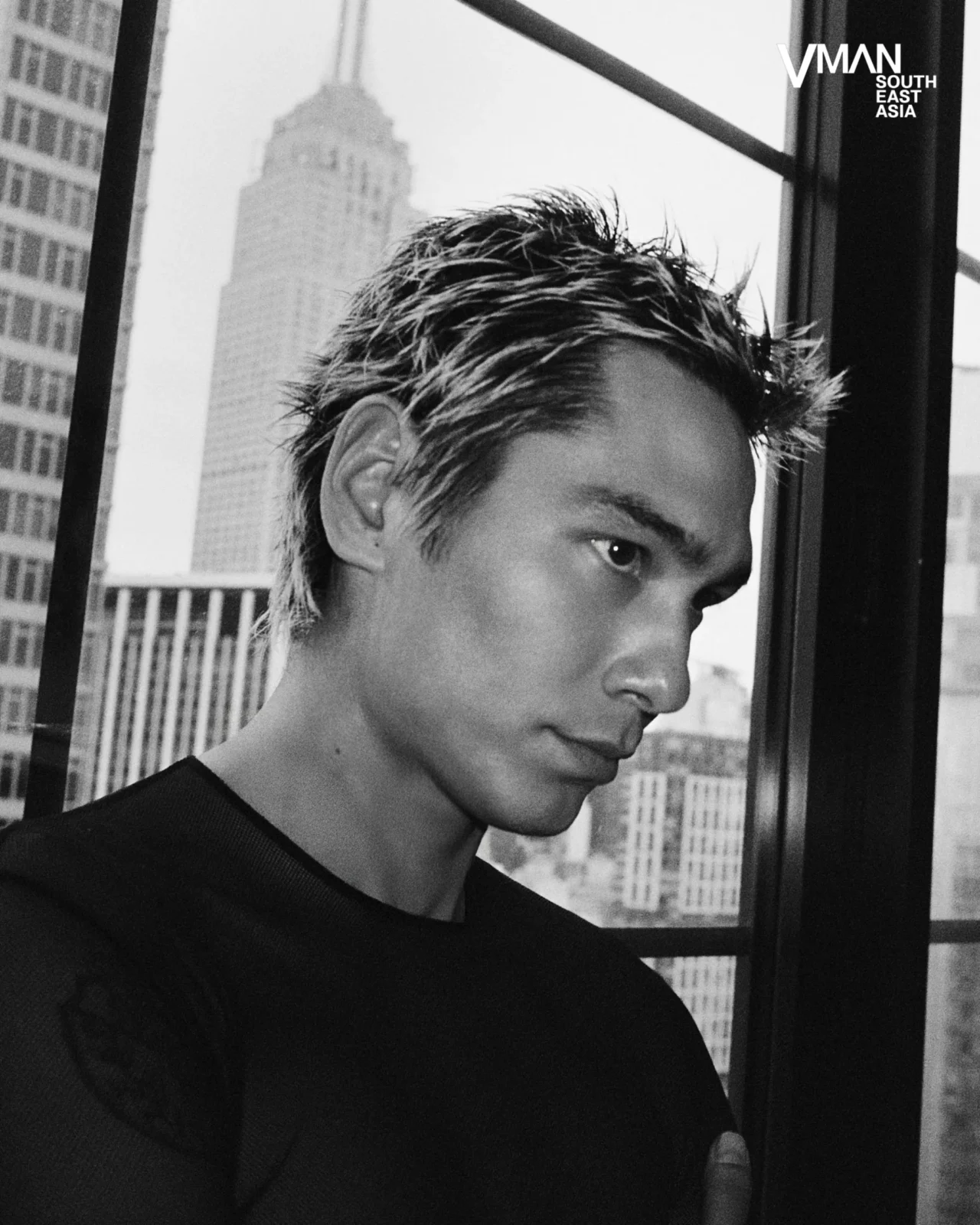
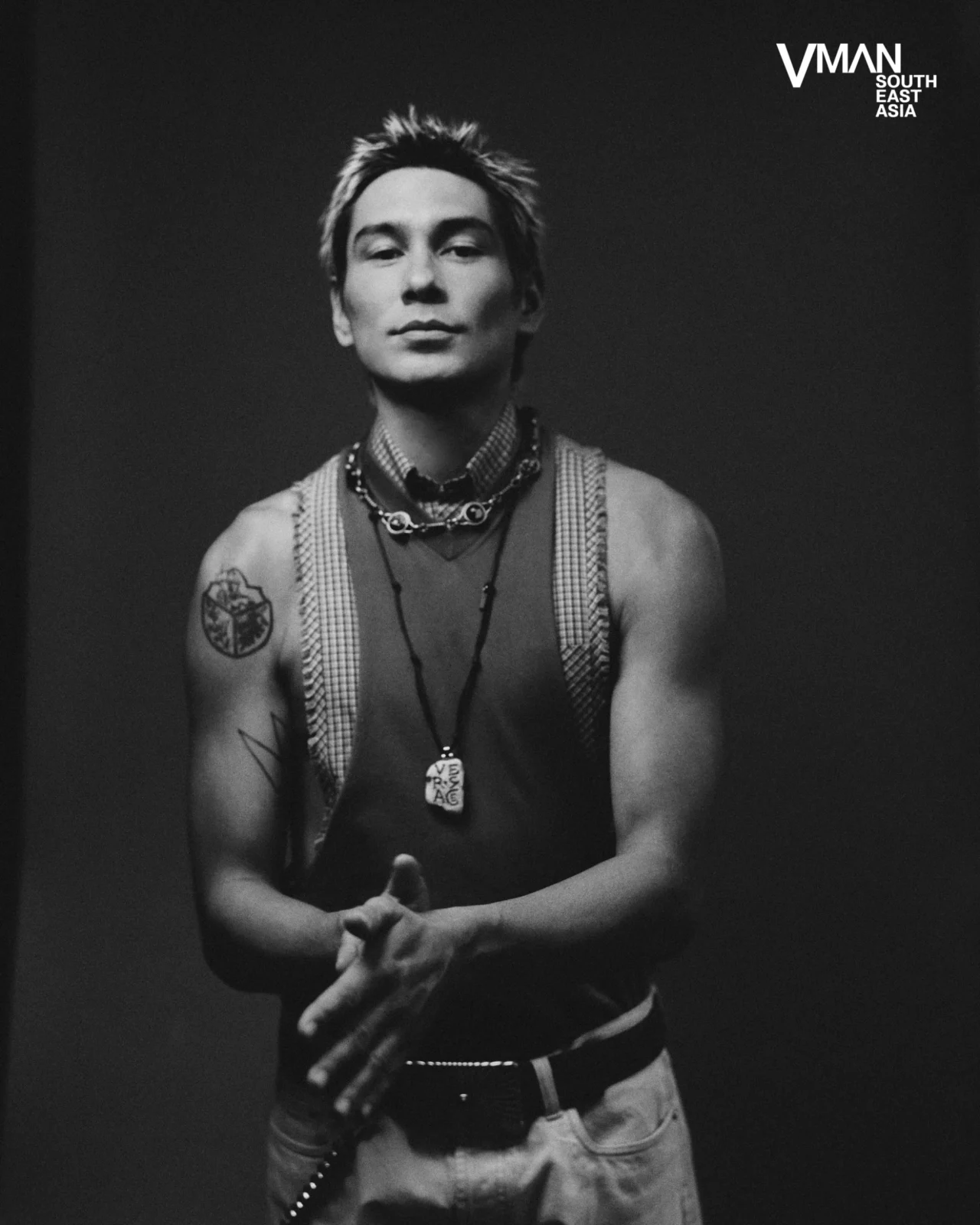
Wahine perhaps reveals the clearest version of Evan’s instinct for keeping things fresh. The brand draws heavily from Hawaiian culture, but not in the simplified way global fashionFashionThe art and industry of designing, producing, and styling clothing, footwear, accessories, and beauty trends. It reflects cultural influences, personal expression, and evolving styles across seasons and markets.Go to Fashion Glossary often references the islands.
“The DNA of the brand is really what I grew up seeing in Hawaii, both traditionally and untraditionally. I’m trying to put my own spin on it and create things that I would actually wear.”
“People usually stop at Hawaiian shirts and floral patterns, but there’s way more to the culture than that,” he says. “There are so many references and aesthetics that are deeply part of everyday life there.”
He describes Hawaii as an atmosphere, something difficult to fully understand without experiencing it firsthand. That complexity is something he hopes to communicate through design.
How Evan stays grounded despite fame
At the same time, Hawaii functions as something even more important in his life: perspective. Fame tends to distort reality. Visibility becomes constant, and entire careers are built around maintaining momentum at all costs.
Evan’s solution is surprisingly simple: “I just go back to Hawaii.” There is almost relief in the way he describes returning home.
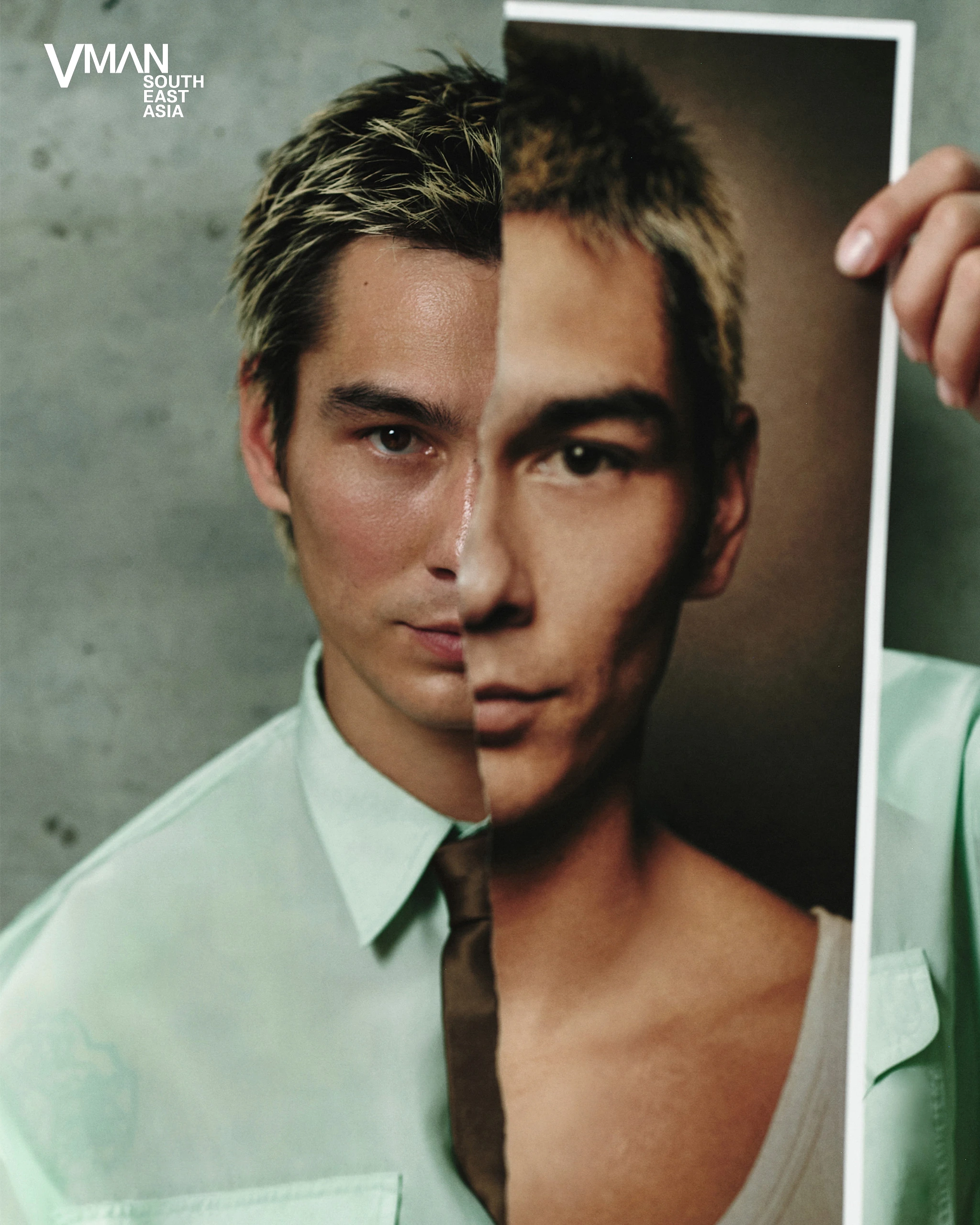
“Nothing changes there too much besides maybe a new hotel here and there or a few new cousins being born,” he says. “My whole family lives there, and nobody really cares what you do outside of Hawaii.”
In New York, Los Angeles, or Paris, industries revolve around reinvention. In Hawaii, Evan says, life remains familiar.
“I can travel the world and come back, and it still feels the same. My family is there, my friends are there, and I’m always going to call Hawaii home.”
On staying connected to his younger self
By the end of our conversation, what emerges most clearly is not Evan Mock the actor or model or entrepreneur, but Evan Mock as someone attempting to preserve a sense of self while moving through industries designed to reshape identity constantly.
His advice to young creatives portrays that instinct. “Never stop becoming your younger self,” he says.
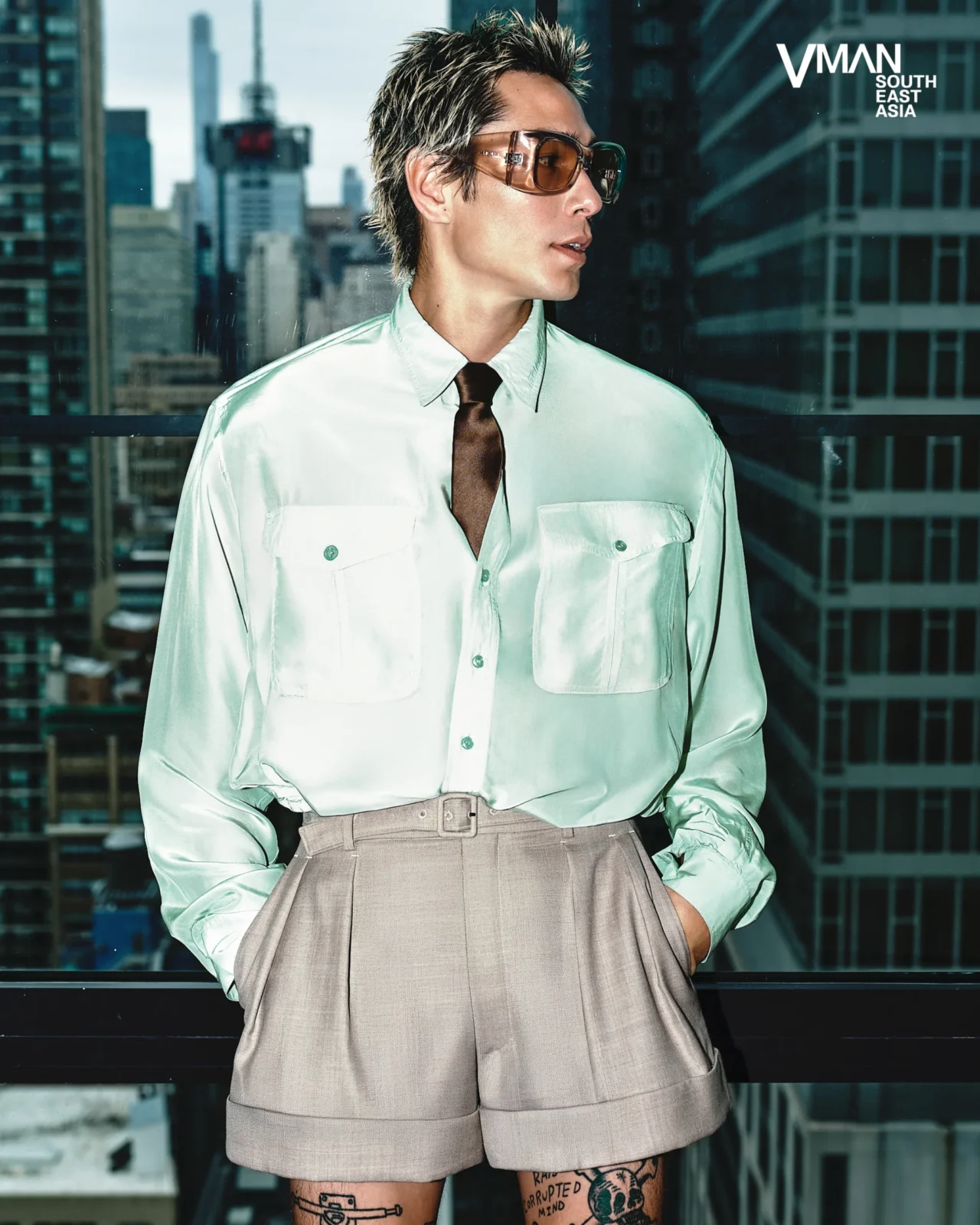
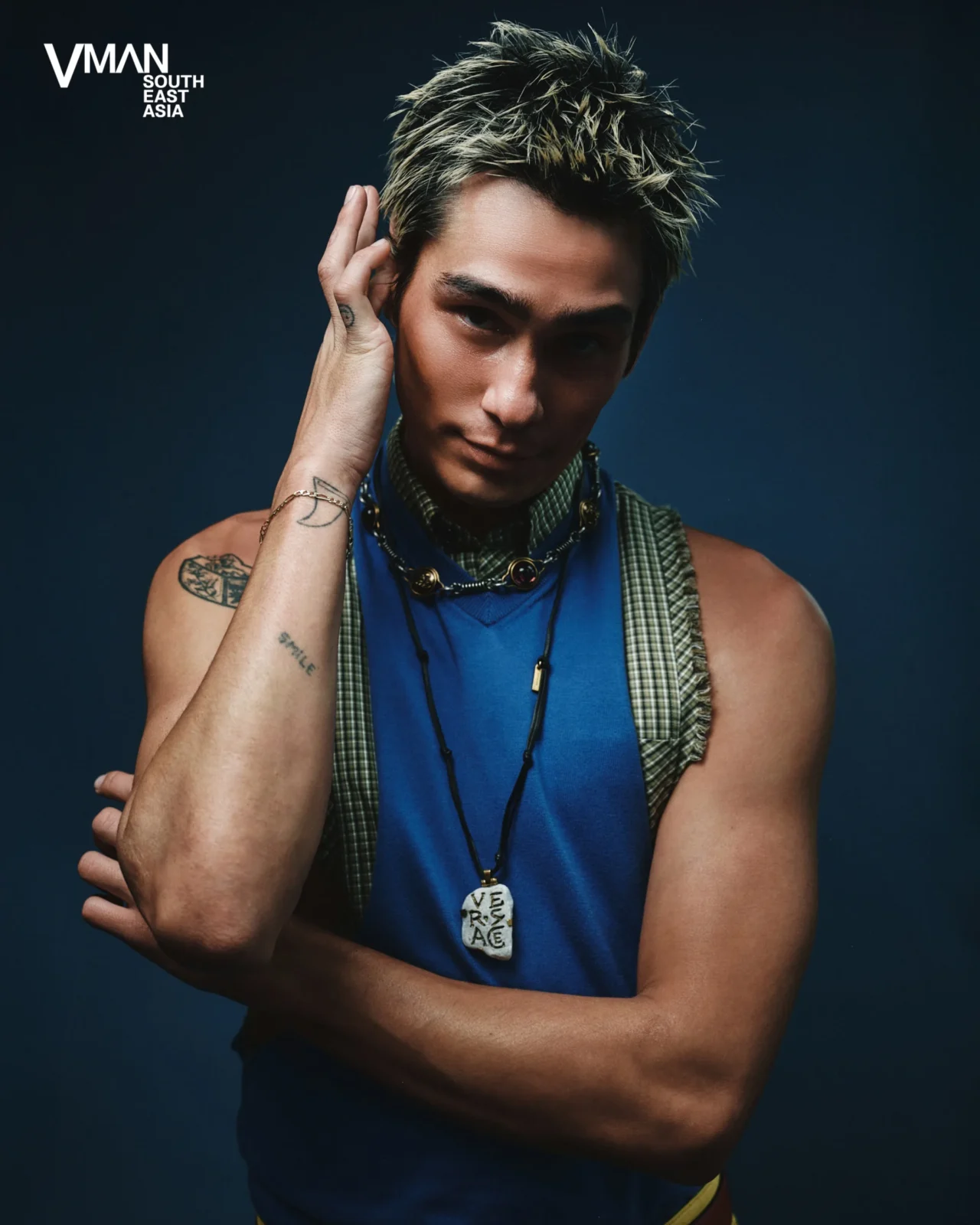
The phrase initially sounds contradictory, but for Evan, it carries a clear meaning. Growth does not necessarily mean abandoning earlier versions of yourself. Sometimes it means protecting the instincts and interests that existed before outside expectations arrived.
“And don’t listen to everybody,” he adds. “Listen to the people you genuinely think you should listen to, but not everyone.”
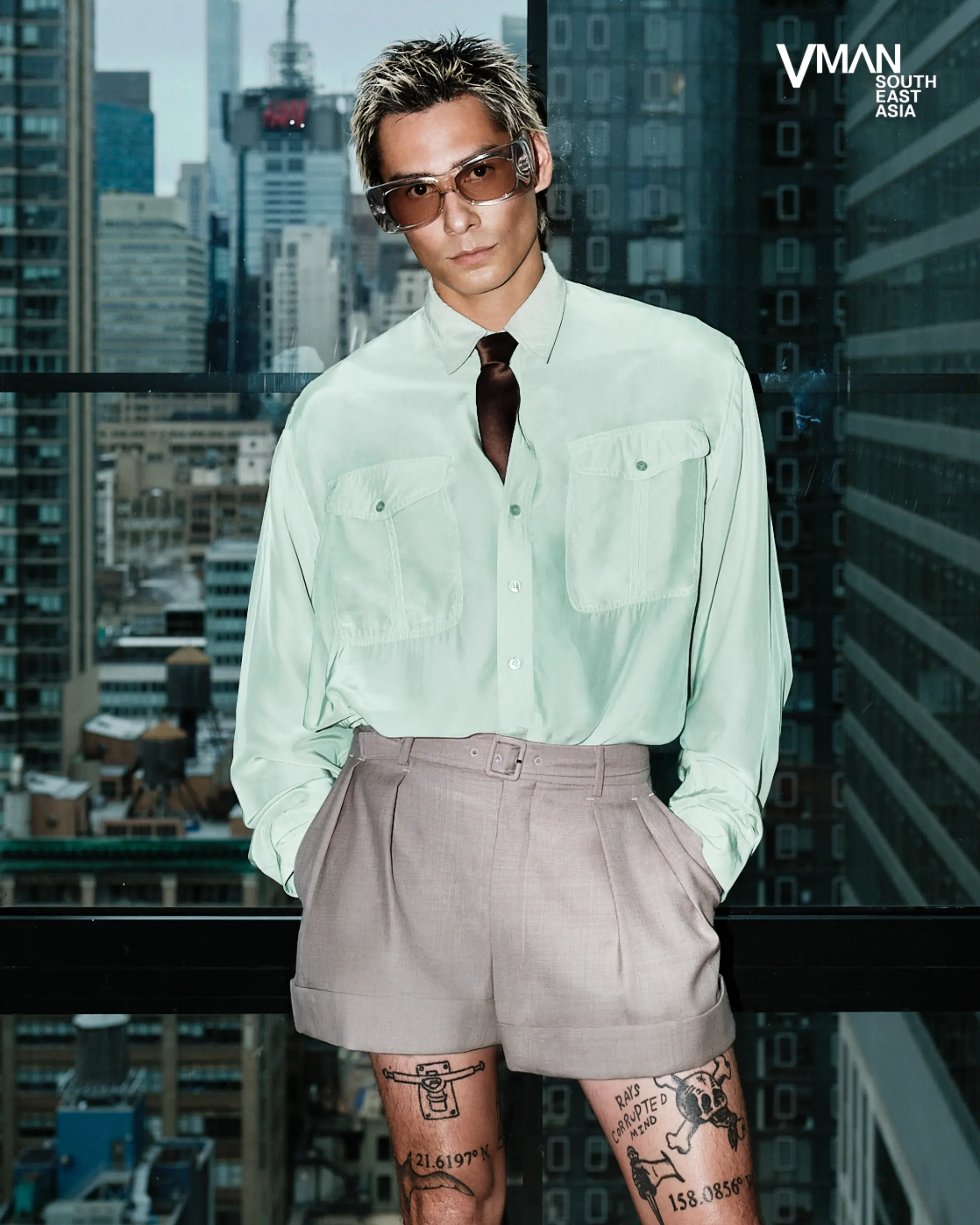
Fashion will continue chasing the next aesthetic. Television will continue searching for the next breakout personality. The internet will continue accelerating faster than anyone can fully process.
But somewhere beyond all of that, on Oahu’s North Shore, the ocean remains exactly where Evan Mock left it. And perhaps that consistency, more than fame itself, is what continues to shape the person he is becoming.
Frequently Asked Questions
Evan Mock is a Filipino-Hawaiian actor, model, skateboarder, and designer from Oahu’s North Shore. He became widely known through fashion and social media before starring as Aki Menzies in HBO Max’s ‘Gossip Girl’ reboot.
Evan first gained major attention after Frank Ocean posted a photo of him on Instagram. The viral moment quickly led to interest from major fashion publications and brands, launching his modeling career.
Evan Mock played Aki Menzies in the HBO Max reboot of ‘Gossip Girl.’ His character became known for bringing emotional vulnerability to the series.
Wahine is Evan Mock’s fashion brand inspired by Hawaiian culture, everyday island life, and the women around him. The brand aims to show a more authentic and layered perspective of Hawaii beyond typical tourist imagery.
Mock says returning to Hawaii helps him stay connected to his roots and family. He believes the consistency of home keeps him grounded while balancing careers in fashion, television, and design.
Chief of Editorial Content Patrick Ty
Photography Ritchie Espenilla
Creative direction, casting, and production Lorenz Namalata
Fashion Donté McGuine
Art direction Mike Miguel
Editor Dayne Aduna
Grooming Jenny Sauce (The Wall Group)
Videography Aerin Fortes
Production design Ciara Nicdao
Photography assistants Nicco Olivares and Jasmine Spurr
FashionFashionThe art and industry of designing, producing, and styling clothing, footwear, accessories, and beauty trends. It reflects cultural influences, personal expression, and evolving styles across seasons and markets.Go to Fashion Glossary assistants Indi Fields and Alexis Franco
Market assistant Jacob Nicholas
Production Fatbrain Collective
On location Mondo Suite at Moxy Chelsea, New York City
Recommended Video