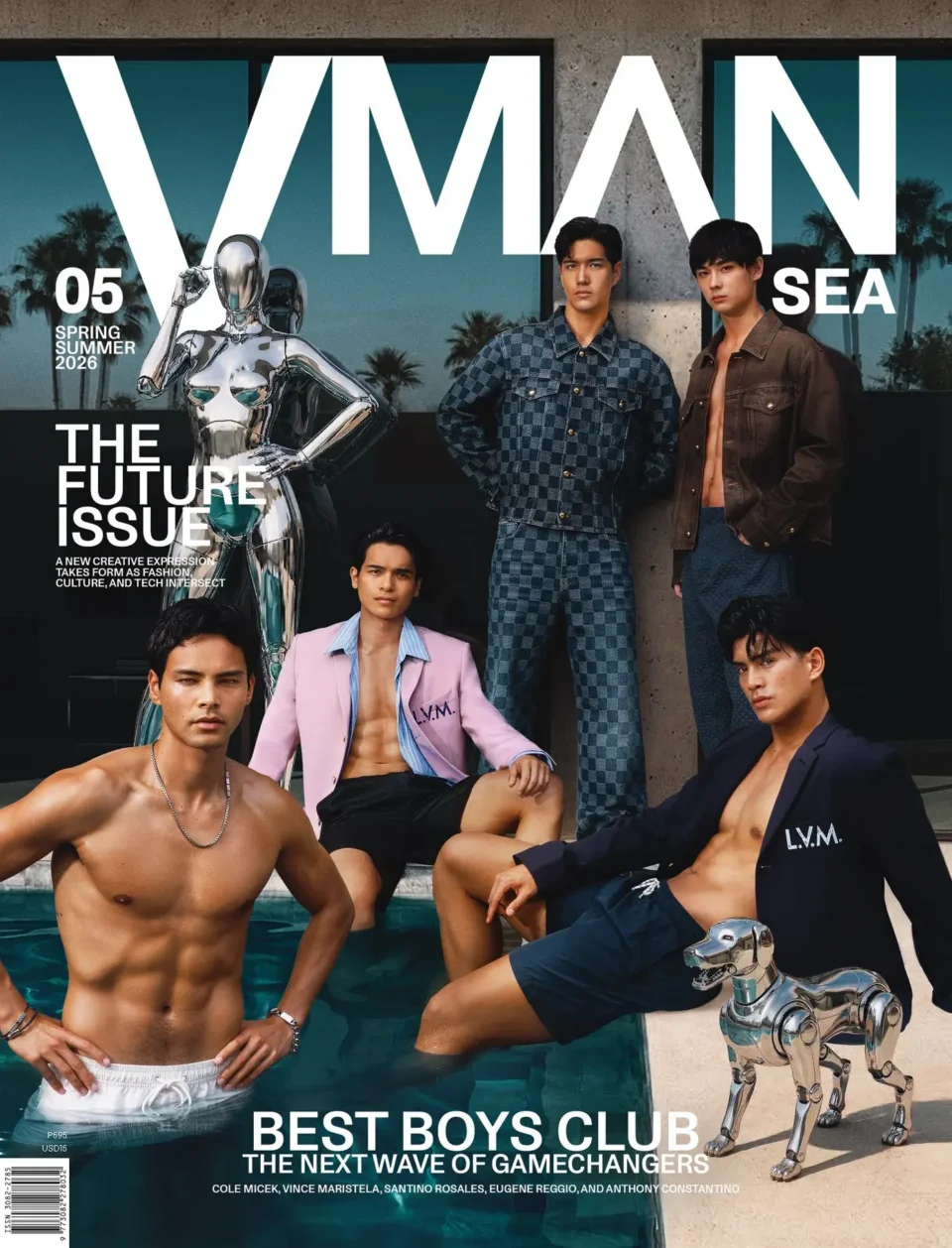
Ralph de Leon Is Fashion’s New Leading Man
As he steps into acting and establishes himself as one of fashion’s rising faces, Ralph opens up about discipline, masculinity, and the pursuit of lasting growth over fame




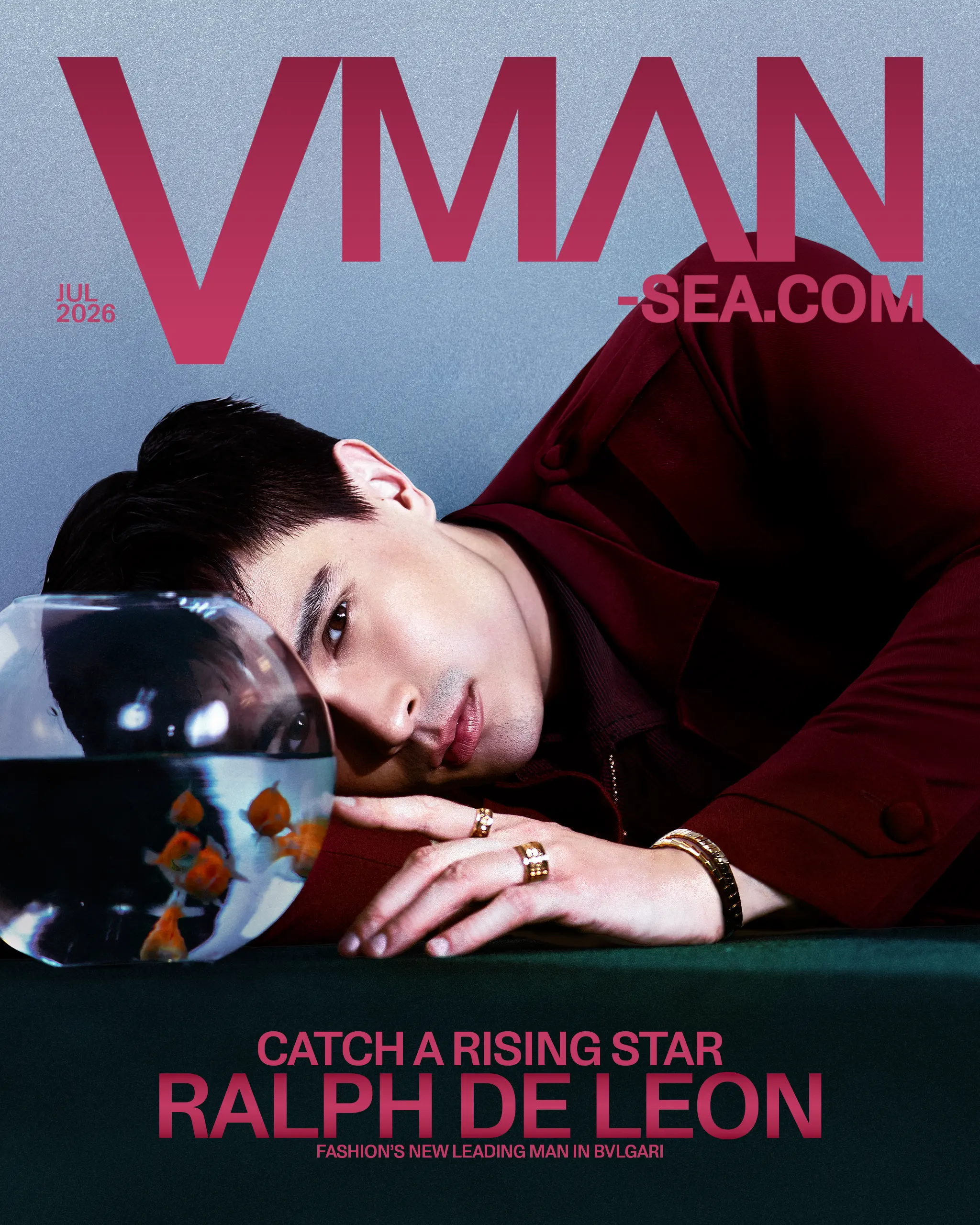
When Ralph de Leon arrives on set, he does not immediately move like one of the most talked-about young personalities in Philippine entertainment.
Before the cameras even start rolling, he’s already smiling. He greets crew members one by one, thanks people throughout the day, and slips into conversation between takes. Once the spotlight fades, there’s no visible switch in personality. Maybe that’s what makes him so compelling.
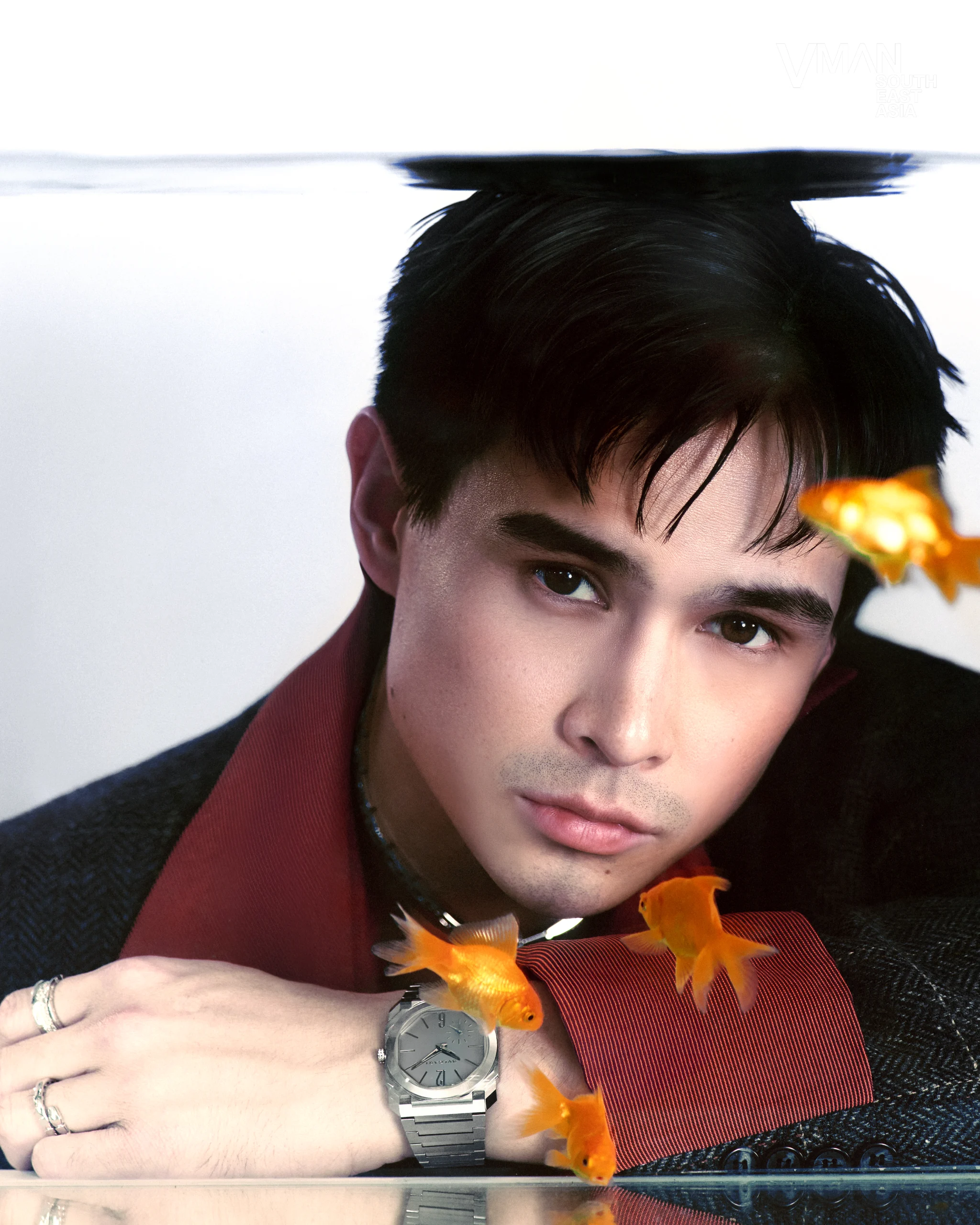
If you met Ralph without knowing who he was, you probably wouldn’t guess that he belongs to a new generation of rising stars whose every move is dissected online.
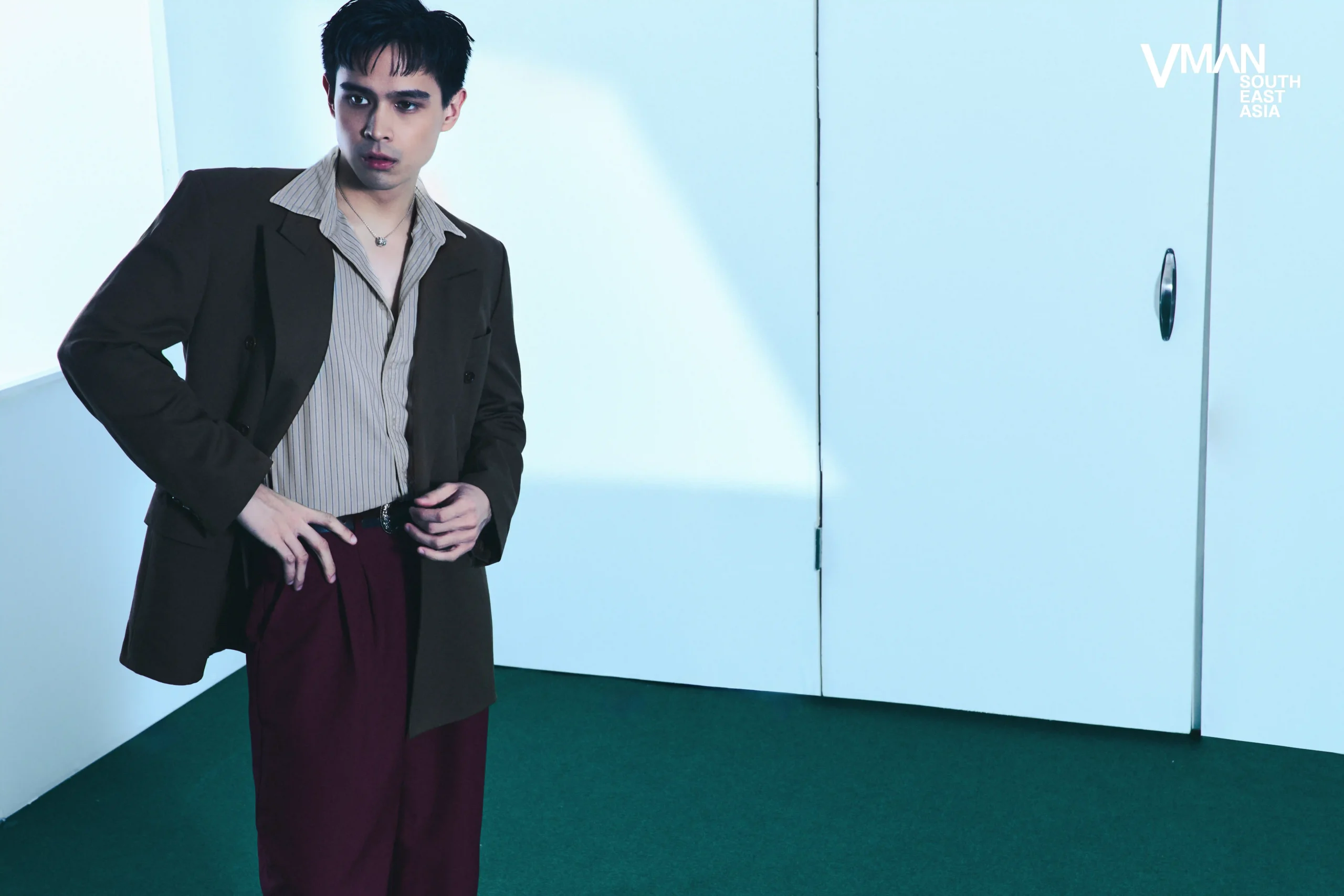
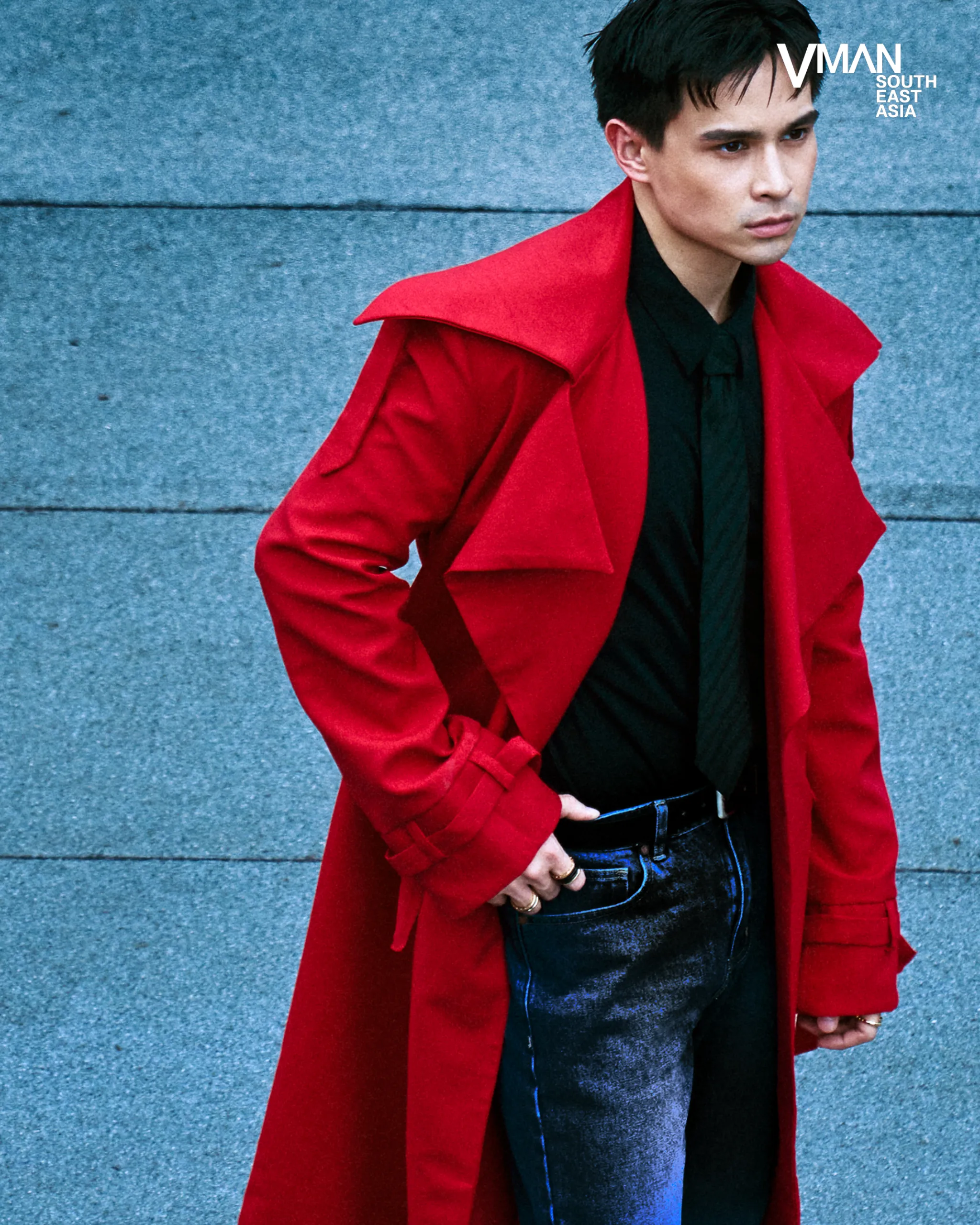
That contrast becomes even more striking during this shoot, where he wears BVLGARI jewelry and accessories, a fitting choice for someone who has long considered the Roman luxury house a personal favorite.
The rings and bracelets sharpen his otherwise minimal wardrobe, mirroring the same philosophy that defines his approach to style. While some people treat luxury as a way to show off, Ralph sees it as something far more personal.
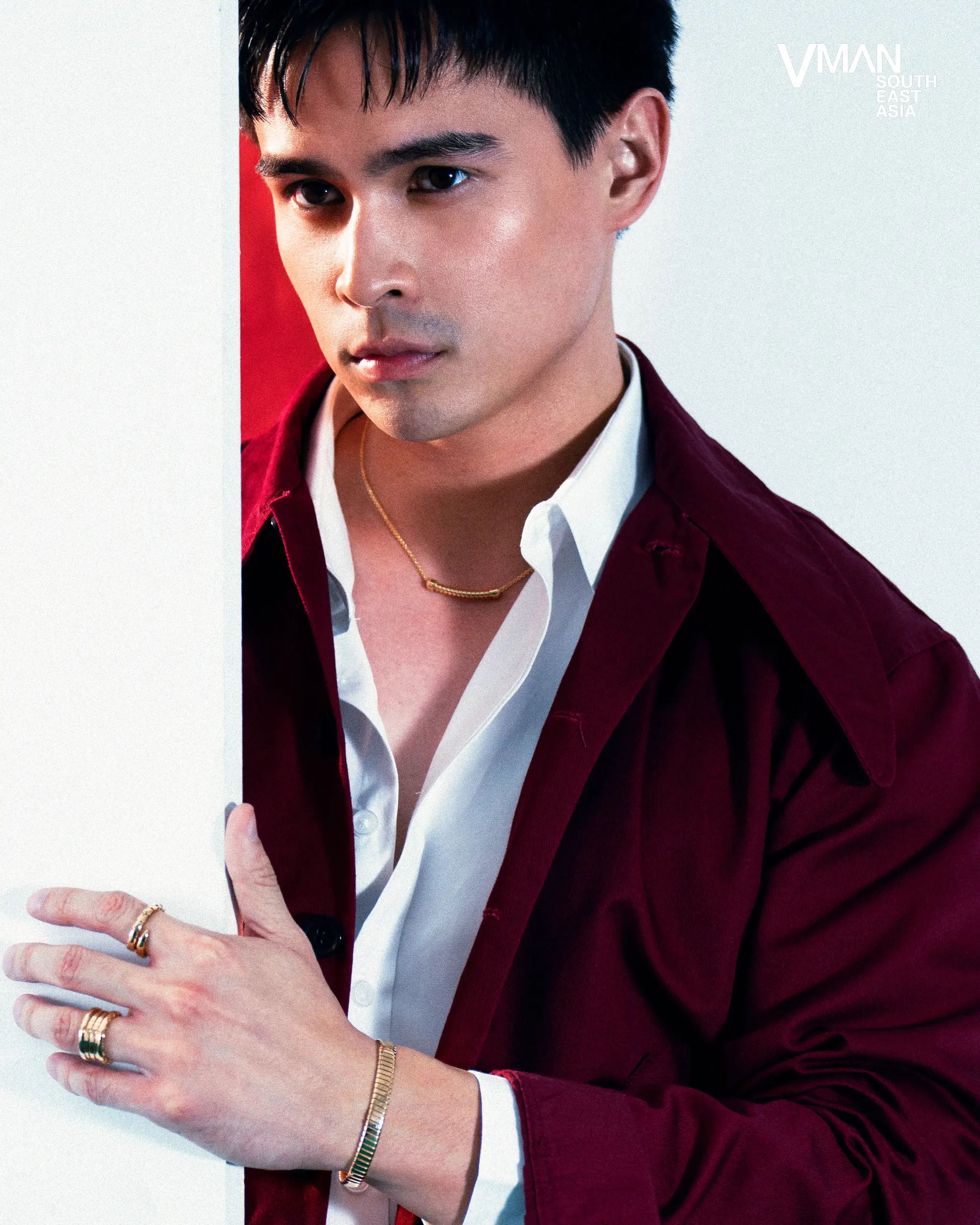
For him, BVLGARI represents craftsmanship and a dream realized. “It’s an honor,” he says. “BVLGARI is one of those dream brands, so being able to work with them feels surreal.”
The partnership feels natural because jewelry was already part of his identity long before any collaboration entered the picture. Unlike previous generations that often associated it with status or power, Ralph belongs to one that treats accessories as an extension of the self.
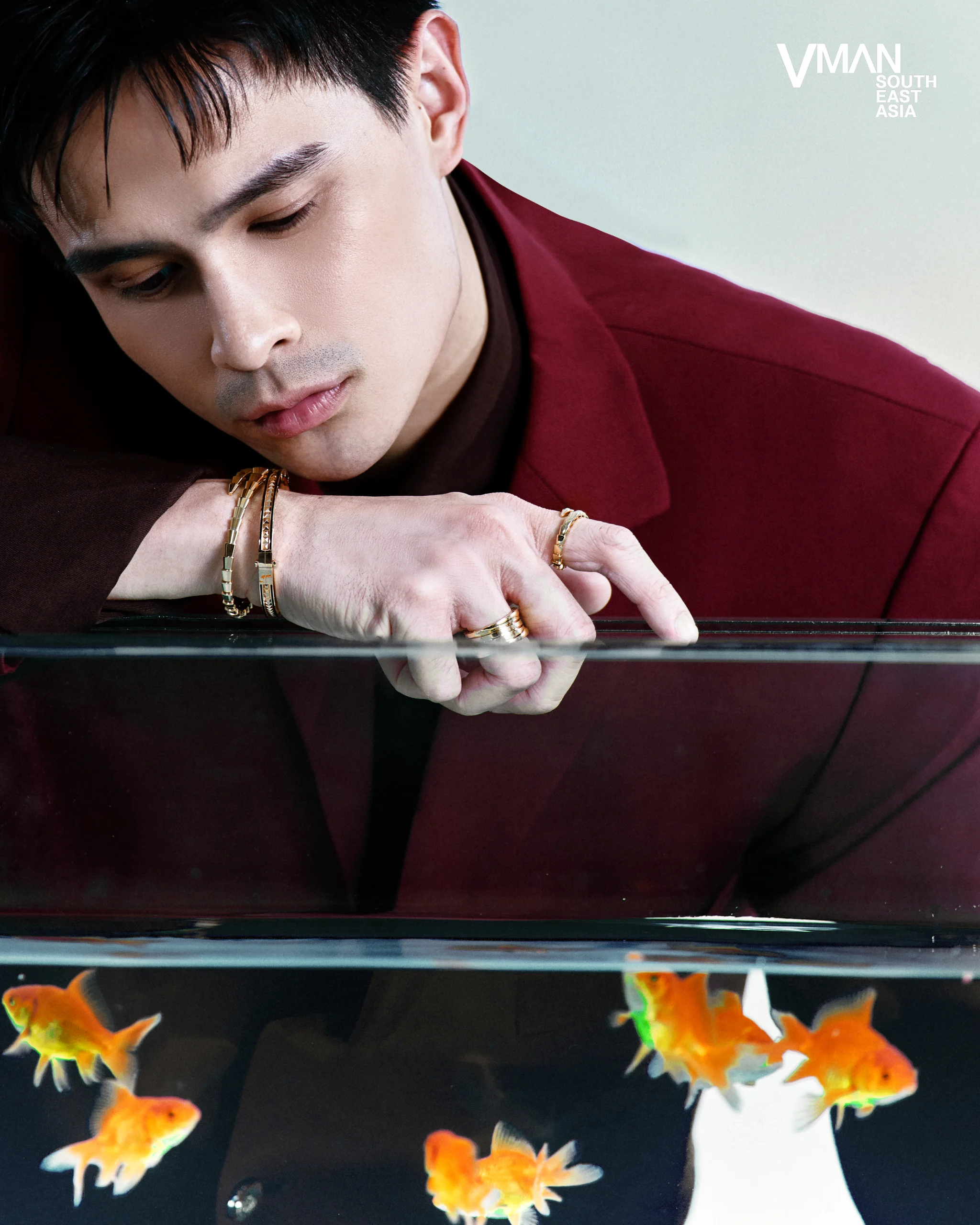
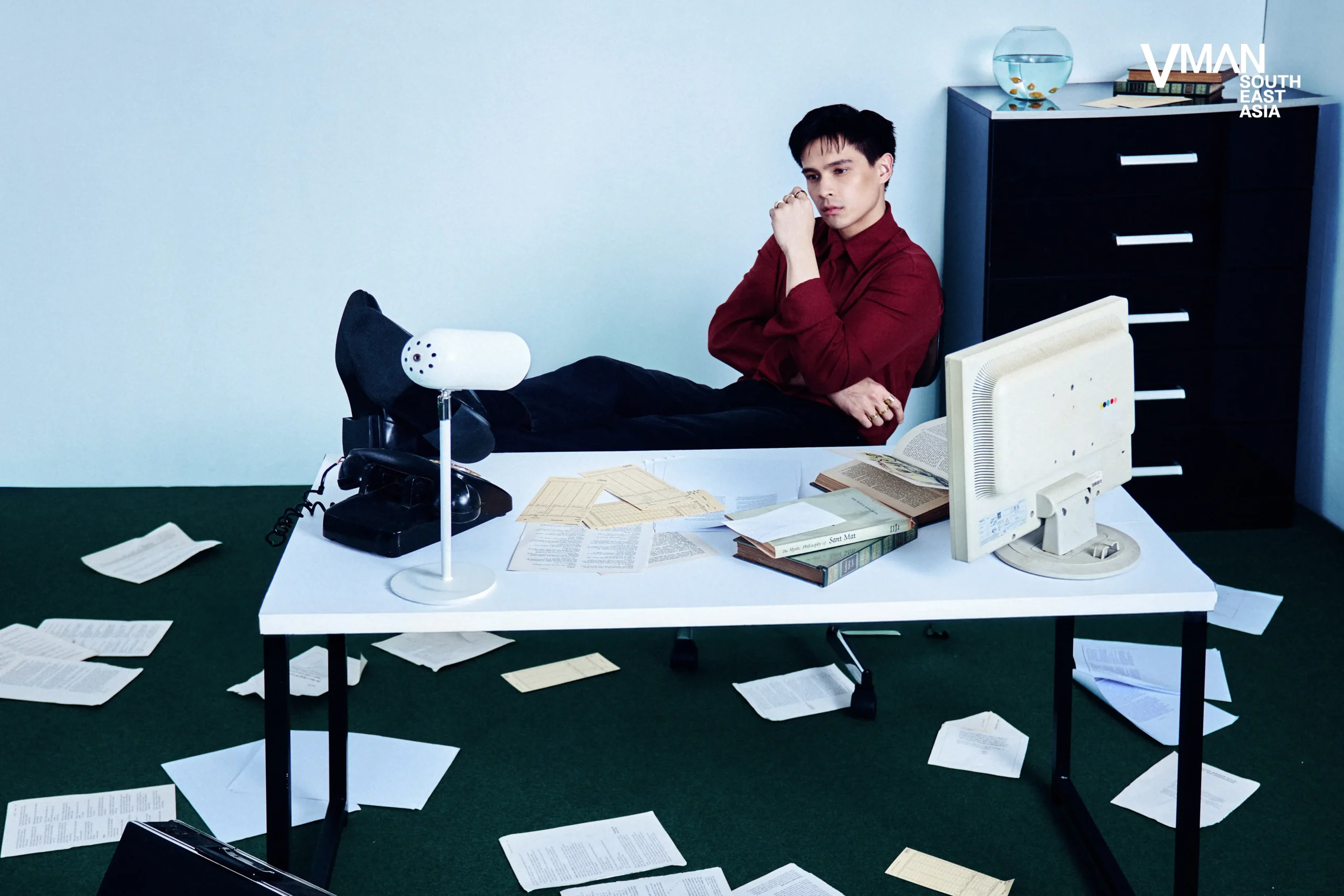
Across a series of sharply tailored looks and elevated office staples, he embodies the modern young professional, a fitting reflection of someone building a career shaped as much by discipline as ambition.
On fame, humility, and becoming a better actor
Many people first met Ralph through Pinoy Big Brother, the reality franchise that has launched some of the Philippines’ biggest entertainment careers. But reality television introduces audiences to personalities before performers, creating a unique challenge for contestants who later pursue acting.
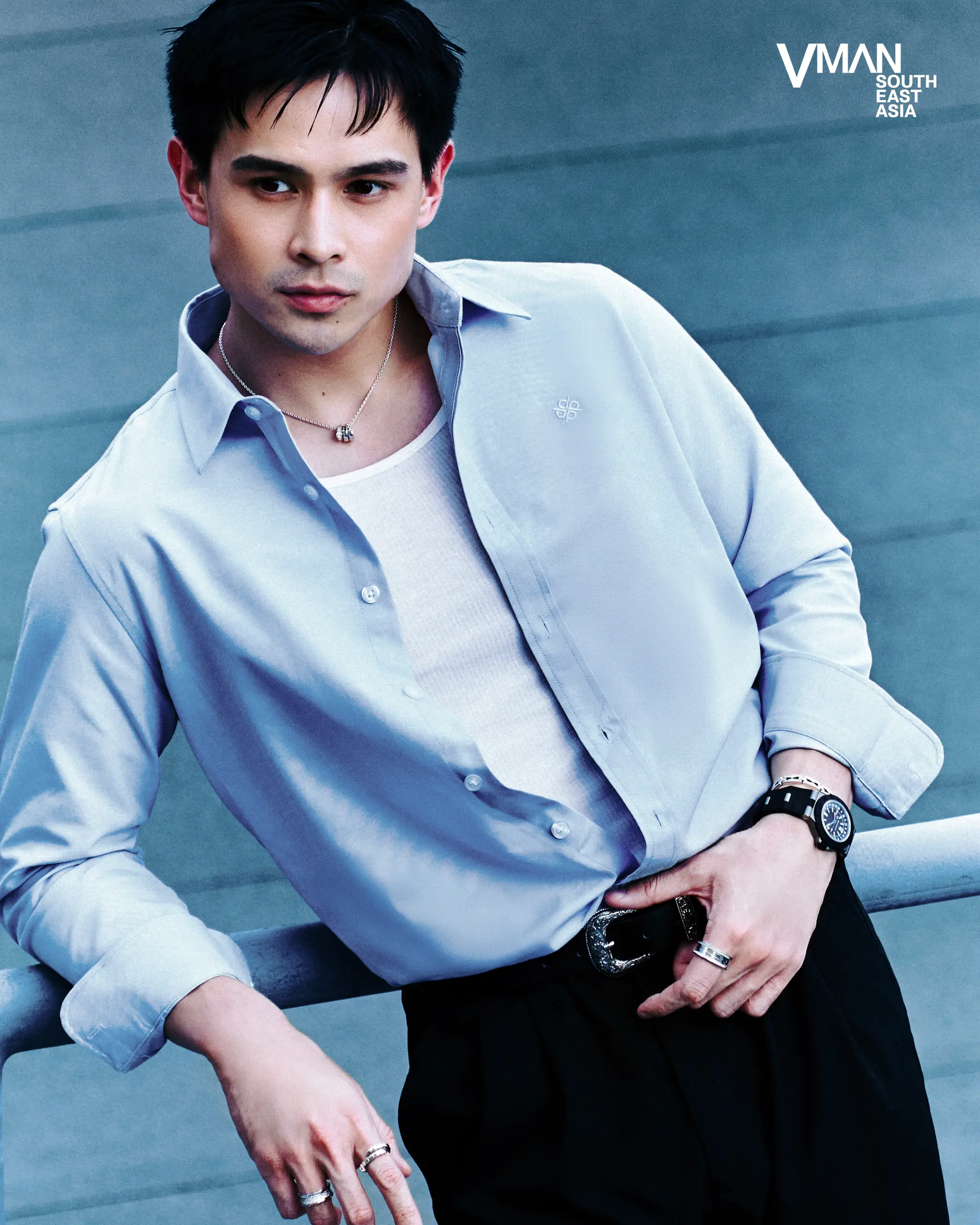
People feel like they already know you, even while you’re still figuring out who you want to become professionally. For our cover boy, acting marks the beginning of that next chapter.
“What excites me most is that I feel like there’s still so much more to learn,” he says. “I really consider myself very new in this industry.”
“I want people to know me for my values, my morals, and my willingness to grow while still staying true to myself.”
Despite the growing attention surrounding him, Ralph doesn’t speak like someone convinced he has already arrived. If anything, he sounds more like someone still in the middle of building.
Every project becomes an opportunity to improve, every role offers another lesson, and every day on set adds to his understanding of what the craft truly demands.
That sense of humility feels genuine, perhaps because it existed long before entertainment entered the picture.
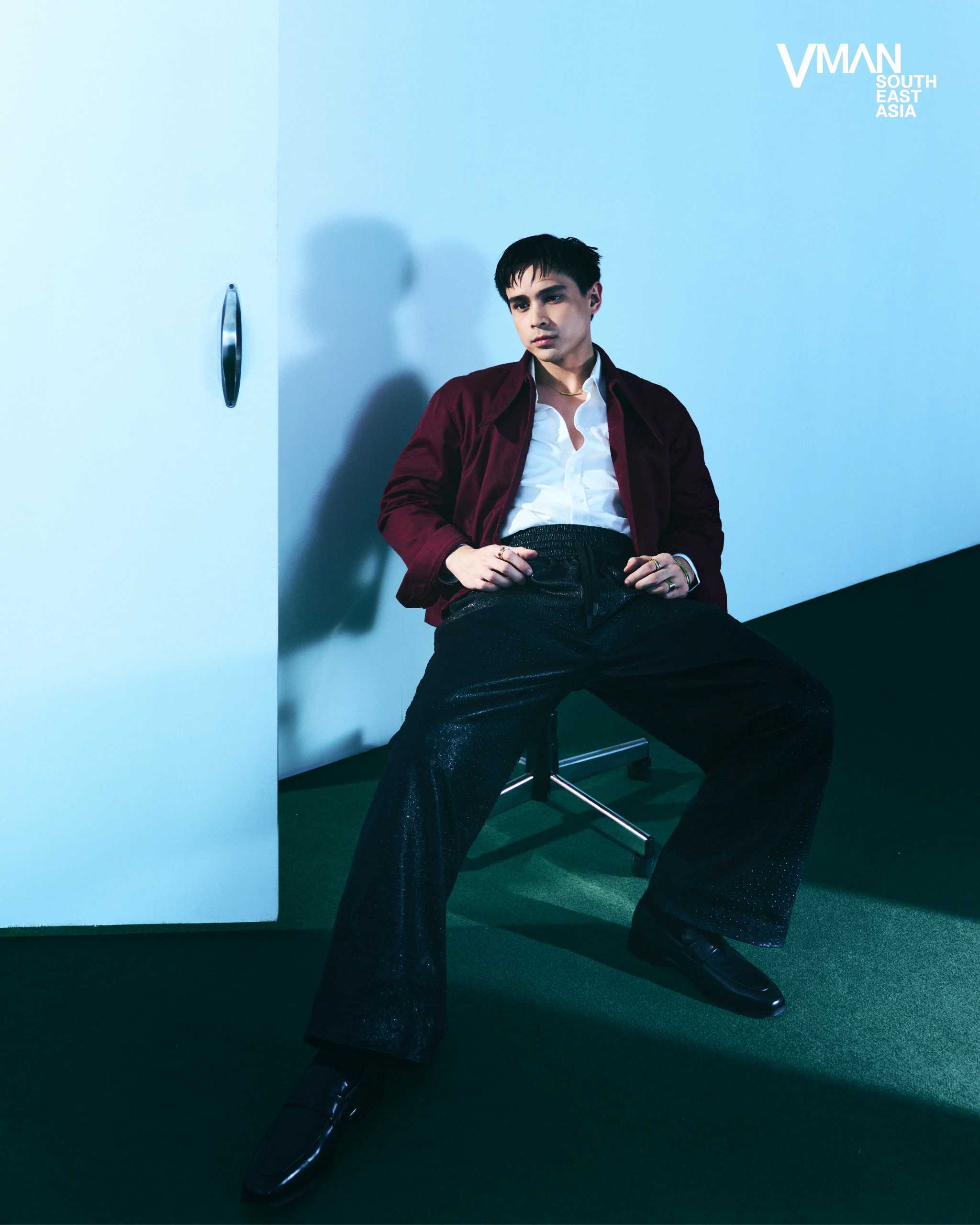
Discipline matters more than motivation
Ralph’s background is unusually structured for someone entering an industry built on uncertainty.
Before entertainment, there was Management Engineering in college. Before acting, there were years spent training in judo, environments that demanded discipline and long-term commitment.
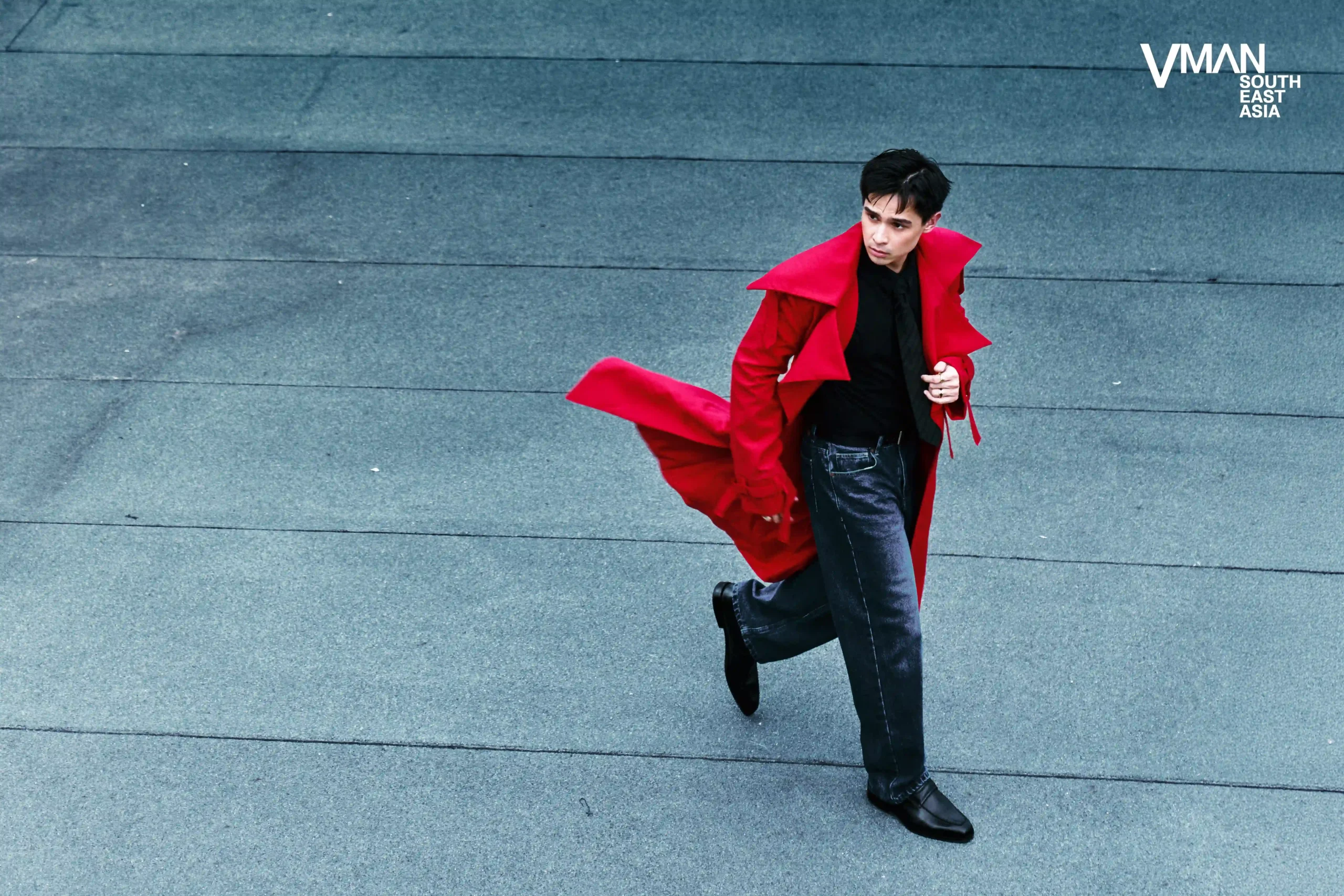
So when asked about discipline, he doesn’t describe it as a lesson he recently learned. To him, it’s simply something he has carried throughout his life.
“I don’t think my understanding of discipline has changed too much because it’s something I’ve always carried with me every day,” he says.
What has changed is the role discipline now plays in his career. In acting, it matters most when motivation disappears, on the days when progress feels slow, enthusiasm fades, and the work becomes less glamorous than people imagine.
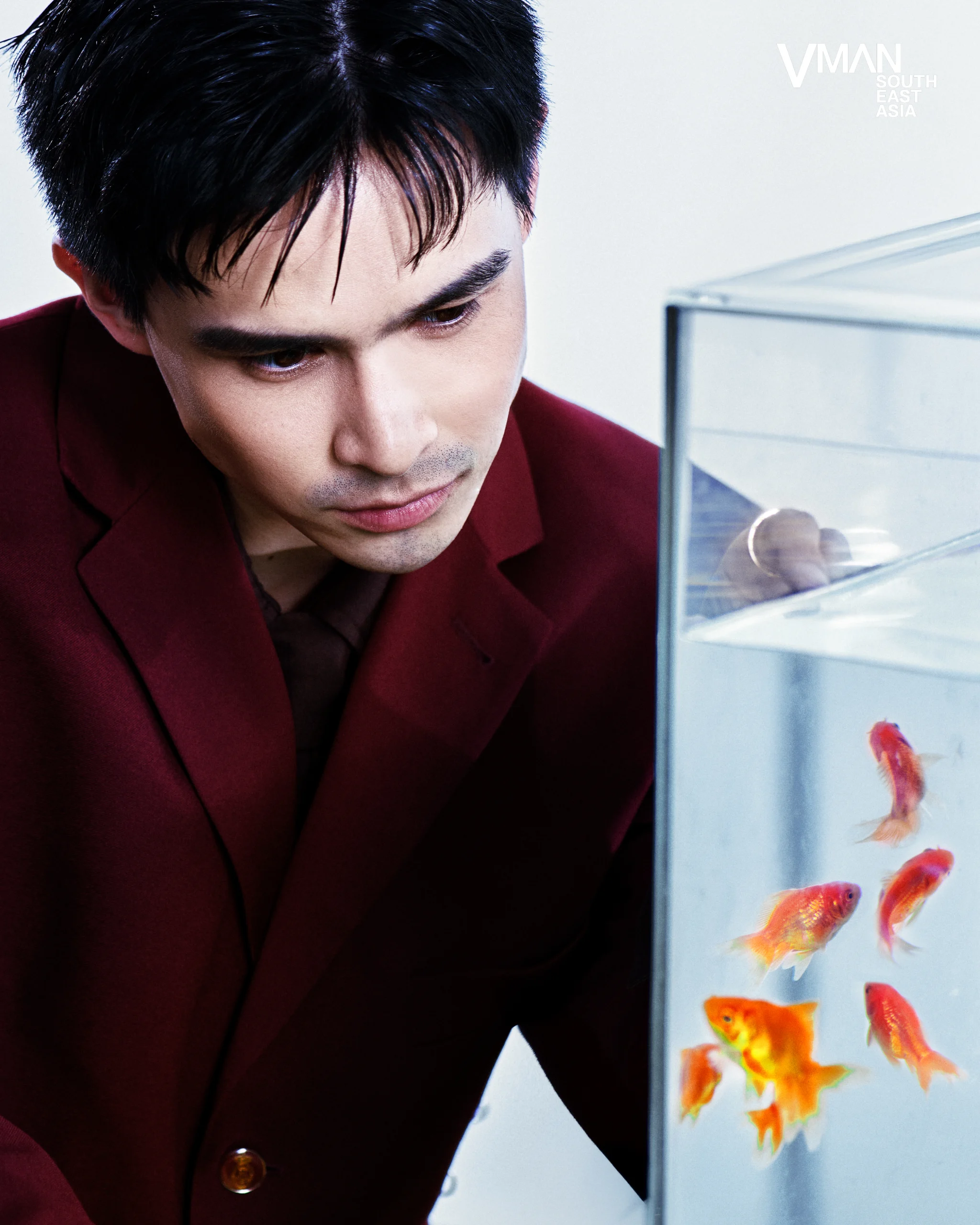
“When it comes to acting and deepening my love for the craft, discipline matters most on the days when I don’t feel motivated,” he explains.
“Discipline is what gets me up in the morning and pushes me to keep going because I know that whatever work I put in today will help me grow in the long run.”
Given his history in judo, the mindset makes sense. Success in the sport is built on repetition and consistency over time. It’s the same mentality he now brings to acting.
Emotional openness is part of the craft
For someone whose life was largely shaped by structure and routine, emotional openness did not come naturally. Acting demands a willingness to reveal parts of yourself, often in front of cameras and audiences ready to scrutinize every expression.
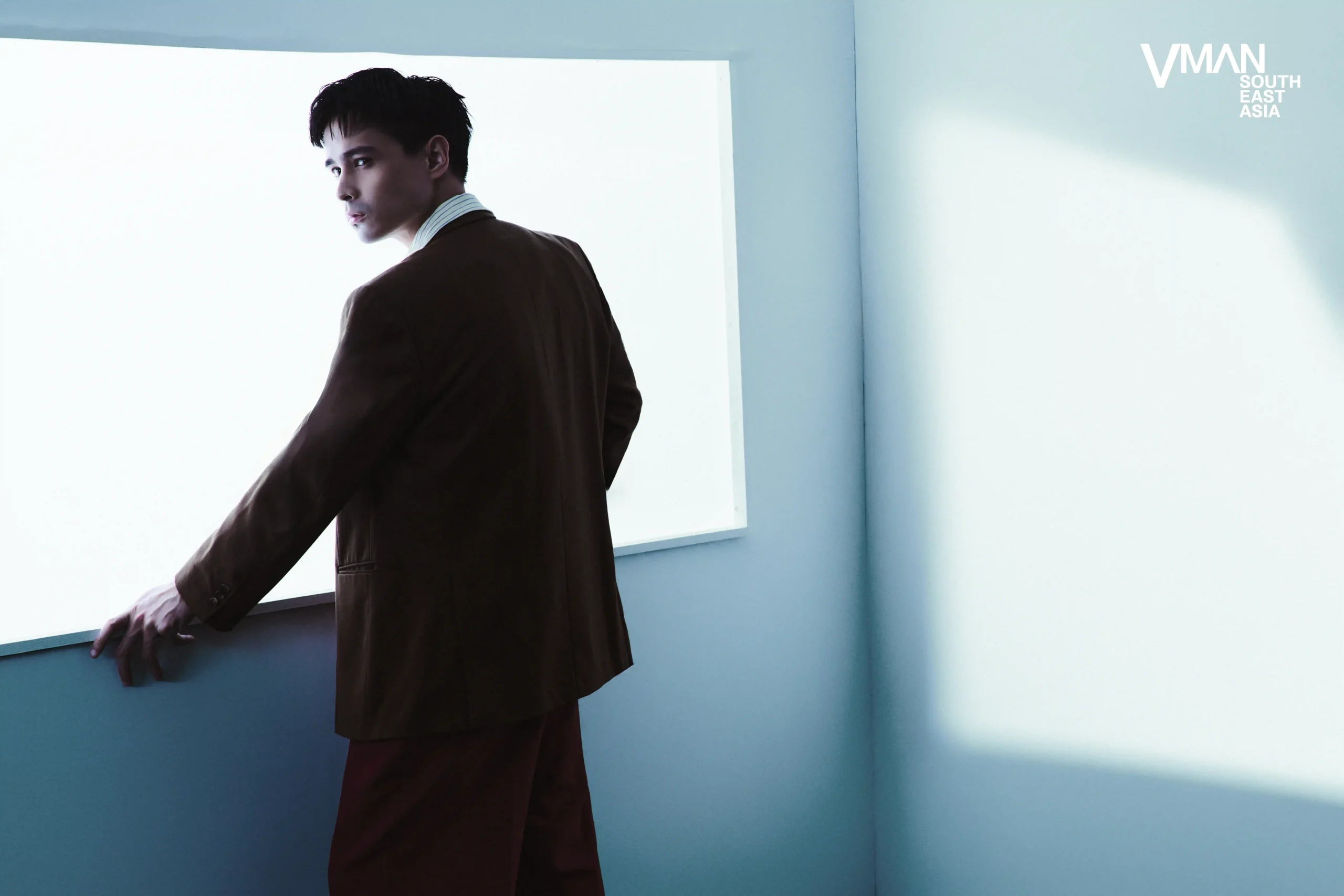
When asked how he balances his highly disciplined personality with the emotional unpredictability of performance, Ralph admits the process has not always been easy.
He says vulnerability, especially on camera, was something he had to learn over time. Accessing emotions authentically did not happen overnight. It required the willingness to become uncomfortable in front of other people.
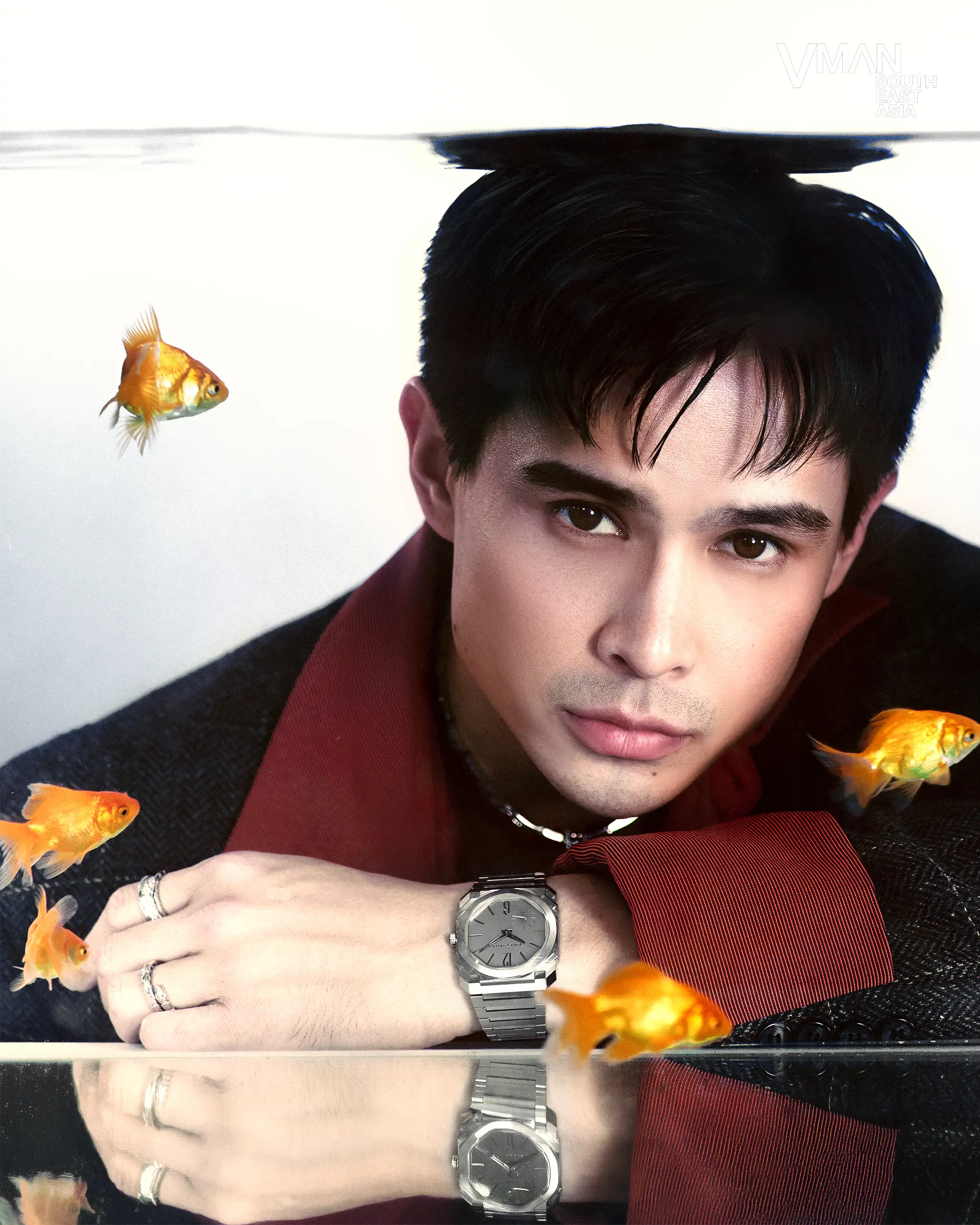
Fortunately, he found support in the people around him. Ralph speaks warmly about directors, fellow actors, and production teams who helped create spaces where experimentation felt safe rather than intimidating.
“It takes time to really show who you are and to access the emotions a character requires. Having that kind of support system is what helps me balance both sides of myself.”
And in many ways, especially for rising actors, vulnerability has become part of the work itself and part of what audiences now connect with most.
Challenging traditional ideas of masculinity
For decades, male actors were often expected to project strength through stoicism. Vulnerability was treated as weakness, something to suppress rather than express.
But younger generations are increasingly challenging those ideas, and Ralph believes the shift is long overdue.
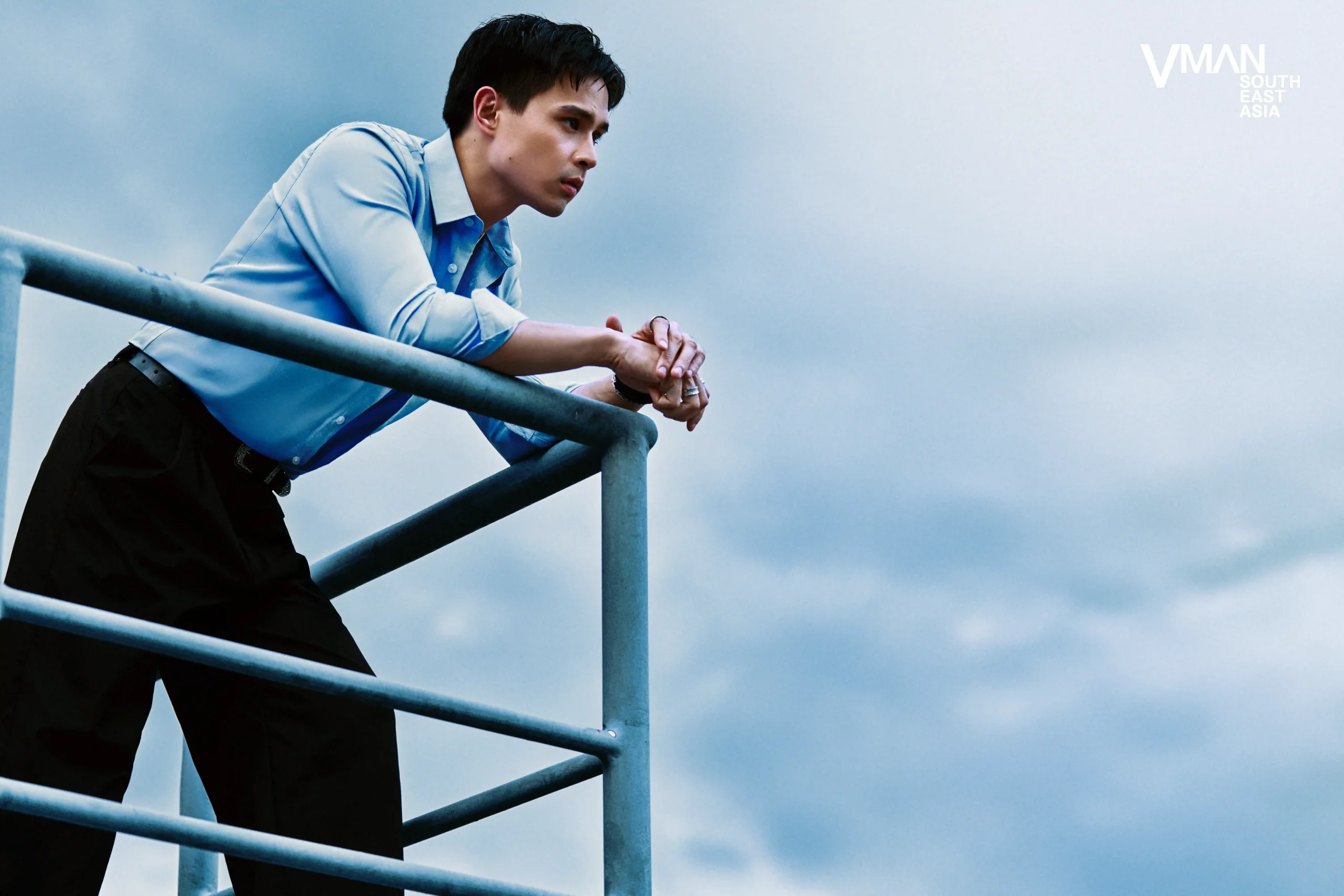
“A hundred percent,” he says when asked whether younger men are becoming more comfortable embracing vulnerability.
“As men, being able to openly express our emotions, not just on screen but publicly and personally as well, is important. We don’t always have to look like the tough, strong guy anymore.”
The observation feels especially relevant for actors, whose work often depends on emotional honesty. But Ralph believes the lesson extends far beyond performance.
He hopes younger generations grow up understanding that expressing emotion is a healthy and necessary part of being human. It’s a perspective he speaks about with conviction because, in many ways, it portrays his own journey long before acting entered his life.

The real work behind the fame
The disciplined athlete who once struggled with vulnerability is gradually learning to embrace it as part of his identity, both on and off screen.
But for Ralph, emotional openness does not mean abandoning resilience. In fact, resilience has become one of the qualities he values most.
Coming from a judo background, he understands what it feels like to face public criticism. He has experienced admiration and negativity in highly visible ways, sometimes at the exact same time.
“I think resilience is almost becoming a requirement in this industry because everyone always has something to say.”
Social media has only intensified that reality. Actors now exist in a constant cycle of feedback, where praise and criticism arrive simultaneously. Learning how to navigate both has become essential for survival.
“If you let one bad comment drag you down, or if you feel like one mistake will end your career, it becomes difficult to build the kind of longevity we all hope for.”
The Filipino actor remains focused on the present and on continuing to develop as an actor. When asked what he ultimately hopes people think of when they hear his name, his answer arrives without hesitation:
“I hope people think of me as someone who gives 100 percent in everything he does.”
The response may not sound flashy, but it encapsulates the philosophy that runs through nearly every aspect of his career.
At a time when fame often arrives faster than experience, Ralph de Leon appears less interested in chasing attention. He speaks about acting as a craft rather than a platform and about discipline rather than recognition.
We are seeing, in real time, fashionFashionThe art and industry of designing, producing, and styling clothing, footwear, accessories, and beauty trends. It reflects cultural influences, personal expression, and evolving styles across seasons and markets.Go to Fashion Glossary’s new leading man who understands that visibility can open doors, but it is the work that ultimately determines how long those doors stay open.
And for someone still at the beginning of his journey, that may be his greatest advantage.
Chief of Editorial Content Patrick Ty
Photography Jharwin Castañeda
Art direction Summer Untalan
Fashion Corven Uy
Editor Dayne Aduna
GroomingGroomingThe care and maintenance of hair, skin, beard, and nails, including cleansing, shaving, styling, and scent. Once niche, men's grooming has grown into a major lifestyle category, and VMAN's VanityGo to Grooming Glossary Jaja Pangilinan
Hair Miggy Carbonilla
FashionFashionThe art and industry of designing, producing, and styling clothing, footwear, accessories, and beauty trends. It reflects cultural influences, personal expression, and evolving styles across seasons and markets.Go to Fashion Glossary editor Rex Atienza
Production Francis Vicente
Production design Studio Tatin
Design direction Migs Alcid
Design manager JL Honor
Associate production design Jael Faelnar and Jhon Angel Rivera
Photography assistants Aljon Celis, Kurt Macabontoc, Arnaldo Catalan, and Joshua Navato
Special thanks Jesha Abad of BVLGARI, Mau de Leon, and Maynald Rey Reyes
Recommended Video