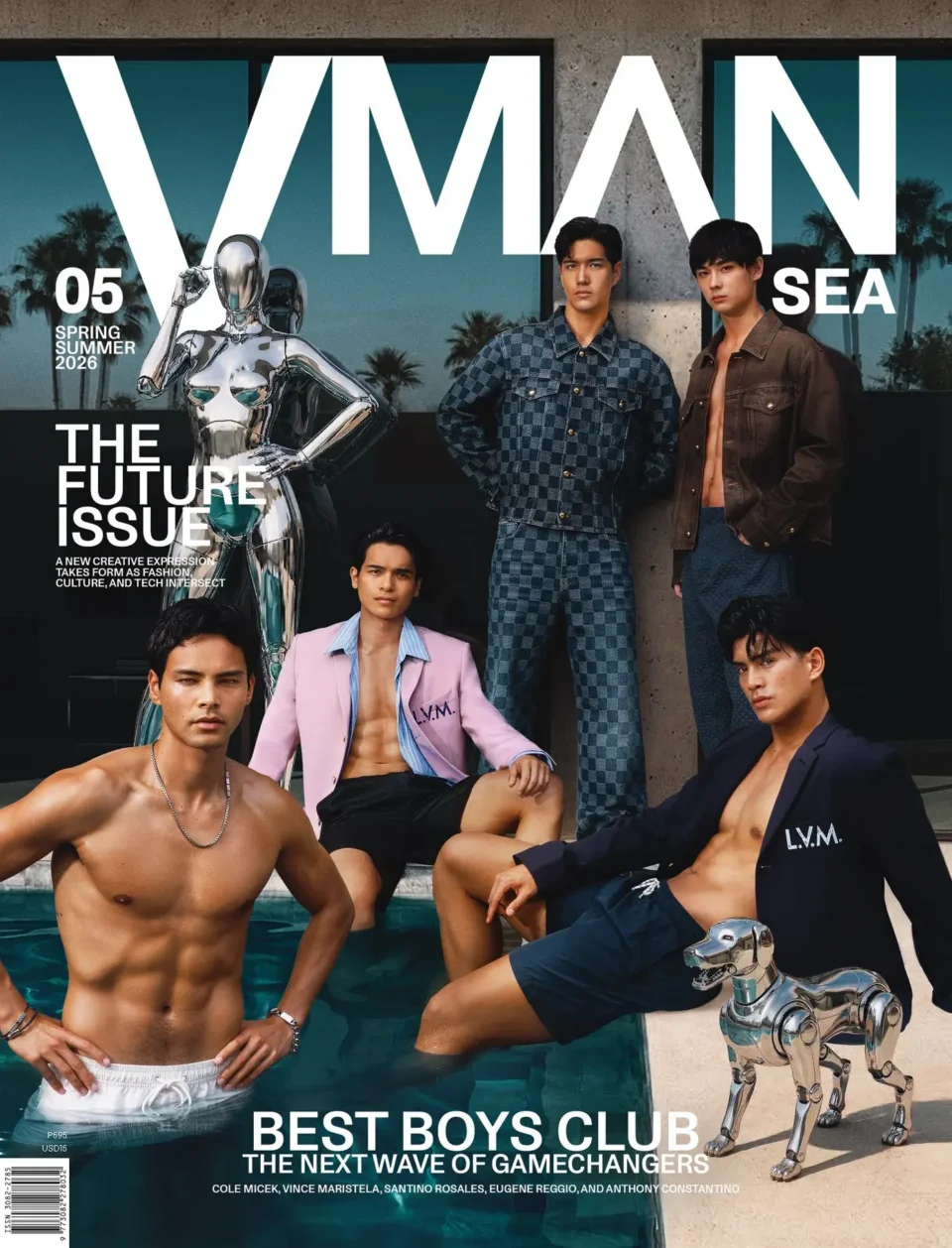
Eugene Reggio, Ever-Evolving
Eugene Reggio is fluid dynamics personified, moving between cultures, markets, and identities without losing form




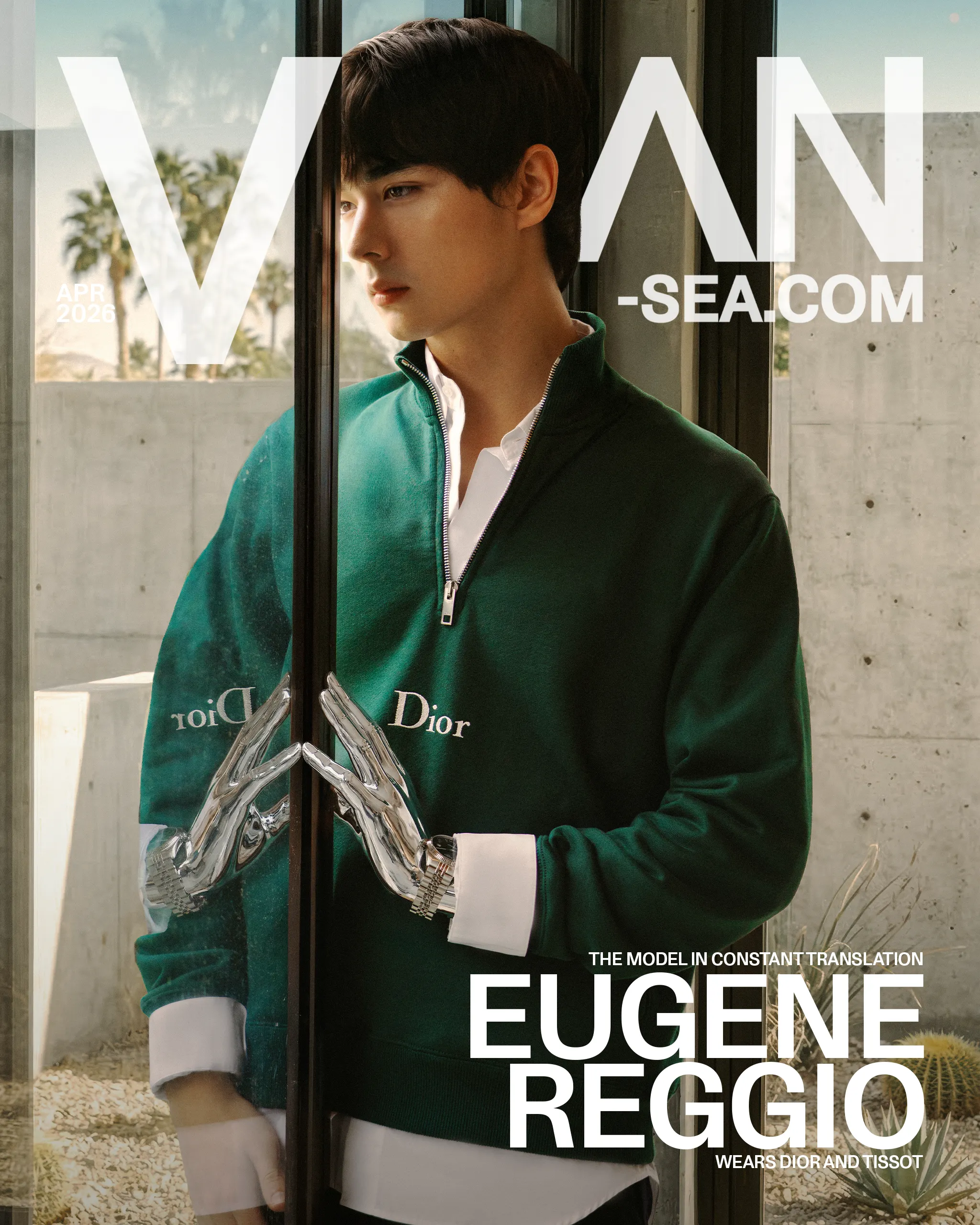
A study in gradients
There are men who define themselves in sharp lines. Model Eugene Reggio prefers gradients.
Half Korean, part British, and part French, raised in the UK and shaped by movement across cultures, Eugene grew up learning how to shift without losing his footing. Portuguese entered his vocabulary early during his family’s time in Brazil.
For him, geography has never been a matter of absolutes. So when asked whether multiple cultural influences make him feel fragmented, he answers without hesitation: fluid.
READ ALSO: The New Wave of Gamechangers Across Style, Sports, and Culture
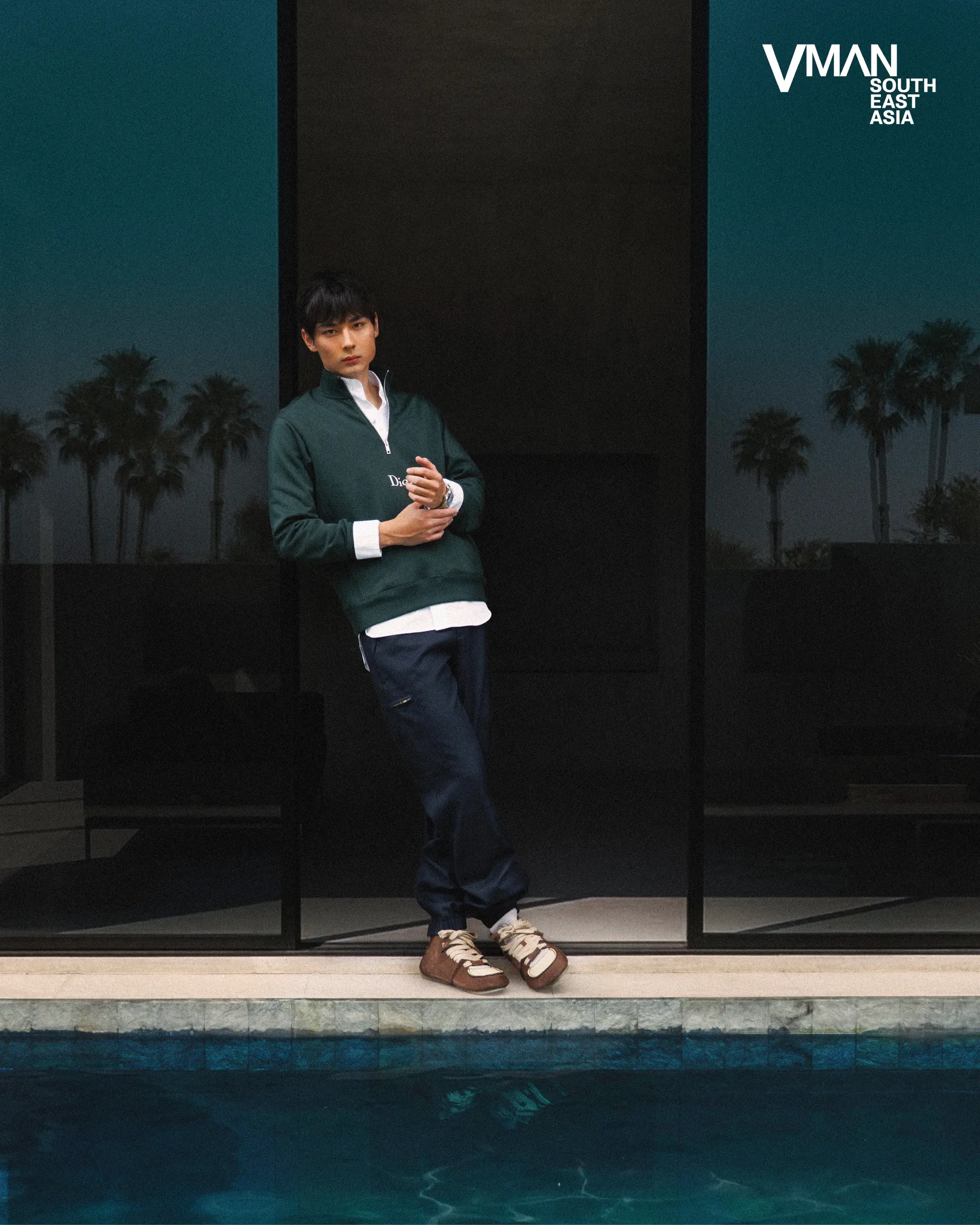
Where it clicked
Fluid enough to live anywhere. Fluid enough that arriving in the Philippines did not register as displacement. “It just clicked,” he says. “[It felt] kind of like home, to be honest.”
There is no elaborate narrative about his arrival in Manila, save for a message from his former agent who suggested the idea of coming over. He came, he worked, and he stayed. For someone accustomed to moving where demand calls, choosing to remain somewhere carries weight. For now, his labor and love share the same address.
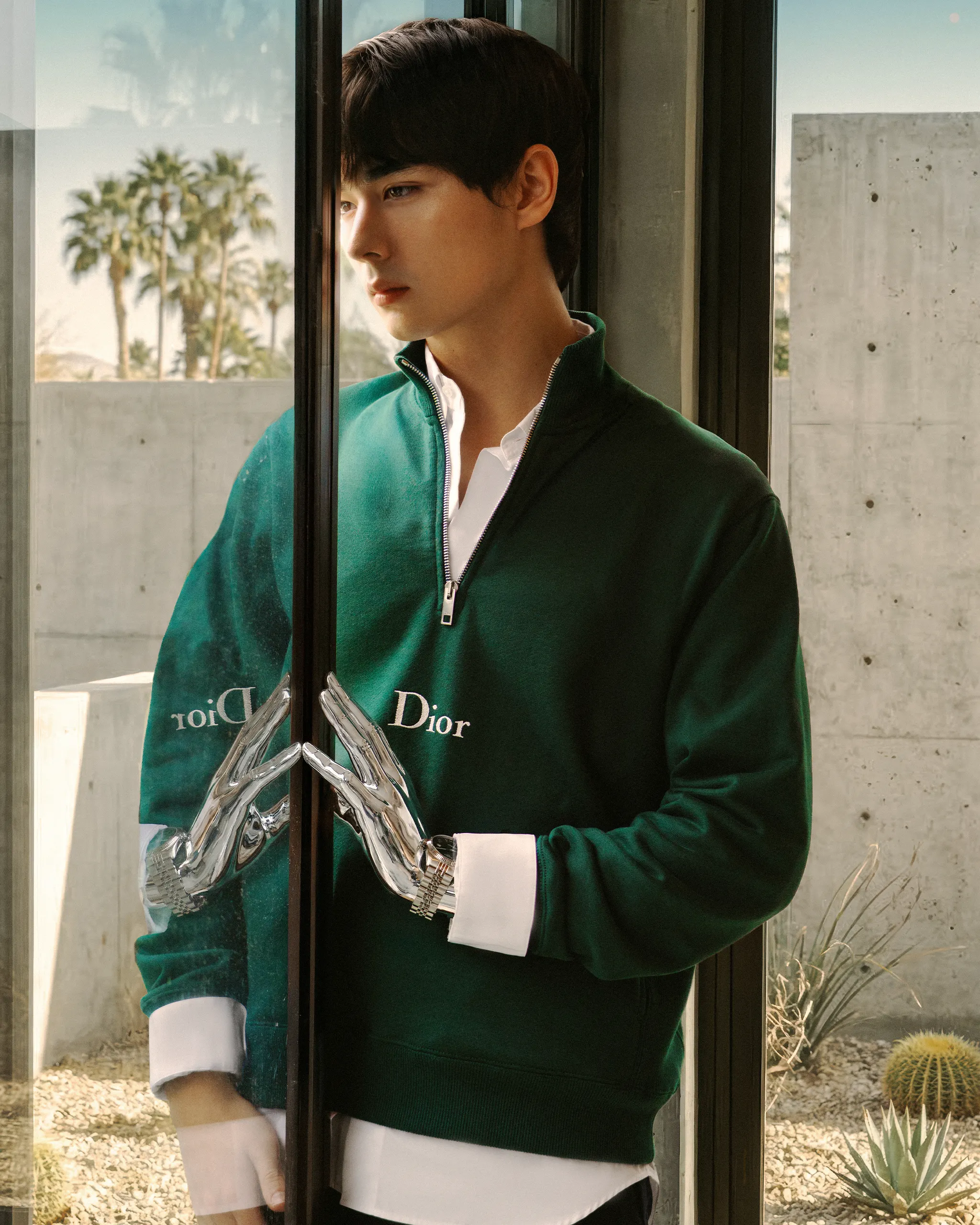
The fashionFashionThe art and industry of designing, producing, and styling clothing, footwear, accessories, and beauty trends. It reflects cultural influences, personal expression, and evolving styles across seasons and markets.Go to Fashion Glossary industry encourages projection: the next look, the next campaign, and the next capital of cool. Eugene resists forecasting. Two years ago, he says, he would not have predicted this chapter, so he avoids predicting the next one. He does not build mythology around his trajectory. He lets it unfold.
That relationship to time mirrors his relationship to identity. When asked whether he ever felt pressure to lean into one side of himself, Korean or British, he shrugs off the premise. “It’s always been a combination.” He has never chosen one over the other. He simply exists as both. There is no crisis in that integration. No dramatic reckoning. Just acceptance.
The currency of heritage
The global appetite for Korean culture has undeniably shifted how Korean men are perceived. Eugene is pragmatic about the advantage. “Right now, the Korean thing definitely helps,” he admits, rather sheepishly. The market is looking for it, and he happens to embody it.
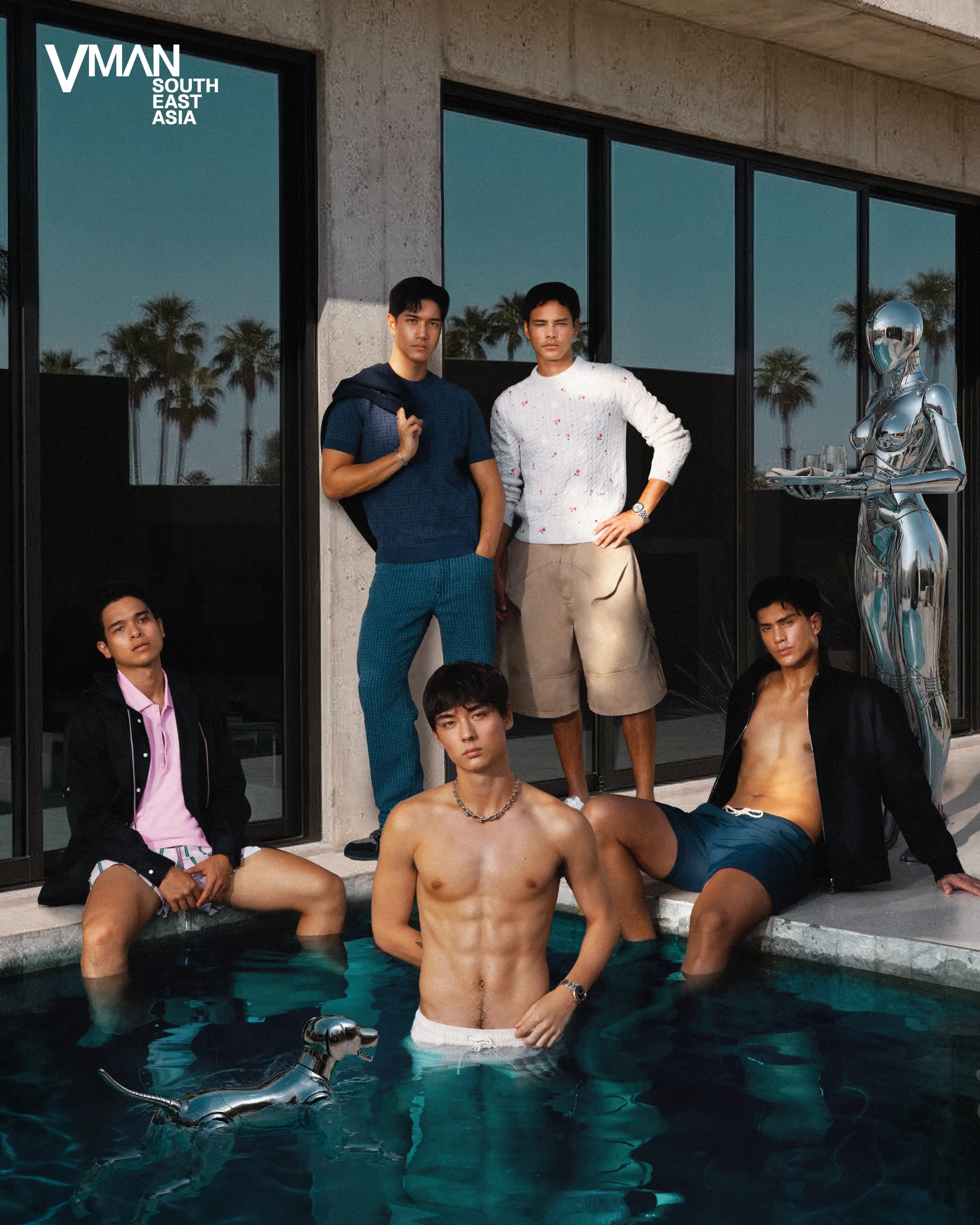
But the ease he now carries with that heritage was not always automatic. Growing up in London, he says he once tried to suppress that side of himself. Pride arrived later. What he once minimized is now visible and even sought after. He acknowledges the shift without exaggerating it.
Authorship on set
His negotiation with identity unfolds in adjustments. That instinct surfaced most clearly on set. Originally instructed to pose with slicked back hair, the sharp editorial severity often called a “stopper” in magazine parlance, Eugene asked for a reconsideration. He politely requested to keep his hair as it is: a textured shag that reads as English schoolboy and, at the same time, K-pop idol.
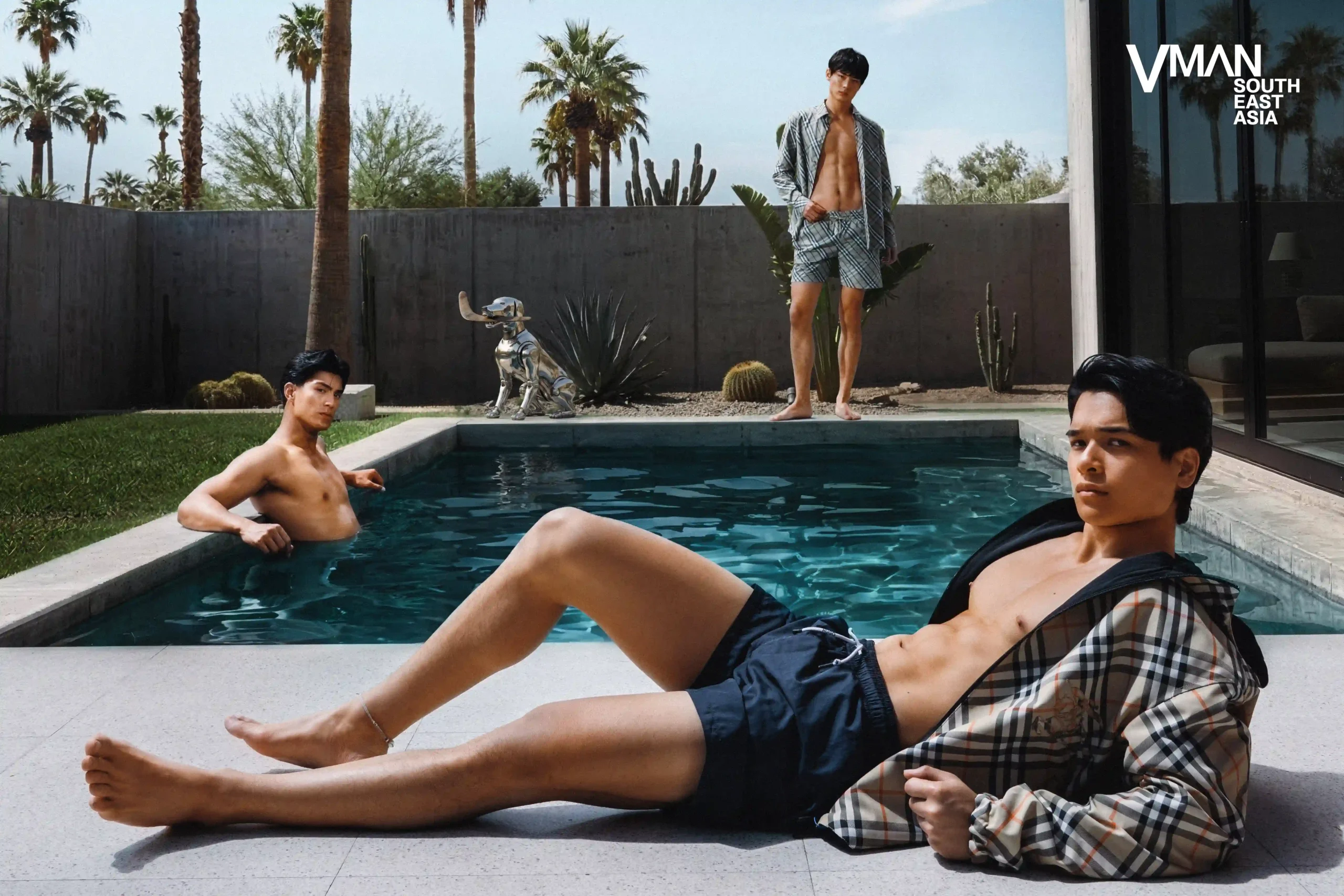
The look in the styling deck felt like a persona. For him, that day was about being his very person. The choice was not defiance. It was authorship.
Holding on to the self
In an industry built on image, he understands the difference between being styled and being overtaken by the styling. When asked how he protects the parts of himself that modeling does not expose, he answers without overcomplicating it: “As long as I’m myself, the rest should be okay.” The statement sounds uncomplicated. In practice, it requires discernment, knowing when a look enhances and when it erases.
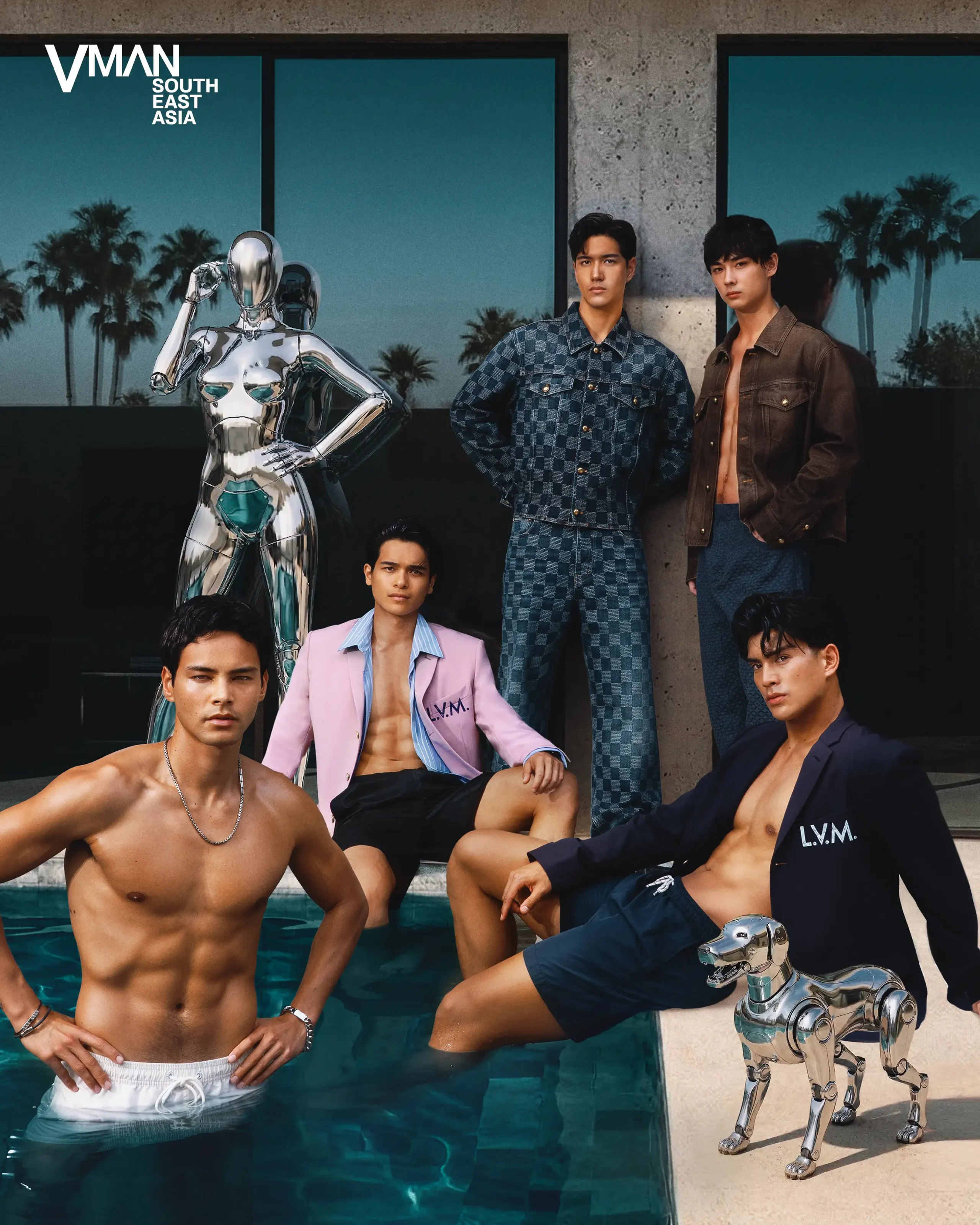
His definition of masculinity is similarly unembellished. Asked what it looked like growing up, he pauses, genuinely caught off guard. Eventually he lands on something spare: looking after the people who matter to you. Being kind. There is no reliance on dominance or posturing in his answer. Care sits at the center.
Across Asia, cultural exchange moves quickly. Influence circulates. When asked whether he sees himself shaping that influence or absorbing it, he chooses humility. He is still learning, still taking everything in. Influence, if it comes, can come later. For now, observation feels sufficient.
Coming full circle
His first editorial shootEditorial ShootA photo session produced for a magazine feature, in which stylists, photographers, models, and creative directors collaborate to tell a visual story using clothing, setting, and mood. Unlike advertising, anGo to Editorial Shoot Glossary in the Philippines was with this title. Returning now as a cover subject, as himself, feels in his words like a full circle moment. The distinction is subtle but meaningful. Then he was a model in the frame. Now he occupies it more fully, with a clearer sense of authorship over how he would like to appear.
He does not position himself as a spokesman for anything larger. He does not claim to be redefining masculinity. He simply embodies a version of it that feels integrated rather than divided. Korean, British, French, entirely himself.
Staying in the in between
A decade from now he could be anywhere. Another fashion capital. Another chapter. He does not pretend to know. What remains nonnegotiable, he says, is staying true to himself and becoming, or remaining, “a good, kind, loving person.” The phrasing is modest, but the aspiration is not.
For now, Manila holds him. Work and life feel aligned here. He is neither clinging to permanence nor treating the city as temporary. He is inhabiting the present fully.
Modeling thrives on reinvention, yet Eugene approaches it with a certain steadiness. He moves when the work requires it and adapts without feeling divided by the shift. He carries his mixed heritage without turning either into a headline, and he allows his image to evolve while keeping a clear sense of himself.
He isn’t interested in rigid definitions. Right now, he seems more at ease inhabiting the space in between.
As seen in the pages of VMAN SEA 05: now available for purchase!
Chief of Editorial Content Patrick Ty
Photography Ronnie Salvacion
Creative direction Vince Uy
FashionFashionThe art and industry of designing, producing, and styling clothing, footwear, accessories, and beauty trends. It reflects cultural influences, personal expression, and evolving styles across seasons and markets.Go to Fashion Glossary Rex Atienza
Art direction Mike Miguel
Editor Dayne Aduna
Grooming Myckee Arcano, assisted by Jam Jacobe and George Flores
FashionFashionThe art and industry of designing, producing, and styling clothing, footwear, accessories, and beauty trends. It reflects cultural influences, personal expression, and evolving styles across seasons and markets.Go to Fashion Glossary associate Corven Uy
Digital imaging PJ Calingasan and Summer Untalan
Production Francis Vicente
Photography assistant Joey Alborelas
Special thanks Mau de Leon of Mercator, Lorraine Santos, and Lucerne Luxe
Frequently Asked Questions
Eugene Reggio is a mixed-heritage model — half Korean, part British, and part French — raised in the UK and currently based in Manila. He is the cover subject of VMAN Southeast Asia Vol. 5.
Reggio describes his identity as fluid rather than fragmented. He has never chosen between his Korean and British heritage — he exists as both simultaneously, without internal conflict or a need to resolve the duality.
Reggio came to Manila at his former agent’s suggestion, worked, and chose to stay. He describes the city as feeling like home — a place where his work and personal life currently share the same address.
His definition of masculinity centers on care rather than dominance — looking after the people who matter and being kind. He arrived at the answer slowly when asked, suggesting it is something he holds quietly rather than performs.
His first editorial shoot in the Philippines was with VMAN SEA. Returning as the cover subject of Vol. 5 represents, in his words, a full circle moment — a shift from model in the frame to subject with authorship over his own image.
Recommended Video