The New Wave of Gamechangers Across Style, Sports, and Culture
Five men move through fashion, film, and sport across shifting borders, negotiating identity and ambition as they come into themselves in a world that never stays still




In an era where identity is increasingly shaped across borders and digital visibility, a new generation of talent is emerging with careers that resist single definitions. They move with ease between fashionFashionThe art and industry of designing, producing, and styling clothing, footwear, accessories, and beauty trends. It reflects cultural influences, personal expression, and evolving styles across seasons and markets.Go to Fashion Glossary, film and television, sport, and global culture.
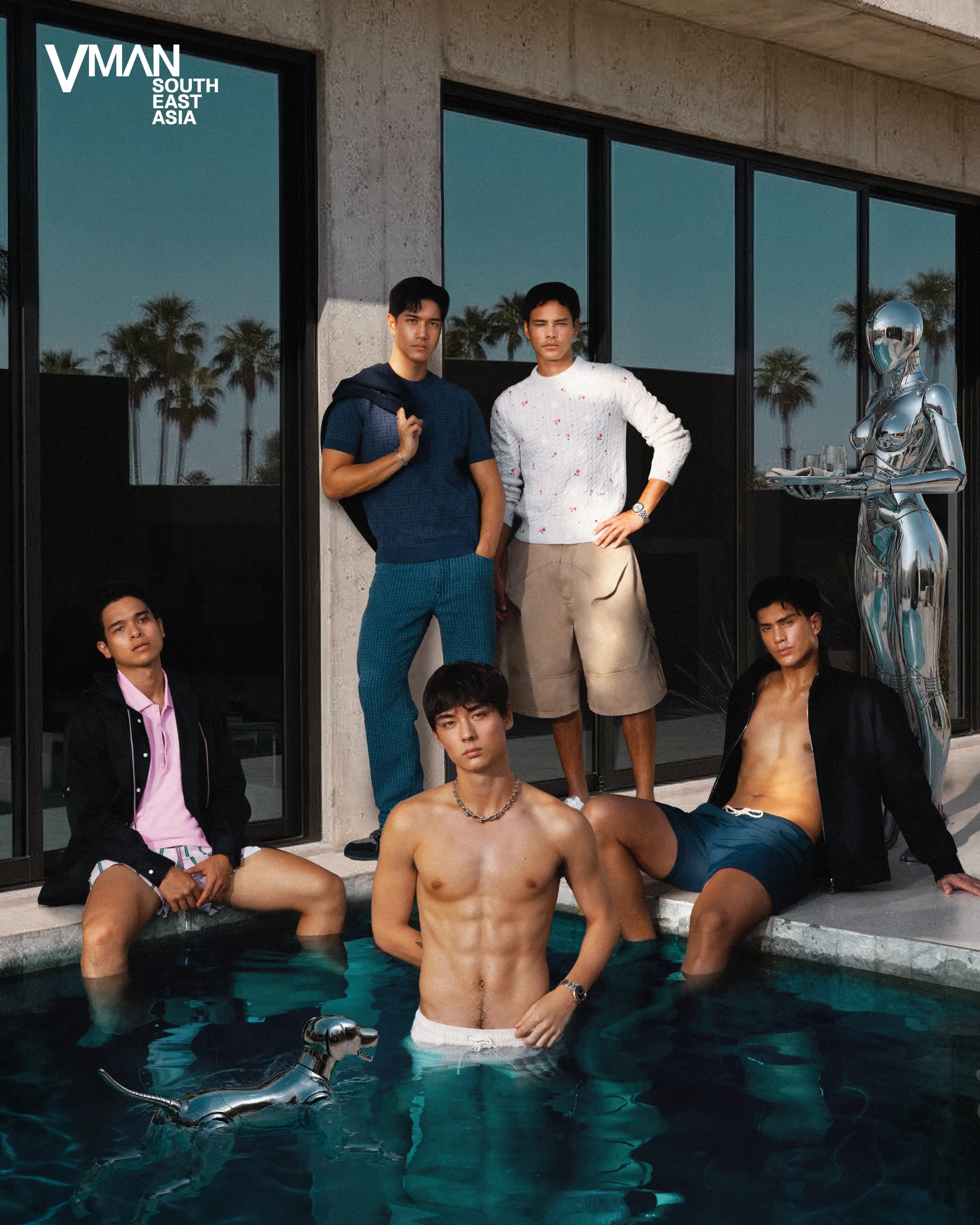
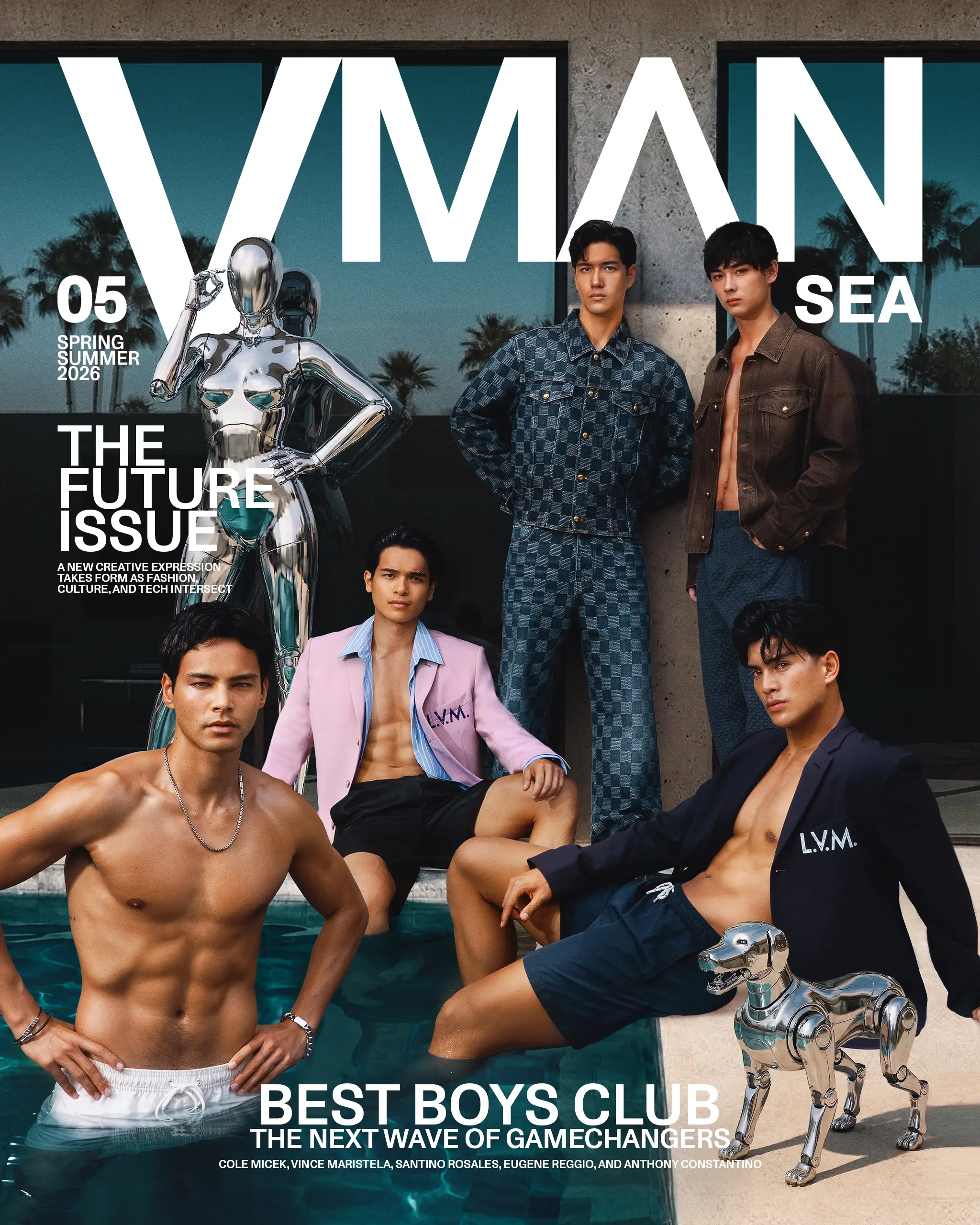
In The Future Issue, five figures stand at the center of this shift: Cole Micek, Eugene Reggio, Santino Rosales, Vince Maristela, and Anthony Constantino. Each represents a different trajectory, yet together they reflect a shared condition of movement and becoming.
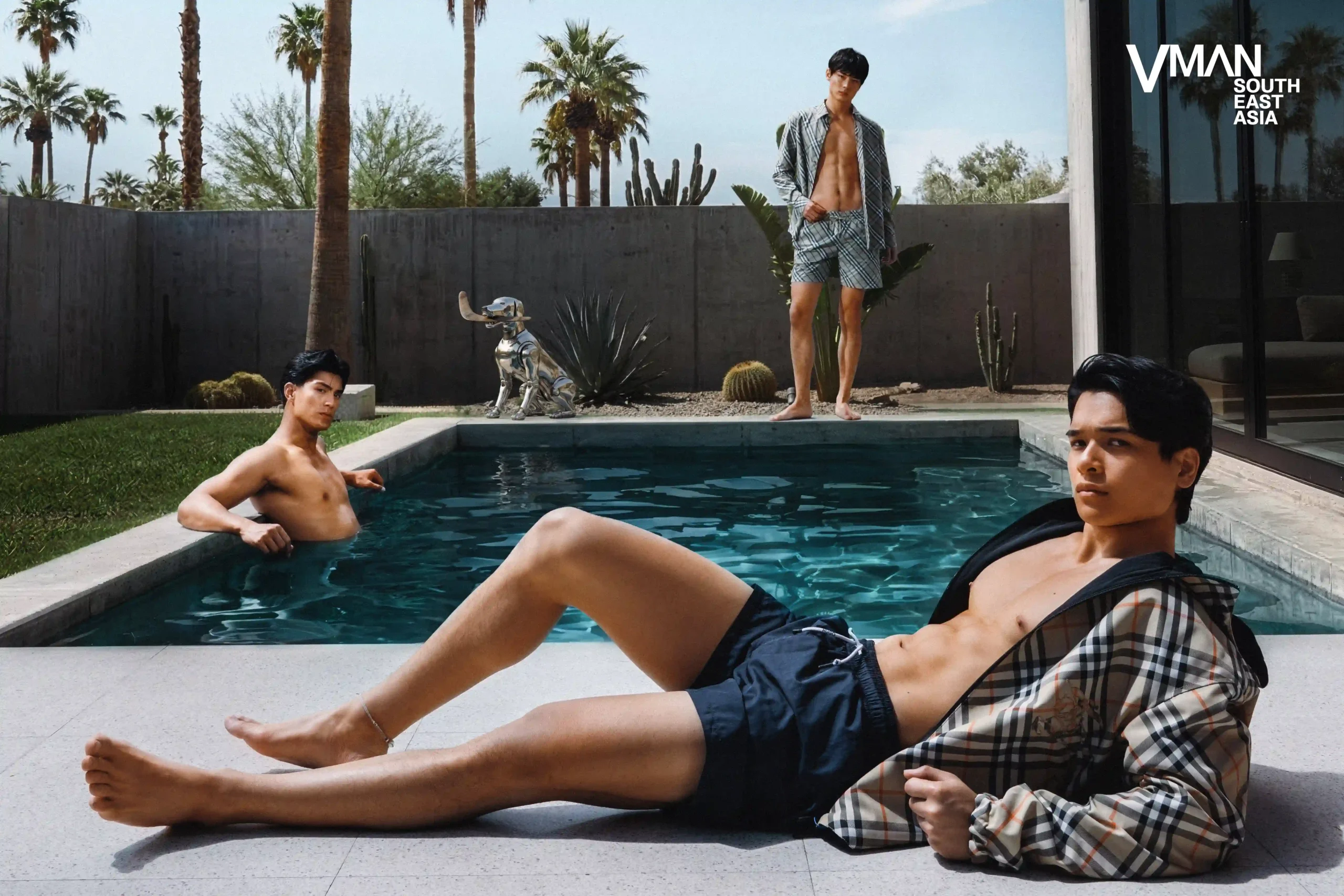
Anthony Constantino
From structure to redirection
Anthony began his career path in a structured environment far from entertainment. Raised in Los Angeles, he completed a double degree in information systems and business administration, initially preparing for a career in technology.
“I was planning to enter the tech industry,” he says.
Modeling, at the time, was secondary. However, opportunities in Asia gradually shifted his direction, leading him to the Philippines, where his career expanded into fashion and later acting.
READ HIS COVER STORYCover StoryThe feature interview and photo shoot that accompanies a magazine's cover, introducing its subject through conversation and styled imagery. At VMAN, cover stories spotlight regional and global personalities, combining fashion,Go to Cover Story Glossary: Anthony in Action
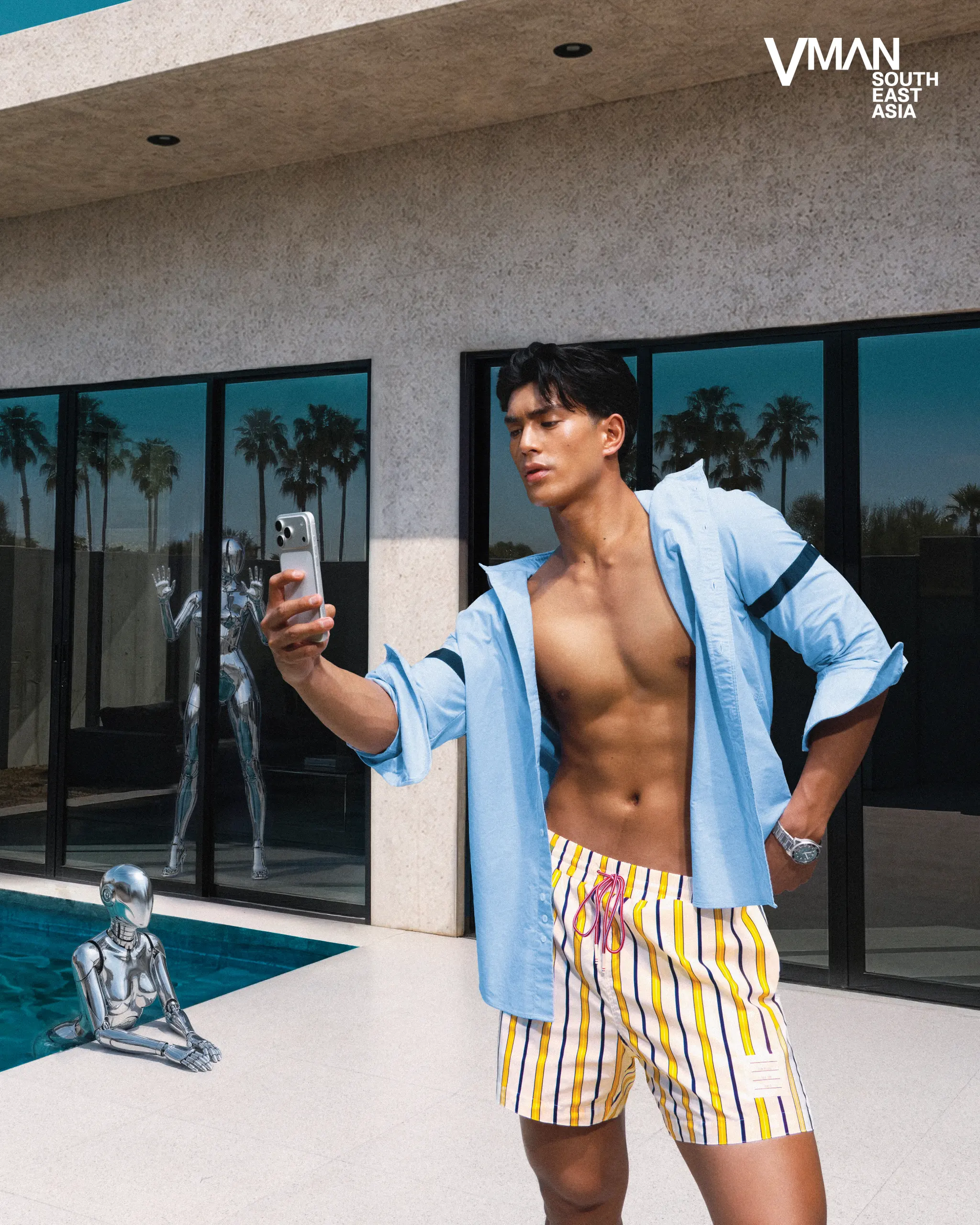
The move also carried personal significance. Although he grew up in Filipino culture, working in the Philippines provided direct exposure to his family’s heritage and history. “It was not just work. It was seeing where my family is from,” he says.
Professionally, Anthony has since become part of a growing wave of Filipino-American talent working across Southeast Asian entertainment industries. His visibility has grown through fashion work, including international representation opportunities.
He notes that Filipino-American talent often navigates expectations shaped by perception and stereotype, particularly in how confidence and identity are interpreted.
“I just want to represent Filipino-Americans in a good way and show who I am.”
Anthony emphasizes humility and consistency in navigating public life, alongside a focus on long-term career development rather than rapid recognition.
He also credits faith as a grounding influence in his career trajectory, describing it as central to how he manages uncertainty and opportunity.
Vince Maristela
Returning to a career with new perspective
Vince’s path into entertainment began in childhood, when he first appeared in commercials and acting projects at the age of six. After early exposure to the industry, he stepped away to focus on education, later completing a degree in marketing.
During this period, his ambitions shifted, and he briefly considered careers outside entertainment, including aviation and engineering. “I did not think I would return to acting,” he says.
READ HIS COVER STORYCover StoryThe feature interview and photo shoot that accompanies a magazine's cover, introducing its subject through conversation and styled imagery. At VMAN, cover stories spotlight regional and global personalities, combining fashion,Go to Cover Story Glossary: The Next Version of Vince Maristela
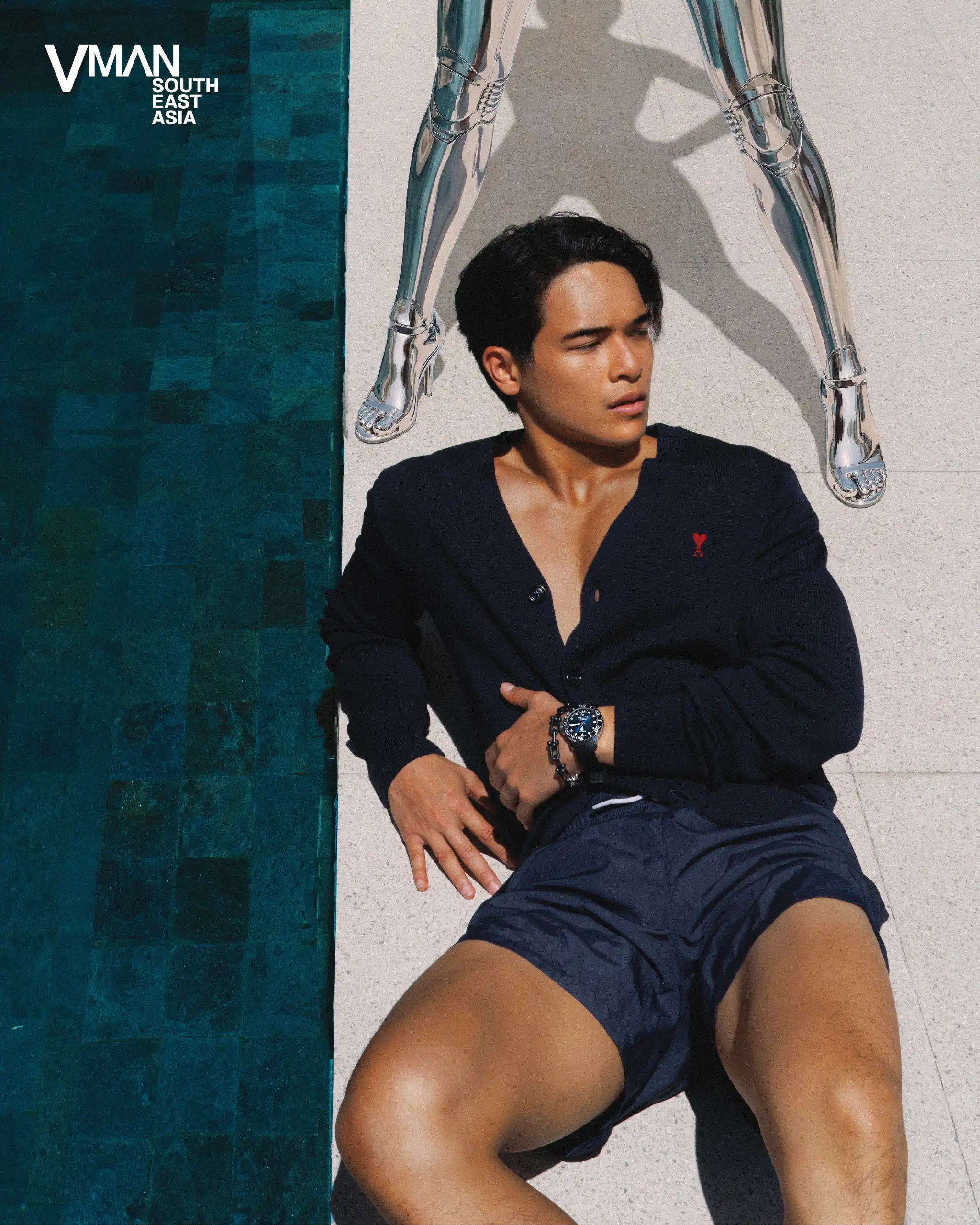
However, after several years away, Vince gradually reentered the industry through commercial work before formally returning to acting as an adult.
That return marked a shift in perspective. In his early years, performance was instinctive; now, his approach is more introspective. He acknowledges that public visibility now carries greater scrutiny, particularly in the age of social media, where audiences often form conclusions quickly based on limited context.
Despite this, Vince approaches his work with an emphasis on authenticity and consistency, prioritizing long-term growth over immediate perception.
For him, acting is no longer simply participation in performance. It is a continuous process of learning and observation.
“I am still a student of life.”
Cole Micek
Navigating sport and style across worlds
Cole’s career is shaped by basketball, but defined by movement beyond it. A Filipino-American professional athlete, he has built his foundation in the discipline of sport while expanding into fashionFashionThe art and industry of designing, producing, and styling clothing, footwear, accessories, and beauty trends. It reflects cultural influences, personal expression, and evolving styles across seasons and markets.Go to Fashion Glossary and cultural representation across Asia and the United States.
READ HIS COVER STORY: The World is Cole’s Court
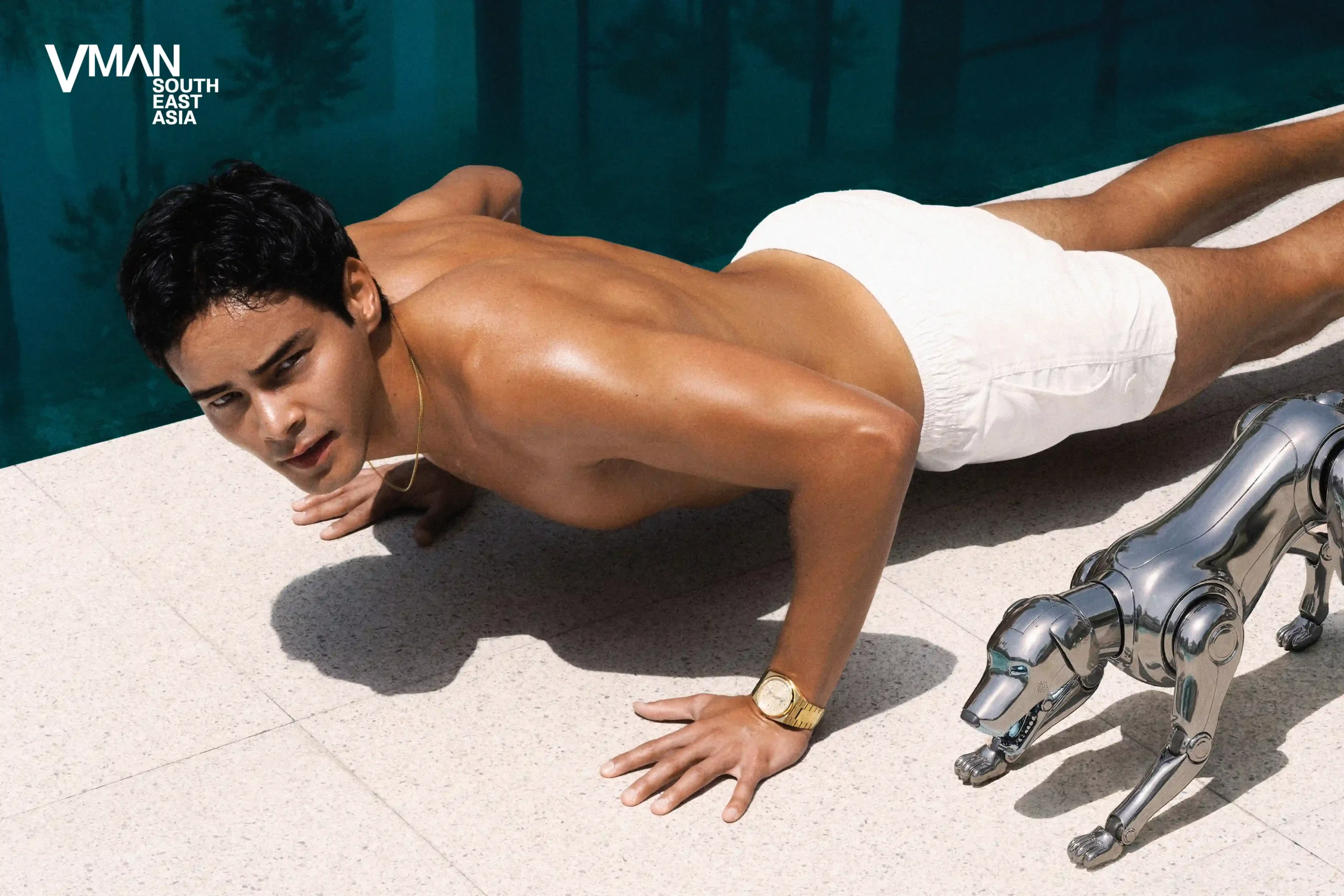
Basketball remains his anchor, forming the structure through which he approaches work and life. The sport has taken him from youth training systems in the United States to professional play in Asia, including his current role as a guard for the Macau Black Bears.
His identity mirrors the dual experience of the Filipino diaspora. In different contexts, he is viewed through different lenses, something he has come to accept as part of his career.
“It’s interesting because when I am in the United States, I am seen as the Filipino kid. When I am in the Philippines, I am the American kid.”
Rather than resist that duality, Cole has incorporated it into how he represents himself. He views visibility as responsibility, particularly for Filipino and Asian-American athletes whose presence in global sport has historically been limited.
“I want to represent Filipino-Americans and Asian-Americans in a positive way by showing what we are capable of through our work,” he says.
Santino Rosales
Structure, discipline, and control
Santino operates at the intersection of sport and fashion, balancing football as his primary discipline with modeling as a parallel pursuit.
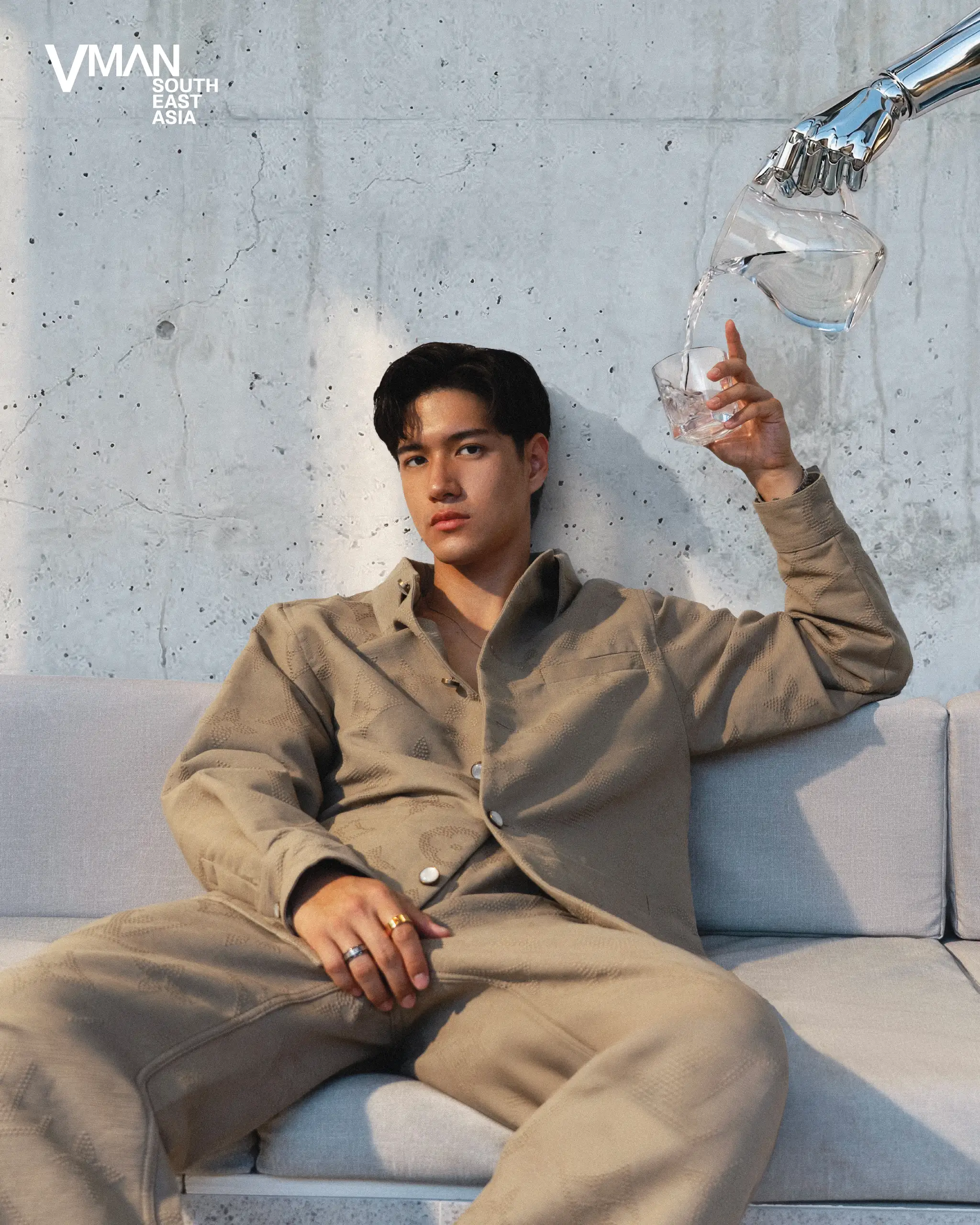
On the field, he plays competitively for Maharlika, where structure, repetition, and physical performance define his daily routine. Football remains the space where he feels most grounded.
“In football, I forget about everything else. It is where I feel most like myself.”
That discipline carries into his work in fashion, where he is affiliated with the Professional Models’ Association of the Philippines. In both fields, he emphasizes consistency and professionalism over visibility.
Eugene Reggio
Identity without fixed form
Eugene approaches identity with liberation rather than definition. Of Korean, British, and French heritage and raised across multiple countries, his background is a life shaped by continuous movement.
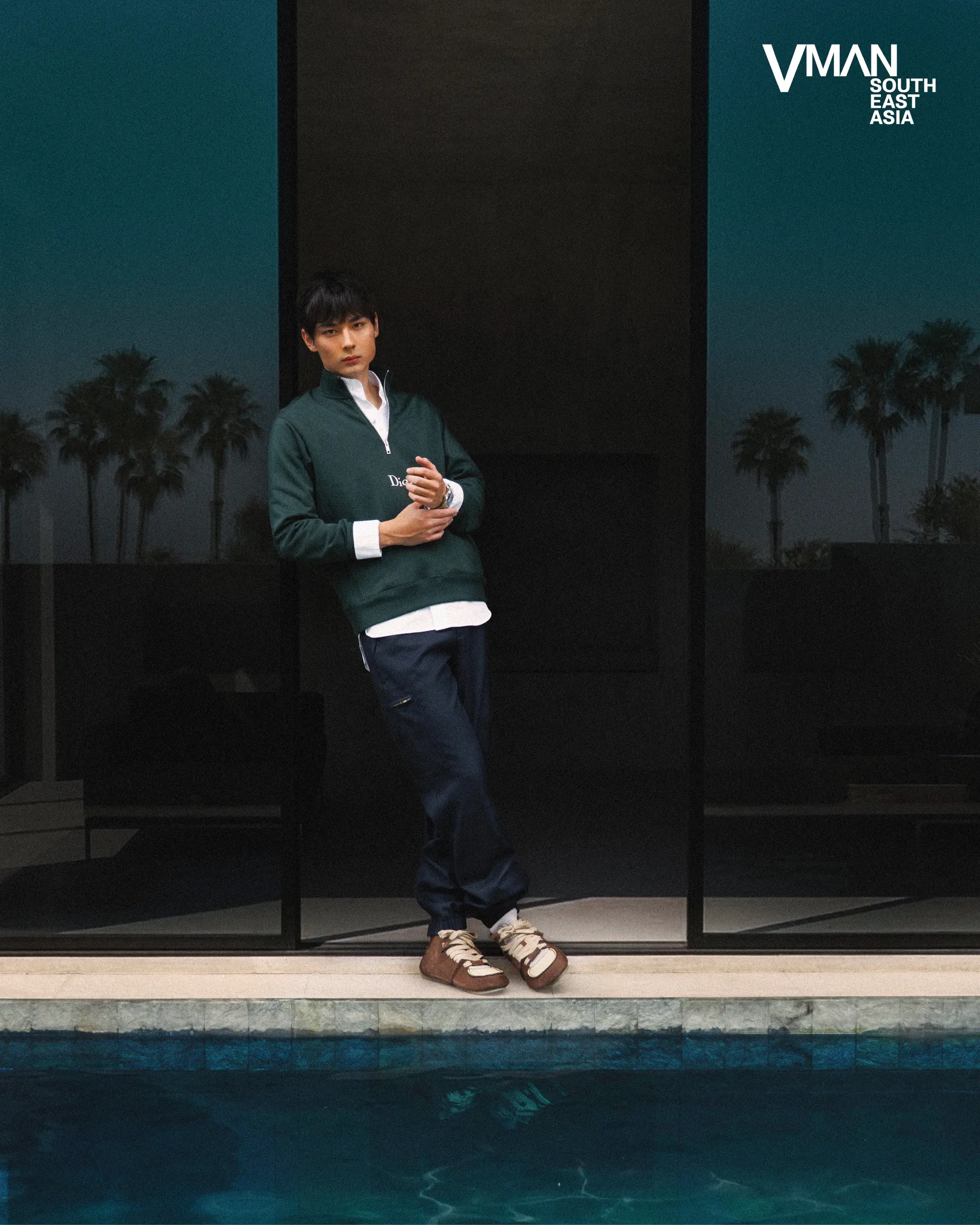
Now based in the Philippines for work, the model describes the transition as an alignment. His approach to career and identity avoids fixed expectations, instead allowing circumstances to guide direction.
“I avoid predicting what comes next because things change too quickly.”
As global fashion continues to evolve toward broader representation and cultural hybridity, Reggio’s trajectory points to a growing category of talent defined by adaptability.
As seen in the pages of VMAN SEA 05: now available for purchase!
Chief of Editorial Content Patrick Ty
Photography Ronnie Salvacion
Creative direction Vince Uy
FashionFashionThe art and industry of designing, producing, and styling clothing, footwear, accessories, and beauty trends. It reflects cultural influences, personal expression, and evolving styles across seasons and markets.Go to Fashion Glossary Rex Atienza
Art direction Mike Miguel
Editor Dayne Aduna
Grooming Myckee Arcano, assisted by Jam Jacobe and George Flores
Fashion associate Corven Uy
Digital imaging PJ Calingasan
Production Francis Vicente
Photography assistant Joey Alborelas
Special thanks Caiel Pajarillo, Ysa Solon, Rochelle Tuazon-Chavez, and Rodelyn Flores of Sparkle GMA Artist Center, Mau de Leon of Mercator, Jeanger Navarro, Lorraine Santos, Lucerne Luxe, and PMAP
Frequently Asked Questions
The VMAN SEA Issue 05 Future Issue cover feature profiles Cole Micek, Anthony Constantino, Vince Maristela, Santino Rosales, and Eugene Reggio — five figures working across basketball, fashion, acting, football, and modeling in the Philippines, Asia, and the United States.
Cole Micek is a Filipino-American professional basketball player currently playing as a guard for the Macau Black Bears. He has expanded his career into fashion and cultural representation across Asia and the United States, and has spoken about the responsibility of visibility for Filipino and Asian-American athletes in global sport.
Anthony Constantino is a Filipino-American model and actor based in the Philippines who initially completed a double degree in information systems and business administration before pivoting from a planned tech career into fashion and acting. Working in the Philippines gave him direct connection to his Filipino heritage alongside his professional growth.
Vince Maristela first appeared in commercials and acting projects at age six before stepping away to complete a marketing degree and explore other fields including aviation and engineering. He returned to acting as an adult through commercial work, approaching the craft now with greater introspection and a focus on long-term authenticity over immediate recognition.
Eugene Reggio is a model of Korean, British, and French heritage who was raised across multiple countries before relocating to the Philippines for work. His career resists fixed definitions of identity — shaped instead by adaptability, cultural hybridity, and a willingness to let circumstances guide direction rather than conforming to a single cultural or professional expectation.
Recommended Video