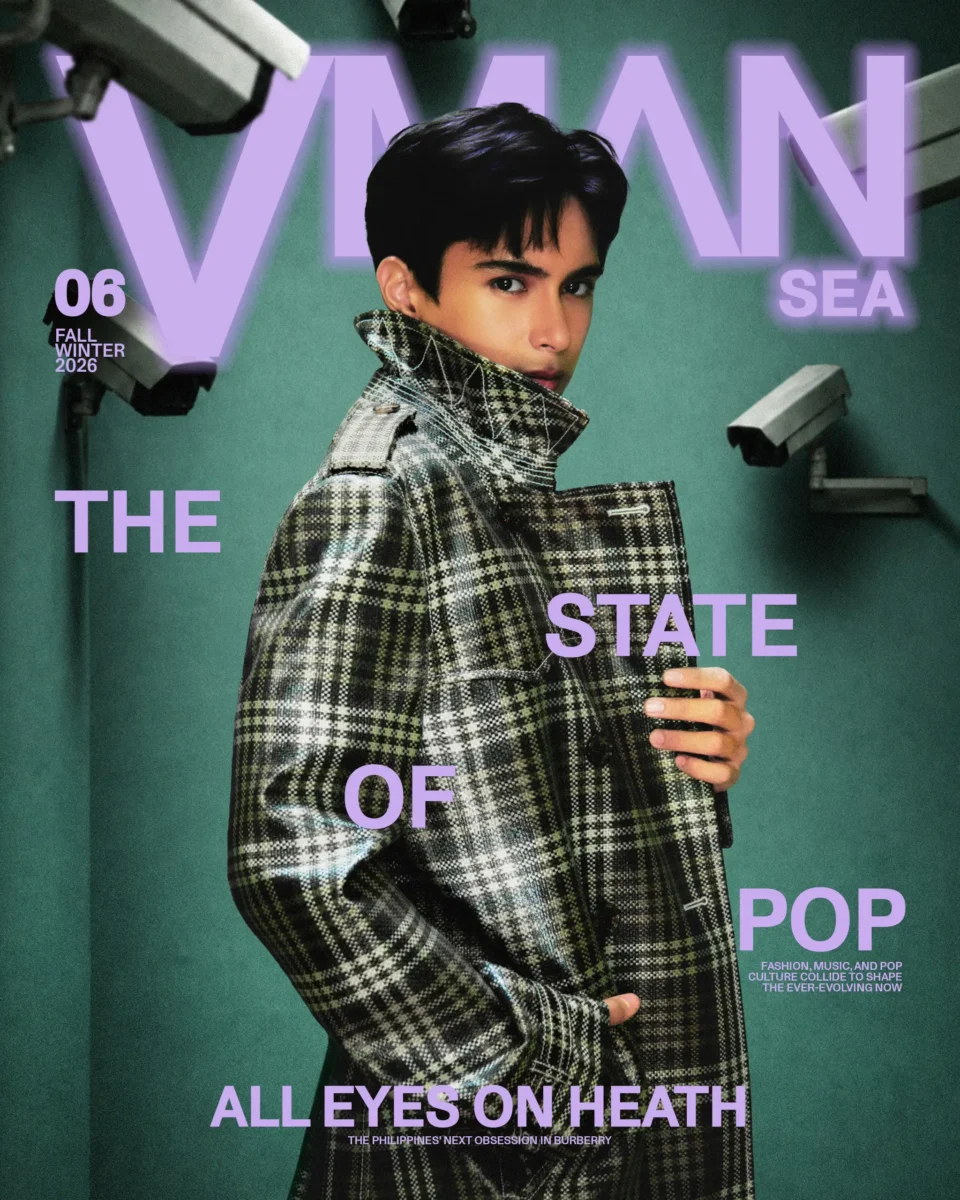
Jefri Nichol Unscripted
The Indonesian superstar reflects on his journey as an actor, his love for cinema, and the values that guide his work, life, and sense of style





“Being human is something that I really pursue and try to show in my acting.”
When Jefri Nichol says these words, his tone is calm but certain. The idea of “being human” has become the foundation of his life and work. Nearly a decade since he first appeared on screen, the Indonesian actor has learned that what moves people is not perfection but honesty. That sense of authenticity is exactly why he was chosen to front our Black TieBlack TieA formal evening dress code calling for a tuxedo, white dress shirt, bow tie, and polished black shoes, for galas, award nights, and weddings. Understanding black tie helps men dressGo to Black Tie Glossary Issue.
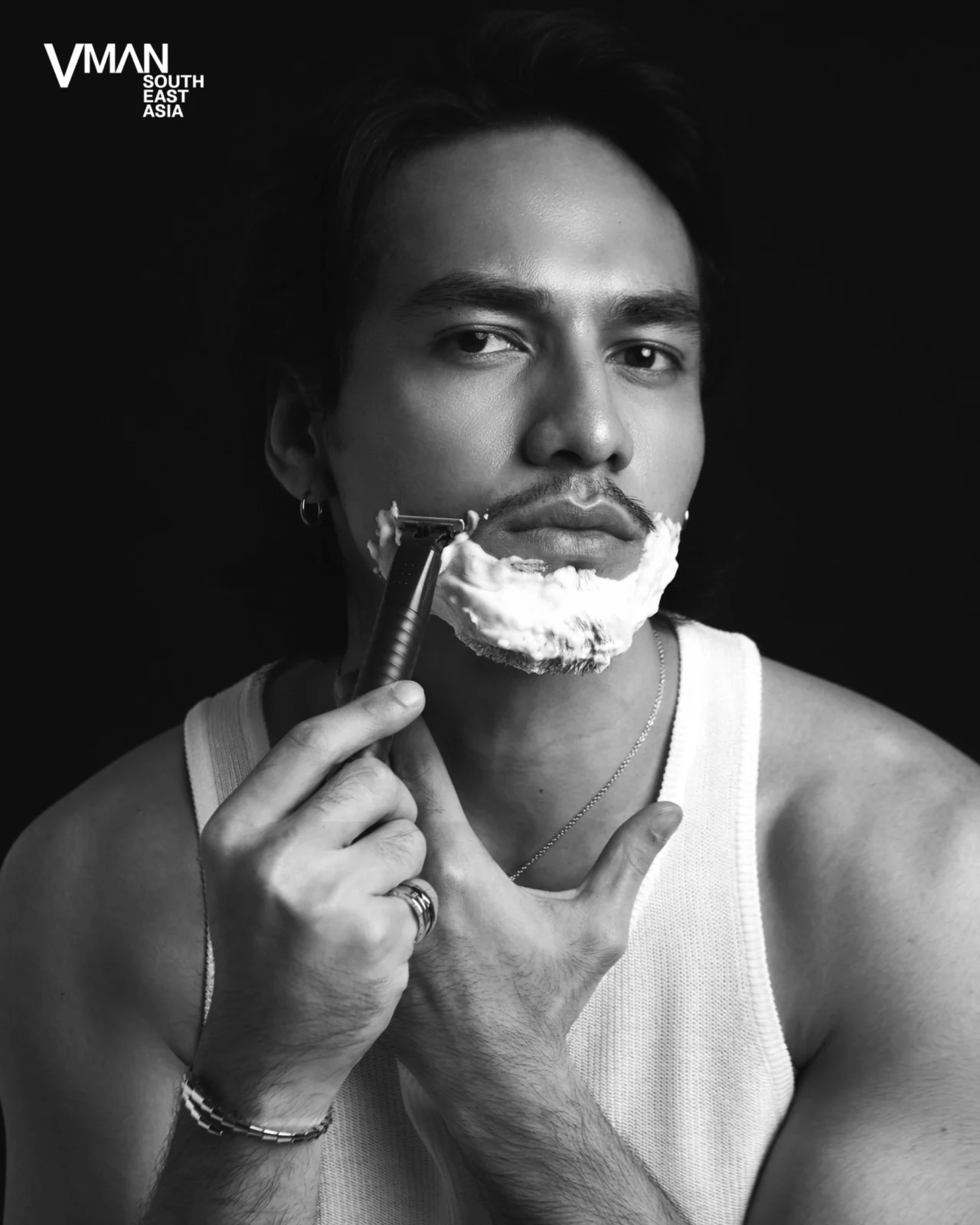
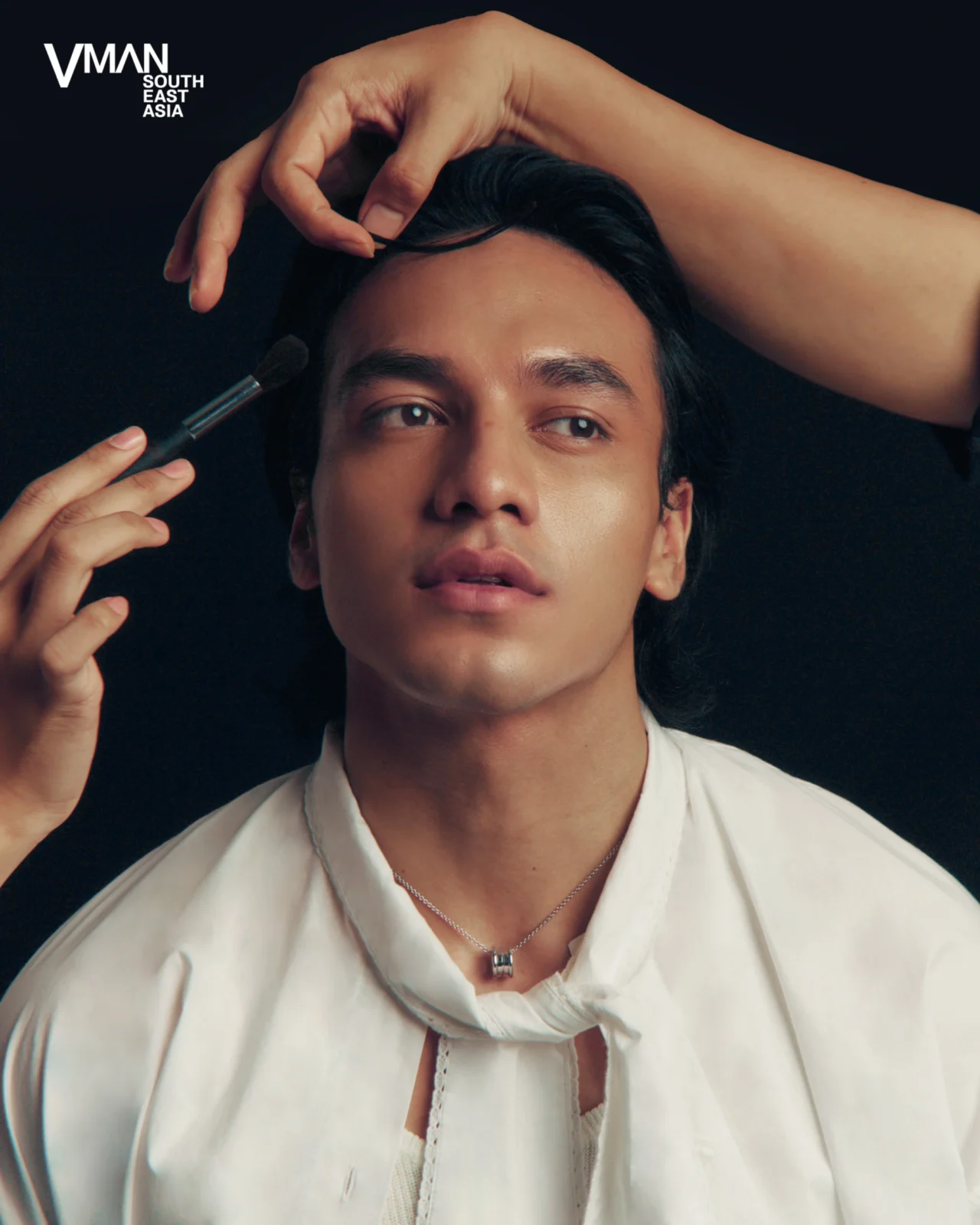
Formalwear has evolved. Once rigid and uniform, it now reflects the personality of the wearer, allowing room for individuality within tradition. Nichol, who balances a relaxed everyday presence with a thoughtful approach to his craft, embodies this shift. In a suit that marks the peak of formality, he is still unmistakably himself.
He says this while sitting in a black suit, crisp and clean, ready for a shoot celebrating black tie style. “I think I’m more of a laid-back guy,” he says with a small laugh. “So it’s not every day that I can wear something formal like this.”
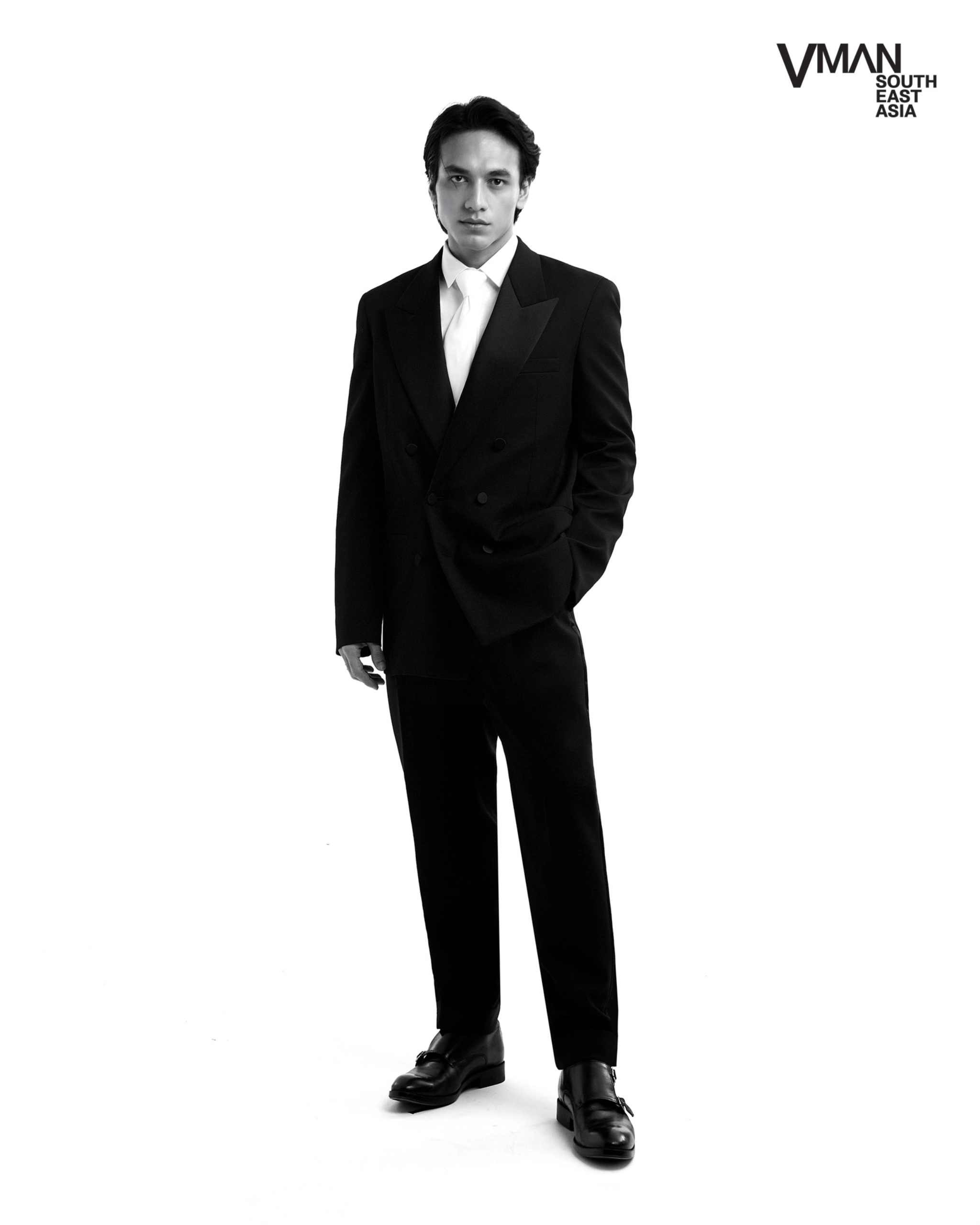
Yet the suit seems to transform him in posture. He sits taller, speaks slower, and looks more focused. “When I put on a suit and tie, I feel like I’m more confident. Maybe because it’s such a clean look,” he says. “It feels nice to look put together sometimes.”
Discipline in fashion and film
He adjusts the cuff of his jacket slightly as he talks. There is a respect he gives to the act of dressing up, the same discipline he brings to film. For someone who often appears relaxed, Nichol takes his work seriously. Over the years, he has become one of Indonesia’s most recognizable and thoughtful actors.
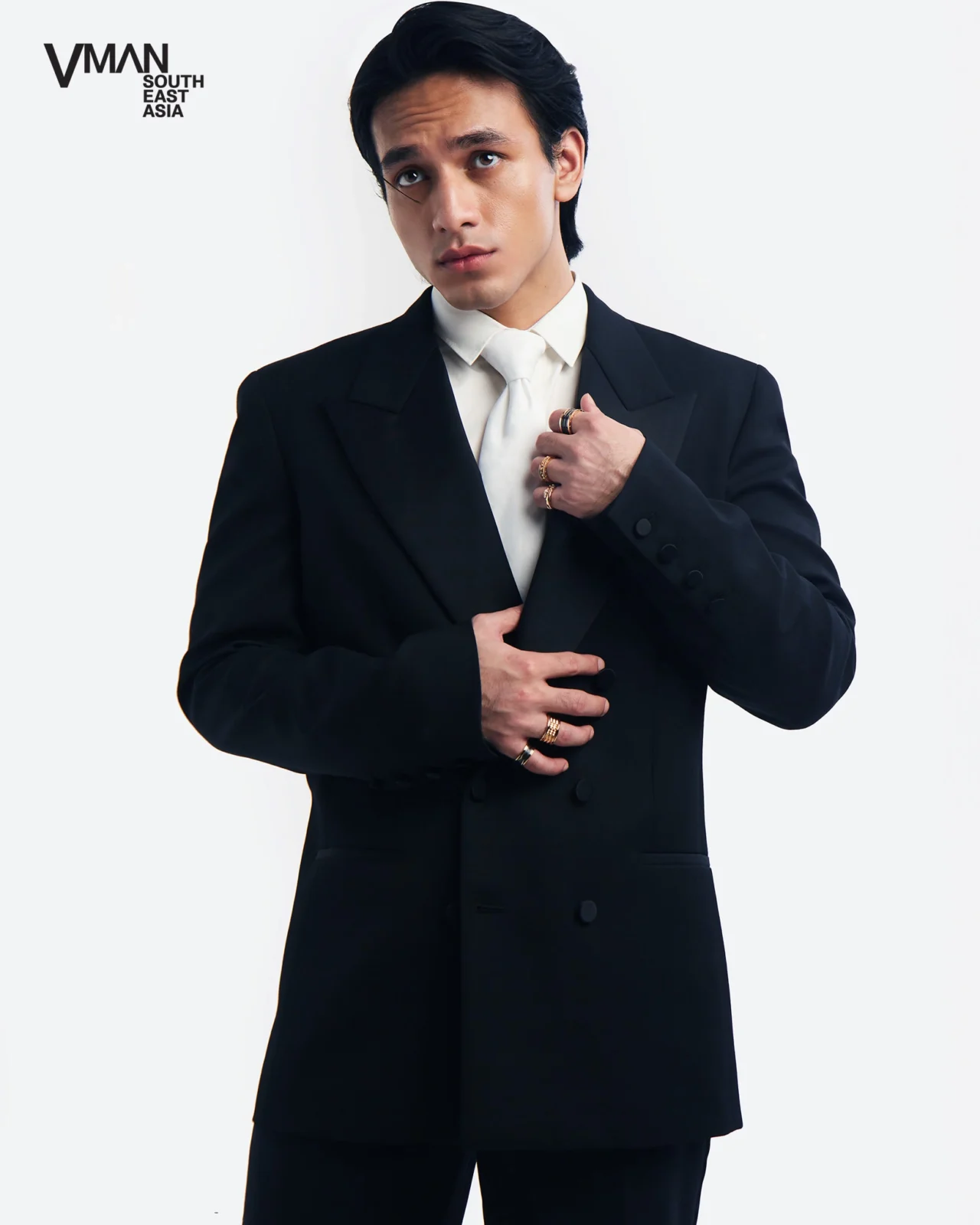

Nichol began his career as a model and made his acting debut at 14 in the miniseries Kami Rindu Ayah. His breakout role came in 2017 as Nathan in Dear Nathan, and since then, he has built a diverse body of work across romance, drama, and horror, earning awards and critical acclaim along the way. His presence on screen and grounded approach to his craft have made him a figure whose choices, both on and off camera, carry weight.
“I think the mentality that I have now is more like contentment. Because I don’t need to search for any validation anymore, like I did earlier in my career. So yeah, I think I’m more content now.”
There is a sense of relief in his voice, the sound of someone who has arrived at a peaceful place. Nichol describes his early years as a rush to prove himself, taking every opportunity that came his way. “Earlier in my career, I just wanted to be in movies,” he says. “And since I’ve reached that goal, now I just want to make good movies, being surrounded by the people that I love.”

A career defined by honesty
When asked what defines a “good” film for him, he pauses. “It has to be honest,” he says finally. “It has to say something about being human. That’s the point of all this for me.”
It is a simple statement, but it captures the essence of his approach to acting. Nichol is not interested in being a celebrity for its own sake. His work is about empathy and finding truth in performance, even if it is messy or uncomfortable.


He often cites Marlon Brando as his biggest influence. “I think Marlon Brando is someone who inspires me the most,” he says. “Because outside of his work, he’s also an activist, he’s a human being, he has his own flaws. It makes him human. He doesn’t seem like a movie star or a superstar. He’s just human, and that really inspires me.”
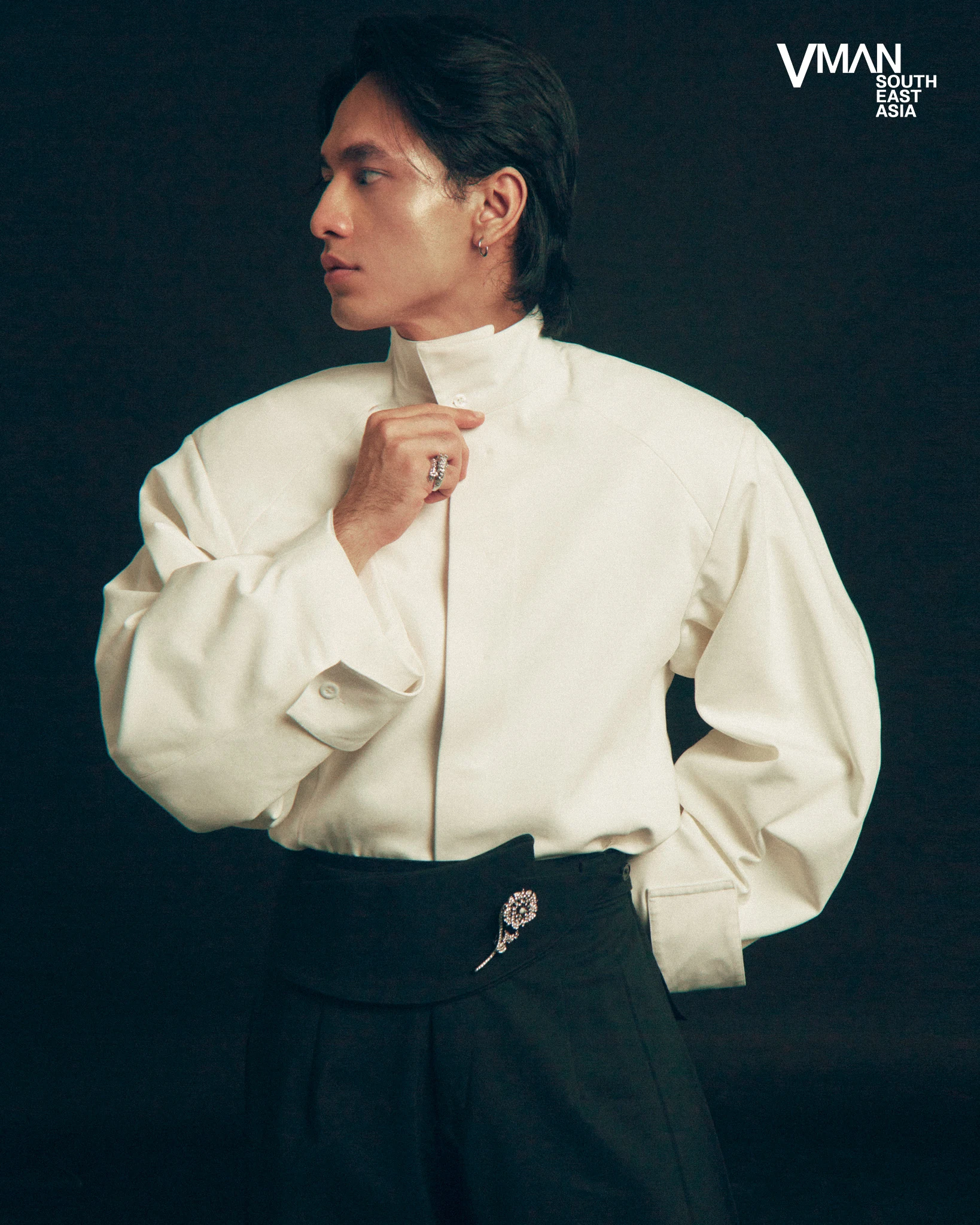
The admiration makes sense. Like Marlon, Nichol sees acting as a study of imperfection. “When I’m doing movies or series, I think it’s about being human,” he says. “It is something that I really pursue and try to show in my acting.”
Choosing roles that matter
This pursuit has shaped how he chooses his roles. From his breakout in Pertaruhan to his turns in Dear Nathan, Nichol has gravitated toward characters who are conflicted, flawed, and vulnerable. “Earlier in my career, I just said yes to everything,” he admits. “Now, I’m looking forward to something more challenging, especially in character development. The story and director are also really important.”
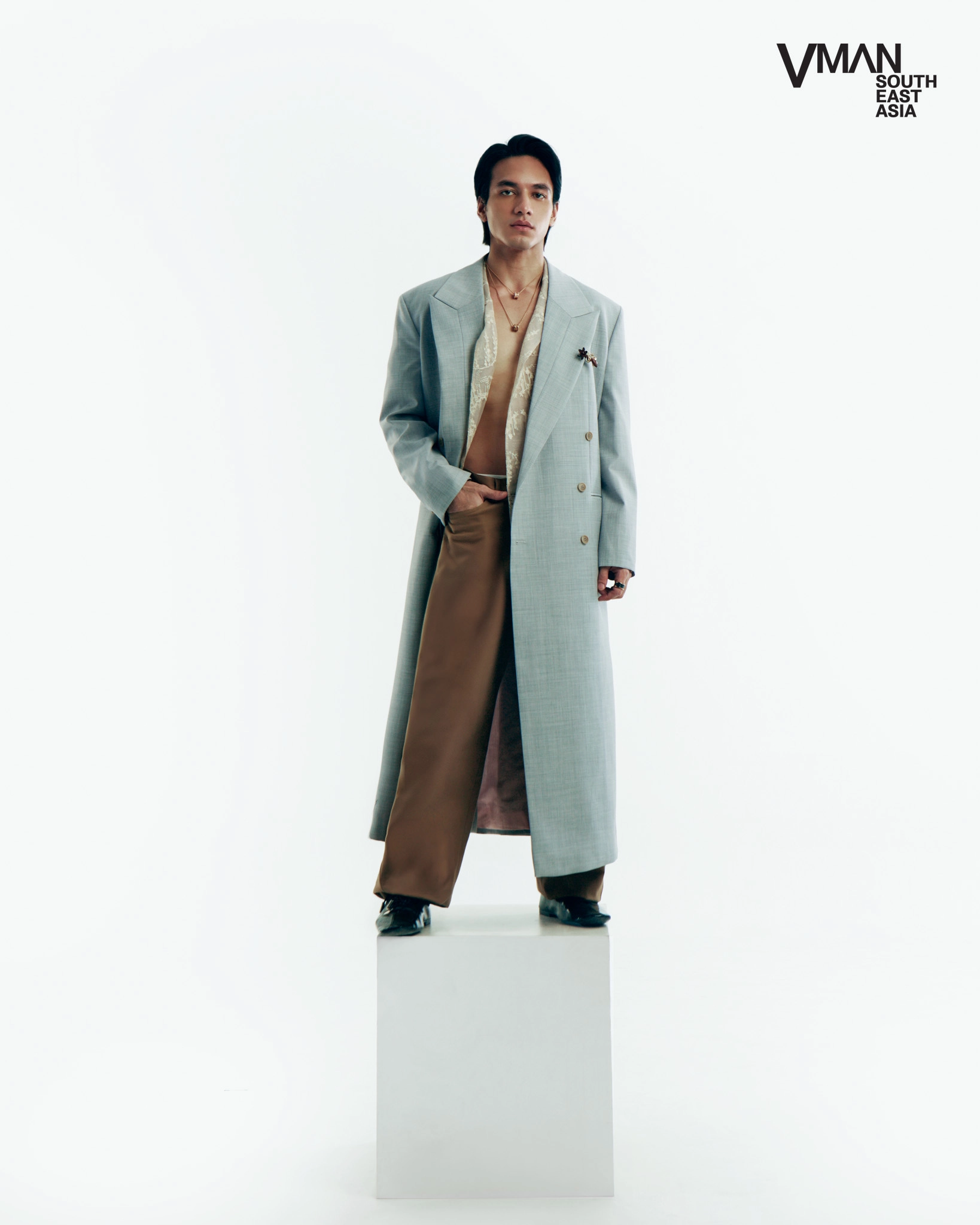
He smiles when he talks about directors, mentioning how he learns something new from every collaboration. “The way they see the world affects the way you act,” he says. “You start to think differently about what makes a moment powerful.”
But what anchors Nichol most is the feeling that he is creating for the right reasons. “Being here, making movies, it still feels unreal for me because I never thought that I would go this far when I started,” he says. “Maybe it’s because I’ve already reached my goals, and now it’s like the bonus stage in my career.”

A voice for change
That sense of gratitude runs through everything he says. He no longer measures success in numbers or attention. What matters now is doing work that means something to him and being surrounded by people who bring out the best in him.
Outside acting, Nichol is just as thoughtful about the world around him. He speaks about environmental and social issues with conviction.
“I think it’s important to use the advantages I have, like the spotlight I’m in, to speak out about what’s happening right now, whether it’s environmental issues, social challenges, or anything going on in the world.”
“I encourage everyone to use your voice. Even if it’s small, you can influence people who follow you to care about the same things.”
He traces this belief back to Indonesian values, particularly gotong royong, a traditional concept that emphasizes mutual cooperation and community care. “There’s this thing called gotong royong in Indonesia. It’s about always helping each other in our community,” he explains. “I think there’s an influence from that. You smile when you see people, you greet them, you show respect.”
Celebrating Southeast Asian creativity
Nichol’s belief in community also shapes how he sees Southeast Asia’s creative industries. “For the people who watch this, try to watch some Indonesian movies,” he says. “Maybe there are some hidden gems that you’ll really love.
“I also like movies from other Southeast Asian countries like Thailand and Malaysia. I think as neighboring countries, we should support each other’s film and music industries, so we can show the rest of the world that we have something to offer.”
It is an idea he often returns to, emphasizing the need for unity among Southeast Asian artists. “We have different languages, but our stories are connected,” he says. “We go through the same things. Family, love, pressure, dreams.”
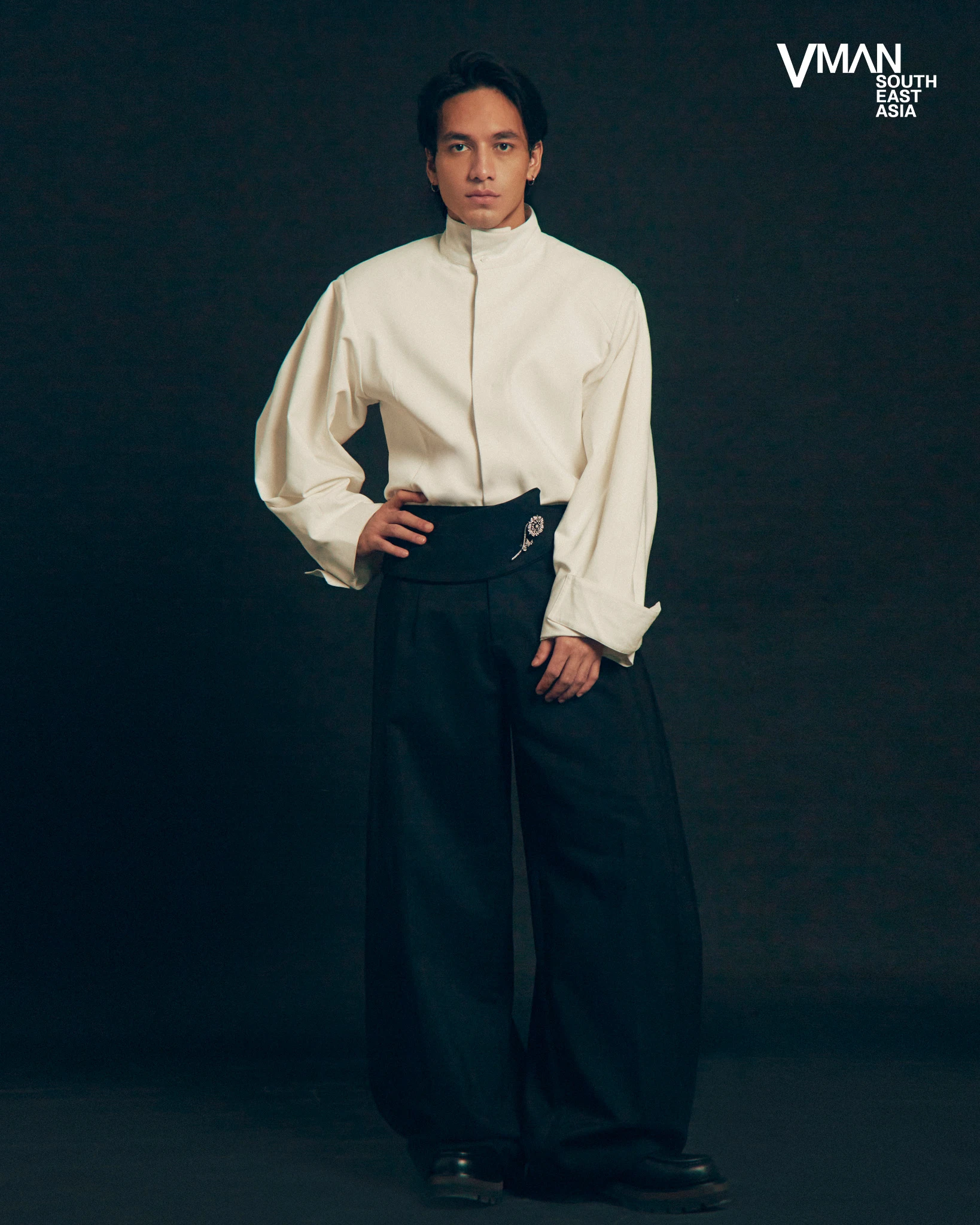
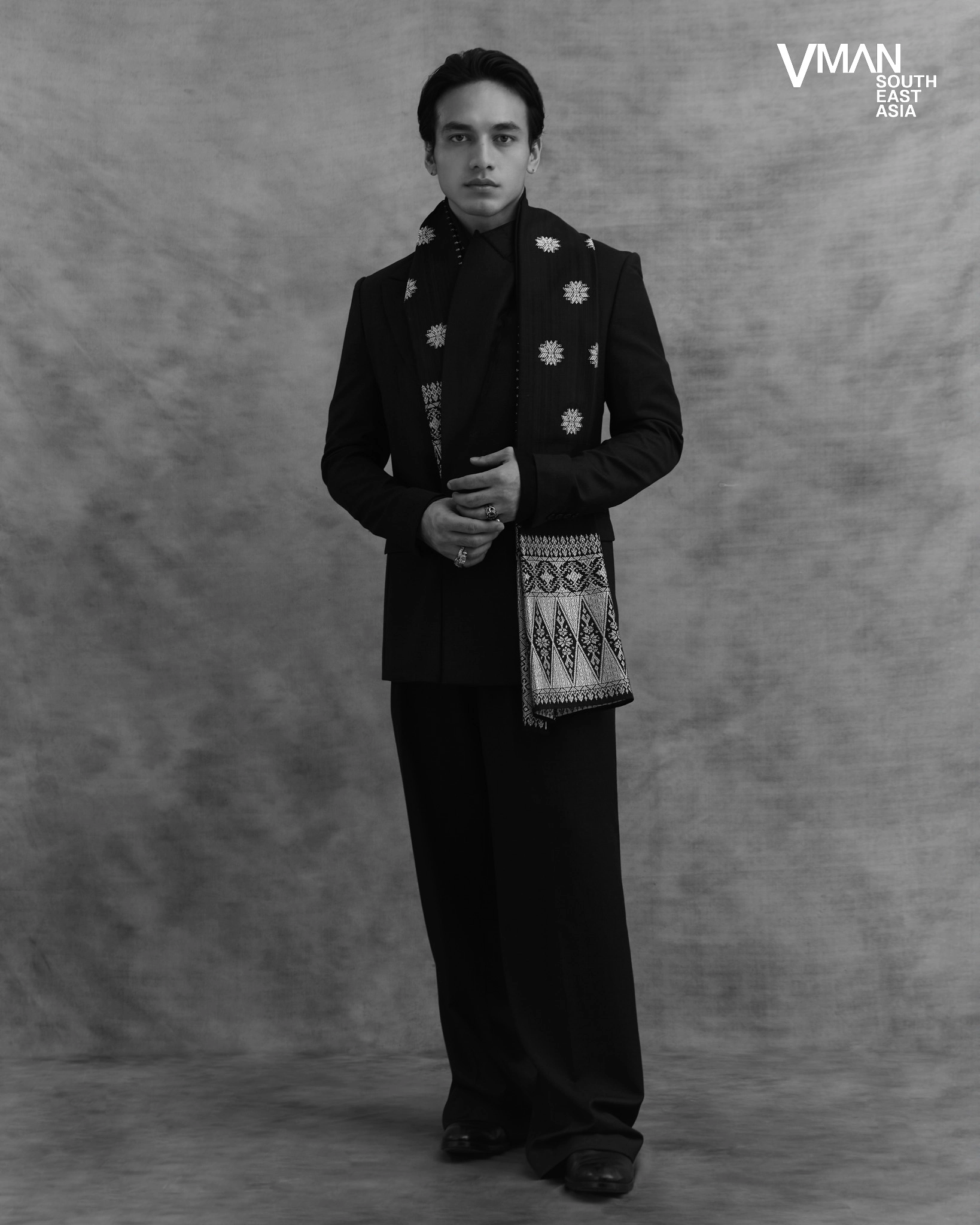
When he speaks about Indonesian culture, his voice lifts with pride. He is eager for the world to see more of what his country can create. “Indonesian traditional fashion could be something that we can highlight more in our movies,” he says. “And also the music. Indonesian traditional music, like dangdut.”
Then his eyes light up as he describes something new. “I think there’s a new wave in the Indonesian music scene now. It’s called hip-dut. It’s a mix of hip-hop and dangdut, so yeah, it’s a fun genre. Any Central Java music is really fun to hear, especially if you hear them live.”

Style and freedom
When he is not filming, Nichol spends much of his time watching movies. He mentions The Godfather and The Bikeriders as some of his recent favorites. “Maybe Austin Butler and Jeff Nichols’ The Bikeriders,” he says when asked which character’s style he would like to try for a day. “Yeah, I love the motor gang or biker look.”
There is something fitting about that choice. The biker, like the actor, is a figure of motion and freedom. Both exist between control and chaos. Both are searching for something beyond the surface.
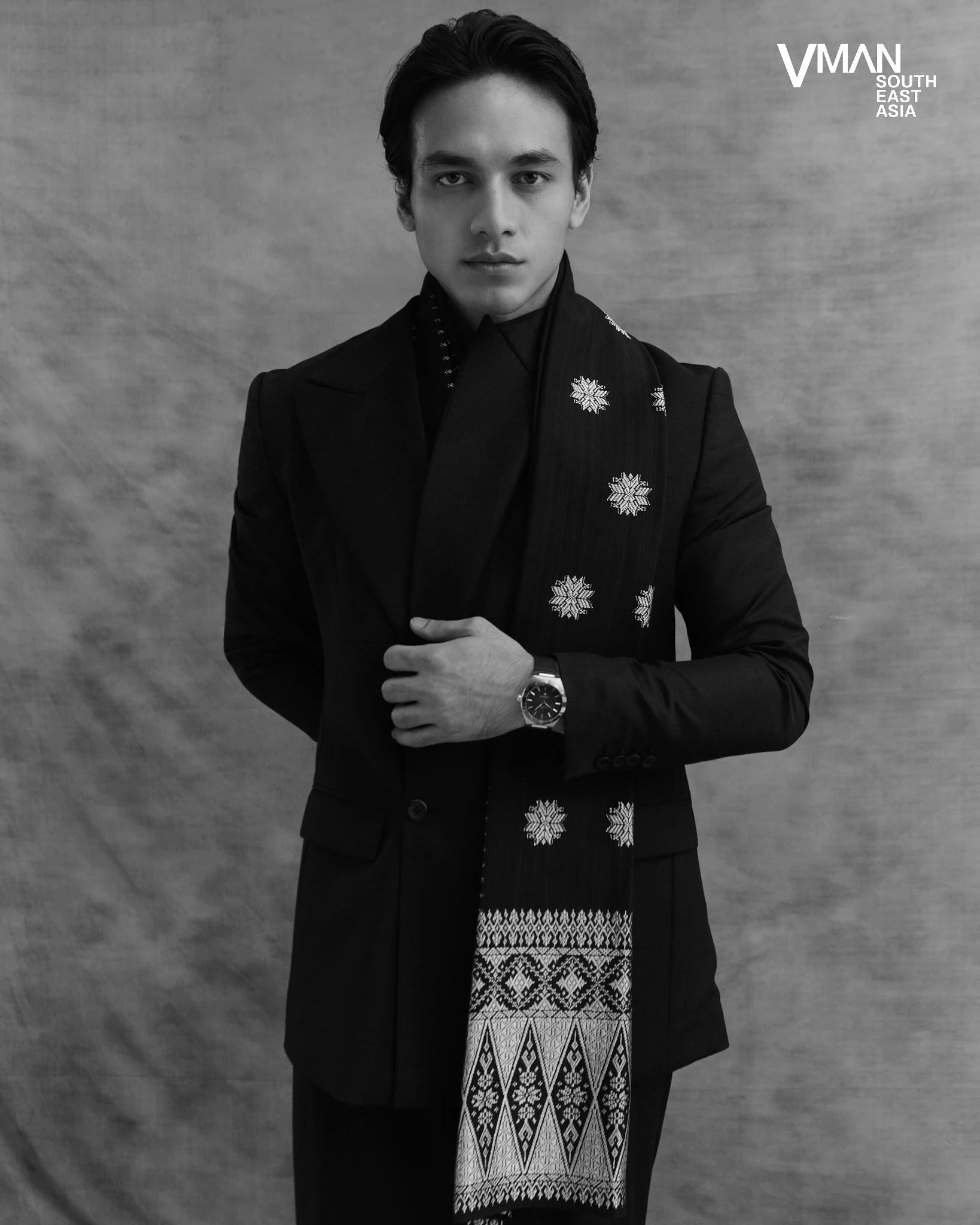
In his everyday life, Nichol keeps his style casual and functional. “Maybe laid-back, yeah,” he says. “So it’s not really for people to look at.” Yet even in this simplicity, hints of attention remain in the cut of a shirt and the fit of a jacket. When he steps into a suit and tie, those details are amplified.
“I really love wearing this, because not every day I could wear something formal like this,” he says again, looking down at the suit.
That approach mirrors his philosophy about work and life. “Maybe don’t really think about other people’s opinions about you,” he says when asked what advice he would give to younger actors.
“Because the only one who really knows yourself is you and the people around you, the people you love.”
Nichol’s view of love feels refreshingly open. “I just like to show off my love,” he says, smiling. “I don’t really want to hide how I love. I don’t think that’s really necessary for me.”
Everything he says circles back to honesty. Whether it is acting, dressing up, or using his platform, Nichol believes in sincerity. He wants to keep learning, to stay grounded, and to keep exploring what it means to be human both on and off screen.
Cinema as a mirror of life
For Nichol, cinema remains a mirror of life. “I think movies remind us who we are,” he says. “That’s why I do it. To keep understanding what it means to be human.”

As the shoot wraps up, he takes a moment to ask if he did okay. The photographer thanks him, and he thanks everyone in return before leaving the set. A gesture that reflects the same curiosity and humility that guide him in his craft.
And in that pursuit, Jefri Nichol continues to redefine what it means to be an actor, a storyteller, and a man of his generation.
Frequently Asked Questions
Jefri Nichol is a prominent Indonesian actor and model who gained widespread recognition for his breakout performance in the 2017 romantic drama film Dear Nathan.
Jefri Nichol approaches acting through a lens of raw honesty and imperfection, prioritizing complex, flawed characters that reflect genuine human empathy and authentic lived experiences.
Marlon Brando serves as Jefri Nichol’s primary creative influence due to his exceptional cinematic performances balanced with impactful real-world social activism and uncompromised human vulnerability.
Jefri Nichol is deeply guided by gotong royong, a traditional Indonesian cultural concept that champions mutual cooperation, community care, and reciprocal social respect within society.
Jefri Nichol highlights “hip-dut” as a rising music trend, which creatively synthesizes contemporary hip-hop rhythms with traditional Central Javanese dangdut music genres.
Chief of Editorial Content Patrick Ty
Photography Arief Ointoe
Creative direction Vince Uy
Art direction Mike Miguel
FashionFashionThe art and industry of designing, producing, and styling clothing, footwear, accessories, and beauty trends. It reflects cultural influences, personal expression, and evolving styles across seasons and markets.Go to Fashion Glossary Ivan Santoso
Editor Dayne Aduna
GroomingGroomingThe care and maintenance of hair, skin, beard, and nails, including cleansing, shaving, styling, and scent. Once niche, men's grooming has grown into a major lifestyle category, and VMAN's VanityGo to Grooming Glossary Ryan Ogilvy
Retouching Summer Untalan
Special thanks Ruth Laura

Recommended Video