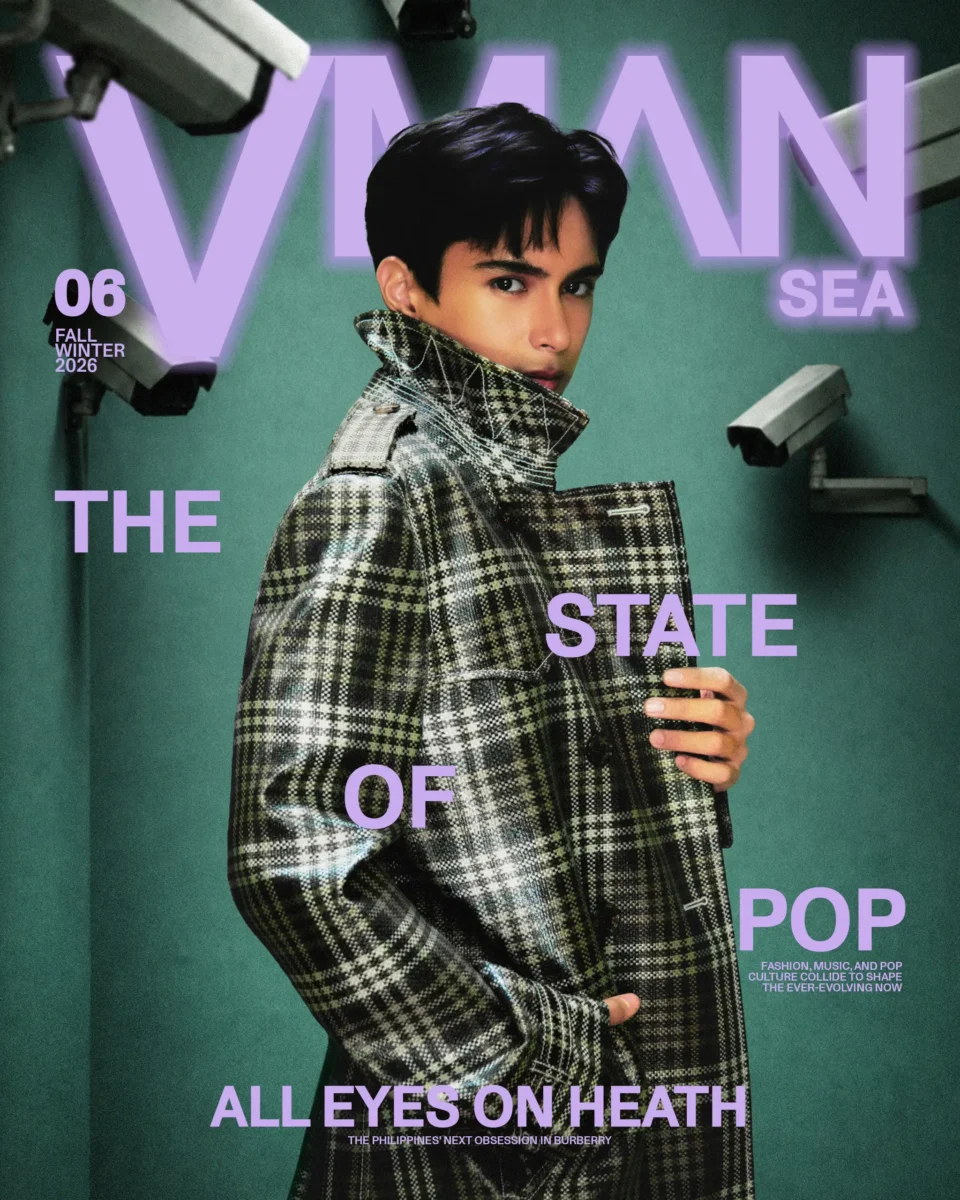
Graphic Tees Are Back in Fashion This Season
Graphic prints are emerging as a defining statement of fall 2025, reimagined by designers who are bringing new relevance to one of fashion’s most enduring cycles




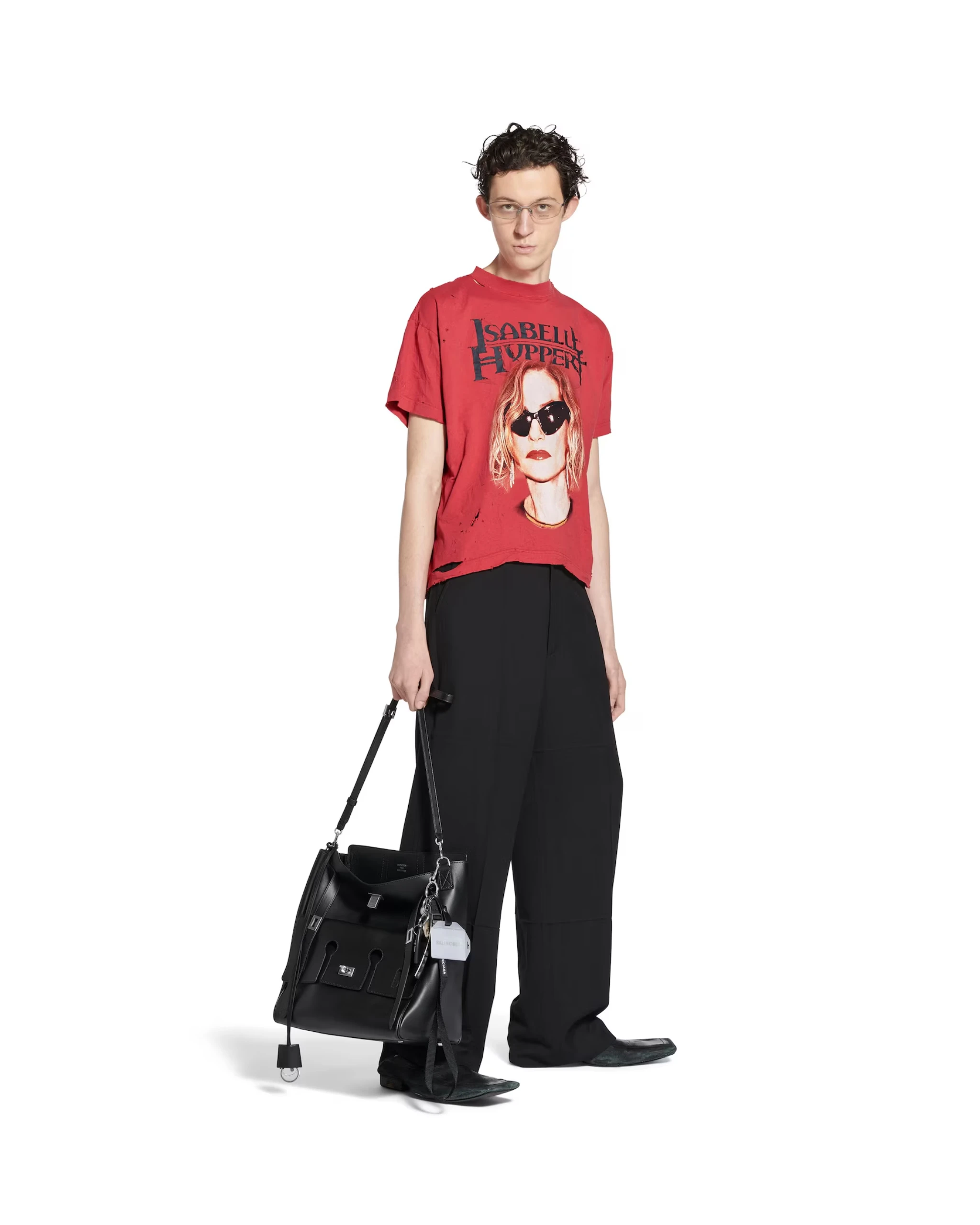
The return of graphic prints in FW25
The graphic print, once dismissed as a marker of teenage rebellion or mall-bought nostalgia, is staging a return this Fall/Winter 2025. From the runways of Paris to the racks of fast-fashionFashionThe art and industry of designing, producing, and styling clothing, footwear, accessories, and beauty trends. It reflects cultural influences, personal expression, and evolving styles across seasons and markets.Go to Fashion Glossary retailers, bold prints and graphic tees are once again the item of the moment. This shows that in fashion, nothing ever truly disappears; it only waits for the right cultural conditions to resurface.
MORE: The Cinched Waist Returns to Menswear for FW25

The history of the graphic tee is both pragmatic and political. Its earliest iterations were not intended as fashion at all. Born as undershirts during the world wars, these garments were blank and functional, cotton meant to absorb sweat beneath uniforms. But by the middle of the 20th century, that blankness became an opportunity. The simple T-shirt, once invisible, was recast as a surface for visibility.
The band tee
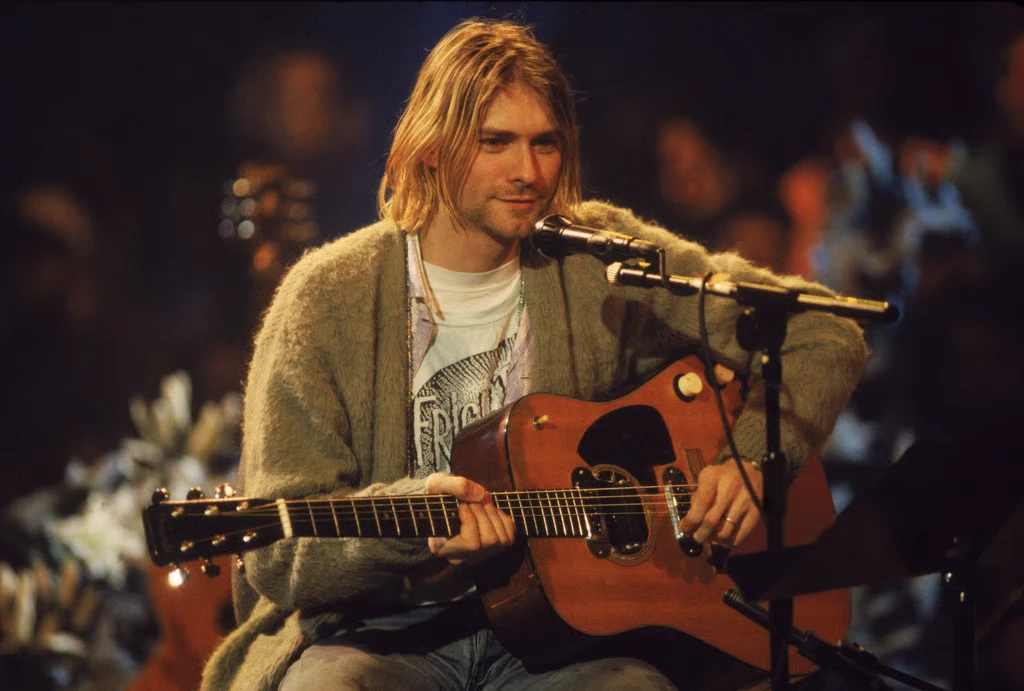
By the 1960s and 1970s, the graphic tee had become a tool of protest and promotion. Activists printed slogans across the chest in clean, bold lettering, turning clothing into a walking manifesto. At the same time, musicians recognized its utility as merchandise. Bands like The Rolling Stones, Nirvana, and countless others screen-printed their names and logos onto T-shirts, selling allegiance for the price of cotton. Here, music and fashionFashionThe art and industry of designing, producing, and styling clothing, footwear, accessories, and beauty trends. It reflects cultural influences, personal expression, and evolving styles across seasons and markets.Go to Fashion Glossary intersected directly: one industry generating the imagery, the other providing the canvas.
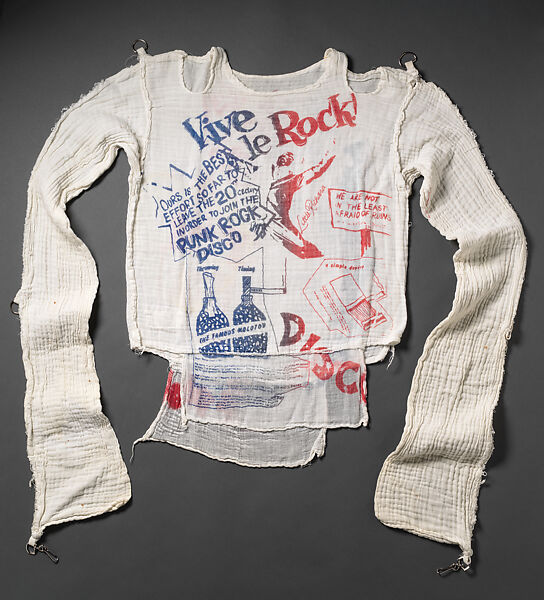
In Britain, the tee became synonymous with punk, sharpened into a weapon of style by designers like Vivienne Westwood. Her T-shirts were confrontational and graphically designed to provoke, to signal membership in a subculture that thrived on dissent. From there, the garment’s meaning continued to mutate.
The commercial wave of the 2000s
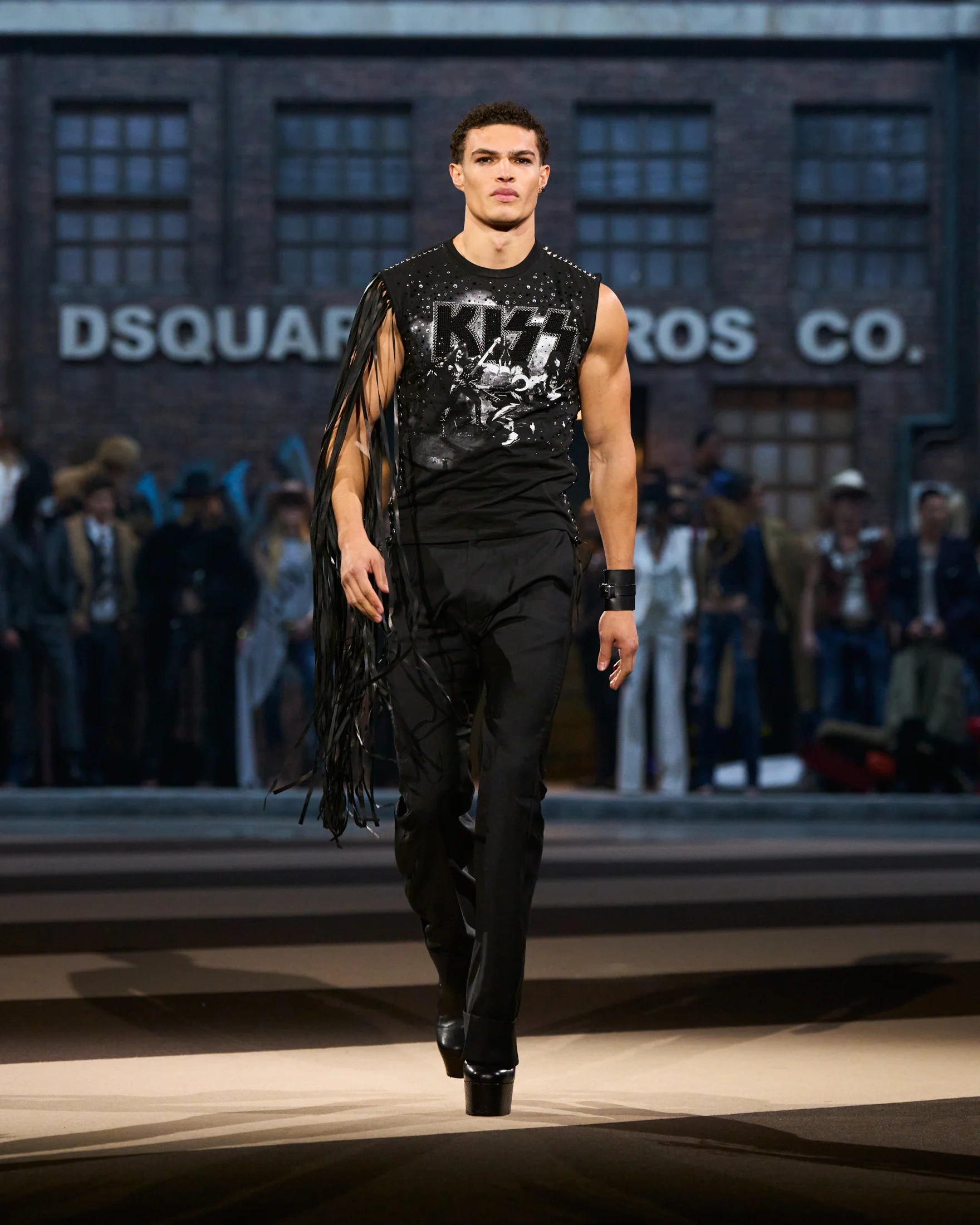
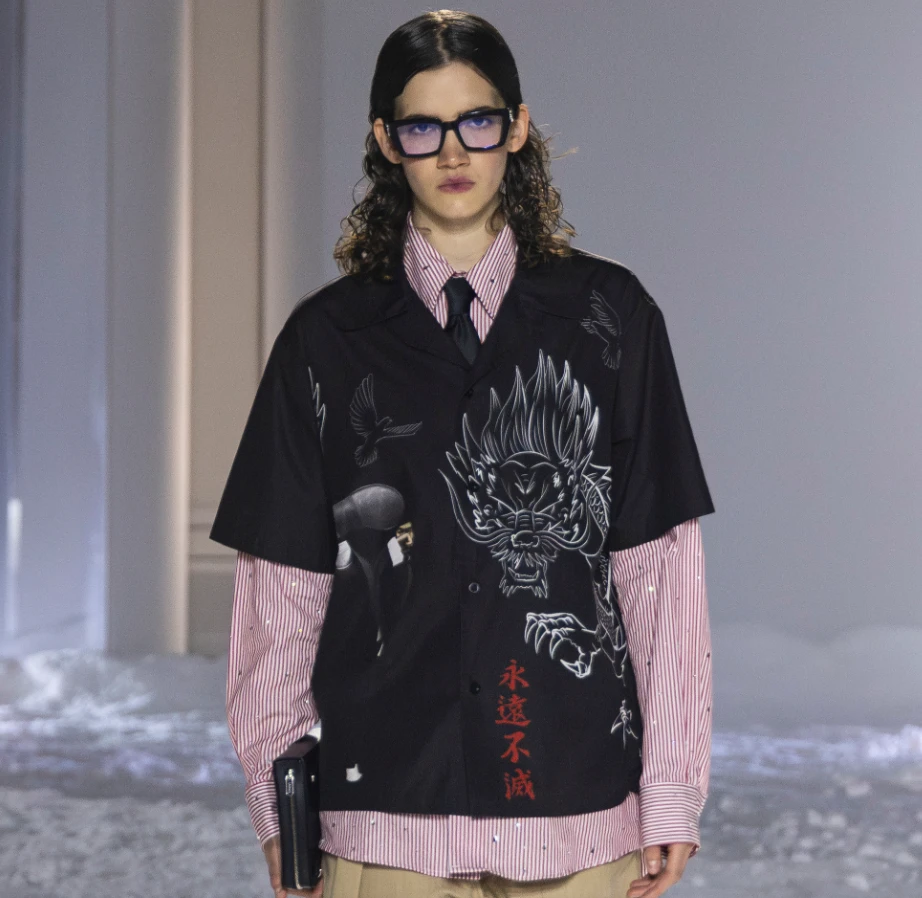
The 2000s brought a more commercial wave of graphic design in fashion. With the rise of labels like Ed Hardy, T-shirts became deeply entwined with Y2K aesthetics. What had once been an anti-establishment movement of tattoo-inspired visuals associated with punk and subculture was reimagined as a mainstream commodity, sold in department stores and malls. The cycle of rebellion-to-fashion-to-commodity was complete.
Now, two decades later, that same cycle has reasserted itself. The resurgence of Y2K aesthetics in the past five years has reshaped how designers think about graphics. Logos and illustrated prints are no longer relegated to streetwearStreetwearCasual fashion rooted in skate, hip-hop, and urban youth culture, characterized by graphic tees, hoodies, sneakers, and limited-edition releases. Streetwear has grown into a major global influence on luxury menswear,Go to Streetwear Glossary or subcultural niches; they are appearing in seasonal collections by major houses, reinterpreted with contemporary polish. What was once a cheap screen print is now a luxury textile technique.
A garment that reflects the culture around it
This resurgence also mirrors broader cultural dynamics. The graphic tee offers something tactile and immediate: a message worn literally on the chest. The language of graphics, whether nostalgic, ironic, or earnestly declarative, feels newly relevant in an age when identity and affiliation are once again contested terrain.
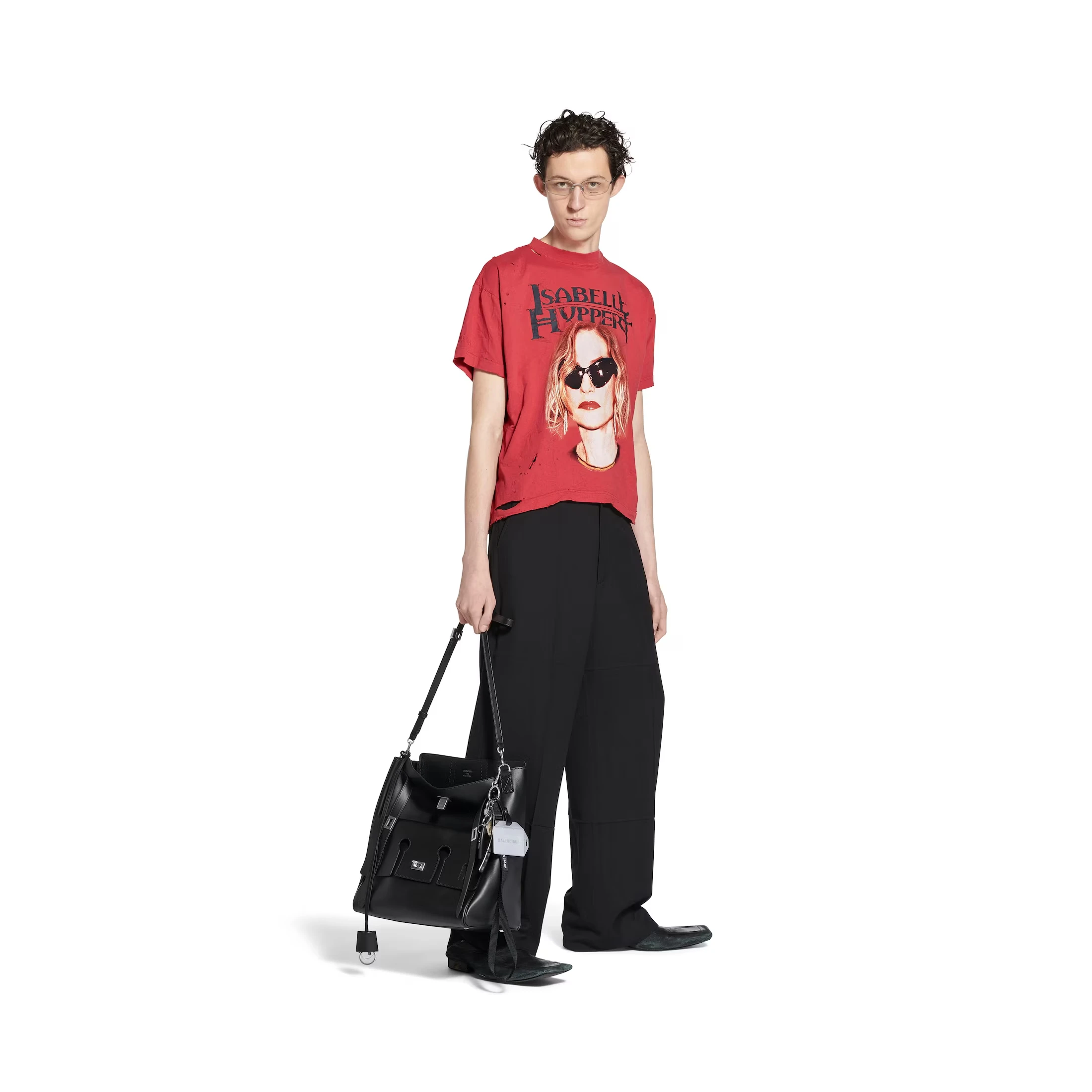
To dismiss the return of the graphic print as simply another nostalgic revival would be to miss its deeper resonance. The garment’s history is a study in how fashion absorbs, commodifies, and reimagines cultural energy: from war uniforms to protest culture, from punk rebellion to mall consumerism, from subculture to runway. Fall/Winter 2025 is only the latest chapter in a longer story. And if history is any guide, the graphic tee will keep returning, each time rewritten and each time reflective of the moment that brought it back.
Photos courtesy Balenciaga, Isabel Marant, Vivienne Westwood, Dsquared2, Kolor
Frequently Asked Questions
The return of graphic tees for FW25 is part of a longer cyclical pattern in fashion — driven by the continued resurgence of Y2K aesthetics, renewed interest in subcultural style, and major luxury houses reinterpreting screen-print graphics as a high-end textile technique on seasonal runways.
The graphic tee began as a functional military undershirt before becoming a canvas for political protest and band merchandise in the 1960s and 1970s. Punk designers like Vivienne Westwood sharpened it into a statement garment, and by the 2000s it had been fully absorbed into mainstream commercial fashion through labels like Ed Hardy.
Punk designers, most notably Vivienne Westwood, transformed the graphic tee into a confrontational object — screen-printed with provocative imagery designed to signal dissent and subcultural membership. That tradition of using clothing as a legible statement became foundational to how graphic prints have been interpreted in fashion ever since.
Band tees emerged in the 1960s and 1970s as merchandise for acts like The Rolling Stones and Nirvana — garments that sold cultural allegiance at the price of cotton. The broader graphic tee encompasses protest prints, slogan tees, and designer graphics, but the band tee remains its most enduring and commercially recognizable form.
For Fall/Winter 2025, houses including Balenciaga, Isabel Marant, Vivienne Westwood, Dsquared2, and Kolor have reinterpreted the graphic tee with contemporary production techniques — elevating what was once a cheap screen print into a considered luxury textile, closing the cycle from subculture to runway that the garment has completed repeatedly since the mid-20th century.

Recommended Video