
What Went Down at the 2026 Rolex China Sea Race
In one of its fastest editions, the 2026 Rolex China Sea Race tested precision, endurance, and teamwork as Seawolf secured a historic overall victory




Rolex values in action
Rolex celebrates human achievement by recognizing the journey marked by milestones and emotions that culminate in defining moments, shaped by the path taken rather than by a trophy alone. Precision, endurance, and teamwork take on practical meaning in offshore sailing, where performance is measured by speed and consistency under pressure.
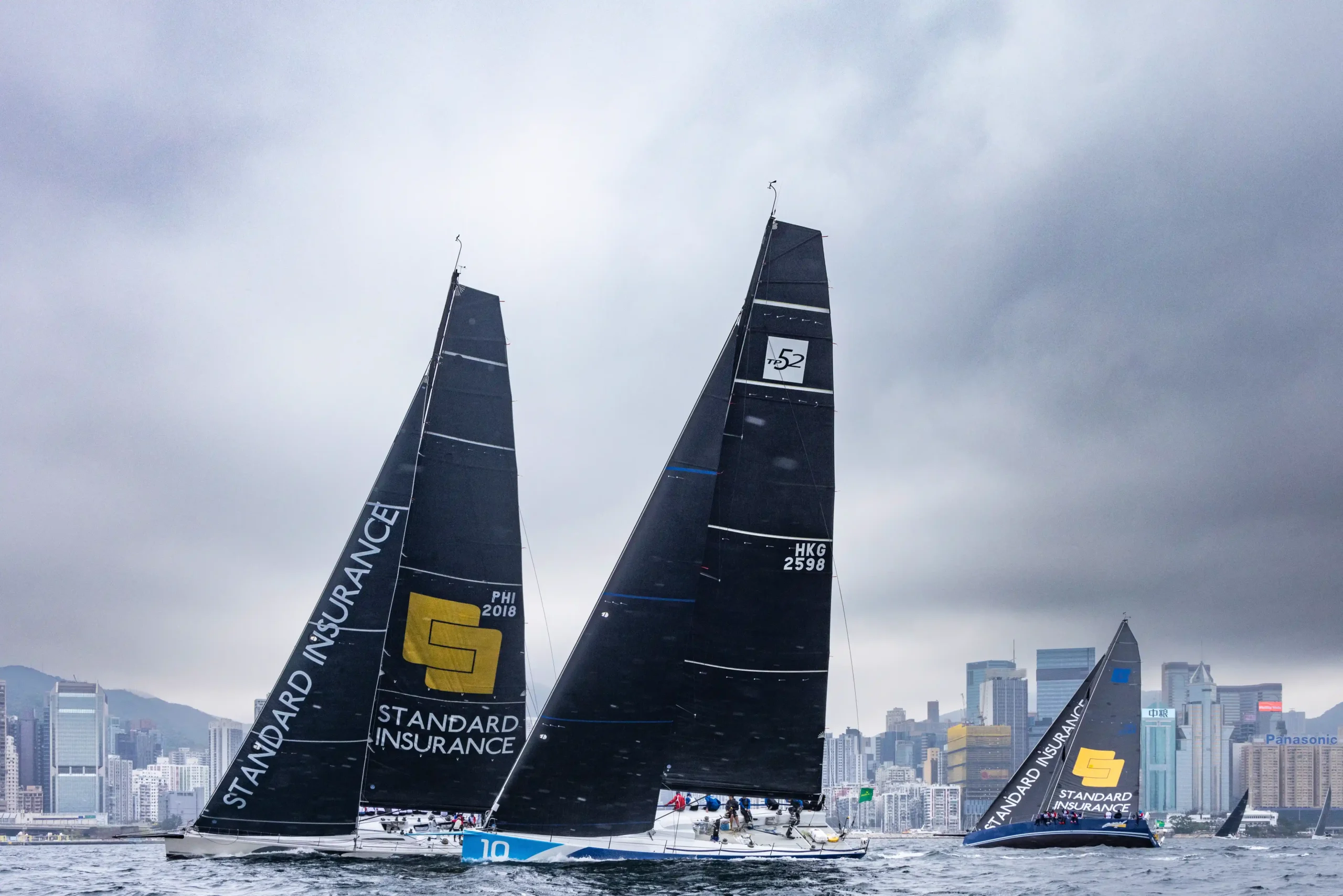
At the 2026 Rolex China Sea Race, those principles shaped a 565 nautical mile passage from Hong Kong to Subic Bay in the Philippines that proved to be one of the fastest and most demanding editions in recent years.
SEE ALSO: Asia’s Oldest Offshore Classic Returns with Strong Fleet for 2026
A historic victory for Seawolf
William Liu’s Ker 42 Custom Seawolf secured IRC Overall victory with a corrected time of 71 hours, 43 minutes, and 35 seconds, marking the first time a Chinese Mainland yacht has claimed the title. The result followed years of incremental progress for the team, which had previously placed second overall in 2024.
“We’ve always believed we could win. After five attempts, each with lessons learned, this victory means a lot.”
Skipper Yan Yu Ye also noted that while the race brought strong winds and minor damage, the team maintained a steady rhythm for most of the crossing. “Only near the finish did we fall into a wind hole, but the team pulled through,” he said.
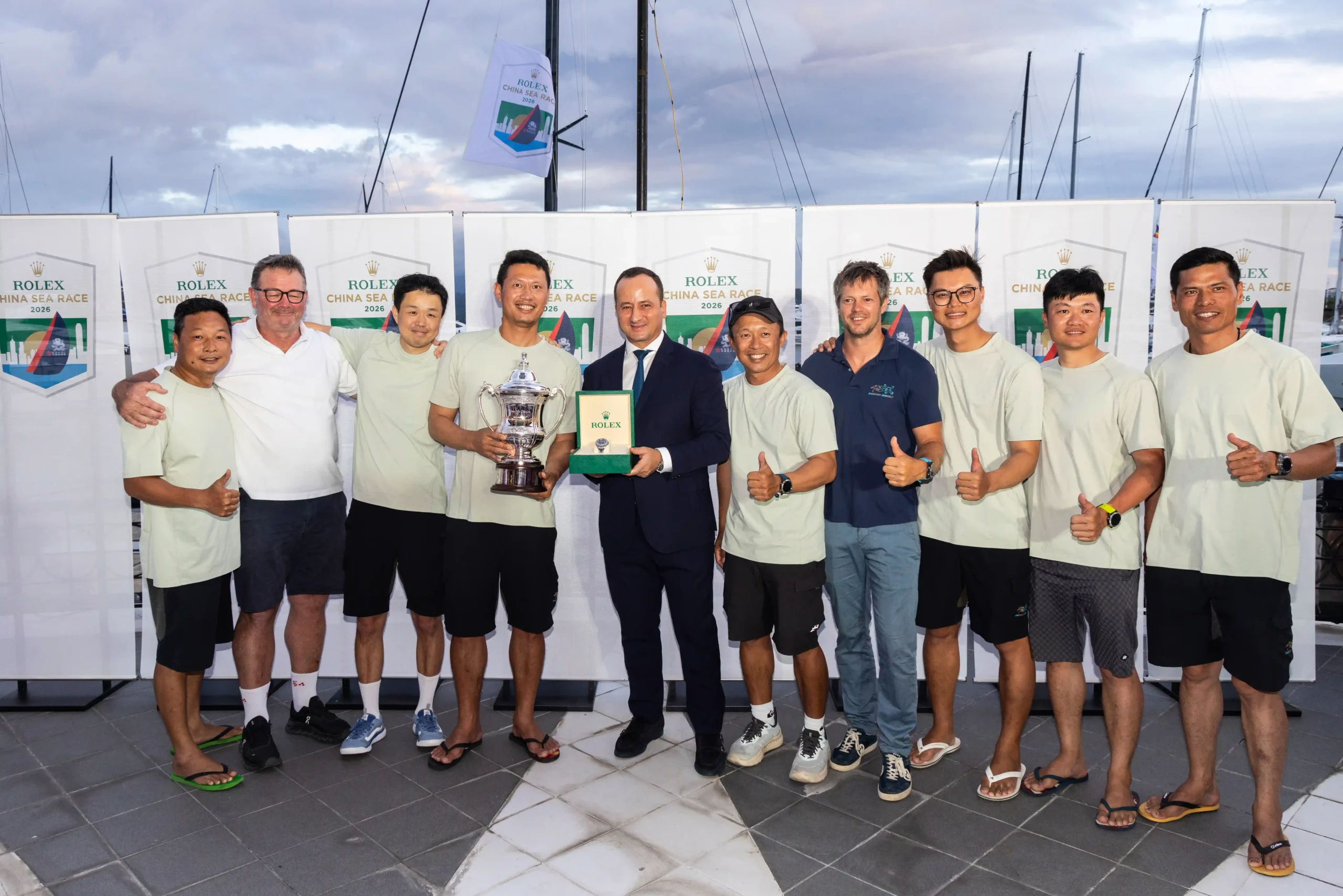
Preparation and coordination were central to Seawolf’s performance. Navigator Campbell Murray Field pointed to the crew’s structure and planning as key factors. “We had a multinational team that worked well together. We studied the course, set a clear strategy, and mostly stuck to it,” he said, adding that late race adjustments, while frustrating, did not disrupt the overall approach.
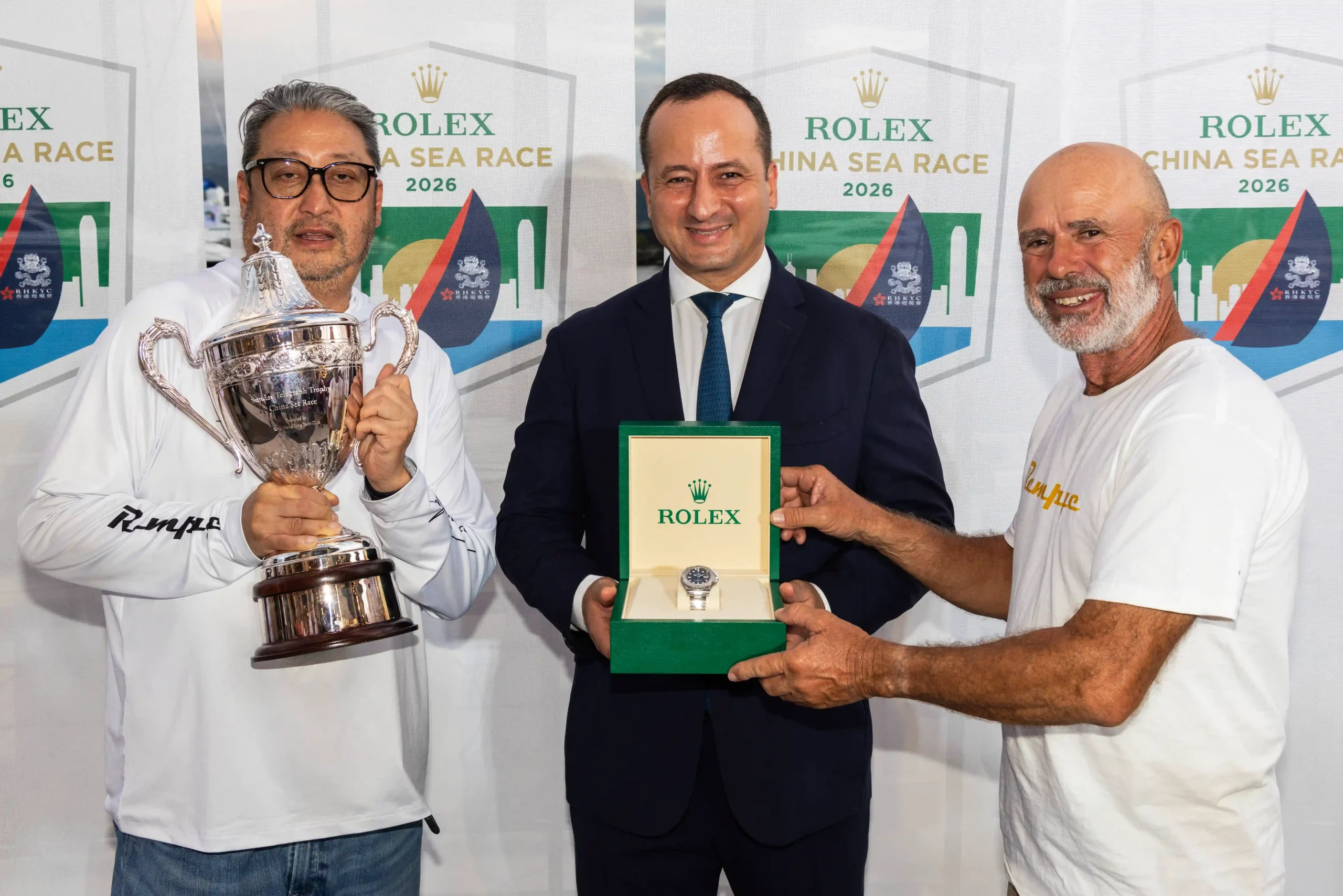
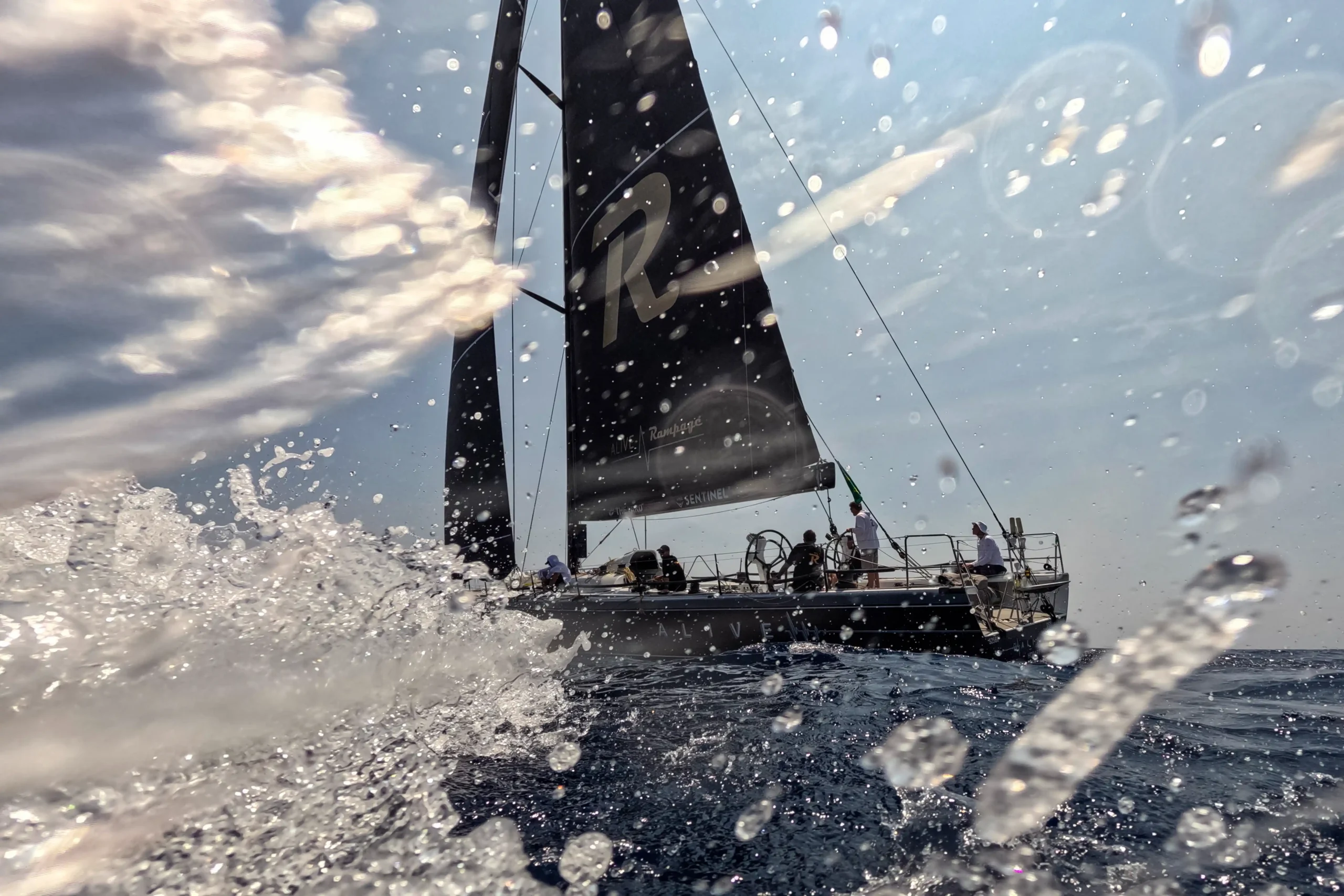
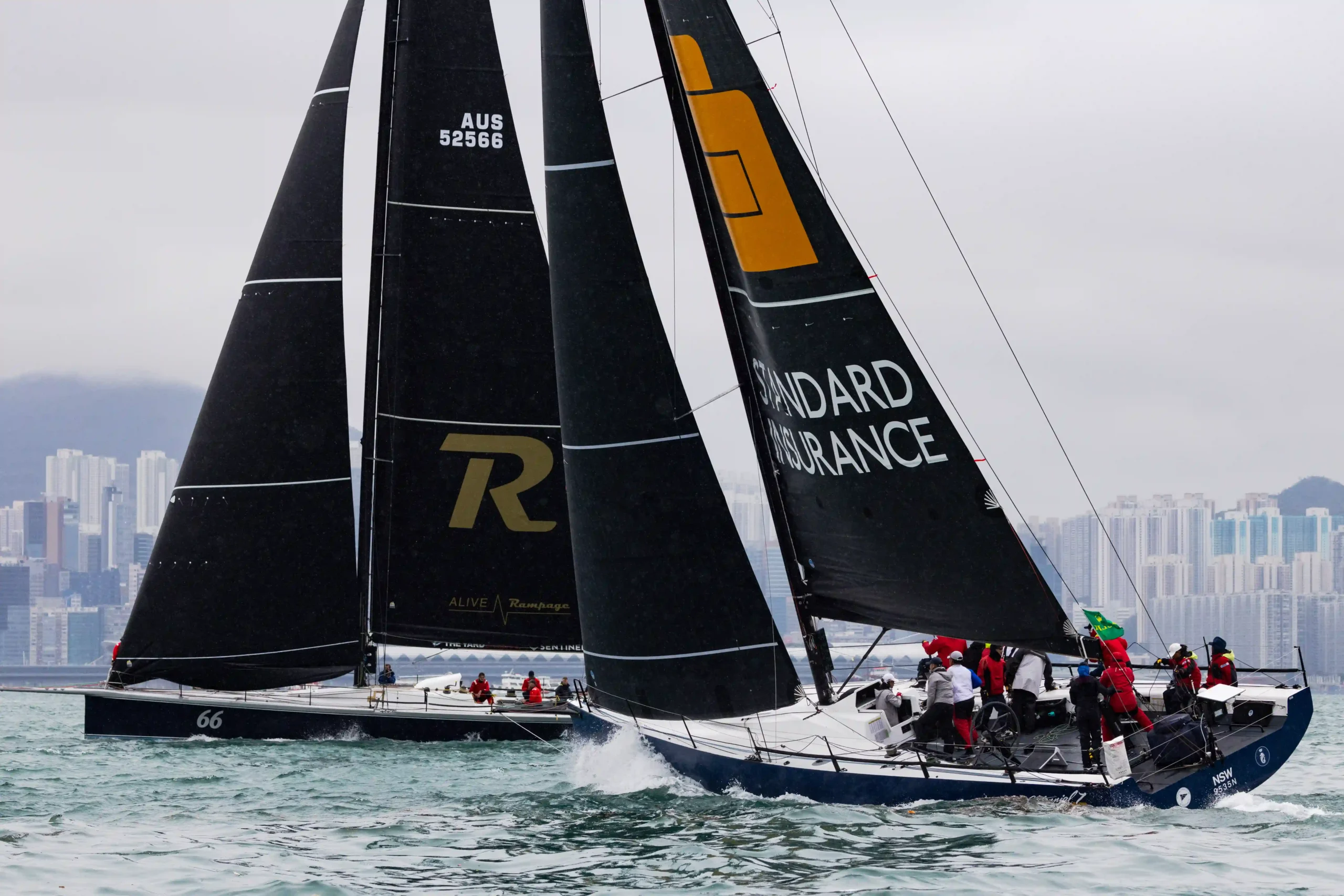
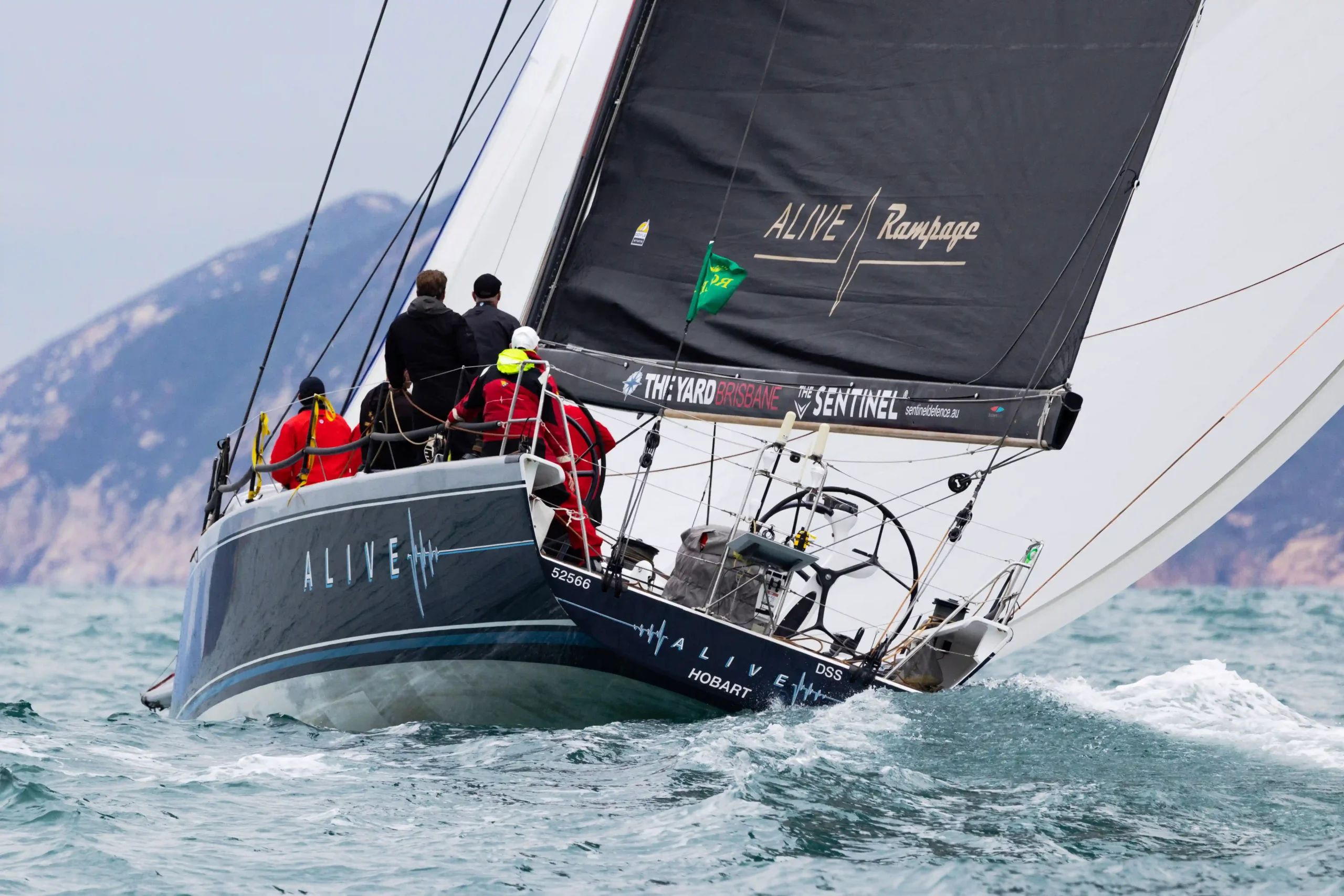
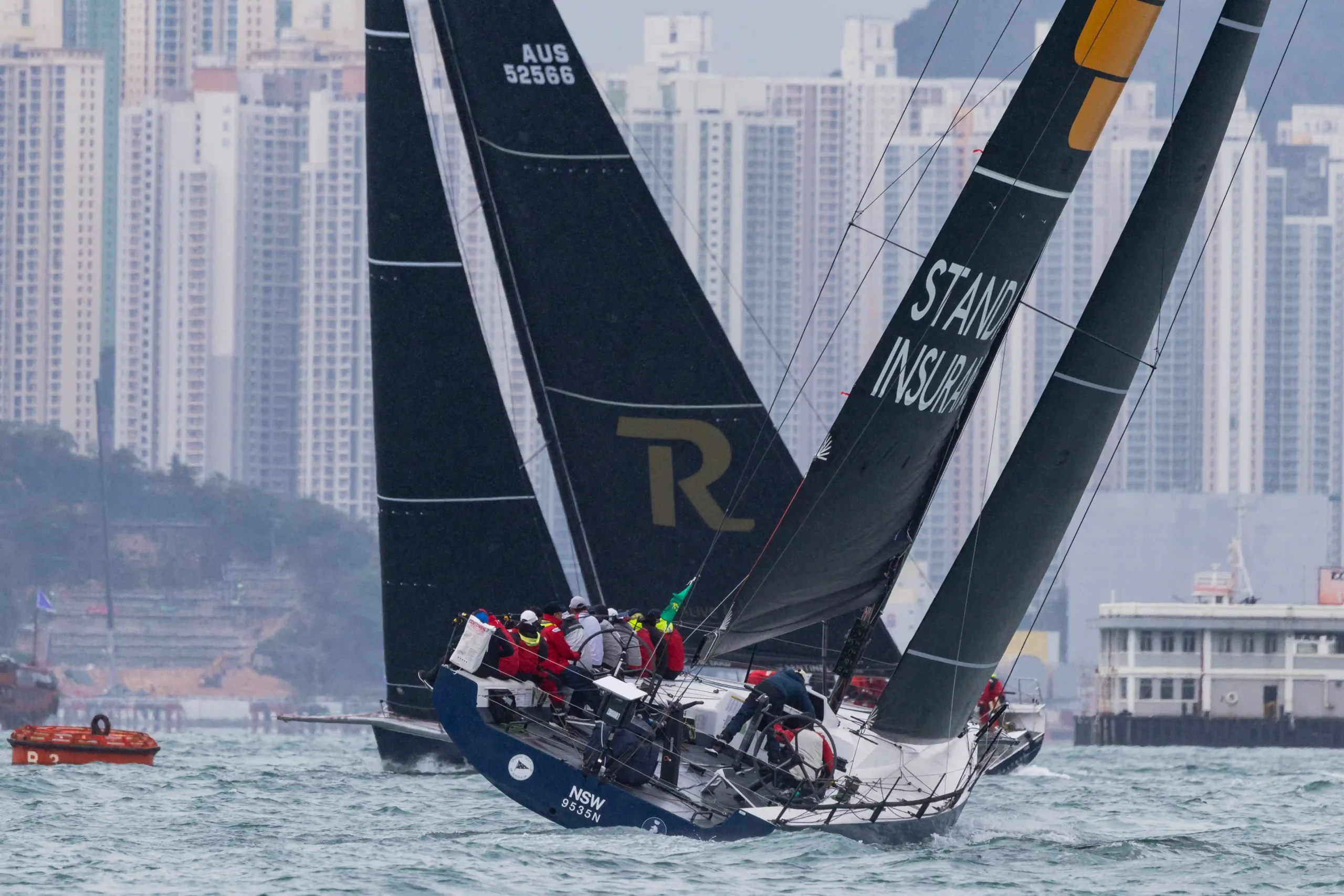
Line Honours were claimed by Philip Turner’s R/P 66 Team Alive–Rampage, which crossed the finish line in 49 hours, 55 minutes, and 46 seconds, just short of its 2016 record. The pace of the race was widely noted across the fleet, with sustained winds of 25 to 28 knots and gusts reaching 30 knots contributing to consistently fast conditions.
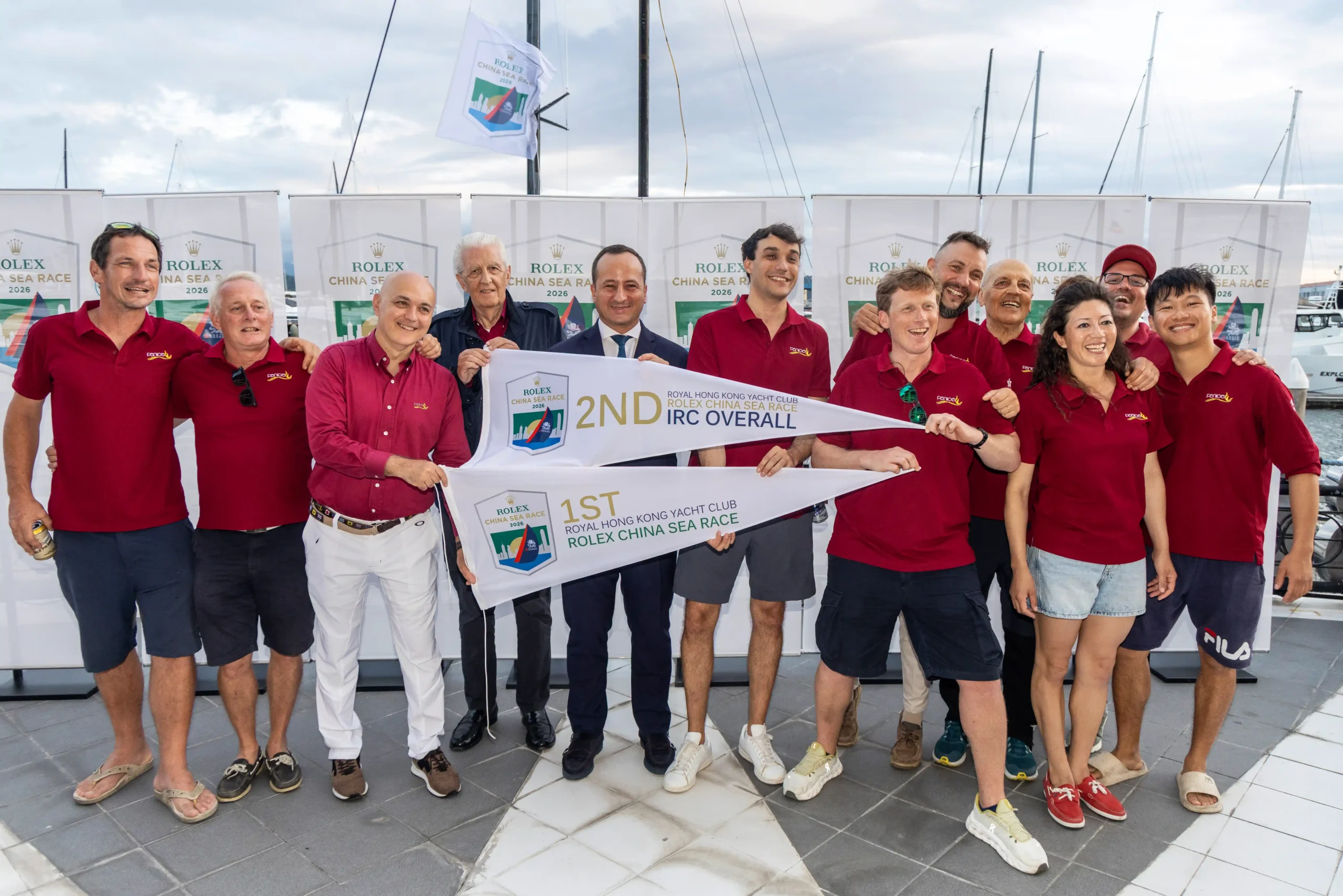
Franco Cutrupia’s Solaris 60 Fenice finished second overall in IRC in its debut appearance. “This was our first China Sea Race, and it was very interesting,” he said. “Above all, we had fun. The wind was good, everyone was safe, and there was no major damage.”
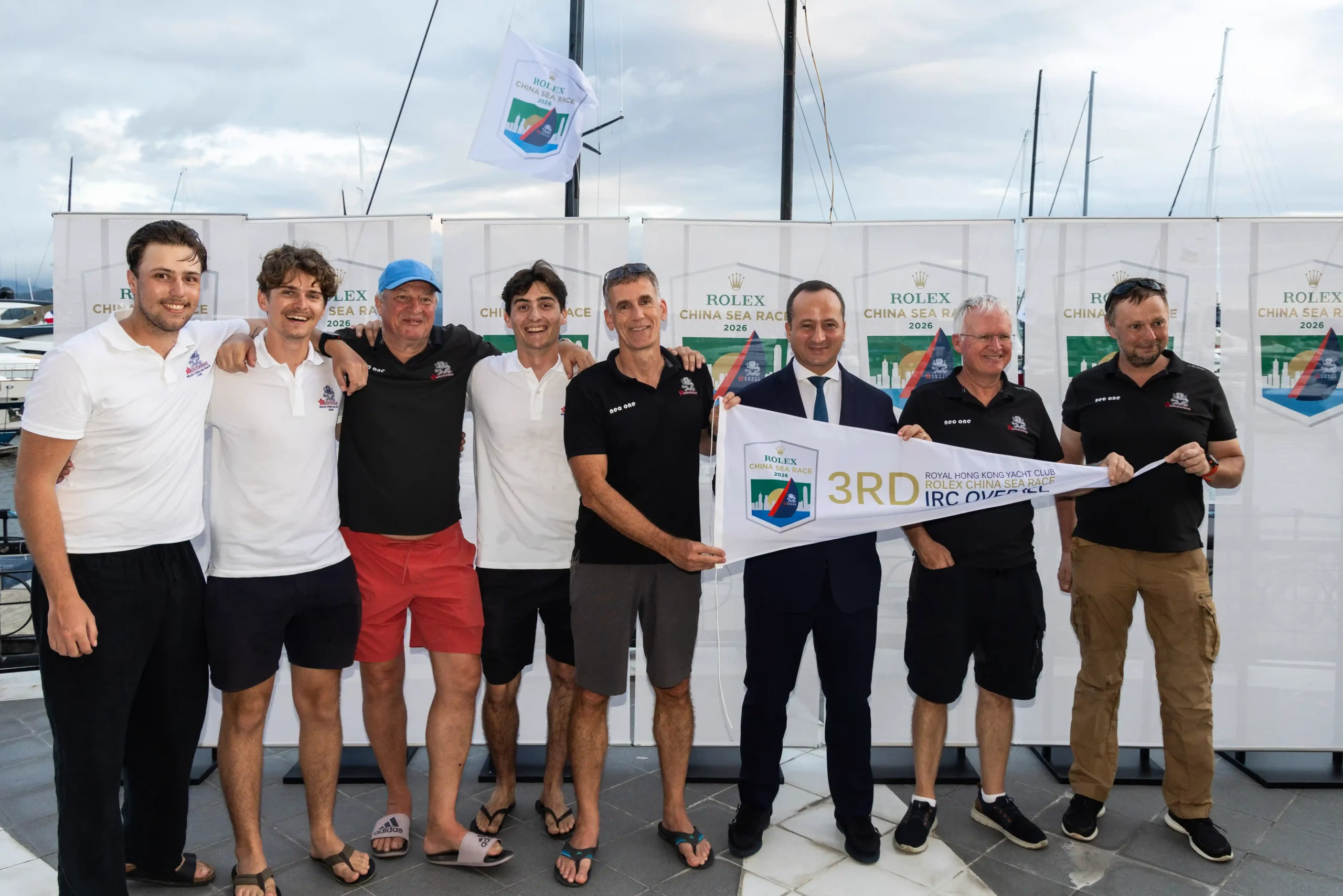
Stefan Filip’s Neo 400+, Neo One, finished third, building on a strong 2024 performance. Navigator Cameron Ferguson described the race as direct once underway:
“It was an awesome trip down—a fast blast reaching across the China Sea, so it was really fast and furious. Getting out of the harbour was a bit slow—you fight to get out of there. Once we settled in, it built up to about 20 to 30 knots, gusting at times. A pretty straightforward crossing, to be honest.”
Double-handed determination
In the double-handed division, Henning Mueller and Adrian Stromski’s Sun Fast 3600 Zesst delivered one of the standout performances of the race, finishing fourth overall. Despite initial plans to rely on autopilot systems, the pair hand-steered for most of the crossing due to heavy sea conditions.
“The autopilot struggled in the waves and wasn’t set up for such conditions, so one of us had to be on the helm and mainsheet constantly,” Mueller said. “It was exhausting, but we managed it together.”
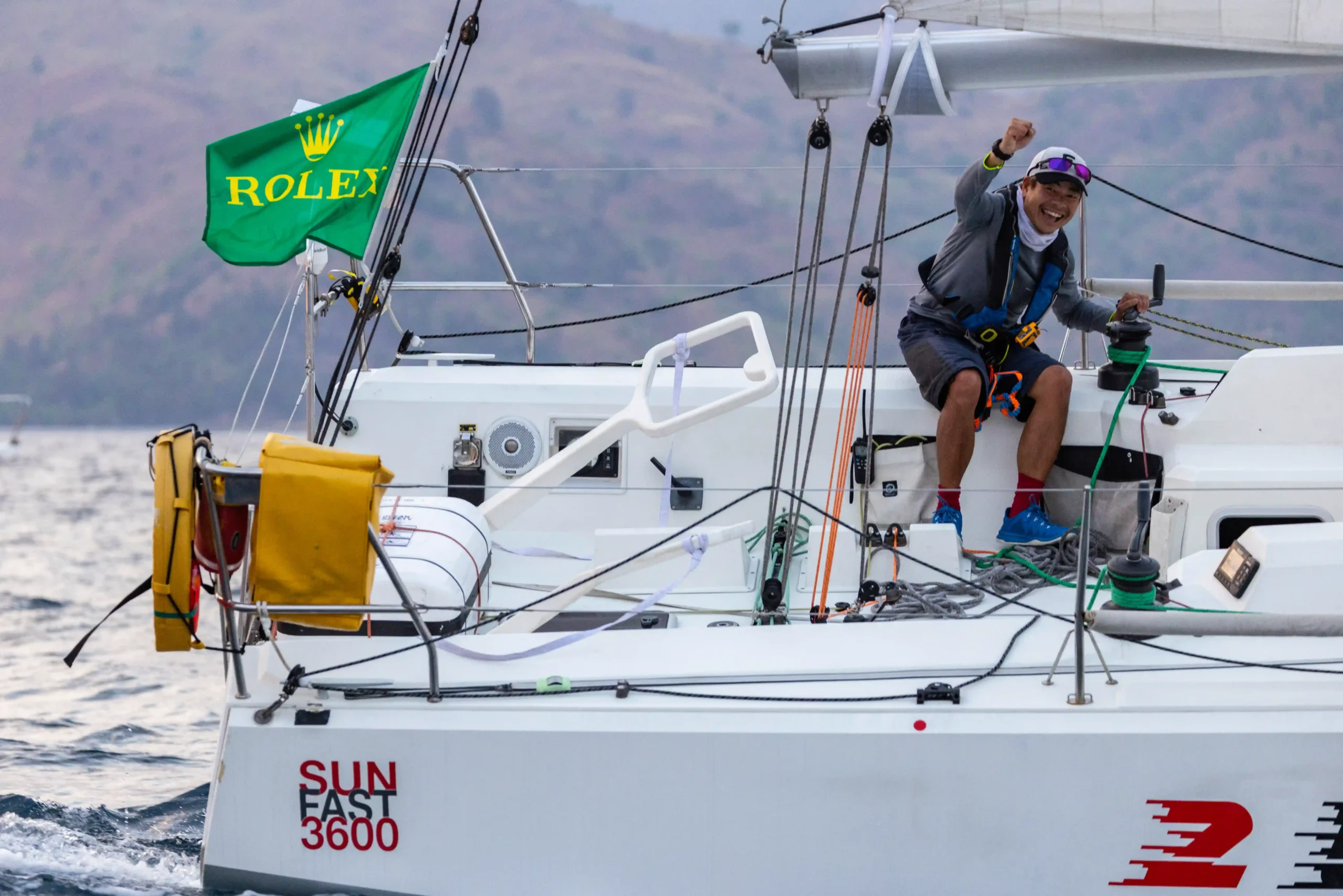
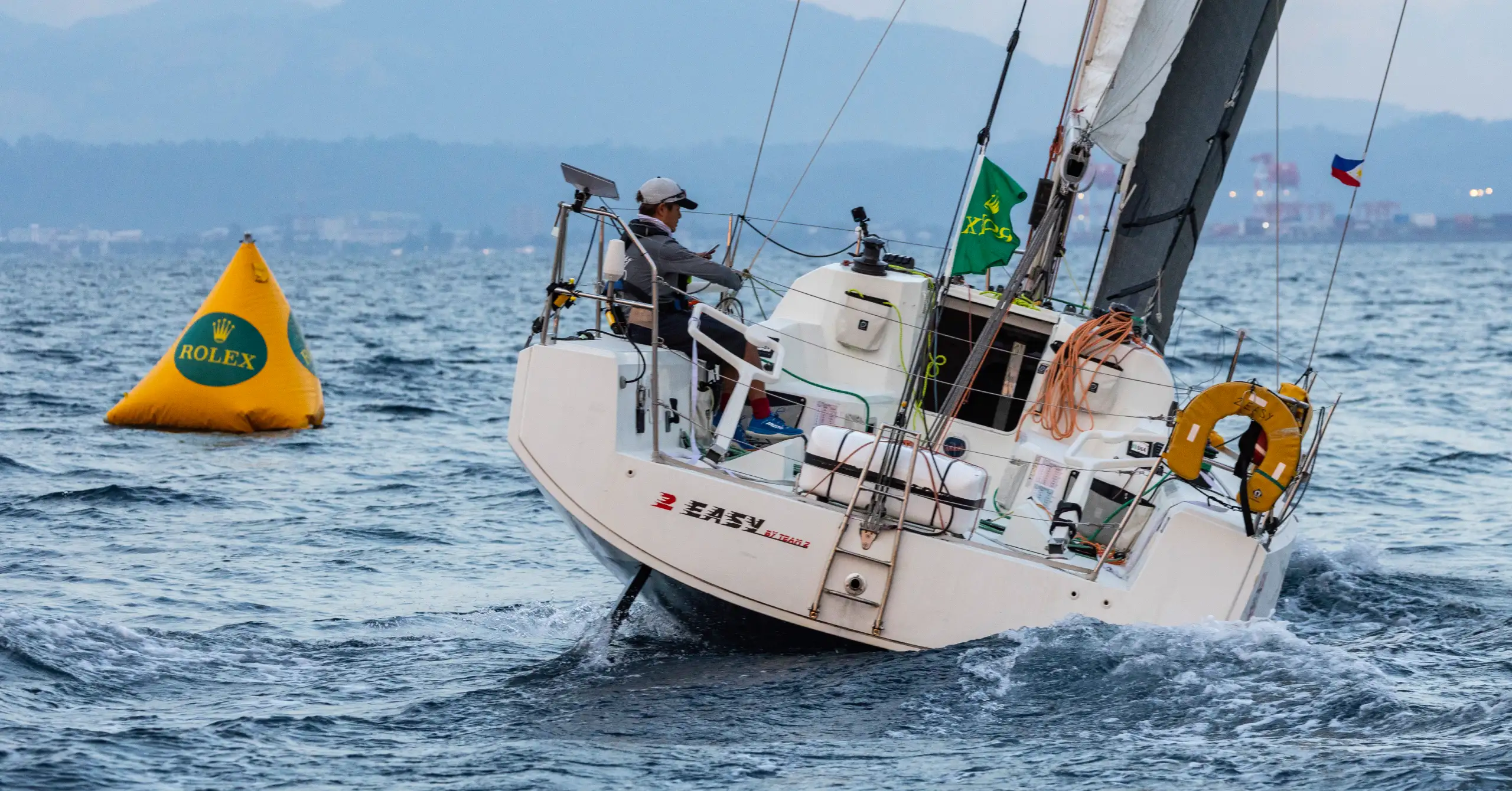
The race also marked a milestone with its first solo finisher. Tiger Mok completed the course aboard 2 Easy in 3 days, 6 hours, and 30 minutes. “To be the first person to race the Rolex China Sea Race solo is really unique,” he said. He described the effort as mentally demanding, with constant uncertainty around equipment and weather.
“The mental challenge was the biggest. Physically, it was manageable because I tried to be safe and take small steps—doing things one at a time before the weather hit,” Mok noted.
“But mentally it was really stressful: the weather and unexpected gear malfunctions always seem to happen during a race, no matter how much you test. You fix something, and then you wonder what will fail next. That keeps your head racing.”
“When I saw the finish line approaching, it felt unreal. Logically, I knew I could do it, but emotionally it was a mix—I’m still processing it,” he added.
Balancing preparation and adaptability
Across the fleet, teams emphasized the balance between preparation and unpredictability. Nie Hua of Happy Go, the 2024 double champion, said the team approached this year’s race with measured expectations.
“We don’t have too many expectations. We believe in competing in a relaxed manner and enjoying the race,” he said, adding that detailed planning remained essential in responding to the South China Sea’s variable conditions.
Olympic gold medallist Lijia Xu (Lily Xu), racing aboard Happy Go, connected the demands of offshore sailing to Rolex’s “Perpetual” philosophy:
“I actually also embrace the “Perpetual” spirit of Rolex, constantly challenging various types of sailboats and races. As a sailor, it’s a very fortunate thing that even after retiring from the Olympic stage, it’s a new beginning. Because Olympic dinghies only account for 10% of our entire sailing, or rather, ocean voyaging world. There’s another 90% of a broader world, the world of sailing, waiting for us to explore.”
“So, it’s also with this “Perpetual” spirit that I constantly explore and learn, hoping to see the world through sailing, make more friends from all corners of the globe, and become a better sailor,” she added.
Conditions and course challenges
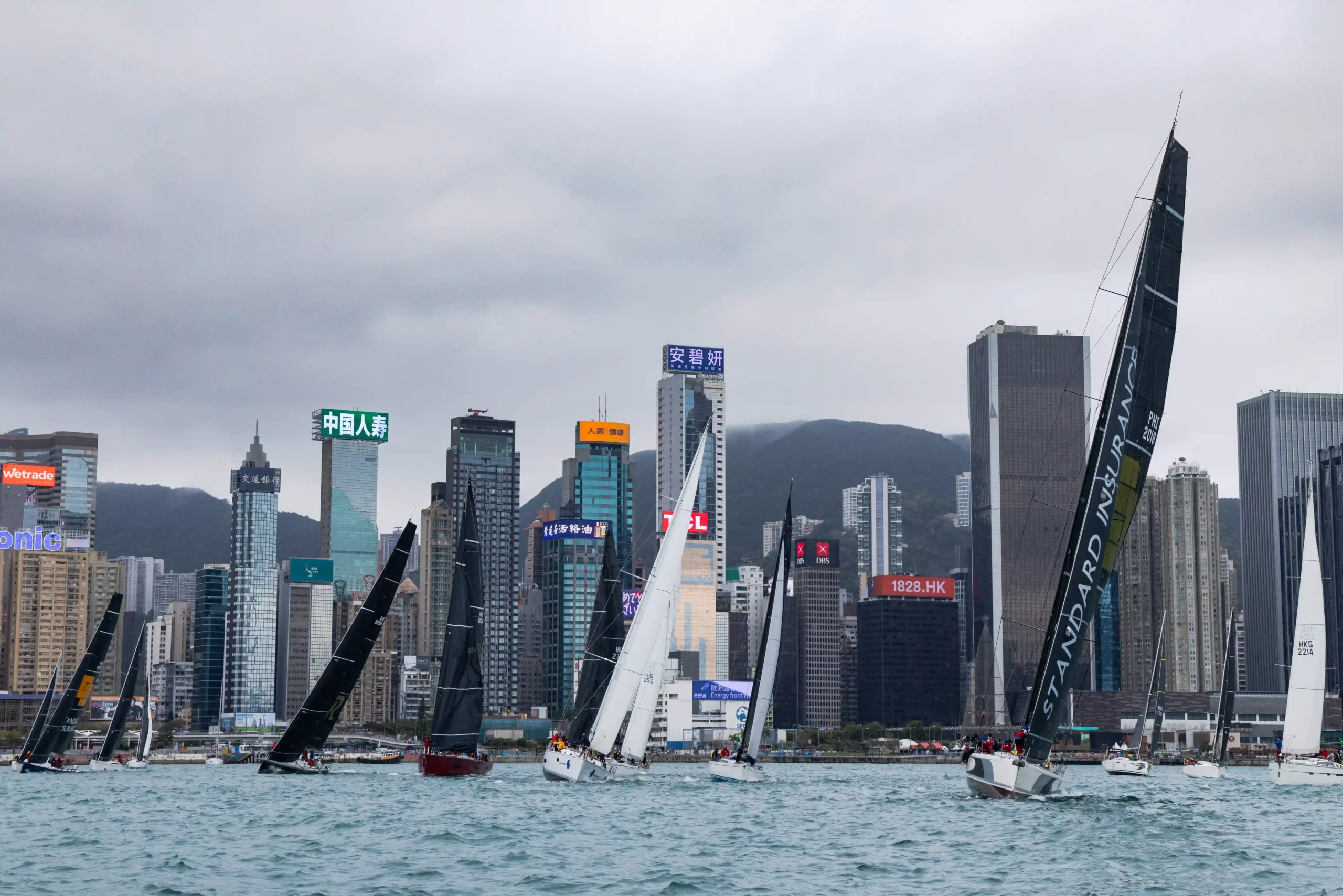
Twenty yachts started from Victoria Harbour on March 4, with most completing the course within two to three days. The decision to move the race forward by a month to align with the northeast monsoon contributed to stronger and more consistent wind conditions.
For veteran sailor Peter Churchouse, the difference was clear. “I’ve been doing this race since 1982—for so many years. I think this is the fastest race we’ve ever done,” he said.
Others pointed to the physical and mental demands that defined the experience. “This race was tough for us—it really made me question why I put myself through this kind of suffering. But I’m looking forward to joining more offshore races in the future,” said Johnson Yuen of Zoe’s Guard.
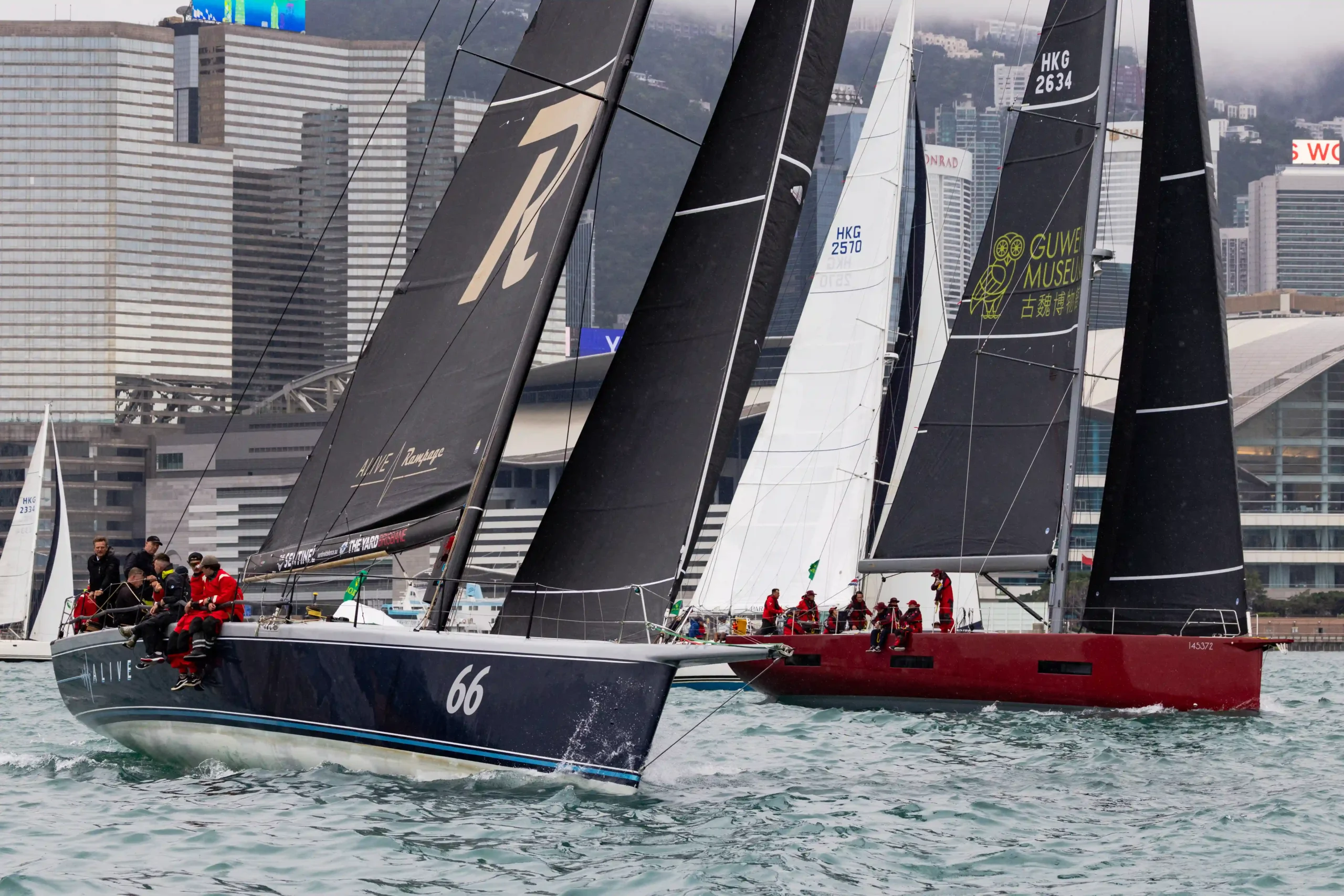
In a race defined by strong winds, narrow margins, and relentless effort, the results revealed more than speed alone. Precision in execution, endurance under pressure, and coordinated teamwork remained central, reinforcing the values that continue to define both the event and its long-standing partner.
Photography ROLEX / Andrea Francolini
Frequently Asked Questions
William Liu’s Ker 42 Custom Seawolf won the IRC Overall title, marking the historic first time a yacht from the Chinese Mainland has claimed this offshore victory.
Philip Turner’s R/P 66 Team Alive–Rampage claimed Line Honours, crossing the finish line with a fast time of 49 hours, 55 minutes, and 46 seconds.
The Rolex China Sea Race features a demanding 565 nautical mile passage that takes competing yachts from Victoria Harbour in Hong Kong to Subic Bay in the Philippines.
Tiger Mok became the first solo sailor to complete the race, navigating the course aboard 2 Easy in 3 days, 6 hours, and 30 minutes.
Moving the race forward to align with the northeast monsoon brought sustained winds of 25 to 28 knots, creating one of the fastest editions in history.

Recommended Video