How a Rap Track Sparked an Absurd Internet Obsession
Understanding the viral phenomenon that transformed simple numbers into the internet’s favorite nonsensical inside joke




- The “6-7” meme is a viral sensation popularized across TikTok and Instagram.
- The phrase stems from the song “Doot Doot” by Philly drill rapper Skrilla.
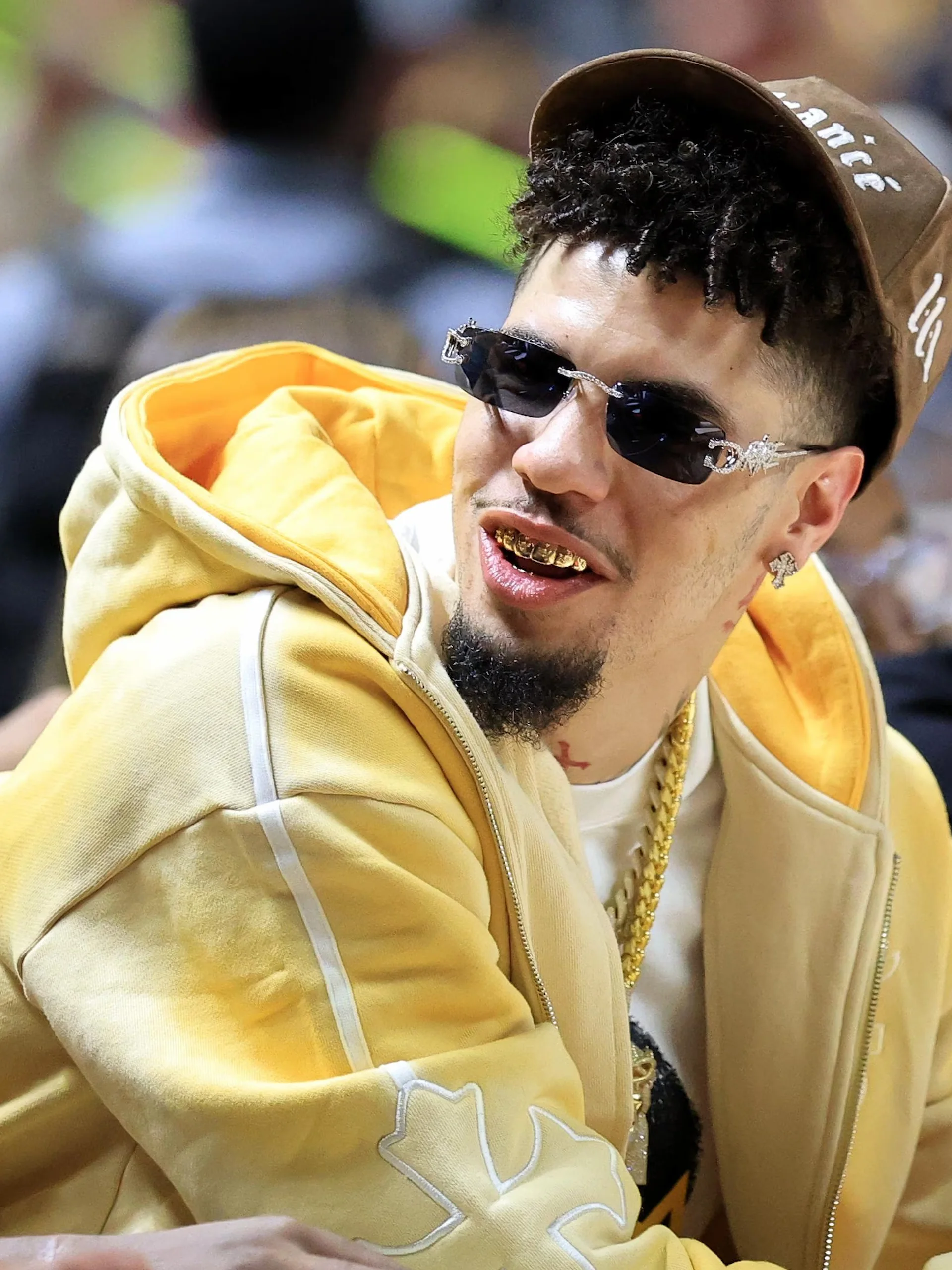
- It went viral after being paired with highlight reels of NBA star LaMelo Ball.
- The trend became a real-world behavior due to a viral clip of a young fan.
- Today, the phrase functions purely as absurdist humor and digital filler.
The birth of an internet sensation
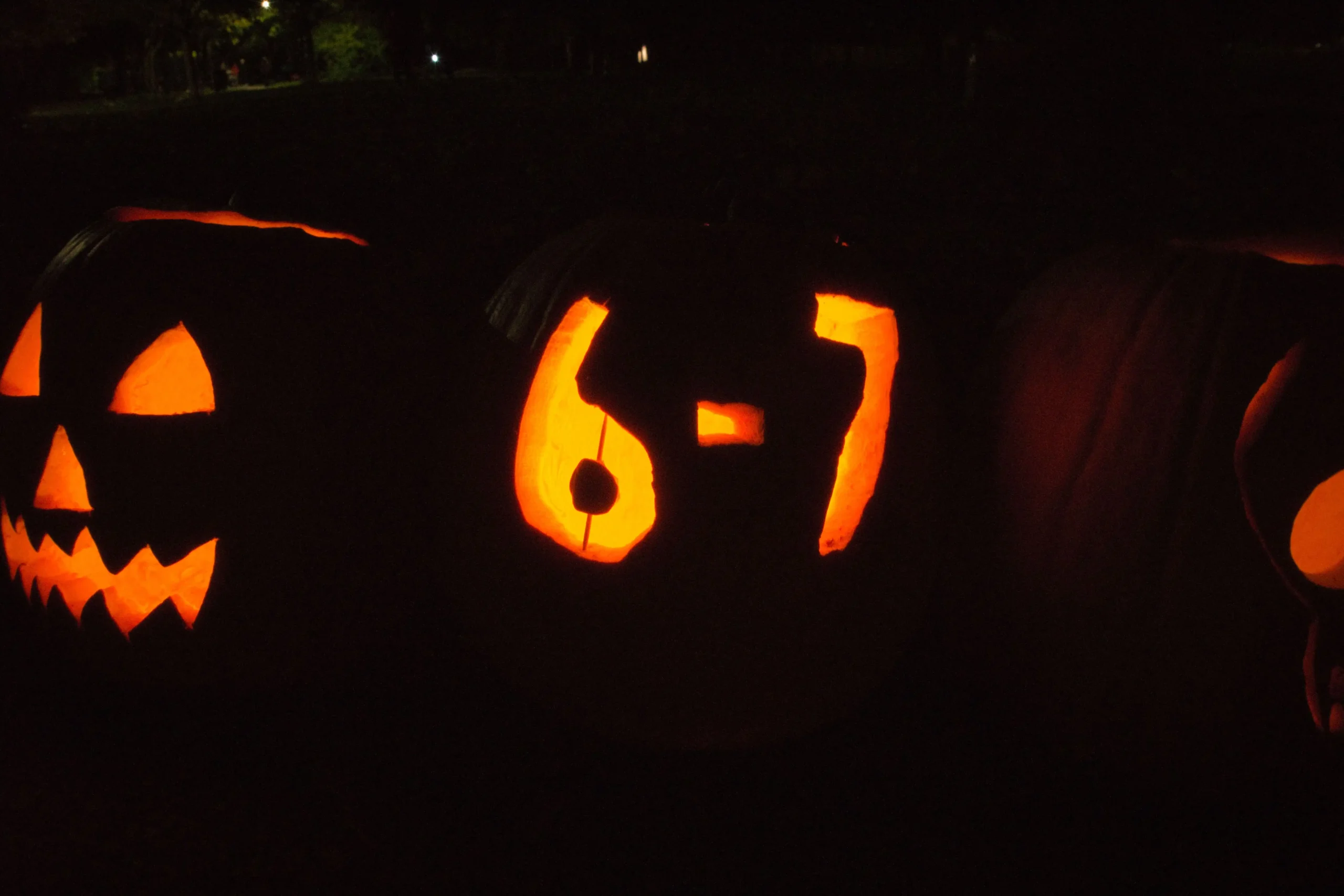
If you have scrolled through social media lately, you have likely heard the numbers “six” and “seven” repeated constantly. This bizarre linguistic trend, known as the 6-7 meme, has completely taken over the digital landscape. Audiences find themselves thoroughly baffled as teenagers shout these digits during everyday casual conversations.
The origin of this phenomenon traces back to underground drill rap. The audio clip originates from a track called “Doot Doot” by Philadelphia rapper Skrilla, who chants “6-7” rhythmically. While the lyric was initially a local street reference, the internet quickly hijacked the sound.
The initial wave of adoption happened within online sports culture. Video editors began using Skrilla’s audio to soundtrack fast-paced highlight reels of professional basketball players. It found its perfect match with NBA star LaMelo Ball, whose height happens to be exactly 6’7″.
Basketball court to real-life emote
@hornets from 6 7 himself #charlottehornets #67 #lameloball ♬ original sound – Charlotte Hornets
The meme truly crossed over into physical behavior thanks to a viral fan interaction. During a broadcast, a young fan was caught on camera mimicking the lyric while executing an up-and-down hand motion. This gesture perfectly mirrored a celebratory “emote” dance typically seen in video games like Fortnite.
Once that clip hit the internet, the physical gesture and the vocal cue became inseparable. Kids and creators immediately began replicating the hand motion in schools and malls globally. This rapid spread highlights the unique power of modern algorithms to reshape youth subcultures overnight.
Predictably, as the trend reached peak saturation, the original context evaporated entirely. Today, when someone shouts “six, seven,” they are not thinking about geography or basketball statistics. Instead, the phrase functions as pure filler text, proving that the most enduring internet trends often mean nothing.
The lifecycle of algorithmic slang
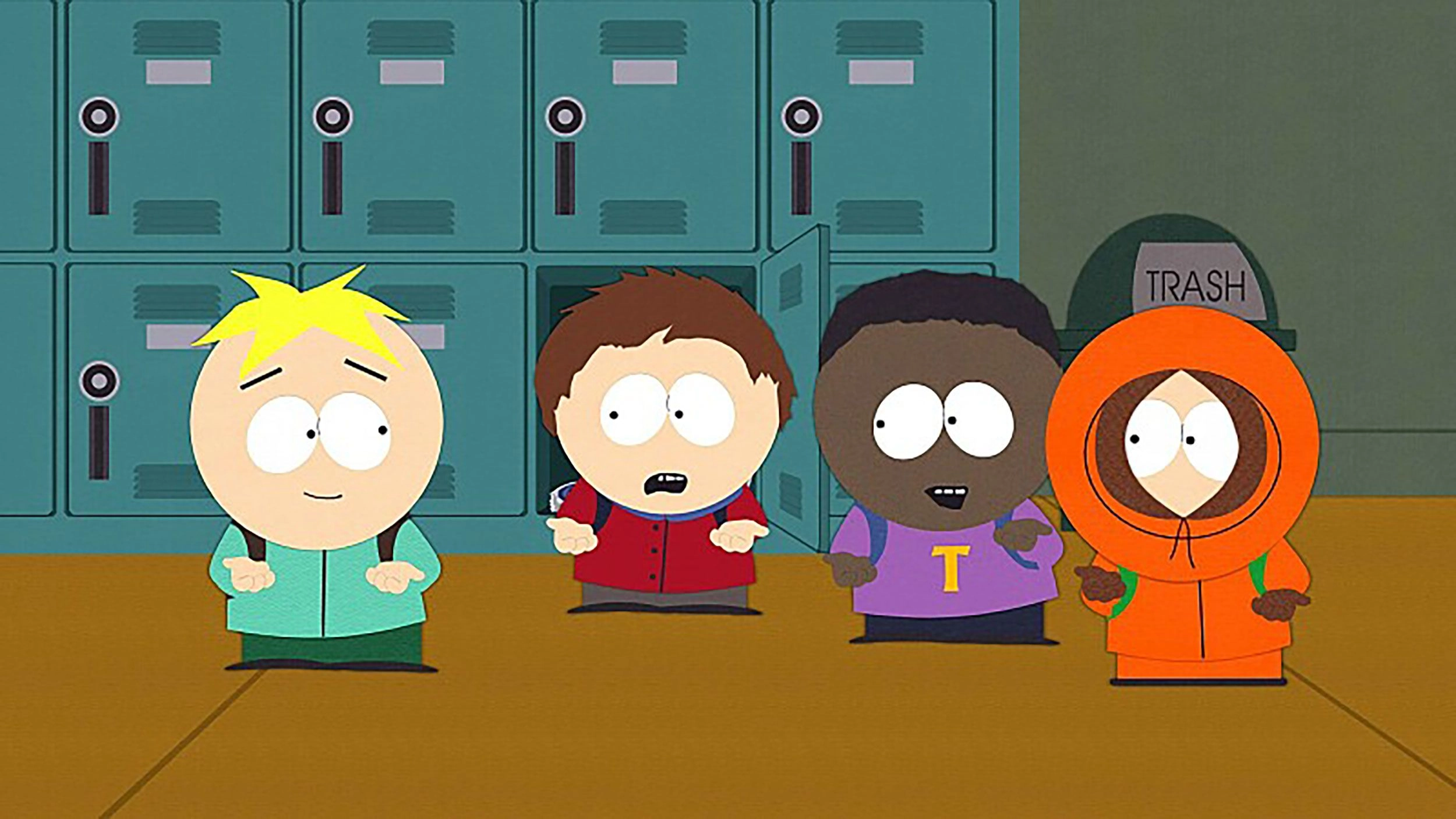
The rapid rise of this phenomenon illustrates how modern internet culture relies on auditory recycling. A single piece of media is rarely consumed in isolation; instead, it is chopped up and layered over unrelated imagery. This algorithmic blending allows niche subcultures to collide and spark global trends in days.
Furthermore, this trend highlights the closing gap between digital media and real-world behavior. Memes are no longer just static images on a screen; they are physical scripts that youth culture adopts to communicate. When a teenager performs the gesture in public, they are actively signaling digital literacy.
Ultimately, the 6-7 craze will eventually fade as the internet uncovers its next favorite piece of absurdist humor. Like the viral phrases that came before it, its temporary reign serves as a case study in digital sociology. It proves that any random fragment of pop culture can quickly become a global language.
Frequently Asked Questions
The phrase has no literal definition, functioning purely as silly, nonsensical filler slang used on social media for comedic timing.
It comes from a drill rap song titled “Doot Doot” by the Philadelphia artist Skrilla, who chants the numbers rhythmically.
It first went viral on TikTok basketball highlight reels, specifically paired with player LaMelo Ball because his height is 6’7″.
It is an up-and-down hand movement mimicking a video game emote, popularized by a young fan caught on camera at a game.
No, the trend is completely divorced from its musical origins, and most users perform the gesture without knowing the song or artist.
Recommended Video