
Inside the Era of ‘Proteinmaxxing’ and the Rise of ‘Boy Kibbles’
As young men treat their bodies like machines, the modern diet is being stripped down to pure, unglamorous efficiency





- The practice of “proteinmaxxing” has evolved from a niche bodybuilding subculture into a dominant dietary lifestyle for men looking to optimize muscle growth and physical efficiency.
- The trend has popularized highly functional, hyper-processed, and deeply unglamorous foods designed purely for their macronutrient efficiency.
- Convenience and hitting specific protein targets have officially overridden culinary pleasure and traditional meal prep.
- Eating is increasingly viewed through an engineering lens, transforming daily nutrition into a quantifiable optimization game.
- While highly efficient, experts question the psychological and nutritional sustainability of treating food like survival rations.
The Optimization Obsession
@help_me_win_a_bet7 I love It so much
♬ My little chompers – idiot
Modern fitness culture is dominated by “proteinmaxxing,” a trend treating the body like high-performance software. This shift prioritizes precise inputs for maximum physical output over traditional eating.
The objective is to reach high protein targets—often over one gram per pound of body weight—to avoid muscle loss. Enthusiasts treat eating as a data-driven exercise in efficiency rather than a source of pleasure.
This fixation fuels online communities obsessed with tracking every gram. Macro-logging apps and digital scales have replaced cookbooks and traditional dining, creating a lifestyle defined by numerical discipline.
The Birth of Boy Kibbles
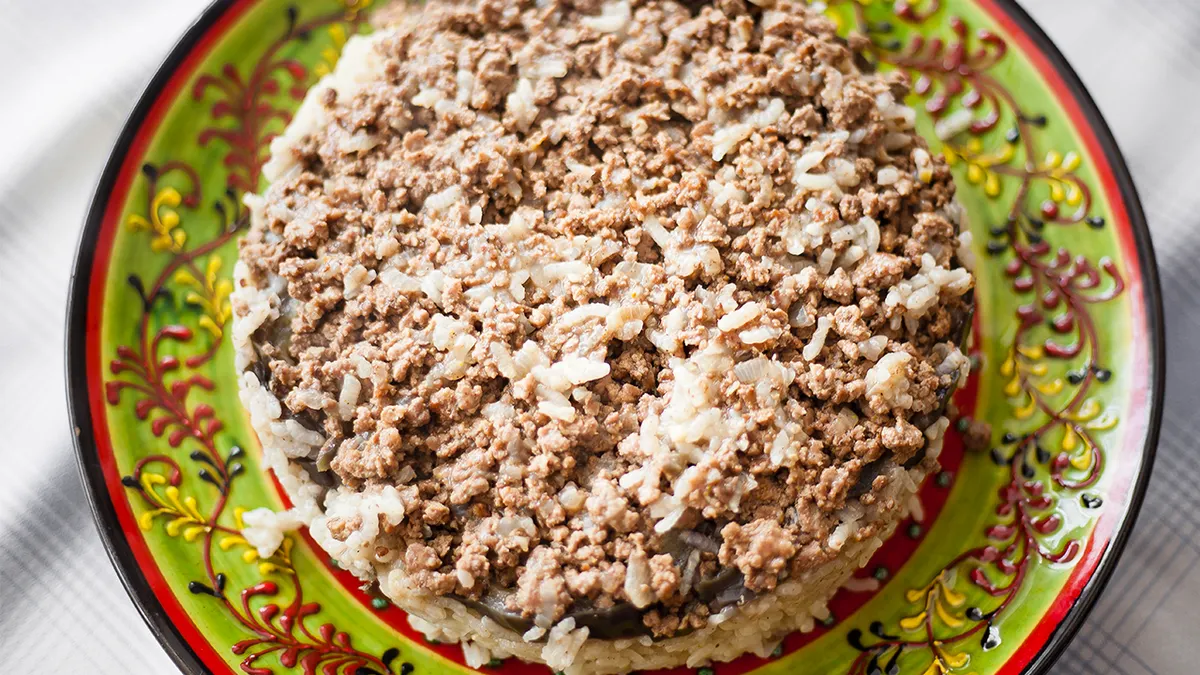
This fixation birthed “boy kibbles,” a genre of hyper-functional, low-effort foods prioritizing macronutrient density over flavor and tradition. This style strips away culinary pretense, favoring pure biological utility.
Examples include dry canned tuna, unseasoned beef with rice, cottage cheese, and whey powder. This bleak “boy kibble” aesthetic prioritizes chemical and biological utility over joy, resembling pet food more than human meals.
Social media is full of creators displaying these drab, monochromatic meals. Without garnishes or variety, this trend celebrates monotony, framing the consumption of bland fuel as a badge of honor for the disciplined.
Efficiency Over Everything

Modern proteinmaxxers reject traditional cooking as an inefficient time-sink. Instead of a social or sensory ritual, they view meals as a calculated strategy for fueling. Preparing gourmet food that fails to optimize macronutrients is considered a waste of time in a fast-paced environment.
Boy kibbles epitomize this mindset, requiring no culinary skill and minimal cleanup. They provide a perfect macronutrient profile for busy schedules; any food that hits daily targets without extra fats or carbs belongs in the bowl.
Critics question how this shift impacts our food relationship. While effective for muscle growth, viewing eating as a chore may be psychologically unsustainable. Currently, the pursuit of physical perfection keeps transforming kitchens into clinical refueling stations.
READ ALSO: Why Male Body Standards Aren’t What They Used To Be: Explaining Physique Inflation
Frequently Asked Questions
It is a slang term used to describe the practice of maximizing one’s daily protein intake to optimize muscle protein synthesis, recovery, and overall physical hypertrophy.
The term jokingly compares these ultra-efficient, unappealing fitness meals to pet food, highlighting how they are repetitive, highly functional, and eaten strictly for physical utility rather than enjoyment.
Most sports nutrition research suggests that consuming between 1.6 and 2.2 grams of protein per kilogram of body weight (roughly 0.7 to 1.0 grams per pound) is optimal for muscle growth.
While highly efficient for hitting macronutrient goals, relying too heavily on repetitive, single-source meals can lead to micronutrient deficiencies, poor gut health, and a severe lack of dietary fiber.
Absolutely. Whole food sources like chicken breast, fish, eggs, tofu, and lentils are incredibly effective for muscle growth and offer far better overall long-term nutritional value.

Recommended Video