How The Devil Wears Prada Defined an Era
More than a decade on, the clash between Miranda Priestly and Andy Sachs still dictates our cultural language, as the original stars ready for the May 2026 sequel




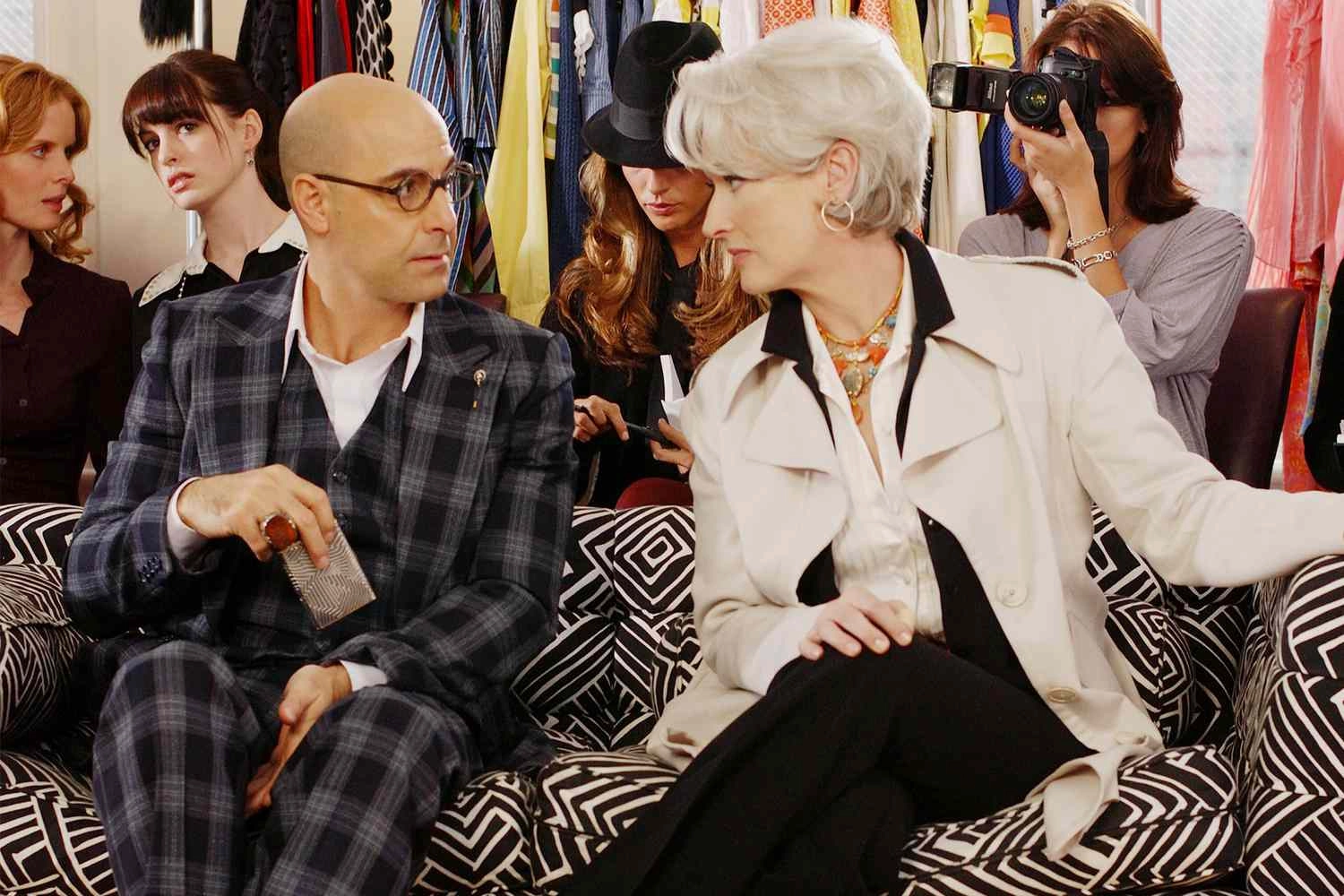
When The Devil Wears Prada debuted in 2006, it appeared to be a simple fish-out-of-water comedy about fashionFashionThe art and industry of designing, producing, and styling clothing, footwear, accessories, and beauty trends. It reflects cultural influences, personal expression, and evolving styles across seasons and markets.Go to Fashion Glossary ignorance. Yet, beneath the high-fashion surface lay a sharp critique of ambition and the cost of striving for excellence.
The film remains a cultural fixture. Its legacy is set to cement itself once more as fans await the theatrical release of The Devil Wears Prada 2, which reunites Meryl Streep, Anne Hathaway, and Emily Blunt to navigate a modern media landscape with shifted power dynamics.
Where the film was at the time
To understand the film’s impact, you have to understand the year 2006, a time before Instagram, TikTok, or any social media app or smartphones, even. Back then, the fashion industry was inevitable as seen on newsstands, libraries, and physical stores.
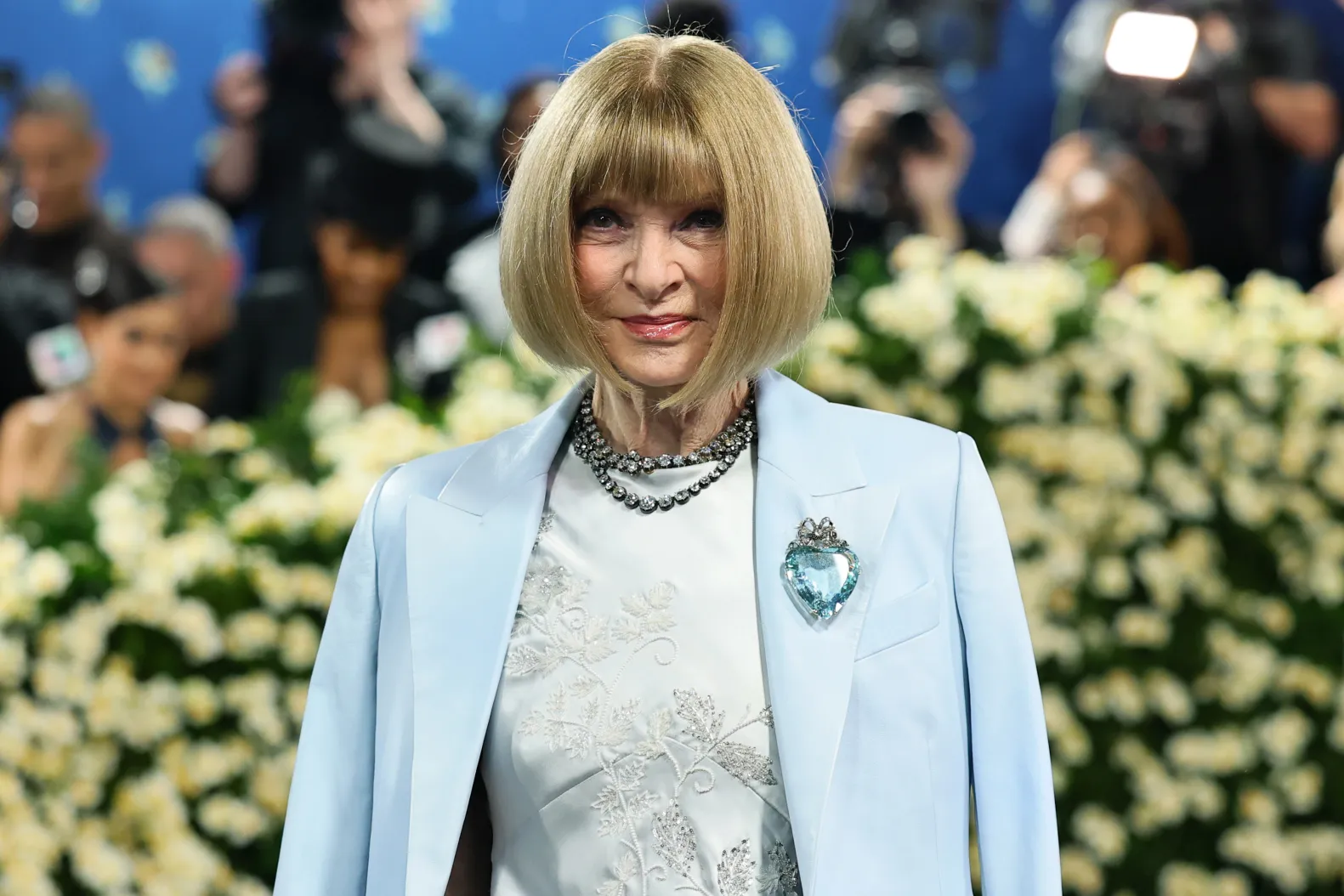
The industry was built on a foundation of absolute gatekeeping, where print magazines like Vogue were driving points of culture. Editors like Anna Wintour held a level of unchecked, centralized power that is almost impossible to replicate in today’s digital-first world.
Before social media, in the film, Runway acted as the premier gatekeeper; its approval was vital for brand visibility. The film depicted an era of exclusivity where analog processes dictated global trends, establishing mid-2000s fashion media as the height of cultural authority.
The monologue
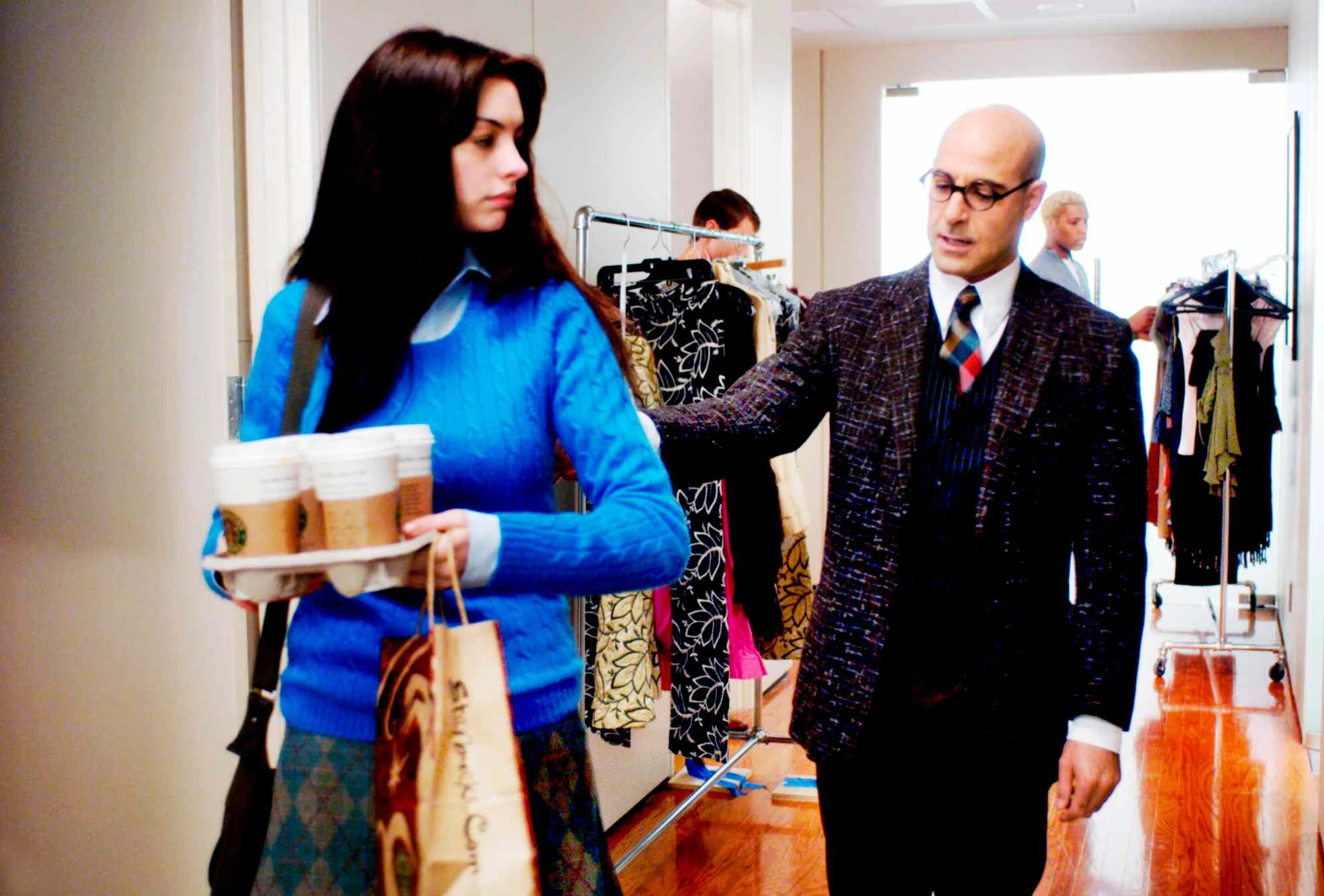
Perhaps the film’s most enduring contribution to culture is the “Cerulean Monologue.” When Miranda Priestly deconstructs Andy’s “lumpy blue sweater,” providing a masterclass in the invisible hand of capitalism and design.
This scene shifted the public’s understanding of fashion from a frivolous hobby to a massive, interconnected machine. It taught an entire generation that even if you think you are above trends, you are still operating within a system designed by someone else.
The term “Cerulean” also became shorthand for the trickle-down effect of influence, and the monologue is frequently cited in marketing and design schools to explain the lifecycle of a product.
Crafting ambition
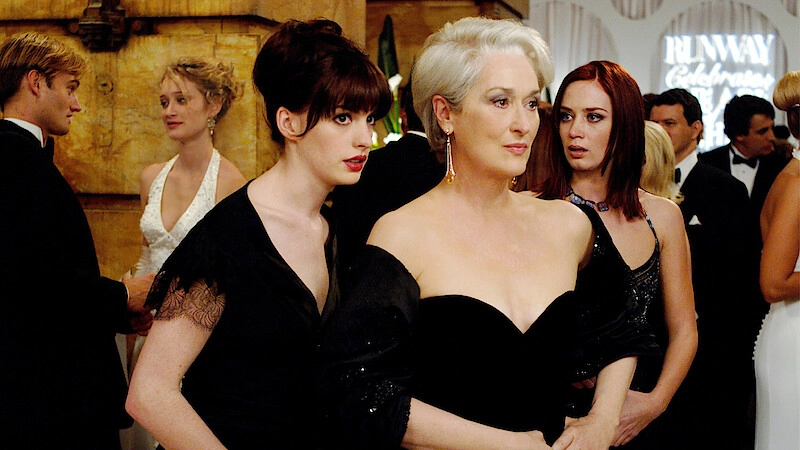
Miranda Priestly is the ultimate archetype of the uncompromising CEO. In a cinematic world that often insists women in the workplace be portrayed through a lens of domesticity or romantic interest, Miranda was a revelation because she was simply the boss.
The film highlights a clear double standard: the same decisiveness and emotional distance that make a male executive a visionary are used to paint Miranda as a villain.
Through Andy’s arc, we see the reality of the hustle culture that would come to define the 2010s, the idea that to be the best, you have to be willing to outwork, outthink, and occasionally outmaneuver everyone else in the room.
The legacy
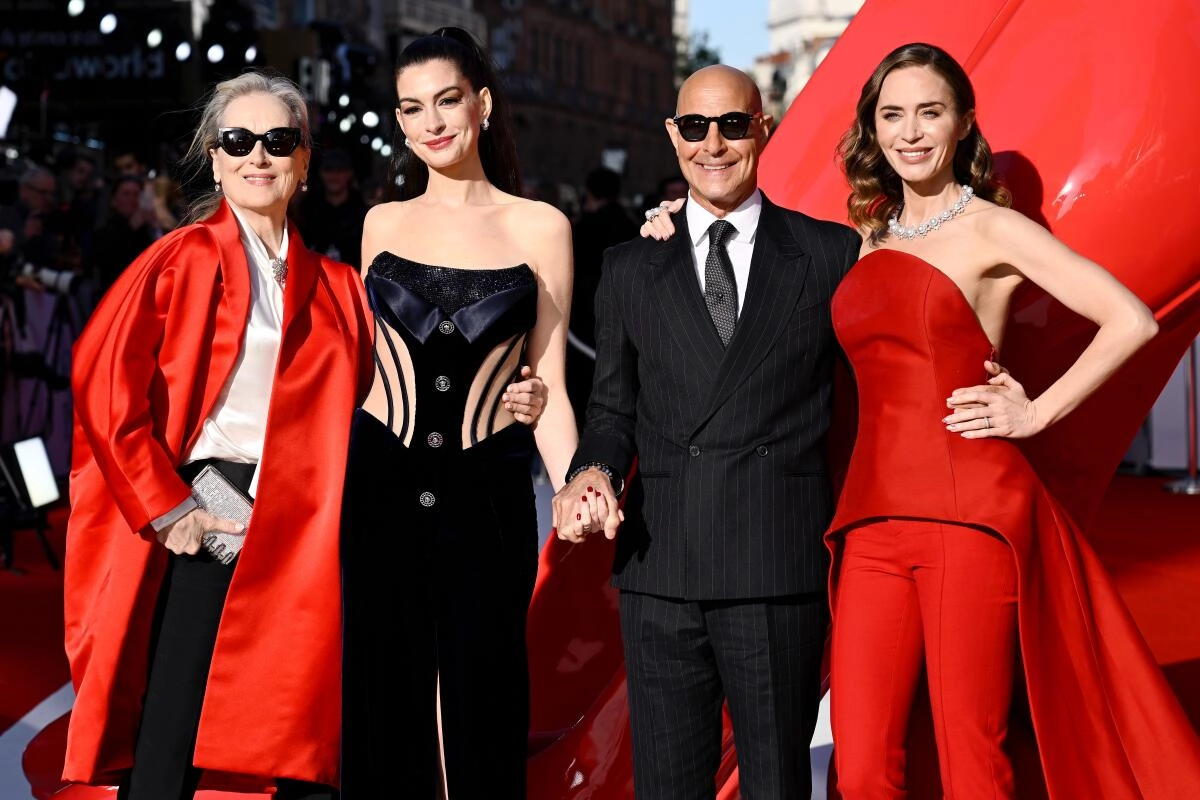
The Devil Wears Prada succeeded because it respected the grind while treating the fashionFashionThe art and industry of designing, producing, and styling clothing, footwear, accessories, and beauty trends. It reflects cultural influences, personal expression, and evolving styles across seasons and markets.Go to Fashion Glossary industry not as a joke but as a battlefield. It gave a generation permission to be unapologetically ambitious, offering a blueprint for anyone, man or woman, trying to navigate a cutthroat environment where results are the only currency.
Whether you’re obsessing over the perfect suit for a board meeting or the right technical gear for a project, the film speaks to that universal drive to master a craft and earn a seat at the table.
Frequently Asked Questions
The film critiques corporate ambition and systemic gatekeeping. It illustrates the high personal cost of workplace excellence while demonstrating how the invisible hand of capitalism dictates global consumer culture.
This scene explains the economic trickle-down effect of design influence. It proves that high-fashion editorial gatekeepers ultimately dictate consumer choices, mapping how products move from runways to mass-market retail.
Yes, a theatrical sequel is currently in development. The upcoming movie reunites Meryl Streep, Anne Hathaway, and Emily Blunt to navigate a digital media landscape with shifted power dynamics.
Miranda Priestly exposes executive gender double standards. The movie highlights how the exact same emotional distance and decisive authority praised in male CEOs are used to villainize female leaders.
The 2006 fashion landscape relied on centralized, analog gatekeepers like print magazines. Before social media apps existed, exclusive industry elites held absolute authority over cultural global trends.
Recommended Video