
Is Cinema Etiquette Dead?
Across social media, moviegoers worldwide are debating whether basic cinema manners are becoming a thing of the past



- Online discussions about cinema etiquette have spotlighted phone use, talking, and disruptive behavior during screenings.
- While audience participation can add to certain screenings, respecting fellow moviegoers remains part of the experience.
The theater is no longer a sacred space
Across social media platforms, complaints about cinema etiquette have become part of a broader global conversation. Videos and posts showing moviegoers talking, scrolling through their phones, recording scenes, or singing along have sparked debates over what audiences should expect from a shared screening.
There was a time when entering a cinema meant committing to the film. The lights went down, conversations stopped, and attention shifted toward the screen. Today, that unspoken agreement seems less universal, with phone screens and mid-movie conversations becoming familiar points of frustration.
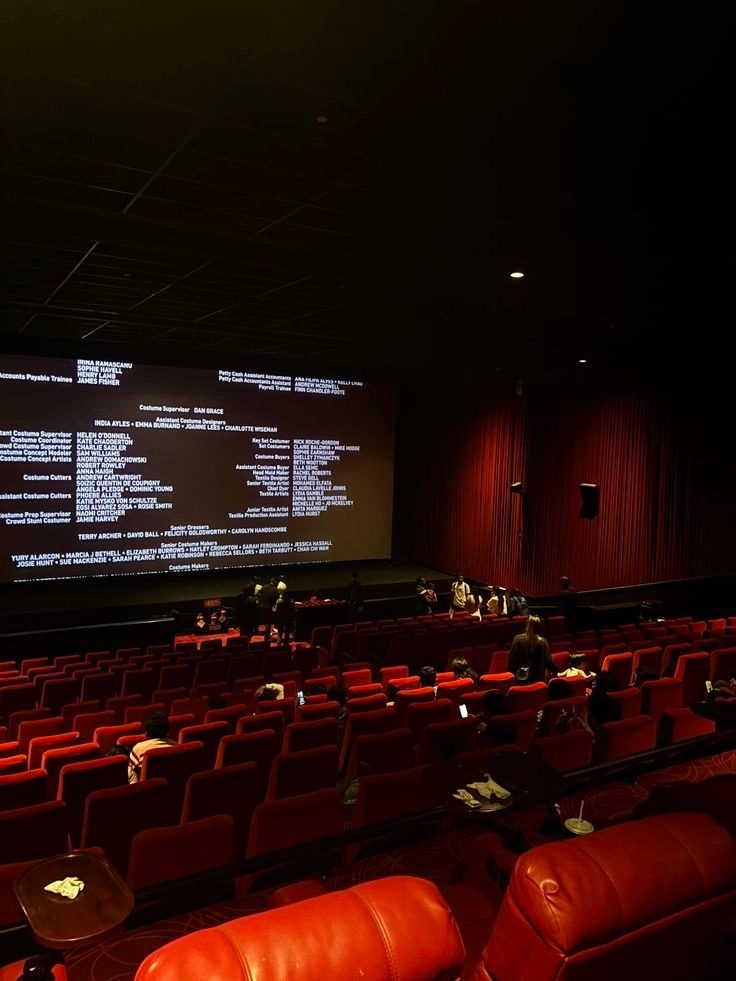
The issue is not necessarily that audiences have forgotten how to behave. It is that habits formed around watching content at home have followed people into public spaces. Streaming encourages pausing, scrolling, talking, and multitasking, behaviors that feel natural on a couch but disruptive in a theater.
When the audience becomes the content
Social media has added another layer to the problem. Some moviegoers now document their reactions, record scenes, or share spoilers while the film is still showing. The theater becomes a backdrop for online engagement, shifting attention from the movie to the person watching it.
The debate around Wicked demonstrated how quickly audience enthusiasm can clash with basic etiquette. Fans sharing photos and clips from screenings drew criticism from viewers who felt recording and posting scenes undermined the experience. The film also reignited arguments over singing along and whether certain screenings should encourage audience participation.
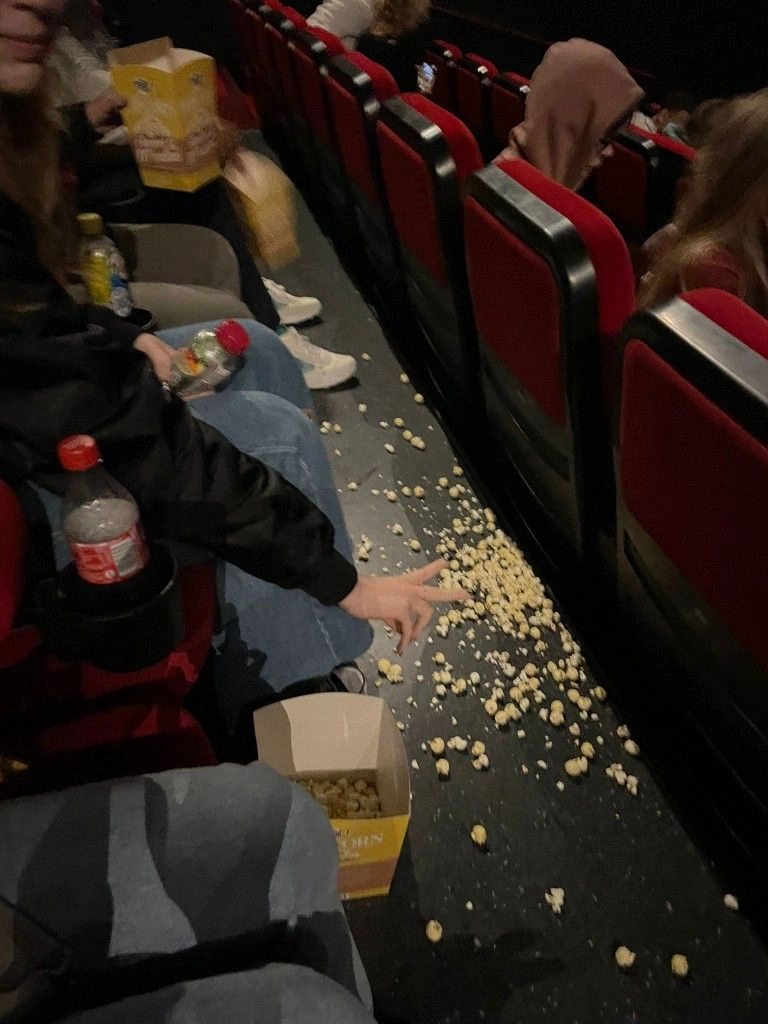
But not every reaction is a breach of etiquette. Laughing at a comedy, gasping at a twist, or cheering during a designated fan screening can be part of the communal appeal of cinema. The distinction comes down to context: participation should enhance the experience rather than impose itself on everyone else.
Is etiquette really dead?

Perhaps cinema etiquette is not dead so much as being renegotiated. And while audience participation has always been a part of some cinema experiences, the rise of interactive screenings, sing-alongs, and fan events shows that audiences increasingly want different ways to experience movies.
But the challenge is making room for those preferences without treating every screening as an open invitation to behave however one wants.
Theaters also have a role in maintaining the experience. Clear policies, reminders before screenings, and staff intervention when necessary can help discourage disruptive behavior. At the same time, audiences must recognize that the freedom to enjoy a movie does not extend to disrupting someone else’s experience.
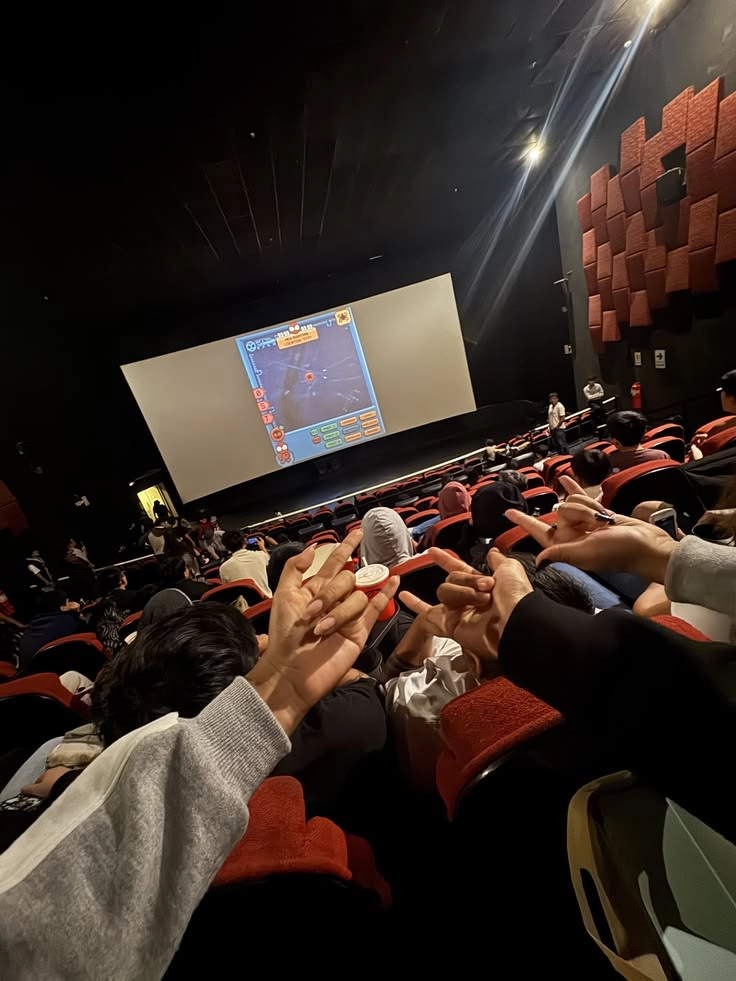
The cinema remains a shared space, and that is precisely what makes it different from watching a film at home. You do not have to agree on the movie, its ending, or the person sitting beside you. You only have to recognize that everyone bought a ticket to watch the same screen, not yours.
Frequently Asked Questions
Cinema etiquette refers to the basic courtesies expected in a movie theater, including keeping quiet, silencing phones, and avoiding distractions.
Social media posts showing disruptive behavior during screenings have sparked conversations about phone use, talking, recording, and audience participation.
Most moviegoers consider phone use disruptive. Even a dim screen can distract people nearby.
Not necessarily. Laughing, gasping, or cheering can be part of the experience, particularly during special screenings. Extended talking or singing during a regular screening is a different matter.
Theaters can communicate rules clearly, enforce no-phone and no-talking policies, and provide staff support when disruptions occur.

Recommended Video