
The Southeast Asian Horror Films That Will Ruin Your Sleep Schedule
From cursed factories to sinister fairies, Southeast Asia has nightmares in spades, and these eight horror films are here to make sure you sleep with the lights on




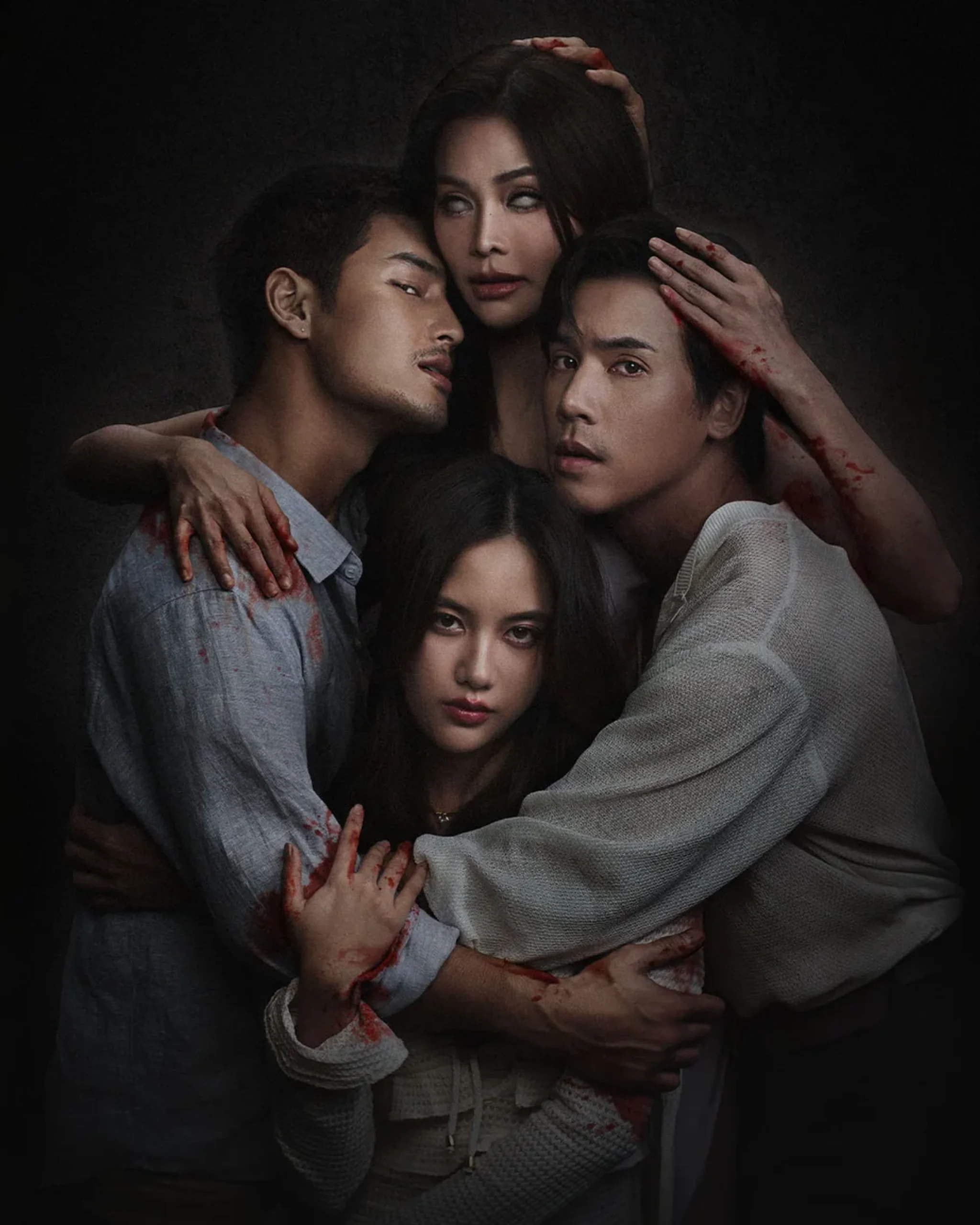
- From Indonesia to Cambodia, eight Southeast Asian horror films turn folklore, black magic, and supernatural mysteries into nightmares worth staying up for.
Your next nightmare is made in Southeast Asia
Forget Hollywood’s haunted houses and the usual procession of demonic little girls. Southeast Asian horror has more unpleasant places to be, from a cursed wig factory in Indonesia to a Cambodian apartment block with a troubling family history.
Across the region, filmmakers are turning folklore, black magic, historical trauma, and the secrets people take to their graves into reasons to keep the lights on. Here’s your guide to Southeast Asian horror, best enjoyed after dark and preferably with someone else in the room.
Sleep No More
Indonesia
Two sisters discover that a wig factory is harboring a supernatural horror. It’s an unnerving premise for a workplace, where the daily grind comes with a side of the inexplicable.
The Stain
Thailand
Thailand’s The Stain takes a more intimate route, following a woman with a dark past who falls for a botanist. Their romance becomes entangled in buried secrets and terrifying complications. One might hope that dating a botanist would be a relatively safe bet. Apparently not.
In My Mother’s Skin
Philippines
The Philippines brings history into the nightmare with In My Mother’s Skin, set during the Japanese occupation. Desperate to save her dying mother, a young girl seeks help from a sinister fairy, entering a bargain that turns childhood vulnerability into something far more disturbing.
Roh
Malaysia
Malaysia’s Roh heads into the wilderness, where a mysterious girl’s ominous prophecy unleashes supernatural horrors upon a family living beside a forest. The lesson, if there’s one, is that not every unexpected visitor deserves to be invited inside.
Ma Da
Vietnam
Vietnam’s Ma Da centers on a mother’s ghost and the secrets surrounding her death, drawing on the uneasy territory where grief meets the supernatural.
The Long Walk
Laos
In Laos, The Long Walk offers a more existential terror. An elderly hermit discovers that a ghost can transport him back in time, giving him the opportunity to prevent his mother’s painful death. A second chance at the past sounds tempting until one remembers that ghosts aren’t known for their straightforward customer service.
Kong Tao
Singapore
Then there’s Singapore’s Kong Tao, in which a Thai journalist investigates a deadly black magic curse connecting a group of YouTubers to a sinister land developer. The premise brings ancient superstition into the modern business of online attention, with more serious consequences than a controversial upload.
Tenement
Cambodia
Cambodia’s Tenement rounds out the list with a Japanese-Cambodian manga artist returning to Phnom Penh, only to discover that her family’s old apartment conceals a sinister supernatural secret. Home is where the heart is, naturally. Sometimes, unfortunately, so is the haunting.
What makes this collection worth seeking out is the variety of fears beneath the frights. These films draw on family loyalties, unresolved grief, historical violence, local folklore, and the uncomfortable possibility that the past is never quite finished with us.
Whether the setting is a factory or a family apartment with a questionable history, the invitation is the same: settle in, turn down the lights, and prepare to regret being curious. Sleeping afterwards is your own responsibility.
Frequently Asked Questions
Eight Southeast Asian horror films to add to your watchlist are Sleep No More (Indonesia), The Stain (Thailand), In My Mother’s Skin (Philippines), Roh (Malaysia), Ma Da (Vietnam), The Long Walk (Laos), Kong Tao (Singapore), and Tenement (Cambodia).
Films such as Roh, In My Mother’s Skin, and Kong Tao explore supernatural forces, sinister fairies, and black magic. They draw on regional folklore and cultural traditions to create unsettling horror stories.
Set during the Japanese occupation of the Philippines, In My Mother’s Skin follows a young girl who seeks help from a sinister fairy to save her dying mother.
Ma Da from Vietnam centers on a mother’s ghost and the secrets surrounding her death, while The Long Walk from Laos follows an elderly hermit who discovers that a ghost can transport him through time.
Southeast Asian horror offers distinctive stories rooted in local folklore, family secrets, historical trauma, and supernatural beliefs. Films from across the region demonstrate how cultural traditions can create fresh approaches to the horror genre.

Recommended Video