
Belg Belgica Wants You to Take Another Look at Manila, Flaws and All
Manila has more history than its traffic suggests, and he’s making sure its forgotten buildings get the attention they deserve before they disappear


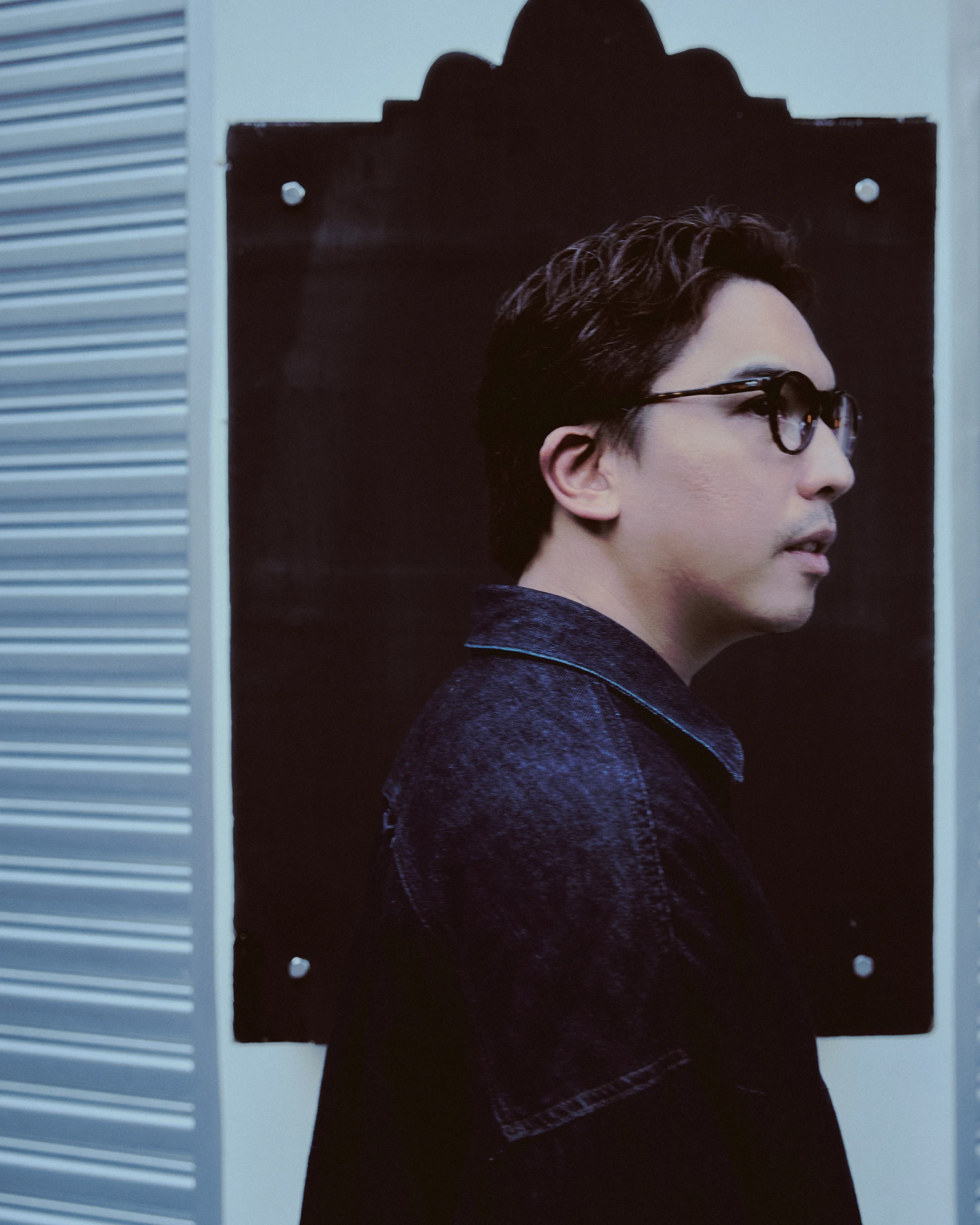
- Through The Heritage Journal, photographer Belg Belgica documents the city’s historic buildings, forgotten cinemas, and cultural landmarks, uncovering the stories hidden in familiar streets.
- Drawing on his background in photography and his work with Espacio Creativo Escolta, he champions heritage preservation as something that can coexist with modern development.
The city behind the commotion
Manila has a habit of keeping people busy. Between the traffic, construction sites, and the steady arrival of something newer and bigger, there’s rarely much time to stop and consider what came before.
Yet beneath the city’s daily commotion is another Manila, one written into the facades of old buildings, the streets of Escolta, and the cinemas and commercial establishments that once defined its cultural life. Belg Belgica is making sure it doesn’t get lost in the shuffle.
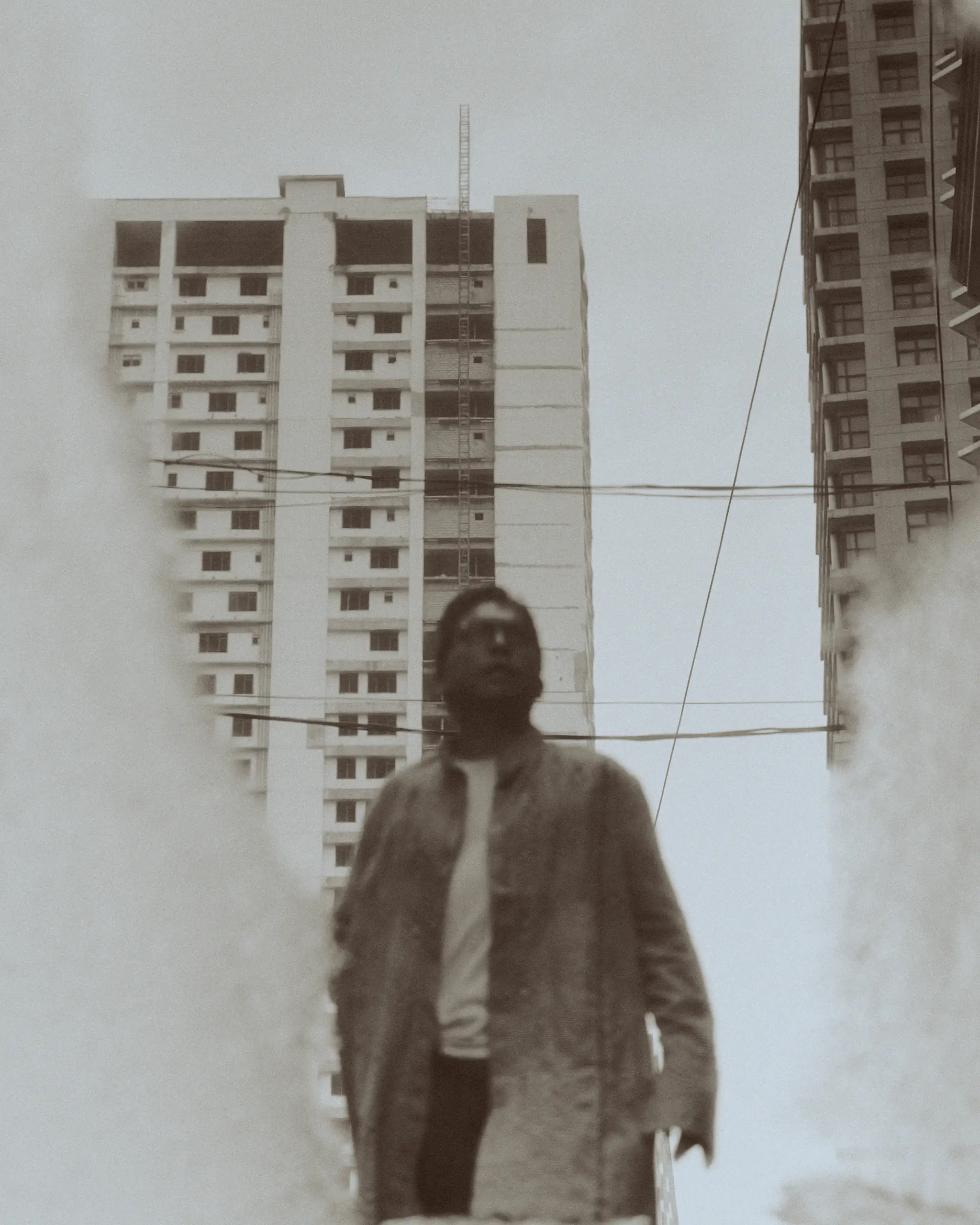
A Manila-born portrait and fashionFashionThe art and industry of designing, producing, and styling clothing, footwear, accessories, and beauty trends. It reflects cultural influences, personal expression, and evolving styles across seasons and markets.Go to Fashion Glossary photographer, he’s turned his attention towards a different subject with The Heritage Journal, a digital video series exploring the city’s architectural legacy and lesser-known histories.
From Escolta and Quiapo to San Miguel, Intramuros, and Avenida, his videos take viewers through familiar neighborhoods with an unfamiliar level of detail. It’s something between a city tour, a history lesson, and a persuasive reminder that there’s more to Manila than its ability to test one’s patience on the road.
A photographer’s eye for history
His interest in the city isn’t a recent development. Growing up in San Miguel, Belg was surrounded by ancestral houses dating back to the 1920s and 1940s. He remembers accompanying his mother to Carriedo to shop for school supplies, spending Sunday mornings at Luneta with his father, and occasionally catching films in Santa Mesa.
“I love Manila, flaws and all. And the older I get, the more curious I become about the stories behind the places I’ve known my entire life.”
Belg’s curiosity initially took the form of street photography. Before moving into portraiture and fashionFashionThe art and industry of designing, producing, and styling clothing, footwear, accessories, and beauty trends. It reflects cultural influences, personal expression, and evolving styles across seasons and markets.Go to Fashion Glossary, he spent his teenage years photographing Escolta, capturing its architecture alongside the people going about their everyday lives.
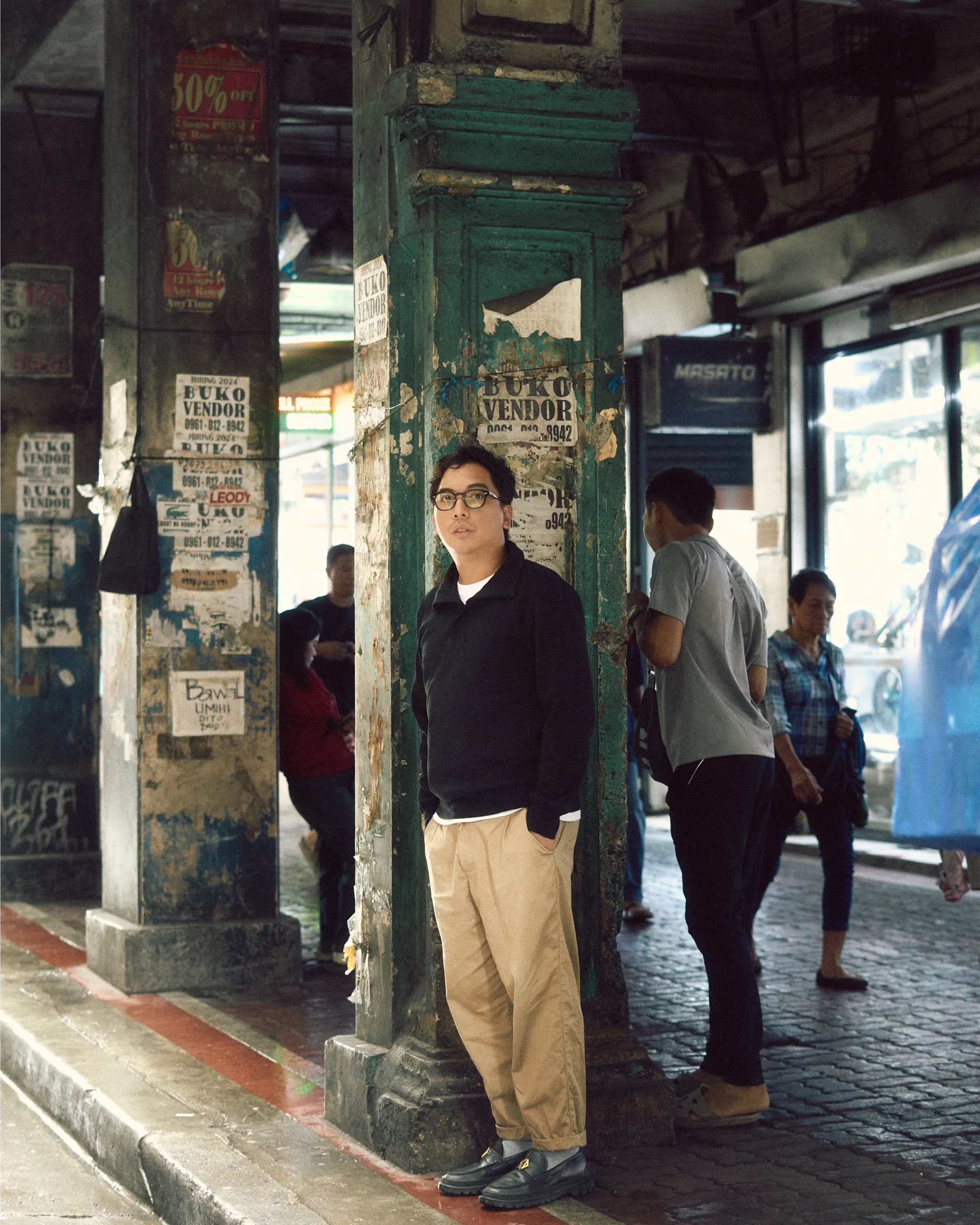
It was a natural starting point for someone drawn to both people and places. But it was only after opening his studio at the First United Building that he began to understand just how much of the city’s physical history was at risk.
Meeting heritage advocates in the building introduced him to the realities of preservation and the disappearance of historic structures. The photographs he had once taken out of creative interest began to carry a different weight. Documenting these buildings, he realized, could also mean drawing attention to their threatened existence.
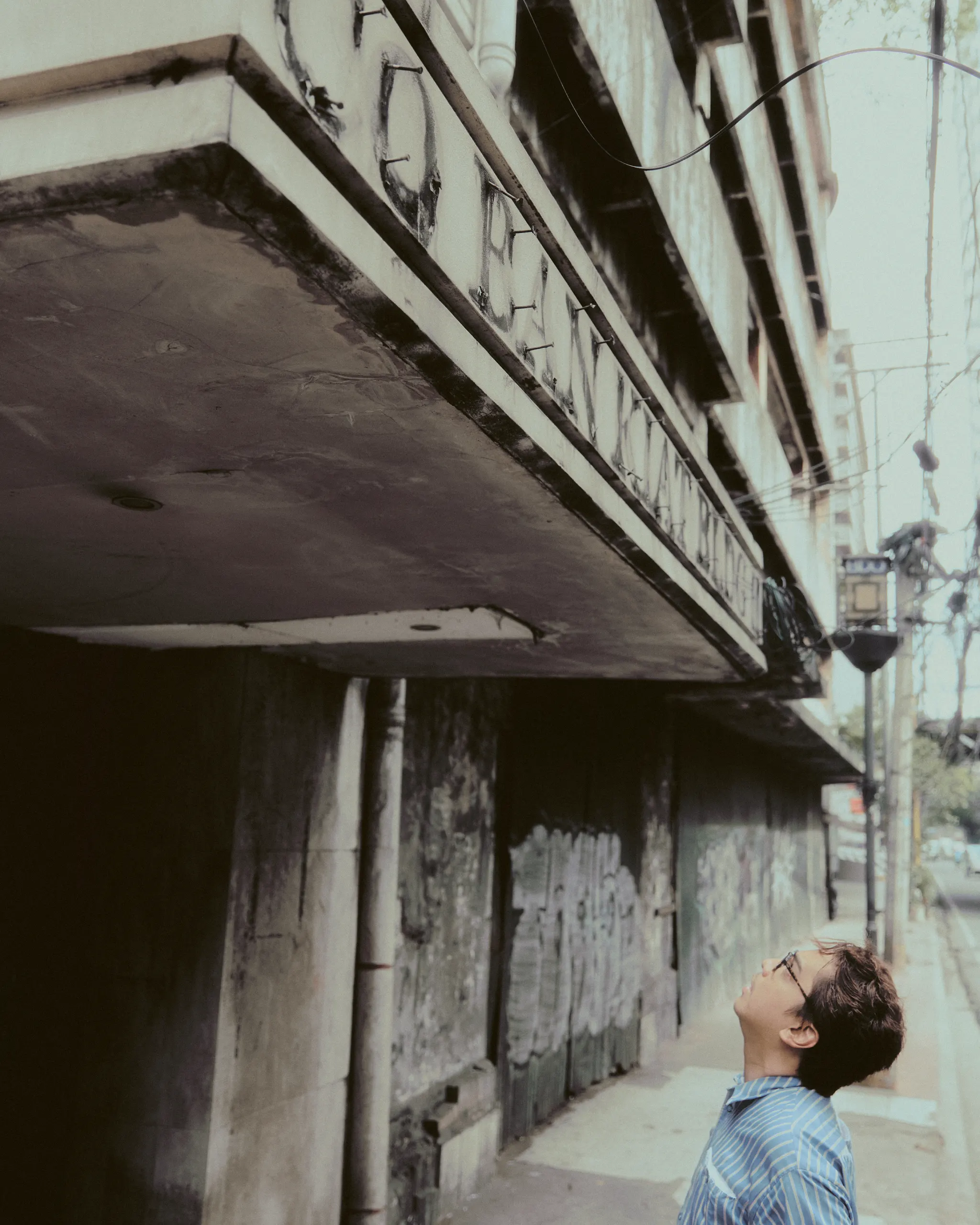
The Heritage Journal grew out of this realization, although its beginnings were less formal. Belg would regularly take friends around Escolta, sharing stories about the buildings and their previous occupants. Those informal tours eventually attracted friends of friends, until someone asked whether he was getting paid for them.
Eventually, he brought the idea to his team and developed a digital series that could take these stories beyond the immediate circle of curious friends. The ambition was to reach a wider audience, including people and institutions with the ability to contribute to heritage preservation.
“I never really set out to become a heritage advocate. I’m a photographer who happens to be curious about the city he grew up in. But the more I learned, the more I felt a responsibility to share these stories before they’re lost.”
The stories behind the facades
And there’s plenty worth investigating. The series began with the Yutivo Building on Dasmariñas Street, an Art Deco landmark once associated with one of Manila’s oldest hardware companies, before expanding into the city’s historic districts.
But Belg is interested in the stories that fall outside the usual historical talking points. Architecture is one thing; discovering that a familiar commercial street once played a role in the development of Philippine cinema is quite another.
His exploration of Escolta, for instance, looks beyond its prewar facades to examine its connections to early film production and distribution. Several buildings in the district were associated with the industry, offering a glimpse into the spaces and institutions that helped shape Philippine entertainment.
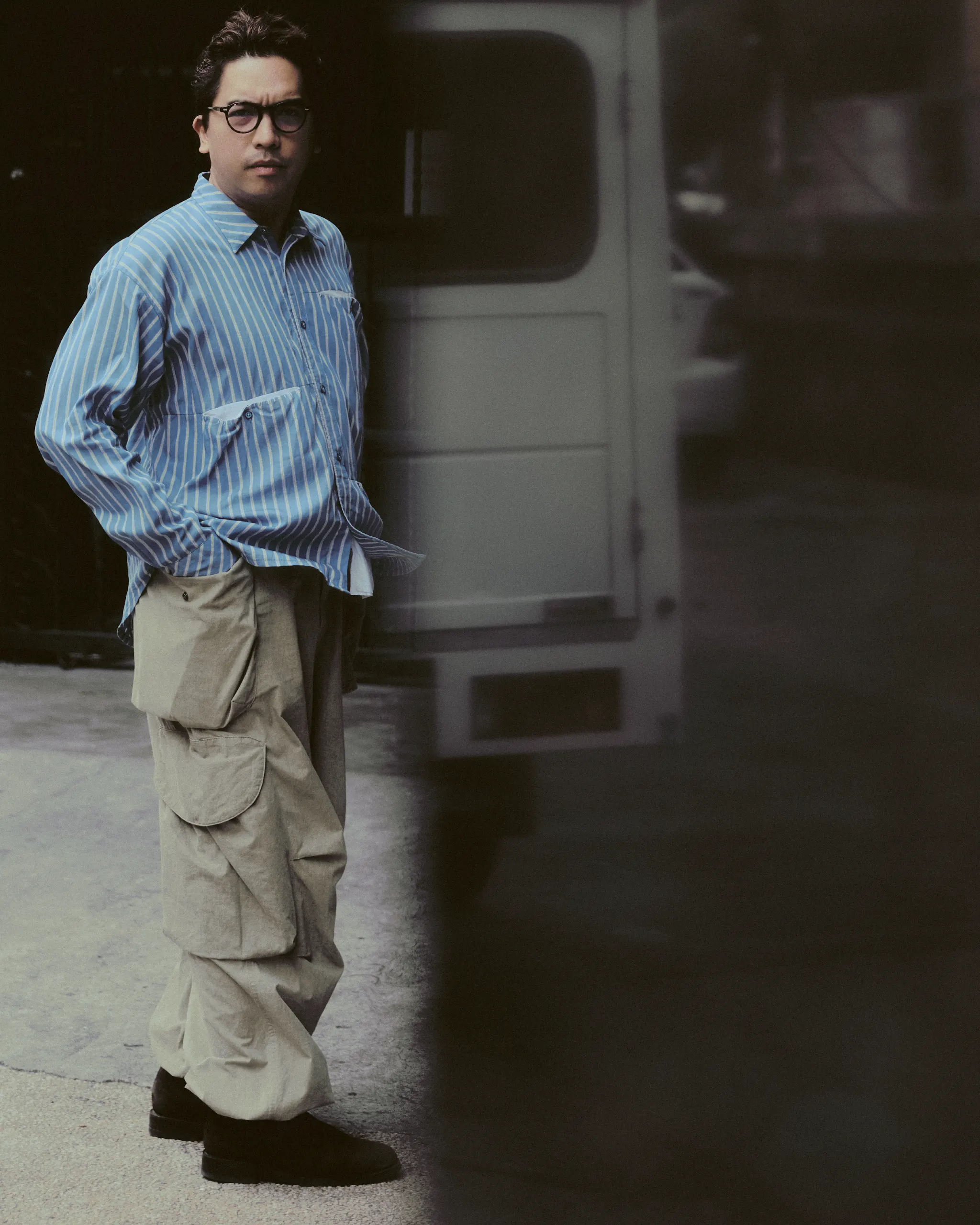
It’s this ability to uncover unexpected connections that gives the journal its appeal. Belg wants the viewers to know what happened inside the buildings, who passed through its doors, and why its existence matters beyond its architectural merits.
“These old buildings were once new, these streets were full of life. People worked there, built businesses, celebrated their milestones, and went about their everyday lives.”
Progress should know its history
For Belg, one of the biggest misconceptions about heritage preservation is that it stands in opposition to progress. Too often, old buildings are dismissed as outdated or inconvenient, as though the only way to modernize a city is to clear its history and start again.
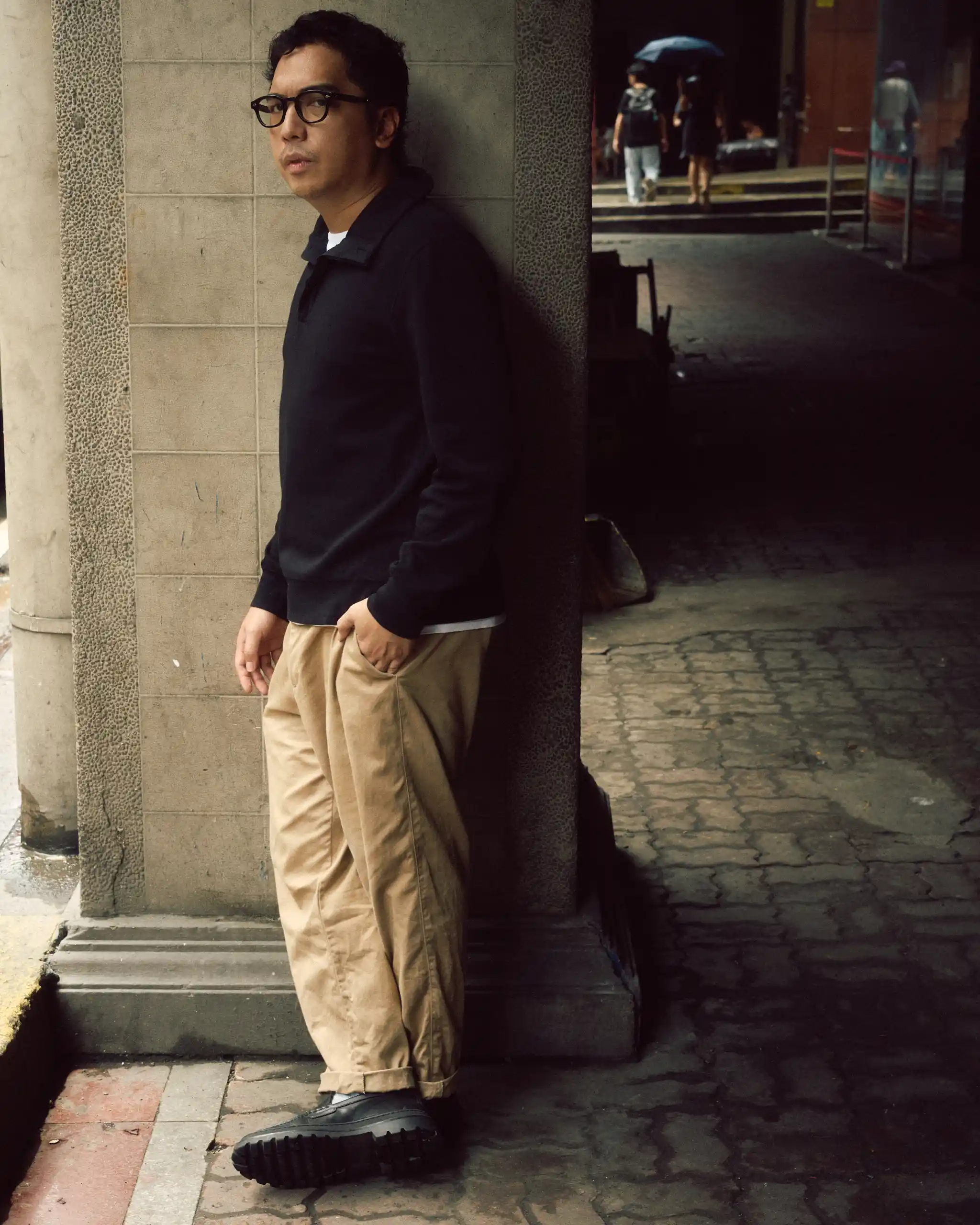
Escolta offers a different proposition: its historic structures can still support businesses, creative studios, and cultural initiatives while retaining the qualities that make the district unique.
Of course, independent creative communities can’t shoulder the responsibility alone. He recognizes the need for stronger legislation, better enforcement of existing preservation policies, investment, and cooperation between property owners, government institutions, and the public.
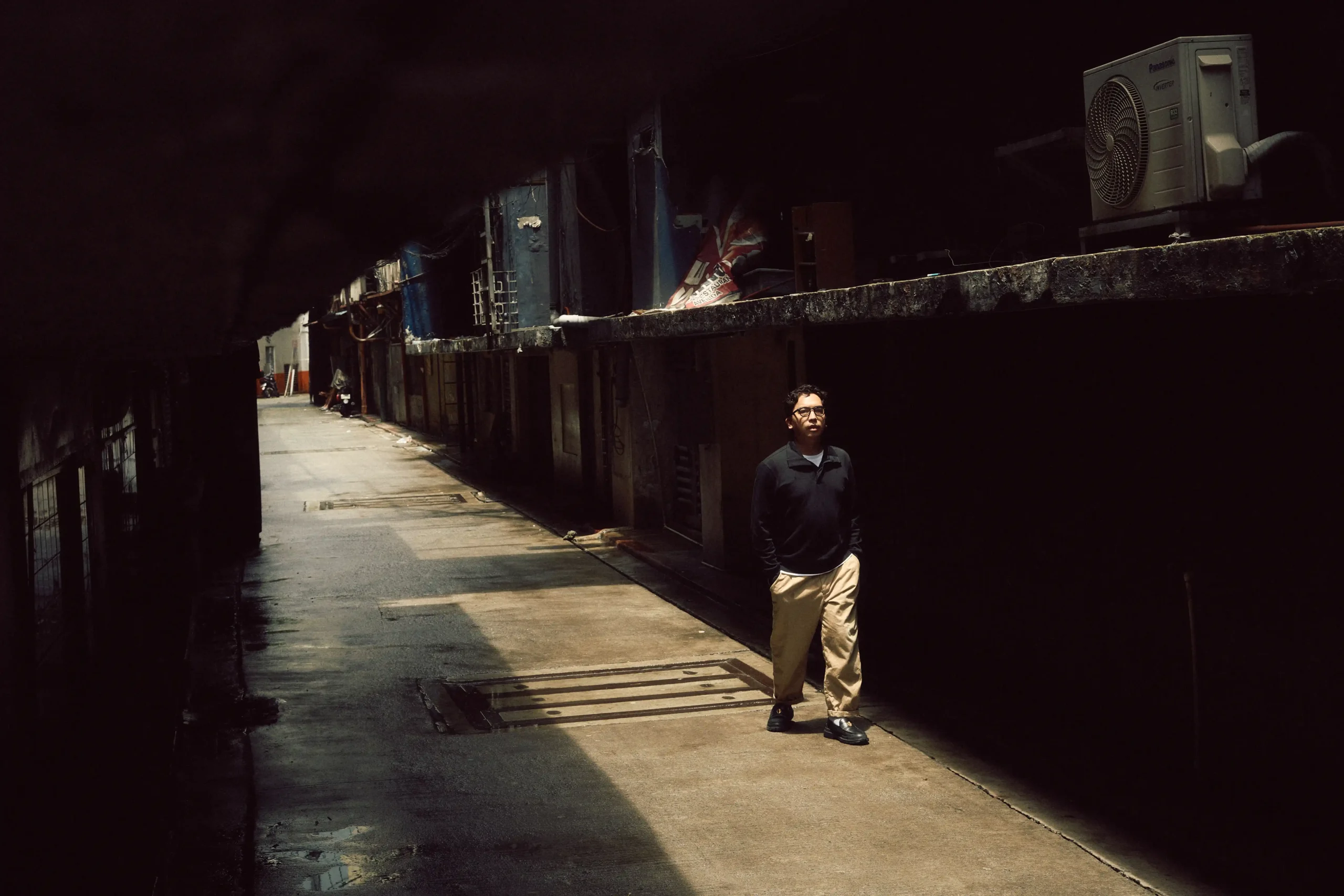
Belg’s also frank about the consequences of Manila’s approach to development, particularly when historic buildings are demolished and replaced by what he calls “grotesque vertical warehouses.” His frustration is not directed at progress itself, but at the apparent lack of imagination involved in deciding what deserves to survive.
“I don’t think Manila needs to be completely overhauled to become a better city. We don’t have to destroy the past to build something new.”
Manila’s old cinemas, production offices, commercial establishments, and creative institutions were once gathering places for people who helped define Filipino culture. Their importance can’t be measured by their facades alone.
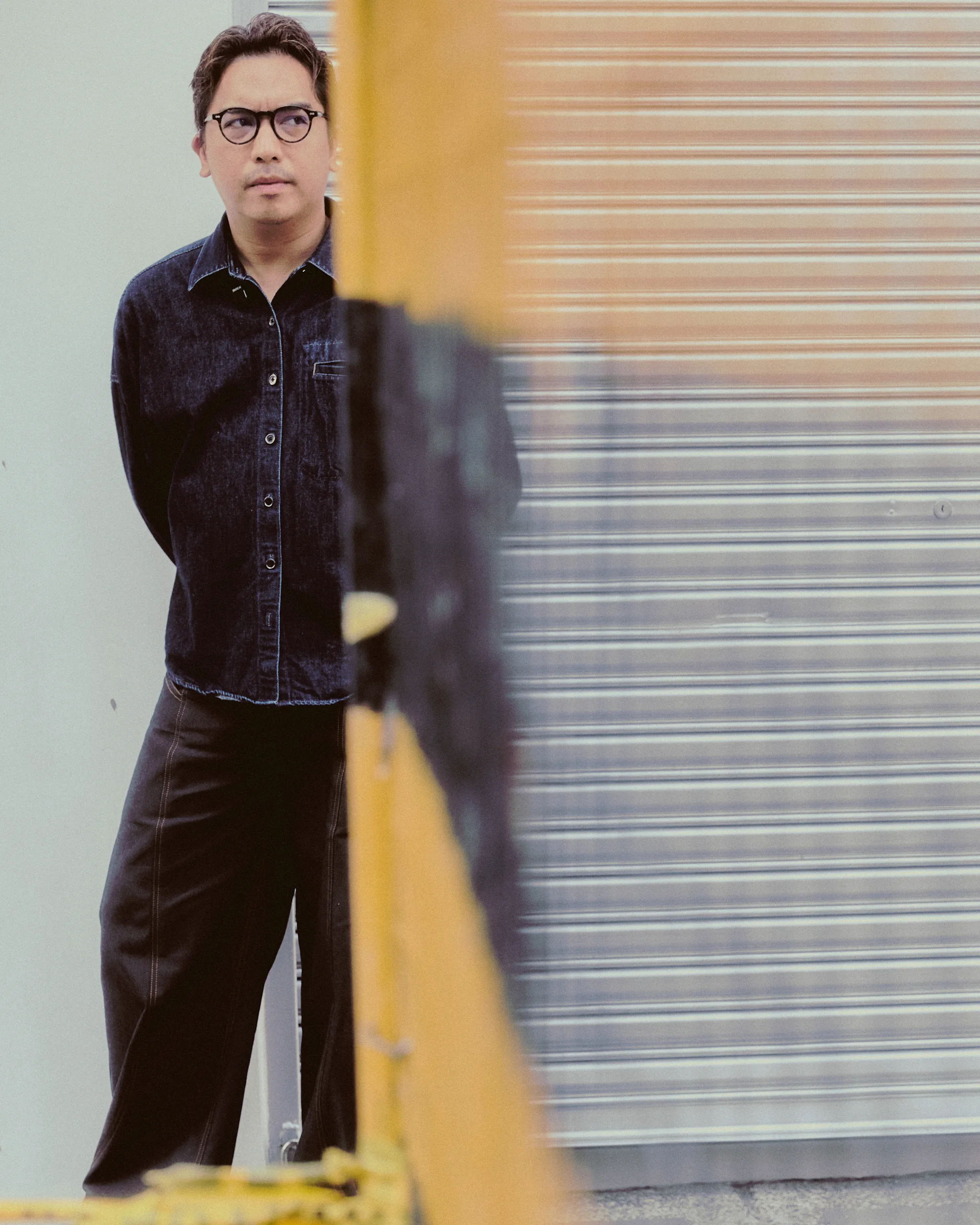
They were where businesses flourished, careers began, ideas circulated, and entire industries found their footing. Preserving these spaces means retaining a tangible connection to the people and movements that came before us.
Giving the past its due
For Belg, this connection is ultimately what keeps him returning to the city with his camera. Every episode offers another opportunity to rediscover somewhere he thought he already knew. The streets may be familiar, but their histories are anything but exhausted.
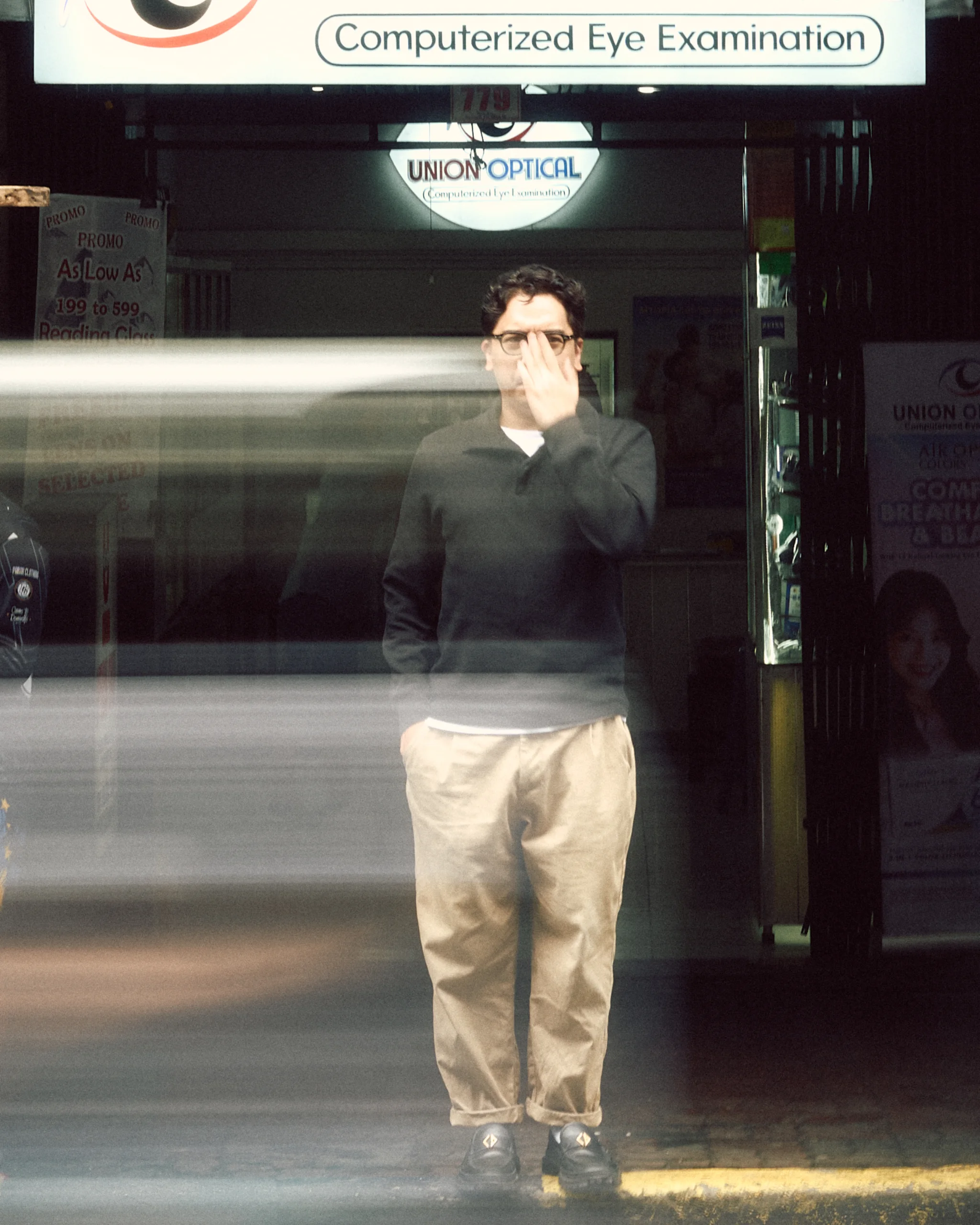
He hopes viewers come away from The Heritage Journal with a stronger sense of curiosity and pride in Manila, without feeling obliged to pretend that everything about the city is wonderful. He doesn’t expect everyone to become a heritage advocate overnight.
If someone starts asking questions about a building, shares an overlooked piece of history, or speaks up when a significant structure is threatened, he considers that meaningful progress.
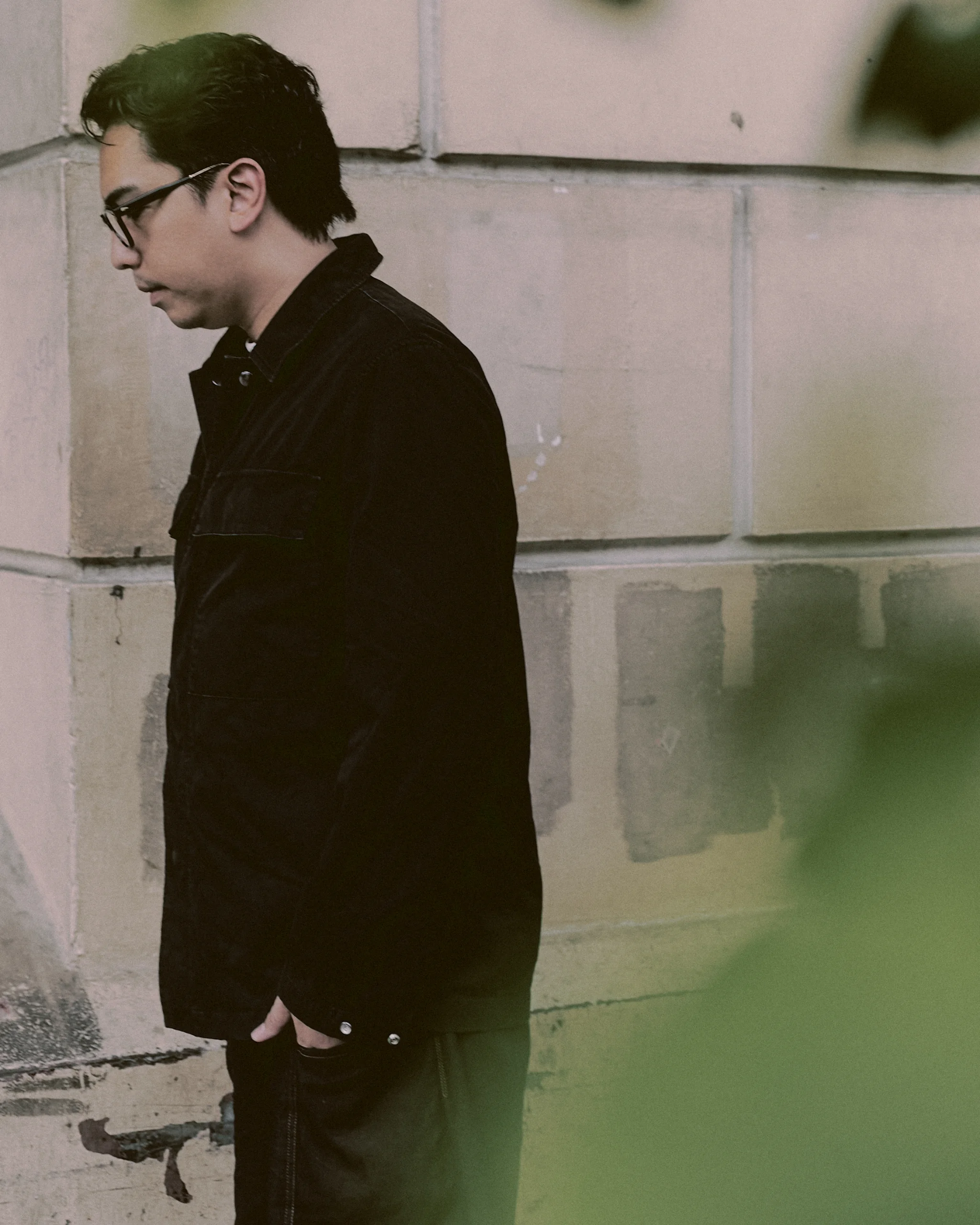
You don’t need to be an architecture enthusiast or a history buff to care about the place you live. Sometimes, you just need someone to tell you what happened on the street you’ve been walking down for years.
Belg Belgica is doing precisely that. Through The Heritage Journal, he is giving Manila’s past a place in its present, one overdue history lesson at a time. The city has been telling these stories all along. Someone simply had to get people to listen.
Photography Hallvard Cano
Frequently Asked Questions
Belg Belgica is a Manila-based portrait and fashion photographer known for documenting the city’s architectural heritage and cultural history through photography and digital storytelling.
The Heritage Journal is a digital video series exploring Manila’s history, historic architecture, and cultural landmarks. It covers districts such as Escolta, Quiapo, San Miguel, Intramuros, and Avenida.
Belg wants to raise awareness about Manila’s disappearing architectural heritage and preserve the stories behind buildings that are often overlooked. Through his videos, he hopes to encourage people to appreciate and protect the city’s historical spaces.
Espacio Creativo Escolta is a creative space co-founded by Belg Belgica at the historic First United Building in Escolta. It brings together creative communities and supports the adaptive reuse and preservation of Manila’s historic downtown.
The series makes local history accessible through short-form videos, archival research, and visual storytelling. By uncovering the cultural significance of familiar buildings and neighborhoods, it encourages viewers to take a greater interest in preserving Manila’s heritage.

Recommended Video