
Get to Know Kimi Antonelli, the Youngest World Champion in F1 History
At 20, he’s already claimed Formula 1’s biggest prize. Here’s the story behind the young Italian who was born to go fast and has the silverware to prove it



- Kimi Antonelli made Formula 1 history at 20, becoming the youngest-ever World Champion in the sport.
- From karting as a toddler to racing through the junior ranks, the Italian prodigy has been building towards the top since childhood.
The youngest man on top
At 20, Kimi Antonelli has already made Formula 1 history. The Italian racing driver clinched the 2026 Drivers’ Championship at the Mexico City Grand Prix, becoming the youngest World Champion the sport has ever seen.
At 20 years and 68 days old, he’s knocked Sebastian Vettel off a record that stood for 16 years. Not bad for someone who’s only two seasons into his Formula 1 career.
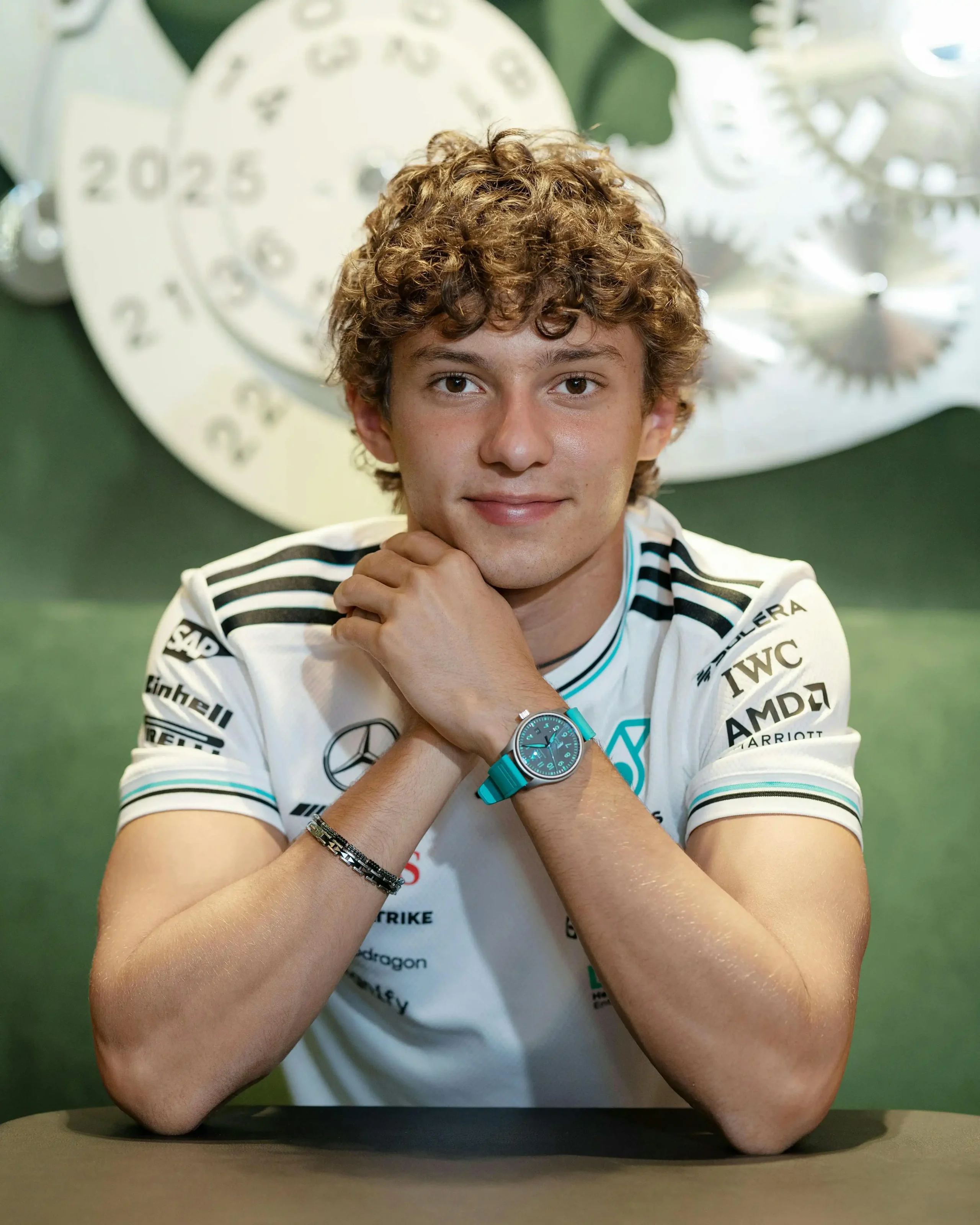
But Kimi’s rise to the top began long before the champagne celebrations. Raised in a family immersed in motorsport, he was practically born into the paddock, progressing from childhood karting to the junior ranks before landing one of the most coveted seats in Formula 1 with Mercedes.
There is, in other words, more to the youngest man on top of the Formula 1 world than fast cars and faster lap times. Here are six things to know about Kimi Antonelli.
He is Formula 1’s youngest-ever World Champion
Some drivers spend decades chasing a World Championship. Kimi has managed it at 20. The Italian secured the 2026 Drivers’ Championship at the Mexico City Grand Prix on November 1, aged precisely 20 years and 68 days. In doing so, he broke Sebastian Vettel’s record, set in 2010 when the German became champion at 23 years and 133 days old.
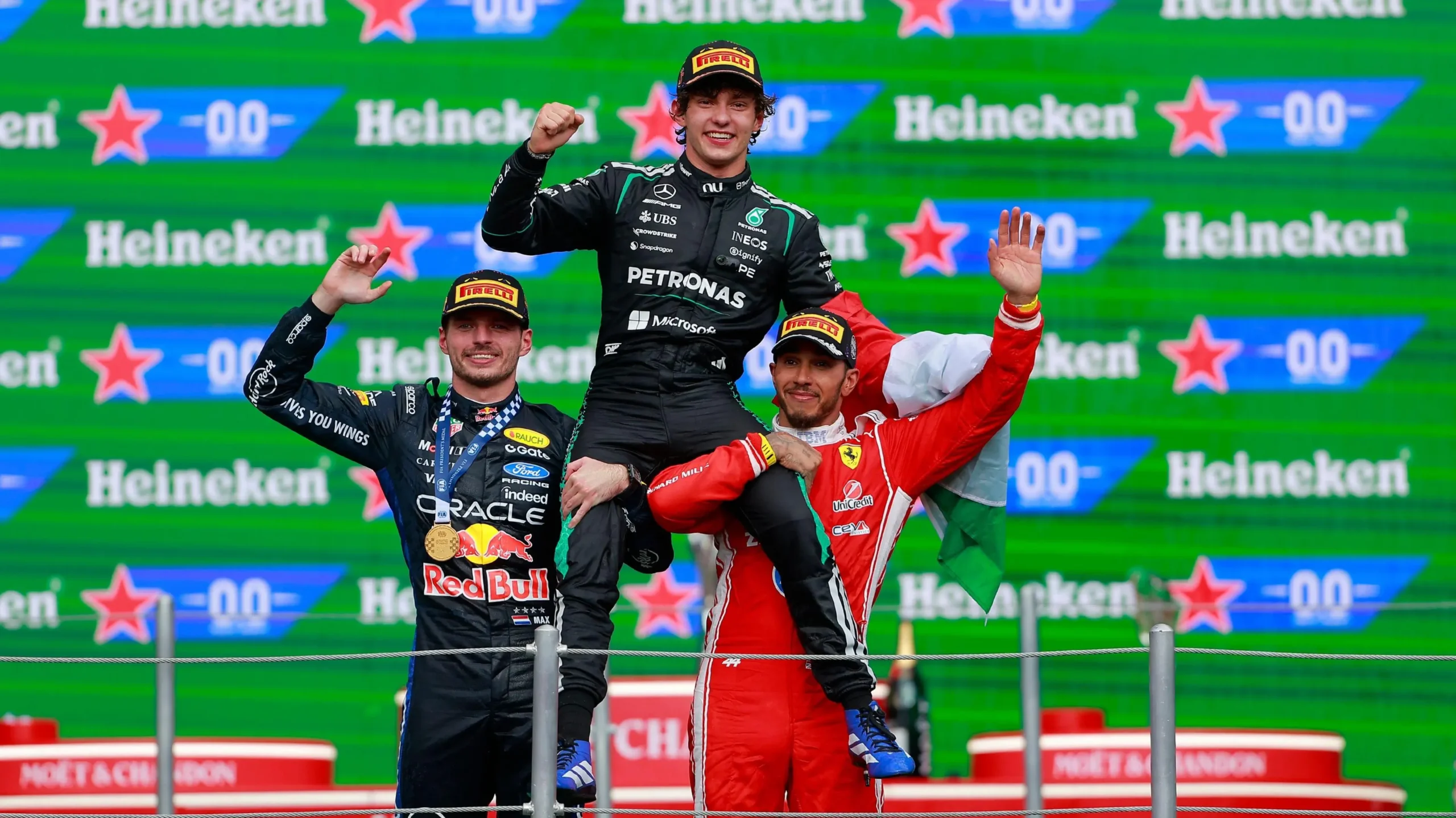
The achievement is all the more remarkable considering he’s only in his second Formula 1 season. Having joined Mercedes in 2025 as Lewis Hamilton’s replacement, he stepped into a seat carrying high expectations. Two seasons later, he has delivered a result that puts him in the history books. One could say he’s made good use of his 20s so far.
He was practically born into racing
For Kimi, the road to Formula 1 started remarkably early. Born in Bologna, Italy, on August 25, 2006, he grew up surrounded by motorsport. His father, Marco Antonelli, is a racing driver and team owner, so the racetrack was hardly an unfamiliar setting.

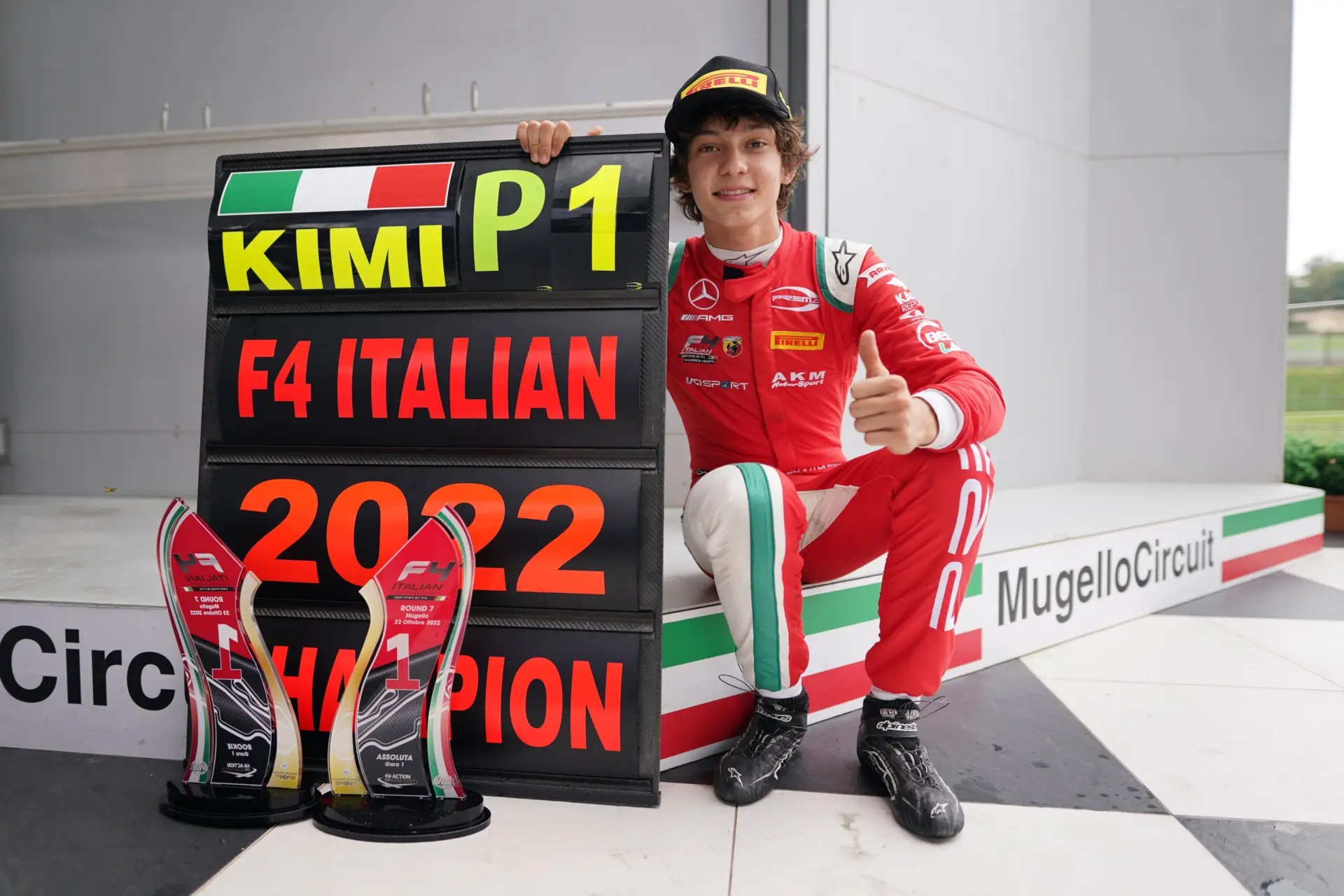
He first tried karting at just two years old, initially sitting on his father’s lap before eventually taking control himself. From there, the progression was swift. He won the Italian Formula 4 Championship in 2022, followed by the Formula Regional European Championship in 2023, and the FIA Formula 2 title in 2024.
He once snuck into an F1 paddock inside a stack of tires
Before he became a regular fixture in the Formula 1 paddock, Kimi had to get a little creative about entering one. At seven, he was reportedly too young to access the Hockenheim paddock, where his father was working.
Marco’s solution? Hide him inside a stack of tyres on a trolley, cover the whole thing with an umbrella and wheel him through.
His racing number is a nod to Ayrton Senna
Kimi races with number 12, a tribute to his childhood hero, Ayrton Senna. The Brazilian legend also competed under the number during his time with Lotus, making the choice meaningful for the young Italian.
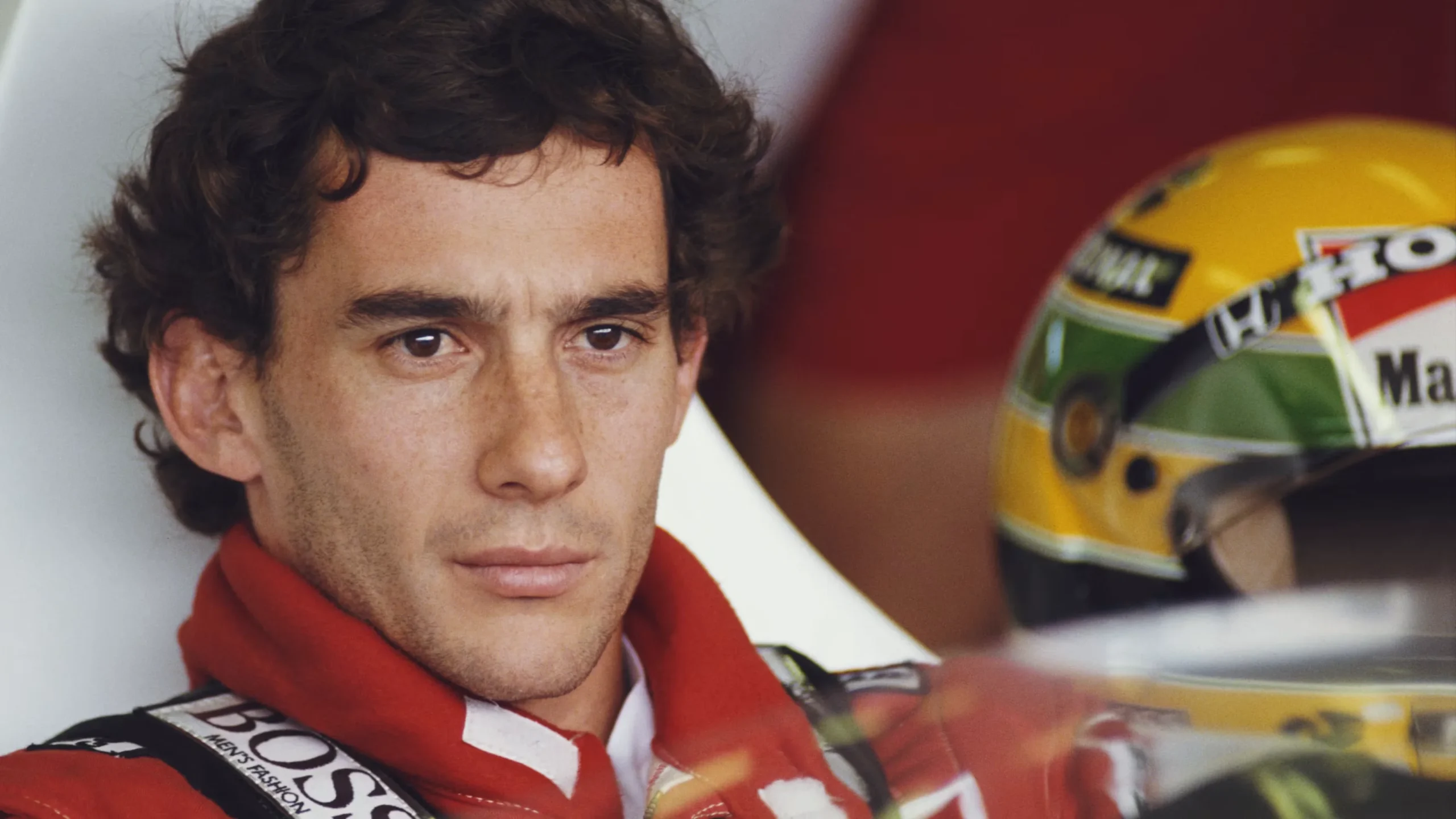
Ayrton remains one of Formula 1’s most revered figures, remembered for his extraordinary speed and relentless competitive instinct. The kid has carried number 12 throughout his junior career and into Formula 1, keeping a piece of his childhood inspiration with him every time he gets behind the wheel.
He has a lucky necklace from his mother

For all the technology and engineering that go into winning a Formula 1 race, Kimi leaves a little room for superstition. One of his treasured personal accessories is a necklace gifted by his mother during a family holiday in Sardinia.
He has a life beyond the racetrack
When he’s not negotiating corners at extraordinary speeds, Kimi enjoys a different set of pursuits. Tennis, padel, and bowling are among his interests away from racing.

He’s also interested in car design and architecture, two creative disciplines that share more with motorsport than might initially appear. Both require an appreciation of structure and detail, qualities that matter just as much when designing a building as they do when developing a competitive racing machine.
It’s a reminder that there’s more to Kimi than the driver seen climbing out of a Mercedes cockpit. At 20, he’s already reached the summit of his profession, but his interests suggest a curiosity that extends well beyond the circuit. And if his first two seasons are anything to go by, the rest of his 20s should make for quite a ride.
Frequently Asked Questions
Kimi Antonelli is an Italian Formula 1 driver who made history by becoming the youngest-ever World Champion at 20 years old. He races for Mercedes and made his F1 debut in 2025.
Kimi was 20 years and 68 days old when he won the 2026 Drivers’ Championship at the Mexico City Grand Prix, breaking Sebastian Vettel’s previous record.
Kimi grew up around motorsport through his father, Marco, a racing driver and team owner. He first experienced karting at just two years old and began competing in junior racing series as a child.
Kimi chose number 12 as a tribute to his childhood hero, Ayrton Senna, who also raced with the number during his time at Lotus. He has carried it throughout his junior career and into Formula 1.
Away from racing, Kimi enjoys tennis, padel, and bowling. He’s also interested in car design and architecture, offering a glimpse of his life beyond the circuit.

Recommended Video