Forget K-pop, This Southeast Asian Country Is Dominating Fashion Weeks
This country is steadily emerging as fashion’s new center of cultural power, driven by a rising wave of actors, designers, and global attention




From K-wave to T-wave
A shift in fashionFashionThe art and industry of designing, producing, and styling clothing, footwear, accessories, and beauty trends. It reflects cultural influences, personal expression, and evolving styles across seasons and markets.Go to Fashion Glossary’s center of gravity is becoming increasingly difficult to ignore. For more than a decade, South Korea defined the contours of Asian soft power, exporting not only music and television but a highly effective model of cultural influence.
The “hallyu” or K-wave reshaped global taste, placing K-pop idols in the front rows of Paris and Milan, turning skincare into a worldwide industry, and elevating Seoul into a cultural capital with global reach.
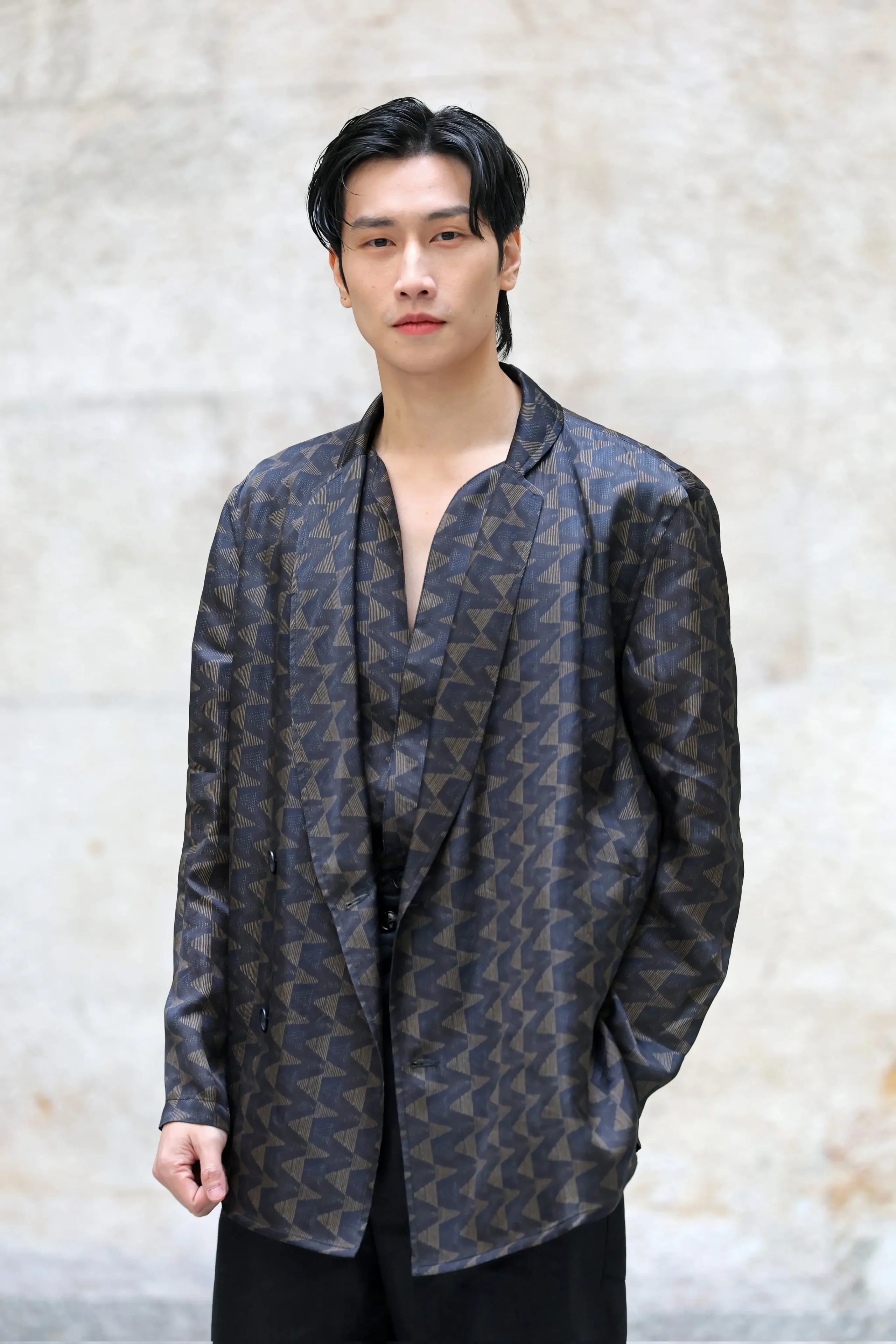
That dominance is now showing signs of strain. Over the past year, industry saturation and internal pressures within South Korea’s entertainment sector have coincided with a measurable slowdown in global engagement. The change is visible in the data and in the composition of fashion’s most influential audiences.
Thailand steps into the spotlights
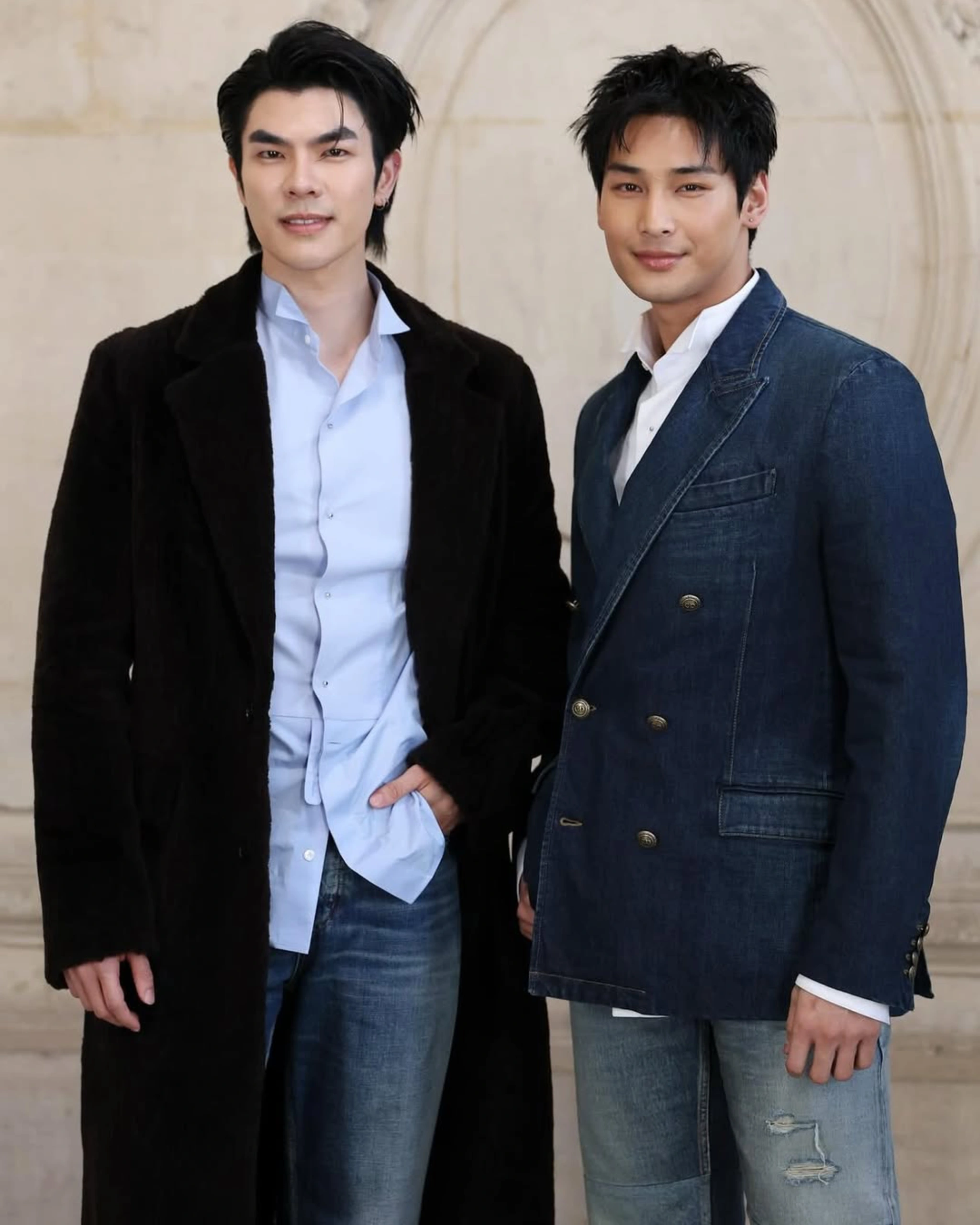
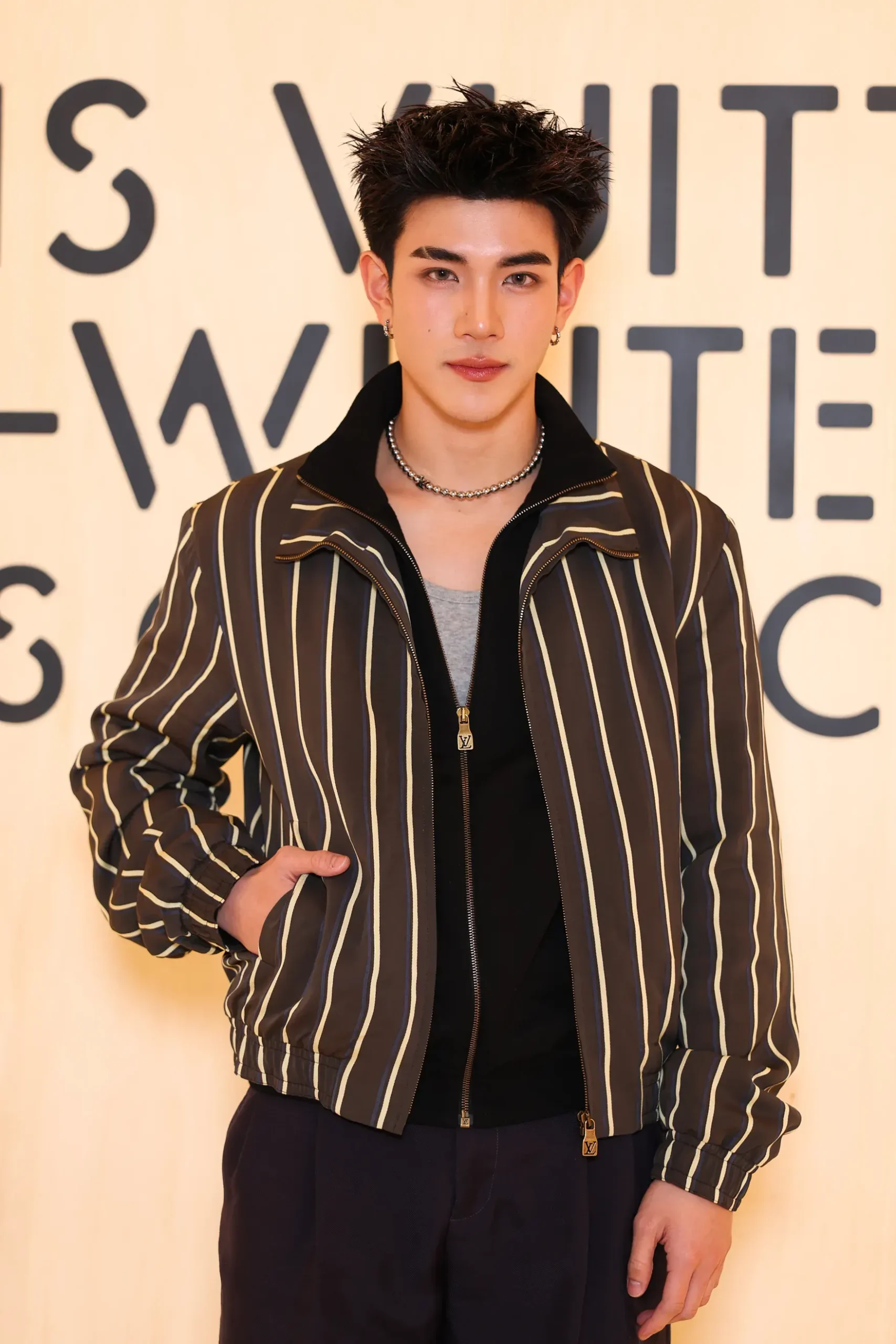
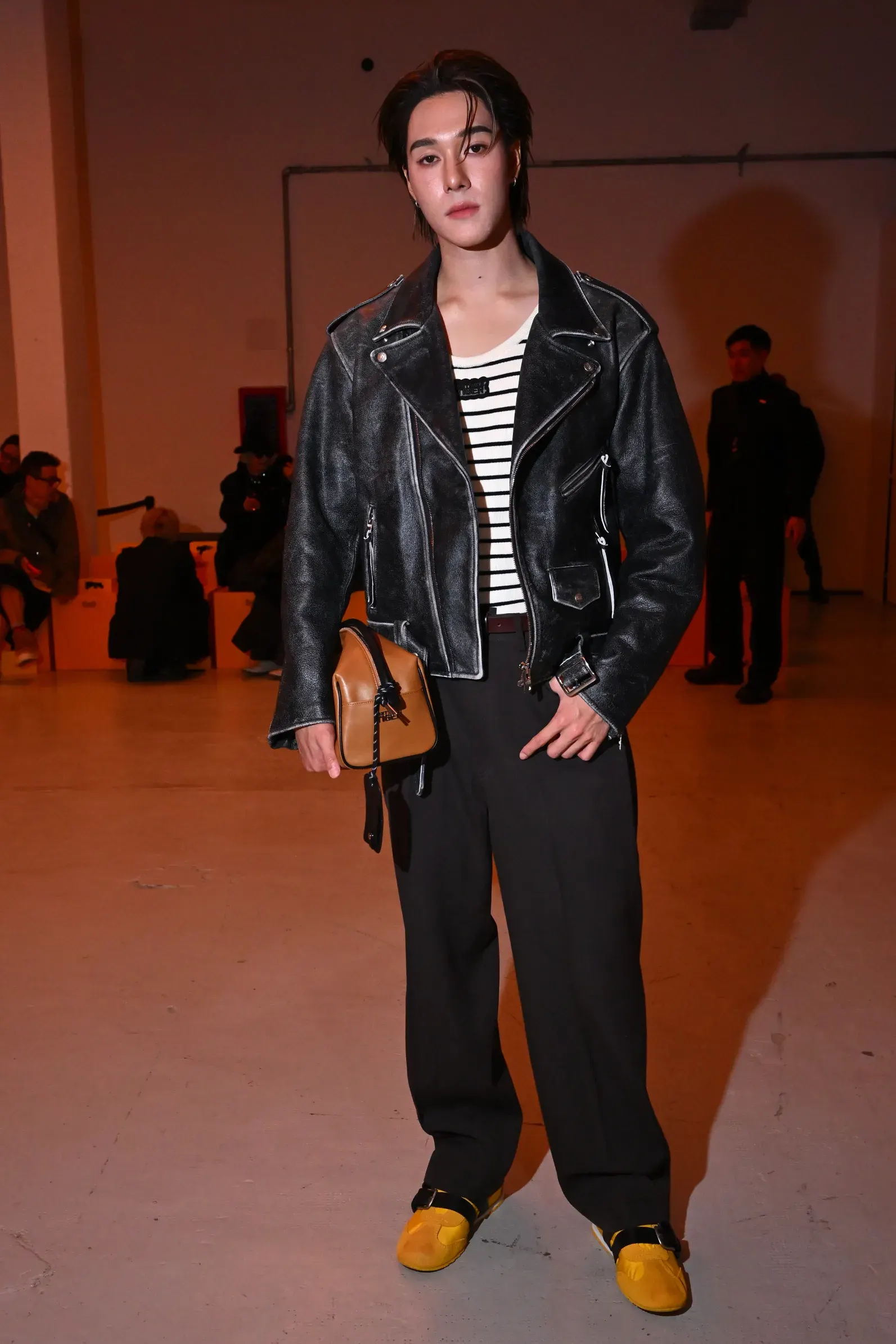
Thailand is emerging as a key beneficiary of this shift. At the FW26 shows, Thai celebrities, particularly actors from television, delivered some of the strongest performance metrics across major luxury houses.
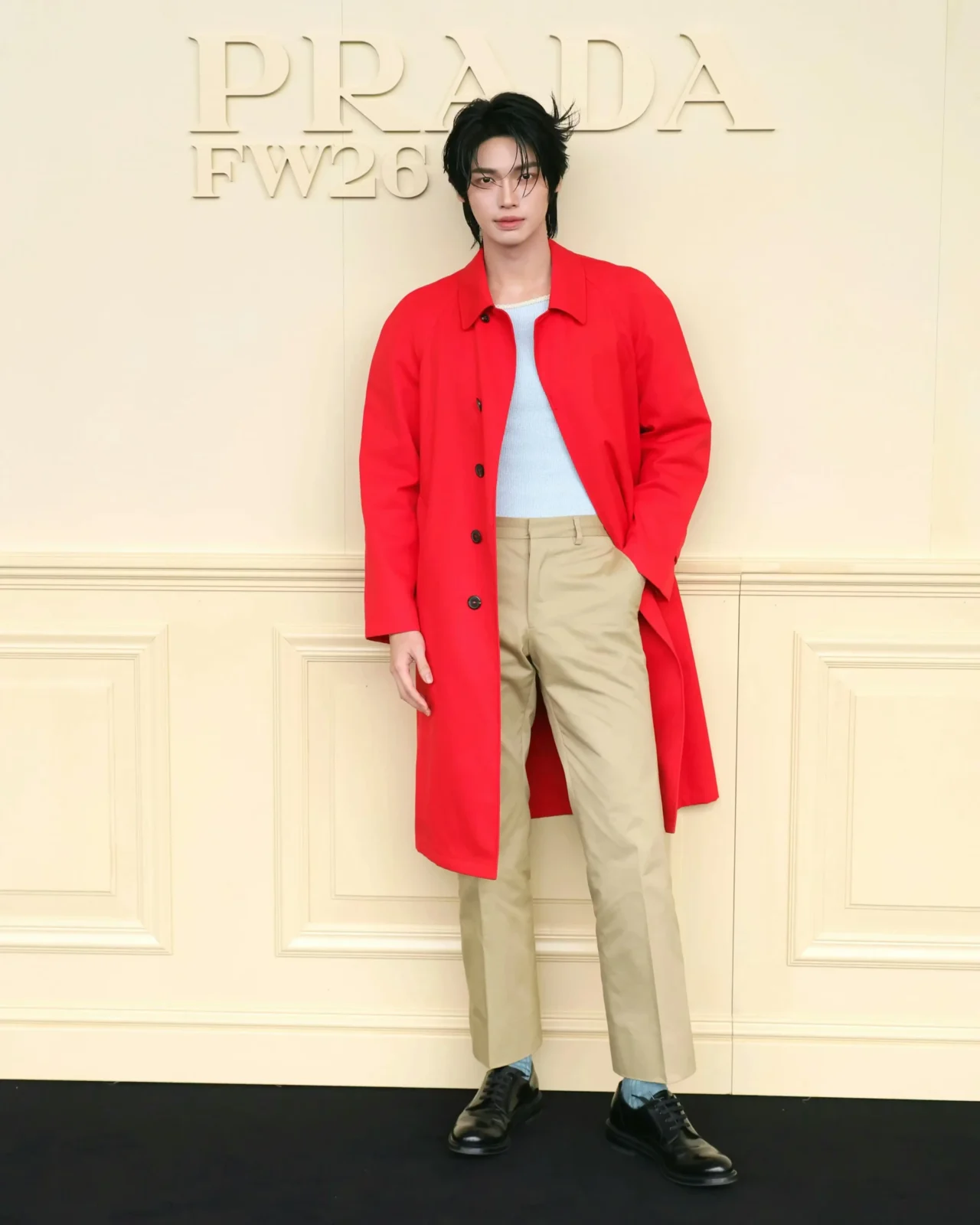
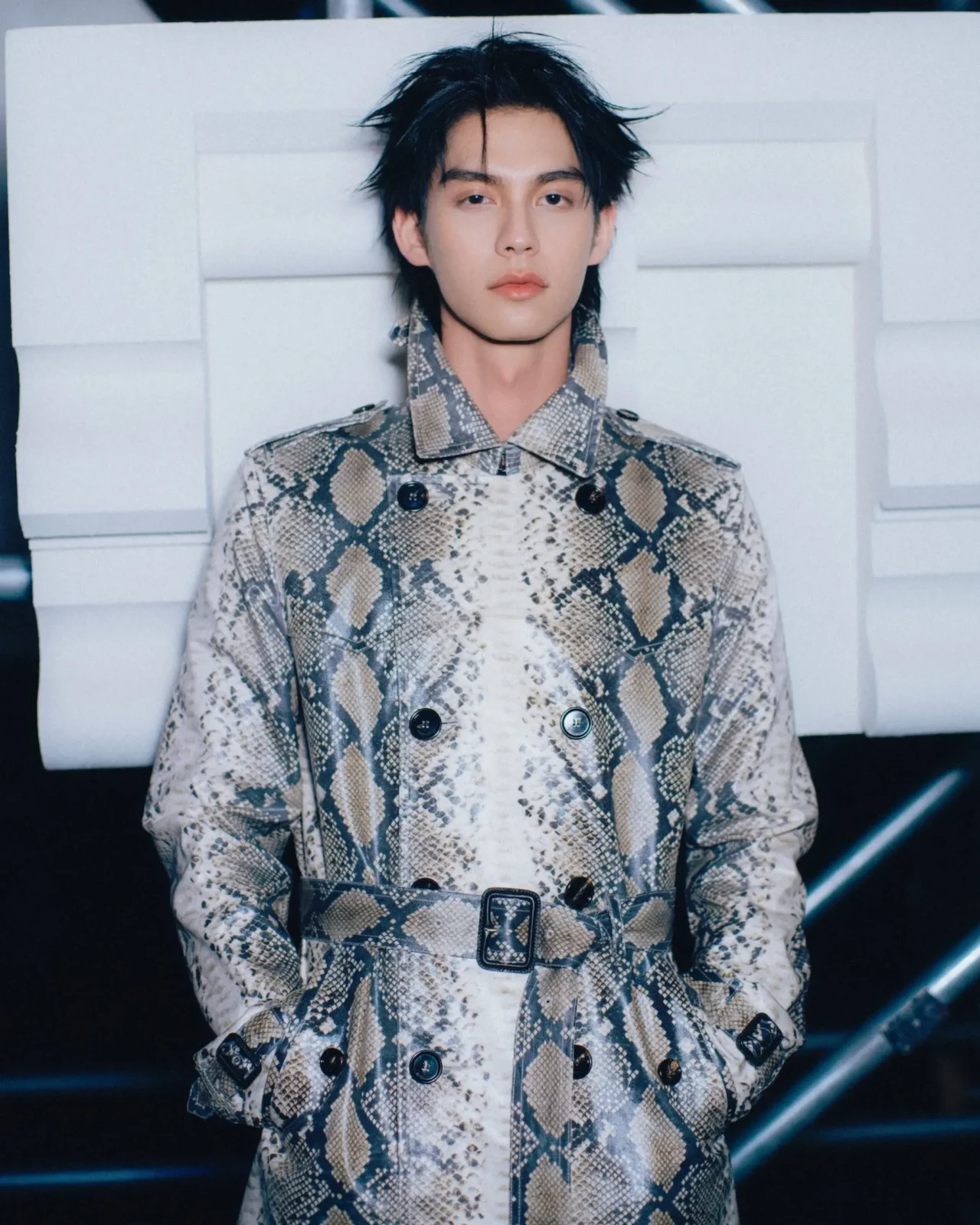
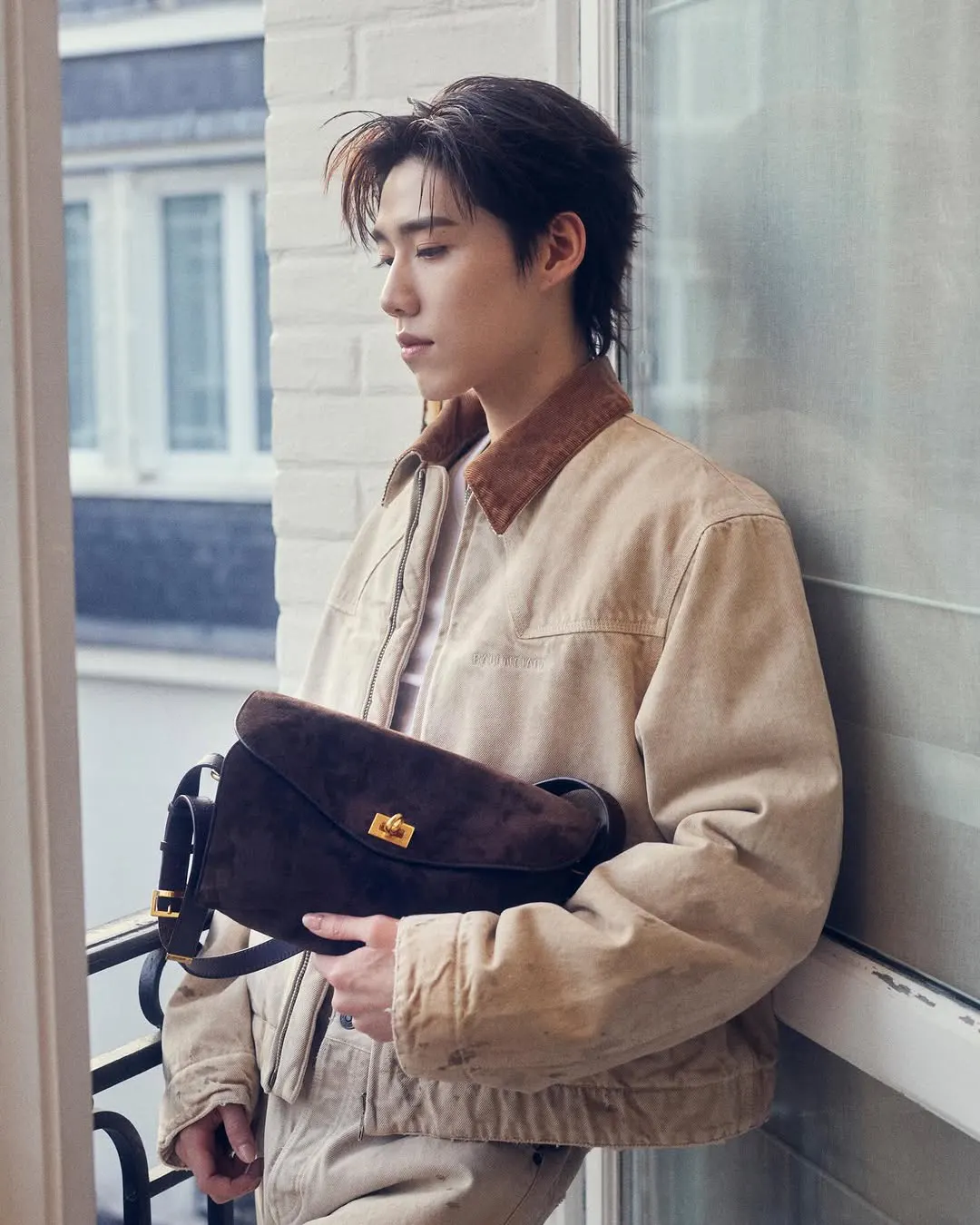
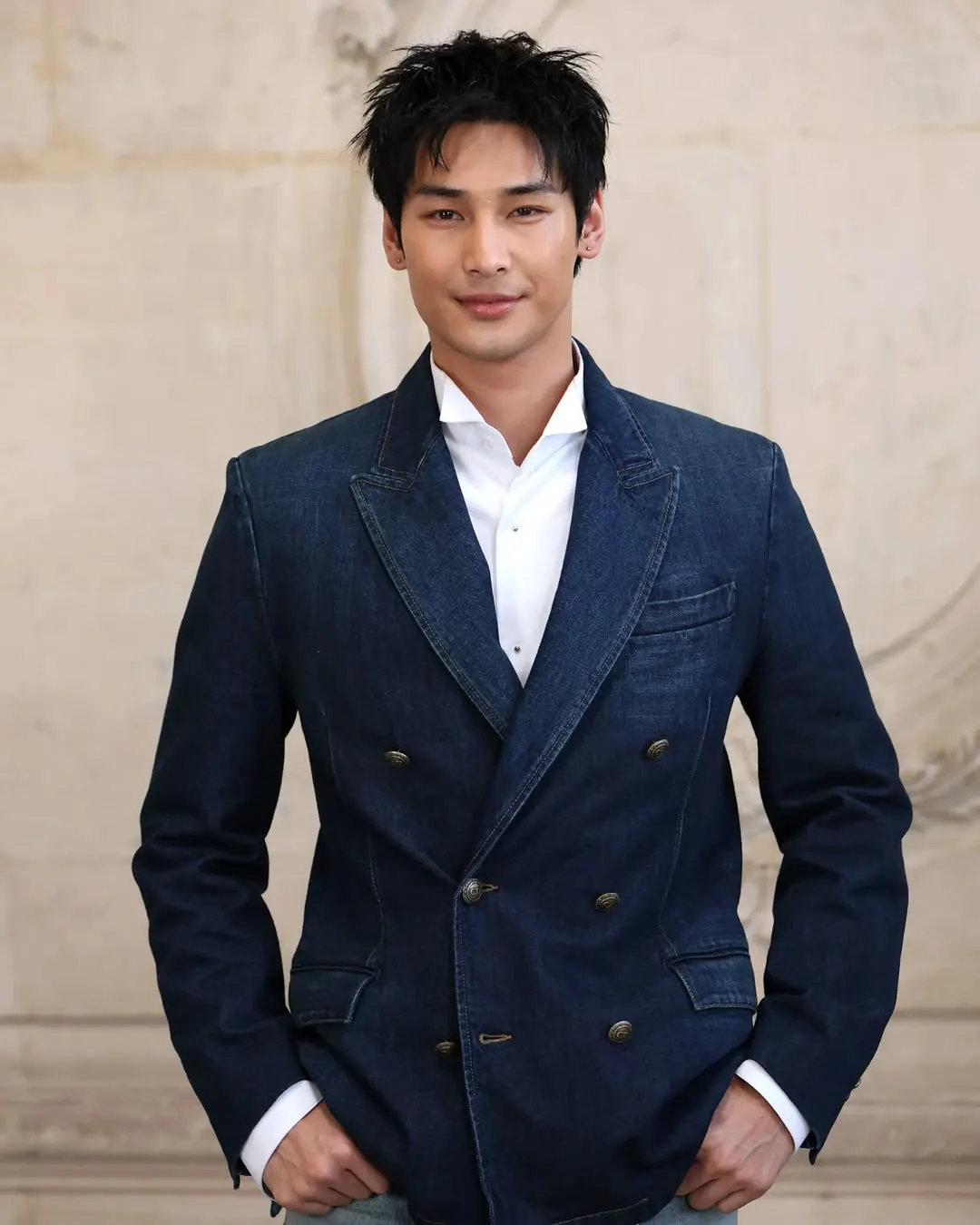
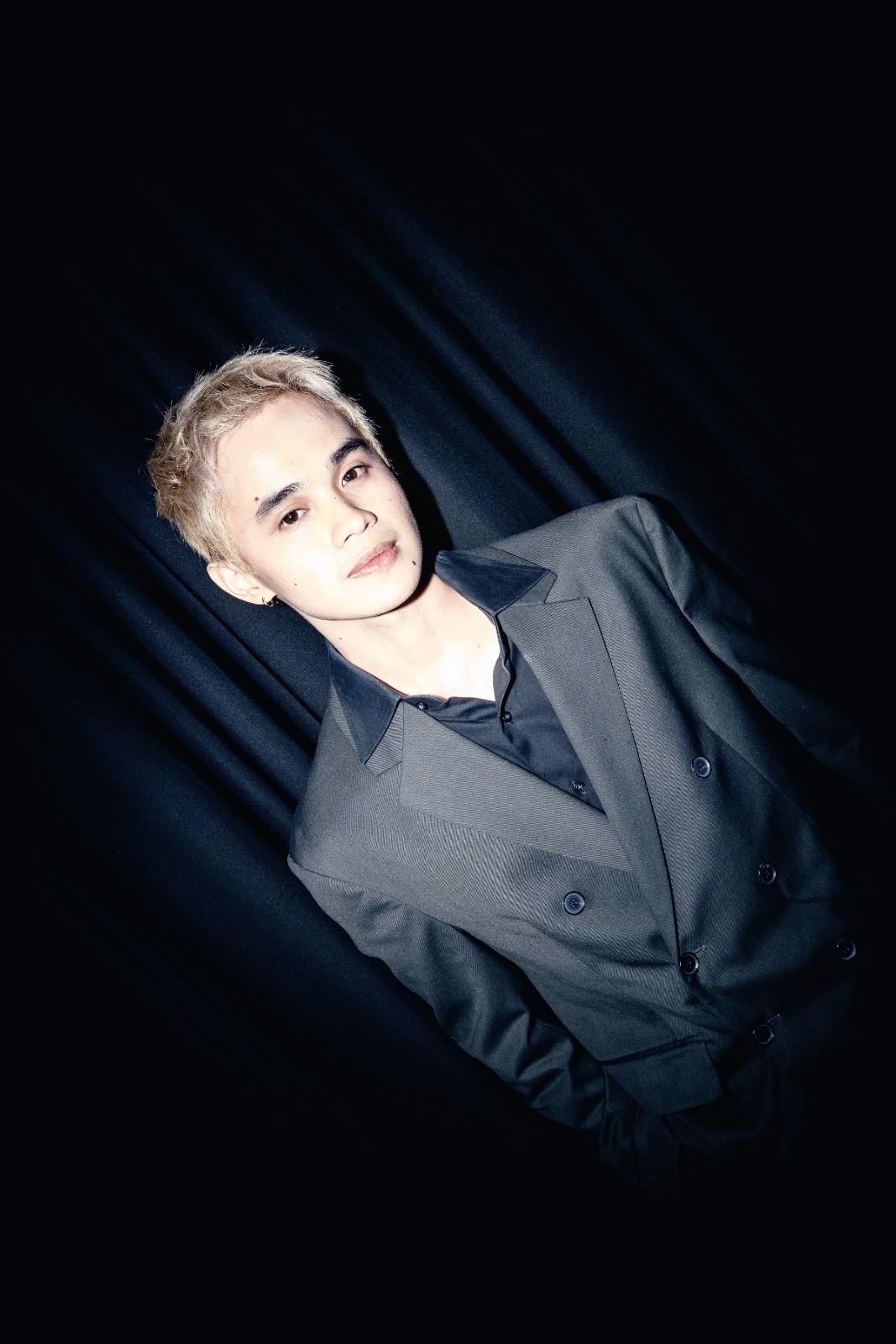
Apo Nattawin, Mile Phakphum, Jeff Satur, BamBam, Fourth Nattawat, Bible Wichapas, Win Metawin, PP Krit Amnuaydechkorn, and Bright Vachirawit have become increasingly visible fixtures at global fashion events, reinforcing the country’s expanding cultural footprint.
ALSO READ: Apo Nattawin and Mile Phakphum: Thai Supernovas
What distinguishes these Thai figures is their visibility and the depth of their engagement. Compared to music-driven celebrities, their audiences show higher interaction rates, suggesting a more sustained and responsive form of influence.
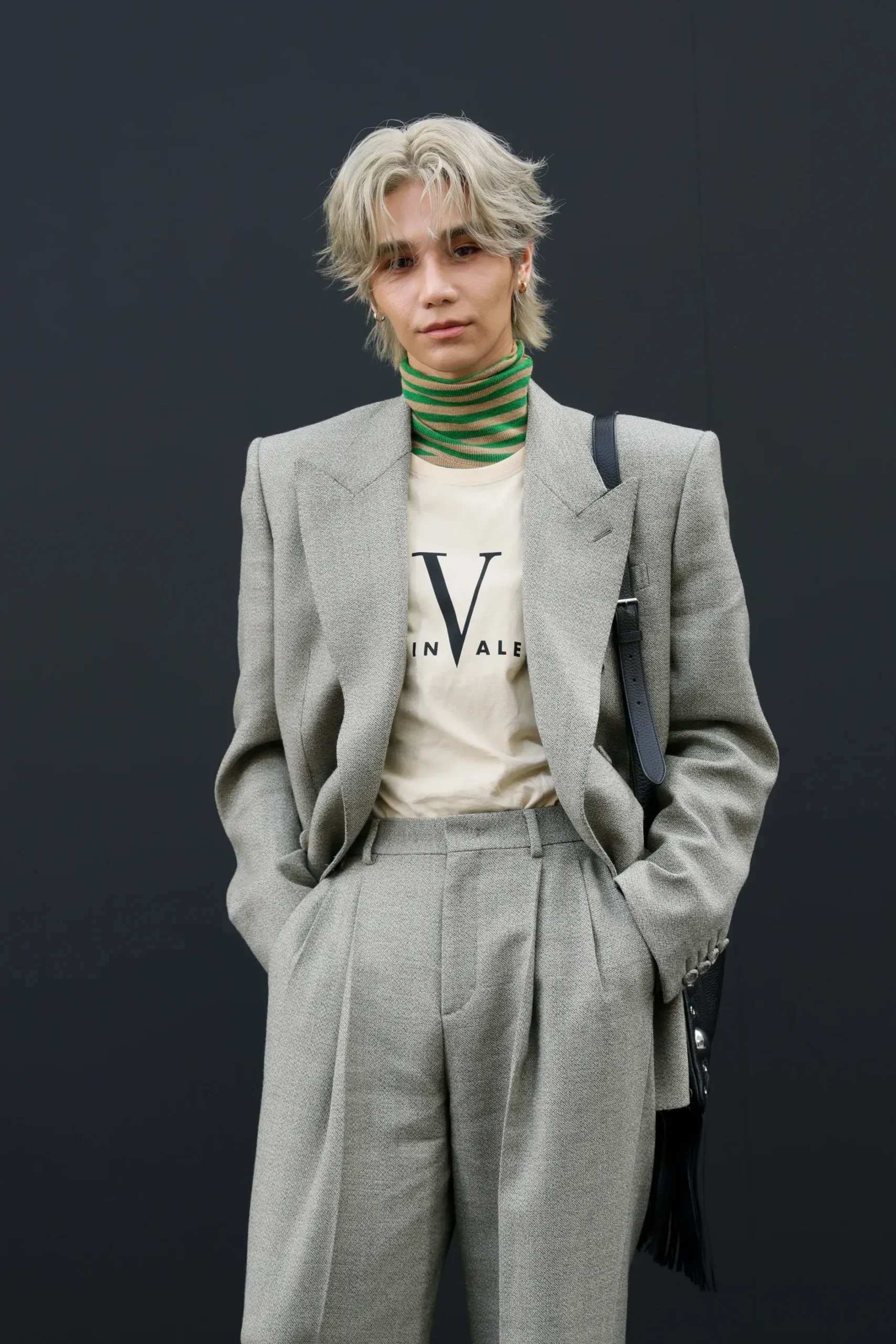
Social rankings now place Thai actors alongside, and in some cases ahead of, established global names such as Jennie of BLACKPINK and Felix of Stray Kids.
Beyond celebrities
The shift extends beyond celebrity presence. Thai designers and creative professionals are gaining ground internationally, supported by a domestic market that is expanding at scale.
Thailand’s fashionFashionThe art and industry of designing, producing, and styling clothing, footwear, accessories, and beauty trends. It reflects cultural influences, personal expression, and evolving styles across seasons and markets.Go to Fashion Glossary e-commerce sector is projected to reach $276.4 billion, with strong revenue links to China. By 2029, the number of users engaged with Thailand’s fashion market is expected to reach 18.1 million. Industry initiatives, including events in New York, are designed to further position Thai designers within global commercial networks.
Soft power as economic policy
Government policy is playing a central role in this transformation. In the wake of economic uncertainty in 2024, Thailand has increased investment in cultural industries, identifying soft power as a driver of long-term growth.
Under Prime Minister Srettha Thavisin, the government has outlined plans to create 20 million jobs and generate approximately 4 trillion baht in annual revenue, with 5.1 billion baht allocated across sectors such as fashion, food, sports, and festivals.
However, the scale of these ambitions has raised questions about execution. Programs like “One Family One Soft Power,” which aim to train millions of citizens as cultural ambassadors, risk overextension without clear implementation frameworks or defined priorities.
Fashion as a signal of global ambition
At the fashion level, the country’s growing importance is already evident. In Bangkok, Dior’s “Gold House,” a concept store featuring a façade of 300 gold-covered windows, marks an increasing confidence in Thailand as a high-value market.
Analysts have described the country as a potential successor to Korea’s cultural influence, although it has not yet matched the full scale or strategic integration of the K-wave, particularly in relation to Chinese consumers.
Thailand’s position remains in transition. Attention is high, and the metrics point to sustained growth, but long-term success will depend on the country’s ability to align policy, industry, and cultural production.
For now, the momentum is clear. The so-called “T-wave” is gaining ground, and its impact on the global fashionFashionThe art and industry of designing, producing, and styling clothing, footwear, accessories, and beauty trends. It reflects cultural influences, personal expression, and evolving styles across seasons and markets.Go to Fashion Glossary system is already being felt.
Frequently Asked Questions
The T-wave refers to Thailand’s growing cultural influence on the global stage, particularly in fashion, following signs of slowdown in South Korea’s hallyu dominance. Thai actors and designers have gained measurable visibility at major luxury fashion weeks, with engagement metrics placing some Thai celebrities alongside established K-pop figures.
Thai actors including Apo Nattawin, Mile Phakphum, Jeff Satur, BamBam, Fourth Nattawat, Bible Wichapas, Win Metawin, PP Krit Amnuaydechkorn, and Bright Vachirawit have become consistent presences at global fashion events. Their audiences show higher interaction rates than those of music-driven celebrities, suggesting a more sustained and responsive form of cultural influence.
Thailand’s fashion e-commerce sector is projected to reach $276.4 billion, with strong revenue links to China, and the number of users engaged with the Thai fashion market is expected to reach 18.1 million by 2029. Industry initiatives including events in New York are positioning Thai designers within global commercial networks.
Under Prime Minister Srettha Thavisin, Thailand has increased investment in cultural industries following economic uncertainty in 2024, with 5.1 billion baht allocated across sectors including fashion, food, sports, and festivals. The government has outlined plans to generate approximately 4 trillion baht in annual revenue and create 20 million jobs through cultural soft power initiatives.
Thailand has not yet matched the full scale or strategic integration of the K-wave, particularly in relation to Chinese consumers. However, its growing presence at fashion weeks, expanding domestic market, and government-backed soft power investment have positioned it as a credible successor, with analysts describing the T-wave as one of the most significant cultural shifts currently reshaping Asian fashion’s global landscape.
Recommended Video