The Newsboy Cap Is Everywhere Right Now
The newsboy cap returns to menswear through a convergence of cultural references, linking its working-class origins to runway reinterpretations




A cap reconsidered
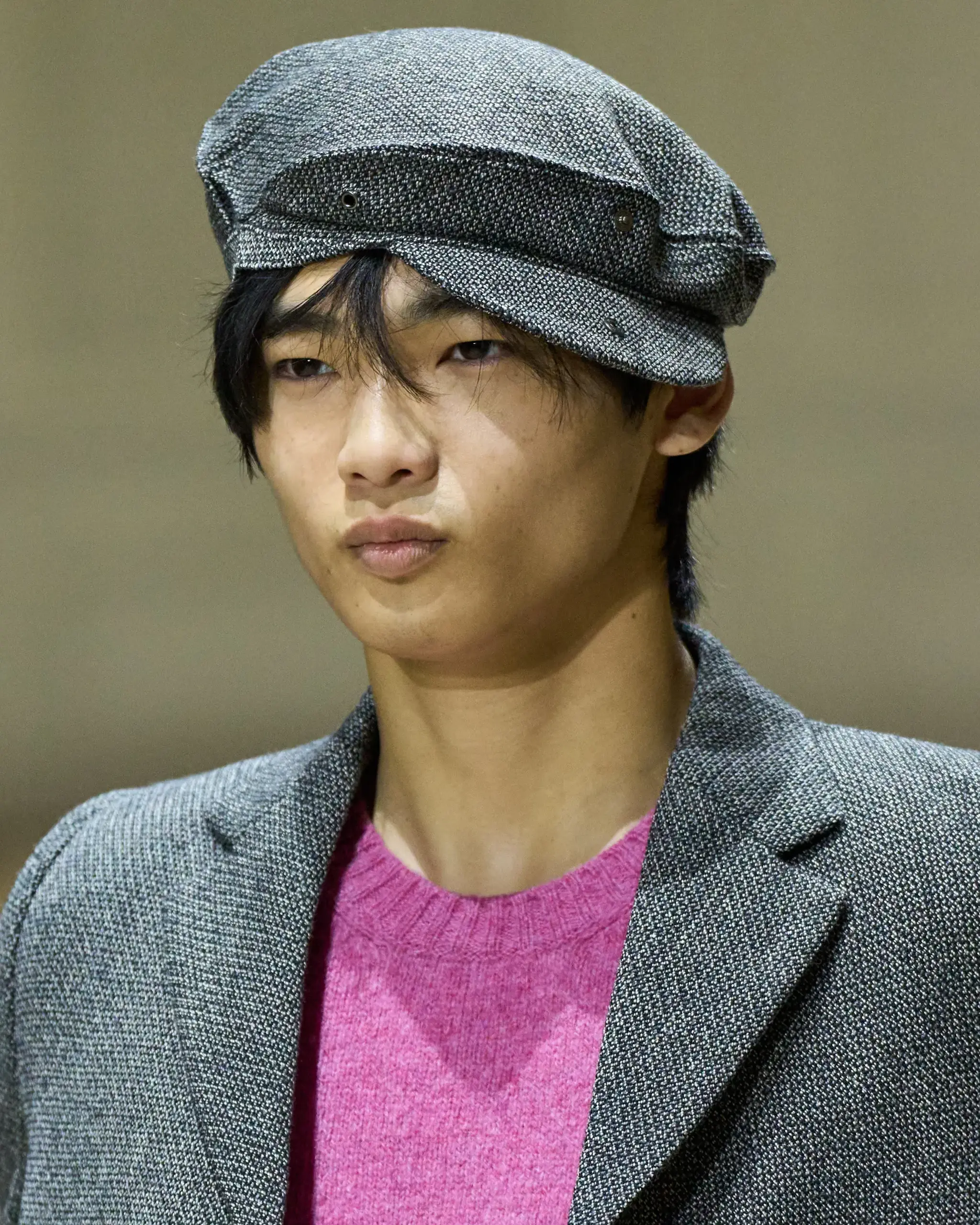
The return of the newsboy cap marks a convergence of references that feel newly relevant all at once. Across runways and social media, the flat cap and its paneled counterpart, the coppola, are reappearing with unusual frequency.
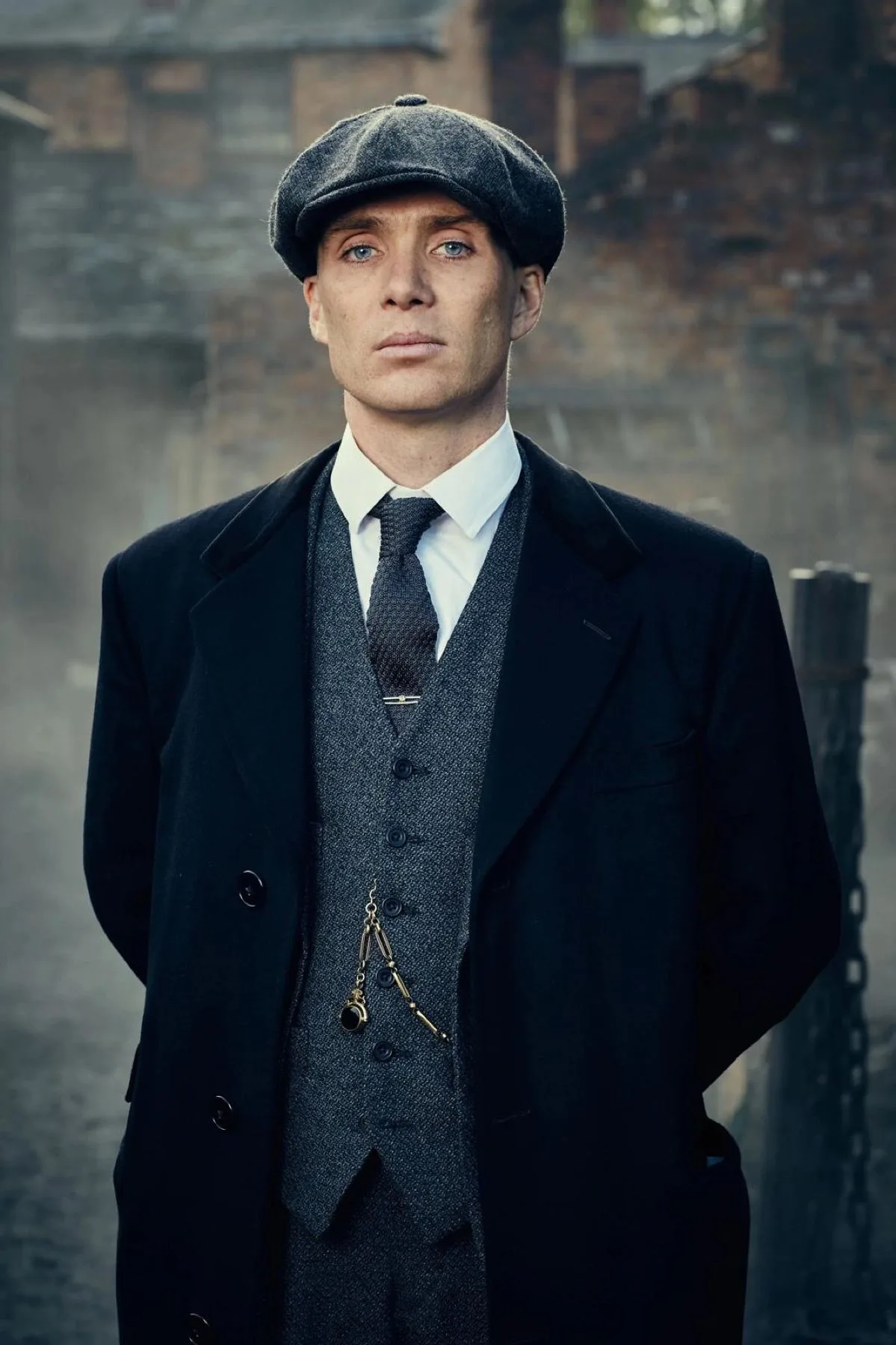
Their resurgence seems tied to an overlap of visual cultures. On one side is the enduring influence of Peaky Blinders, where Cillian Murphy’s sharply angled cap has come to signify a certain style.
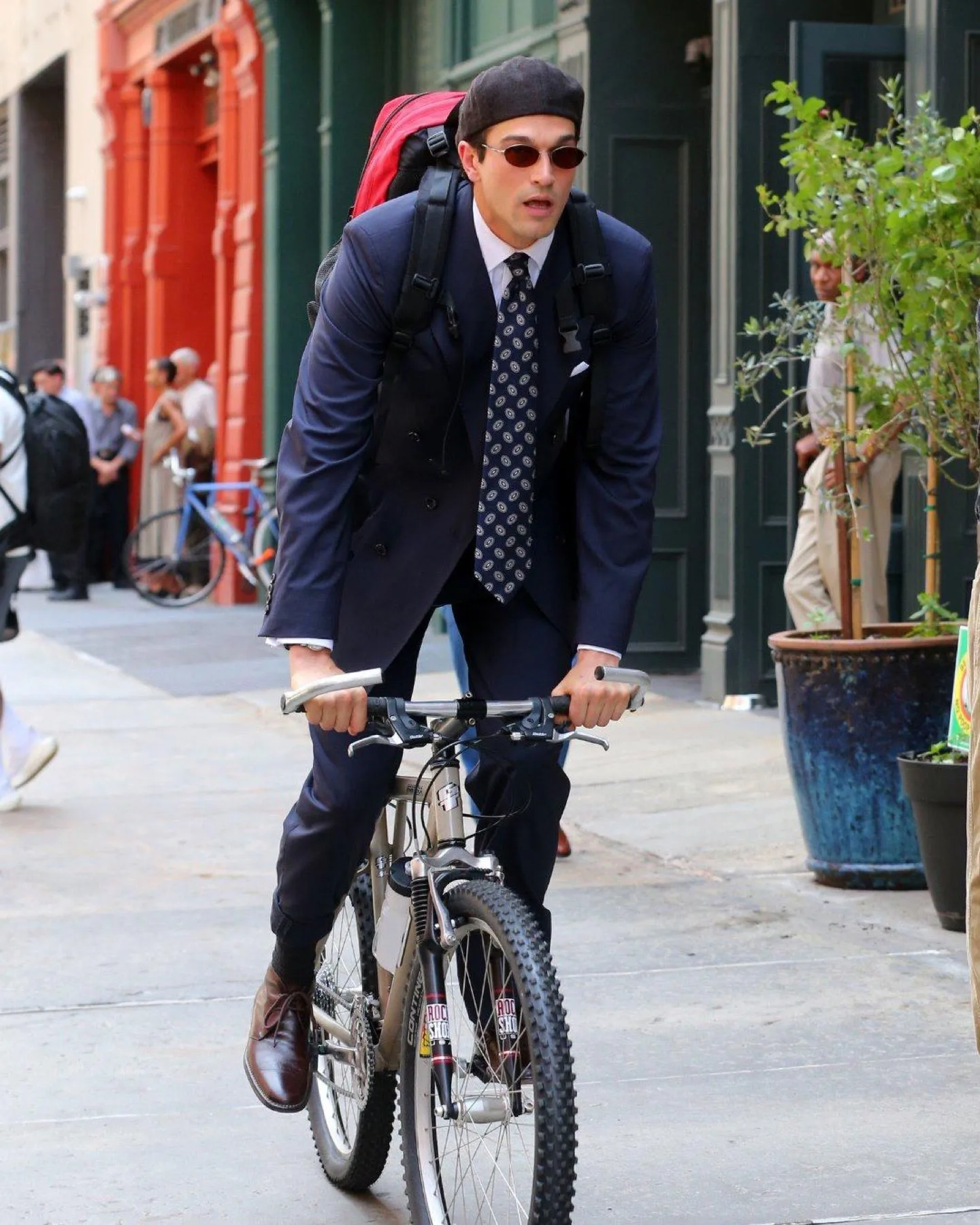
On the other hand is the renewed circulation of John F. Kennedy Jr.’s off-duty style, particularly his habit of wearing caps backwards, now widely shared following the popularity of the series Love Story. Together, these images have helped reposition the cap within contemporary menswear.
Historically, the flat cap has moved between class markers and cultural meanings. Introduced in England in the late 16th century as compulsory headwear for men, it became closely associated with the working class.
From mandate to marker
By the Industrial Revolution, two distinct forms had emerged. The flat cap, cut from a single piece of fabric, was practical and widely worn by laborers. The newsboy cap, constructed with multiple panels and a buttoned crown, carried a slightly more stylized identity.
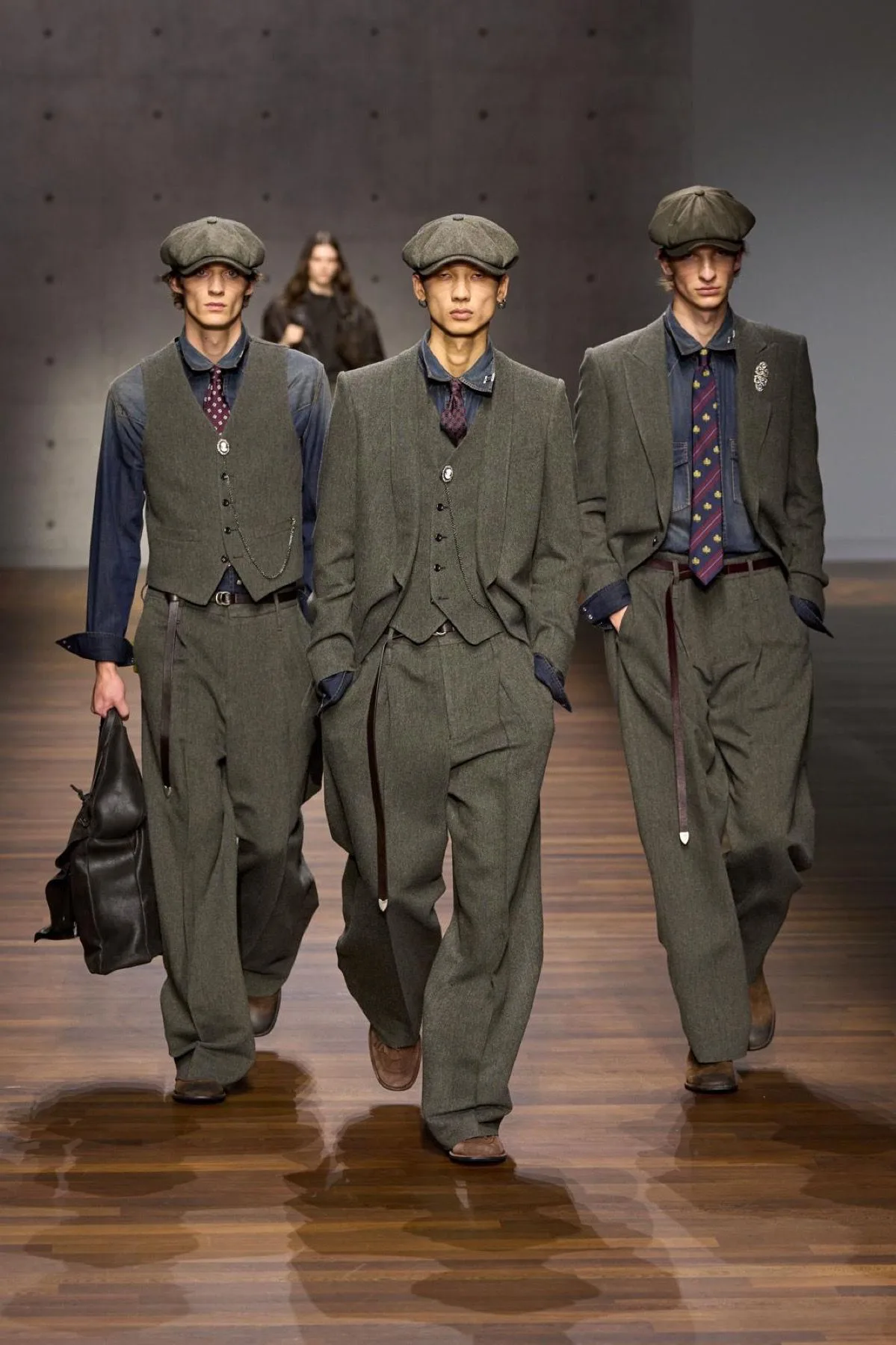
This version would later travel beyond Britain, gaining traction in southern Italy, where it became known as the coppola. There, it acquired layered social connotations, captured in a Neapolitan saying that links the tilt of the cap to either criminality or luxury.
Over time, the cap has repeatedly shifted its cultural position. In the 1960s, it was adopted by British Mods, who reframed it as their style choice. In the 1970s, it appeared among musicians and intellectual figures, including Miles Davis and Donny Hathaway, suggesting a more introspective authority.
Subcultures and reinterpretation
John F. Kennedy Jr. remained one of the most referenced figures in the current revival. His approach to the cap, particularly its casual styling, is being widely imitated on social media platforms.
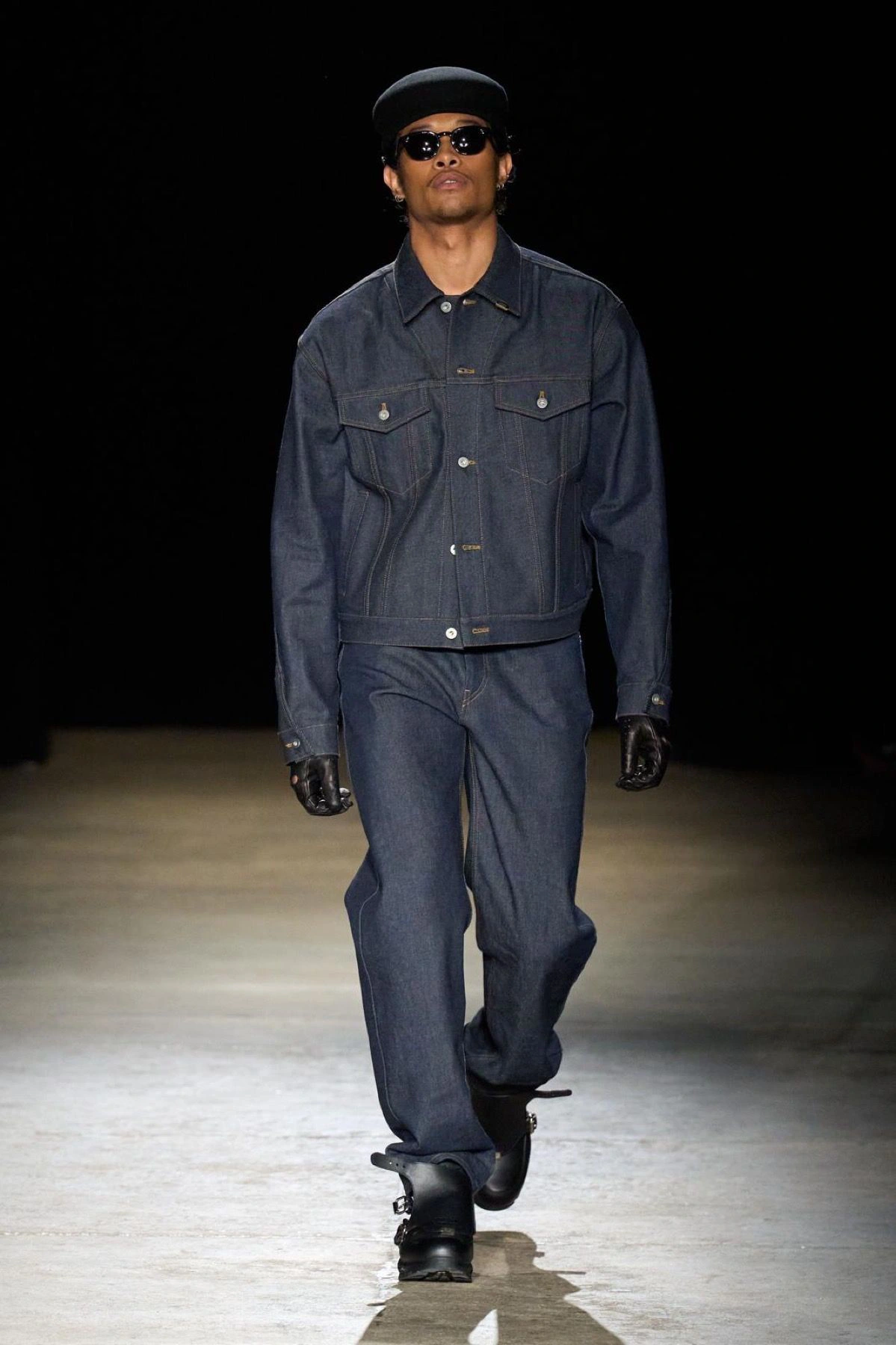
FashionFashionThe art and industry of designing, producing, and styling clothing, footwear, accessories, and beauty trends. It reflects cultural influences, personal expression, and evolving styles across seasons and markets.Go to Fashion Glossary houses have responded quickly to this renewed attention. At Prada, the newsboy cap appeared in a darker context, styled low over the face or integrated into garments with an almost distressed quality.
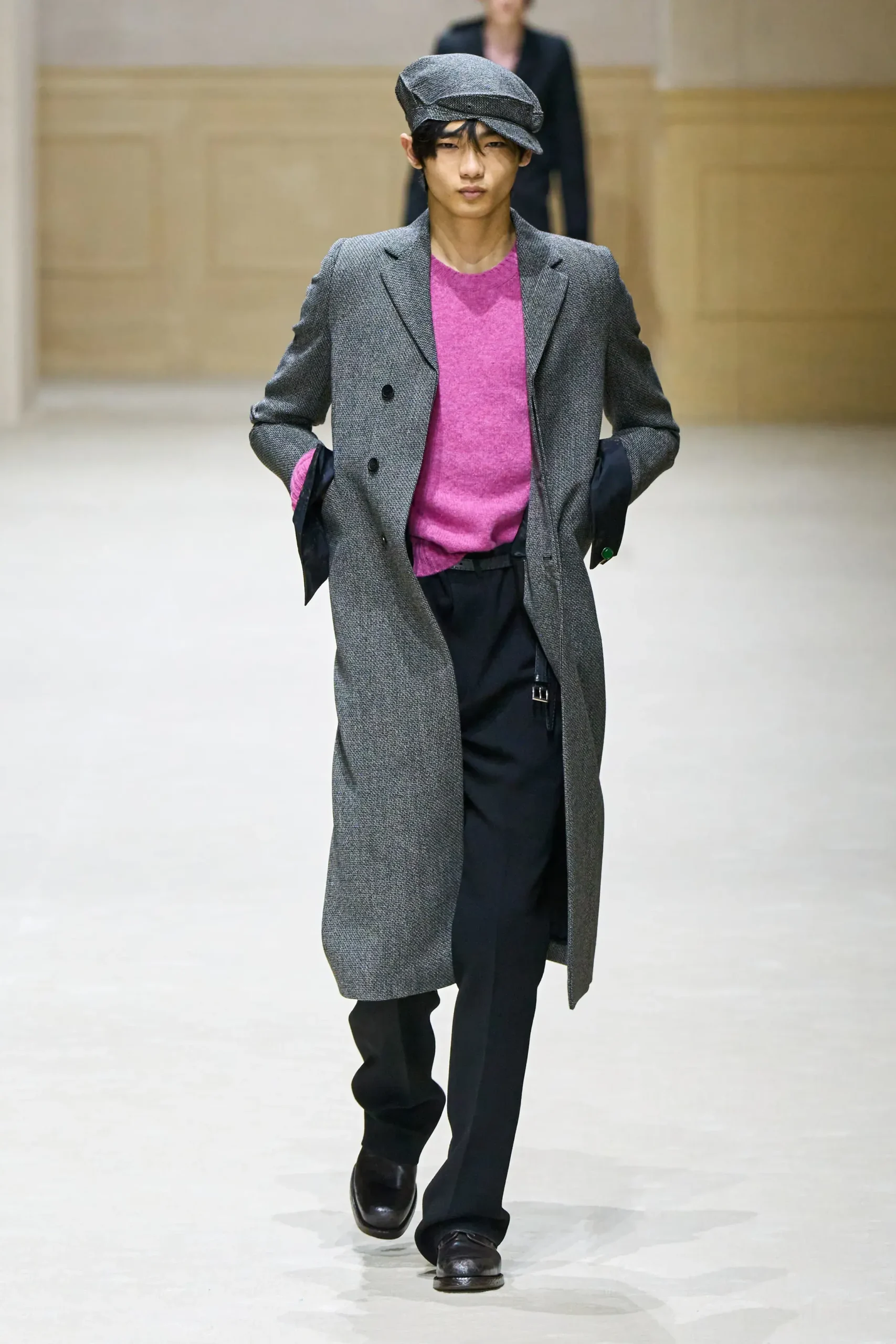
Emporio Armani continues to treat the cap as part of its evolving design language, presenting it in both tailored and casual forms. Dolce&Gabbana, by contrast, emphasize its Sicilian roots, positioning the coppola as a symbol of Mediterranean identity.
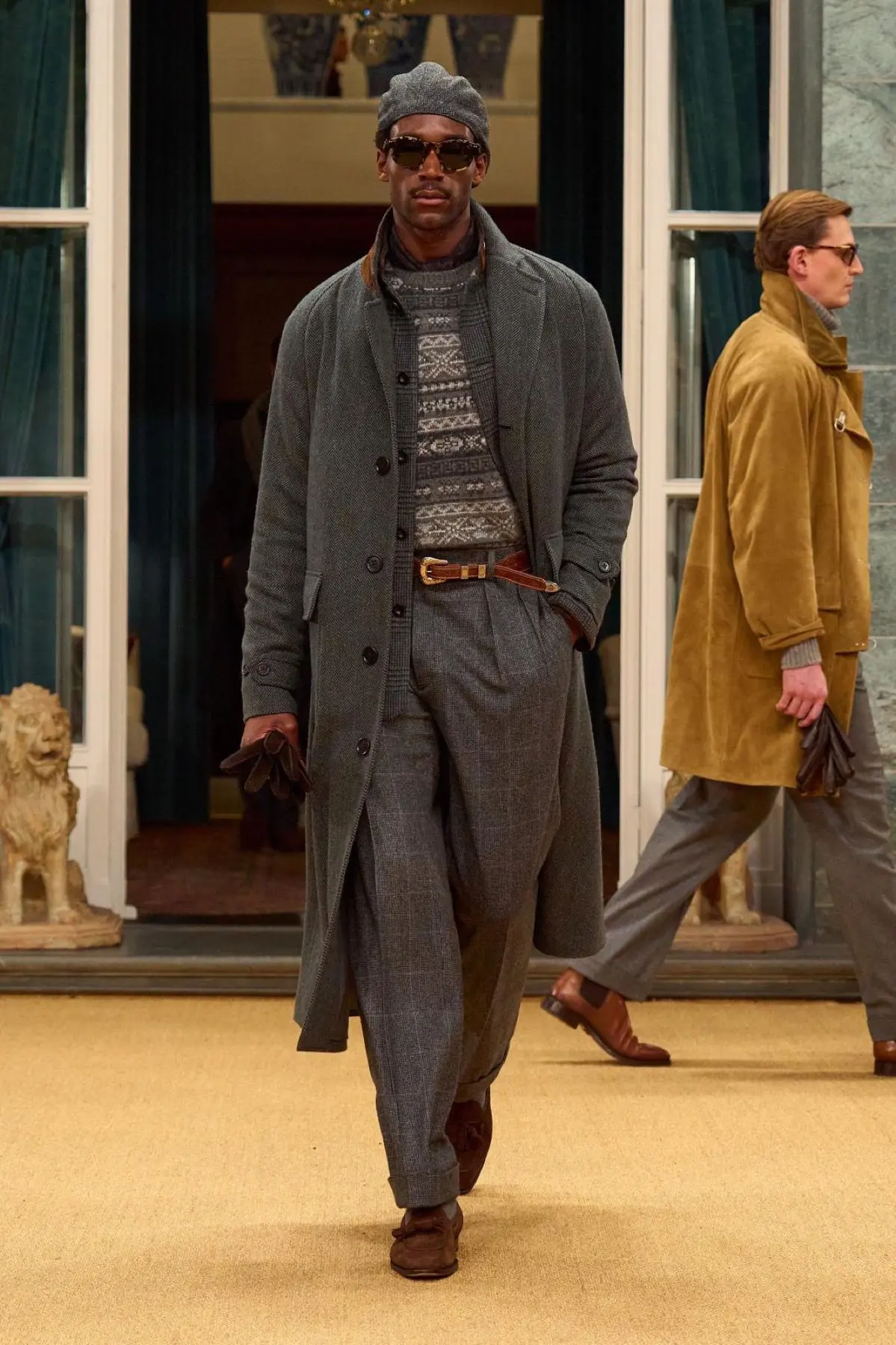
Other brands have approached the cap through different lenses. Ralph Lauren has aligned it with an old-money aesthetic, drawing directly from American heritage references associated with Kennedy.
A cap in flux
Emerging designers have also engaged with the cap’s cultural history. 3.Paradis incorporated it into looks that draw from hip-hop and cinematic styling, while designers such as Junya Watanabe and Yohji Yamamoto pushed its structure further, transforming it into a more sculptural accessory.
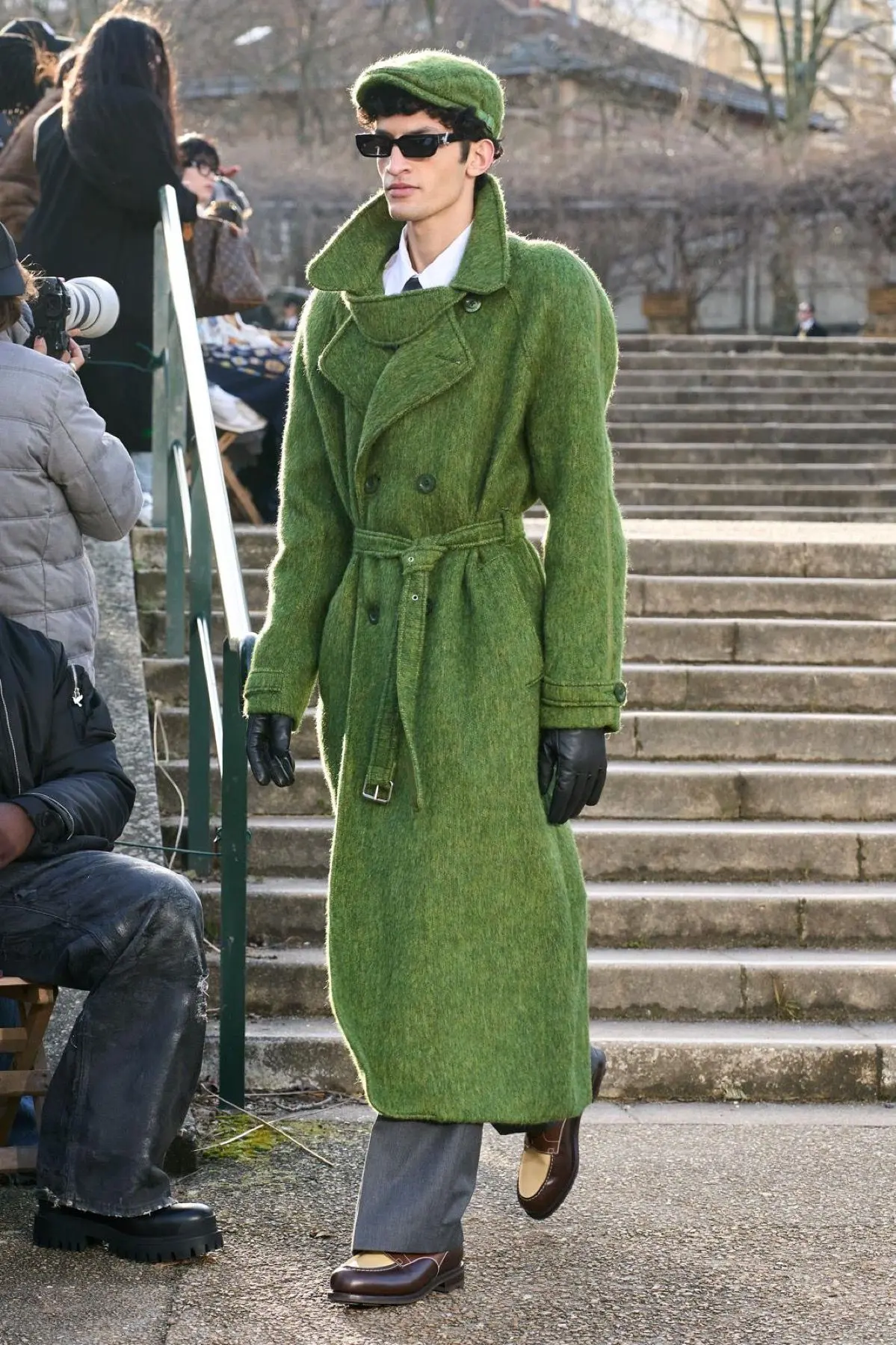
The current revival of the newsboy cap reflects its longstanding adaptability. It has functioned as workwear, a subcultural symbol, and a fashion statement across different periods. Its meaning has never been fixed, and its reappearance now suggests a continued interest in pieces that can carry multiple associations at once.
Whether worn straight, tilted, or reversed, the cap remains defined by this flexibility, allowing it to move easily between references while retaining a recognizable form.
Frequently Asked Questions
The newsboy cap’s resurgence is driven by an overlap of cultural references — the continued influence of Peaky Blinders, the renewed circulation of JFK Jr.’s off-duty style following the popularity of the series Love Story, and increased runway visibility at houses including Prada, Emporio Armani, and Dolce&Gabbana.
The flat cap is cut from a single piece of fabric and has a low, structured profile. The newsboy cap is constructed from multiple panels with a buttoned crown, giving it a more voluminous silhouette. The coppola is the southern Italian adaptation of the newsboy cap, with layered cultural and social connotations rooted in Sicilian identity.
The flat cap originated in late 16th-century England as compulsory headwear for working-class men. By the Industrial Revolution, the paneled newsboy cap had emerged as a more stylized variant. Over the following centuries it was adopted by British Mods, musicians including Miles Davis and Donny Hathaway, and subcultural movements before entering mainstream fashion.
Designers are approaching the cap through distinct lenses. Prada styles it with a darker, almost distressed quality. Dolce&Gabbana emphasizes its Sicilian coppola roots. Ralph Lauren aligns it with American heritage and old-money references. Junya Watanabe and Yohji Yamamoto push its structure toward sculptural accessory territory.
The newsboy cap has functioned as workwear, a subcultural symbol, and a fashion statement across different periods and class contexts. Its meaning has never been fixed — shifting from working-class utility to Mod appropriation to luxury runway accessory — which is precisely what makes it a recurring object of reinterpretation in menswear.
Recommended Video