
Why Some Wardrobes Are Embracing Raw Denim
Moving away from fast fashion, enthusiasts are collecting unwashed, rigid selvedge denim to create personalized, one-of-a-kind wear patterns




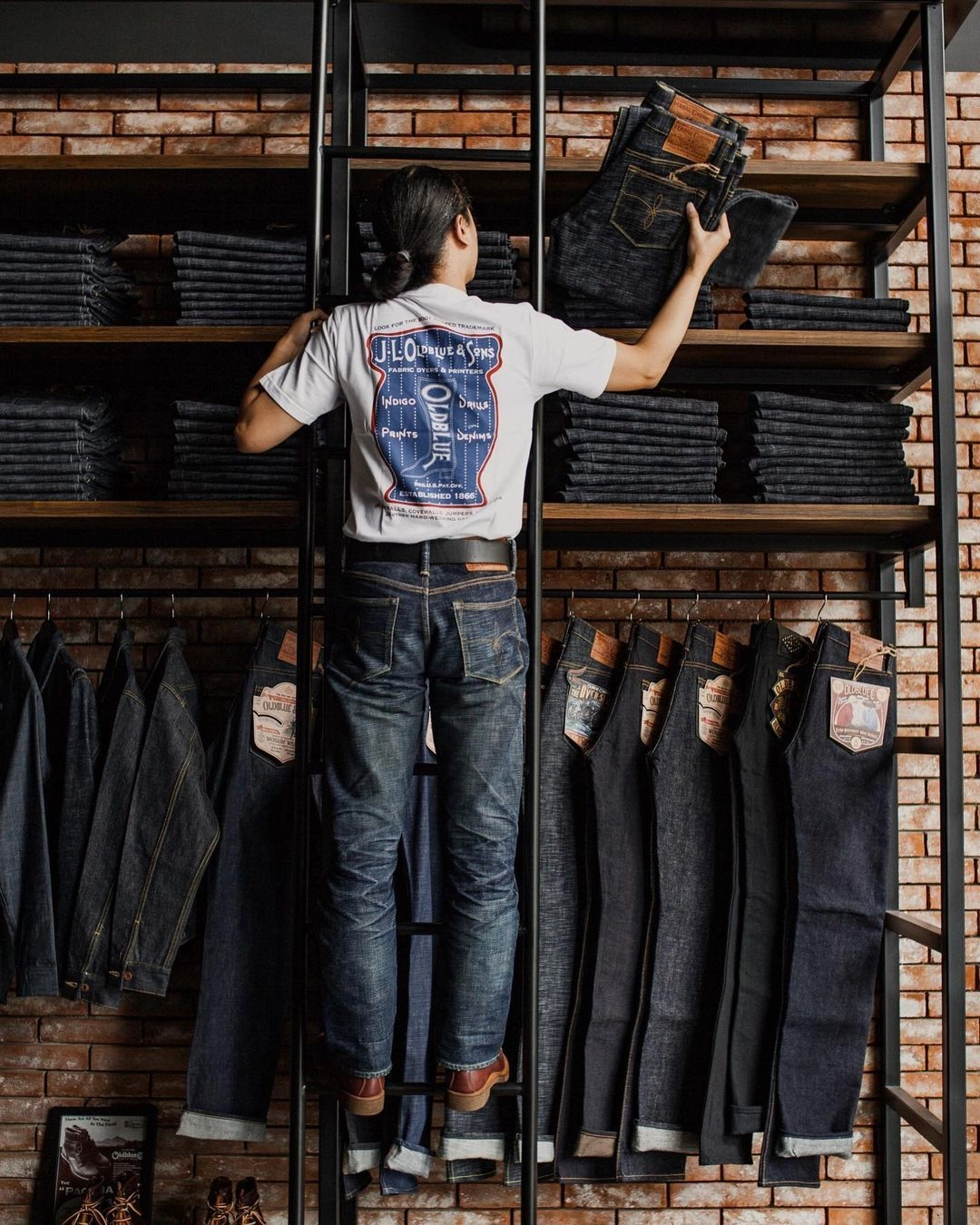
- Raw denim offers custom wear patterns and natural honeycombs that develop specifically around the wearer’s daily lifestyle.
- Vintage shuttle looms and traditional selvedge construction provide craftsmanship and fabric durability that mass-produced jeans lack.
- Collecting denim highlights an appreciation for heritage workwear, Japanese textile artistry, and sustainable slow fashion.
The appeal of the unprocessed canvas
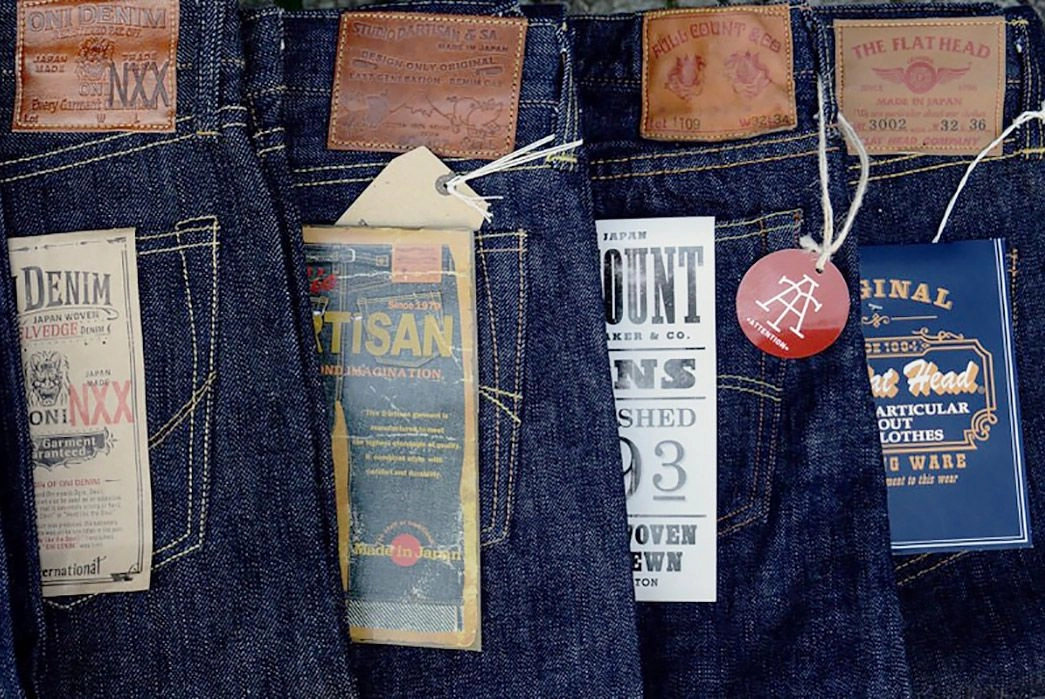
Unlike standard commercial jeans that undergo chemical distressing and stonewashing, raw denim arrives untouched, stiff, and deeply saturated in indigo dye. Buying an unwashed pair is equivalent to purchasing a blank, rigid canvas waiting for personal use.
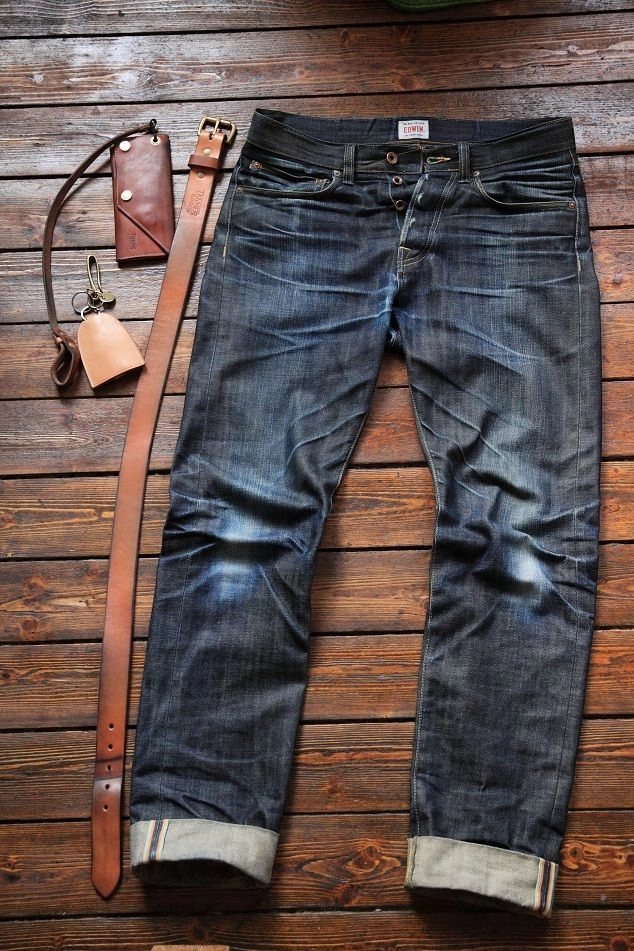
As the wearer walks, sits, and lives in the garment, the natural indigo dye slowly rubs off high-friction areas over months of wear. This gradual process creates personalized whiskers across the thighs, honeycombs behind the knees, and subtle train-track fades along the seams.
No two pairs of raw denim ever look identical once broken in, making each garment a direct visual reflection of the owner’s habits. This distinct individuality makes raw denim far more rewarding than off-the-rack distressed clothing.
Selvedge heritage and traditional shuttle looms
The allure of raw denim is deeply rooted in traditional manufacturing methods, particularly Japanese selvedge woven on vintage shuttle looms. These slower, heritage looms operate with low tension, creating rich, uneven slub textures and structural durability.
The iconic self-finished fabric edge—visible when cuffing the jeans—serves as an international hallmark of premium craftsmanship. Enthusiasts love examining subtle details like hidden copper rivets, thick leather patches, and durable chain-stitched hems.
Collecting denim from historic mills in Okayama, Japan, or legacy American brands connects wearers to authentic textile history. It shifts consumer focus away from disposable wardrobe trends toward pieces built to last for decades.
Sustainable wardrobe philosophy and mindful wear
Collecting raw denim encourages a deliberate, mindful approach to menswear, where less is genuinely more. Instead of buying dozens of fast-fashionFashionThe art and industry of designing, producing, and styling clothing, footwear, accessories, and beauty trends. It reflects cultural influences, personal expression, and evolving styles across seasons and markets.Go to Fashion Glossary pairs, enthusiasts invest in a few heavy-duty weights built for long-term repair.
Participating in online denim communities allows enthusiasts to share fade progress photos, care techniques, and darning restoration tips. The hobby celebrates the marks of repair, viewing sashiko stitching and patched knees as badges of honor.
Ultimately, the obsession with raw denim proves that clothes become more valuable as they age. It transforms a humble workwear garment into a beloved collector’s piece that tells a rich personal story through every worn thread.
Frequently Asked Questions
Raw denim is unwashed and untreated from the mill, allowing it to fade uniquely to the wearer’s body, while regular jeans are pre-washed and artificially distressed.
Selvedge refers to the self-finished edge of fabric woven on vintage shuttle looms, which prevents fraying and indicates premium production.
Most enthusiasts wear their pairs for three to six months before their first gentle wash to set sharp, high-contrast fade lines.
Friction and body heat cause the surface indigo dye to chip away from the white cotton core in high-wear areas over time.
Weight refers to the ounces per square yard of fabric, ranging from lightweight summer denim (10–12 oz) to heavy, stiff variants (16–25+ oz).
Recommended Video