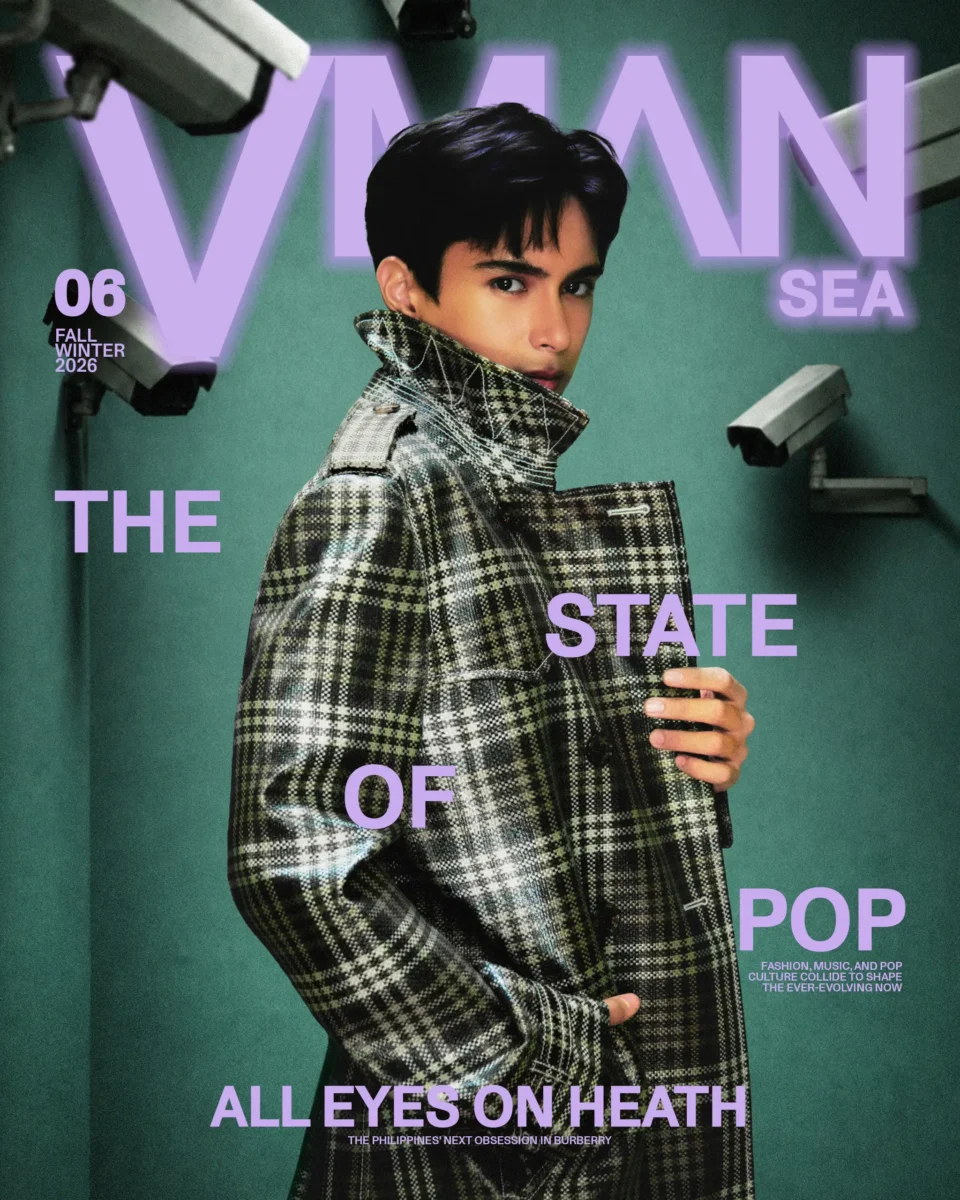
Fashion’s New Mood Is Romance on the Runway
Fashion has turned unexpectedly tender this season, trading hard-edged sensuality for silk, velvet, and a mood of romance




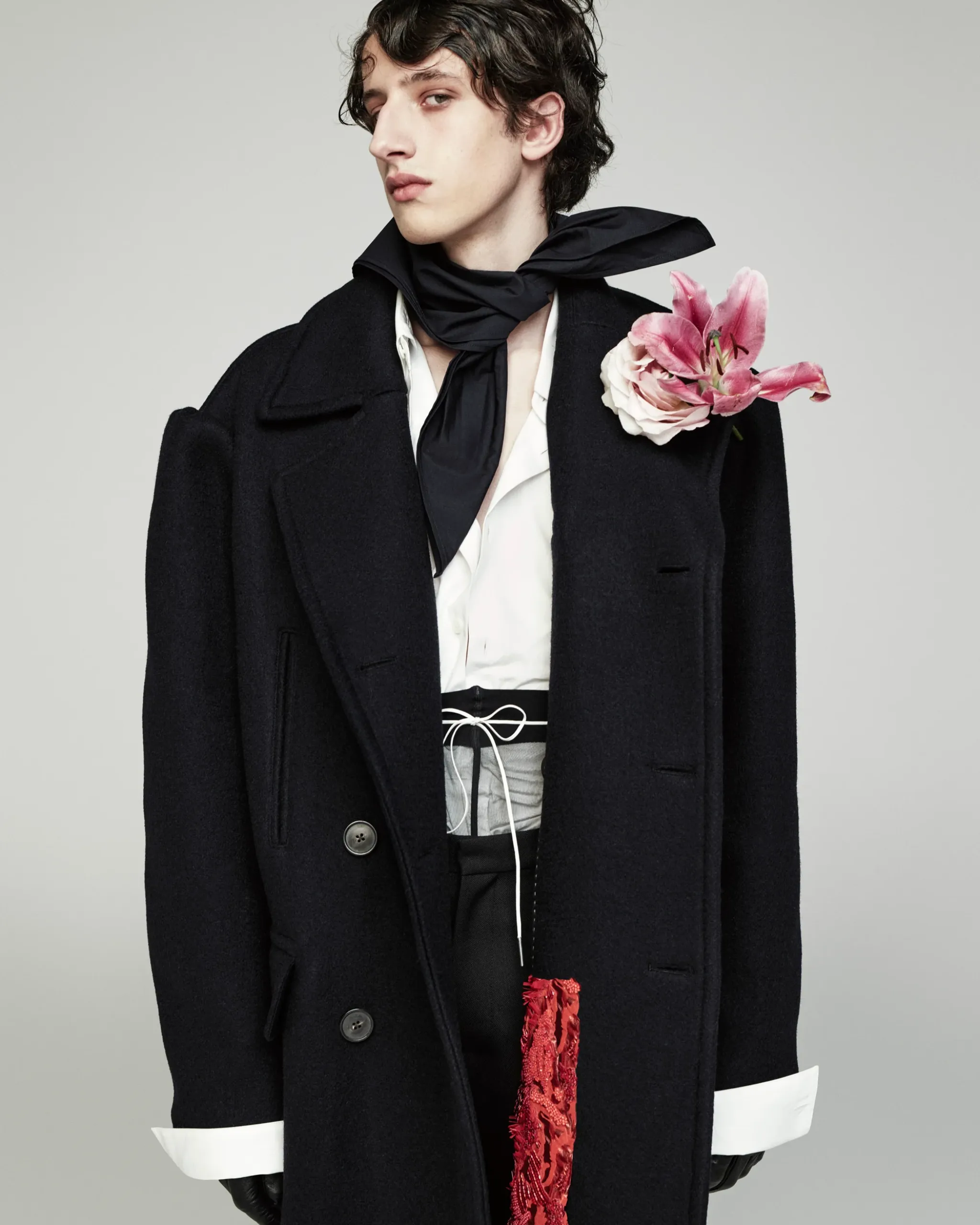
How texture and romance are redefining the runway
FashionFashionThe art and industry of designing, producing, and styling clothing, footwear, accessories, and beauty trends. It reflects cultural influences, personal expression, and evolving styles across seasons and markets.Go to Fashion Glossary, lately, has been in the mood for love.
It is not Valentine’s season yet, but designers have begun to stage a rebellion against the sex-charged spectacle that has defined recent years. Where bare skin, hard silhouettes, and brash sensuality once dominated, a softer language is starting to emerge: silk and velvet instead of vinyl and leather, lace instead of latex, brooches instead of chains.
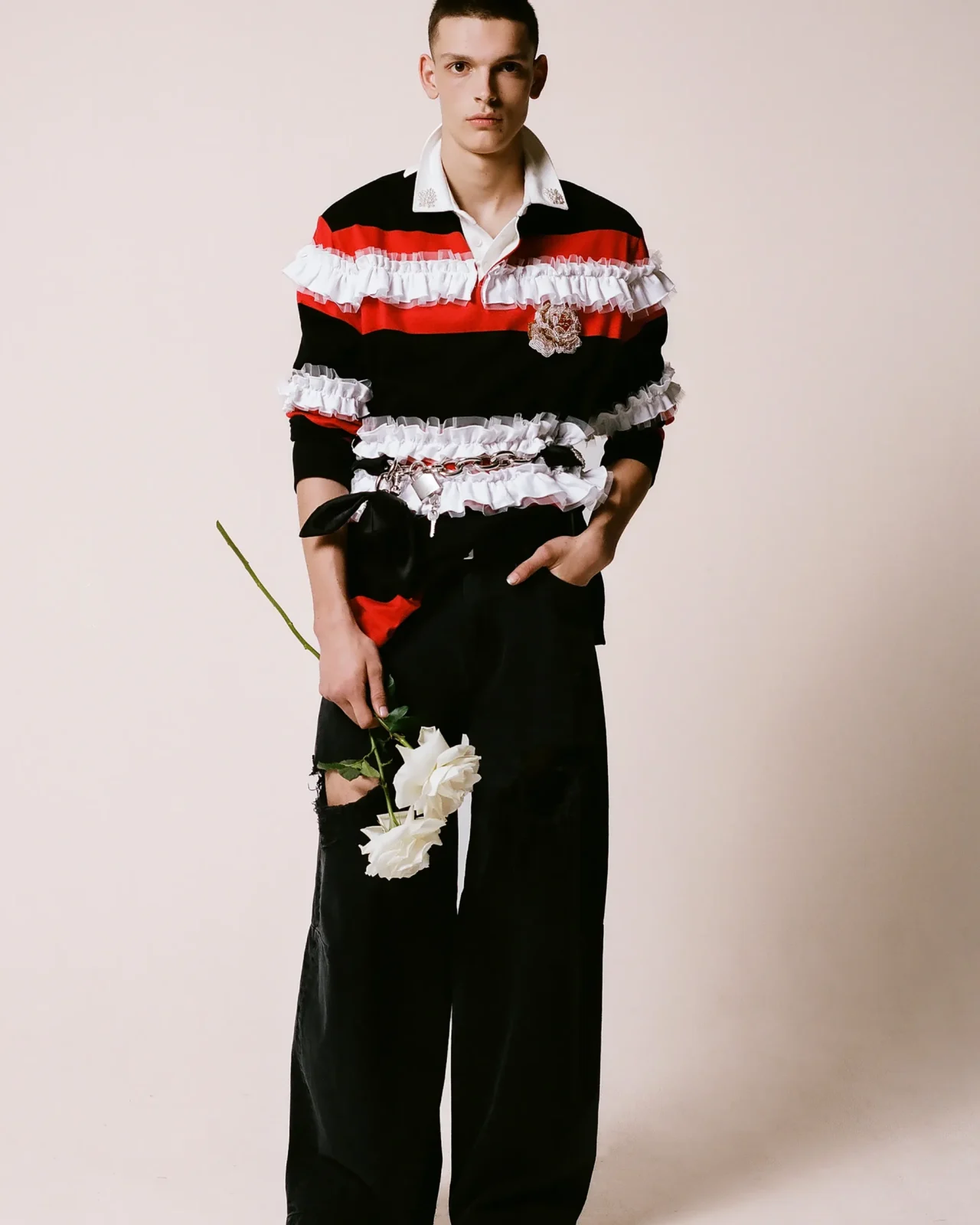
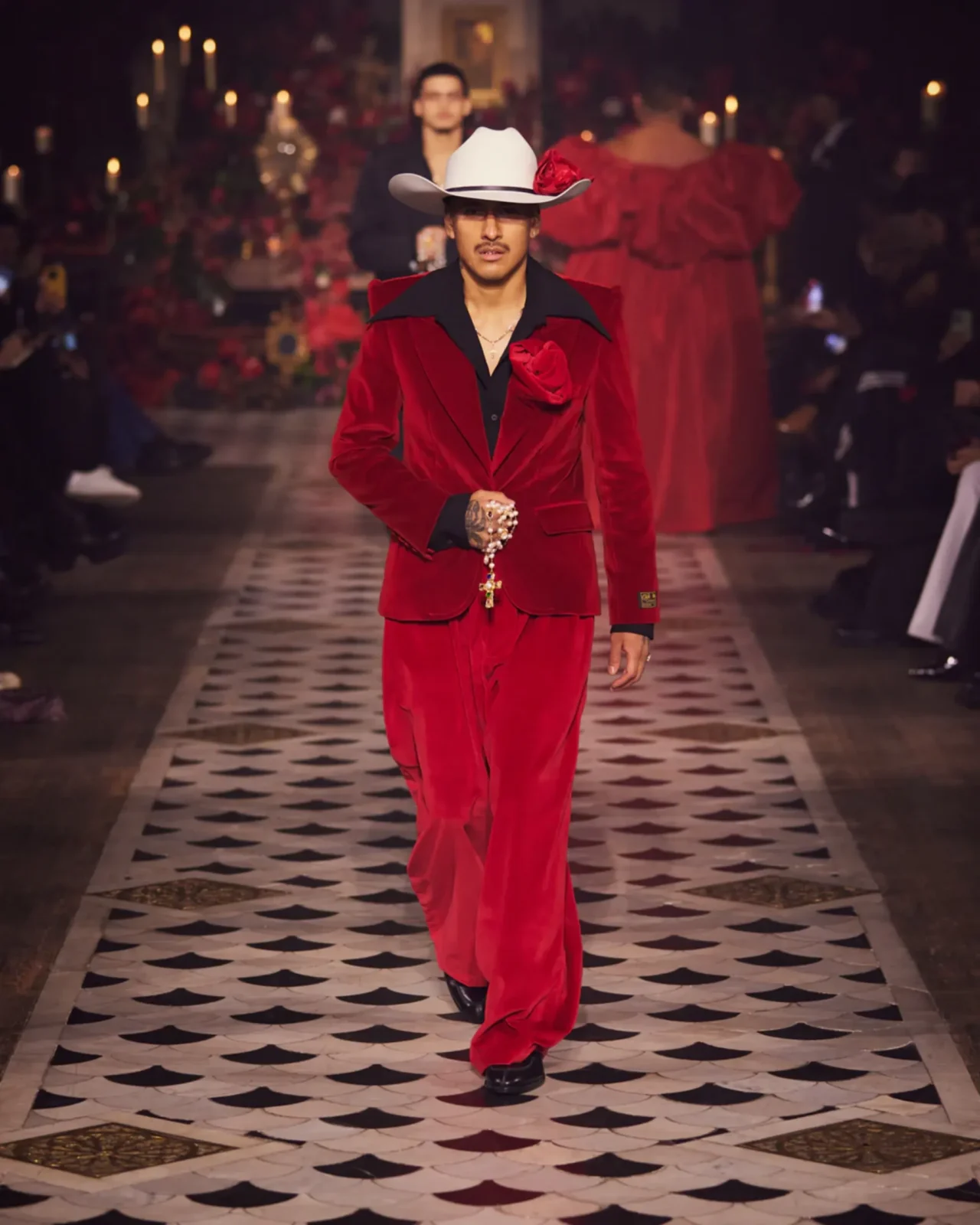
At the heart of this shift is texture. Fabrics traditionally associated with intimacy, such as velvet, satin, and chiffon, have appeared across collections, used as statements in themselves. Cravats have reemerged, tied with carelessness, while lapels fall less structured, inviting touch. Flowers, stitched into jackets or pinned at the breast, recall an era when fashion spoke in the language of devotion. These details do not seduce so much as they confess, which may be the most surprising part of all.
RELATED: The 5 Accessories That Make or Break a Suit
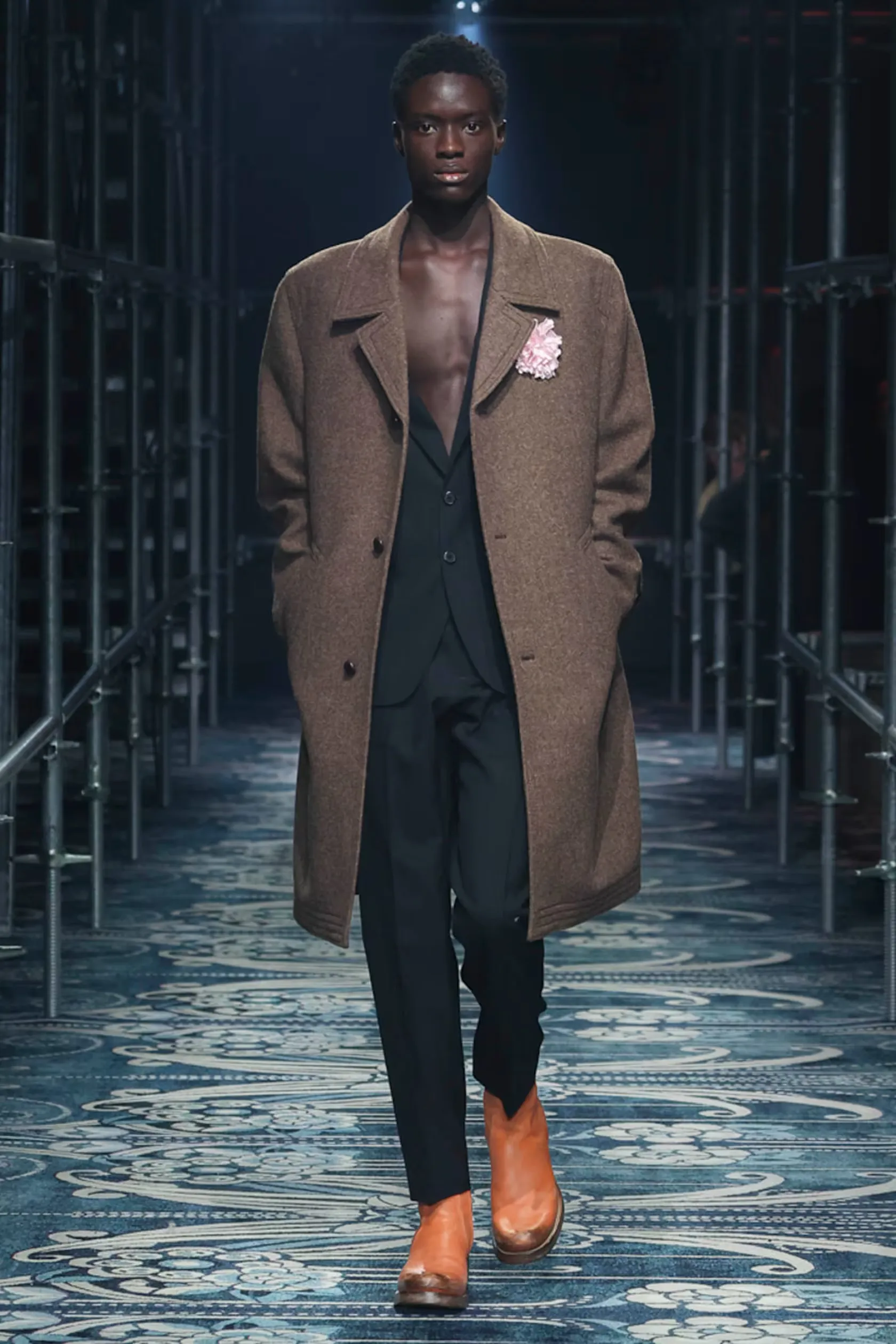
Wearing the heart openly
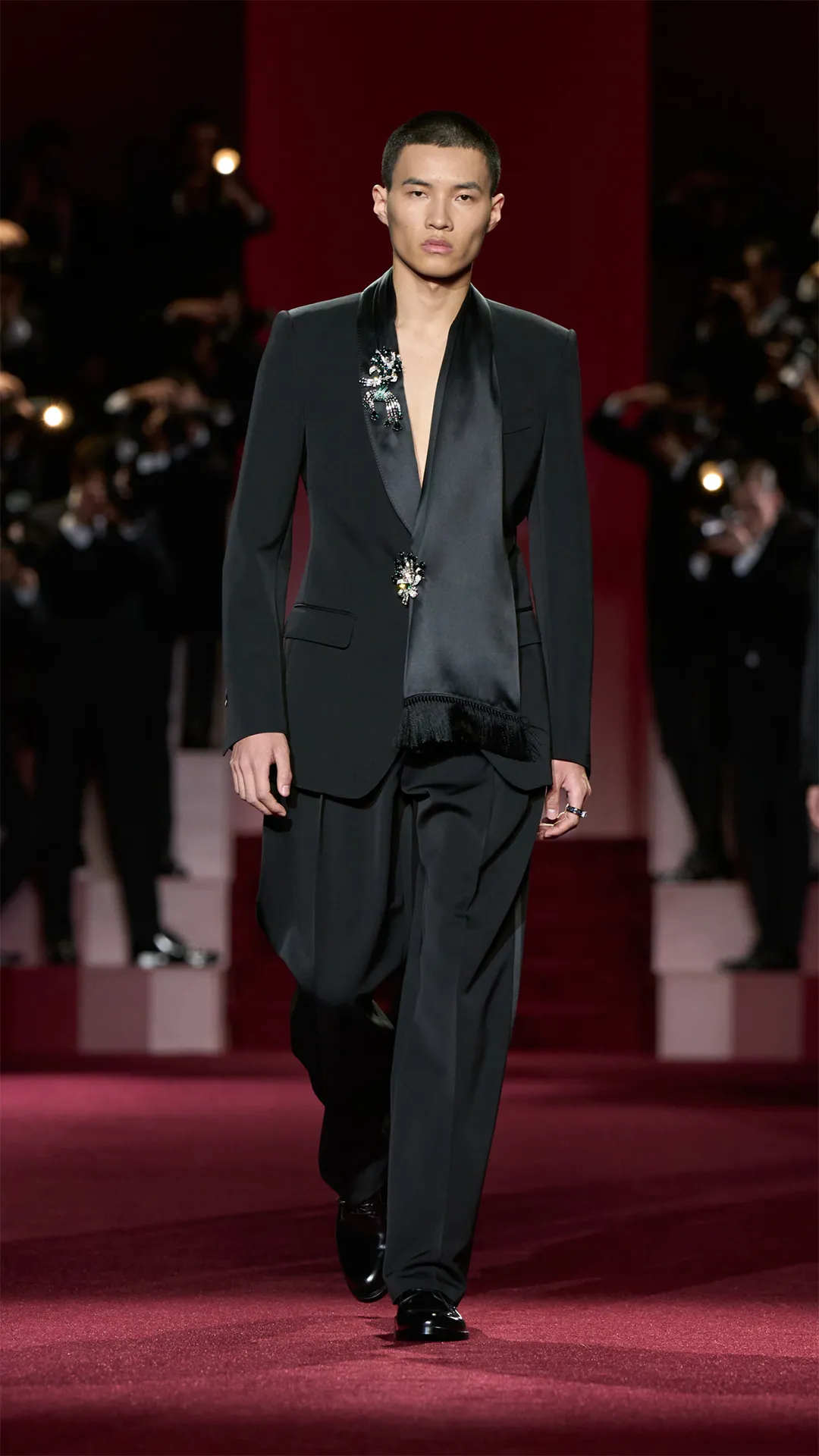
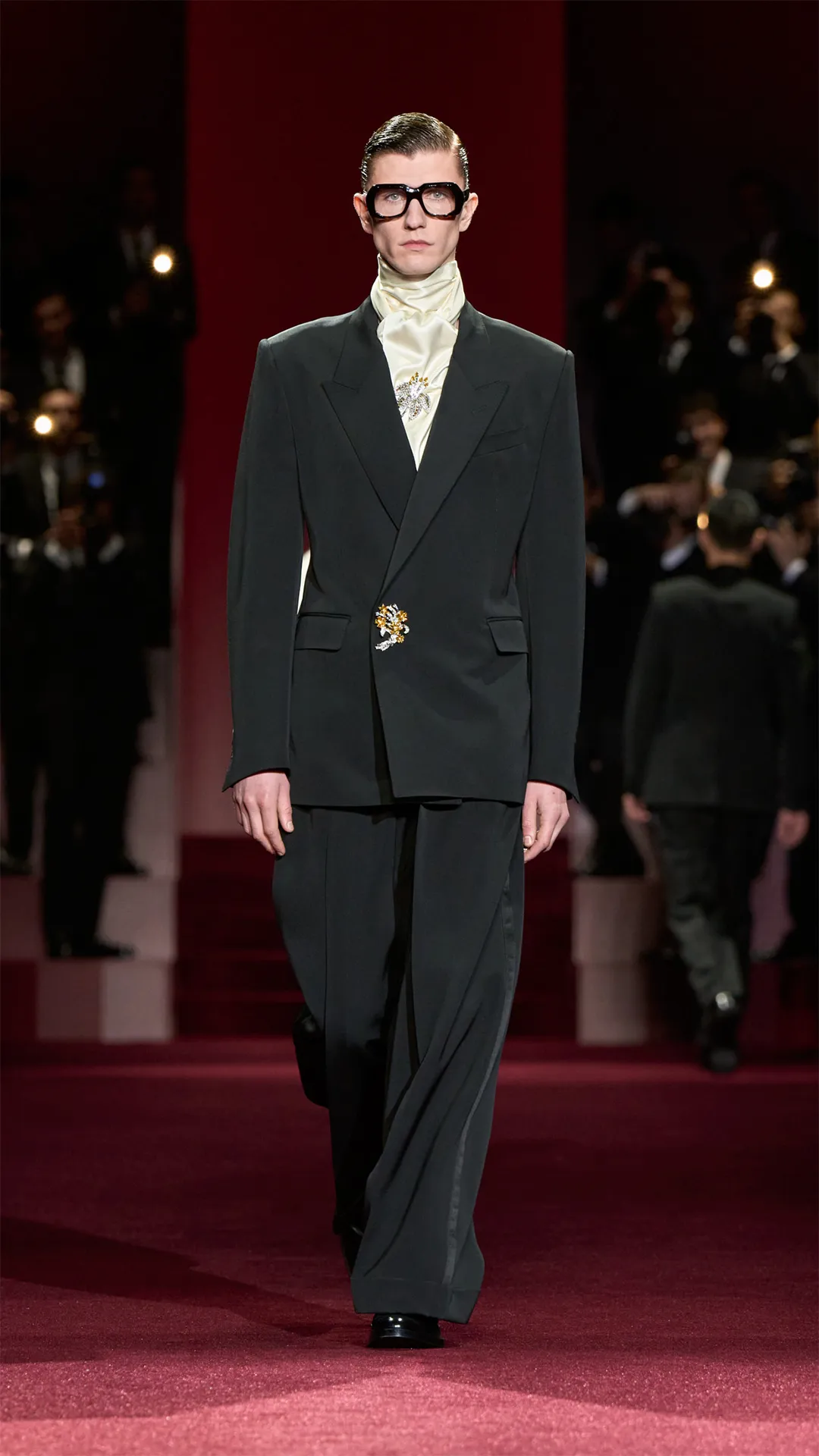
For an industry so fluent in spectacle, why turn to softness now? Part of the answer may lie in fatigue. FashionFashionThe art and industry of designing, producing, and styling clothing, footwear, accessories, and beauty trends. It reflects cultural influences, personal expression, and evolving styles across seasons and markets.Go to Fashion Glossary has long been driven by a visual economy of shock, with sex used as shorthand for relevance. Yet seasons of high-gloss eroticism have started to feel predictable, even mechanical. To pivot toward romance is not simply a stylistic adjustment but a strategy: tenderness recast as a new form of disruption.
It is also a reflection of a broader cultural mood. After years of volatility marked by pandemics, political crises, and environmental dread, the idea of love as an aesthetic feels both comforting and faintly utopian. Designers seem to be asking what it would mean to return to fashionFashionThe art and industry of designing, producing, and styling clothing, footwear, accessories, and beauty trends. It reflects cultural influences, personal expression, and evolving styles across seasons and markets.Go to Fashion Glossary as a gesture of openness. What if vulnerability itself could be styled?
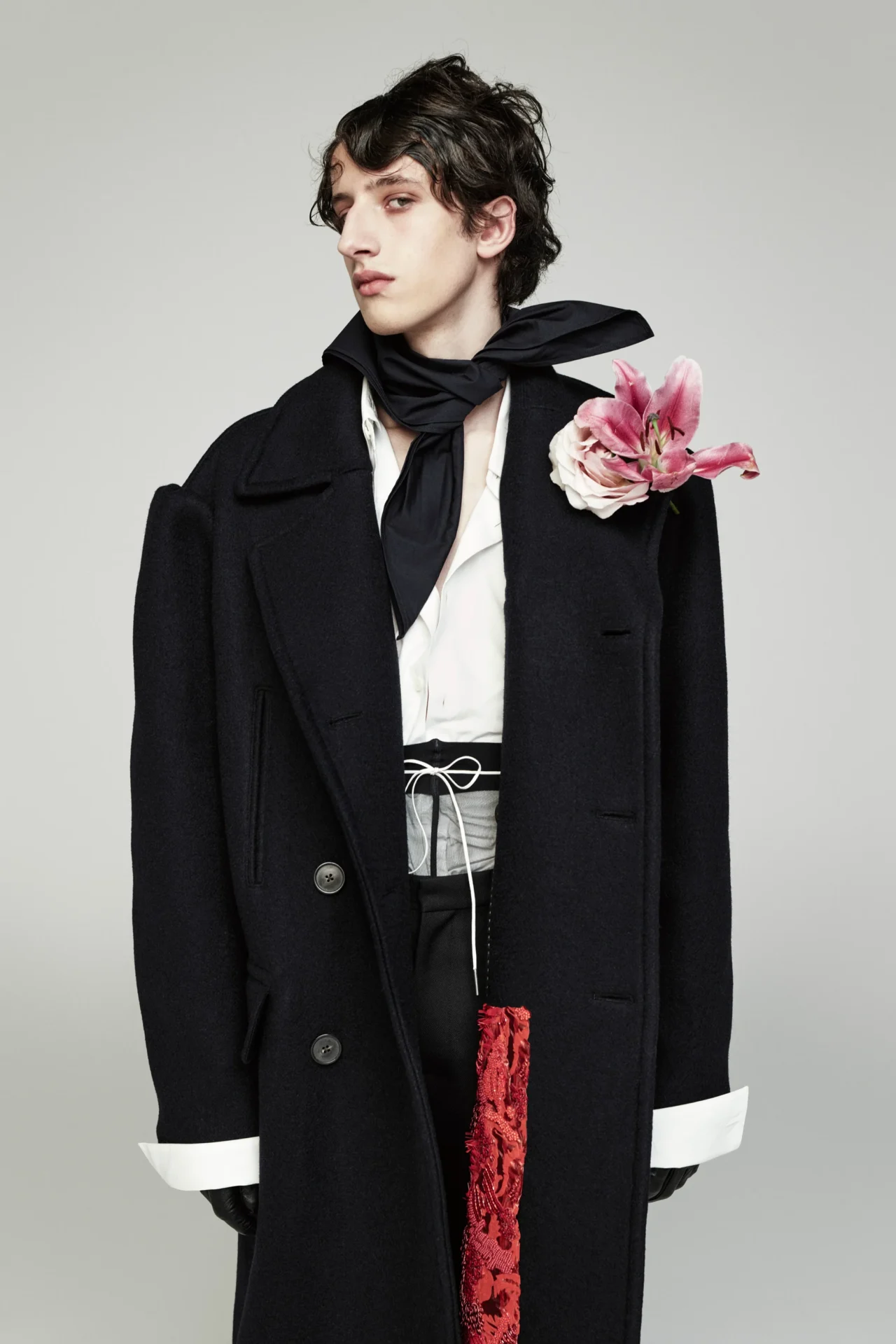
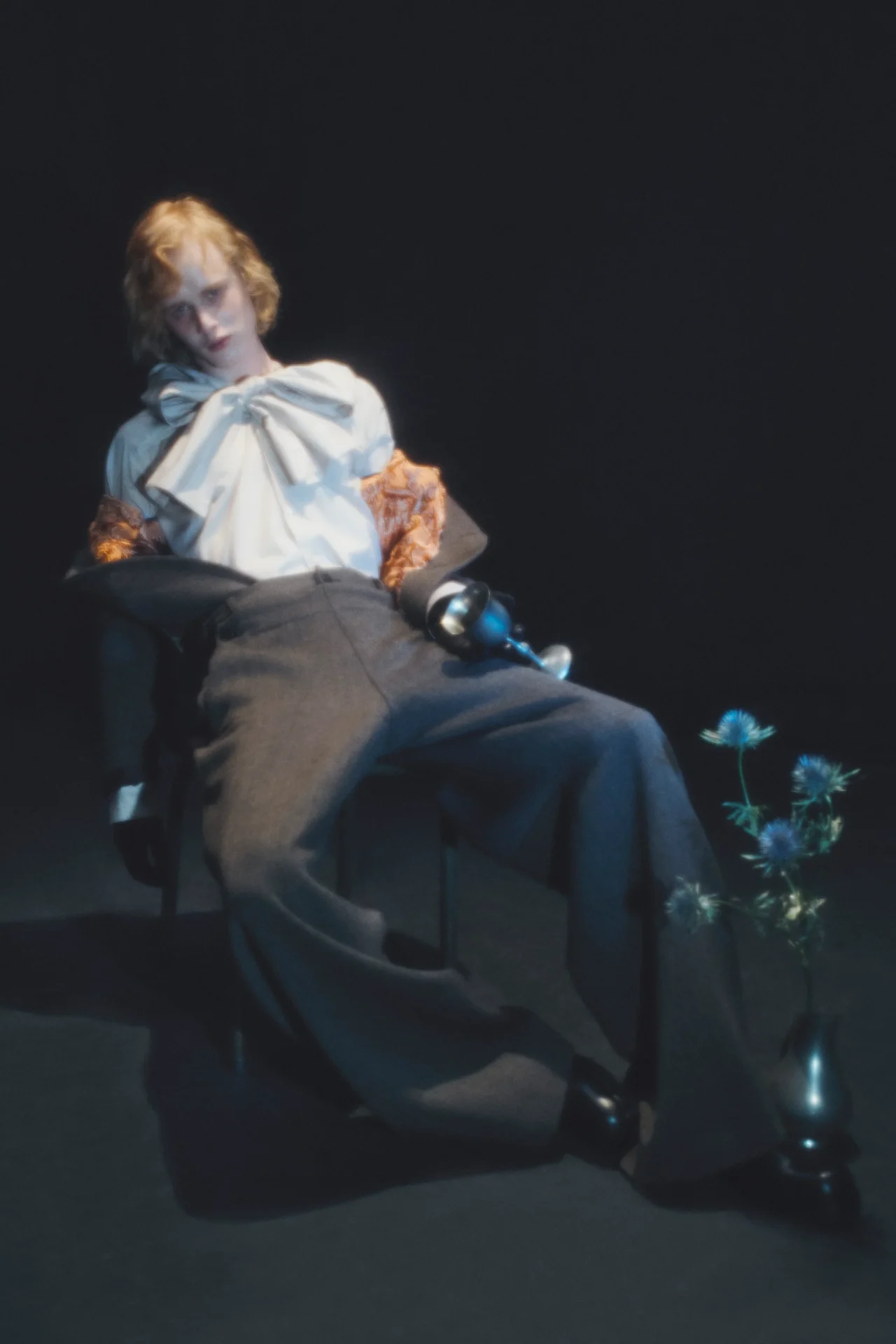
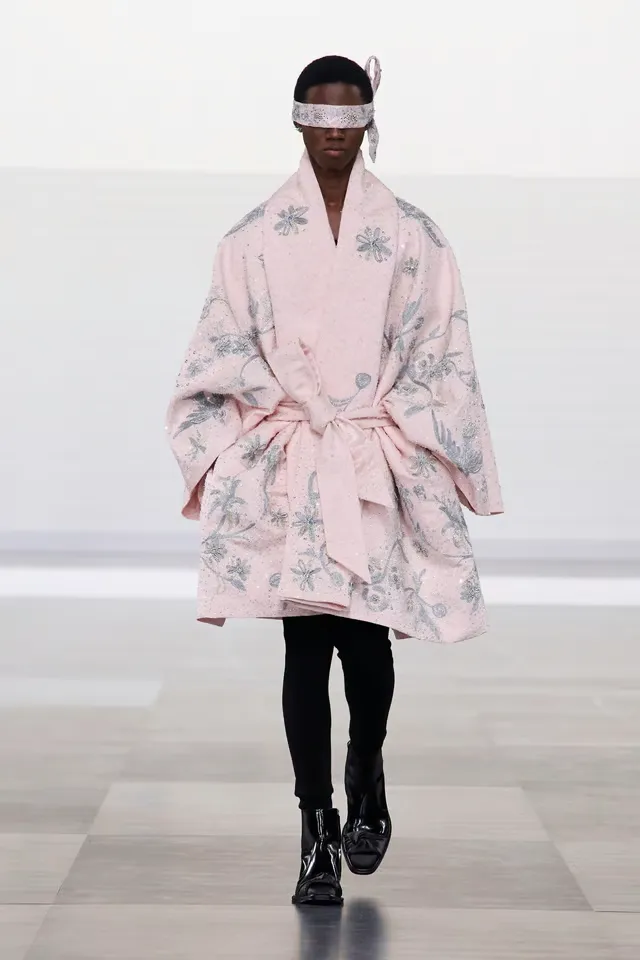
In the end, the new mood of love suggests something telling: the boldest look right now is not the one that bares the most skin but the one willing to wear its heart openly, stitched in lace, pinned with a rose, or draped in velvet.
Photos courtesy Dries van Noten, Simone Rocha, Willy Chavarria, Dolce&Gabbana, Dior
Frequently Asked Questions
Designers are replacing bare skin, hard silhouettes, and brash sensuality with softer materials like velvet, satin, and chiffon, along with details like brooches, cravats, and flowers that evoke intimacy rather than spectacle.
Seasons built around high-gloss eroticism have started to feel predictable and mechanical. Turning toward romance functions as a deliberate strategy, recasting tenderness itself as a new form of disruption within the industry.
The shift reflects a broader cultural mood following years of pandemics, political crises, and environmental anxiety. Love as an aesthetic offers a sense of comfort and idealism that contrasts with recent volatility.
The trend favors velvet, satin, chiffon, and lace over vinyl and leather. Recurring details include loosely tied cravats, softly structured lapels, and flowers stitched into jackets or pinned at the chest.
Romance is an industry-wide shift rather than one confined to a single category, with materials and details like cravats and brooches appearing across collections rather than being positioned as exclusively masculine or feminine.
Recommended Video