From Asia to the World: Models Who Walked Paris and Milan FW26
The growing presence of Asian models in international runways points to a lasting shift in how global fashion now defines visibility and influence




From breakthrough to baseline
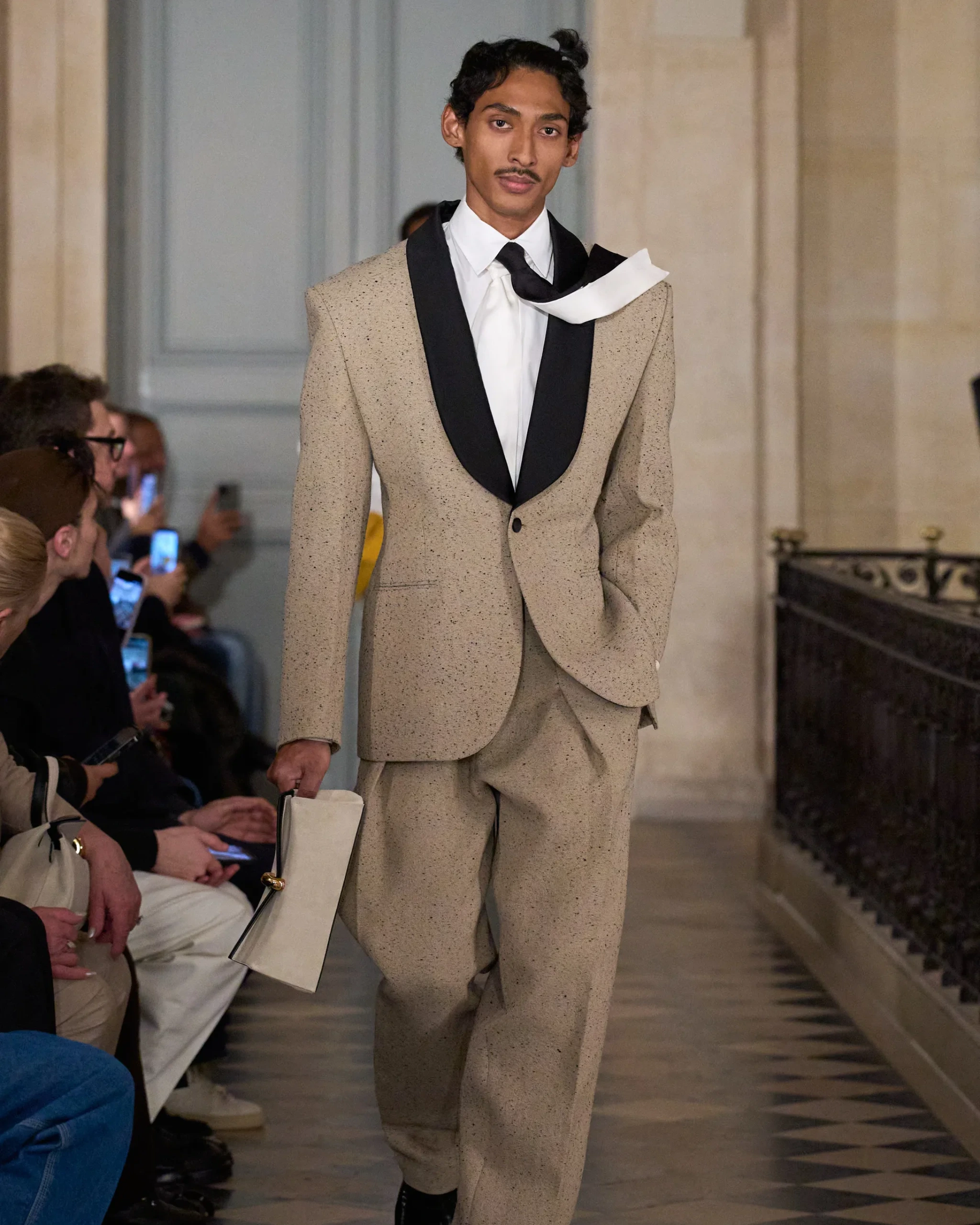
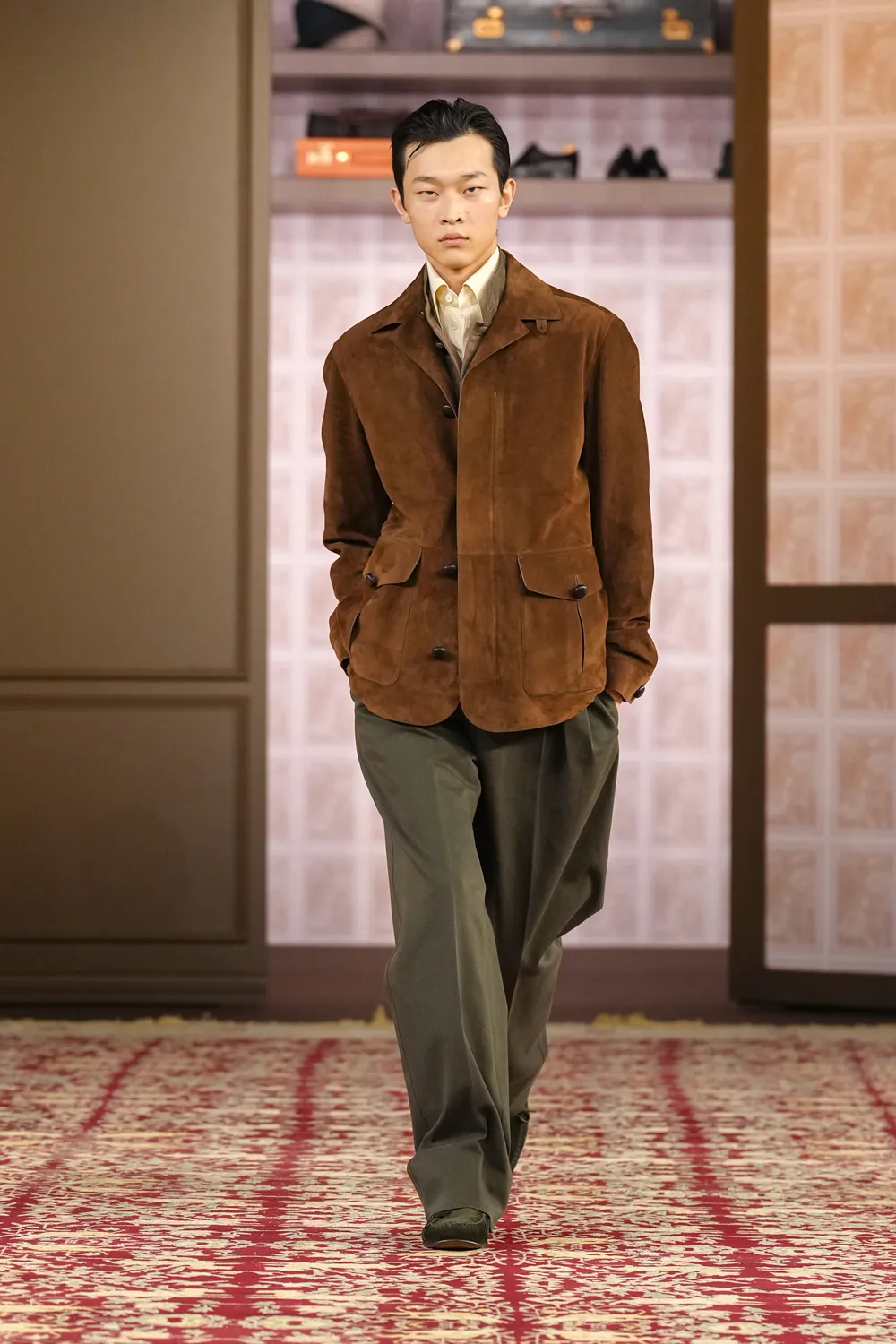
During Paris and Milan FW26, Asian faces appeared so frequently on the runways that their presence no longer registered as noteworthy. Models from across East Asia, Southeast Asia, and South Asia opened and closed shows, and reappeared throughout collections. What once would have been framed as progress now reads as normal.
READ ALSO: Trendspotting: All the Best Looks From Milan FW26
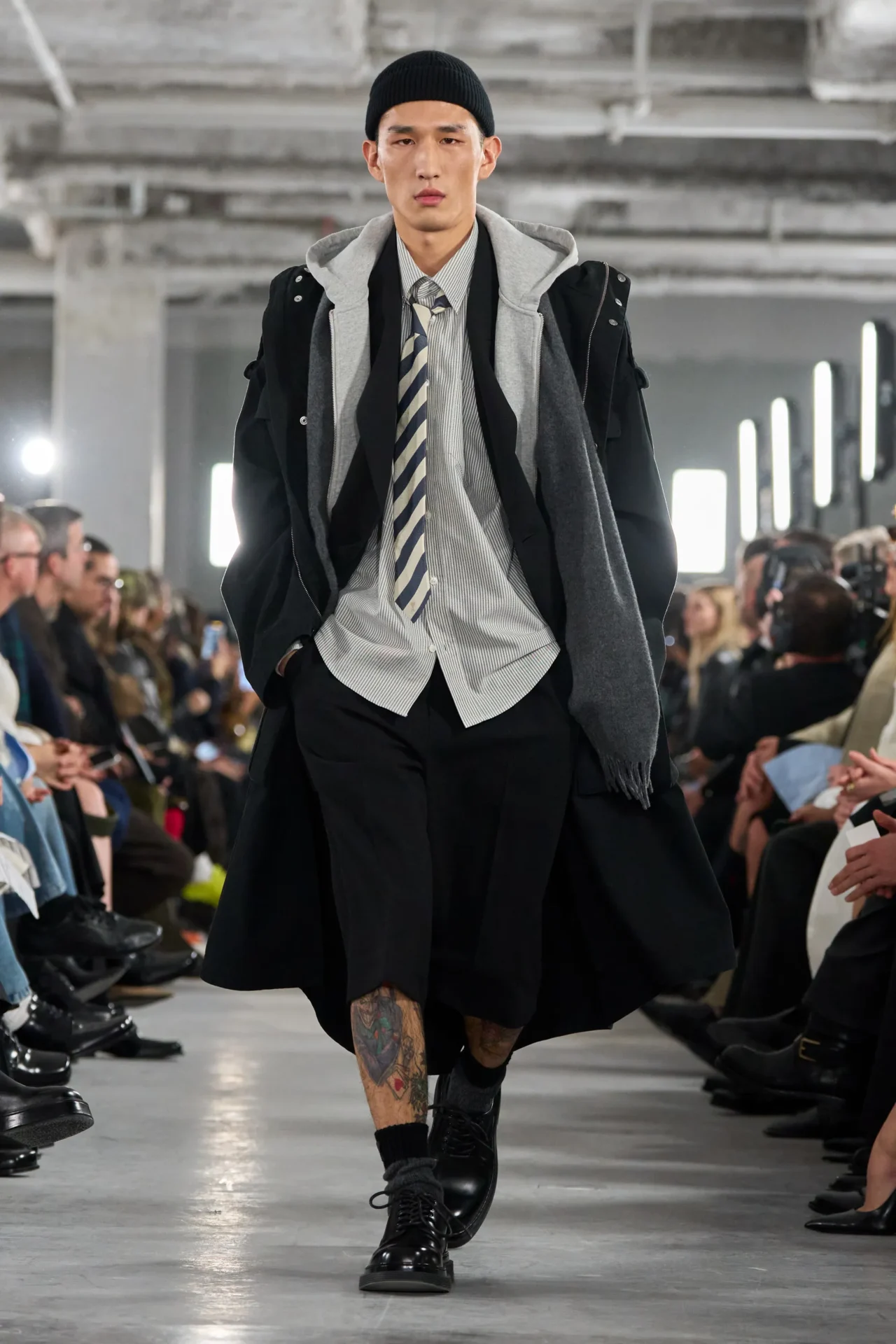
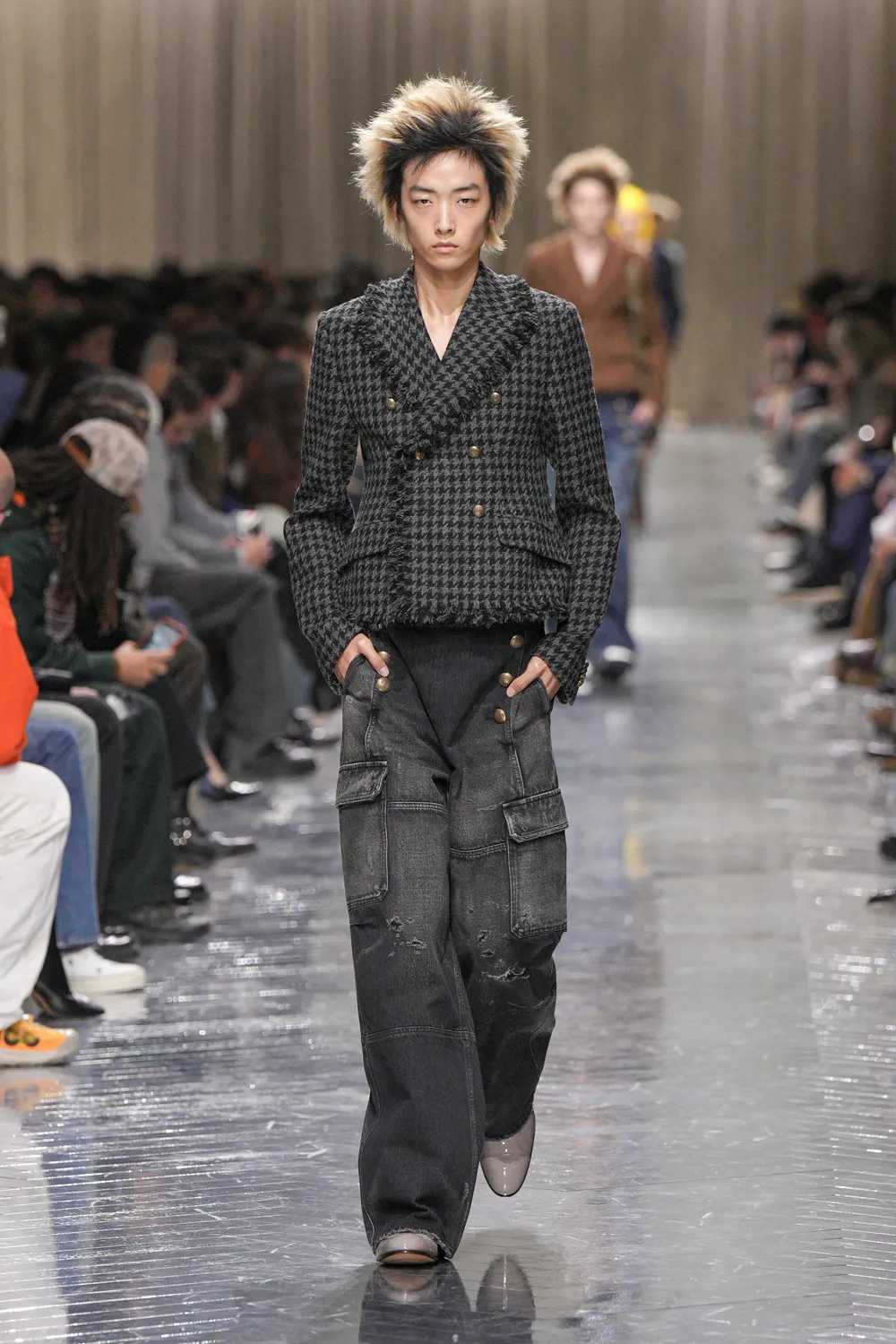
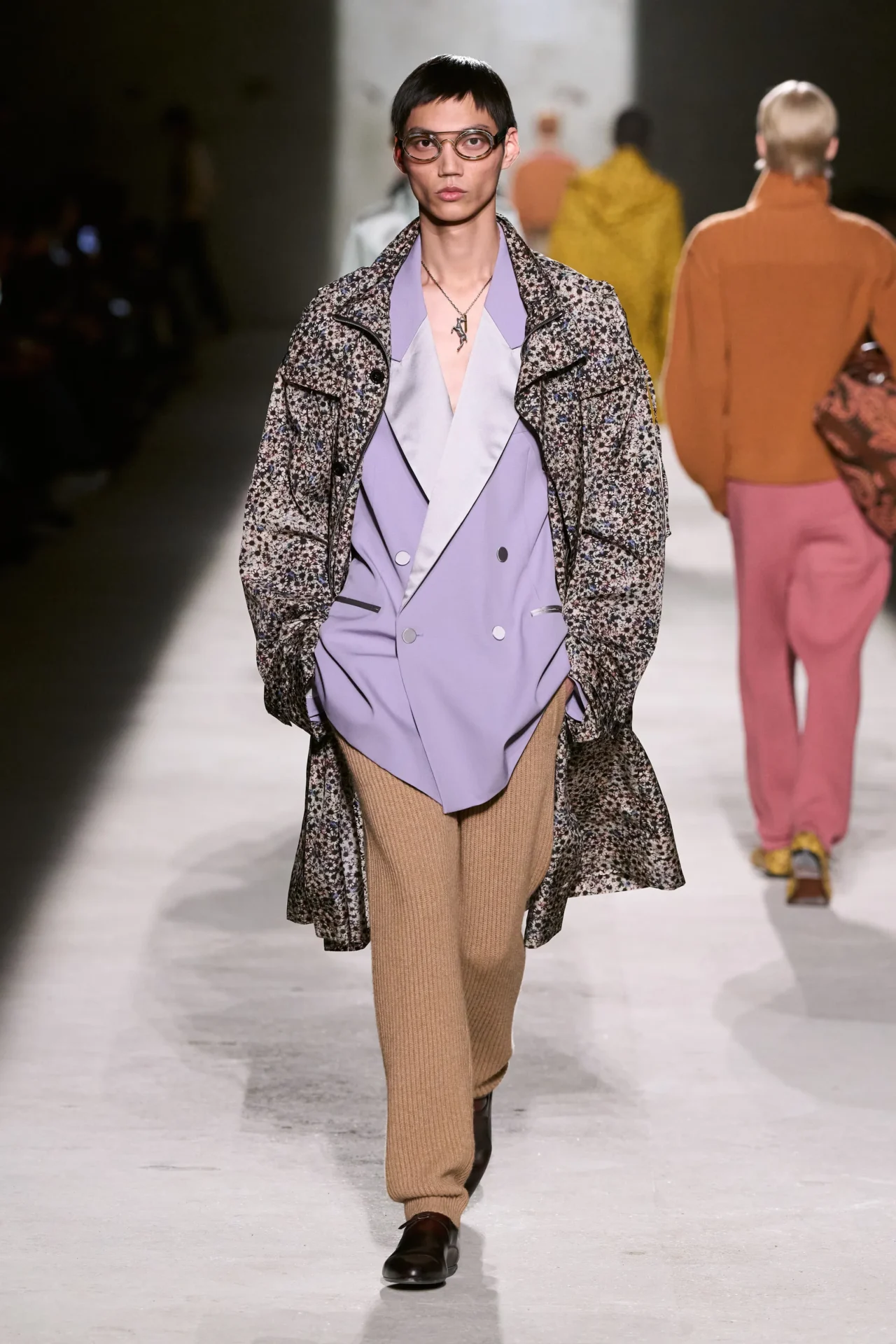
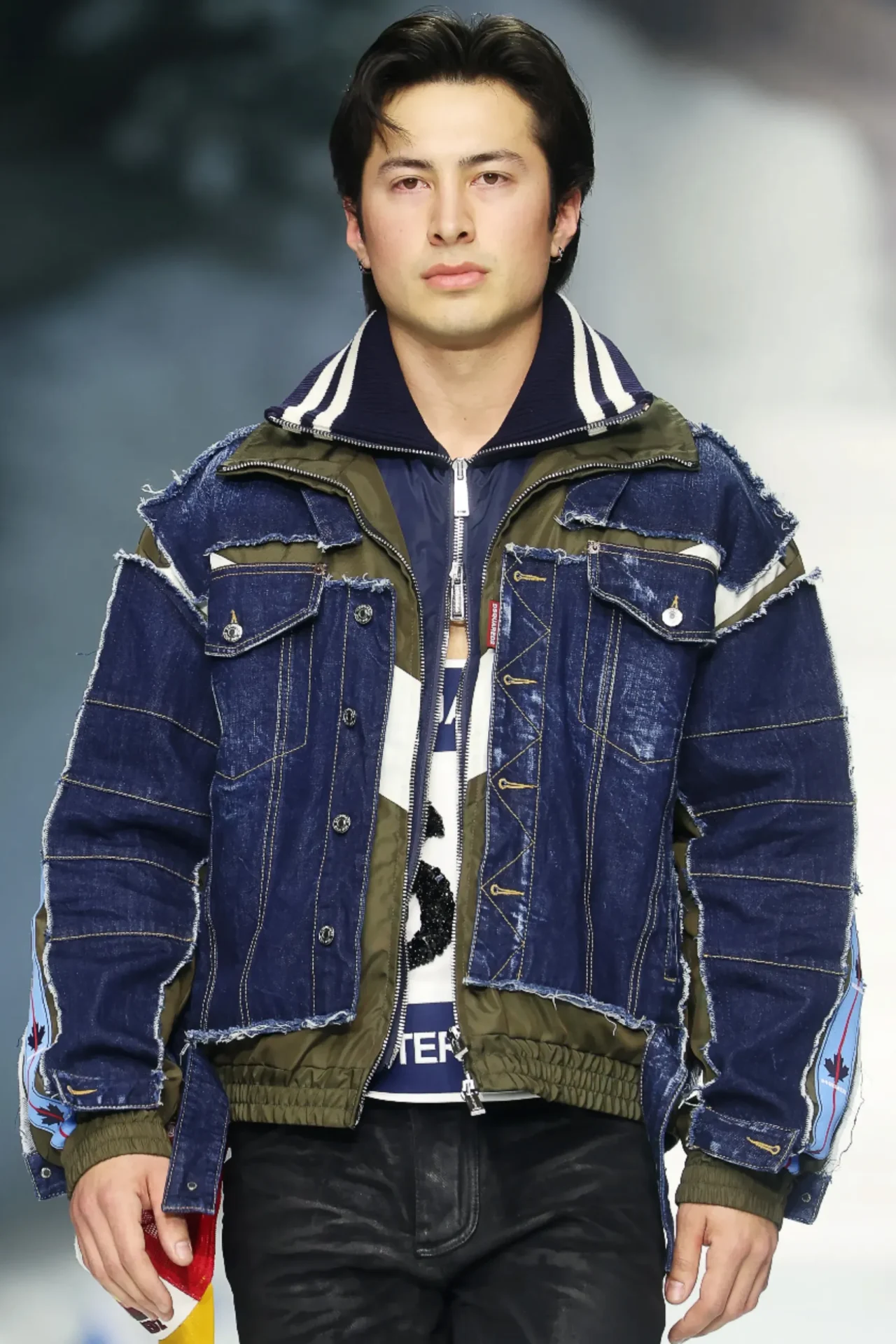
Asian representation on global runways has expanded markedly in recent seasons, moving beyond the era of token casting. Where fashionFashionThe art and industry of designing, producing, and styling clothing, footwear, accessories, and beauty trends. It reflects cultural influences, personal expression, and evolving styles across seasons and markets.Go to Fashion Glossary once relied on a narrow and often interchangeable idea of Asian beauty, this season reflected a broader and more diverse range of faces, styles, and identities.
Major fashionFashionThe art and industry of designing, producing, and styling clothing, footwear, accessories, and beauty trends. It reflects cultural influences, personal expression, and evolving styles across seasons and markets.Go to Fashion Glossary houses play a visible role in that evolution. Brands such as Dior, Prada, and Saint Laurent now frequently feature Asian models and celebrities, particularly from South Korea, Japan, Indonesia, and China.
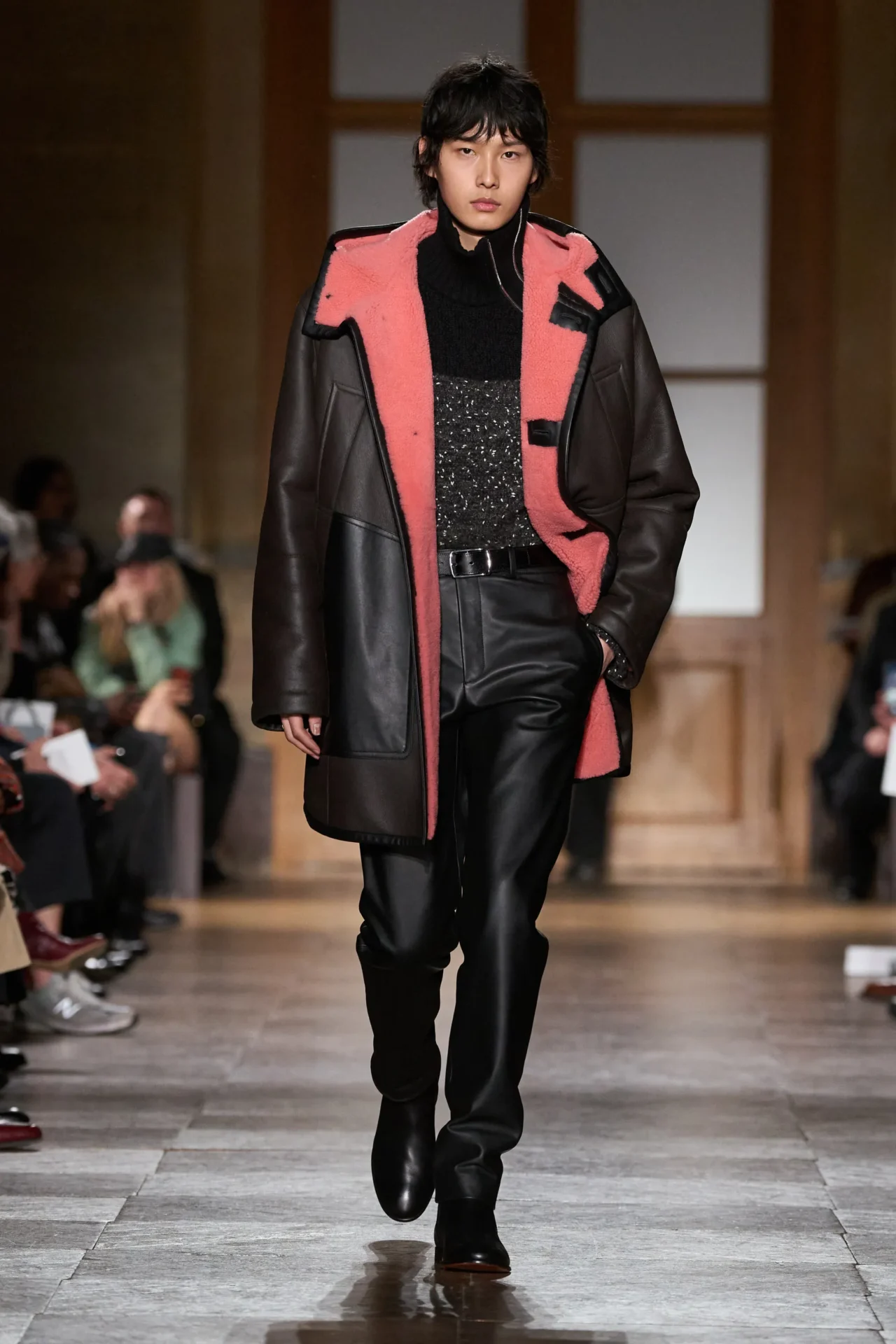
No longer defined by narratives
Their presence extends beyond runway appearances to front-row seating, campaigns, and long-term brand partnerships. The strategy aligns with a younger, international audience that engages with fashionFashionThe art and industry of designing, producing, and styling clothing, footwear, accessories, and beauty trends. It reflects cultural influences, personal expression, and evolving styles across seasons and markets.Go to Fashion Glossary as culture rather than aspiration alone.
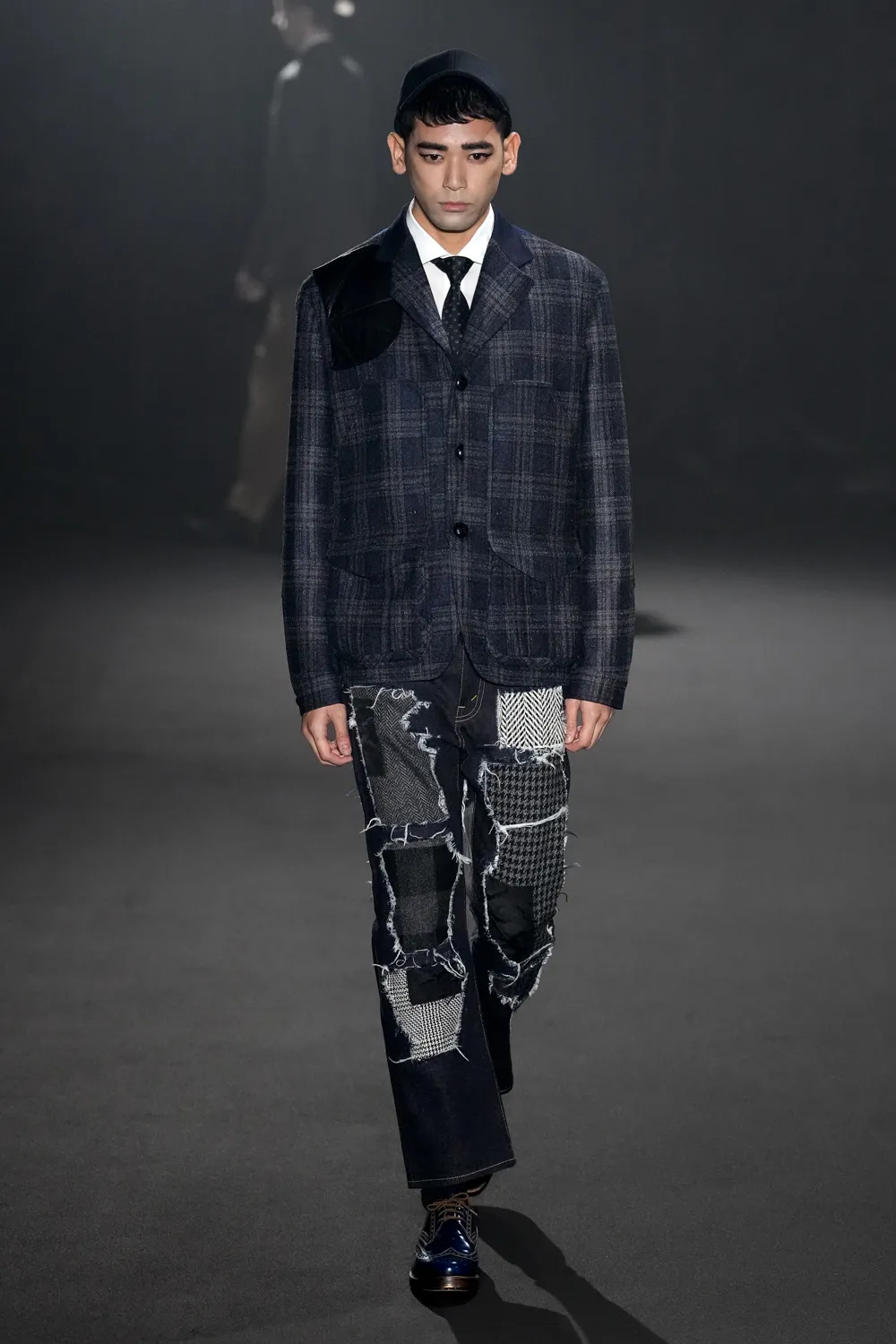
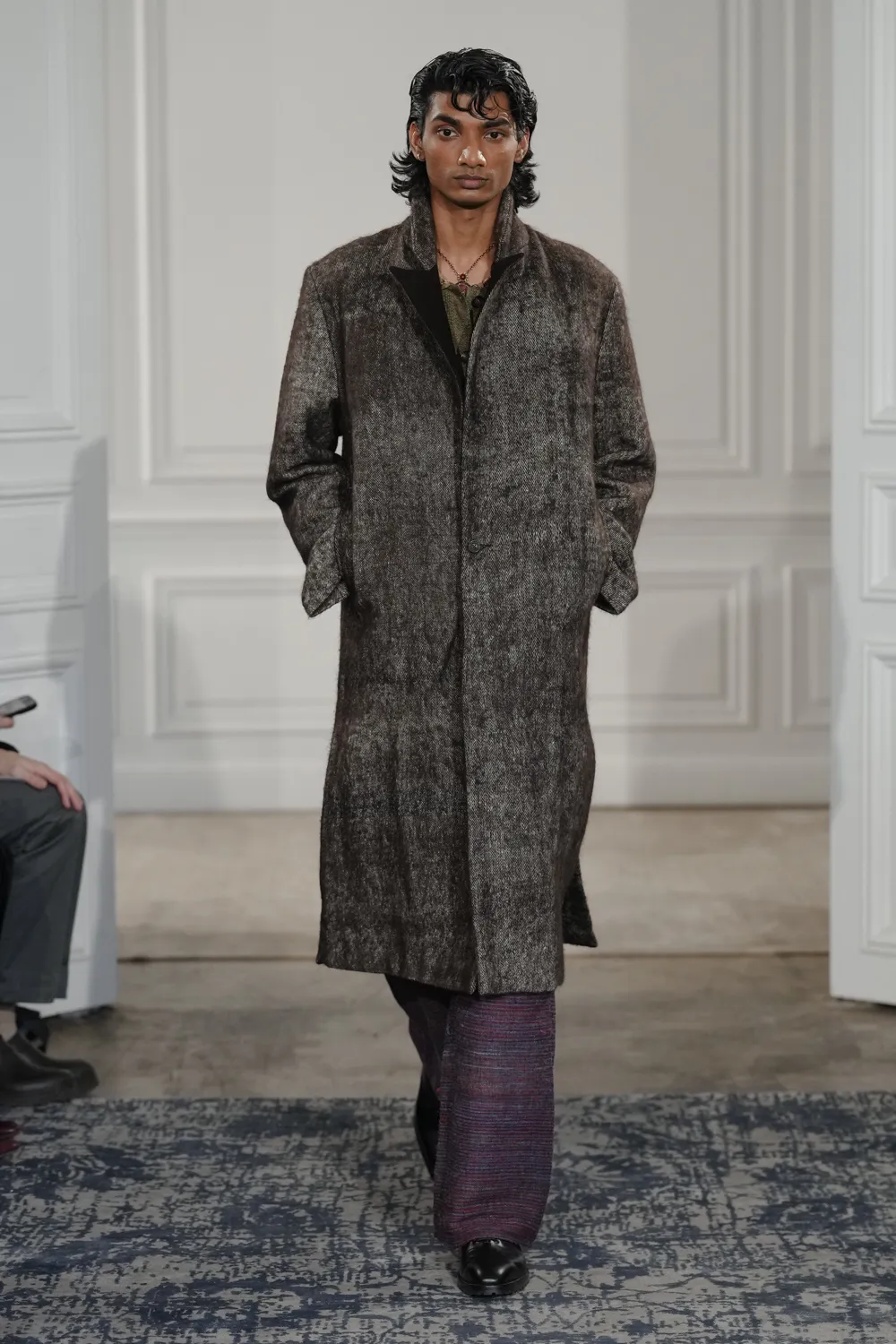
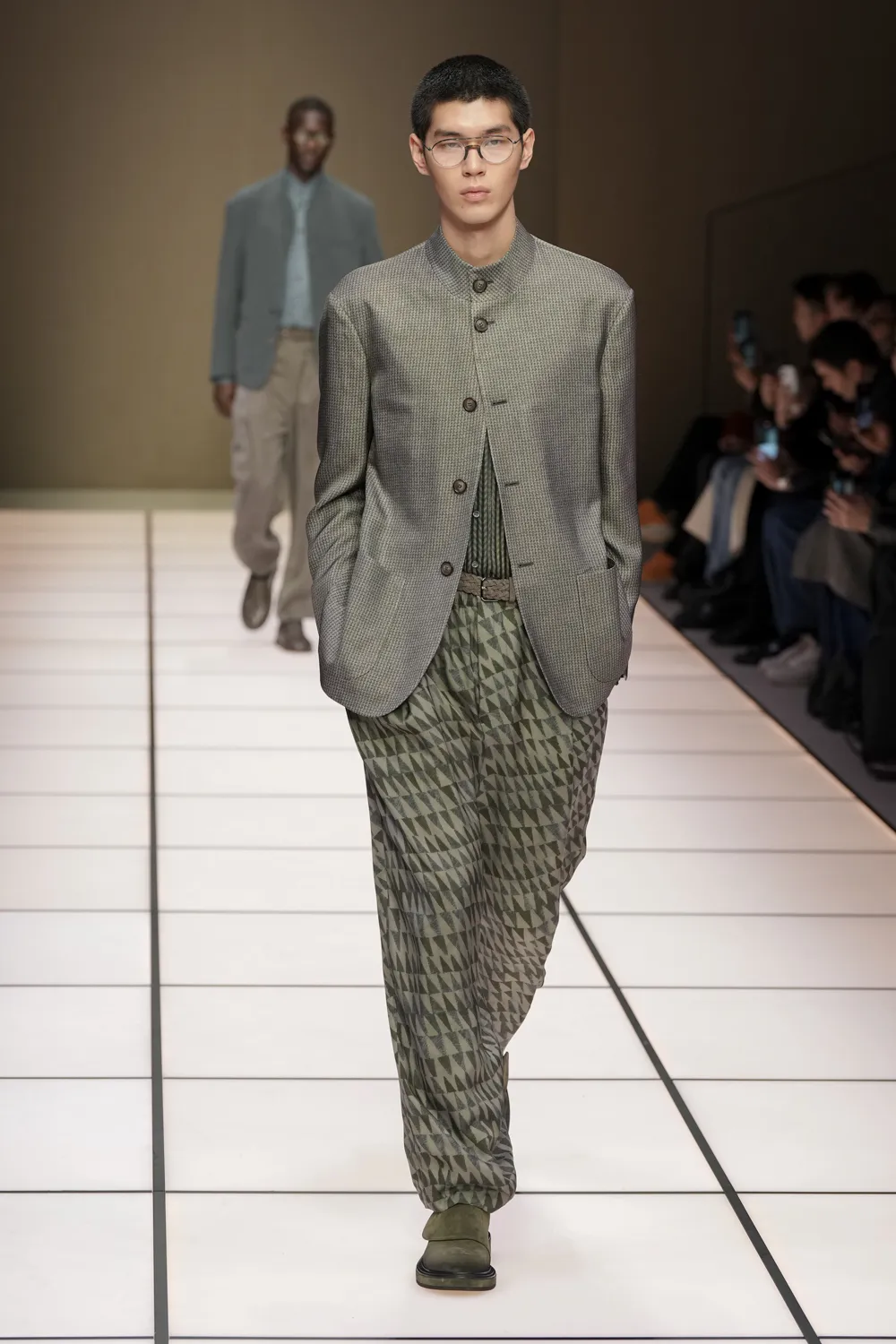
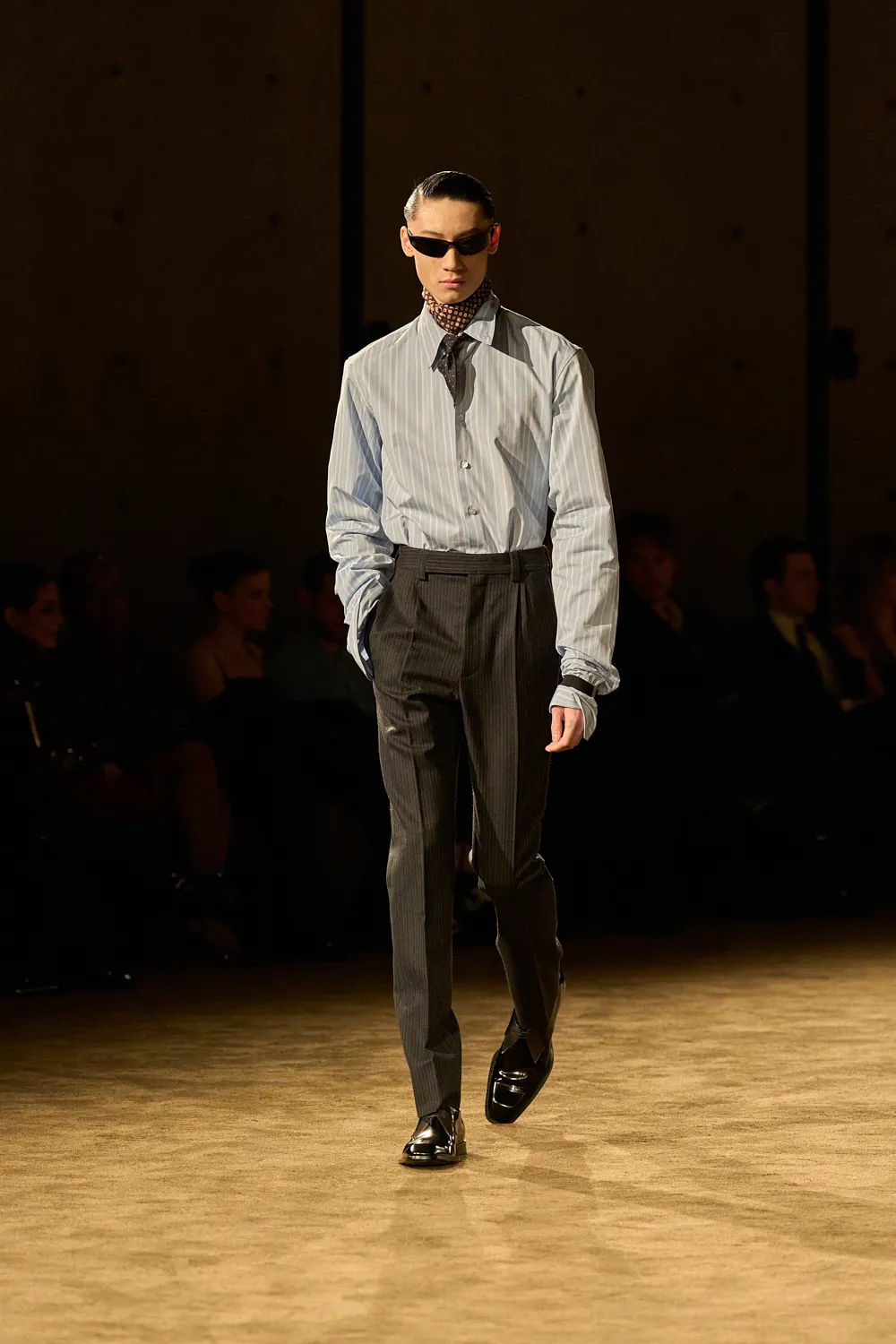
Across Paris and Milan, Asian models were not confined to specific silhouettes or narratives. They were styled across tailoring, eveningwear, and conceptual looks without being positioned as novelties.
A Chinese model opening a show or an Indonesian face returning for multiple looks passed without comment, which underscored how far casting norms have shifted. Representation, in this context, no longer needs explanation.
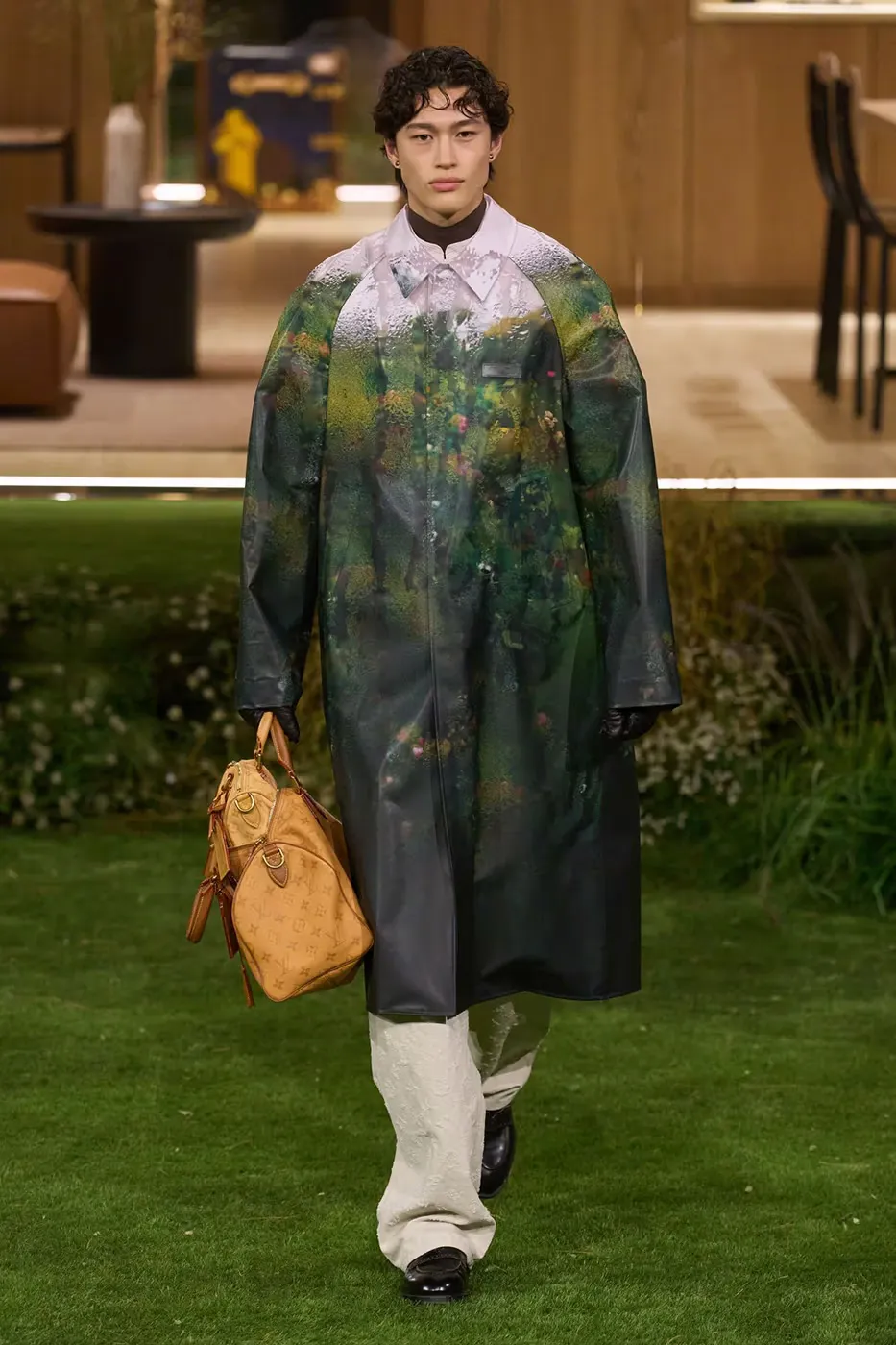
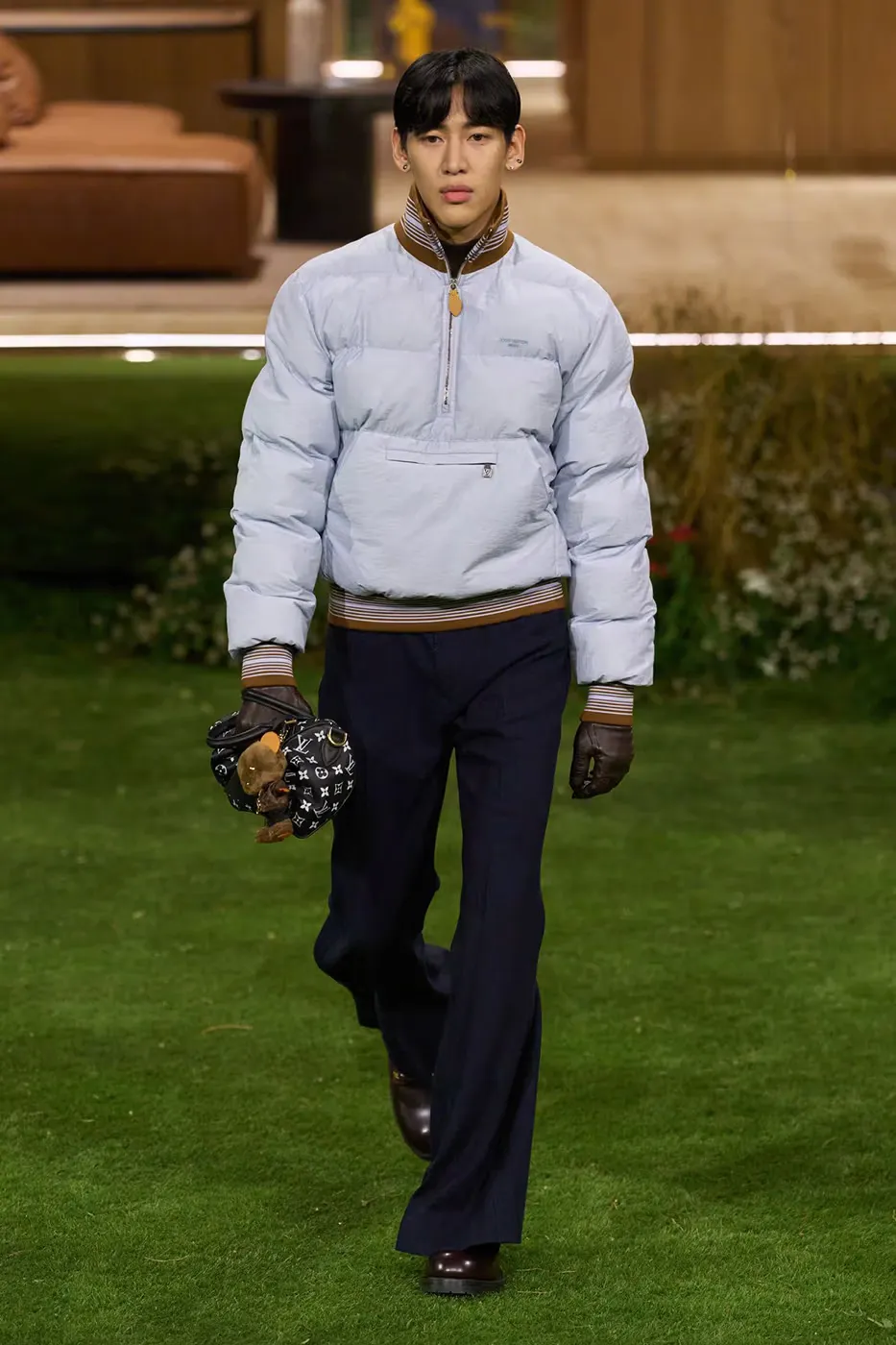
A meaningful normalization
For many in the audience, particularly Asian creatives and industry figures, the impact was resonant. Seeing familiar faces occupy spaces that once excluded them carried weight, even when the industry itself treated it as routine.
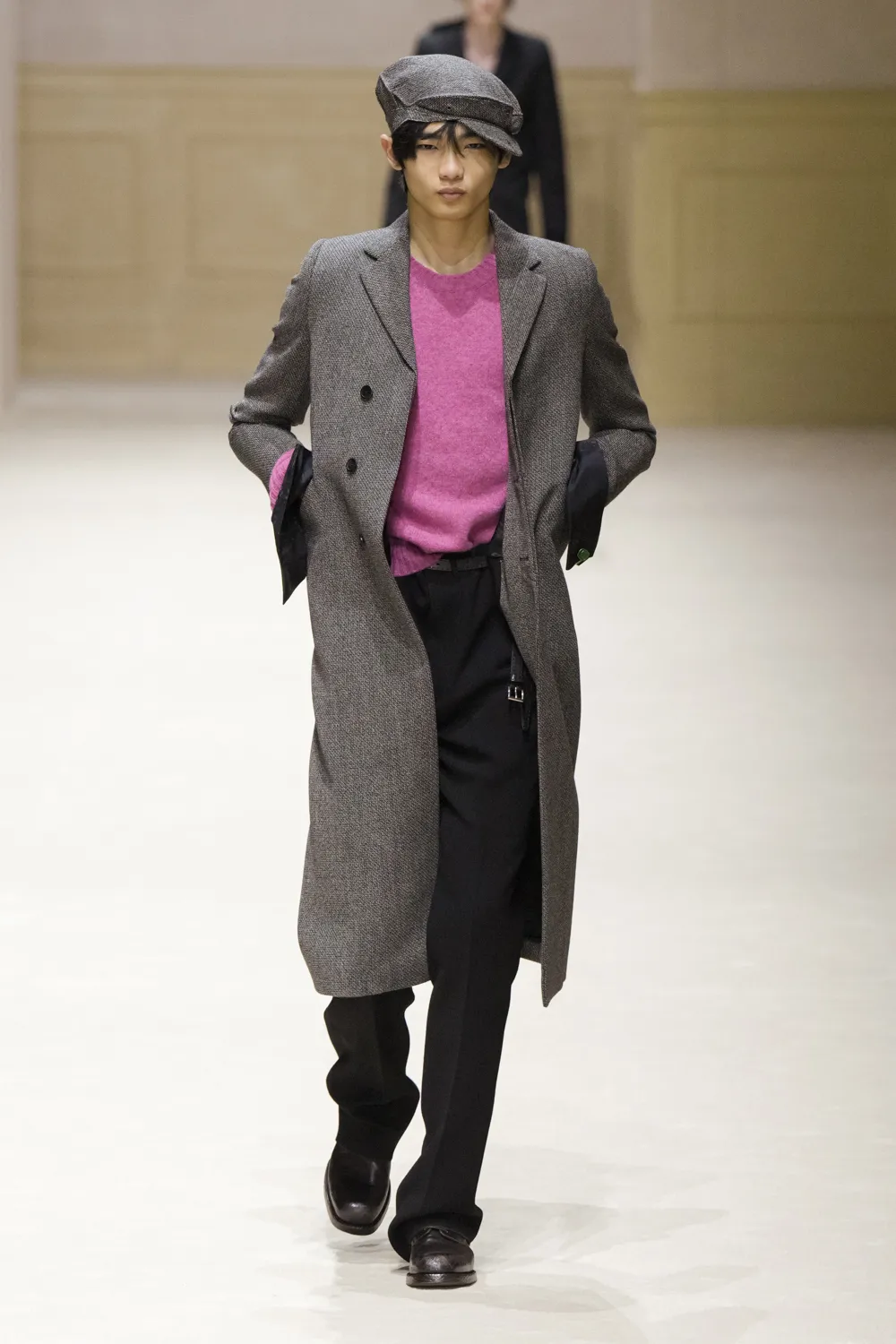
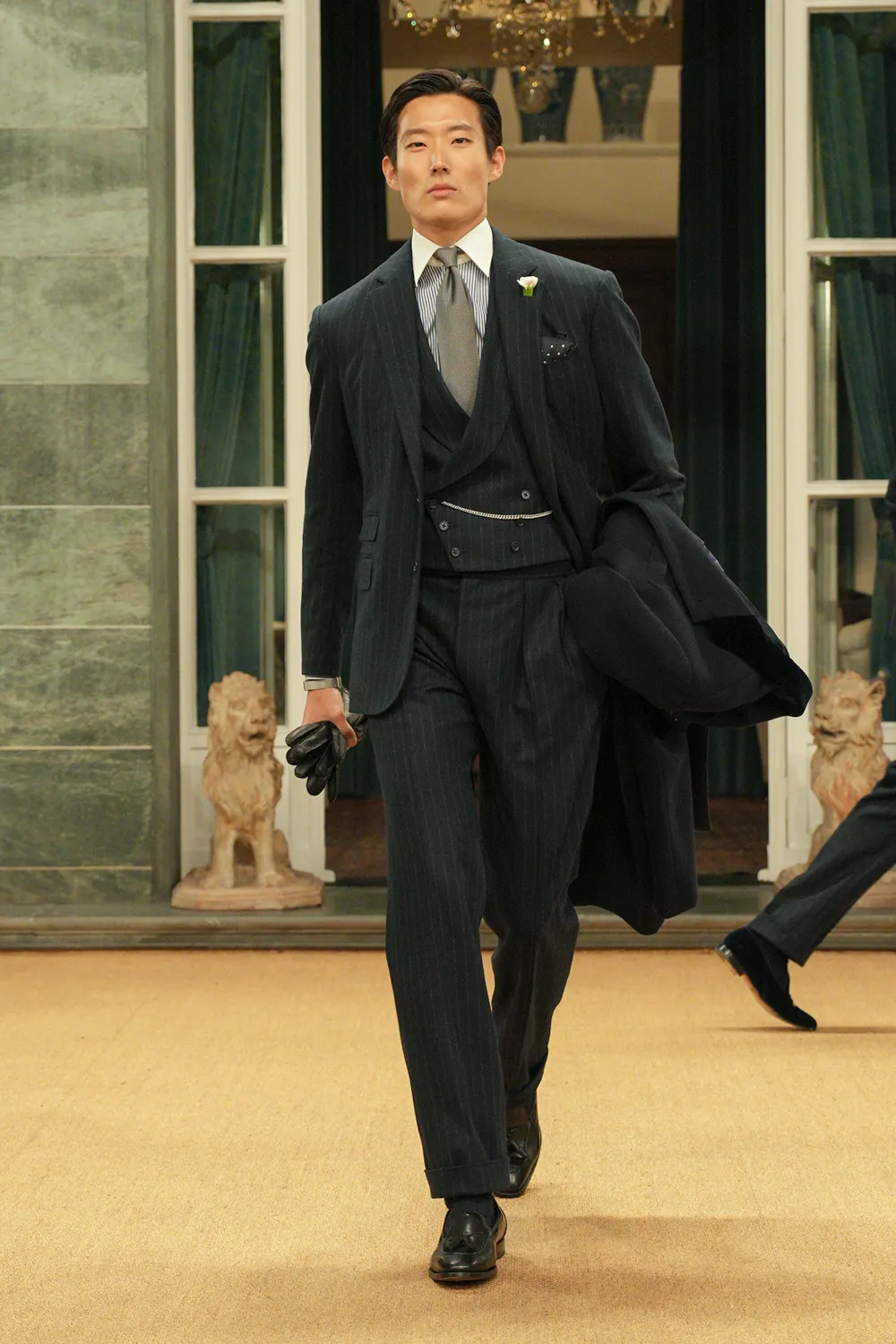
If earlier periods focused on visibility, this moment suggests a move toward integration. The Asian models who walked in Paris and Milan this season were participants in an industry slowly adjusting its image of who fashion is for and who it is shaped by.
Frequently Asked Questions
Asian model representation at Paris and Milan fashion weeks has shifted from token casting toward normalized inclusion. During FW26, models from East, Southeast, and South Asia opened and closed shows across major houses, appeared in multiple looks, and were styled across tailoring, eveningwear, and conceptual collections without novelty framing.
Brands including Dior, Prada, and Saint Laurent have consistently featured Asian models and celebrities in recent seasons, particularly from South Korea, Japan, Indonesia, and China. Their presence now extends beyond runway appearances to front-row seating, campaigns, and long-term brand ambassador partnerships.
Normalization in this context means Asian models are cast across a full range of looks and silhouettes without being positioned as novelties or symbolic gestures. At Paris and Milan FW26, a Chinese model opening a show or an Indonesian face closing a collection passed without editorial comment — treated as industry standard rather than progress.
Asian representation on global runways signals a broader shift in how fashion defines its audience. As major houses align with a younger, internationally engaged consumer base, diverse casting has become both a cultural statement and a commercial strategy — reflecting who fashion is increasingly shaped by and made for.
Southeast Asian models were among those who appeared regularly at Paris and Milan FW26, with Indonesian faces among those cited as returning for multiple looks within single collections. Their presence was part of a broader pattern in which Asian models from across the region were integrated into shows at major fashion houses.
Recommended Video