
Would You Talk to the Dead If AI Let You?
Today, generative technology offers a way to speak with the departed, and the line between memorialization and digital haunting begins to blur




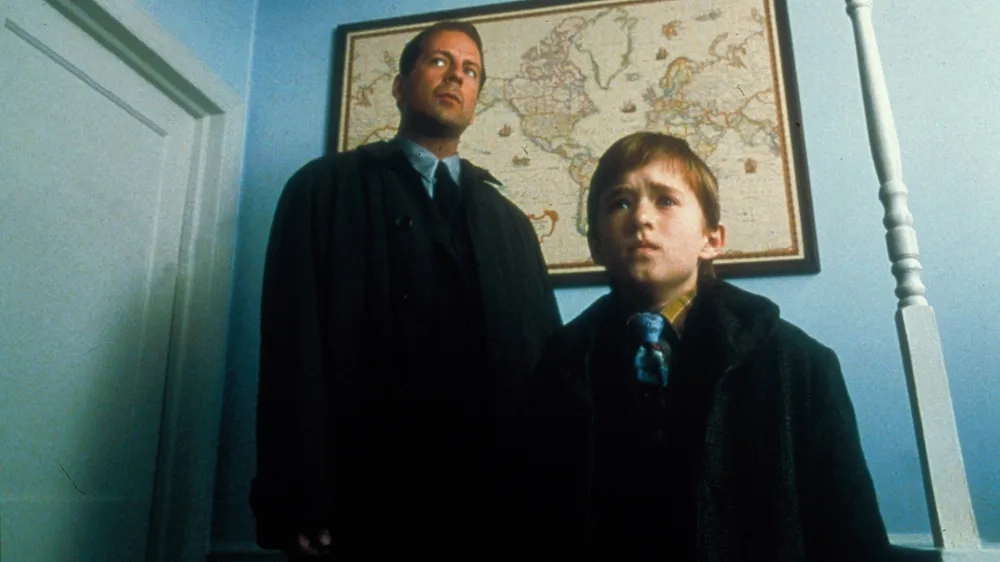
For centuries, the boundary between life and death was a silent line. We held onto the departed through fading photographs, handwritten letters, and the gradual erosion of memory. Today, however, that line is shifting.
@thismorning Imagine being able to speak to your loved one… even after they’ve died. That’s exactly what Justin’s created with his AI Griefbots and today, he’s introducing us to his late mum on the line.
♬ original sound – This Morning
As artificial intelligence advances, we are entering the era of the “digital ghost,” AI-generated recreations of deceased loved ones capable of mimicking their voice, personality, and even their likeness in real time.
While these “griefbots” offer a futuristic form of solace, they also present a profound psychological and ethical dilemma: does technology help us heal, or does it keep us from letting go?
The promise of continued presence
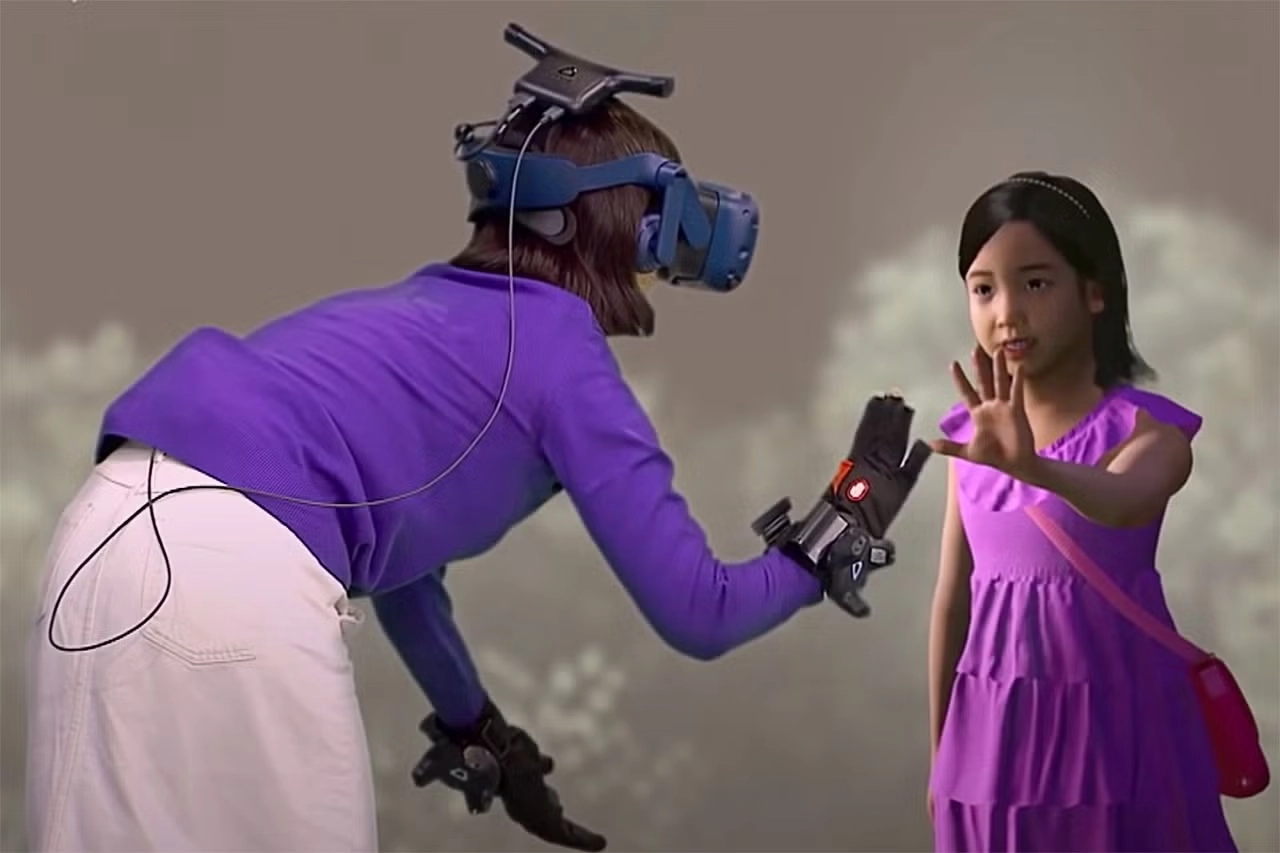
The appeal of a digital ghost is rooted in the human desire for one last conversation. By feeding an AI large datasets such as emails, text messages, voice notes, and social media posts, developers can create a chatbot or avatar that sounds and behaves remarkably like the deceased. For some, this provides a gentler landing for grief.
Psychologically, this aligns with Continuing Bonds Theory, which suggests that healthy grieving does not require severing ties, but rather reshaping the relationship with the person who has died.
In this light, a digital ghost becomes a modern evolution of the locket or the tombstone, a focal point for memory that offers comfort during the most isolating moments of bereavement.
Risking perpetual mourning

However, there is a delicate balance between memorial and haunting. Traditional mourning involves meaning-making, where the survivor gradually accepts the finality of death and reintegrates into a world without the deceased.
Experts warn that AI recreations may create a liminal state. If someone can text a late spouse each night and receive responses that feel authentic, the brain may struggle to process the reality of the loss.
This could lead to complicated grief, where the survivor becomes tethered to a digital loop, hindering the emotional growth that often follows loss. The ghost becomes a static fragment of the past, presented as a living presence.
Ethical shadows and a new ritual
Beyond the psychological impact lies a complex ethical landscape. There is the question of postmortem consent: would the deceased have agreed to have their private correspondence used to train a machine?
There is also the issue of ownership. If a tech company shuts down or changes its terms of service, a grieving daughter could lose her father a second time when his data disappears.
AI-generated echoes of the deceased require boundaries. While these systems can preserve aspects of a legacy, they cannot replace the work of mourning. Grief affirms the uniqueness of a relationship.
A digital ghost can replicate patterns of speech, but not the depth of human connection. Healing ultimately depends on learning to live with absence, not replacing it with simulation.
Frequently Asked Questions
An AI griefbot is a chatbot or avatar trained on a deceased person’s emails, texts, and voice recordings to simulate their speech patterns, personality, and conversational responses.
Experts are divided. While Continuing Bonds Theory supports reshaping rather than severing ties with the deceased, AI recreations risk creating complicated grief by blurring the finality of death.
Key concerns include postmortem consent — whether the deceased agreed to their private data being used — and data ownership, as platform shutdowns can permanently erase a person’s digital legacy.
AI griefbots can replicate speech patterns but not the depth of lived human connection. Grief specialists argue that healing depends on accepting absence, not substituting it with simulation.
If a platform closes or changes its terms of service, all data used to train a deceased person’s digital replica can be permanently lost, effectively ending access to that memorial tool.

Recommended Video