Will AI-generated Movies Take Over Someday?
Generative models have now evolved from short clips to feature-length narratives, and the film industry faces a fundamental shift in how stories are told and sold




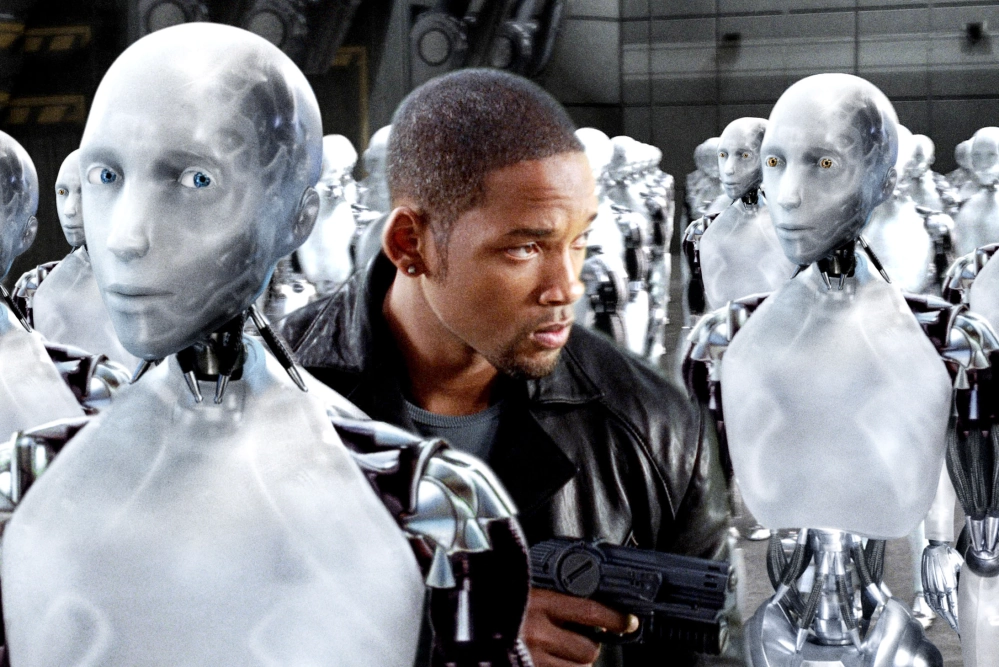
The current cinematic landscape blends existential dread with techno-optimism. For decades, major studios held the power, needing immense budgets and specialized artists for every film.
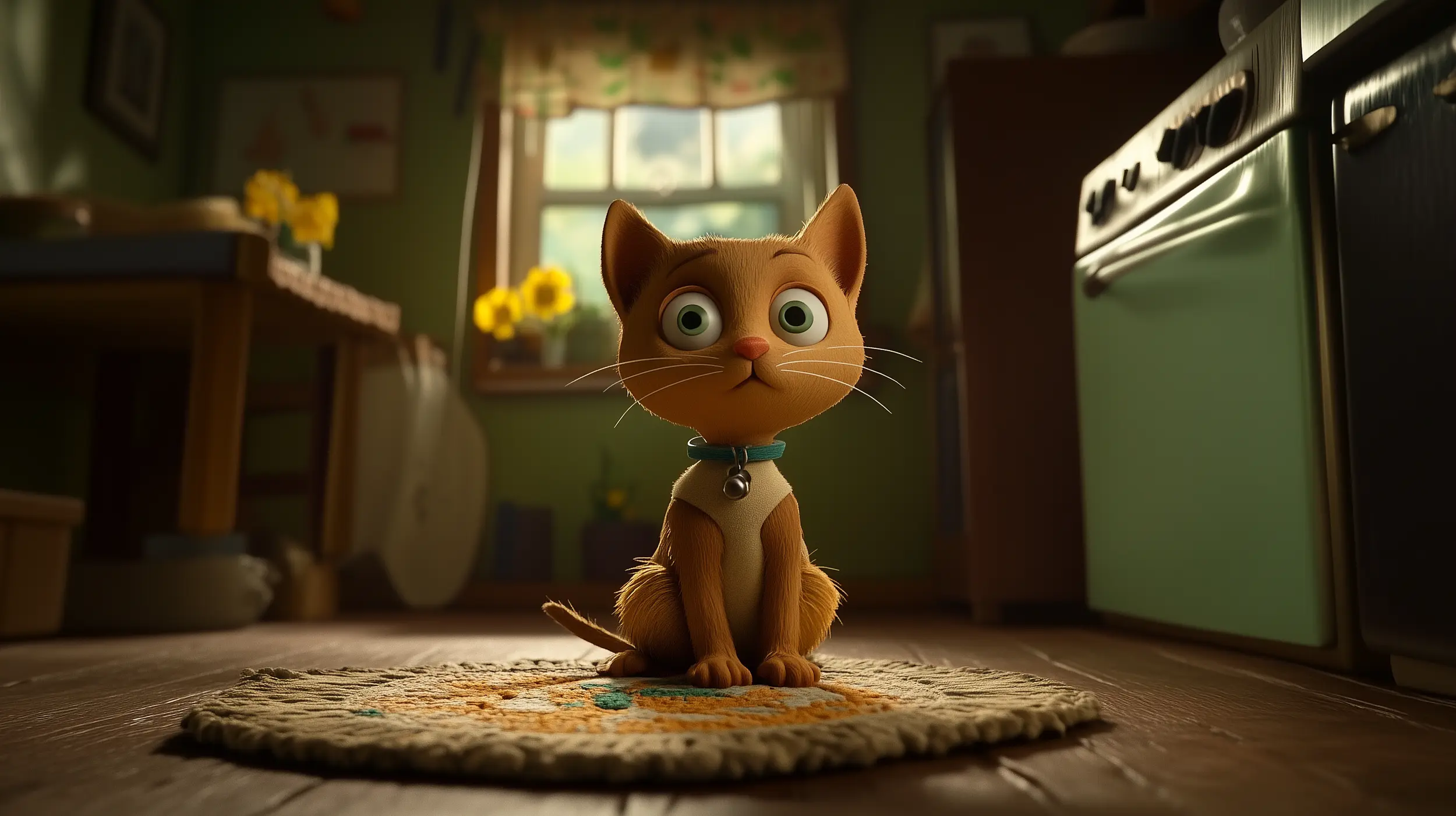
However, with the emergence of high-fidelity video generation tools like Veo and other advanced diffusion models, the fortress of Hollywood is being bypassed by silicon and code.
The key question is no longer if AI can create a coherent movie, but when and how these synthetic works will compete with, or displace, human-made blockbusters that have defined culture for over a century.
The rise of the synthetic studio
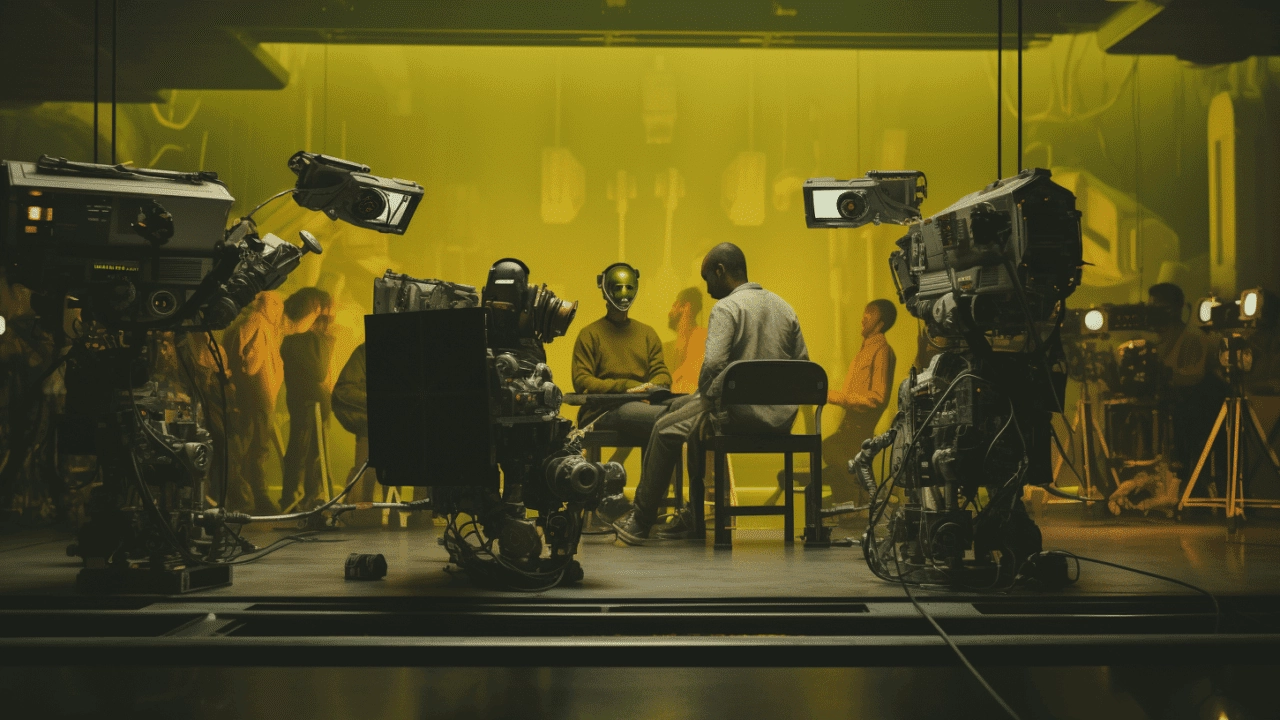
We are already seeing the democratization of spectacle. Historically, creating a photorealistic dragon or a crumbling cityscape required a $200 million budget and thousands of VFX artists. Today, a single creator with a powerful prompt can generate visuals that rival mid-budget studio fare.
As tools achieve temporal consistency (stable characters/environments) over long periods (e.g., two hours), filmmaking barriers will disappear. This future could lead to a deluge of personalized content (like audience-generated sequels/mashups), completely bypassing traditional distribution.
Efficiency vs artistry
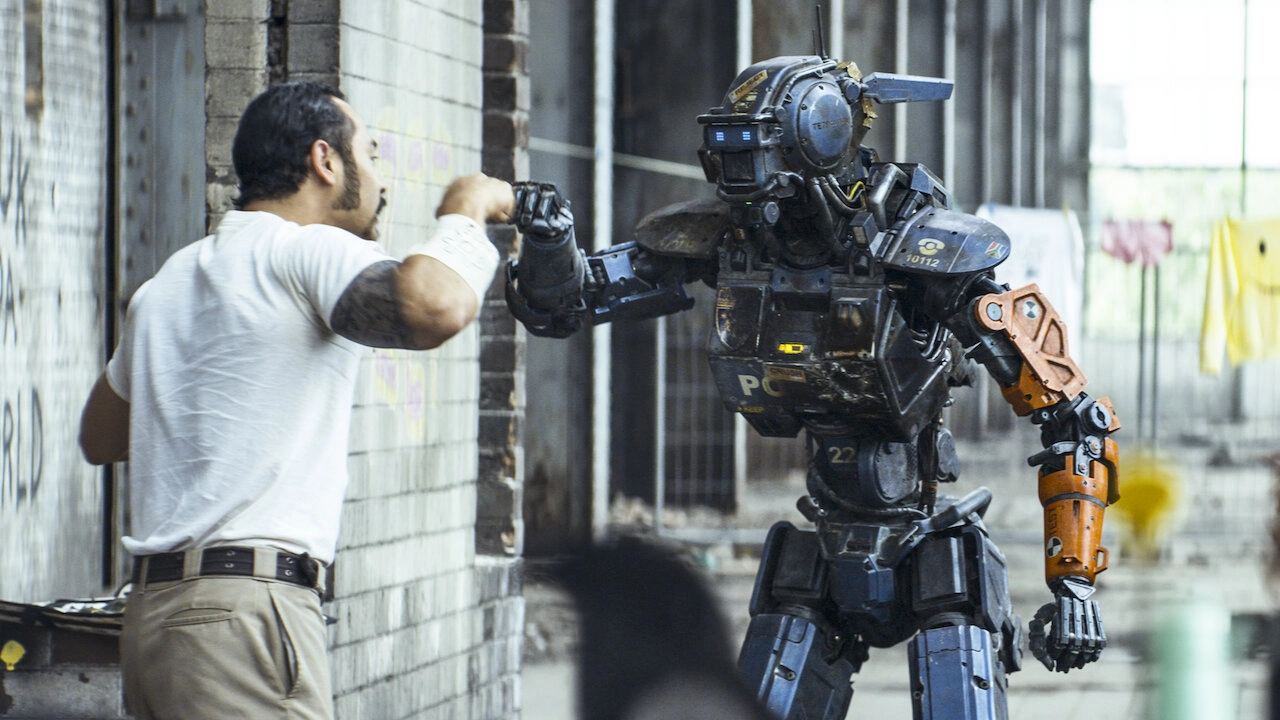
From a corporate perspective, AI’s appeal is clear. The traditional production pipeline faces logistical issues: coordinating many actors and crew, high costs for physical sets, and expensive reshoots to correct post-production mistakes.
AI offers a clean alternative where a director can tweak a performance or change the lighting of a scene in real-time. However, critics argue that film is a medium of happy accidents.
The chemistry between two actors or a cinematographer’s spontaneous decision to catch a specific ray of light creates a soulfulness that algorithms, which function on statistical probability rather than lived experience, may struggle to replicate.
A hybrid future
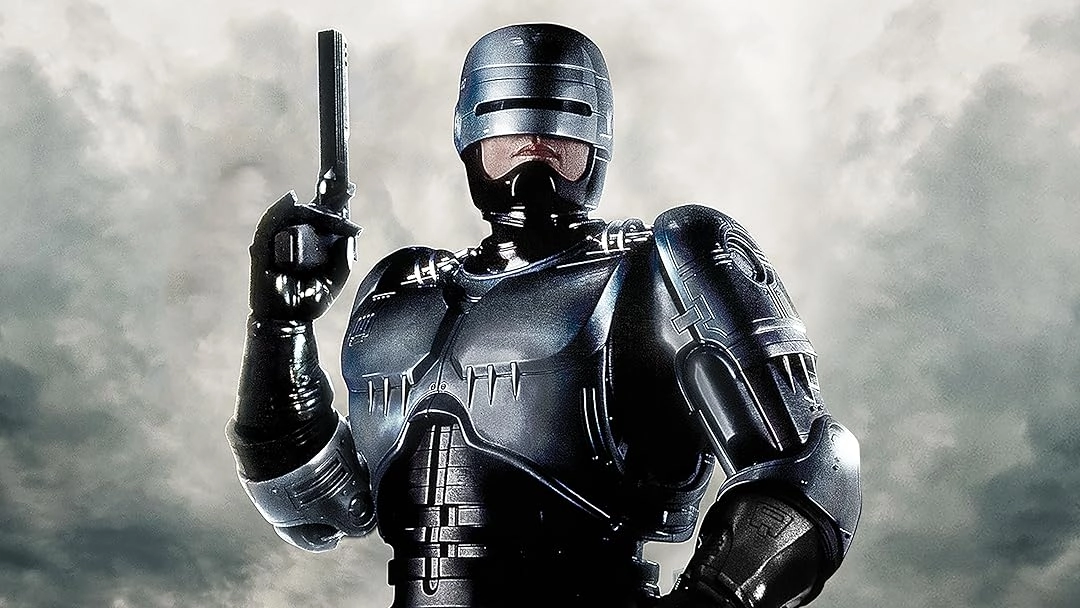
Rather than a total coup, the most likely scenario is a hybrid integration where we enter an era of “cyborg cinema.” In this landscape, AI handles the heavy lifting of rendering and asset generation, but human intent provides the essential North Star, as the human element remains the gatekeeper of emotional resonance.
While AI-generated movies may offer a visual spectacle, they often lack the human subtext and cultural depth that create a “classic.” If “taking over” means dominating the volume of content, then AI will undoubtedly succeed, as its sheer output will soon vastly exceed human production.
AI-assisted viewing may dominate, but it won’t replace the human desire for authentic, shared experiences. While AI could account for 90% of content, the final 10%—original human thought and effort—will remain the true standard of valued art.
Frequently Asked Questions
AI may dominate content volume, but Hollywood’s emotional depth, cultural resonance, and shared viewing experience are assets that purely synthetic cinema has not yet replicated.
Cyborg cinema is a hybrid filmmaking model where AI handles rendering, asset generation, and visual production while human directors and writers retain creative and narrative authority.
Tools like Veo allow a single creator with a strong prompt to generate photorealistic visuals that previously required a $200 million budget and thousands of VFX artists.
AI generates output based on statistical probability rather than lived experience, making it difficult to replicate the unscripted chemistry between actors or a cinematographer’s spontaneous visual instinct.
Projections suggest AI-assisted content could account for up to 90% of total output, with original human-authored work remaining the smaller but more culturally valued share.
Recommended Video