
Tech 2026: What to Expect in the New Year
As technology evolves at a fast pace, here are some advancements to look forward to in the coming year





The world is a constant witness to many technological advancements that at times seem to have developed faster than expected. Like the switch from buttons to touchscreens or the creation of artificial intelligence that can answer inquiries in real time, it’s easy to expect more unimaginable developments.
Considering how new innovations in technology occur every year, 2026 will certainly be no different. Here are some of the developments we can look forward to in the coming year.
Smartphones and A.I
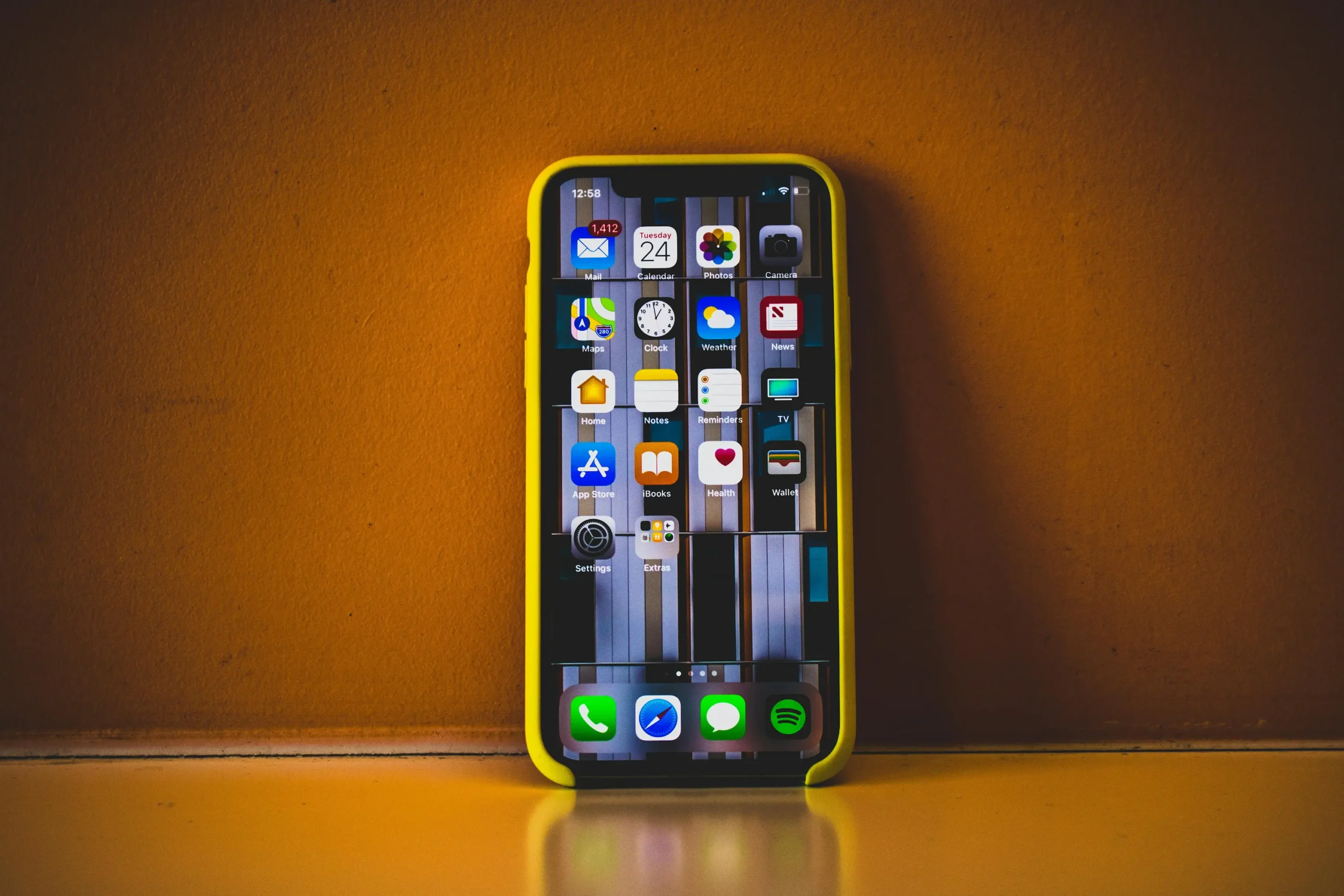
Given the fast evolution of artificial intelligence and its growing integration in many technologies, today’s A.I. may become less dependent on internet connectivity to function.
With simpler tasks like face recognition, on-the-spot translation, photo editing, and personal voice assistance, these tools may achieve easier accessibility by integrating A.I. into the smartphone itself rather than mainly being used through the internet.
More A.I. Content
Taking the recent holiday commercial from Coca-Cola for example, 2026 might find itself with many more A.I.-generated media like ads, music, and other forms of content.
Artificial intelligence is quickly learning how to generate high-quality videos, images, and sounds that are even beginning to look manmade. With such fast-growing development, this tool may be favored by a number of brands, especially with the lower cost this form of advertising can offer.

Foldable Phones
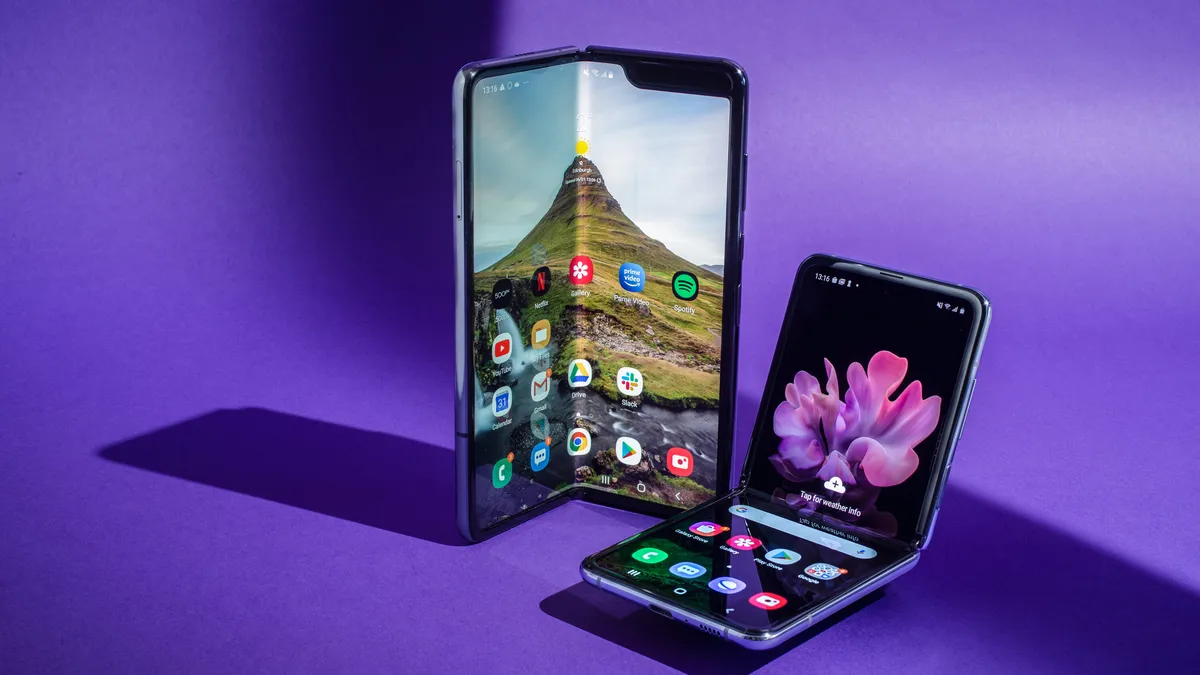
The modern-day foldable phone has been around for a while now, but its non-foldable counterpart is still preferred by the masses.
One problem that prevents people from purchasing this product is that its foldable feature can cause overtime damage to the screen. But with growing technological developments, more phone manufacturers may be able to create this product in its fully functional form.
Given the convenience this device can bring due to its size, a foldable Apple phone may even be a product of the near future.
Smarter Cars
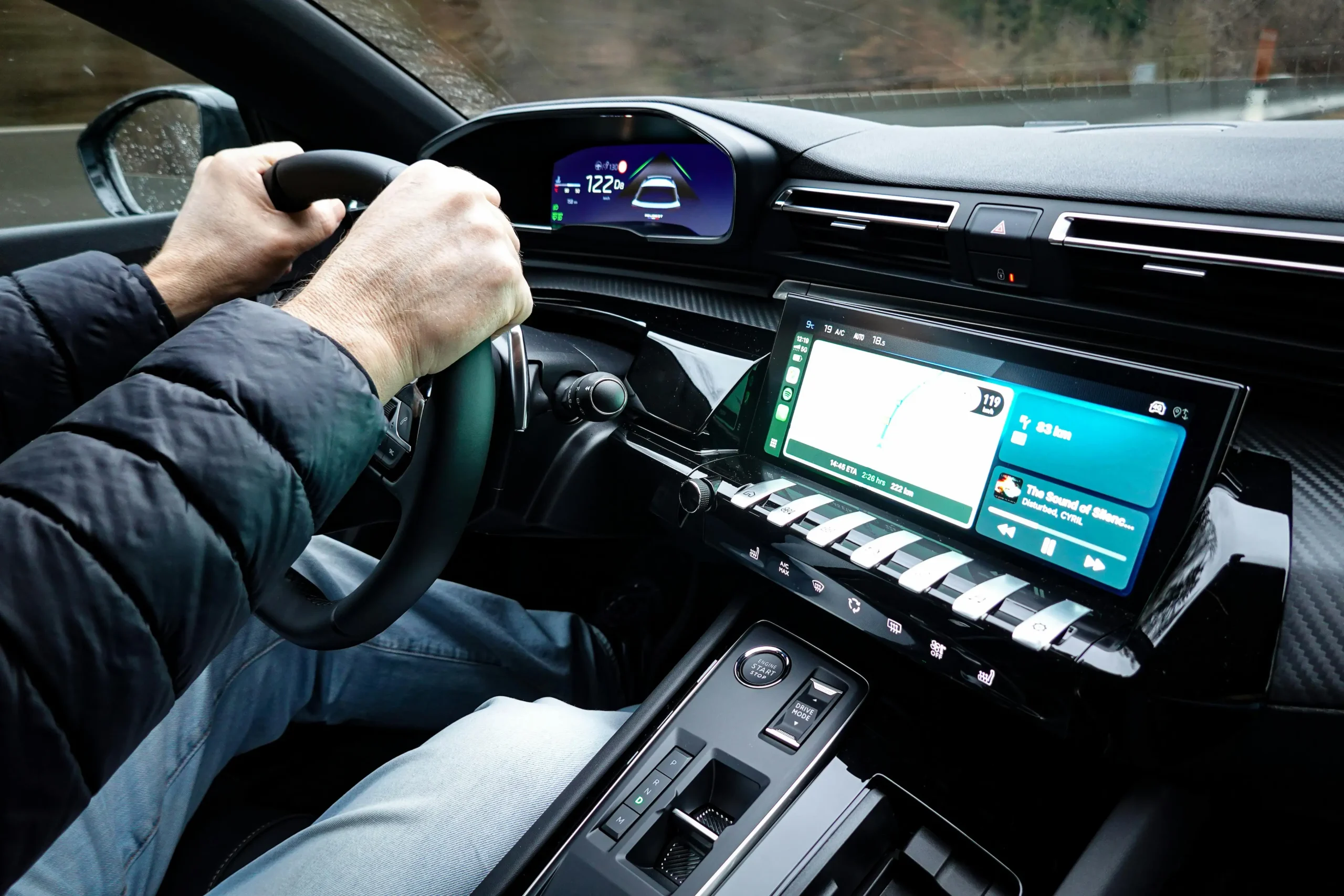
Despite the ever-growing advancements that car technology has seen, many struggles and inconveniences still bring annoyances to drivers around the world: the tediousness of parking, avoiding obstacles on the road and in parking lots, and having to drive while exhausted.
Today’s modernity is still a long way from achieving perfectly safe and convenient technology for vehicles. But as manufacturers work toward fast progression, 2026 may be the year when fast-evolving A.I. technology can reach a level of assistance that guides drivers through these aforementioned difficulties.
Contactless Charging
In recent years, technology has advanced enough to achieve wireless charging. Despite this technological breakthrough, this development has only gone as far as no longer needing a wire but still requiring contact between the two devices. Recently, Japan has developed a new means for wireless power transfer that charges devices through the air.
With charging pads, these cannot read whether a battery requires more or less power, therefore causing overheating or damage through uneven distribution of charging. Compared to this, Japan’s technology utilizes a learning system that understands the precise amount of power required by a device. Using this, wireless charging can be achieved safely through a stable distribution of energy.
While this exciting technology is a new development and may not yet be on the market in the coming year, progress is fast, and the world may hear more about it moving forward.
Frequently Asked Questions
The key technology developments to follow in 2026 include on-device AI integration in smartphones, the growth of AI-generated commercial content, improvements in foldable phone screen durability, AI-assisted driver support in cars, and Japan’s airborne wireless power transfer technology for contactless charging without physical pad contact.
On-device AI in smartphones is expected to expand in 2026, reducing dependency on internet connectivity for tasks like real-time translation, face recognition, photo editing, and personal voice assistance. By integrating AI processing directly into the device, these functions could operate with greater speed and accessibility in low-connectivity environments.
A foldable Apple phone had not been officially confirmed as of late 2025, though industry speculation continued to grow around the concept. Improvements in foldable phone screen durability from multiple manufacturers were expected to make 2026 a significant year for the category, potentially bringing a wider range of viable options to market.
Contactless wireless charging refers to charging devices through the air without requiring physical contact between the device and a charging pad. Japan’s airborne wireless power transfer technology uses a learning system to detect the precise power requirements of a device, enabling stable, safe charging through the air and avoiding the overheating risks associated with standard charging pads.
AI-generated content in advertising and media is expected to grow significantly in 2026, driven by its lower production cost and improving output quality across video, image, and audio formats. Brands that began experimenting with AI-generated campaigns — as seen in the Coca-Cola holiday commercial — may accelerate adoption as tools become more widely accessible.
Recommended Video