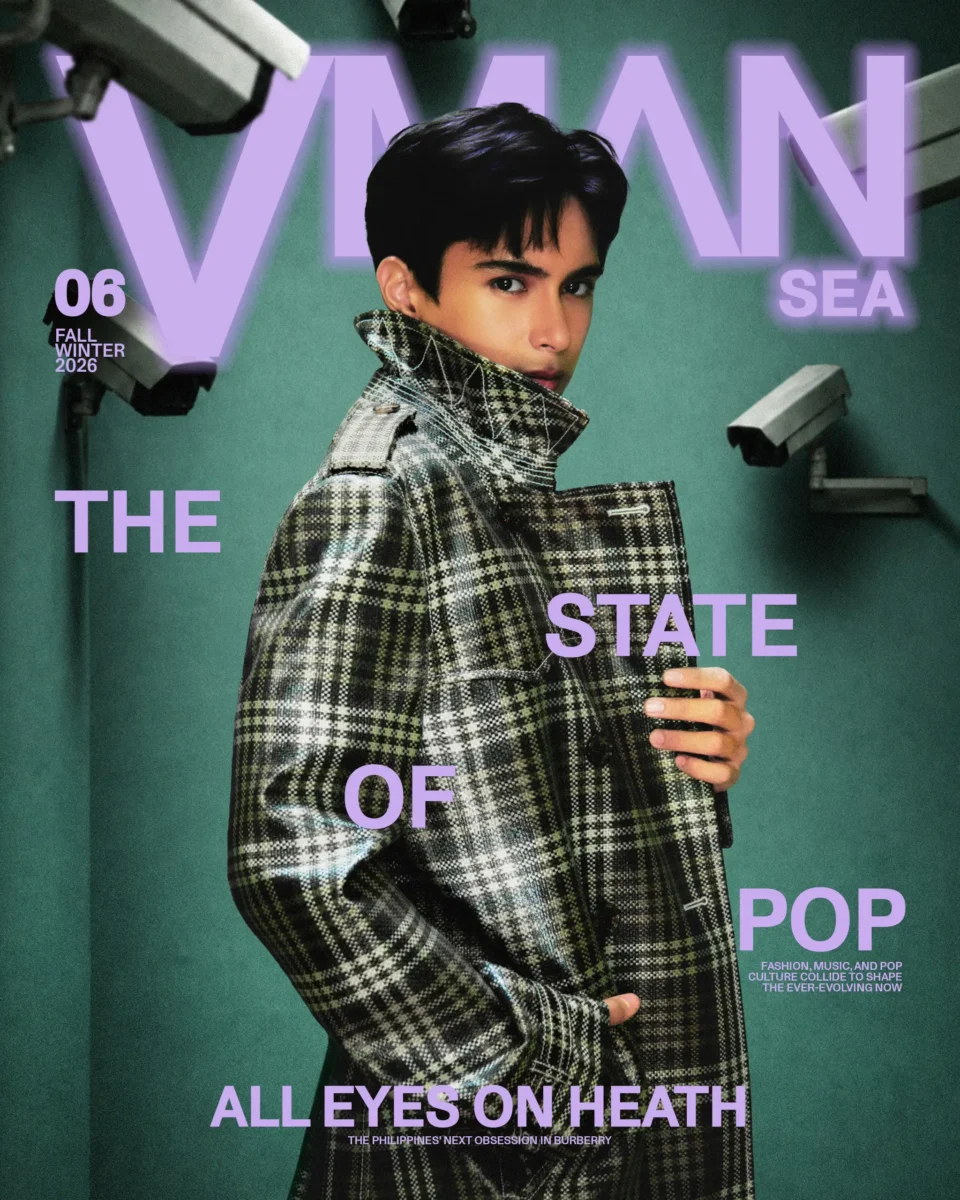
We Don’t Care UK is Disrupting Philippine Nightlife
Unapologetic, unexpected, and utterly unfiltered, the DJ duo is dismantling industry boxes to create a community where subculture reigns supreme




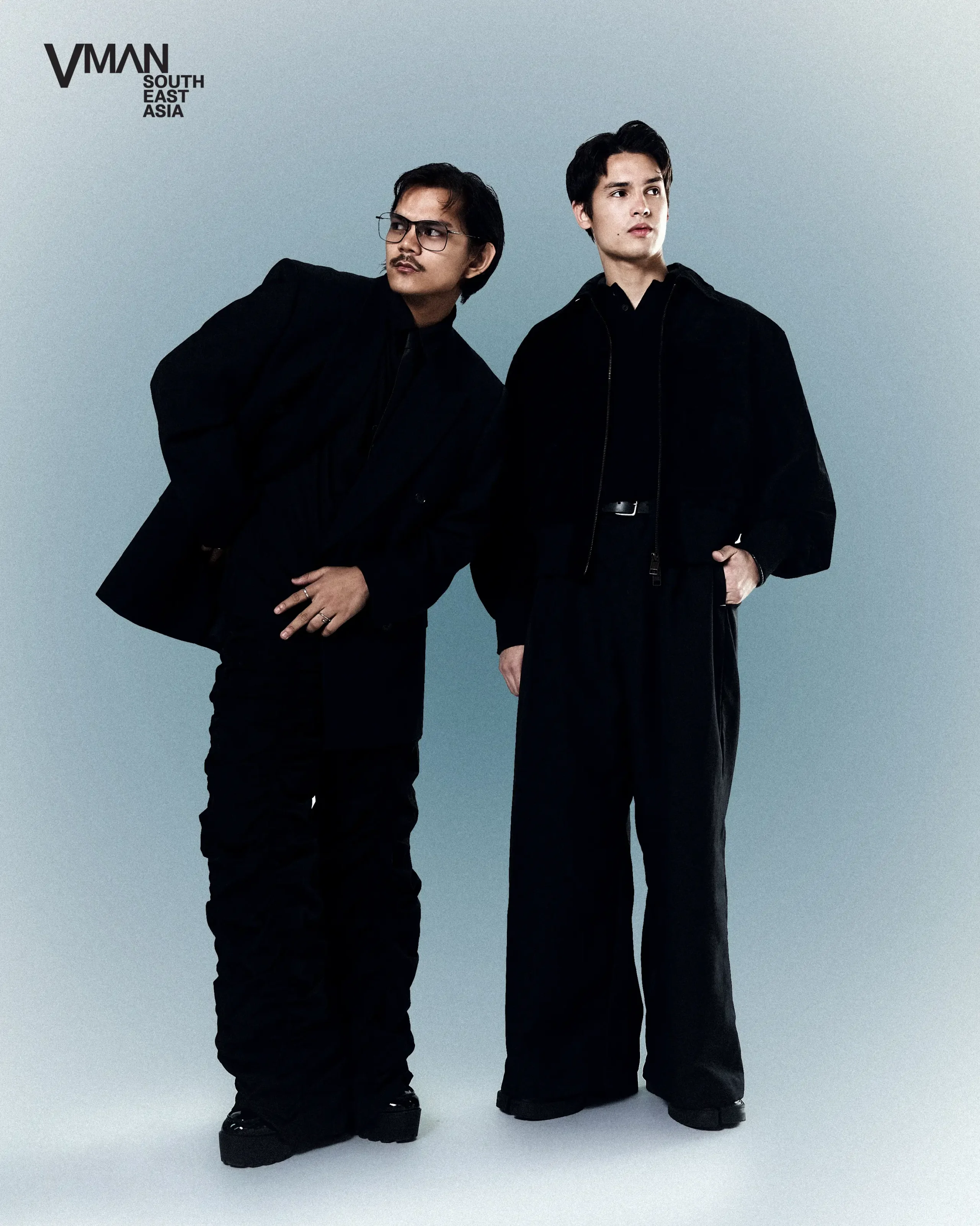
- The collective We Don’t Care UK focuses on introducing authentic UK garage (UKG) and bass elements to the Philippine music scene.
- Founders Myc Priestley and Kobie Brown navigate a dual identity as a multimedia artist and actor, respectively, treating the decks as a passionate personal outlet.
- Rejecting a direct path to club residencies, the duo built their initial “proof of concept” reputation through local weekend thrift markets and pop-ups before scoring gigs with global names like Saint Laurent.
- Rather than leaning into rigid, heavily commercial club music formats, the duo blends recognizable mainstream edits with unexpected underground bass profiles.
- The collective strictly rejects the exclusive, invite-only culture of typical nightlife scenes, keeping dancefloors open to any supporter looking for genuine self-expression.
Testing the current of the underground
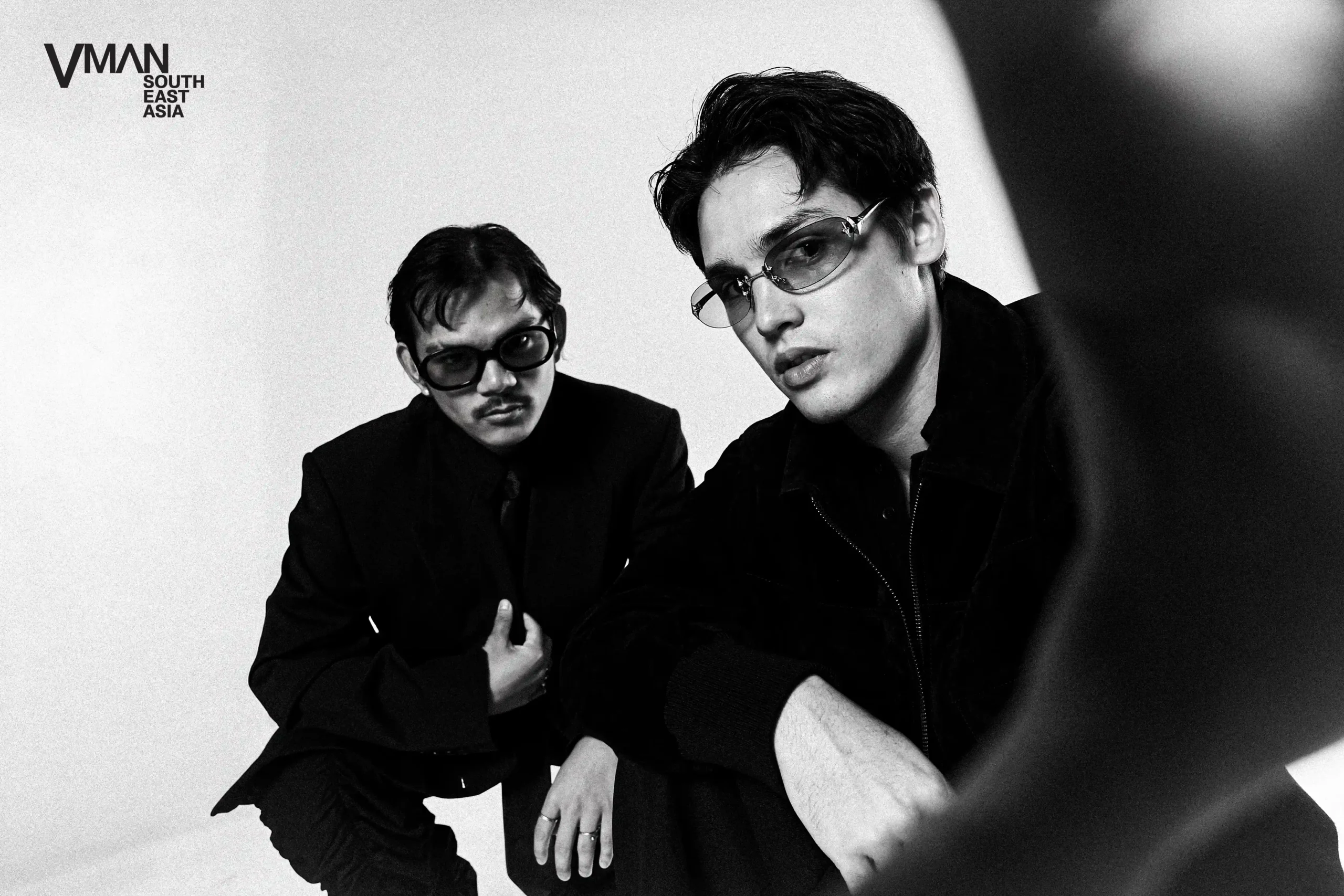
The electronic landscape in the Philippines is experiencing a distinct sonic shift, driven by a duo operating far outside the predictable commercial club formats. Actor-DJ Kobie Brown and collective co-founder Myc Priestley are intentionally steering the nightlife scene away from predictable, safe tracks.
“We basically want to try to introduce the Philippines to the new element of sound, which is UKG, bass, garage… very much UK culture,” Myc said.
Stepping into the local nightlife scene has allowed the duo to translate their transatlantic roots into a raw, organic community builder. For Kobie, who grew up immersed in Manchester’s nightlife, the project brings an unexpected and energetic perspective to the local decks.
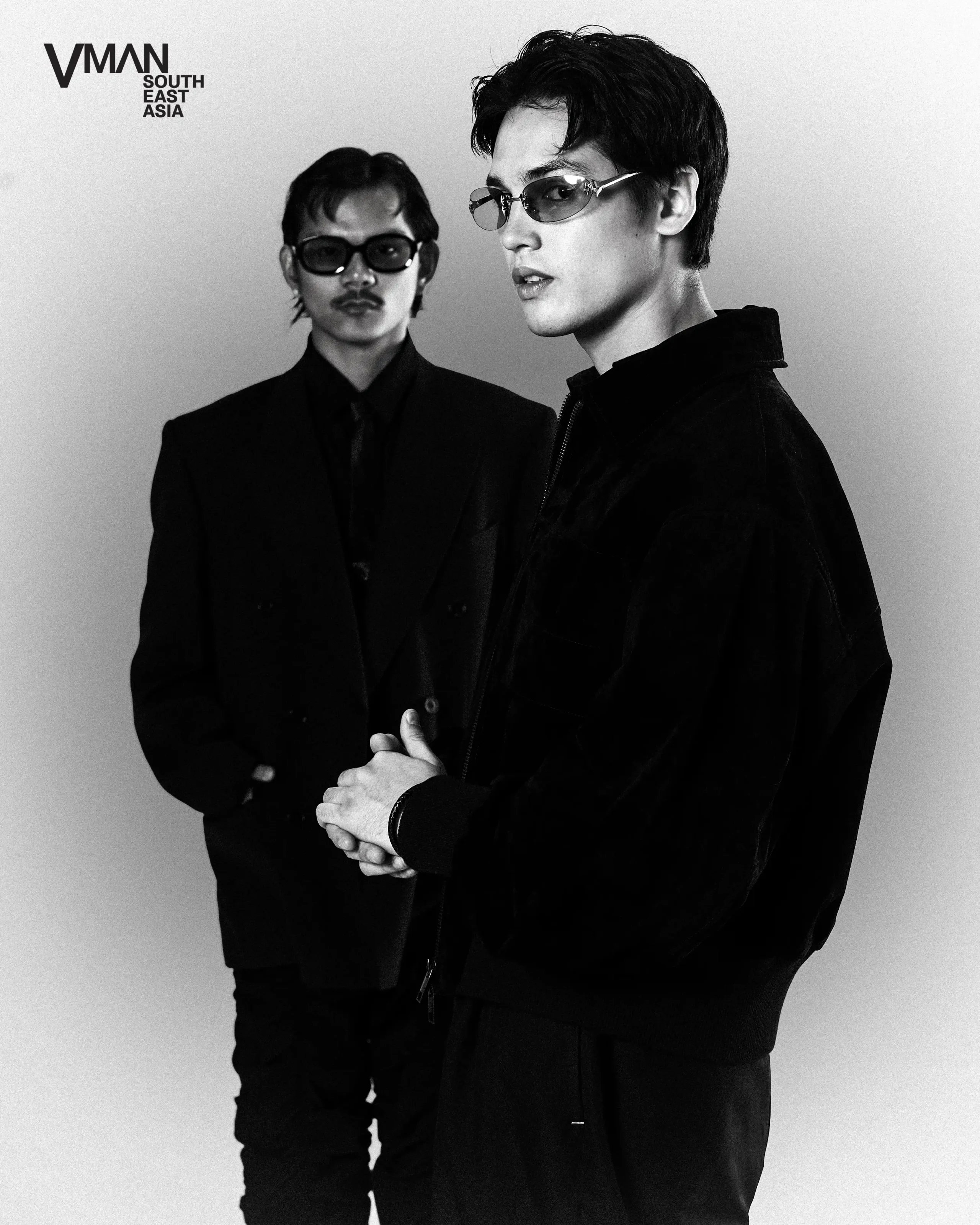
Their mission actively defies the rigid boundaries often enforced by the traditional entertainment industry, enabling a unique creative outlet. They treat their musical identity as an open space for self-expression, directly challenging the mainstream status quo.
“I really just started because I love music. It was an outlet for me when I wasn’t working, I wasn’t doing my acting or singing in the entertainment industry.”
Crafting an unapologetic soundscape
Musically, We Don’t Care UK relies on an uncompromising live setup that prioritizes authenticity over commercial demands. They stay true to a gritty electronic foundation, executing the heavy house and garage vibrations that define their artistic vision.
The resulting sets balance unhurried underground edits with recognizable, high-energy mainstream anthems. This organic framework mirrors the diverse subcultures Myc experienced while DJing and raving across Australia’s electronic music networks.

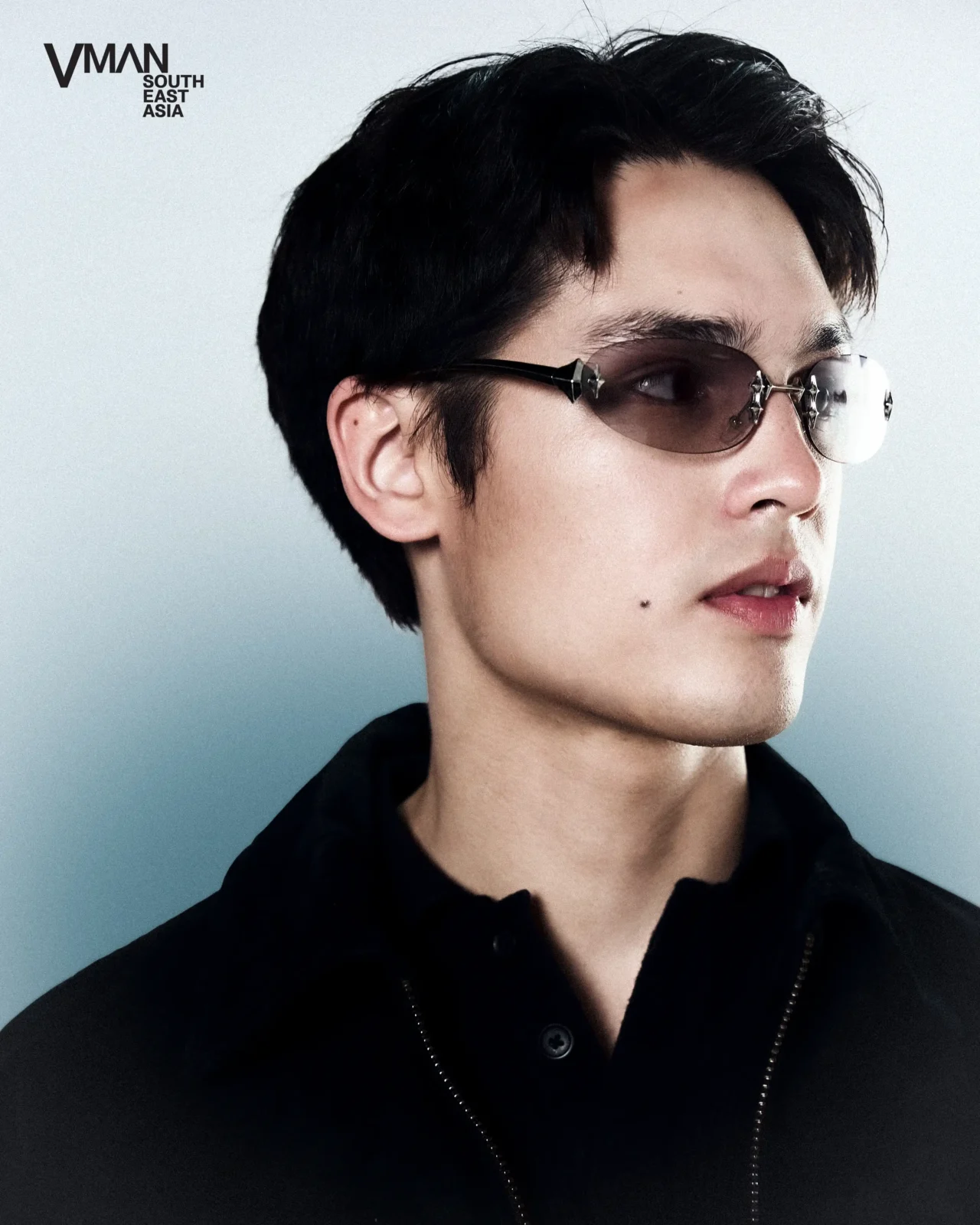
“We just want to have the freedom to play what we want, and, essentially, hopefully… diverge to a new audience to our unapologetic stance,” Myc said.
The duo curates a distinct musical lane by blending global club edits with classic UK electronic tracks. This specific approach invites the local crowd to break away from fast, repetitive pop beats and embrace a new musical perspective.
“I’d love to take We Don’t Care [UK] to the highest of highs. I feel like we have the talent and the determination and the opportunity to produce our own sound.”
Challenging commercial nightlife norms
The local dancefloor serves as a canvas for genuine self-expression, heavily contrasting the uniform landscapes of standard commercial clubs. Rather than letting business demands dilute their vision, the collective structures its gigs around raw human connection.
“Tending to what the crowd wants, but also slowly introducing that type of UK sound that we want, we do it every time that we have a set,” Kobie Brown said.
In modern nightlife, hyper-exclusivity often dominates the market, but We Don’t Care UK deliberately stays anchored in community accessibility. Myc explains that their underlying philosophy relies on nurturing a completely raw, non-judgmental club experience.
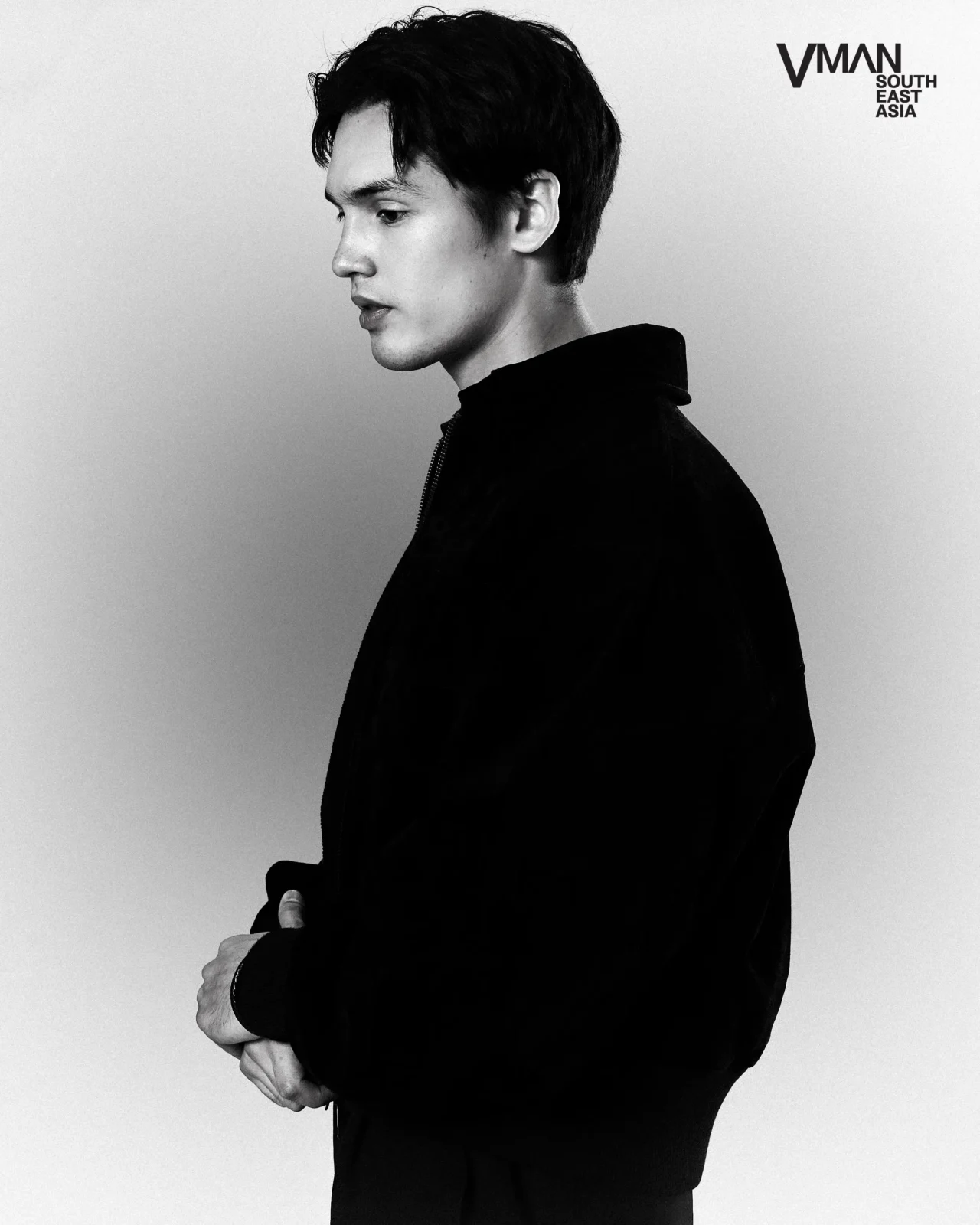
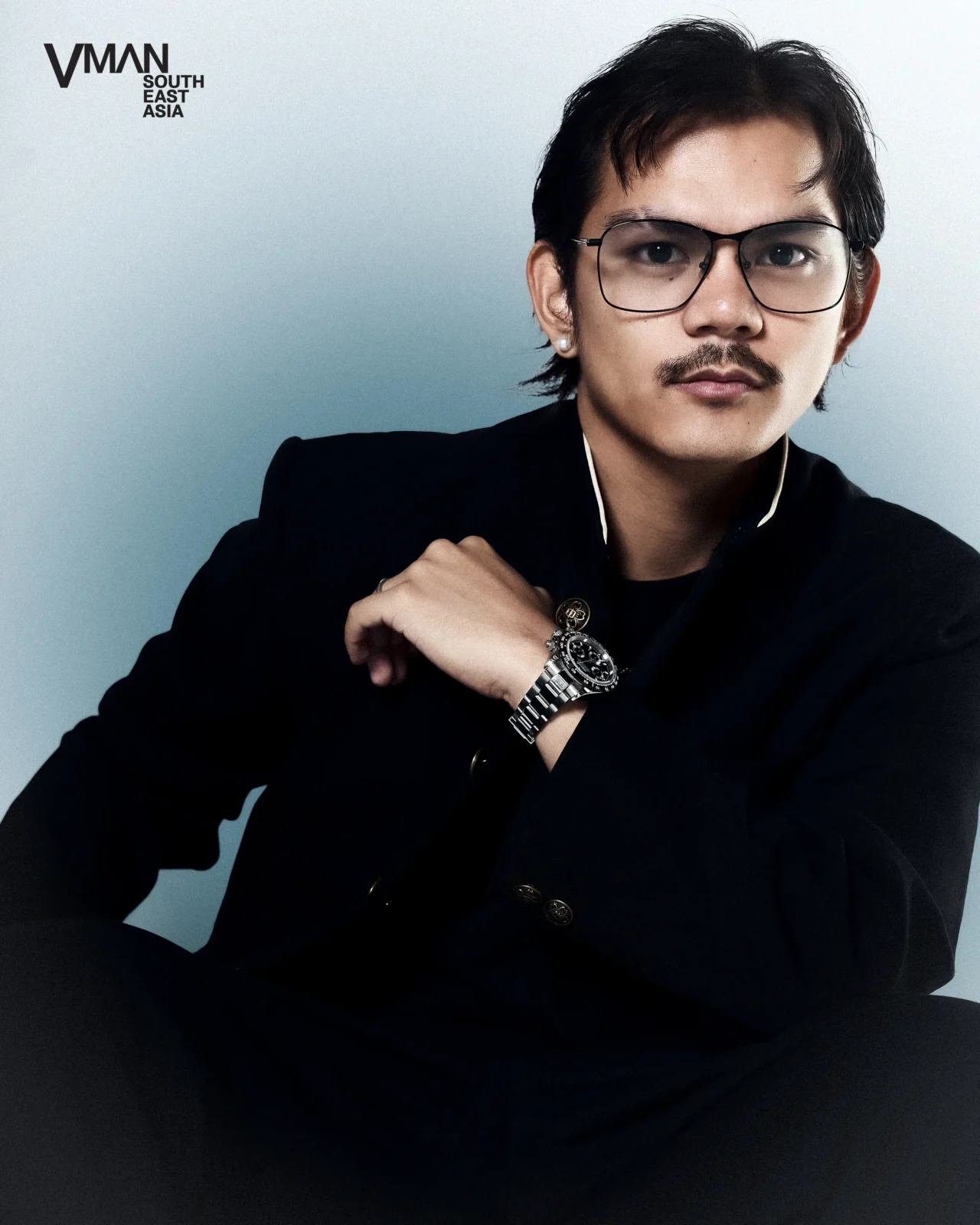
“I think most of our events, first of all, are open to everyone. That’s number one,” Myc added.
This accessible format completely deconstructs the gatekeeping often associated with high-end club spaces. It keeps the dancefloor alive with energy, offering an open room where raw individuality can thrive safely.
“We’re so open to playing so many different venues… we’ve met so many people along the way, we really love playing to different crowds. It’s nice to see different reactions from people.”
Dreaming big beyond the horizon
Looking closely at their rapid rise reveals an unconventional strategy that avoids traditional nightlife pipelines. They captured their first audiences at local pop-ups and weekend thrift markets, slowly testing their concepts before transitioning into bars.
“Weekend markets. That’s how we started, that’s how we started to get known. We didn’t go straight into club gigs,” Myc said.
Beyond these early spaces, a much larger footprint is slowly forming as they secure high-profile industry bookings. They have already expanded from thrift pop-ups to major brand collaborations with global names like Saint Laurent and upcoming music events like &Friends.

“We just take it step-by-step, you know? Just those little wins help us reach our ultimate goal.”
The collective continues to expand its footprint by staying focused on its unique visual and musical execution. While their community grows, they remain dedicated to pushing a distinct subcultural wave into the future.
“We’re definitely grateful for everyone who’s helped us as well, everyone in the DJ community that has been so supportive towards us; we’ve never judged us, and we’ve always been dreaming big since the very start.”
Frequently Asked Questions
The collective builds its entire sonic identity around authentic UK electronic music subcultures, seamlessly weaving genres like UKG, garage, and heavy bass directly into their track selections to introduce new acoustic elements to local dancefloors.
Their movement utilizes the open dance floor to challenge commercial norms, prioritizing radical inclusivity and safe spaces over hyper-exclusive, invite-only clubbing cultures so that individuality can thrive without judgment.
While his acting work requires navigating commercial industry expectations, his DJ career serves as an unfiltered, unapologetic outlet where he can express his true musical identity away from showbiz limitations.
They draw heavily from independent local collectives and artists who balance their sets by respecting the regional market while introducing the specific, cutting-edge sounds they are passionate about.
Beyond playing iconic local venues and major festivals like &Friends, their ultimate goal centers on step-by-step evolution, brand collaborations, and producing original music to showcase that artists can successfully cross industry lines.
Chief of Editorial Content Patrick Ty
Photography Kieran Punay of KLIQ Inc.
Art direction Francis Vicente and Prince Cacho
Creative direction and editing Mike Miguel
Editor Dayne Aduna
GroomingGroomingThe care and maintenance of hair, skin, beard, and nails, including cleansing, shaving, styling, and scent. Once niche, men's grooming has grown into a major lifestyle category, and VMAN's VanityGo to Grooming Glossary Jean Alorro of Nix Institute of Beauty
Special thanks Dan Dequito
Recommended Video