From A$AP Rocky to BTS: The Modern Music Icons Behind Today’s Fashion
Musicians have become fashion’s new architects, shaping global style not through magazines or runways but through what they choose to wear




Artists and musicians are now fashion’s front row
There was a time when magazine editors defined the language of style. They determined what people wore, how they wore it, and why it mattered. Today, that role belongs to musicians. Their choices onstage, in airports, and across social media move faster than any editorial calendar. Clothing has become part of their creative expression, a visual form of storytelling that shapes global taste and commerce.
A$AP Rocky
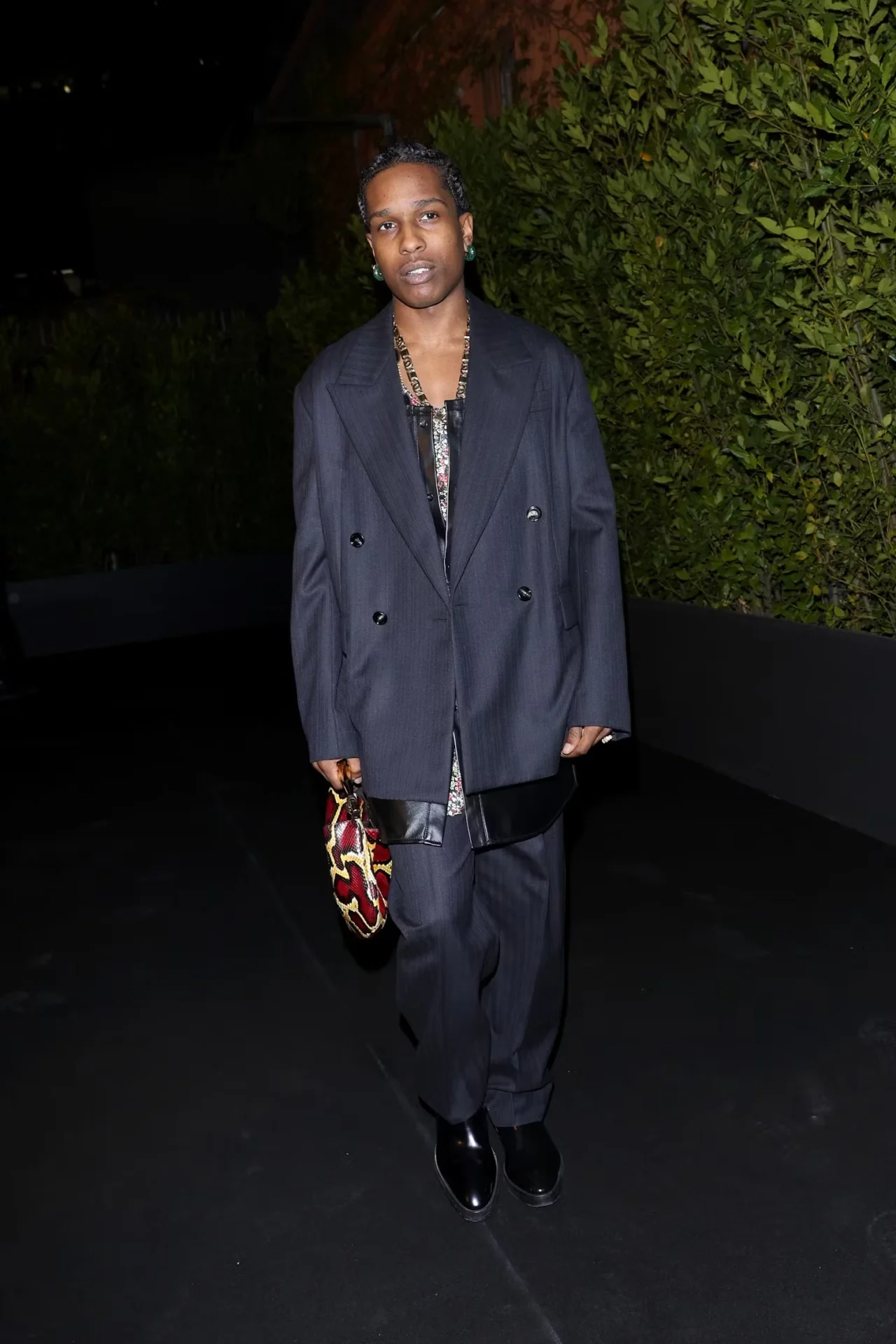
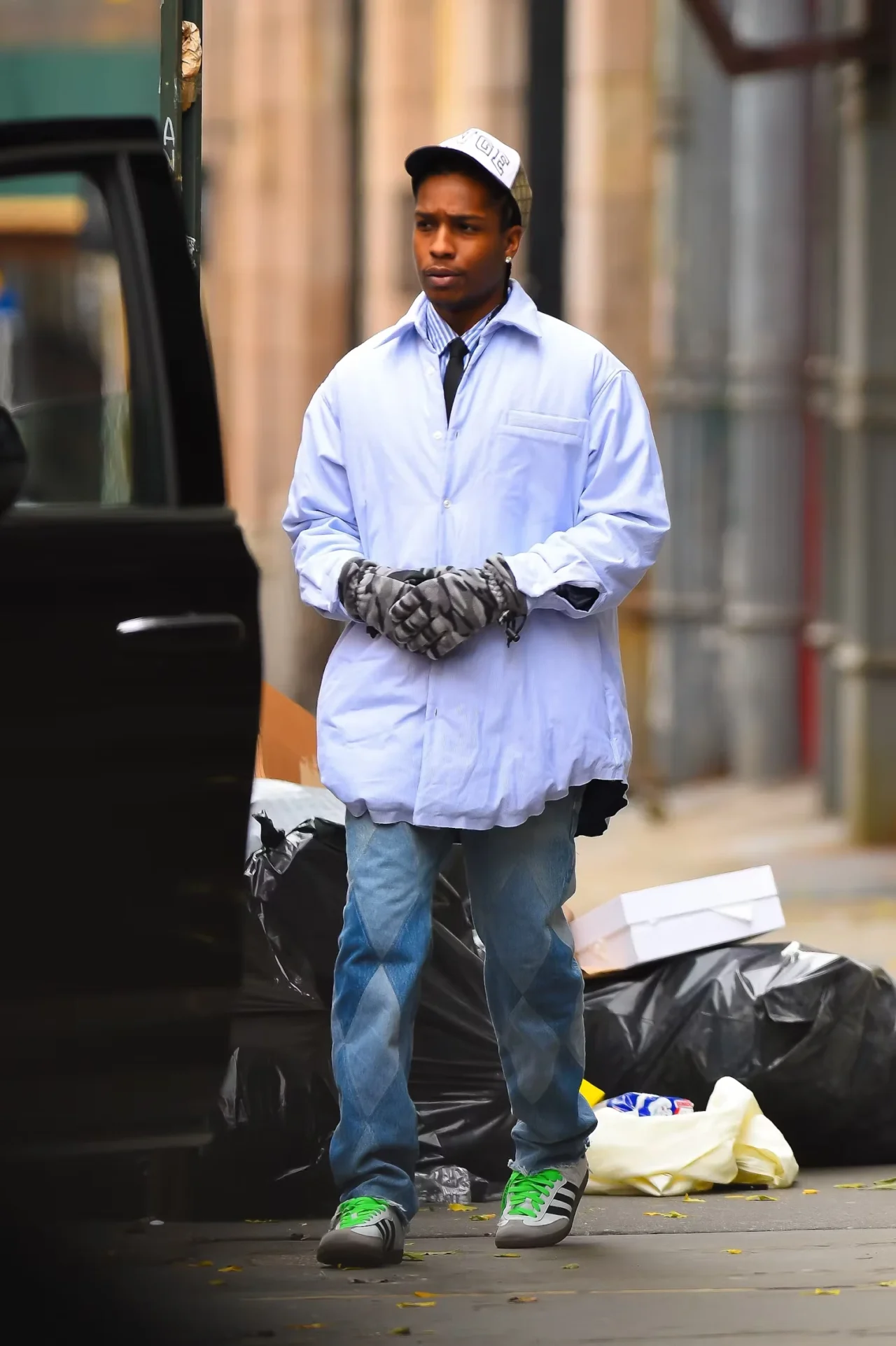
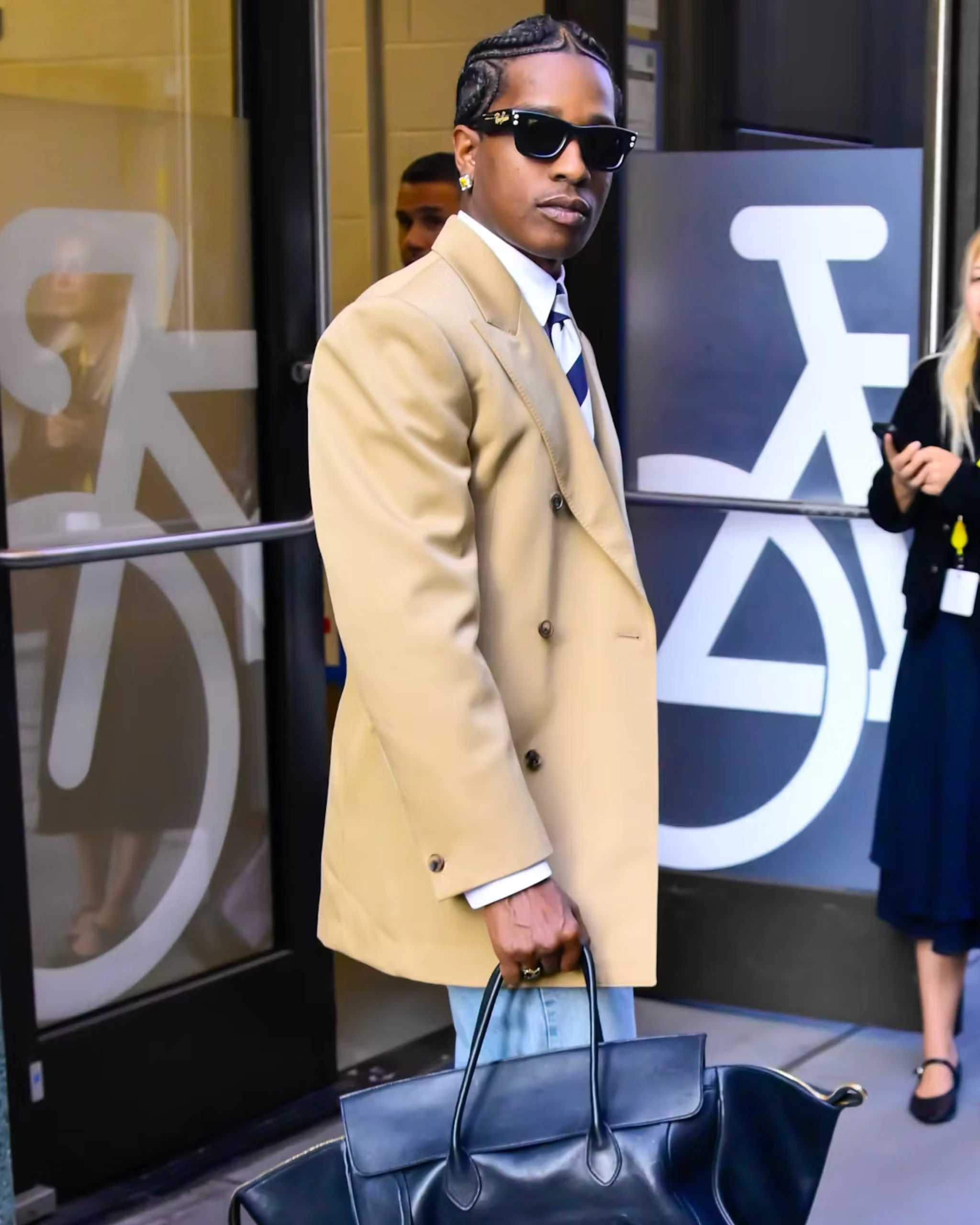
A$AP Rocky stands at the center of this shift. He approaches fashion as an extension of his artistry, combining archival luxury with street references and Harlem roots. Through his creative collective AWGE, he produces collections that merge music and design into cohesive cultural statements.
As a Met Gala cochair and frequent collaborator with luxury houses, Rocky represents a new model of menswear defined by experimentation and fluidity. His approach shows how musicians can influence both runway direction and mainstream perception without relying on traditional fashion institutions.
Tyler, the Creator
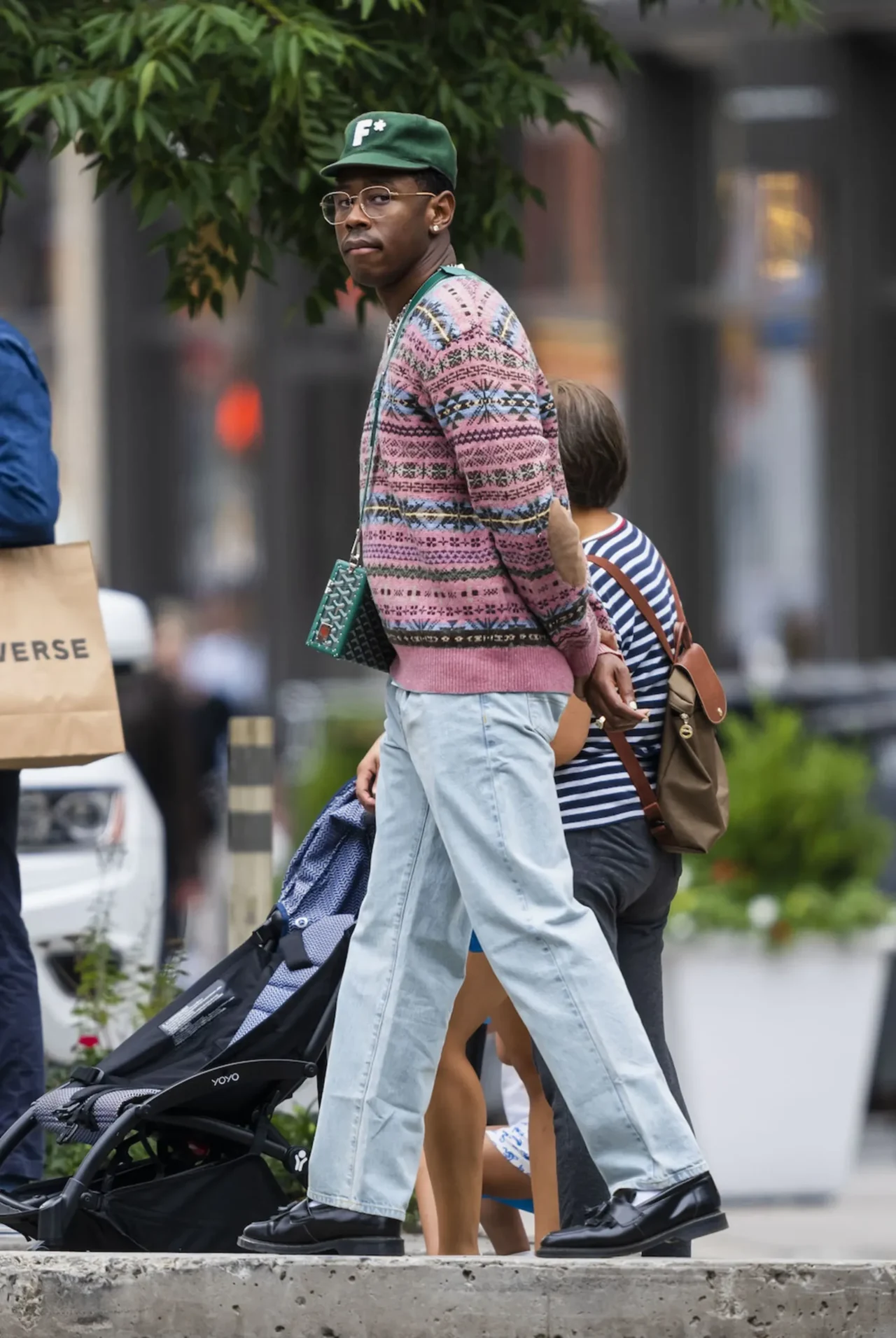
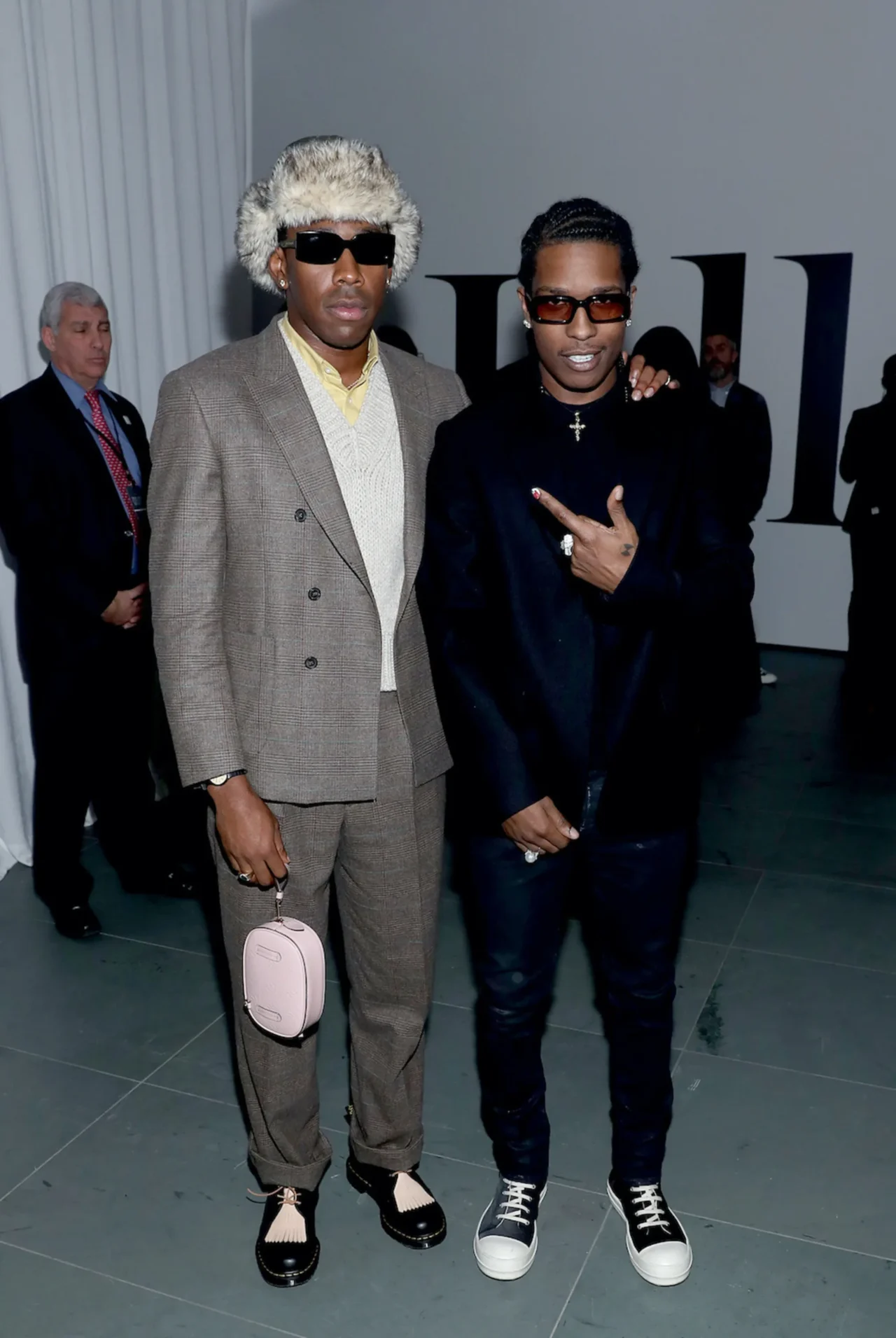
Tyler, The Creator has transformed personal eccentricity into a recognizable visual brand. His preppy references, pastel tones, and bold knitwear have evolved into the DNA of his labels Golf Wang and Golf le Fleur.
The rapper’s work with Louis Vuitton, Bottega Veneta, and presence at fashion weeks reflect how individuality, when translated consistently, can carry both artistic and commercial weight. He demonstrates that a musician’s distinct persona can generate its own fashion economy, where humor and style coexist.
Dominic Fike
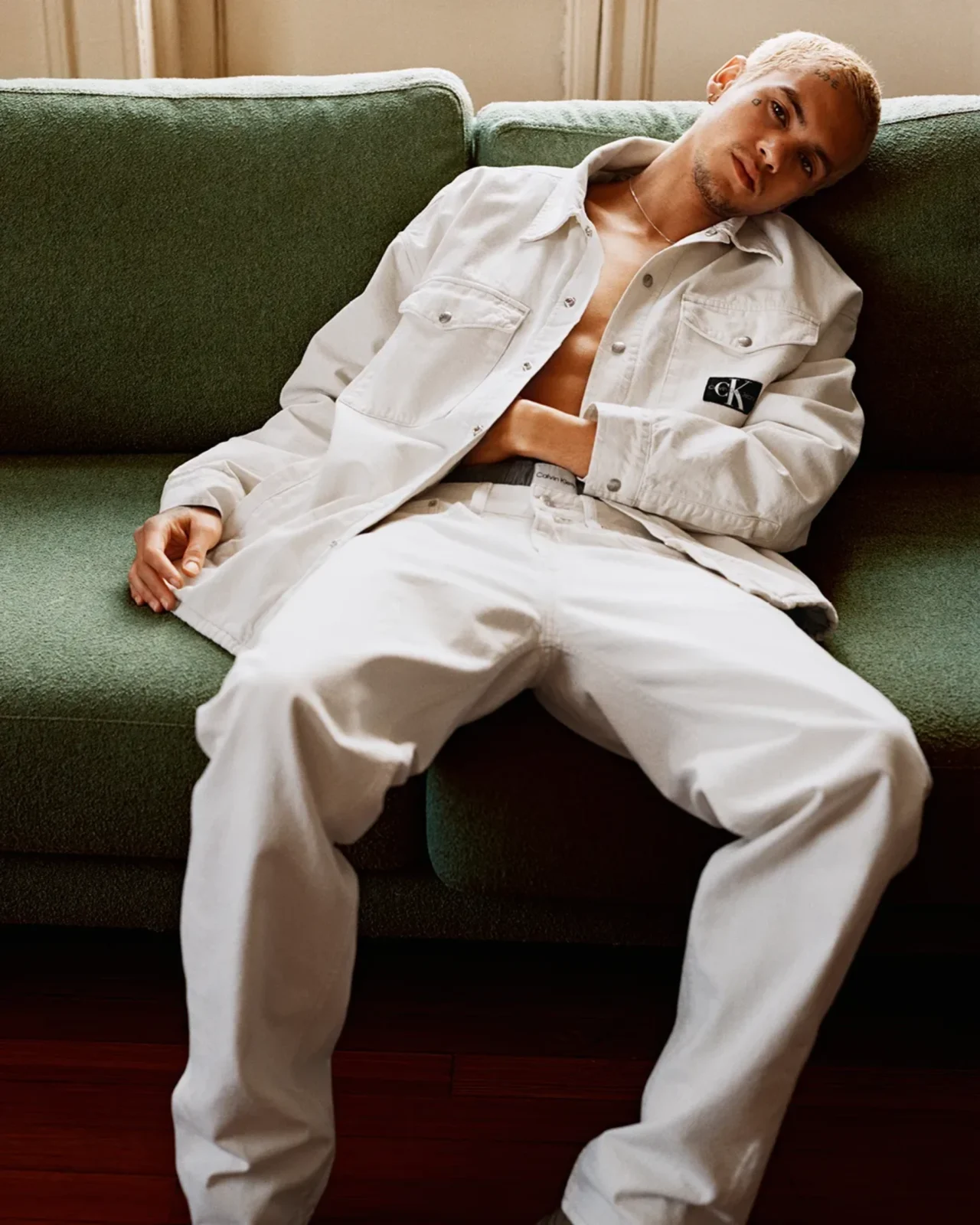
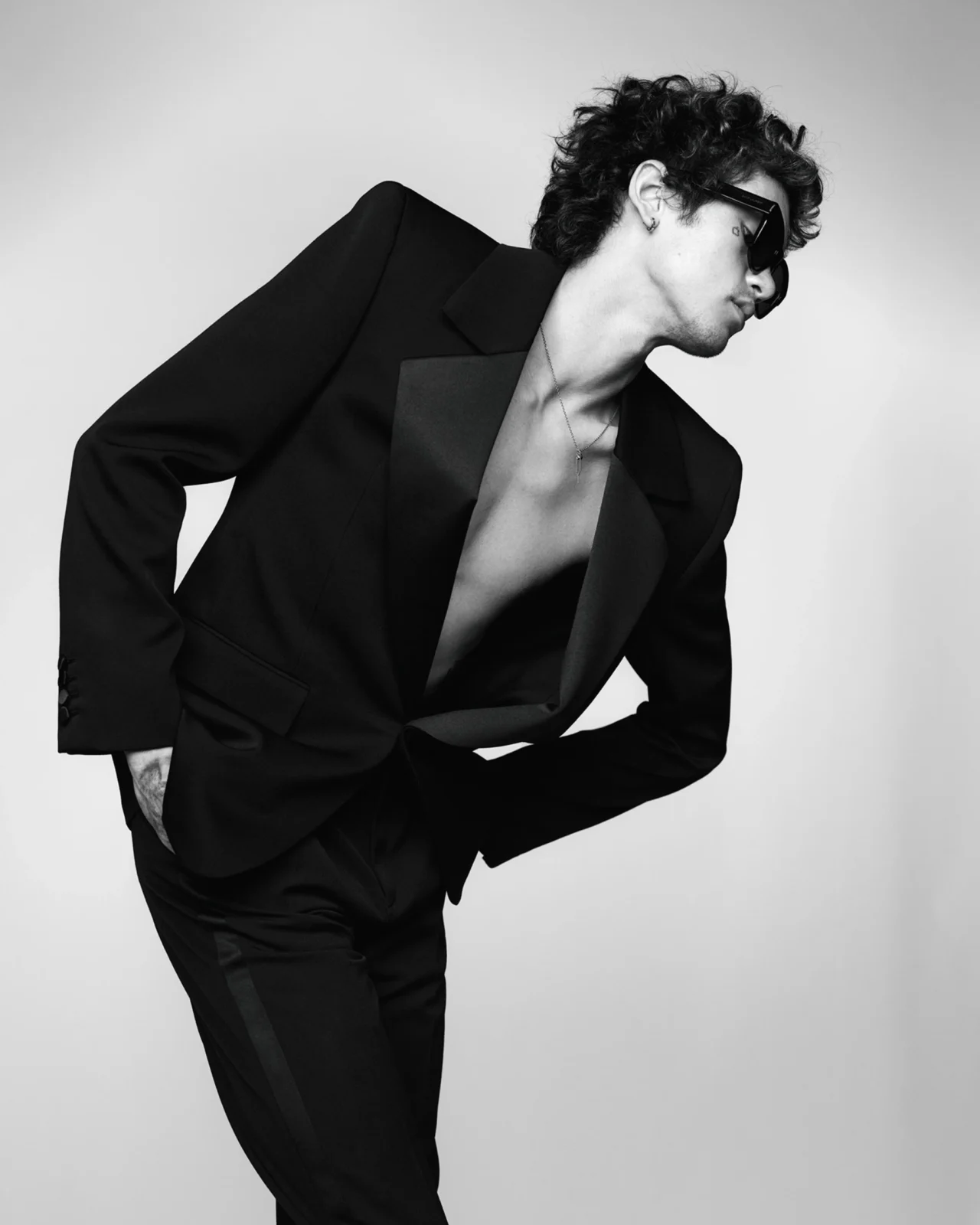
Dominic Fike belongs to a younger generation that sees no divide between art forms. His style combines casual streetwear with tailoring, producing an image that feels both effortless and intentional. Through campaigns with Calvin Klein and appearances at fashion weeks, he has become a symbol of modern versatility. Dominic’s image underscores how musicians now operate as multi-hyphenate figures who merge acting, music, and fashion into a single and fluid identity.
Kendrick Lamar
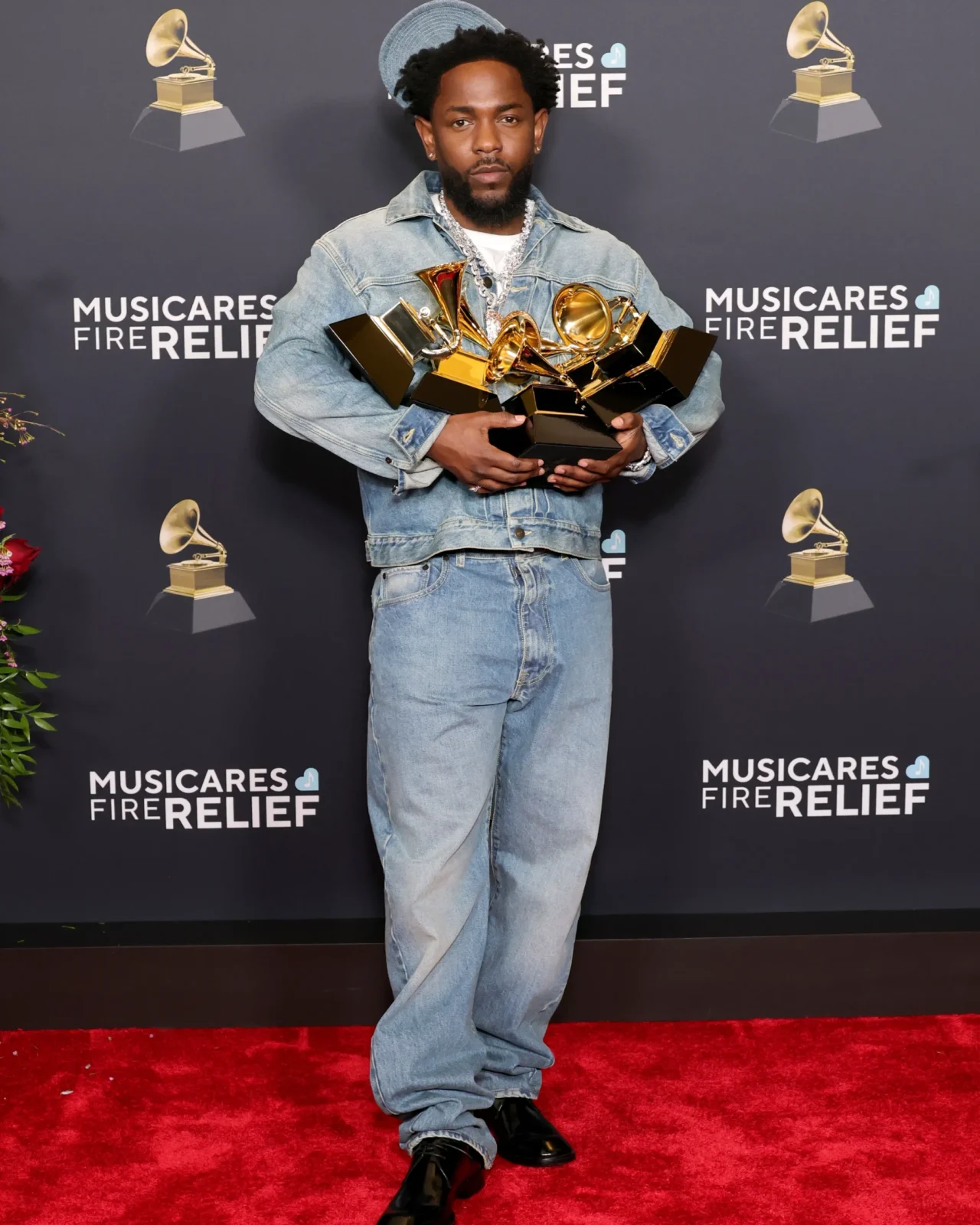
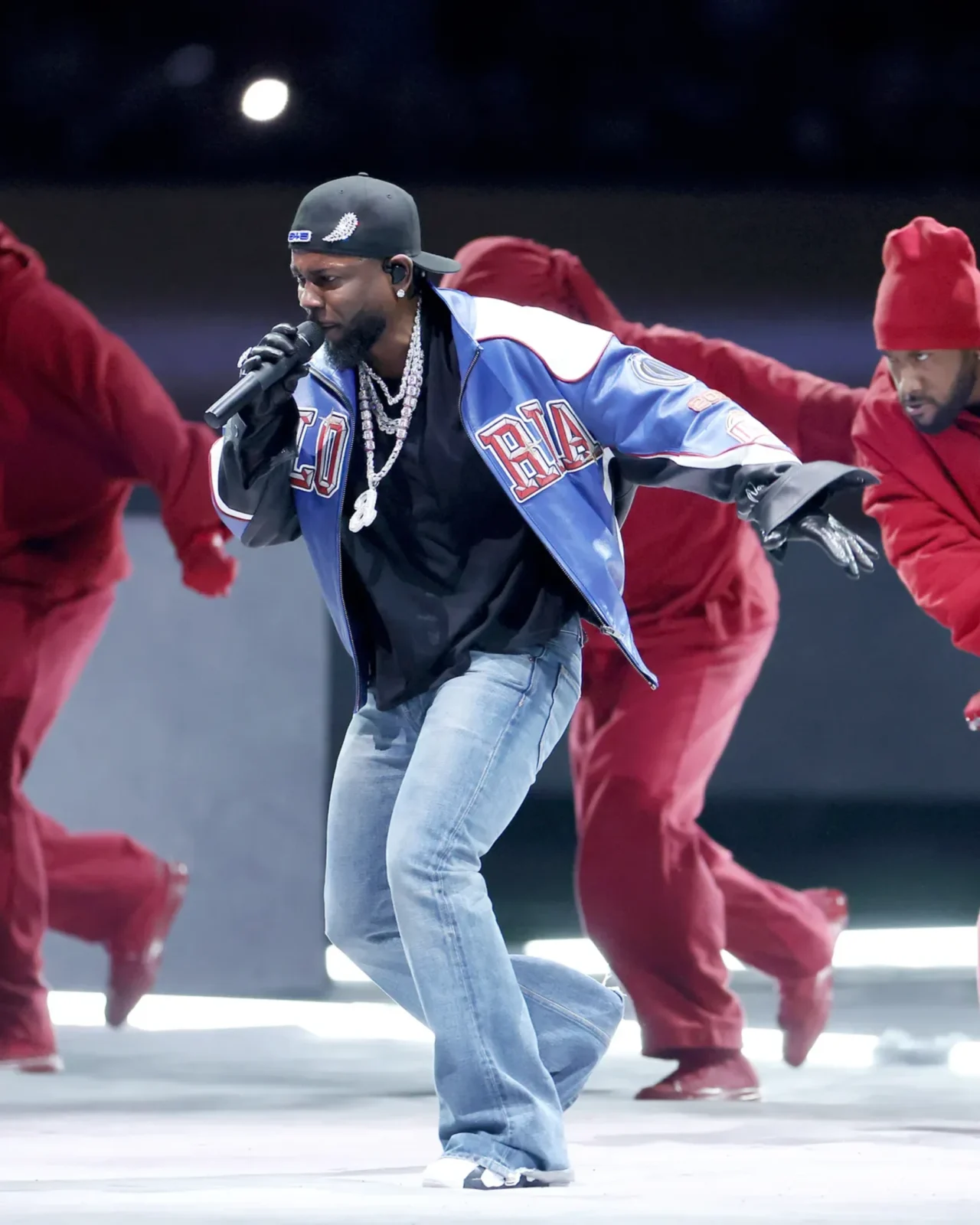
Kendrick Lamar approaches clothing with restraint that amplifies intent. His use of denim, sportswear, and minimal silhouettes creates a visual language that complements his cultural influence. Onstage and in public appearances, his wardrobe choices read as thoughtful extensions of his message. Kendrick’s presence in luxury spaces shows how subtlety and purpose can coexist in an industry that often prizes spectacle.
K-pop artists
The globalization of fashion is most visible through K-pop. Artists like G-Dragon, V, and Jimin of BTS, and Kai have turned brand ambassadorships into full-scale cultural pipelines. Their appearances at fashion weeks and airport terminals generate immediate commercial impact, often driving products to sell out within hours. K-pop’s influence has expanded the reach of luxury fashion, merging high design with mass accessibility through visual storytelling that travels instantly across platforms.
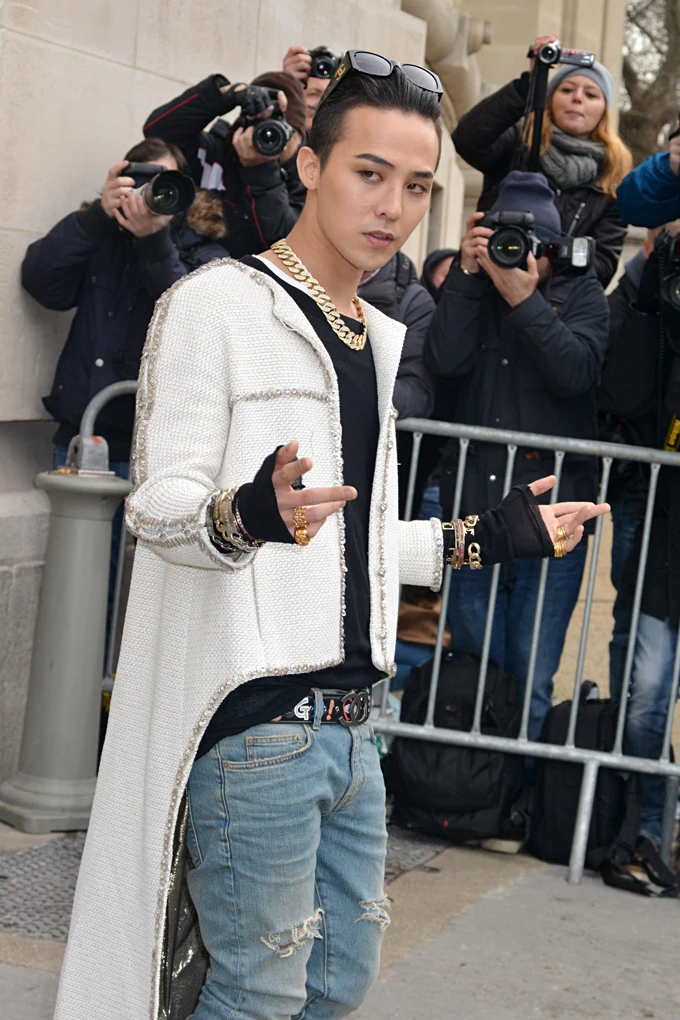
Across genres, musicians now operate as curators of image and identity. Harry Styles uses tailoring to challenge gender conventions, while Bad Bunny experiments with color and silhouette to redefine modern masculinity.
Pharrell Williams and A$AP Rocky show how artists can move beyond collaboration into creative direction, shaping the very narratives luxury fashion depends on.
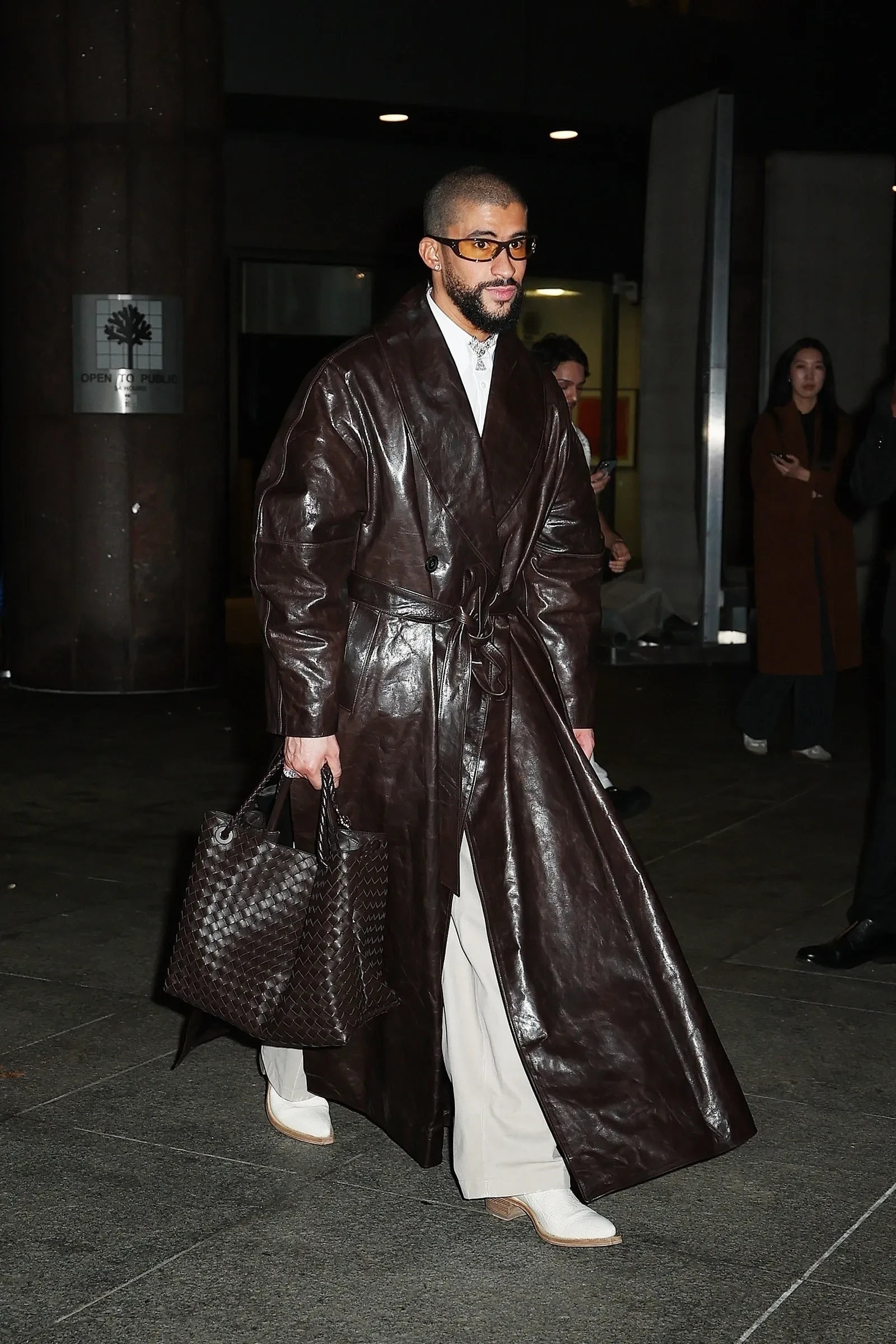
Fashion’s center of gravity has shifted. Where editors once dictated taste, musicians now create it. Their style is not only visual but conceptual, reflecting a broader cultural moment in which authenticity and authorship matter more than tradition.
In the intersection of sound and style, music has become fashion’s most reliable source of reinvention.
Musicians set trends through their personal style, impacting streetwear, luxury brands, and social media.
He mixes streetwear with luxury, leads his AWGE collective, and collaborates with major brands.
He uses playful colors, preppy references, and bold knitwear, reflected in Golf Wang and Golf le Fleur.
They translate runway trends into viral looks through music videos, social media, and brand deals.
Artists now shape trends directly, using their style and influence to reach global audiences.