
The Heartbeat of the Ring: Understanding the Sarama
This ancient rhythmic accompaniment serves as the spiritual and psychological engine that drives every traditional Muay Thai match




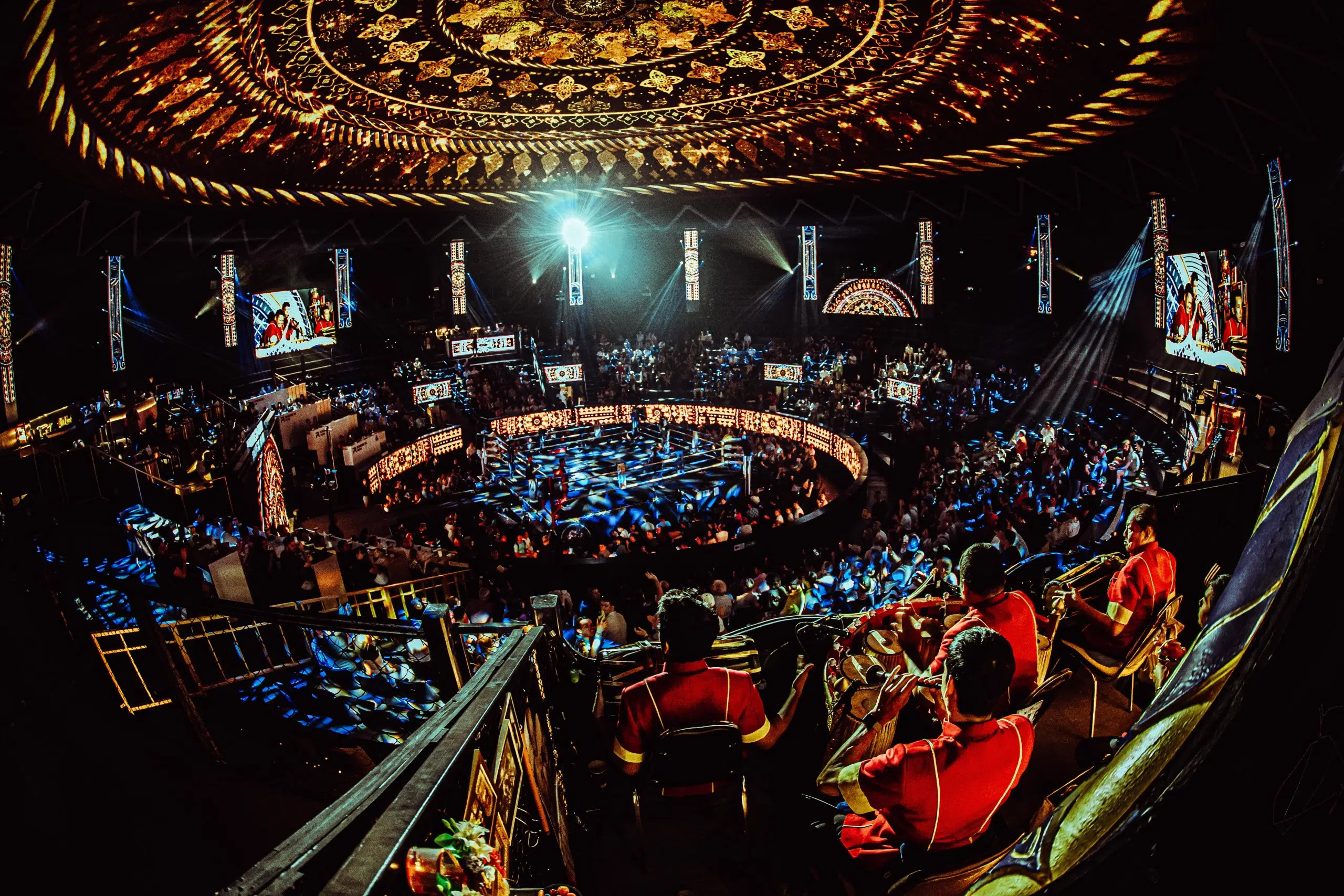
The instruments of the ensemble
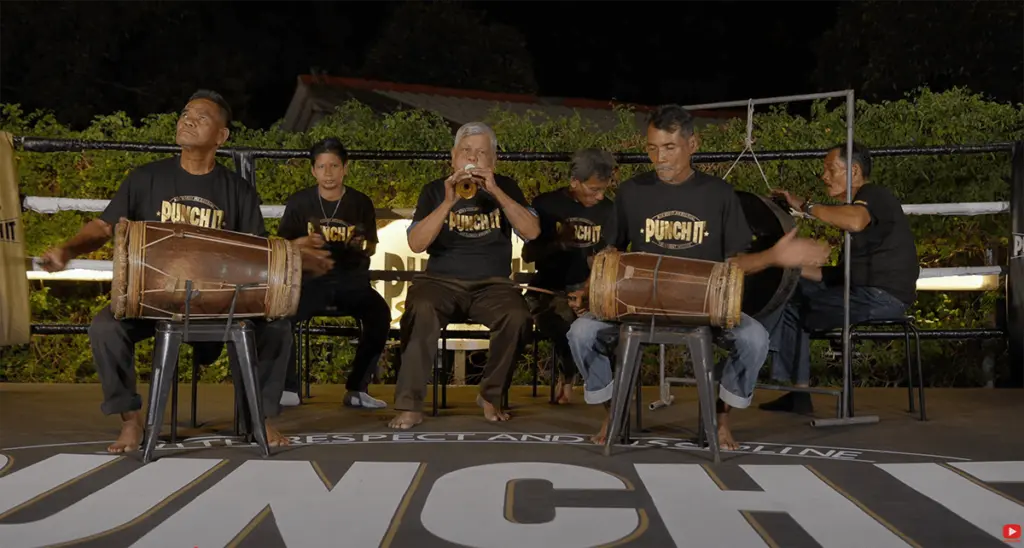
The Sarama is performed by an ensemble also known as the Pi Muay. This group creates a haunting, hypnotic soundscape through a specific blend of wind and percussion, led by the Pi Chawa, a Javanese oboe with a piercing nasal tone that signals the intensity of the fight.
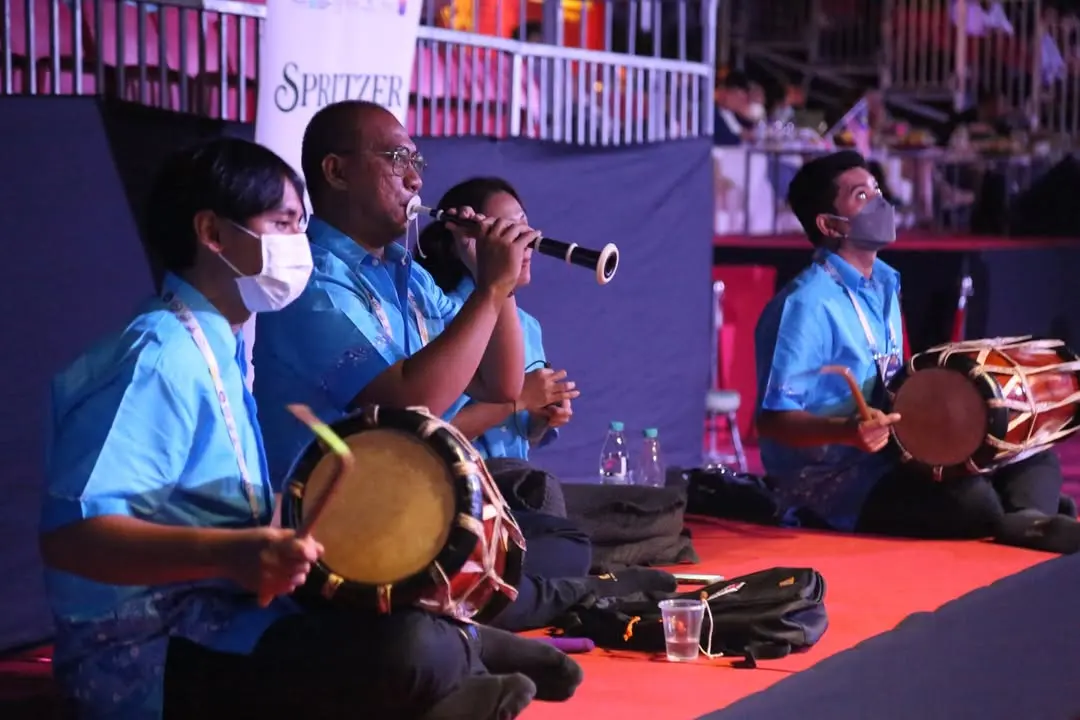
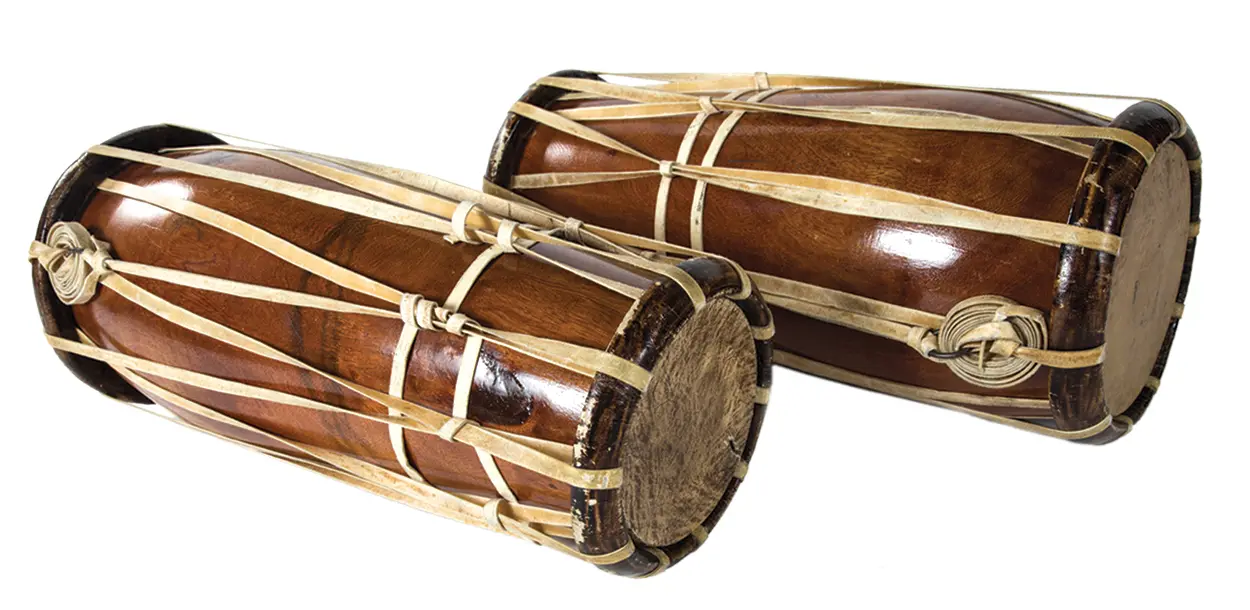
Supporting this melody are the Klong Kaek, a pair of double-headed drums that provide the driving rhythmic foundation, and the Ching, small brass cymbals that act as a steady metronome.
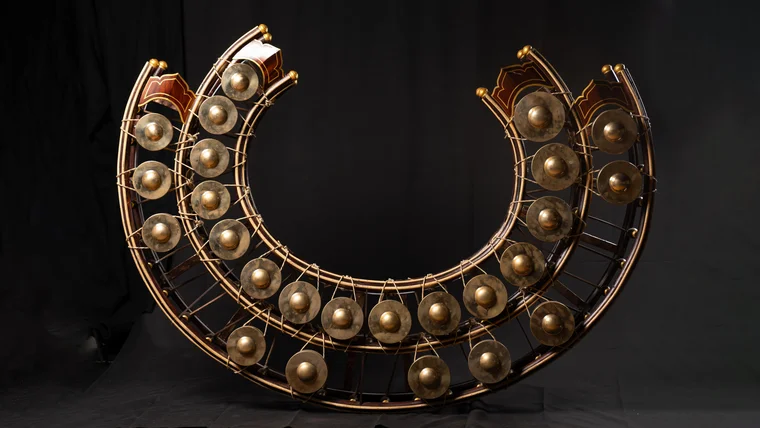
Occasionally, a Gong Huay adds depth, punctuating the rhythm and keeping the energy grounded. Together, these instruments create a wall of sound that is as much a part of the arena as the canvas itself.
The spiritual and sonic architecture of Muay Thai
To the uninitiated, a Muay Thai match might look like a whirlwind of shins and elbows. Listen closer and you will realize the fighters aren’t just moving on instinct. They are moving to a rhythm. This is the Sarama, the traditional musical accompaniment that serves as the literal heartbeat of “The Art of Eight Limbs.”
Historically, this music has been inseparable from the combat itself, dating back centuries to when Muay Thai was a battlefield art. Beyond simply providing a soundtrack, the music was believed to summon protective spirits and instill courage in warriors.
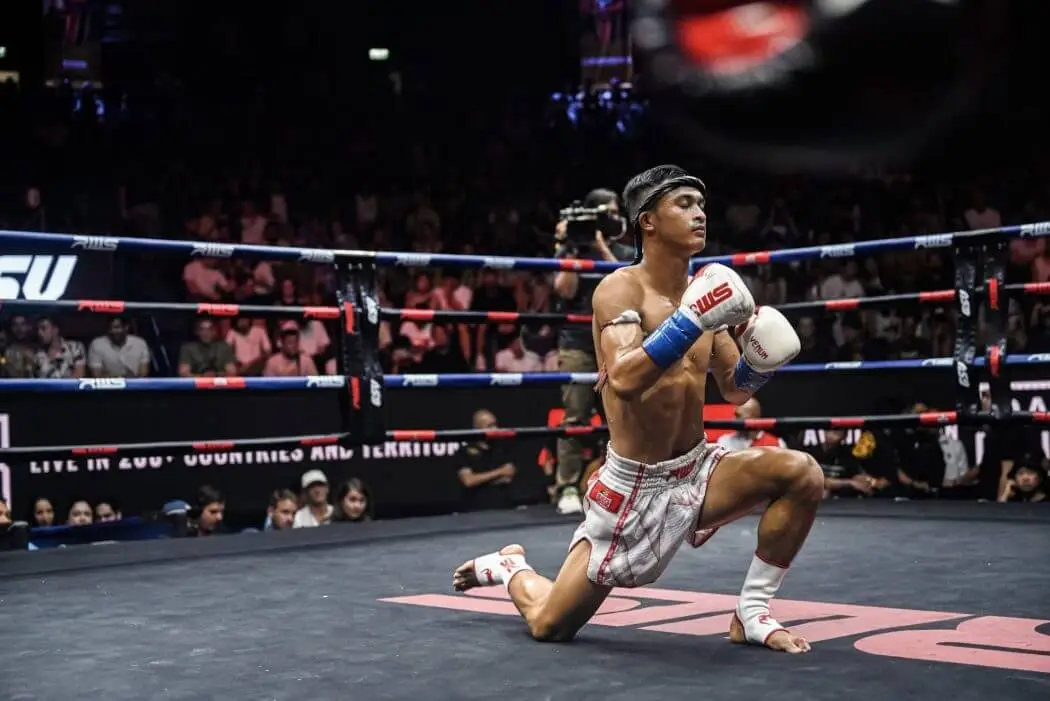
Today, the Sarama remains a non-negotiable element of professional bouts in Thailand, serving as a bridge between the sport’s physical violence and the deep-seated spiritual traditions of the Thai people.
Why the music matters
More than background noise, the Sarama functions as a psychological tool. Fighters use the rhythm to maintain breathing patterns and enter a flow state, effectively acting as a biological pacer that prevents them from gassing out too early.
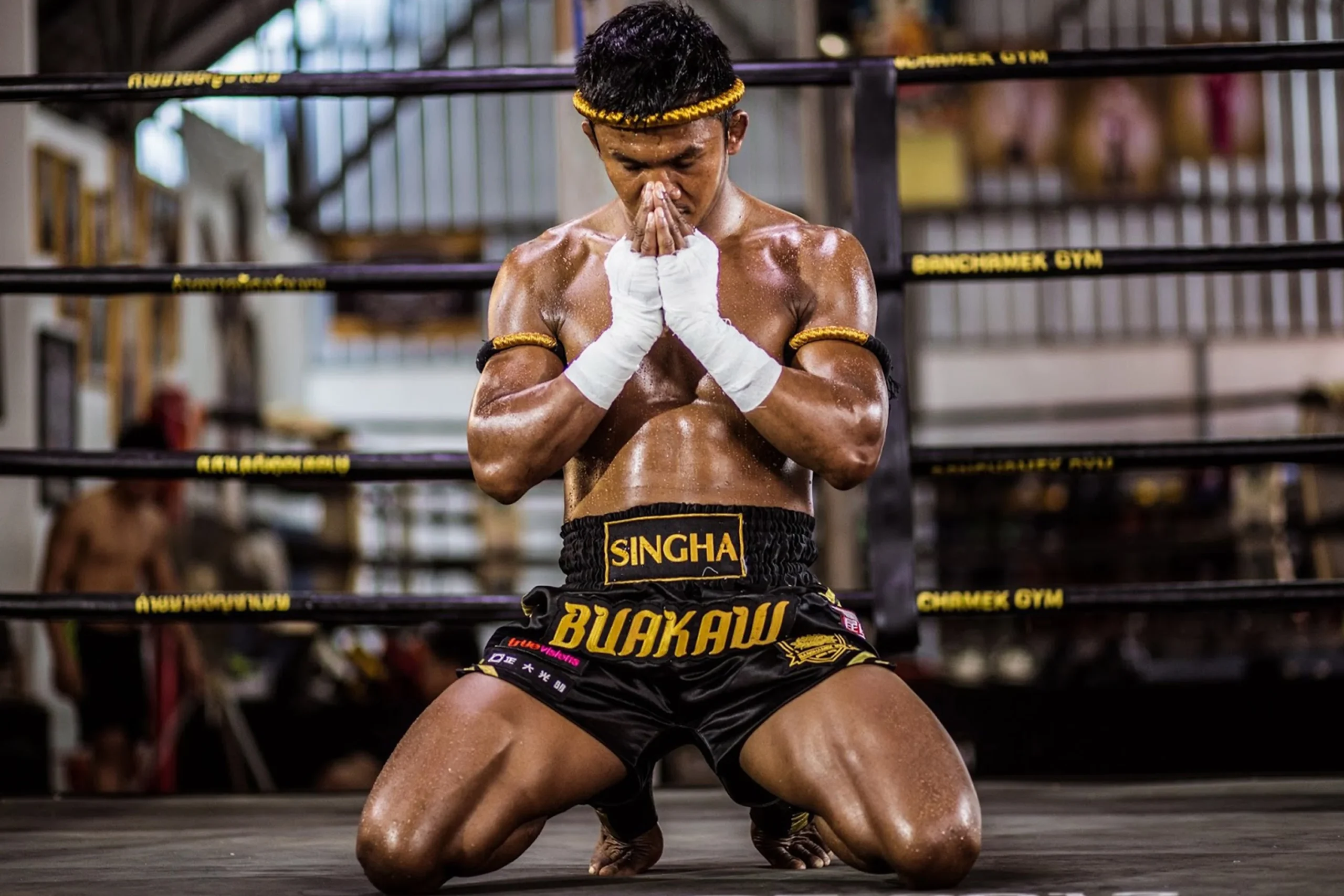
For the audience, the music builds tension and signals the stakes of the fight, transforming a physical contest into an engaging theatrical experience. Without the Sarama, Muay Thai loses part of its soul. The music reminds everyone that they are witnessing a ritualized tradition.
Crucially, the Sarama also serves as a distinct identity for the sport, setting it apart from other forms of kickboxing. It bridges ancient Thai culture with the modern arena, ensuring that even as the sport evolves, its rhythmic heart remains unchanged.
Frequently Asked Questions
The Sarama is the traditional musical accompaniment performed during Muay Thai bouts. Played by the Pi Muay ensemble, it has accompanied the sport for centuries and is rooted in Thai spiritual tradition — originally believed to summon protective spirits and instill courage in fighters before and during combat.
The Pi Muay ensemble consists of the Pi Chawa, a Javanese oboe that carries the melody; the Klong Kaek, a pair of double-headed drums that drive the rhythm; the Ching, small brass cymbals that keep time; and occasionally the Gong Huay, which adds depth and punctuates the rhythm.
The Sarama functions as a psychological and physiological tool for fighters. The rhythm helps them regulate breathing, maintain focus, and enter a flow state — effectively acting as a pacer that manages energy output over the course of a fight and reduces the risk of gassing out early.
The Sarama remains a required element of professional Muay Thai bouts in Thailand. Despite the sport’s global expansion, the Pi Muay ensemble continues to perform live at sanctioned matches, preserving the connection between contemporary competition and the sport’s centuries-old spiritual and cultural roots.
The Sarama is unique to Muay Thai and is one of the clearest markers of the sport’s cultural identity. No other major combat sport or kickboxing discipline incorporates live traditional music as a structural part of competition, making the Sarama a defining element that sets Muay Thai apart on the global stage.
Recommended Video