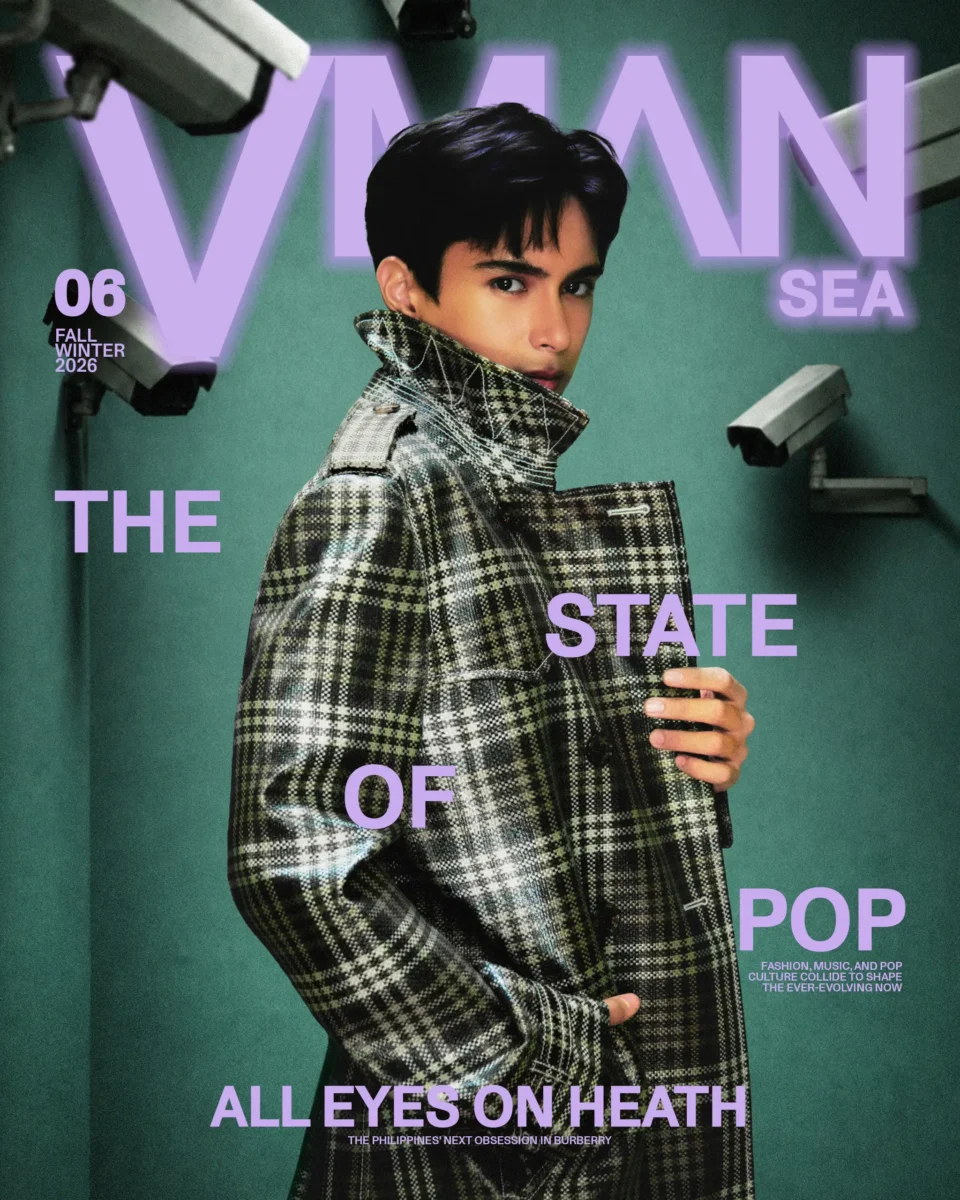
What If Southeast Asia’s Leading Men Took Over the Met Gala?
If Southeast Asia’s leading men were to ascend the Met Gala steps, they’d do so not just in couture—but as living myths stitched into fabric




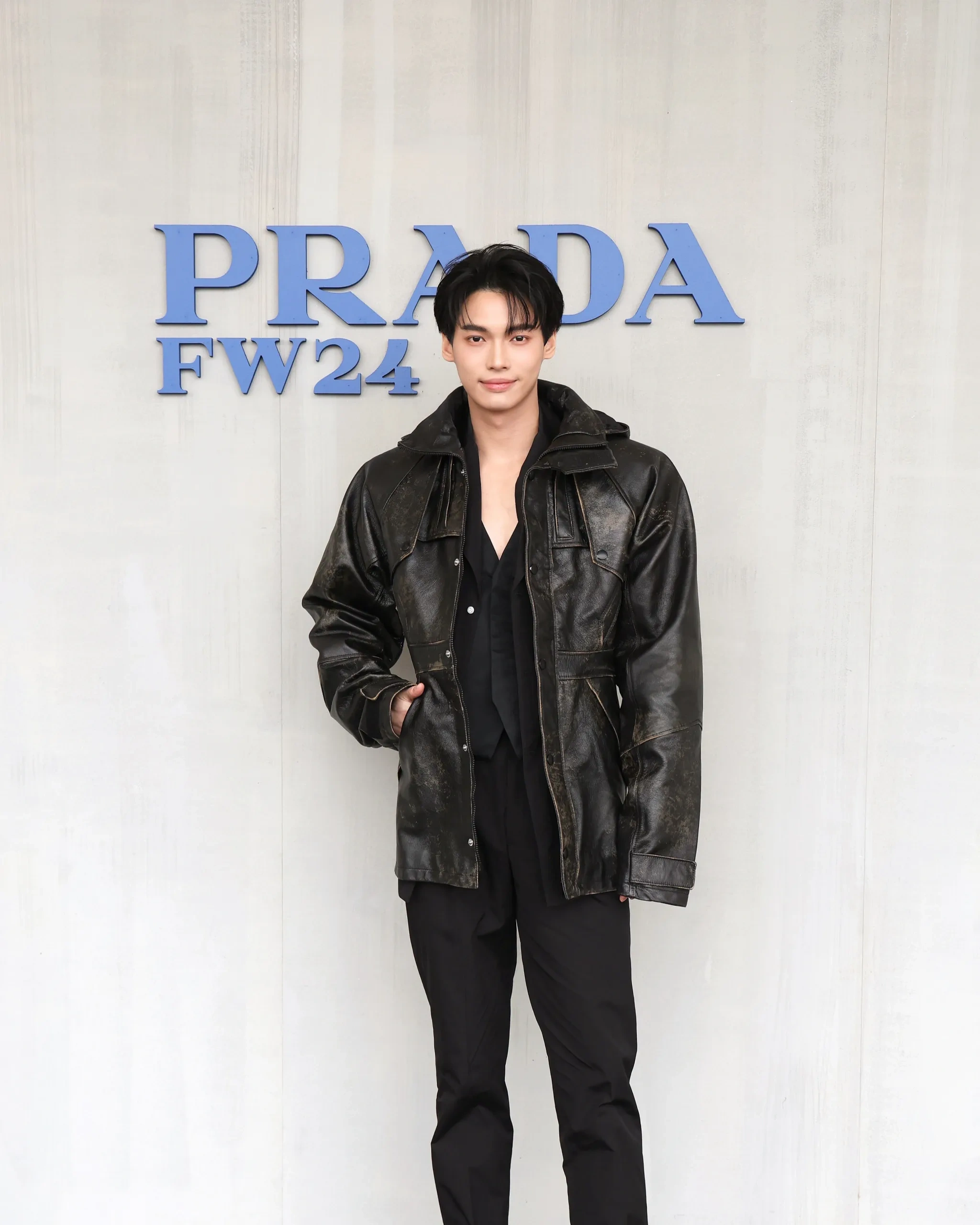
In the spectacle of the Met Gala—where myth meets fabric and fashionFashionThe art and industry of designing, producing, and styling clothing, footwear, accessories, and beauty trends. It reflects cultural influences, personal expression, and evolving styles across seasons and markets.Go to Fashion Glossary becomes manifesto—it’s not enough to be beautiful. One must be unforgettable. The theme each year is a prompt and a provocation. While Hollywood often dominates the Met steps, Southeast Asia’s finest men are more than ready to take their rightful place in the frame—rendered not in stereotype, but in cinematic high fashion.
These are the men who would not just wear the Met Gala. They would narrate it.
SEE MORE: Suits and Saints: Revisiting the 9 Men Who Moved the Met
Win Metawin
Thailand
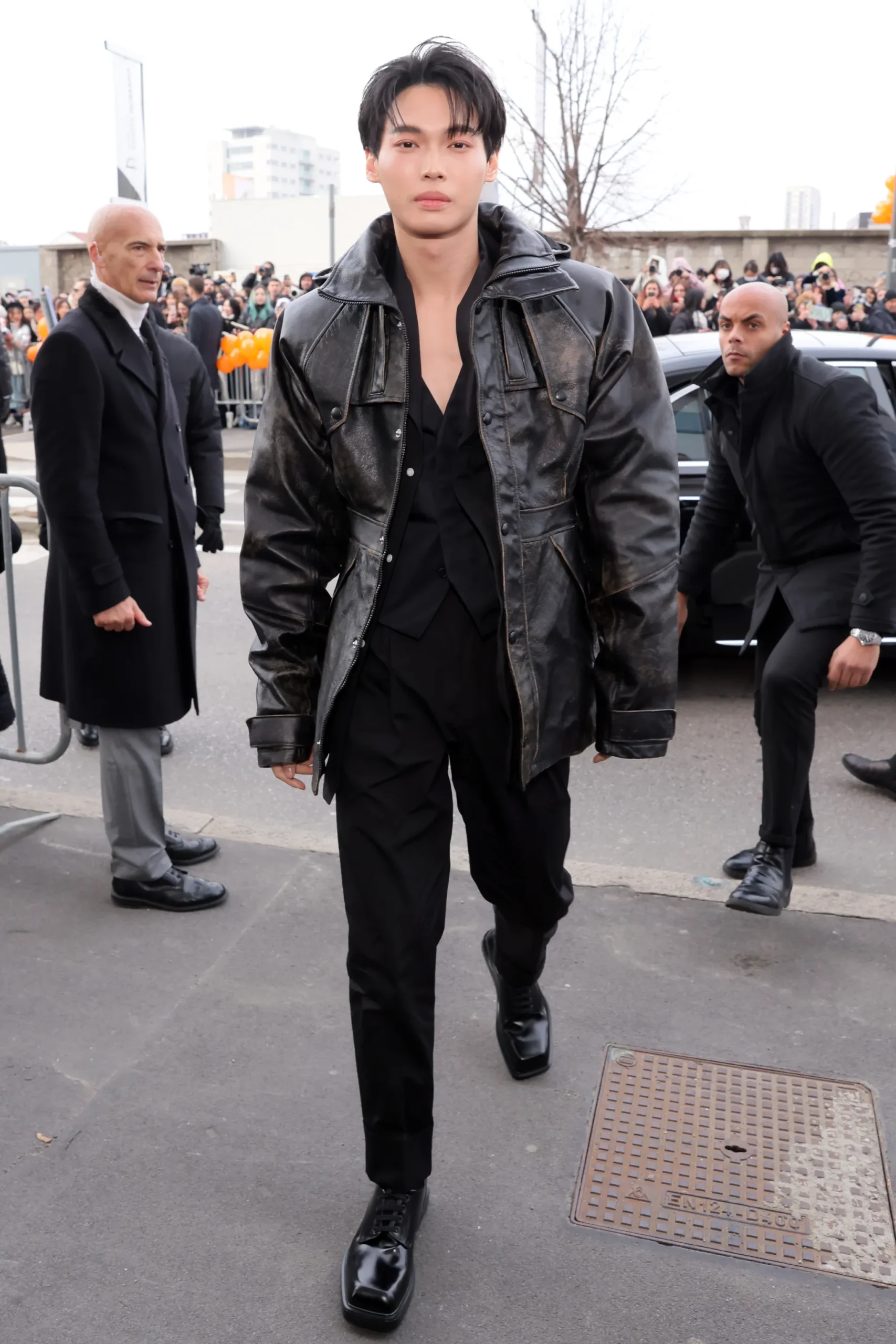
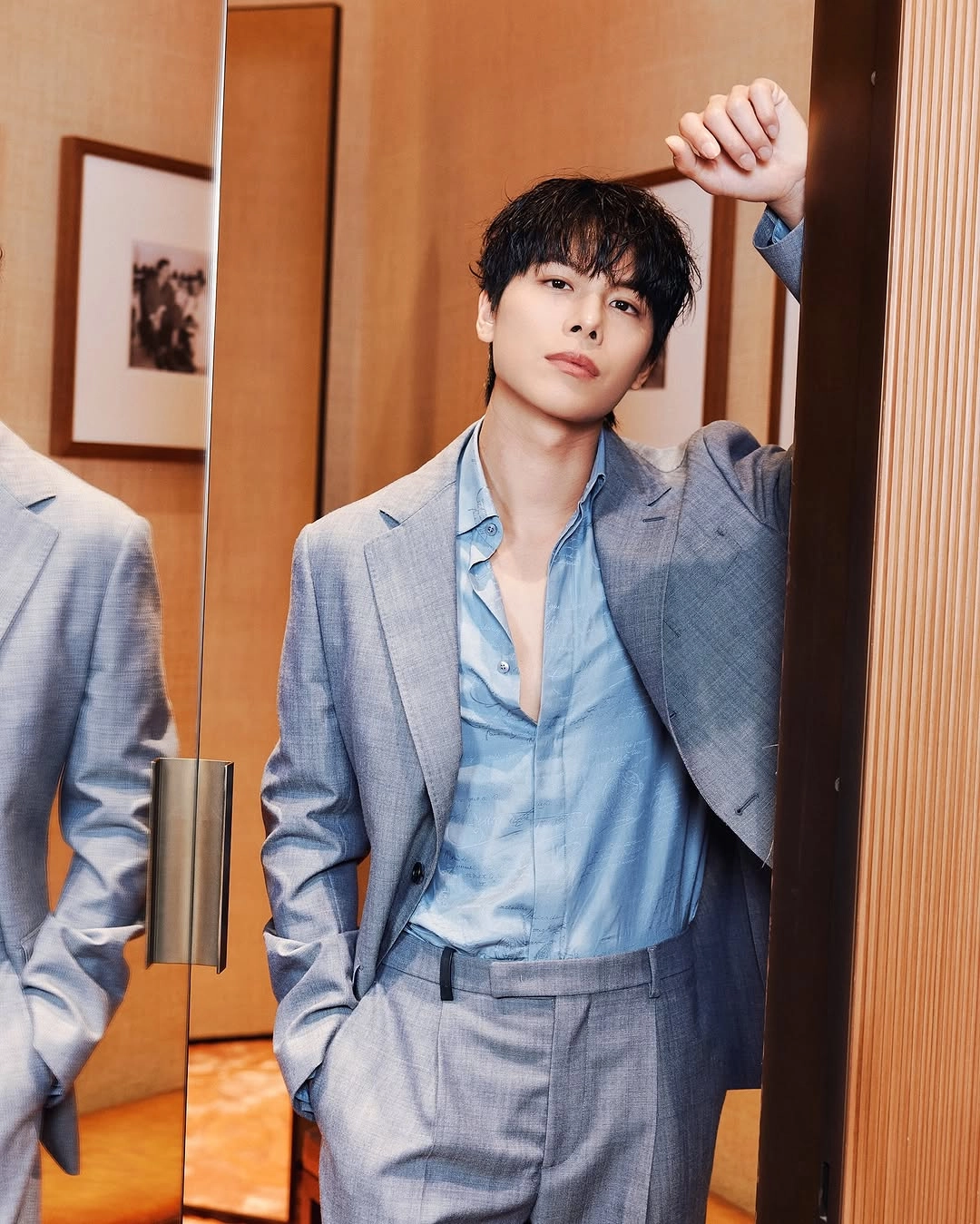
Win is made for surrealism. He carries beauty like it embarrasses him a little—which makes it more dangerous. In Prada, he’d thrive: an asymmetric jacket where one side drips in ceramic applique, trousers tailored with architectural defiance. A walking contradiction. A sculpture of a man who also just happens to smile like that.
Meerqeen
Malaysia
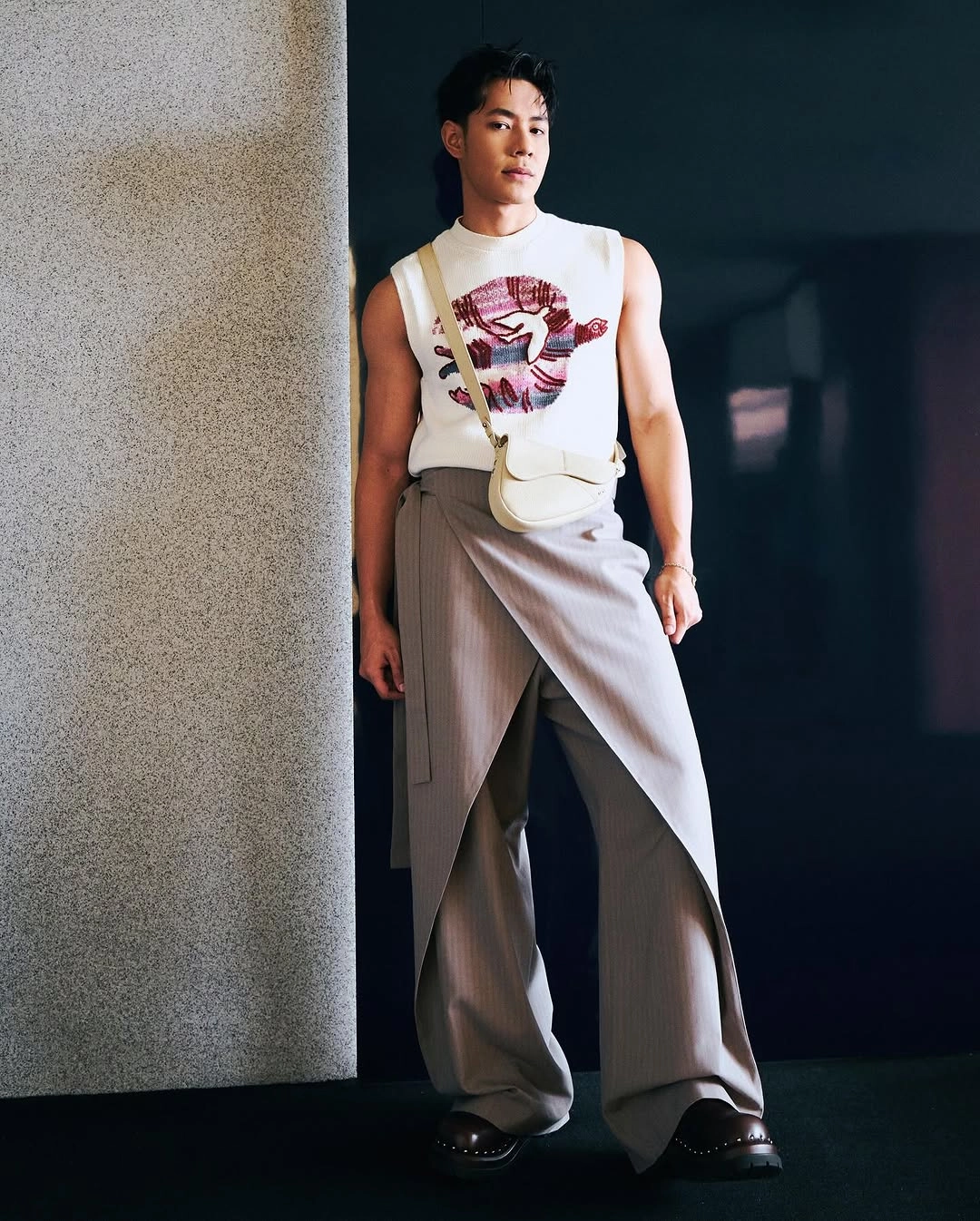
Meerqeen carries both softness and stature. There’s something mythic in his quietness, the kind that Jonathan Anderson would wrap in red chiffon. For the Met, imagine him in a monochrome floor-length Dior cape—billowing, monk-like, paired with a pearl-studded brooch. Ethereal masculinity. A man you’d follow into a chapel or a dream.
Kyle Echarri
Philippines
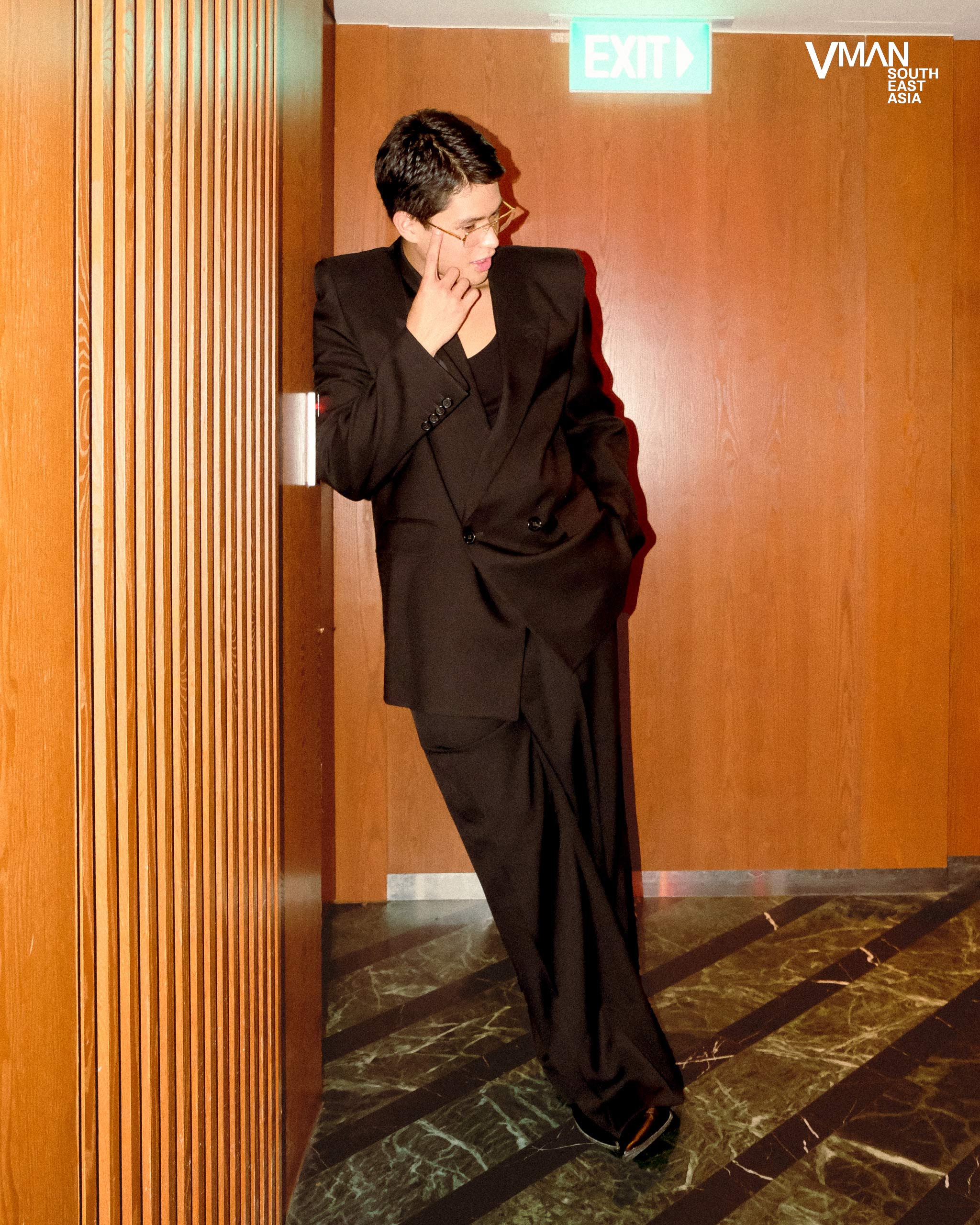
Kyle is all about cool restraint. Yves Saint Laurent would capture our VMAN SEA 01 cover star perfectly—say, a tailored bar jacket reimagined in ultralight wool, embroidered with traditional Filipino motifs. It’s luxury with a cultural bite. Kyle wouldn’t perform for the cameras. He’d simply exist, and the room would rearrange around him.
READ MORE: Kyle Echarri Doesn’t Care
Huang Long
Vietnam
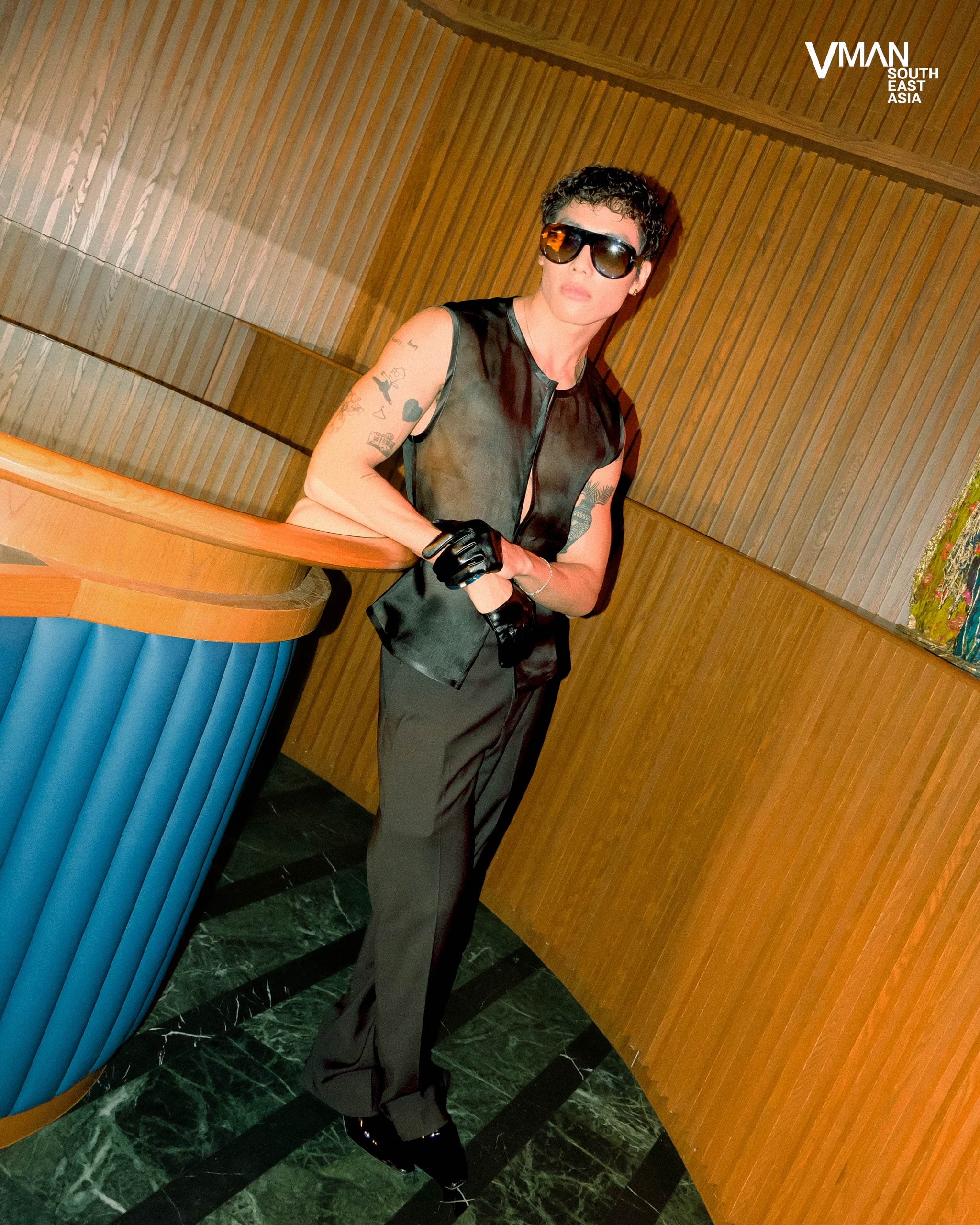
There is no Vietnamese star quite like Huang—he’s beauty royalty with a rockstar’s appetite for edge. McQueen, in all its gothic-romantic bravado, suits him. A jet-black suit embroidered with silver bonework, shirtless beneath, his neck layered in chrome. He wouldn’t just attend the Gala. He’d burn his name into the carpet.
RELATED: Meet Huang Long, The Content Creator Redefining Men’s Beauty In Vietnam
Glenn Yong
Singapore
Sleek and razor-sharp, Glenn is every inch a Fendi man. He has that polished danger—Wall Street meets nightlife. For him: a nylon reinterpretation of the classic tux, with exaggerated lapels, bare chest beneath, and mirror-shine oxfords that catch the flashbulbs like mirrors.
Afgan
Indonesia
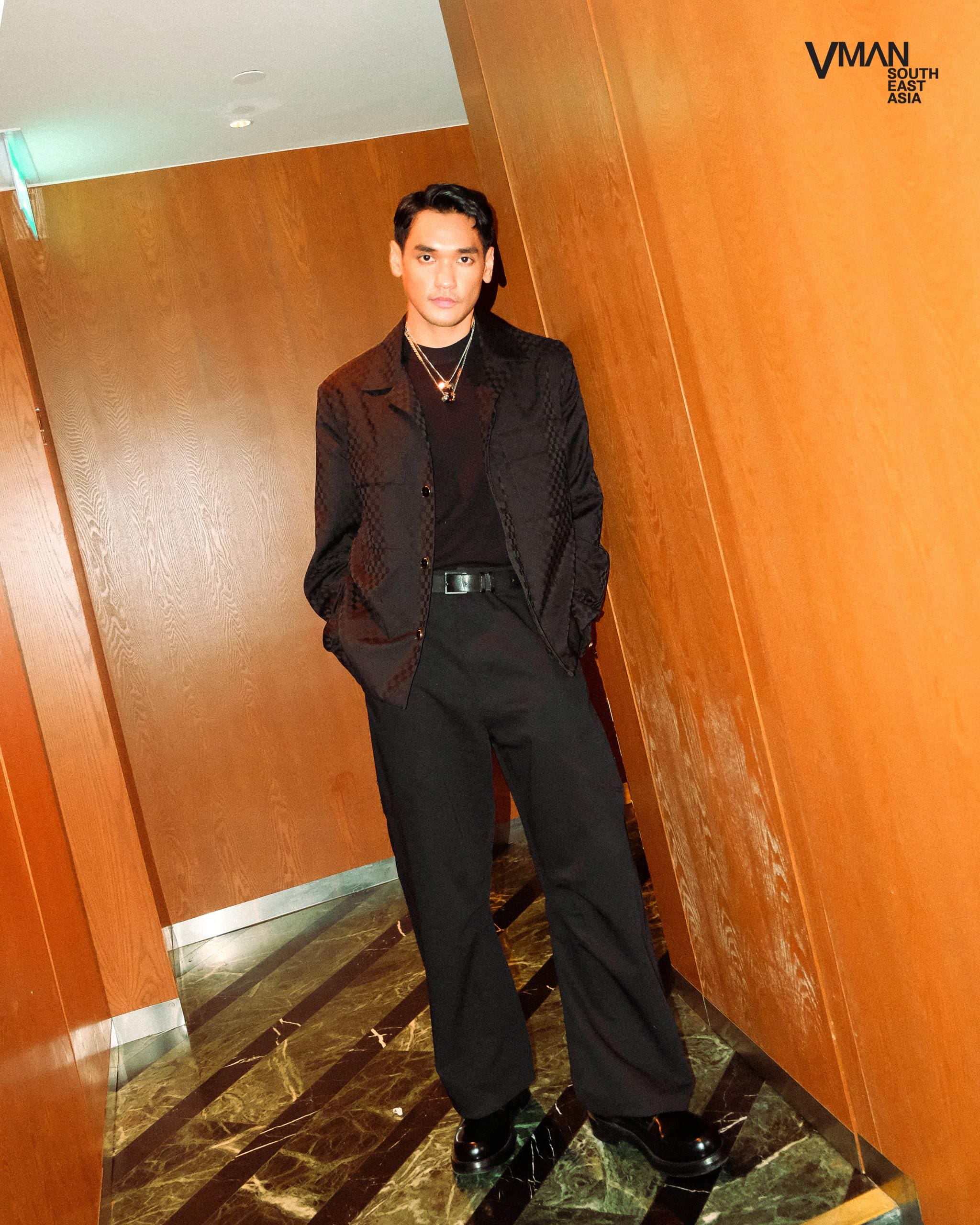
Afgan’s voice has always suggested something smoldering just beneath the surface—velvet with a burn. On the Met steps, that same slow intensity would translate best in Louis Vuitton: a midnight black velvet tuxedoTuxedoA formal evening suit, usually black or midnight blue, featuring satin-faced lapels and a matching stripe along the trouser leg, worn with a bow tie. Reserved for black-tie, the tuxedoGo to Tuxedo Glossary, sharp as a secret, the shirt unbuttoned just enough to feel deliberate.
RELATED: Afgan Takes Control
Paing Takhon
Myanmar
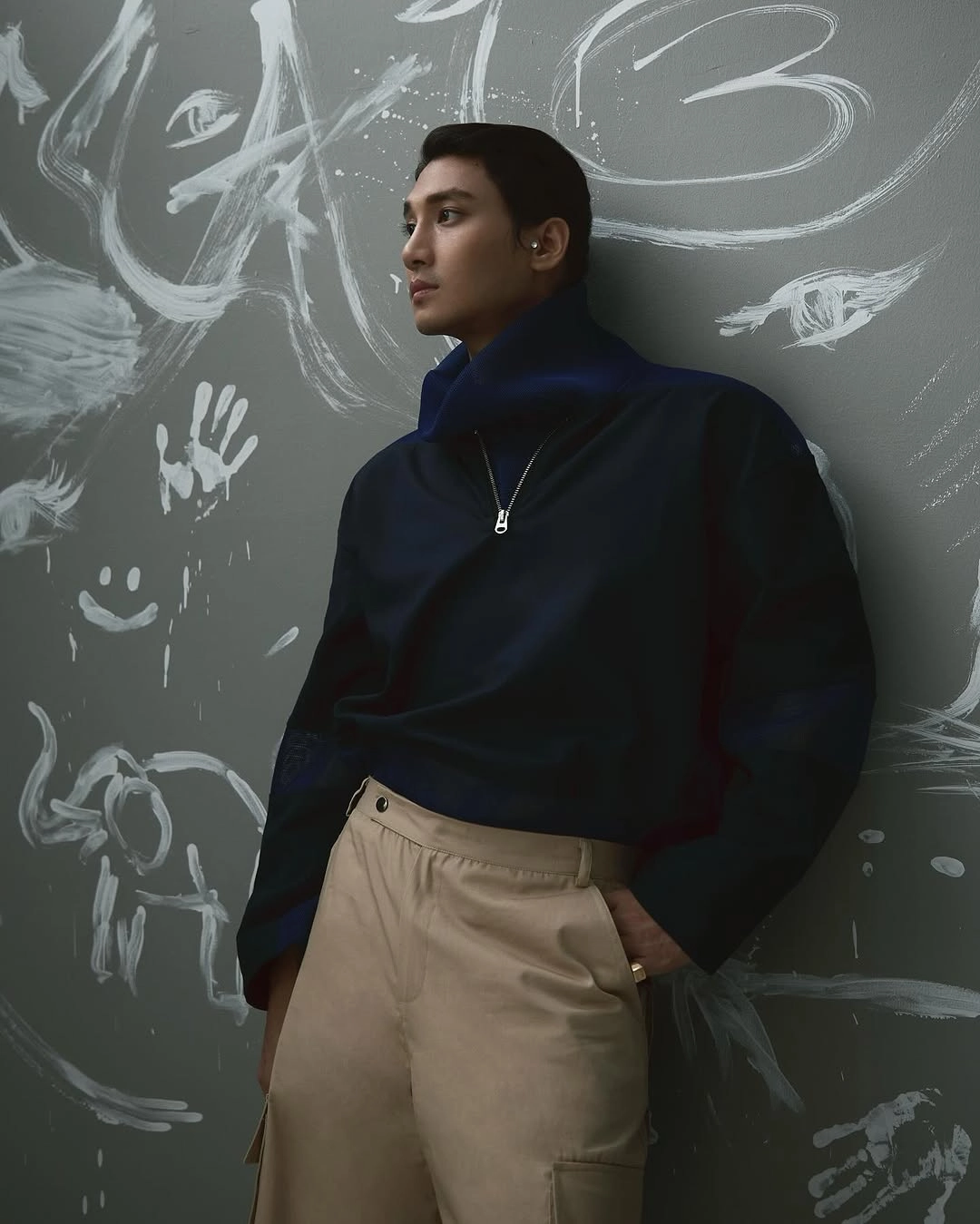
Model, actor, and monk—for Paing, contradiction is art. Gaultier by Haider Ackermann would be a perfect stage: a flowing silk suit in midnight teal, sculpted with origami-like pleats, worn with prayer beads in hand.
This is not about tokenism. This is about territory. These men—diverse in aesthetics and grounded in culture—are not reaching for Western approval. They are reimagining presence, one silk lapel, one embroidered shoulder at a time. The Met Gala does not need saving, but it does need a broader lens.
Photography Mike Miguel
Other photos courtesy artists’ Instagram and Getty Images
Recommended Video