
Who Are the Chaebols and Why Should You Care After Watching Beef Season 2?
The series shifts its focus from personal conflict to the uneven power of South Korea’s chaebol system





From personal conflict to power structures
Have you watched Beef Season 2 yet? It keeps the emotional intensity of the first season, but shifts its focus from personal escalation to systems of wealth and power that operate far beyond individual disputes.
The new season is set largely around a country club in Montecito, recently purchased by Chairwoman Park, played by Youn Yuh-jung.
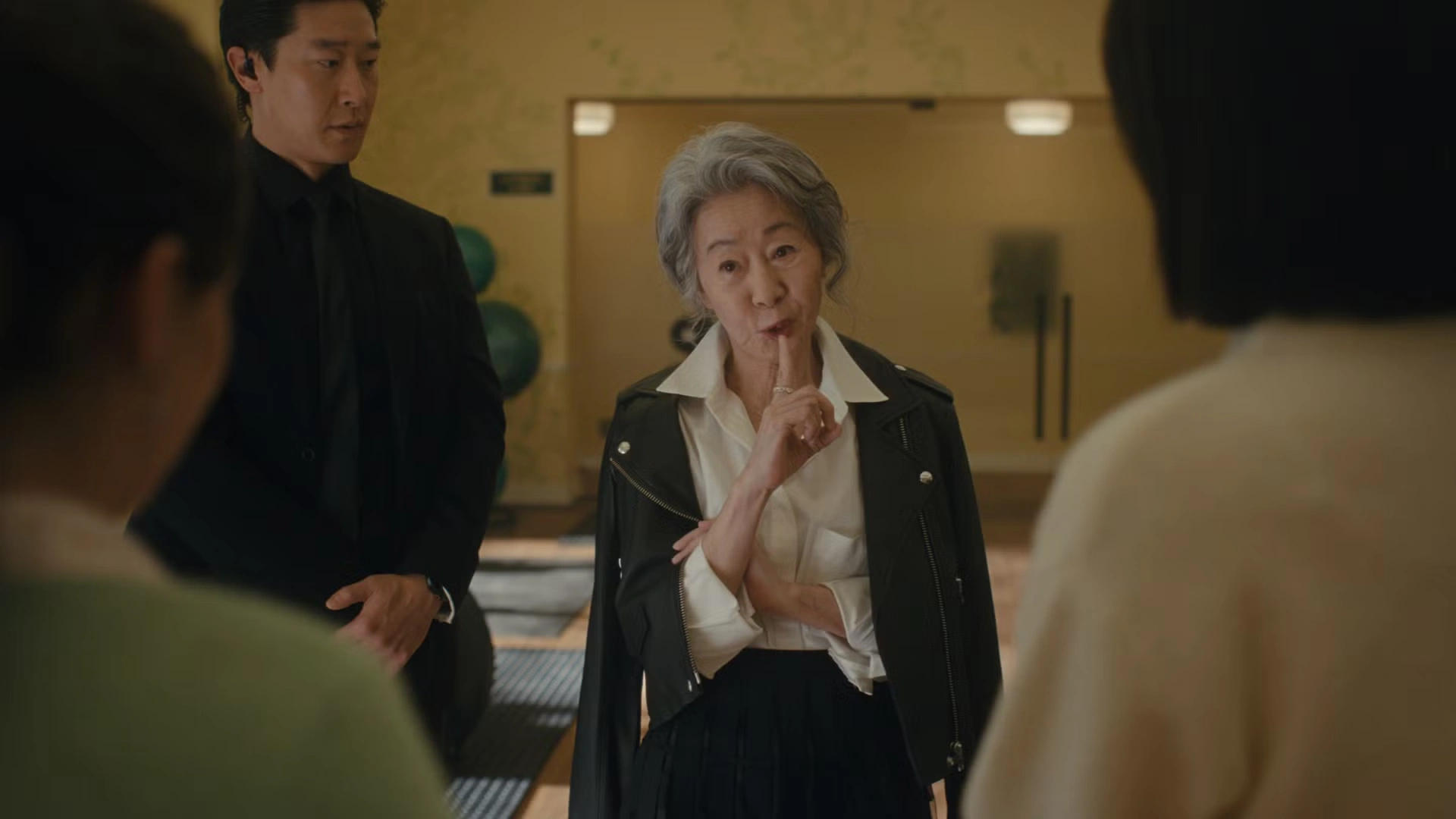
She is consistently referred to by her title rather than her name, a small but persistent reminder of hierarchy. One character casually notes she represents 2 percent of South Korea’s GDP.
Understanding the machine
Chairwoman Park is a chaebol leader. Chaebols are South Korean family-run conglomerates that control large parts of the economy and pass leadership through generations. The term combines the Korean words for “wealth” and “clan,” which is structurally accurate as much as symbolic.
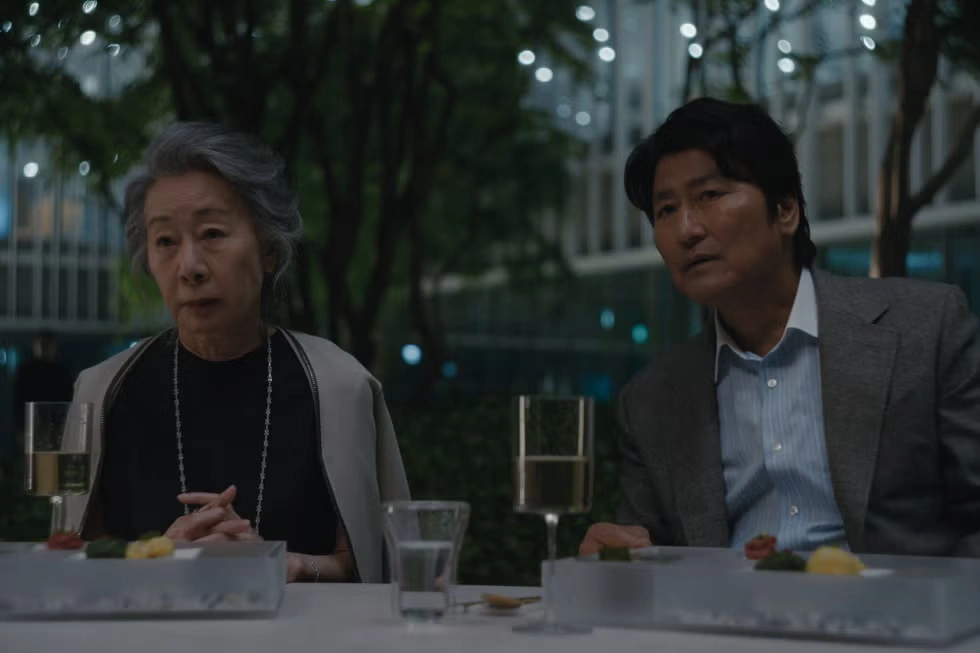
These are tightly linked corporate empires, often spanning electronics, construction, finance, and retail, with influence that extends into everyday life.
The system grew out of South Korea’s rapid postwar development. After the Korean War, the country was economically devastated, and the government supported a small number of family-controlled firms with favorable loans, tax incentives, and access to former colonial assets.
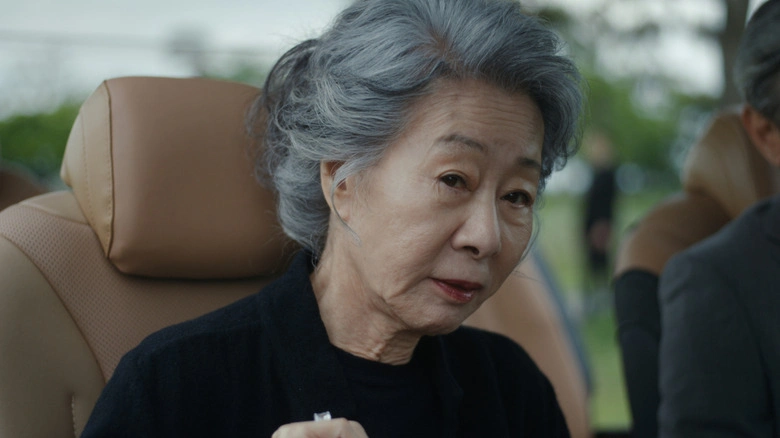
The aim was fast industrialization, and it succeeded. South Korea transformed within decades into one of the world’s largest economies. But in the process, wealth and power became concentrated within a limited group of families, and that concentration has proved durable.
Inheritance and influence
In practice, chaebol leadership is often inherited rather than earned in a purely meritocratic sense. Control passes from parents to children, and corporate governance is frequently intertwined with political relationships.
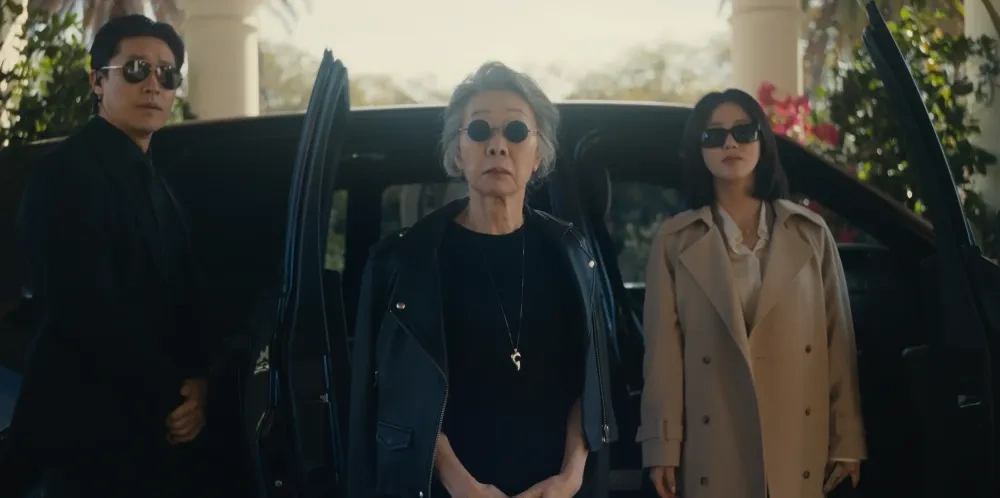
This has produced both economic success and recurring public controversy, particularly around corruption cases where executives have faced charges but avoided long-term consequences through pardons or political intervention.
Miscommunication in a hierarchical world
In the show, these structures remain mostly in the background, but they shape how every interaction unfolds. When Lindsay Crane-Martín, played by Carey Mulligan, presents a newly designed room at the club, she expects approval.
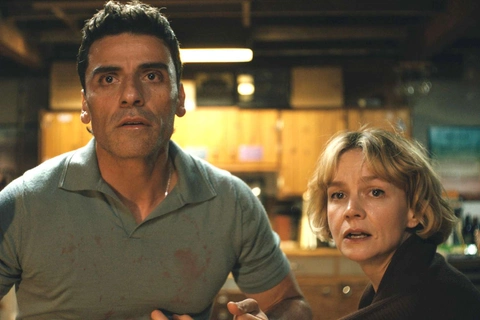
Instead, an interpreter explains that Chairwoman Park finds it “very colonial.” Lindsay thanks her, misunderstanding it as praise, before the translation is clarified.
Beef Season 2 does not turn this into exposition. Instead, it lets the chaebol system exist as a context that characters move through without fully grasping. It’s a story where miscommunication is personal and structural, shaped by unequal access to power and understanding itself.
Photos courtesy IMDB
Frequently Asked Questions
A chaebol is a large, family-run South Korean corporate conglomerate, such as Samsung or Hyundai, that exerts massive control over the nation’s economy, politics, and daily life.
The system originated after the Korean War when the government provided favorable loans, tax breaks, and subsidies to select family-owned businesses to spark rapid national industrialization.
Chairwoman Park, played by Youn Yuh-jung, represents a fictional chaebol leader whose immense corporate wealth controls the country club setting and influences the characters’ social hierarchies.
Chaebols cause public controversy because corporate leadership is inherited rather than earned, which frequently leads to political corruption, market monopolies, and wealth inequality across the country.
Top chaebols control a massive share of South Korea’s economy; for context, the fictional Chairwoman Park in Beef is said to individually represent 2 percent of the nation’s GDP.
Recommended Video