How Corporate Prestige TV Changed the Face of Executive Opulence
The shift from flashy branding to hyper-minimalist “stealth wealth” has permanently redefined how the modern financial elite project power




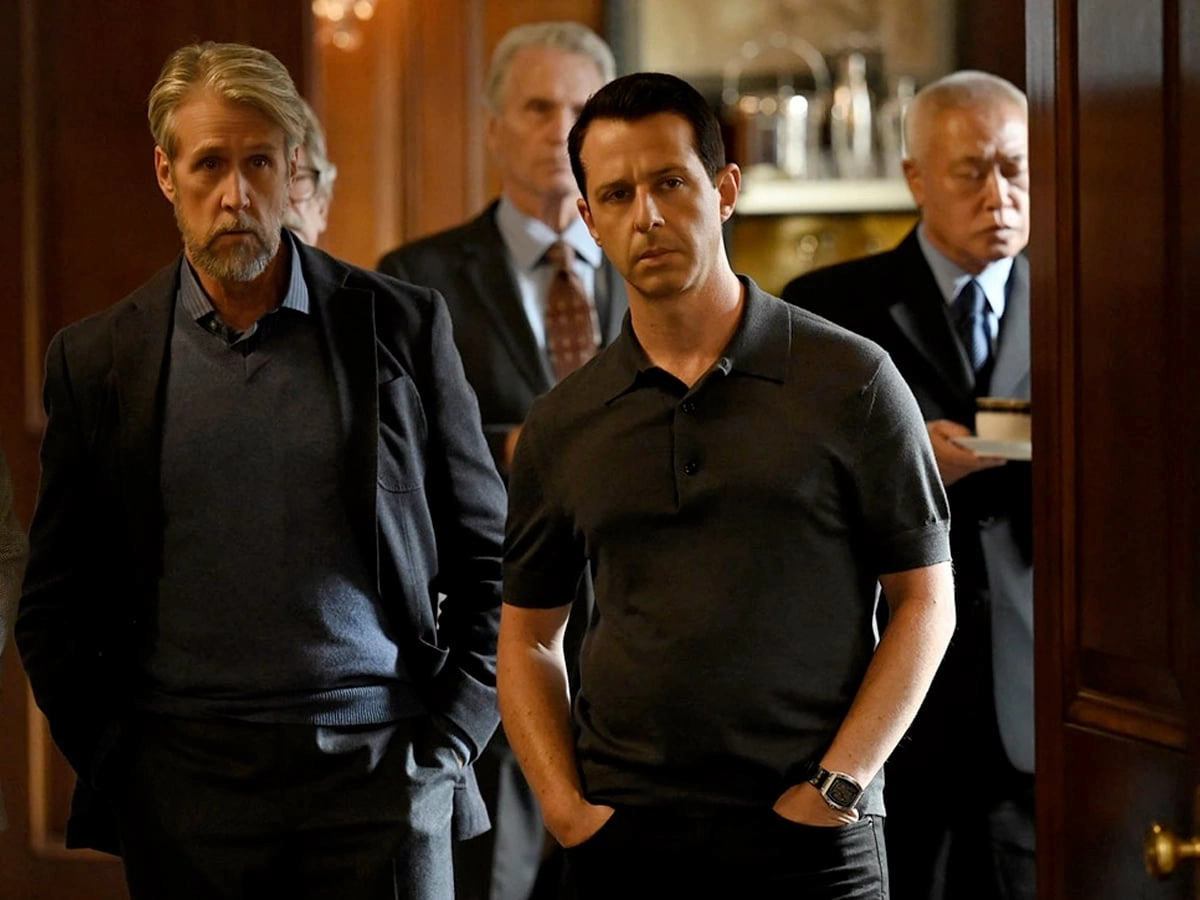
- Prestige dramas have shifted elite fashion away from flashy, ostentatious branding toward subtle, ultra-expensive basics.
- True power is now signaled through unbranded, exclusive wardrobe choices and hyper-curated lifestyles.
- This on-screen aesthetic has directly transformed real-world consumer markets and executive habits.
The demise of loud luxury
For decades, the public imagined corporate titans through flashy markers of extreme wealth, like heavy gold Rolexes and bold pinstripePinstripeA pattern of very thin, closely spaced vertical lines running evenly through a fabric, strongly associated with business suits, bankers, and finance. Pinstripes lend height, sharpness, and authority to tailoring,Go to Pinstripe Glossary suits. This ostentatious display of branding signaled immediate financial dominance on TV.
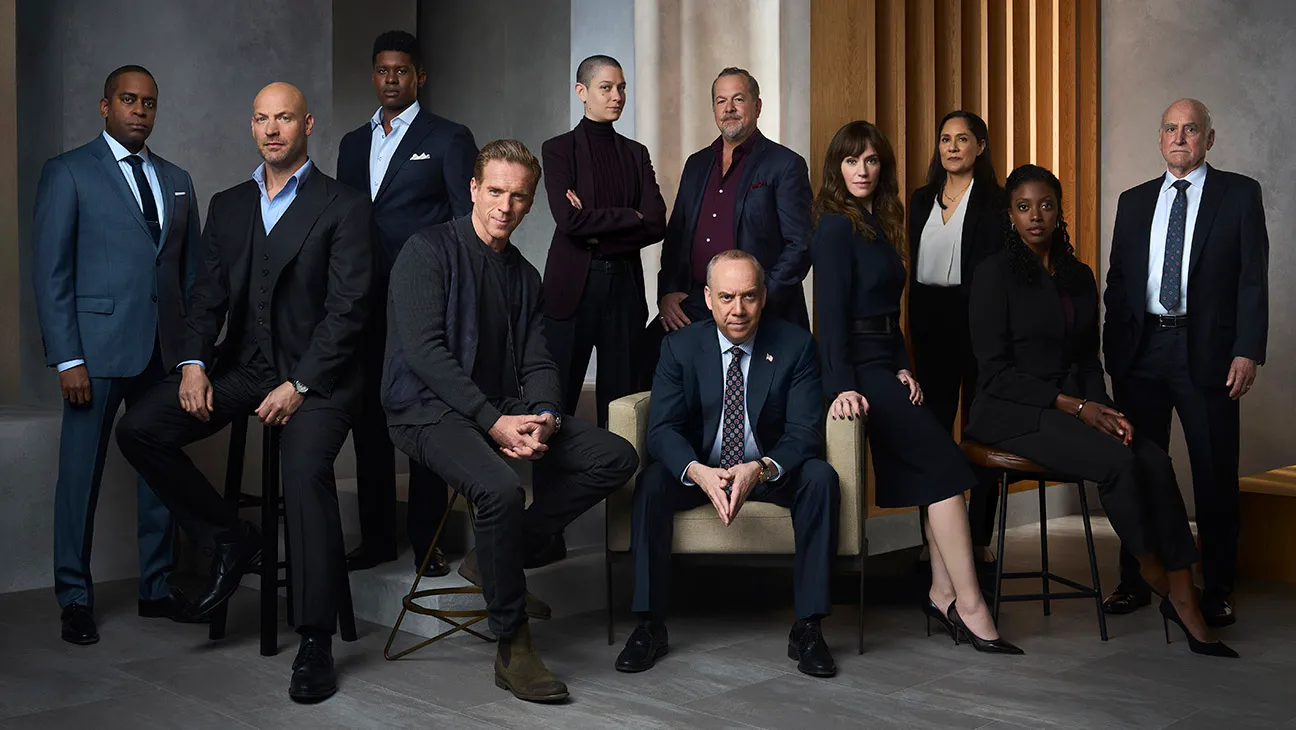
Today, both real-world C-suites and prestige television have completely dismantled this gaudy paradigm. Shows like HBO’s Succession and Showtime’s Billions led the charge, introducing a darkly satirical look at the ultra-wealthy.
In place of gold and logos, these productions introduced a highly calibrated, whisper-quiet visual grammar. True power on screen no longer screams; it commands through custom-tailored anonymity that only peers can recognize.
The mechanics of stealth wealth
At the core of this shift is “stealth wealth,” characterized by neutral, multi-thousand-dollar basics completely devoid of visible branding. The trend was popularized by Succession’s Roy family and their blank, ultra-premium cashmereCashmereA luxuriously soft, warm fiber obtained from the undercoat of cashmere goats, valued for its lightness and insulation. In menswear, cashmere appears in sweaters, scarves, and coats that signal understatedGo to Cashmere Glossary crewnecks.
This rejection of loud logos serves as a modern gatekeeping mechanism that separates the ultra-wealthy from the aspirational middle class. Showrunners use this minimalist uniformity to project absolute, effortless self-assurance.
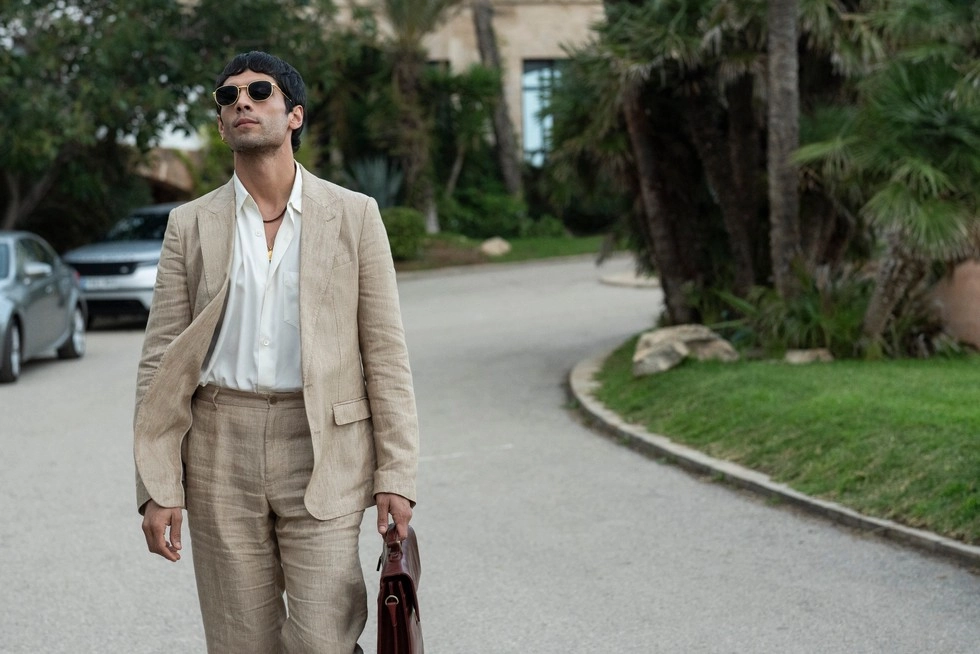
Similarly, Netflix’s Anatomy of a Scandal and The Night Manager demonstrated how the global elite weaponize understated tailoring. By wearing quiet but hyper-expensive apparel, characters project an authority that requires no validation from the masses.
Monolithic spaces and real-world impact

This psychological shift extends into physical environments, replacing gilded boardrooms with clinical, monolithic spaces of glass, concrete, and muted tones. In HBO’s Industry and the South Korean drama Mine, sterile architectural scale replaces ornamental clutter as a primary power metric.
The realistic design choices in these shows have created a powerful feedback loop, fundamentally altering real-world consumer habits. Obscure, unbranded luxury fashion houses have suddenly become household names among high-earning professionals.
Real-world executives have quickly abandoned monogrammed luggage and flashy logo belts for bespoke tailoringBespoke TailoringGarments made entirely to a single client's measurements, with a unique pattern cut from scratch and several fittings along the way. Bespoke tailoring represents the highest level of craftsmanship inGo to Bespoke Tailoring Glossary. Apple TV+’s The Morning Show reinforced this change, wrapping its media moguls in sleek, structural corporate armor that defines modern opulence.
Frequently Asked Questions
It is the “quiet luxury” aesthetic where characters wear extremely expensive, custom clothing free of any visible logos or branding.
They wanted to accurately reflect how real-world multi-billionaires use subtle cues to signal status exclusively to their peers.
They triggered a massive global surge in high-end minimalist clothing sales, forcing top brands to reduce visible logos.
Yes, it swaps ornamental decor for vast, open spaces and floor-to-ceiling glass, framing silence as the ultimate luxury.
It projects absolute security, signaling that the individual does not need to perform or prove their wealth to society.
Recommended Video