
Cinema Is Not Dead: Why Theaters Still Matter
A reminder that the magic of cinema lives in theaters, where stories are felt together, not alone at home





When Stellan Skarsgård accepted his Golden Globes award, he used his speech to make a point that resonated far beyond the ceremony:
“In a cinema, where the lights go down and eventually you share the pulse with other people, that is magic. Cinema should be seen in cinemas.”
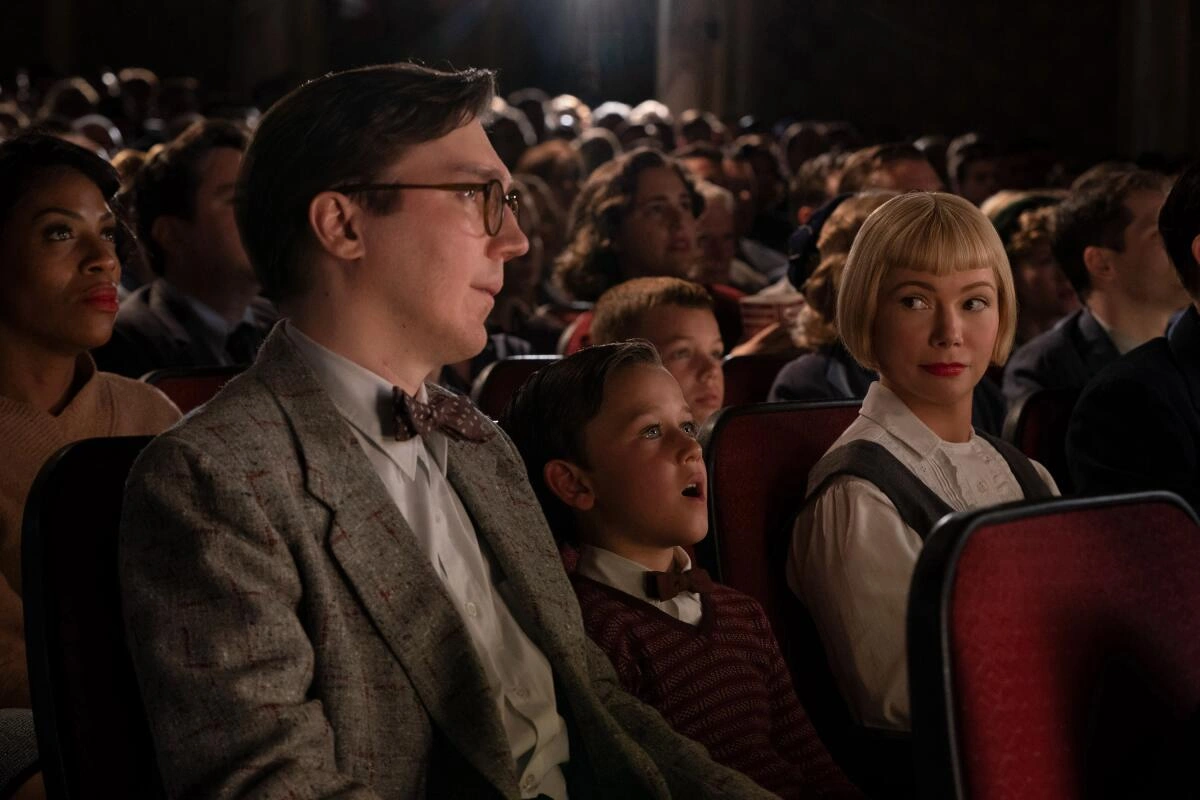
His words were a reminder that movies are not just stories on a screen but experiences shaped by the spaces in which they are watched.
READ MORE: 7 Directors Shaping the Language of Cinema Today
The myth of cinema’s death
For years, experts have predicted the death of cinema. Streaming platforms, home theaters, and shorter content have changed the way people consume movies. But the shared experience Stellan describes is something that cannot be replicated on a laptop or a television. The thrill of the lights dimming, the collective reaction of an audience, and the feeling of being part of something larger cannot be streamed.
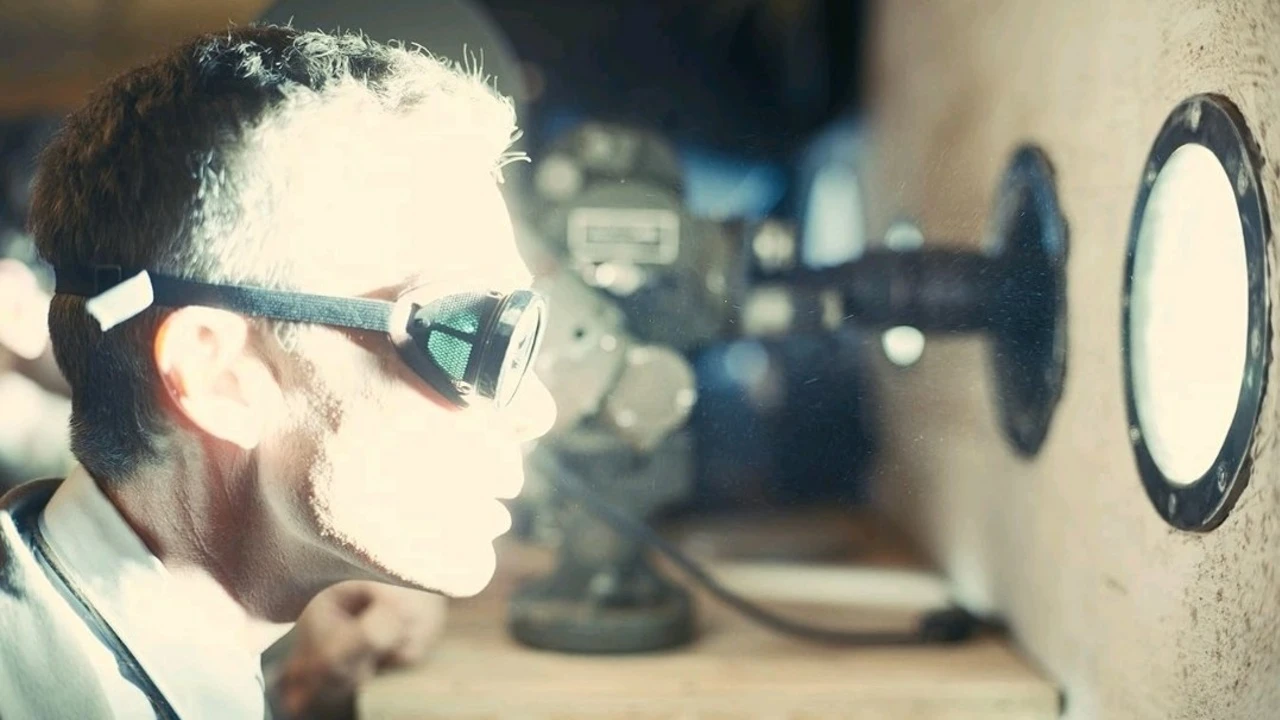
Theater attendance shows that people are still drawn to these communal experiences. In 2025, blockbuster releases such as Barbie and Oppenheimer drew millions of viewers to cinemas worldwide, proving that certain films continue to have a social impact that cannot be duplicated at home.
Meanwhile, smaller independent films like Past Lives and Materialists have found success through limited theatrical runs, generating critical discussion and award buzz that streaming alone rarely produces.

Audiences laugh together, react together, and sometimes cry together. These shared moments create a cultural resonance that is unique to the theater.
The social art
The social dimension of cinema has always been central to its appeal. From the golden age of Hollywood to contemporary hits, films rely on the presence of audiences to achieve their full impact.

Classics like Casablanca or La Dolce Vita became cultural touchstones because they were experienced collectively. Modern blockbusters and acclaimed arthouse films continue this tradition. Experiencing a movie on a laptop is different from being in a theater where the story is amplified by the reactions of those around you.
Shared emotion, lasting connection
Cinema’s enduring value is the recognition that film is a social art form. Shared reactions enhance the emotional impact and create an unspoken connection between viewers. Stellan’s call to see movies in theaters is a reminder to reclaim the communal aspect of film. The dimming of lights is a signal for audiences to participate in a shared experience.
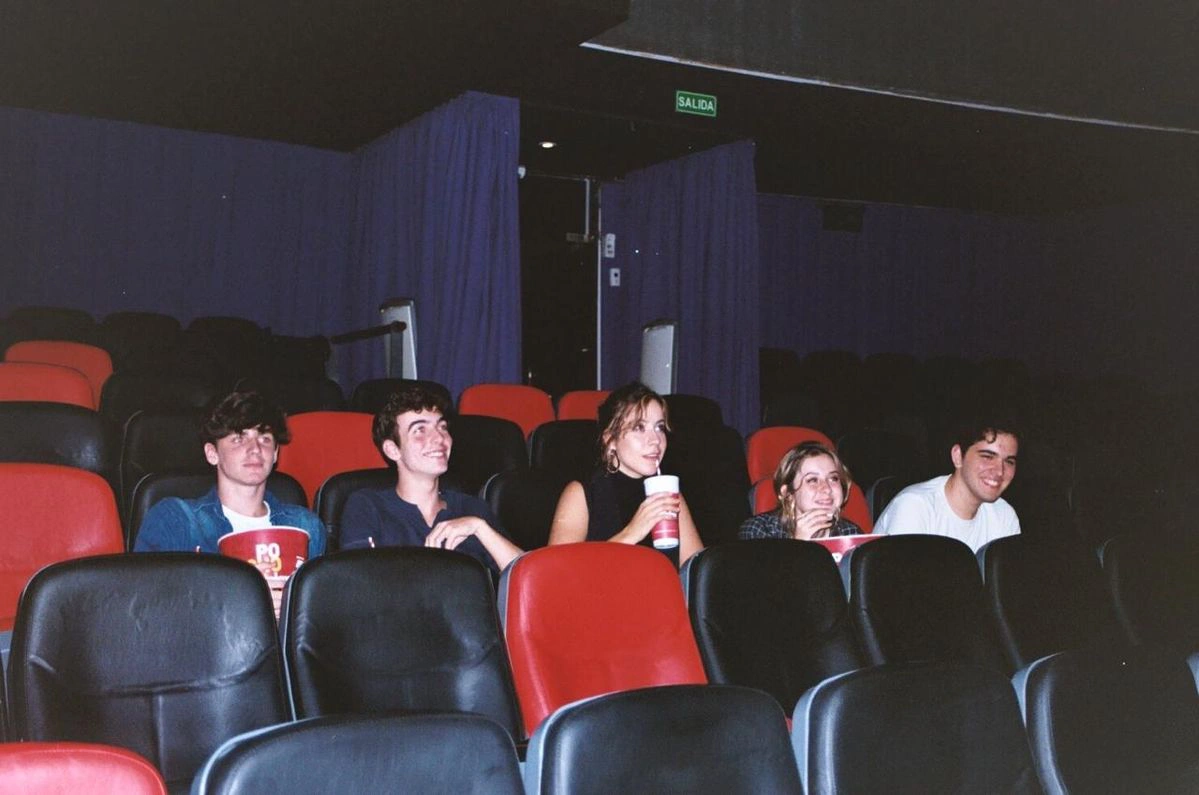
In this way, cinema is not dying. It is evolving.
Theaters remain spaces where stories are amplified and emotions are shared. As long as audiences continue to show up and engage, cinema will remain alive. The pulse of the audience is proof that the magic Stellan described is real and ongoing.
Photos courtesy Pinterest and IMDB
Frequently Asked Questions
Movie theaters matter because they provide a communal space where shared audience reactions amplify emotional resonance, creating a collective cultural impact that cannot be replicated on home screens.
Theatrical releases benefit independent films by generating critical discussion, prestige, and awards buzz through exclusive limited runs, which streaming-only distribution strategies rarely replicate for smaller titles.
The social dimension of cinema is the shared experience of viewing film collectively, where the unified psychological and emotional pulse of an audience transforms entertainment into a cultural touchstone.
Theater attendance is evolving rather than permanently declining, as evidence from major global blockbusters and acclaimed independent features proves audiences still seek out shared, real-world experiences.
Film is a social art form because stories achieve their full artistic and cultural impact when amplified by the collective reactions, laughter, and emotions of a live audience.

Recommended Video