Rebels on the Silver Screen: How Subcultures Conquered Hollywood’s Closets
A historical look at how underground movements, from punk to hip-hop, moved from local streets to the center of cinematic costume design




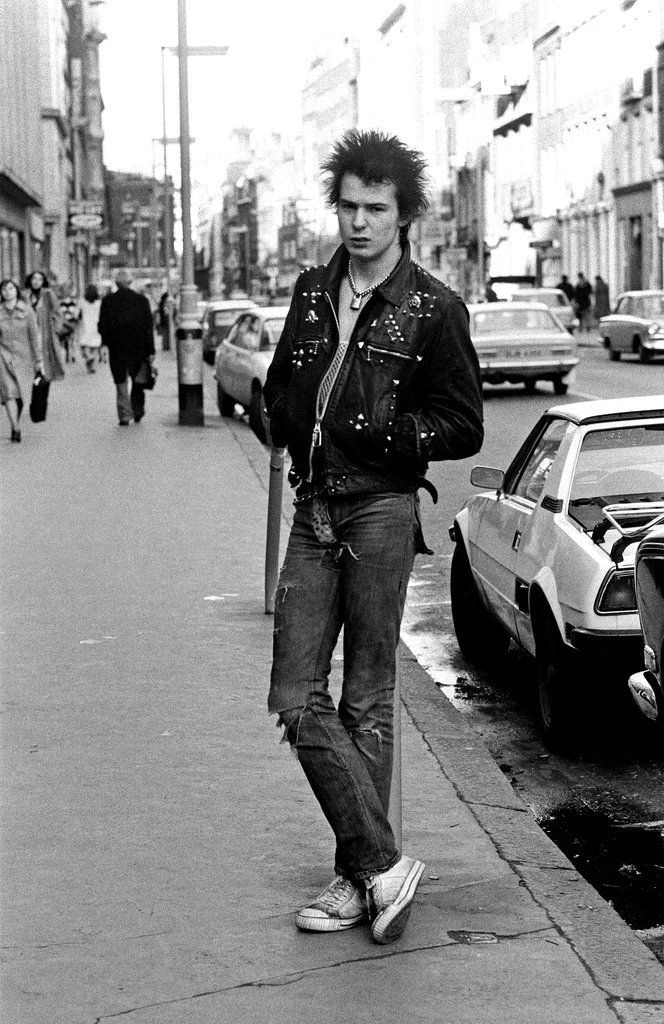
- The anti-establishment punk movement of the late 1970s injected leather, safety pins, and distressed fabrics into mainstream cinematic costuming.
- Urban street style and early hip-hop culture completely revolutionized Hollywood’s approach to casual wear, oversized silhouettes, and statement jewelry.
- The early 1990s alternative music scene brought thrift-store layers and utilitarian flannel into mainstream teen movies and television.
How did subcultures inform Hollywood’s costume designers and their wardrobes?
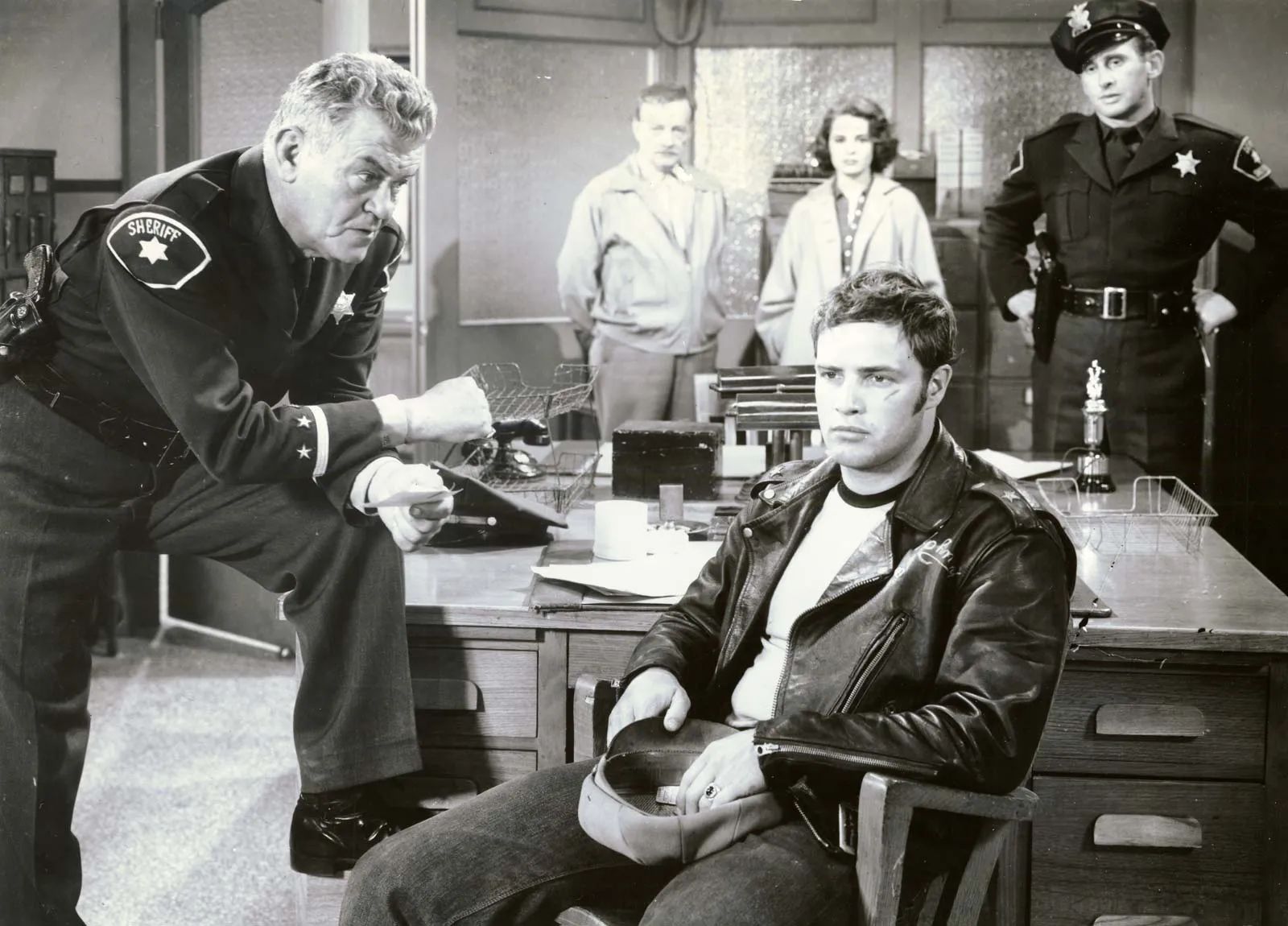
Traditionally, Hollywood wardrobe teams used archives or luxury houses. Global youth movements, however, shifted focus to street-level subcultures for more authentic style statements.
Subcultures offered characters an instant authenticity that studios could not manufacture. By borrowing these organic clothing codes, filmmakers found a sharp visual shorthand to signal an outsider status, fundamentally challenging the pristine, tailored look of old Hollywood glamour.
This cultural blend redefined cinematic character introductions. Distinctive attire, such as Marlon Brando’s leather biker gear in The Wild One and James Dean’s red jacket in Rebel Without a Cause, provided immediate character depth before any lines were spoken.
The punk and hip-hop revolution
In the late 1980s, punk subculture first dominated cinema through films like Sid and Nancy, Suburbia, and Repo Man. Featuring Nancy Spungen and Sid Vicious, this era introduced a deconstructed aesthetic of safety pins and hardware into styling.
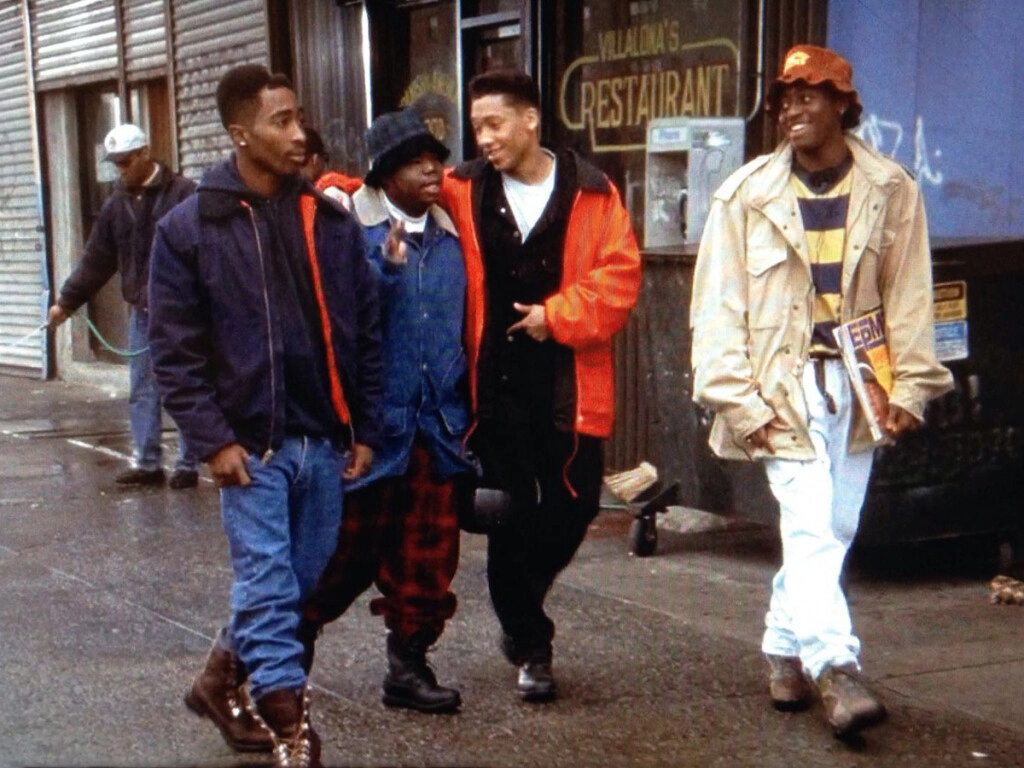
By the 1990s, hip-hop culture revolutionized Hollywood casualwear. Films like Do the Right Thing, Juice, and Poetic Justice introduced urban staples—oversized denim, athletic gear, and gold chains—to global audiences through iconic characters.
These two explosive movements forced major studios to abandon uniform, generic styling for contemporary stories. Costume designers had to actively study local music scenes and neighborhood trends to ensure characters felt rooted in genuine, real-world countercultures.
The alternative era and beyond
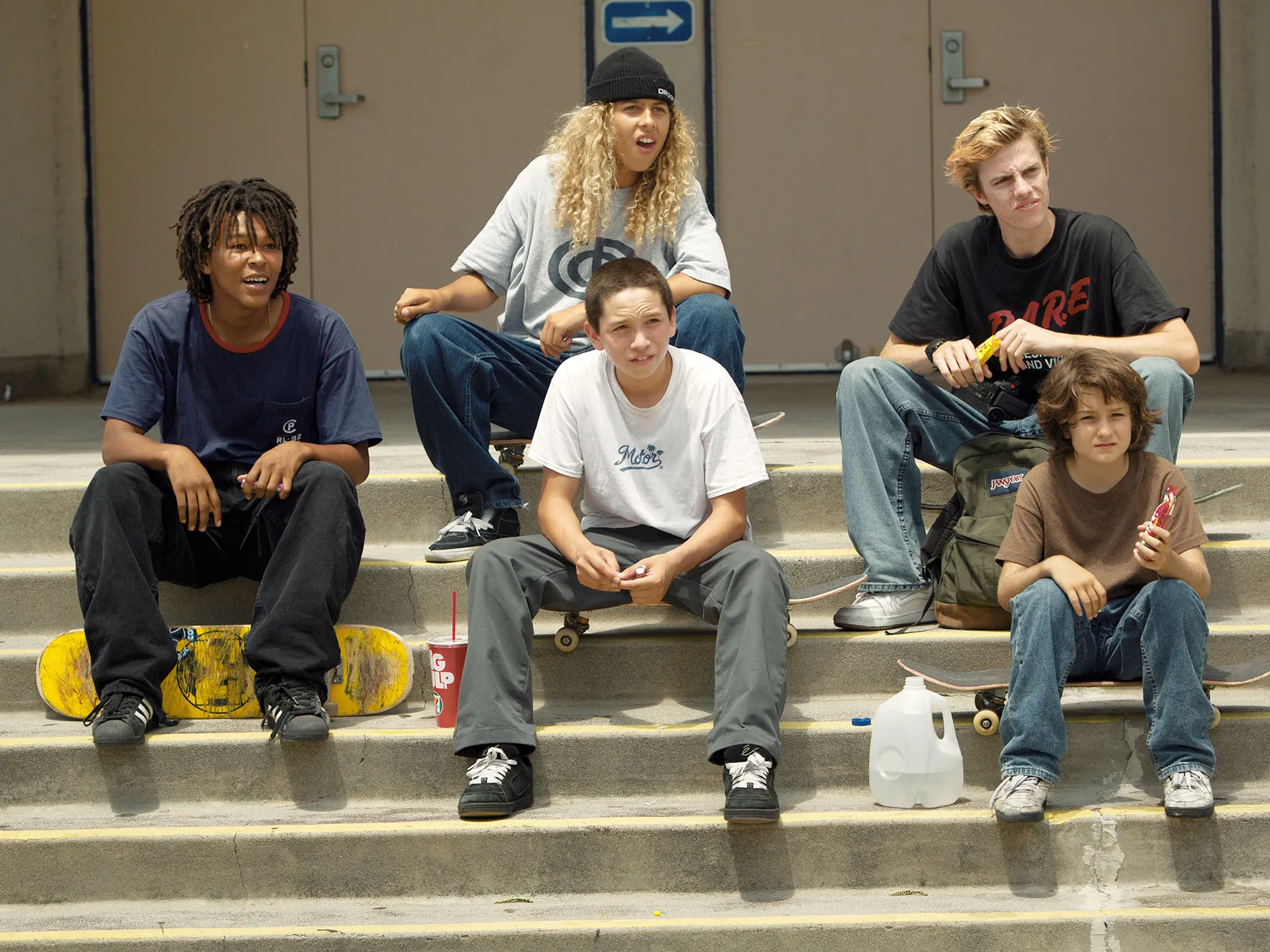
In the 1990s, grunge brought an anti-fashionFashionThe art and industry of designing, producing, and styling clothing, footwear, accessories, and beauty trends. It reflects cultural influences, personal expression, and evolving styles across seasons and markets.Go to Fashion Glossary, alternative aesthetic to teen media, notably seen via Troy Dyer in Reality Bites, thrift-store styles in Empire Records, and utilitarian flannels in Singles. Flannels, cardigans, and combat boots defined this unpolished, standard uniform.
The gap between subcultures and Hollywood has vanished. Modern films like Mid90s and The Matrix utilize skate and cyber-goth aesthetics with high precision. Designers now ensure accuracy by sourcing vintage pieces or consulting street style experts.
Ultimately, cinematic costuming demonstrates that influential styles emerge from the streets. Hollywood didn’t create these iconic looks; it simply provided a global platform for the creative style of subcultures.
Frequently Asked Questions
Designers used subcultures as a visual shorthand because underground clothing styles instantly conveyed a character’s personality, values, and social rebellion without needing explanatory dialogue.
The punk movement of the late 1970s was incredibly disruptive, introducing distressed fabrics, leather, and heavy hardware that directly challenged Hollywood’s traditional, highly polished aesthetics.
Hip-hop normalized oversized silhouettes, luxury athletic wear, and statement jewelry on screen, shifting Hollywood’s definition of stylish contemporary wardrobe away from traditional tailoring.
It was a double-edged sword; while it gave global visibility and validation to these underground styles, it also commercialized them, occasionally diluting their original counterculture meaning.
Today’s designers closely monitor social media platforms, regional music scenes, and digital micro-communities, allowing them to adapt authentic street trends into film wardrobes almost in real time.
Recommended Video