7 Directors Shaping the Language of Cinema Today
From Wes Anderson’s symmetry to Apichatpong Weerasethakul’s dreamlike pacing, these eight directors have shaped the way we see and feel cinema today




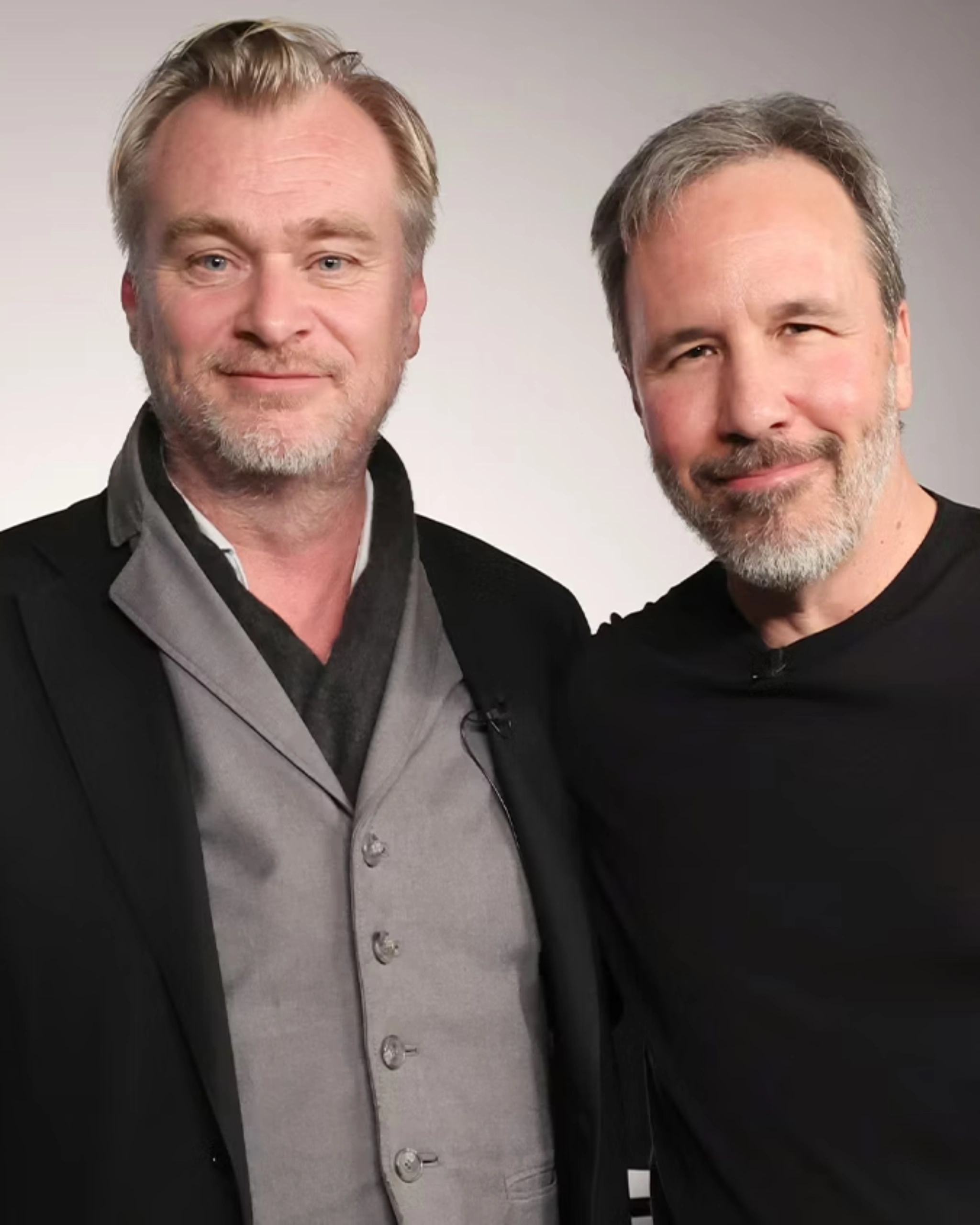
In the crowded landscape of modern cinema, a handful of directors have developed styles so distinct they are recognizable in a single frame or tracking shot. Watching their films feels like stepping into a universe carefully crafted to feel lived-in, idiosyncratic, and slightly off-kilter.
READ MORE: Hollywood’s Next Generation of Leading Men
Wes Anderson
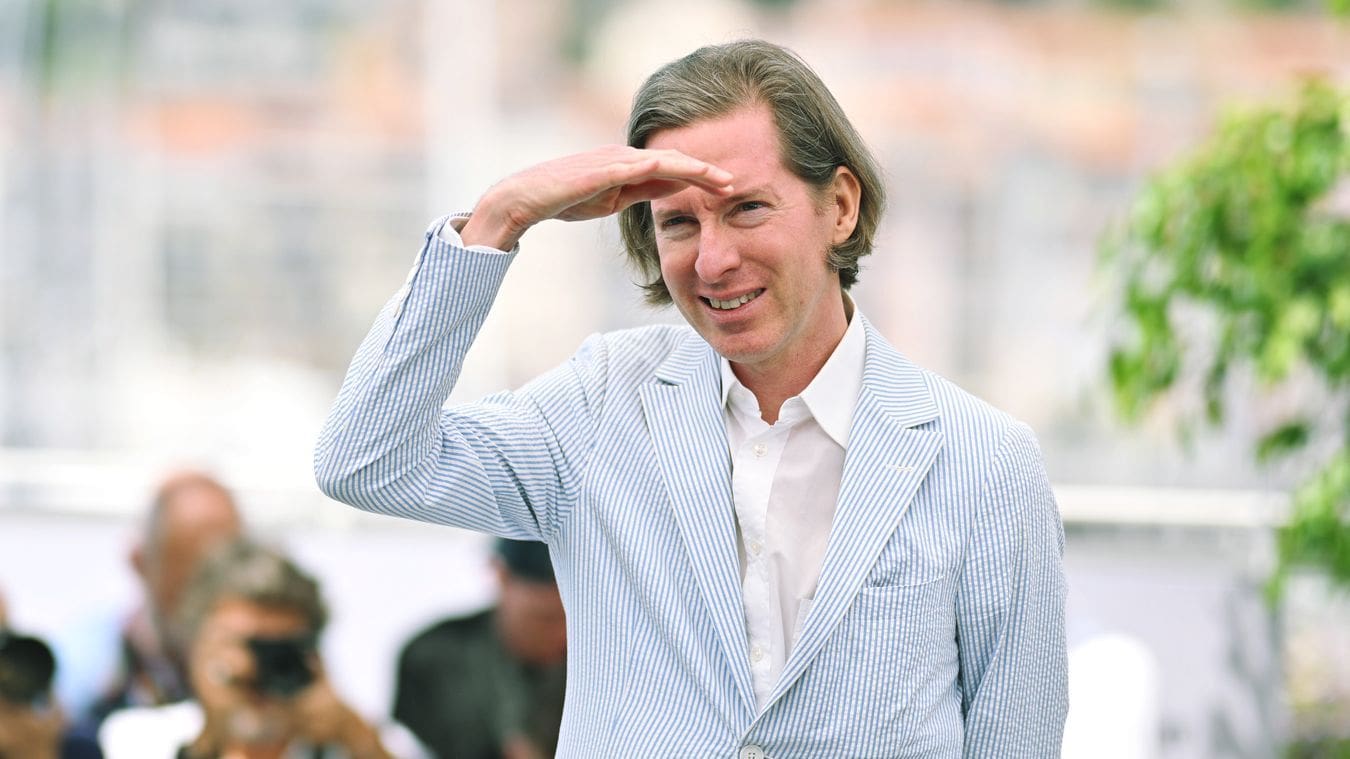
Wes Anderson is instantly identifiable by symmetry, pastel palettes, and obsessive detail in every set. In The Grand Budapest Hotel, for example, hallways, staircases, and mountaintop corridors become stages for melancholy comedy. His worlds are carefully constructed playgrounds where tragedy and absurdity coexist.
Quentin Tarantino
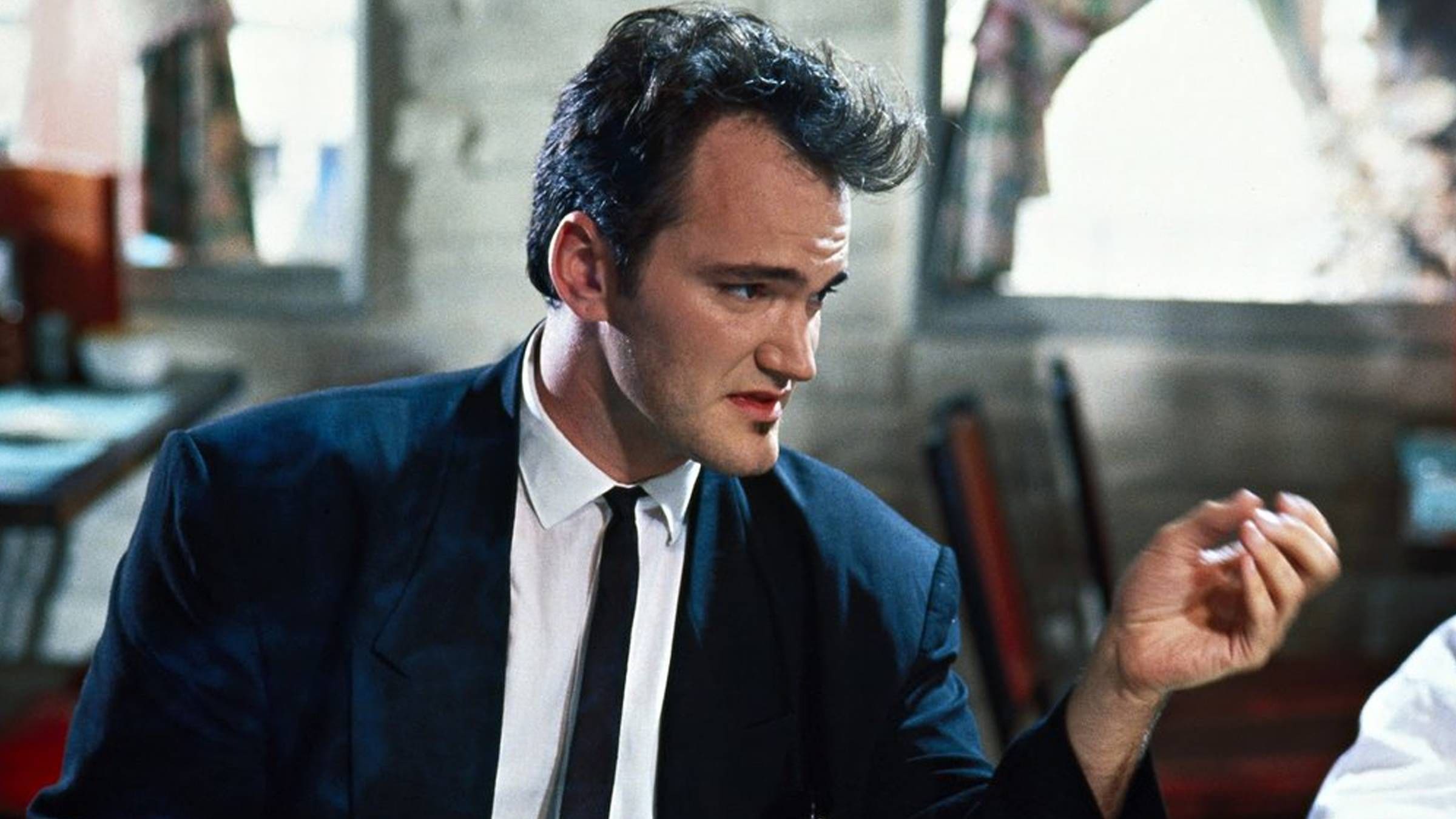
Quentin Tarantino favors kinetic chaos over symmetry. Pulp Fiction redefined non-linear storytelling while Once Upon a Time…in Hollywood channels cultural nostalgia through pop-infused dialogue. A banal conversation about fast food can erupt into violence and still feel strangely playful.
Wong Kar-Wai
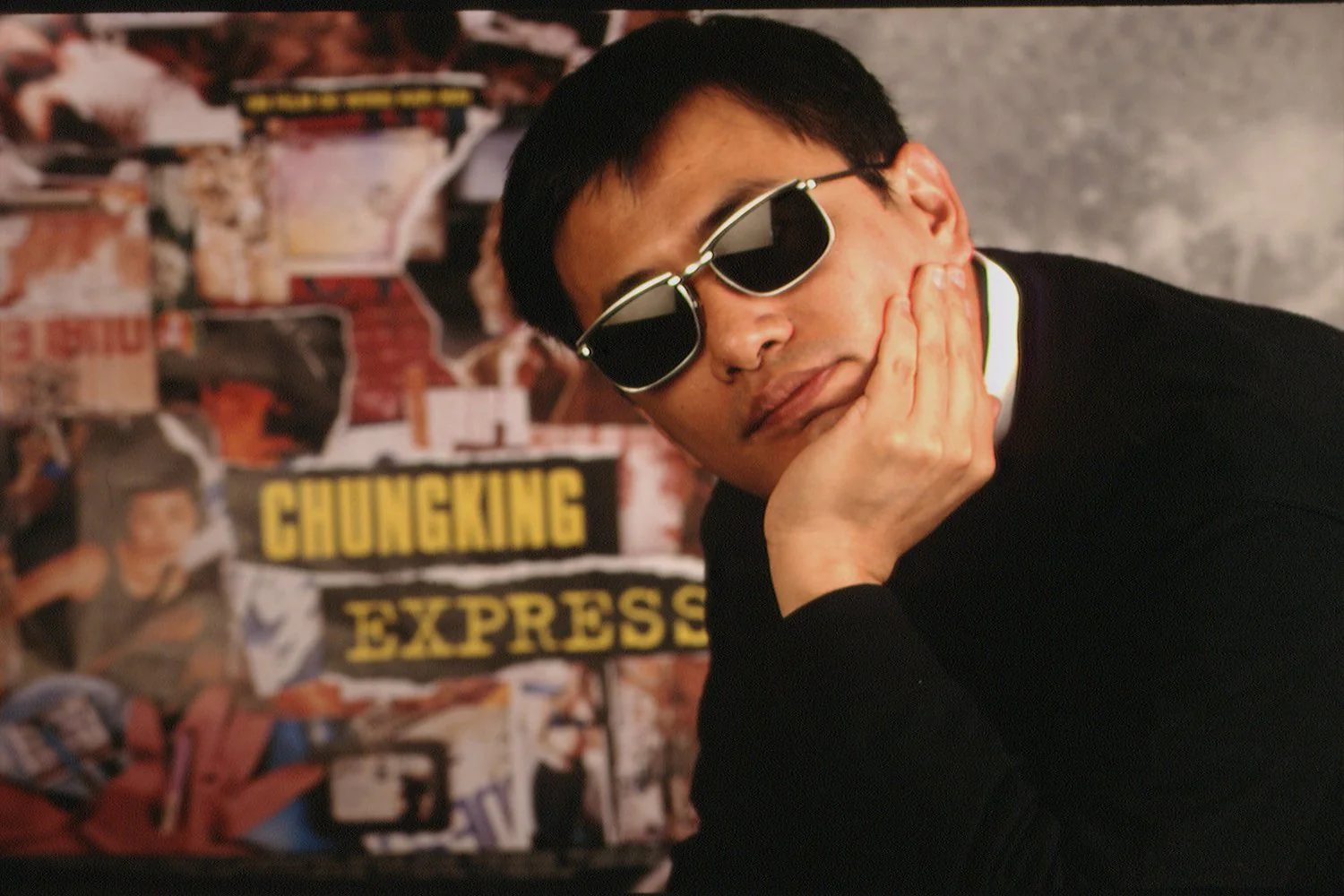
Wong Kar-Wai captures longing with a camera that lingers on raindrops sliding down glass and neon reflecting on wet streets. In the Mood for Love uses color and music to explore unexpressed desire.
Chungking Express moves between melancholy and vibrancy, using motion and montage to reflect the rhythm of urban life. His films feel intimate and distant at the same time, like memory made visible.
Christopher Nolan
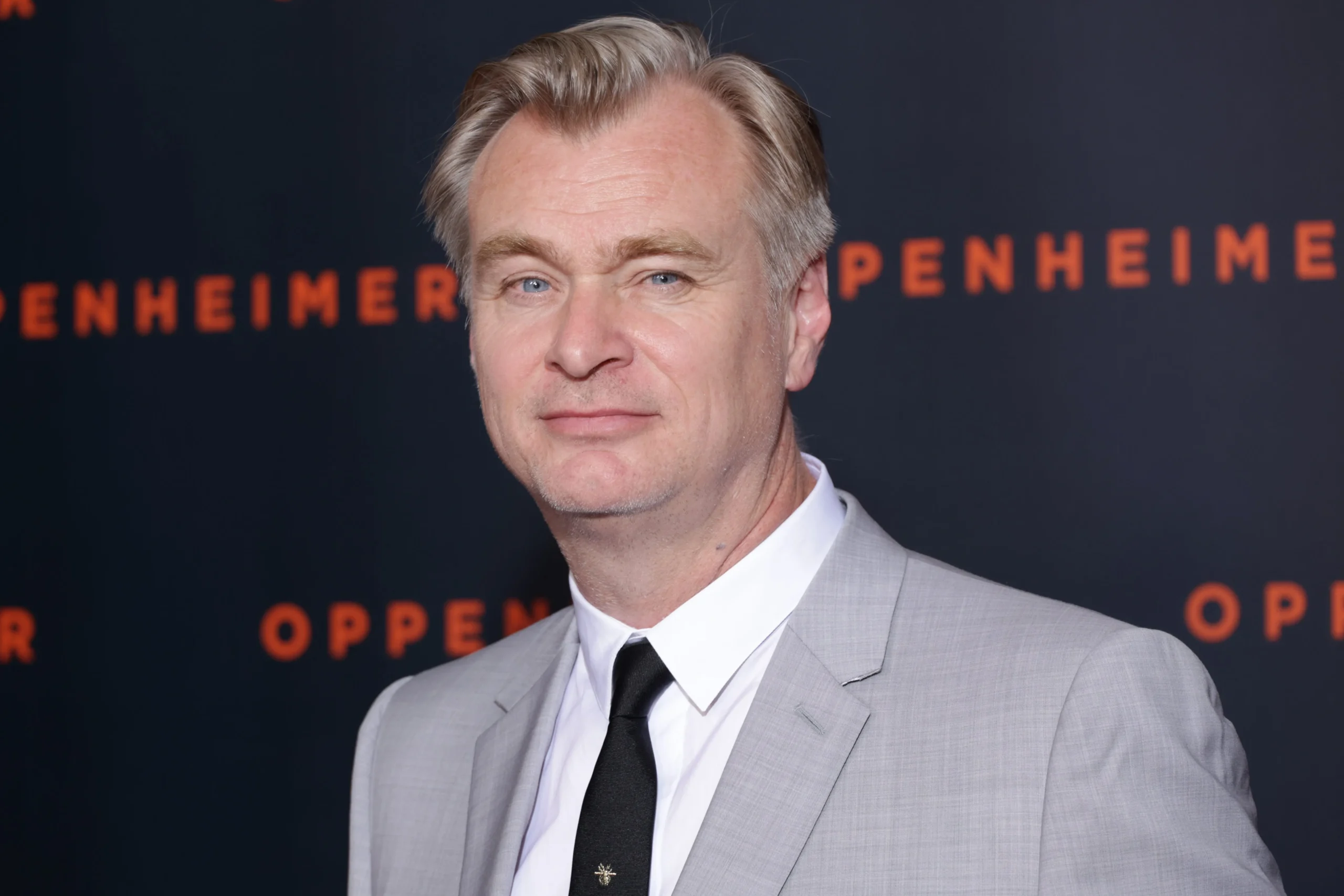
Christopher Nolan focuses on cerebral and temporal complexity. Inception and Tenet bend time and gravity while keeping narrative momentum. Even in Interstellar, human emotion anchors the spectacle. Nolan has perfected a logic-meets-poetry approach to blockbuster cinema.
Sanjay Leela Bhansali
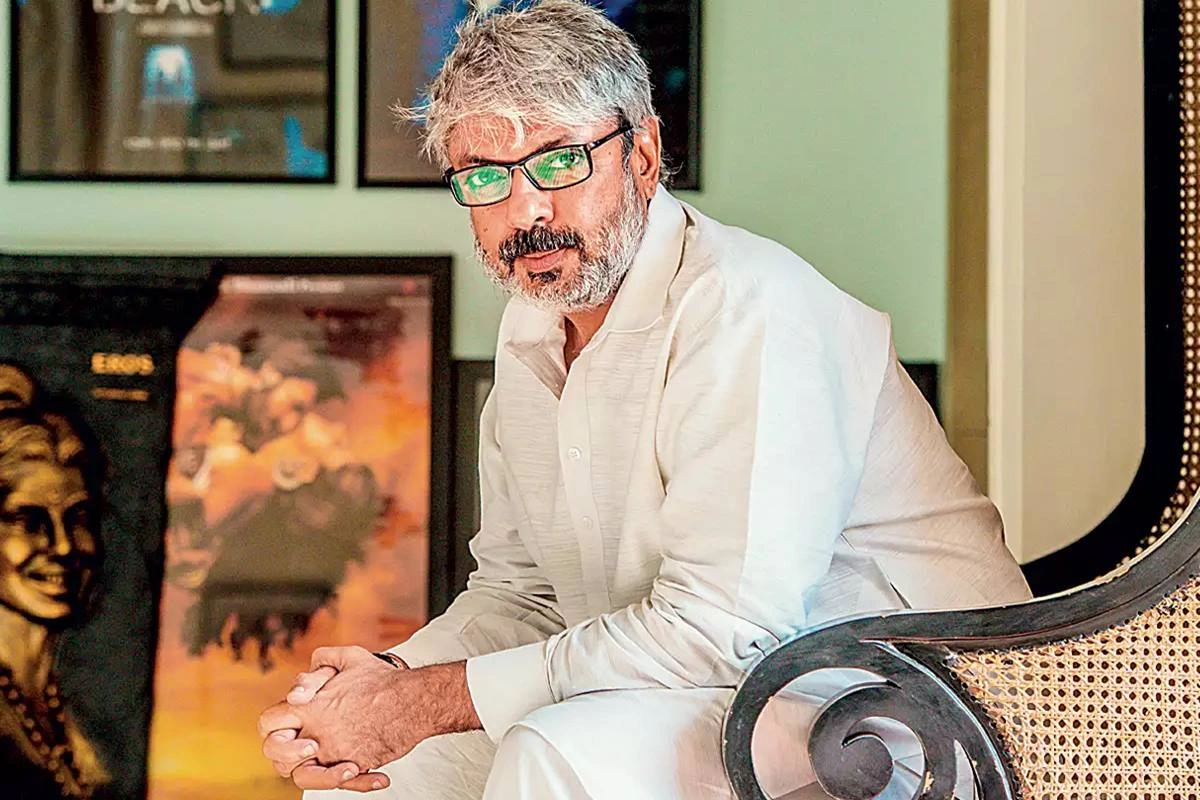
Sanjay Leela Bhansali brings Bollywood grandeur to every frame. Devdas immerses viewers in music and tragedy. Such as Padmaavat, which showcases lavish choreography and period detail. His films turn cinema into pageantry, with every costume and set piece serving the emotional narrative.
Denis Villeneuve

Denis Villeneuve works with visual scale and existential themes. Arrival explores time, language, and grief with elegance. Dune creates expansive and tactile worlds while remaining emotionally grounded. He invites audiences into environments that feel both vast and personal.
Apichatpong Weerasethakul

Apichatpong Weerasethakul from Thailand approaches cinema like meditation. Uncle Boonmee Who Can Recall His Past Lives shifts between the living and the spectral. His films feel like walking through half-remembered dreams where time is fluid and emotions carry weight.
These eight directors show the power of a distinct cinematic vision. Some manipulate time, others color, but all transform ordinary stories into something memorable. Their work reminds audiences that film can be personal and unforgettable.
Frequently Asked Questions
A director’s cinematic language is defined by their recurring use of distinct visual motifs, specific color palettes, unique narrative structures, and framing techniques that make their work instantly recognizable.
Wes Anderson uses precise center-composition symmetry, meticulous pastel color palettes, and obsessive set designs to construct whimsical, dollhouse-like worlds that balance melancholy themes with deadpan visual comedy.
Non-linear storytelling disrupts chronological time to heighten thematic tension, mimic human memory, and allow directors to contrast disparate emotional moments directly against one another for dramatic effect.
Denis Villeneuve’s signature filmmaking style balances immense visual scale and brutalist architecture with deeply intimate, emotionally grounded human stories, frequently exploring themes of grief, time, and communication.
Cultural elements shape a director’s cinematic language by providing distinct artistic traditions, such as Bollywood’s operatic grandeur or Thai folklore’s spiritual realism, which enrich global cinematic storytelling textures.

Recommended Video