The 7 Films Every Man Should Watch for Style Inspiration
From Trainspotting to F1, this is how a handful of films rewired menswear by turning character and everyday dressing into lasting style reference points




Films have always been apart of menswear history. A jacket appears on screen, then again in editorials, then on the street. Over time, it stops belonging to a character and starts belonging to people.
Cinema has long shaped how men understand style, and here are some of the films that have influenced menswear over the years and continue to do so as new audiences discover them again.
READ MORE: Why Every Man Turns His Favorite Movie Into a Personality
Trainspotting (1996)
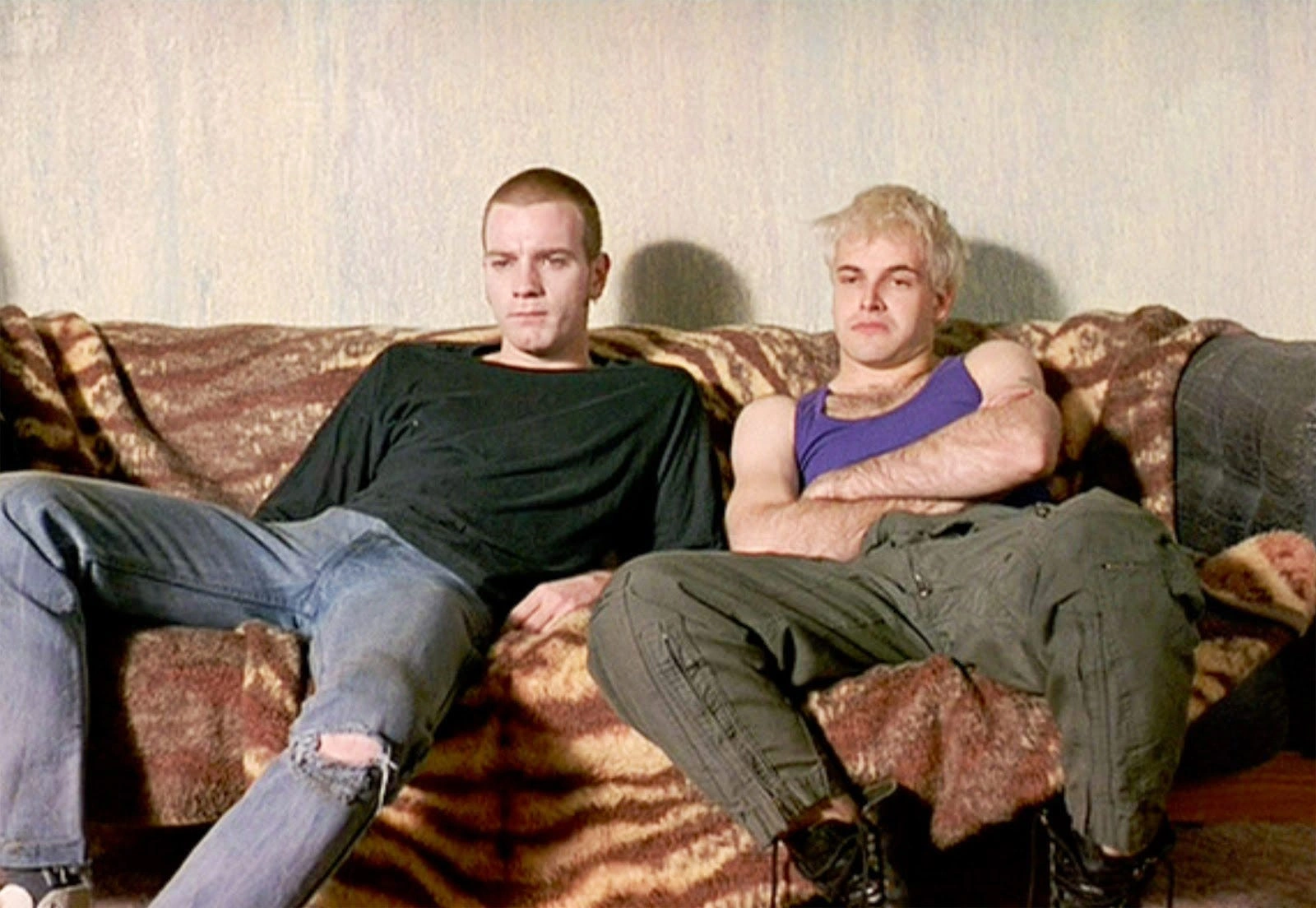
Trainspotting remains one of the clearest records of 1990s British youth culture. The film’s influence on menswear came from its realism.
Adidas track tops, oversized knits, battered denim, and Converse sneakers reflected a generation shaped by economic precarity and club culture. These were not styled looks but lived-in uniforms. Decades later, the resurgence of retro sportswear continues to borrow from Trainspotting’s refusal to glamorize.
The Talented Mr. Ripley (1999)
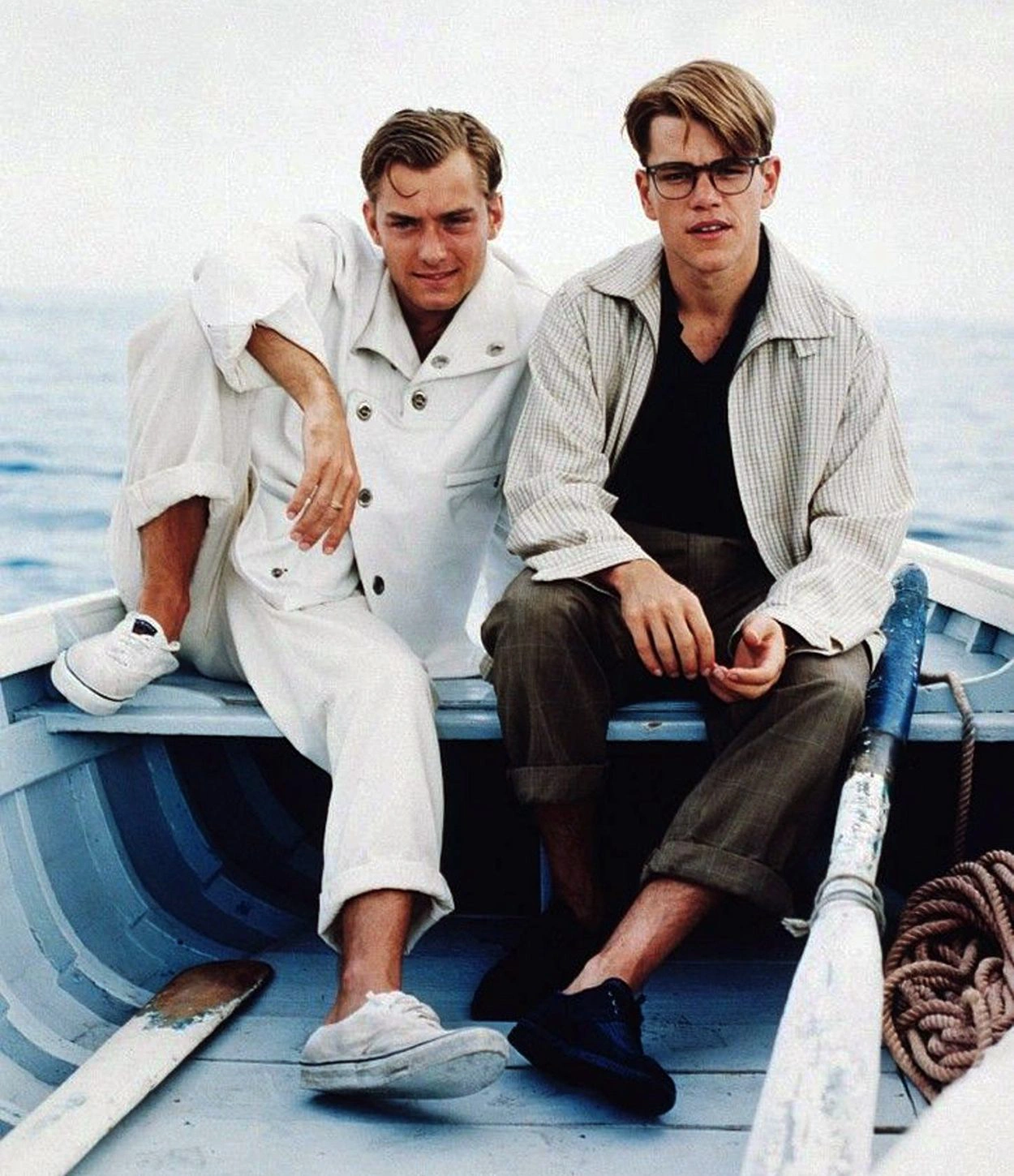
By contrast, The Talented Mr. Ripley presented control as aspiration. Set in the 1950s and filmed in Italy, it revived interest in Riviera dressing and Ivy League ease.
Jude Law’s character wore tailored shorts, knit polos, and lightweight shirts in bright colors. Matt Damon’s wardrobe leaned darker, favoring slim suits that reflected ambition and insecurity. The film helped reposition classic menswear as relaxed and contributed to the modern revival of preppyPreppyA style inspired by American private school and Ivy League culture, defined by polo shirts, blazers, chinos, boat shoes, and bright colors. Preppy dressing conveys relaxed, polished refinement, and periodicallyGo to Preppy Glossary silhouettes and Mediterranean tailoring.
The Matrix (1999)
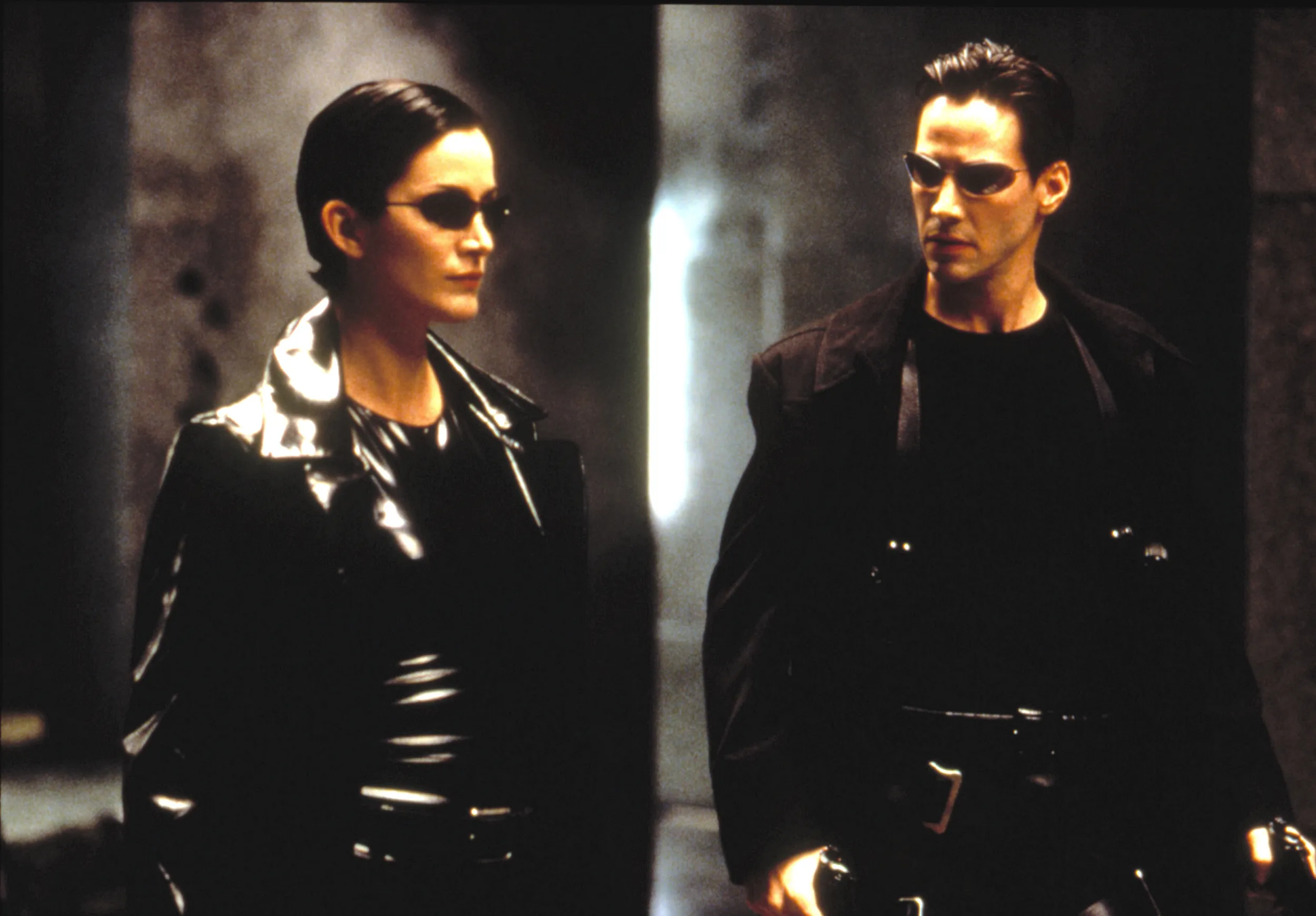
That same year, The Matrix pushed menswear in the opposite direction. Its all-black wardrobe, defined by leather coats, combat boots, and narrow sunglasses, introduced a visual language that blurred fashionFashionThe art and industry of designing, producing, and styling clothing, footwear, accessories, and beauty trends. It reflects cultural influences, personal expression, and evolving styles across seasons and markets.Go to Fashion Glossary and technology.
The film’s influence extended far beyond costume. Designers adopted its utilitarian silhouettes and monochrome palettes, laying groundwork for what would later be called techwear.
American Psycho (2000)
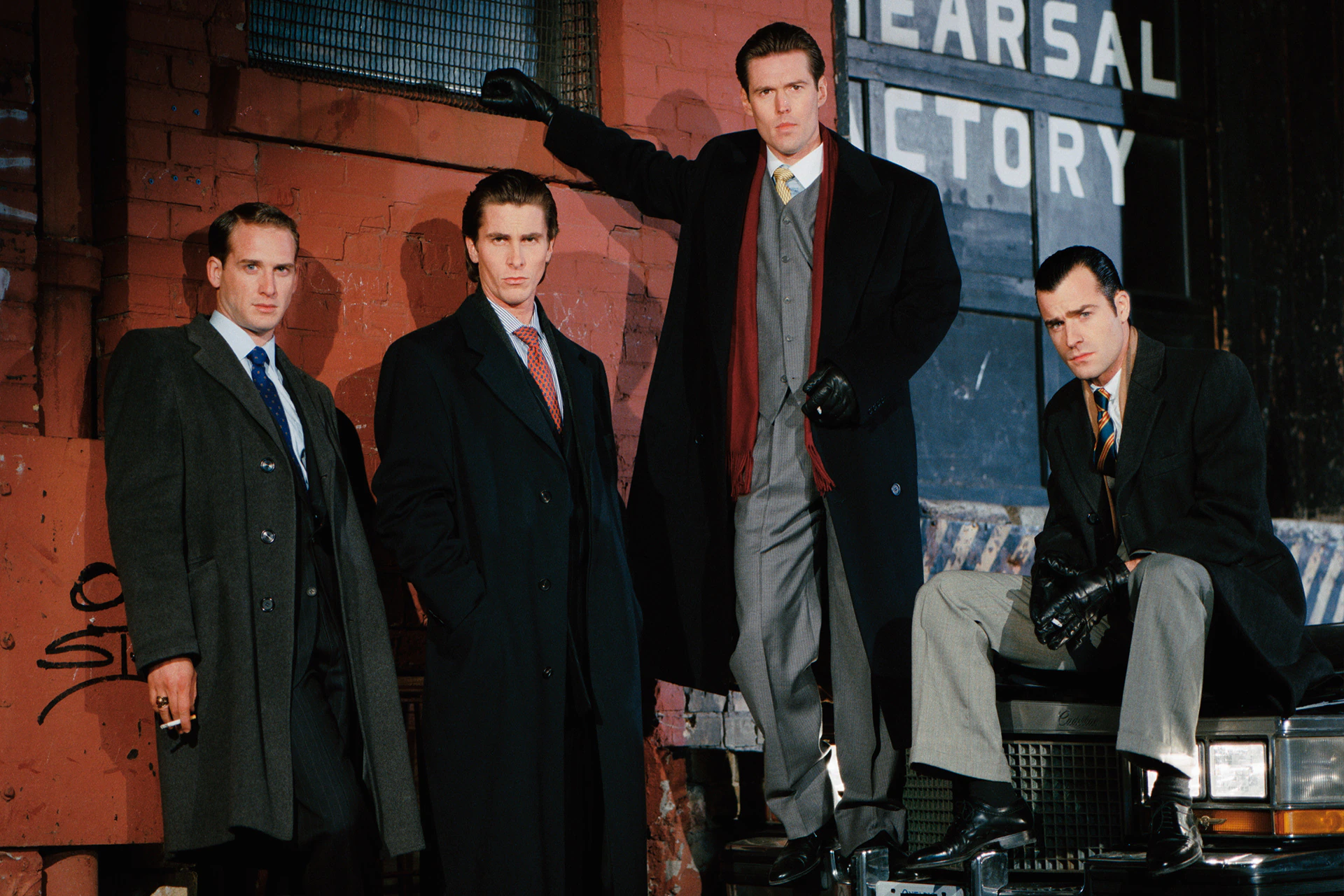
American Psycho reinforced the power of tailoring, but with a darker subtext. Though set in the 1980s, the film’s release at the start of a new millennium cemented an obsession with immaculate presentation.
Patrick Bateman’s suits, shirts, and ties were precise to the point of menace. Labels like Valentino and Cerruti became shorthand for wealth and control. The influence persists in contemporary tailoring that prioritizes sharp lines and perfection, even as the film itself critiques that obsession.
Casino Royale (2006)
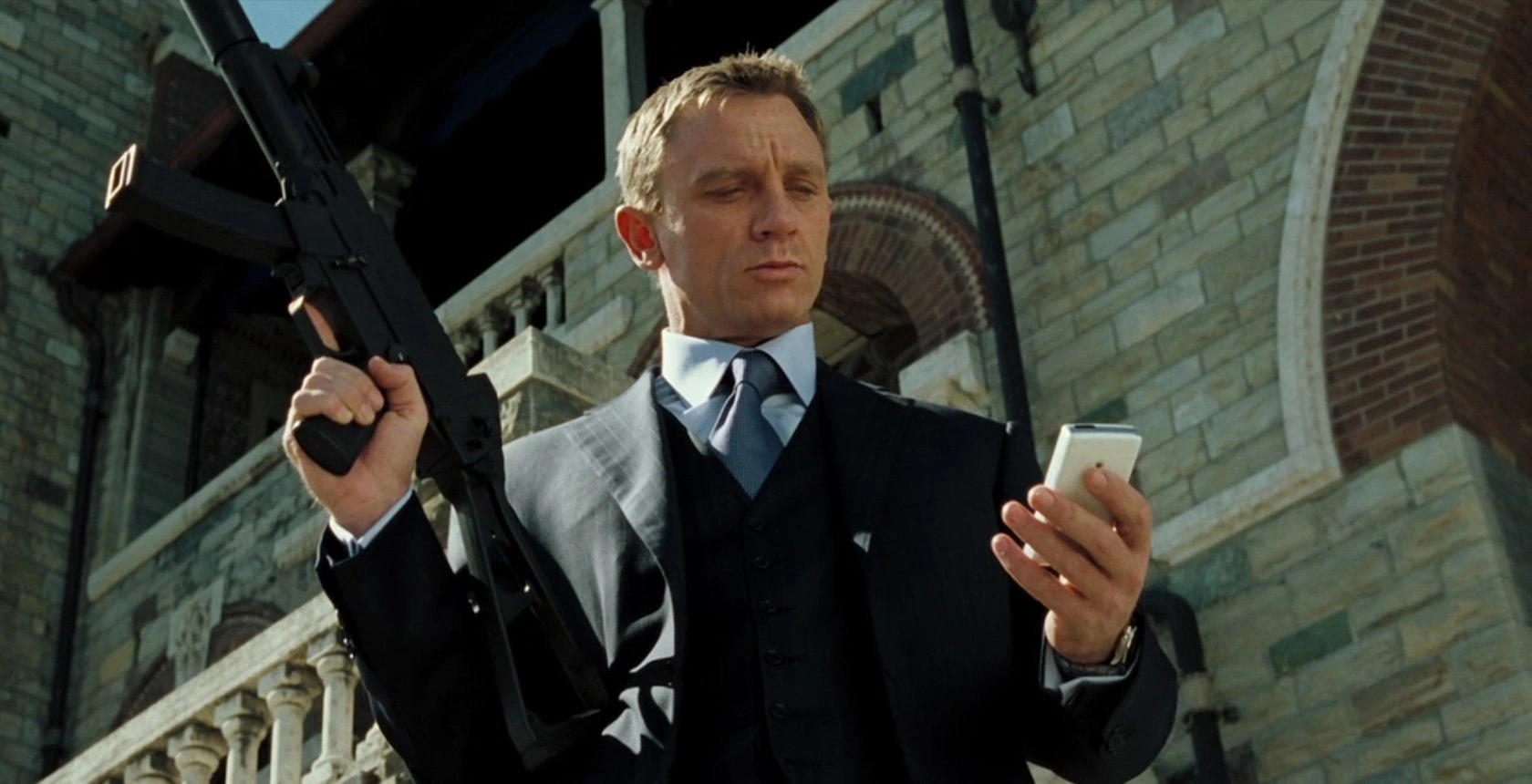
In the mid-2000s, Casino Royale recalibrated modern masculinity. Tom Ford suits were cut close and worn with physical authority. Knit polos, sleek formalwear, and minimal accessories emphasized function over flourish.
The film reframed the suit and tie as active rather than ornamental. Its impact can still be seen in the popularity of slim tailoring designed for movement.
Once Upon a Time… in Hollywood (2019)
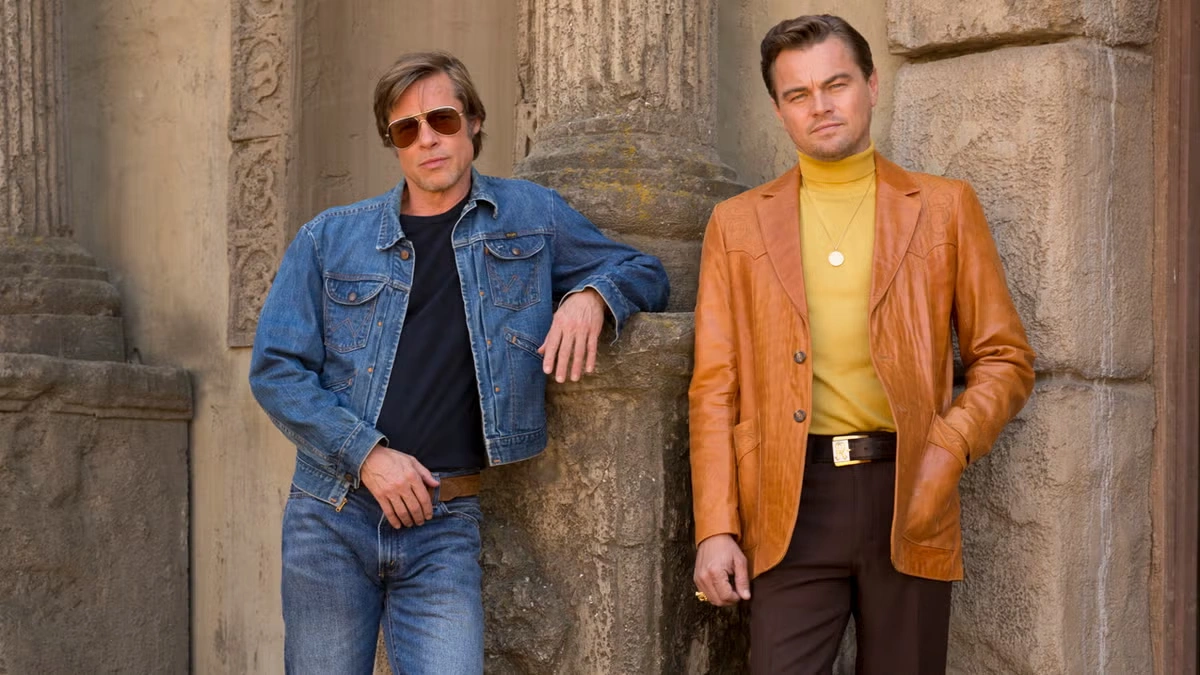
The 2010s saw a shift toward nostalgia and looseness. Once Upon a Time… in Hollywood looked backward, but its influence was immediate.
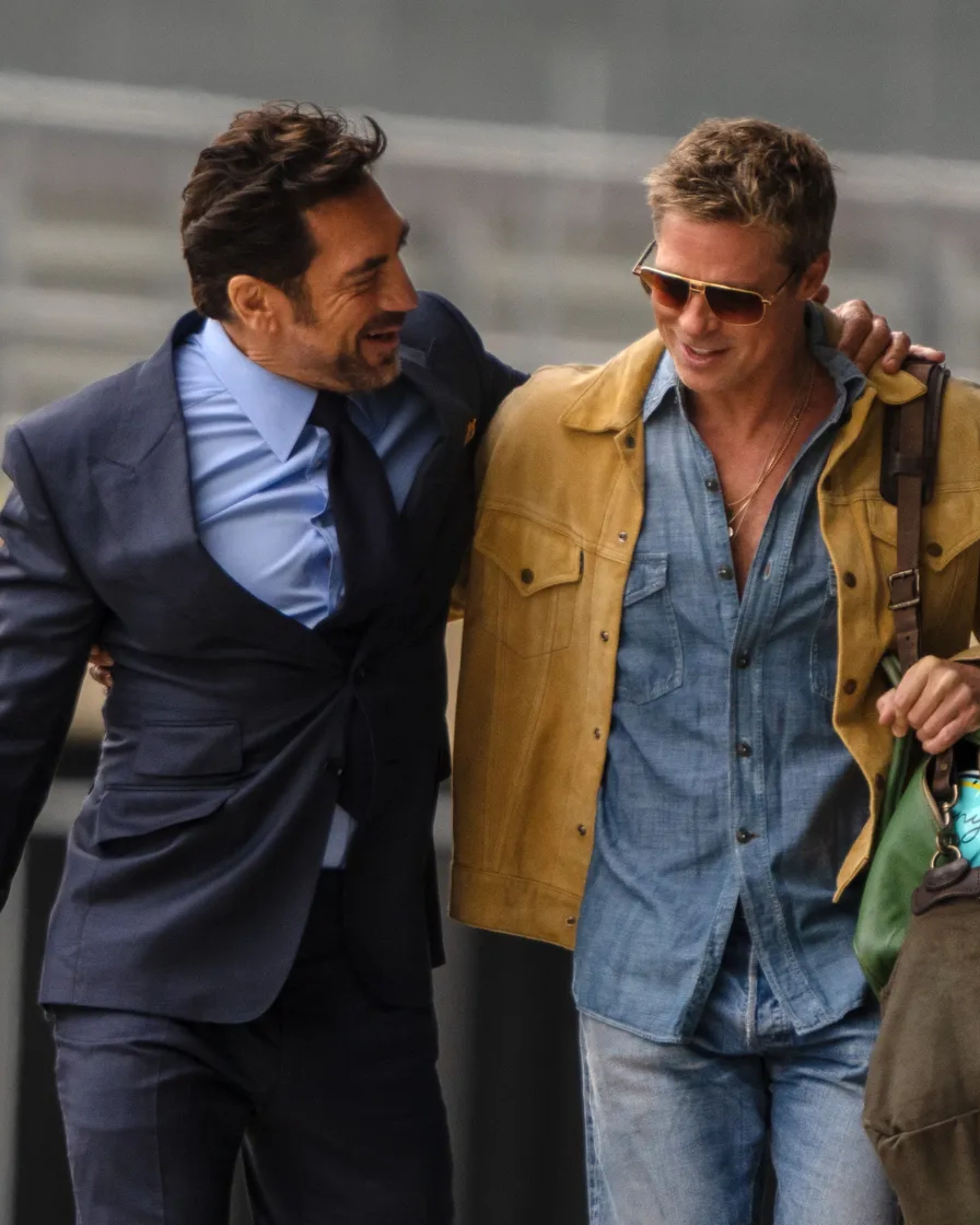
Leonardo DiCaprio’s character cycled through Western shirts, fringed jackets, and period tailoring that reflected a masculinity in transition. Brad Pitt’s wardrobe, defined by denim, worn tees, suedeSuedeA soft leather with a napped, velvety finish, made from the underside of animal skin. Suede appears in men's jackets, shoes, and accessories, adding warmth, texture, and understated elegance, thoughGo to Suede Glossary jackets, and sunglasses, became a reference point for effortless vintage dressing.
F1 (2025)
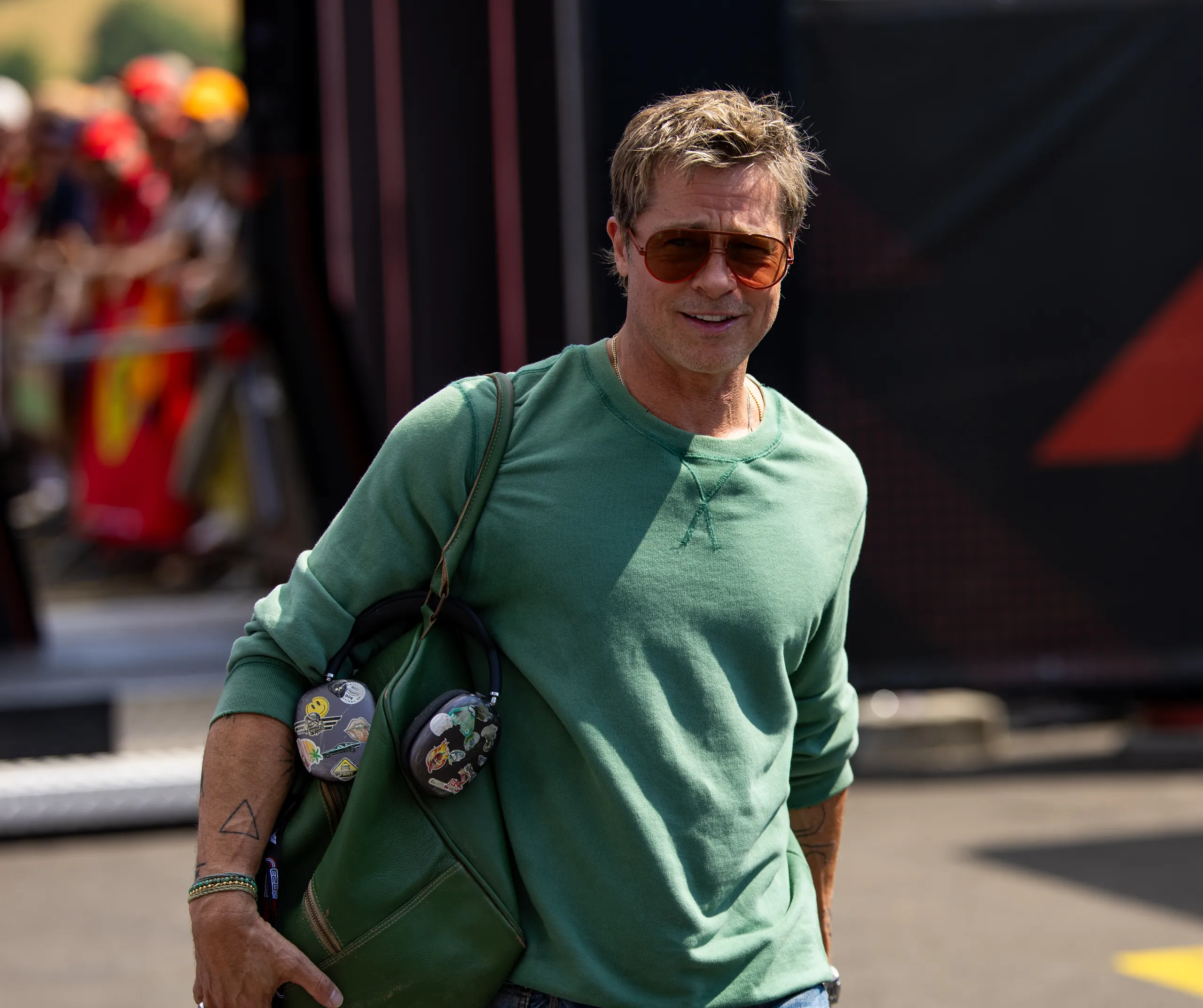
Most recently, F1 demonstrated how menswear influence often emerges off the main stage. While the film centers on racing, its most referenced looks came from the paddock. Sweaters layered under suedeSuedeA soft leather with a napped, velvety finish, made from the underside of animal skin. Suede appears in men's jackets, shoes, and accessories, adding warmth, texture, and understated elegance, thoughGo to Suede Glossary jackets, denim shirts worn-in, and aviator eyewear shaped a new model of sport-adjacent dressing.
Taken together, these films illustrate how menswear evolves through storytelling. Clothing gains influence because it is seen repeatedly in moments that feel aspirational or observed.
Cinema continues to shape how men dress by showing how clothes work in context, not only in how they look but in how they help define presence and confidence.
Frequently Asked Questions
Films including Trainspotting, The Talented Mr. Ripley, The Matrix, American Psycho, Casino Royale, Once Upon a Time… in Hollywood, and F1 are among the most consistently referenced in menswear. Each introduced a distinct visual language — from retro sportswear to sharp tailoring — that designers and stylists continue to draw from.
The Matrix introduced an all-black wardrobe built around leather coats, combat boots, and narrow sunglasses, establishing a utilitarian visual language that blurred fashion and technology. Designers adopted its monochrome palettes and functional silhouettes, laying the foundation for what became techwear as a defined menswear category.
Set in 1950s Italy, The Talented Mr. Ripley revived interest in Riviera dressing — tailored shorts, knit polos, lightweight shirts in bright colours — alongside the darker, slim suiting of Matt Damon’s wardrobe. The film contributed directly to the modern revival of Mediterranean tailoring and Ivy League silhouettes.
Sport-adjacent dressing refers to casual menswear that draws on athletic or motorsport context without being activewear — layered knitwear, worn-in denim shirts, suede jackets, and aviator eyewear. The 2025 F1 film positioned paddock style as a new menswear reference, influencing how men approach relaxed, sport-informed dressing.
Cinema shapes menswear by placing clothing in aspirational or emotionally resonant contexts, making garments inseparable from the characters and worlds they inhabit. When audiences see the same look repeated across editorial, street style, and cultural conversation, it transitions from costume to cultural reference point and eventually to personal wardrobe language.
Recommended Video