INSIDE TTFGA’s Unfiltered Vision of Malaysian Fashion
The multi-hyphenate sees the future of Malaysian fashion in its people, its imperfections, and the talent still waiting to be discovered




- TTFGA traces his journey from wedding and street photography to becoming a leading force in Malaysian fashion imagery and creative direction.
- His candid visual style focuses on personality and the imperfect details that make a subject compelling.
Through TTFGA’s lens
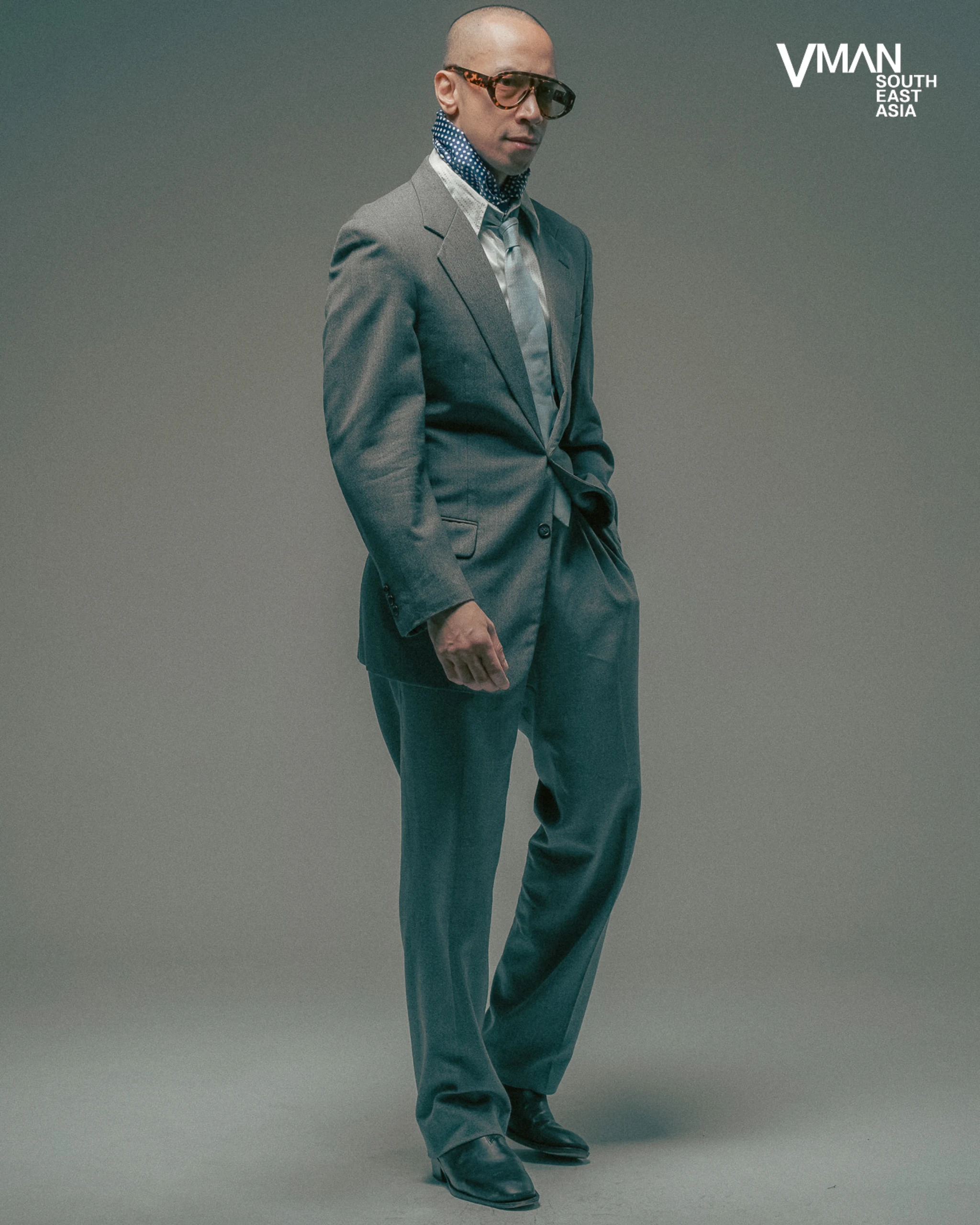
If you have spent enough time around Malaysian fashionFashionThe art and industry of designing, producing, and styling clothing, footwear, accessories, and beauty trends. It reflects cultural influences, personal expression, and evolving styles across seasons and markets.Go to Fashion Glossary, chances are you have seen Ridduan Ismail‘s work before you have heard his name.
Better known as TTFGA, the photographer, stylist, curator, and creative director has spent more than a decade documenting the people who give the country’s fashionFashionThe art and industry of designing, producing, and styling clothing, footwear, accessories, and beauty trends. It reflects cultural influences, personal expression, and evolving styles across seasons and markets.Go to Fashion Glossary scene its character, from street-style regulars and models to designers and creative figures. His images are often candid, occasionally unruly, and rarely interested in making anyone look too perfect.
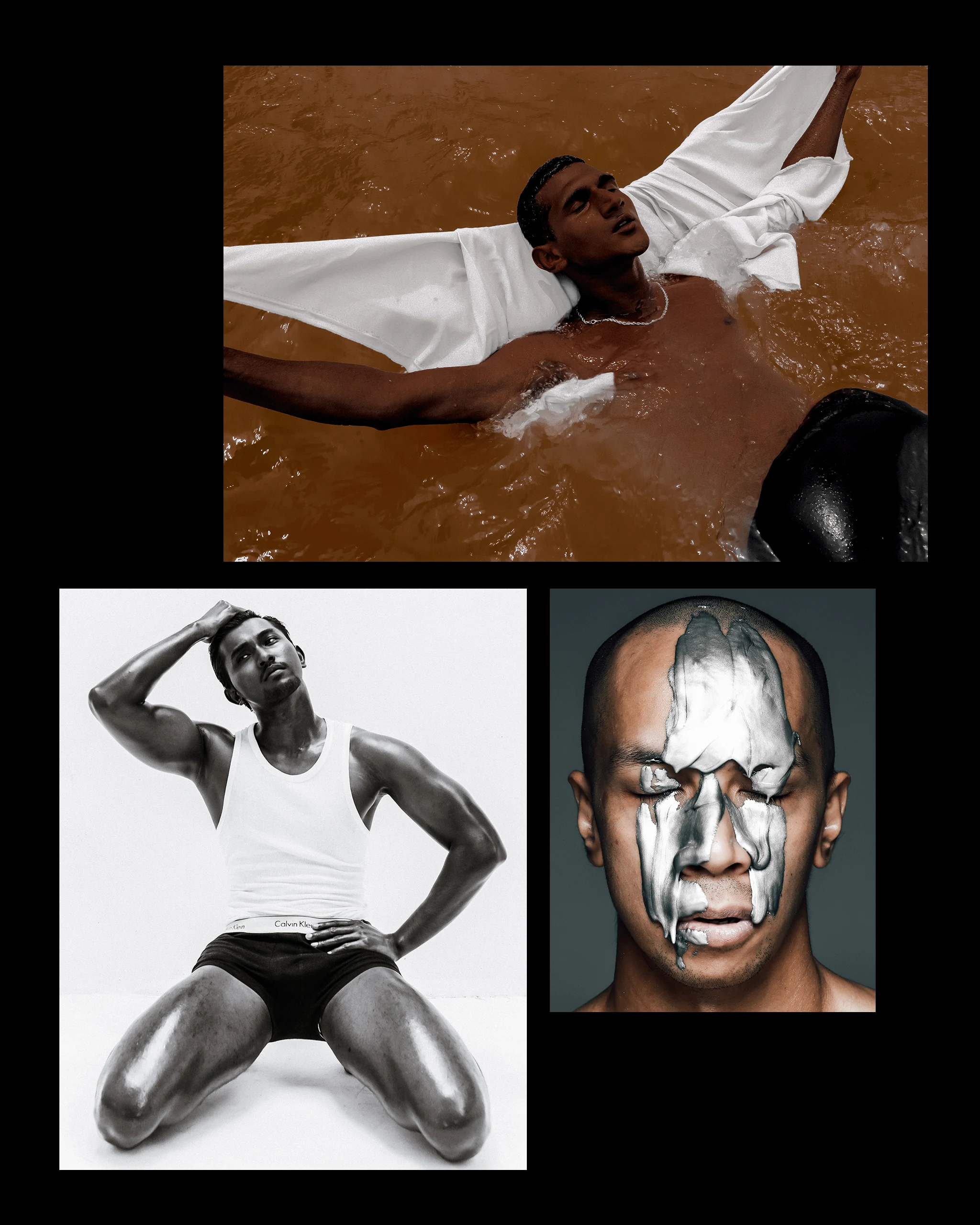
The name TTFGA, short for Tukang Tangkap Foto Gembira Anda, translates roughly to “your happy photographer.” It sounds playful, but there is something revealing about it. His photographs are not concerned with manufacturing an immaculate fashionFashionThe art and industry of designing, producing, and styling clothing, footwear, accessories, and beauty trends. It reflects cultural influences, personal expression, and evolving styles across seasons and markets.Go to Fashion Glossary fantasy, but with finding the person inside the picture.
His route into fashionFashionThe art and industry of designing, producing, and styling clothing, footwear, accessories, and beauty trends. It reflects cultural influences, personal expression, and evolving styles across seasons and markets.Go to Fashion Glossary was not exactly conventional. Born and raised in Kota Bharu, TTFGA moved away from home to study Advertising and Design at a community college in Malacca. There, he encountered multimedia, photography, and digital editing for the first time. He eventually began shooting weddings in 2011 before turning his camera toward street style.
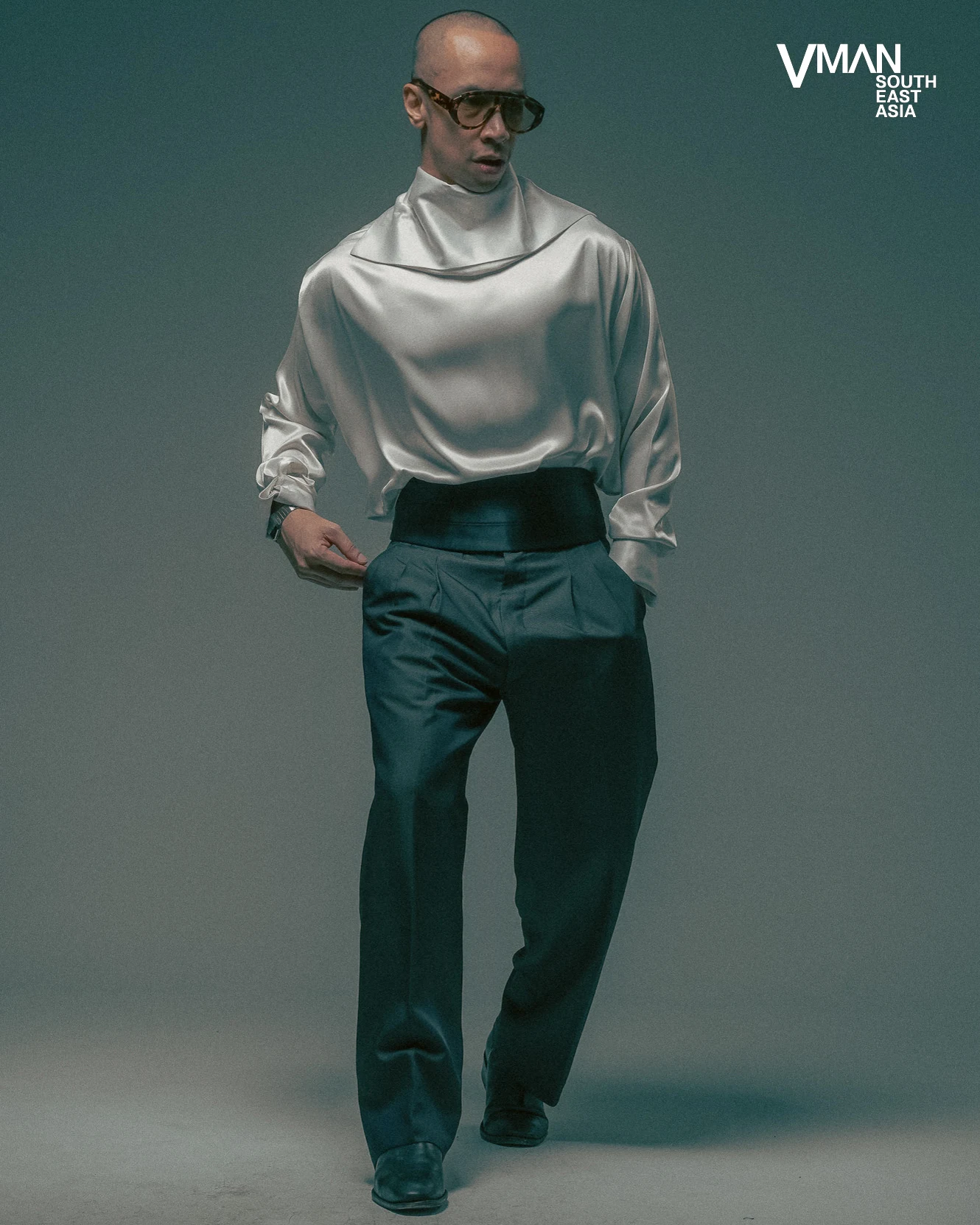
Moving to Kuala Lumpur changed the trajectory of his career. After encountering the work of Malaysian fashionFashionThe art and industry of designing, producing, and styling clothing, footwear, accessories, and beauty trends. It reflects cultural influences, personal expression, and evolving styles across seasons and markets.Go to Fashion Glossary photographer Bibo Aswan, he began photographing the city’s street-style scene, finding a visual language in the spontaneity and unpredictability of fashion outside the studio.
Since then, the camera has taken him into a much larger role. Today, TTFGA works across photography, styling. and creative direction, moving between the image itself and the larger visual world around it.
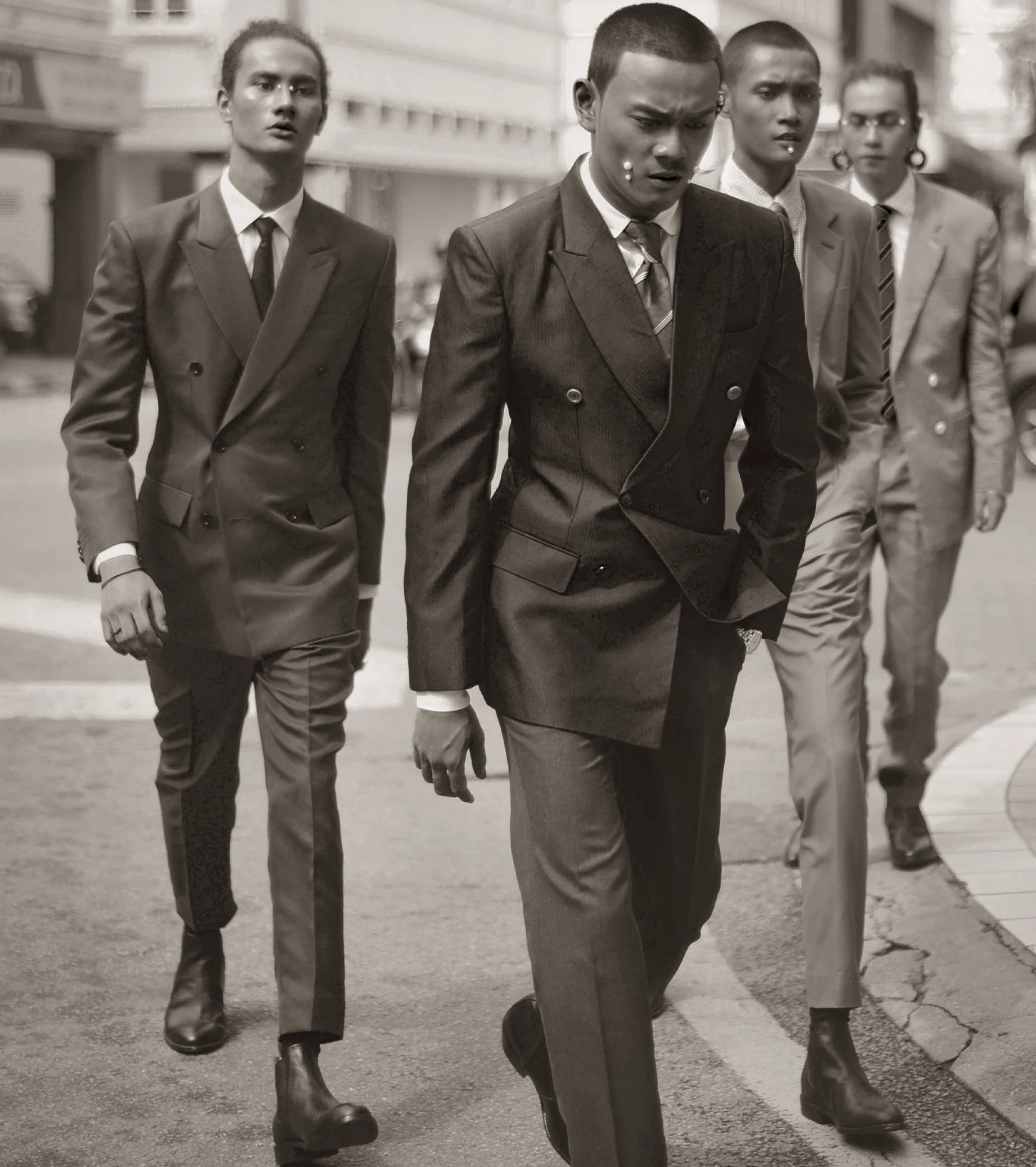
Why TTFGA looks for the awkward moments
After years of photographing people, he has learned that confidence in front of a camera is not necessarily what makes a subject compelling. In fact, he often finds the opposite more interesting.
“The more I get to know a person, especially someone who is not particularly comfortable being photographed, the more I want to photograph them.”
It is a useful philosophy in an industry where subjects are often expected to arrive camera-ready. TTFGA is interested in the hesitation before the pose and the little details that make a face recognizably human.
“I always notice the imperfections in the faces I photograph, or the little flaws and complexities in someone’s character. From there, I see the beauty.”
The photographers who taught him how to look
TTFGA did not enter the industry with extensive formal training in photography or fashion. His education has largely been continuous, shaped by observation and the work of photographers he admires.
Among his influences are Juergen Teller, Wolfgang Tillmans, Patrick Demarchelier, Steven Meisel, and Peter Lindbergh, alongside Malaysian photographers Bibo Aswan and Zhong Lin.
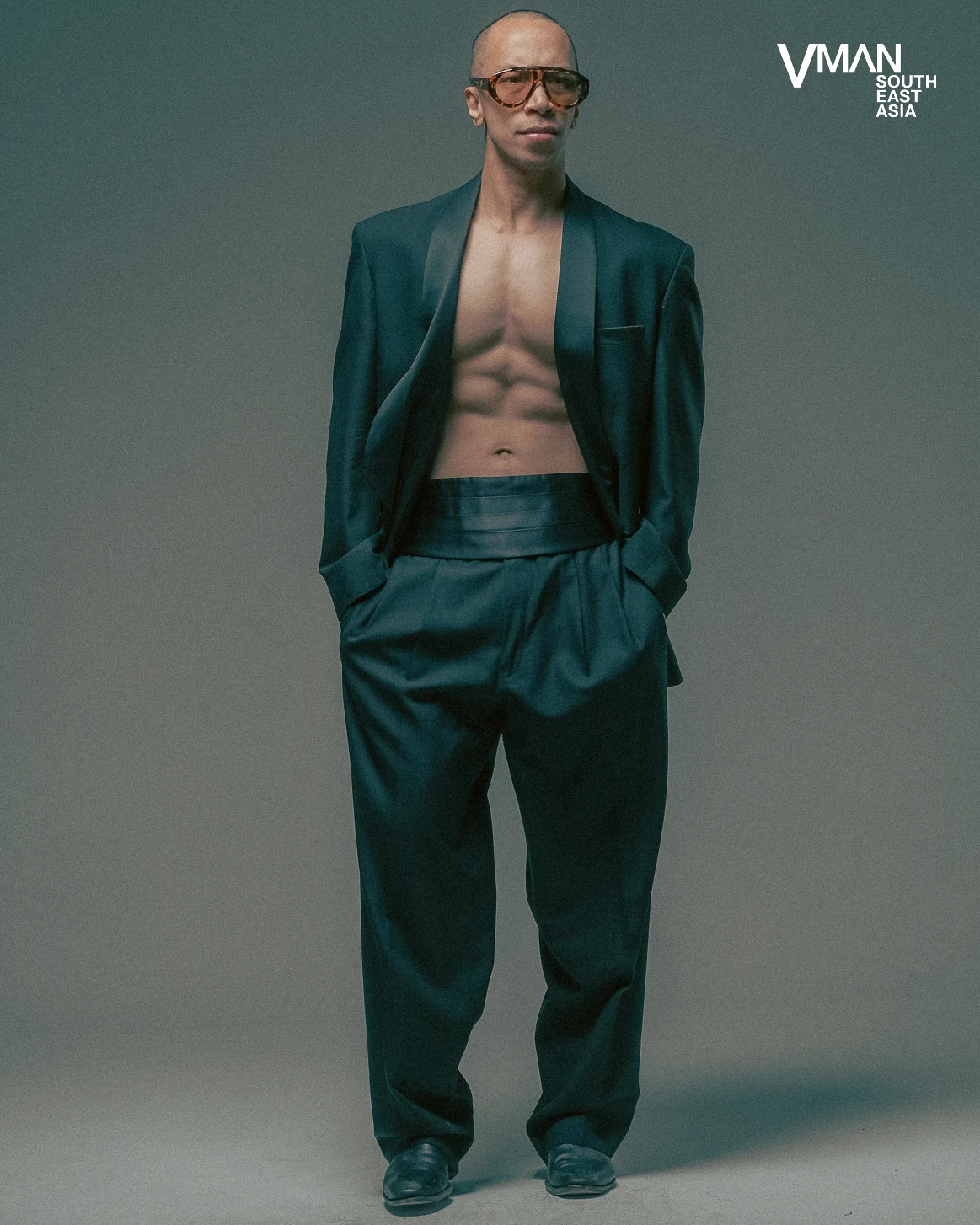
The references are varied, but the common thread is a willingness to treat photography as a way of seeing rather than simply a way of recording. TTFGA approaches his own work in much the same way.
“I came to see photography as a constant learning process,” he says.
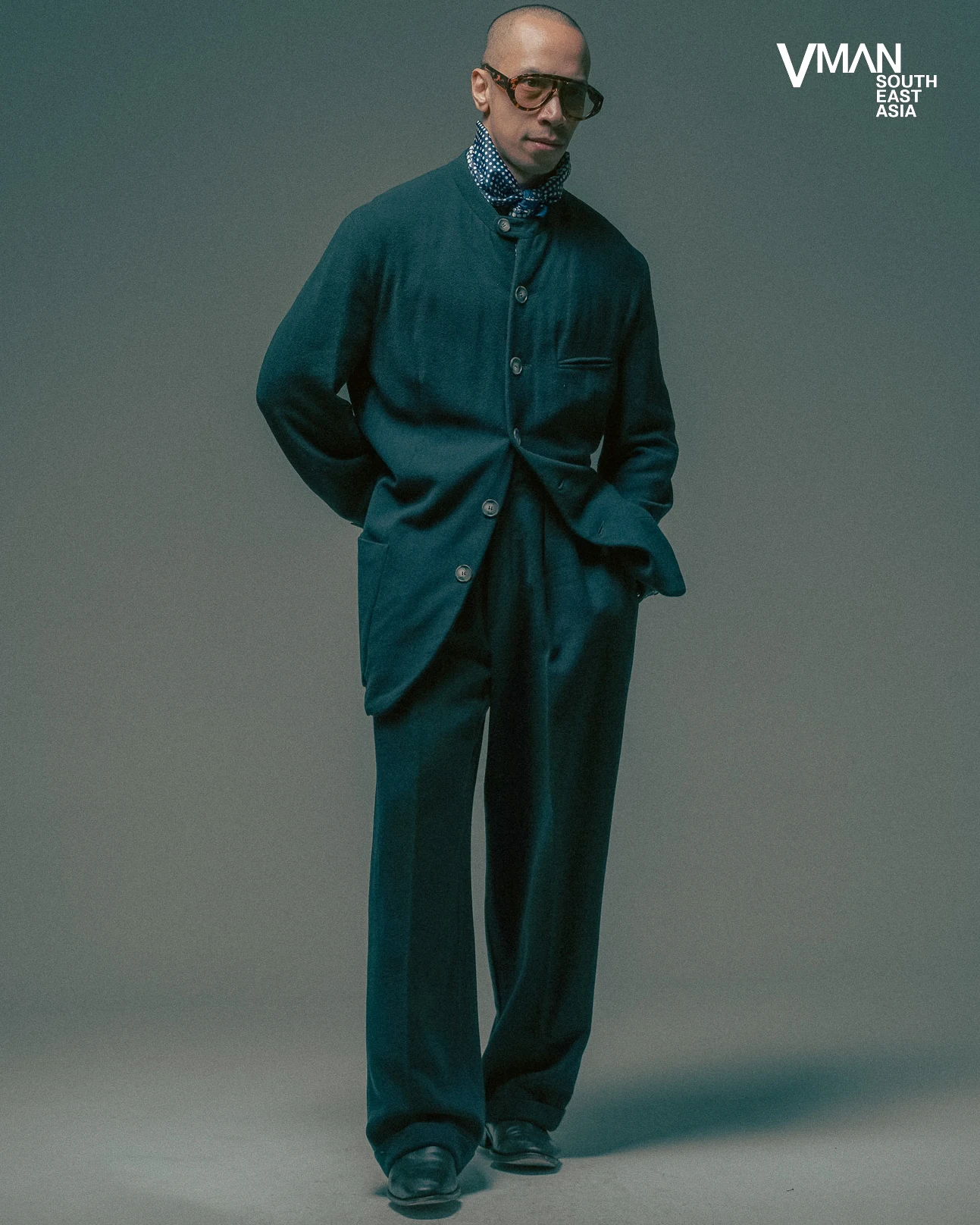
It is an attitude that has allowed his career to move naturally beyond the camera. Rather than abandoning photography for creative direction, he has expanded the same visual instinct into a larger role.
From photographer to creative director
TTFGA does not consider photography and creative direction to be separate worlds.
“Nothing much has changed for me. I still see photography and creative direction as very much connected because I believe that both need one another.”
The distinction, for him, is straightforward. Photography focuses on the image, while creative direction considers the bigger picture. Casting, styling, atmosphere, composition, and storytelling all become part of the same visual conversation.
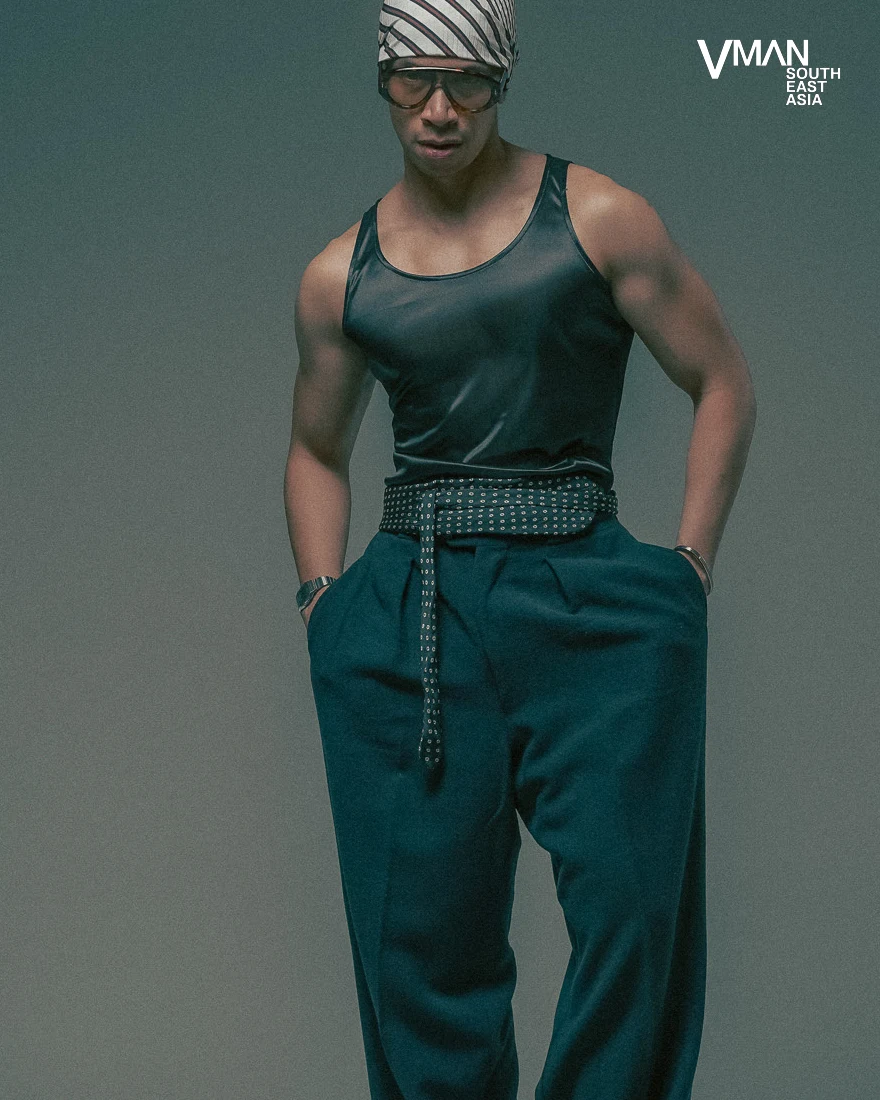
Being behind the camera is only part of the job now. As fashionFashionThe art and industry of designing, producing, and styling clothing, footwear, accessories, and beauty trends. It reflects cultural influences, personal expression, and evolving styles across seasons and markets.Go to Fashion Glossary becomes more collaborative, photographers are taking on increasingly fluid creative roles.
TTFGA has built a career around that overlap, moving between roles without losing the perspective that brought him there in the first place.
Malaysian fashion is getting louder
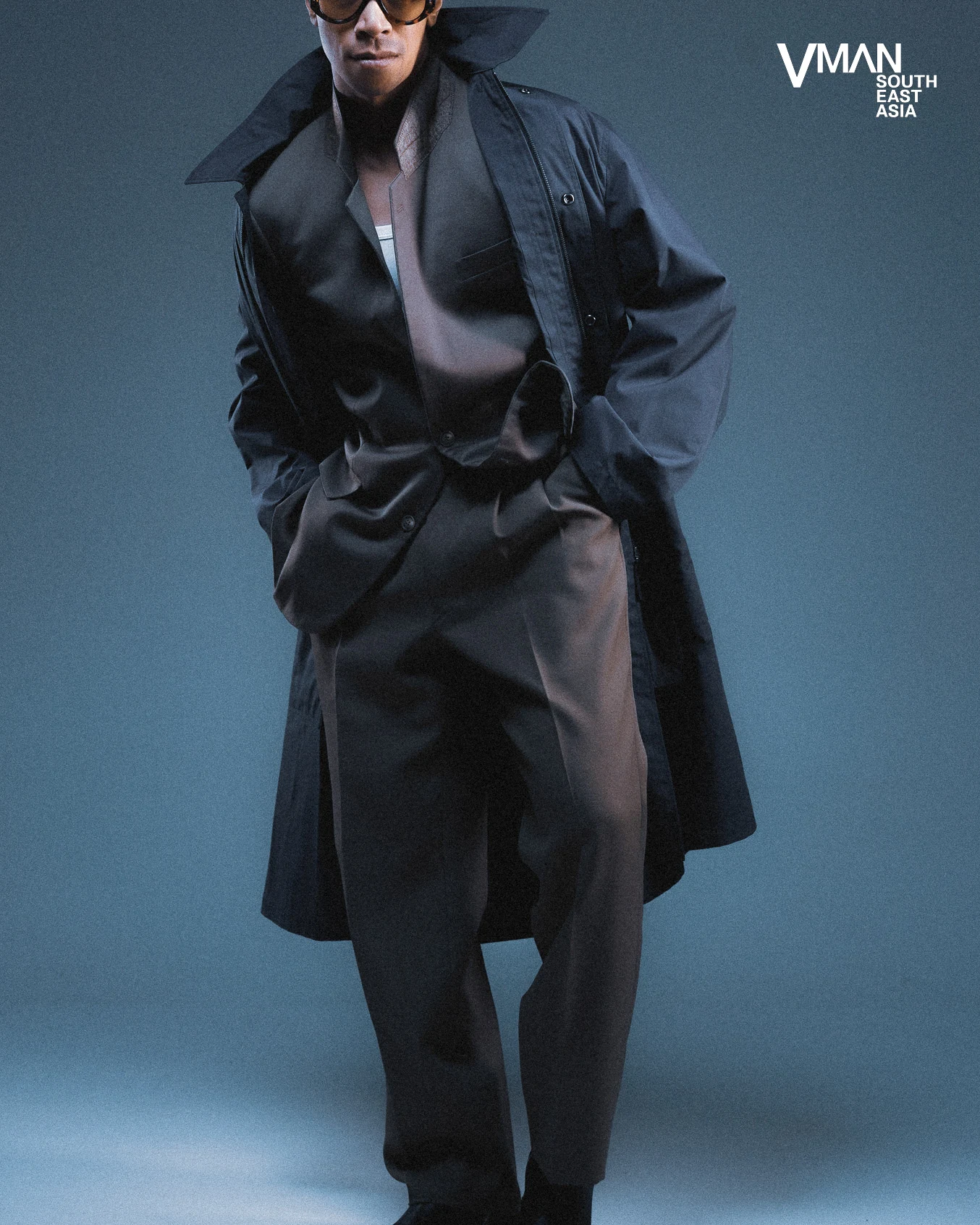
He has watched Malaysia’s fashion scene change significantly since he entered the industry, particularly in the visibility of local models and designers. Recent KLFW 2026 shows by Bev C and MSYD stood out to him, particularly because of their casting.
“The diversity and presence of the people on the runway felt very representative of the talent we have here.”
For TTFGA, this points to a direction in how Malaysian fashionFashionThe art and industry of designing, producing, and styling clothing, footwear, accessories, and beauty trends. It reflects cultural influences, personal expression, and evolving styles across seasons and markets.Go to Fashion Glossary sees itself. The country’s creative community has always been diverse, but there is now a greater willingness to put that diversity at the centre of the image.
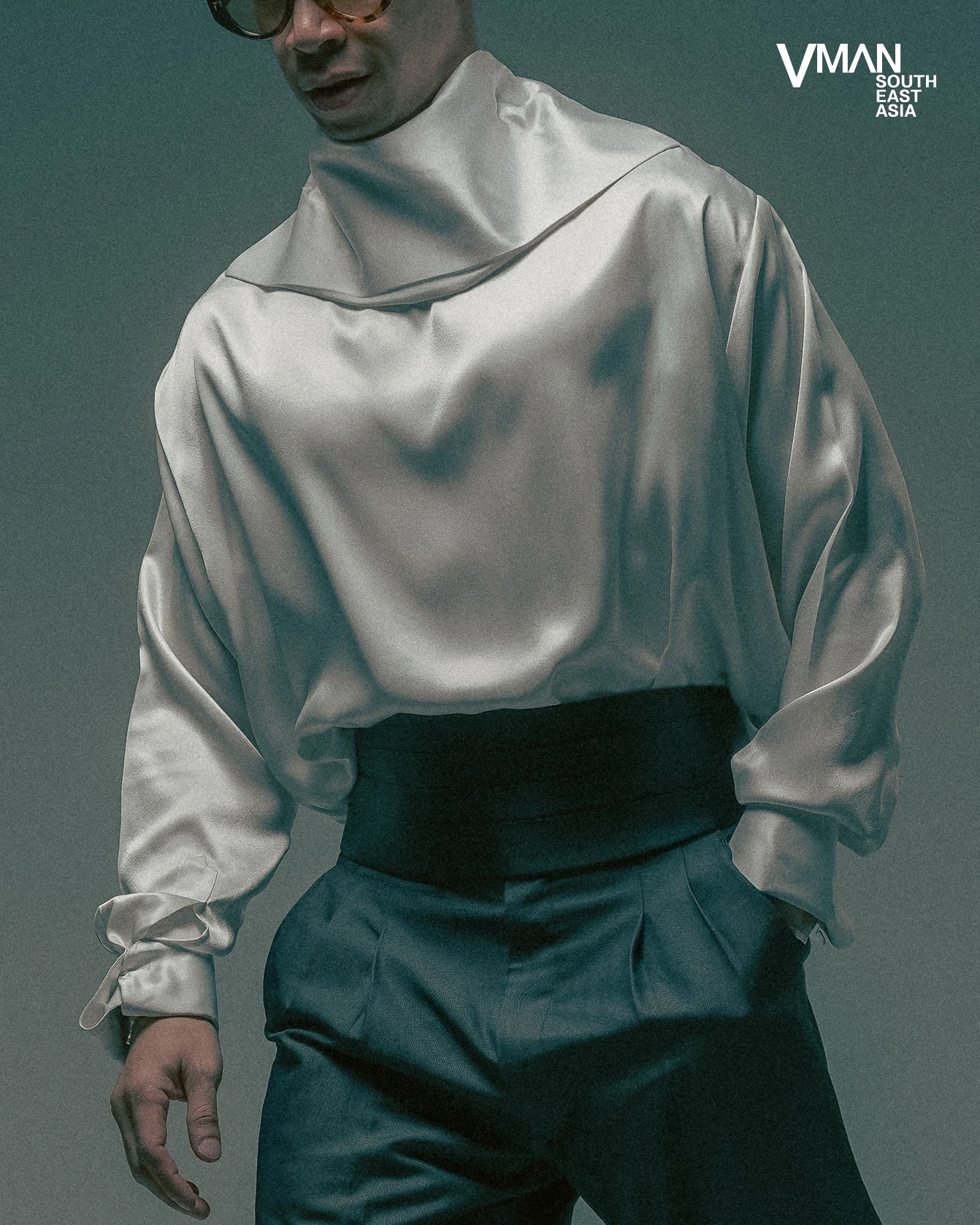
He also believes that Malaysian work does not need to be forced into a particular visual formula to prove its identity. “Good work should transcend boundaries,” he says.
Whether shooting at home or abroad, his priority is the same: connect with the person in front of the camera and find what makes them interesting. The Malaysianness, if it is there, does not need to be announced with a signpost.
Malaysia has the talent, it just needs to shout about it
There is, however, one thing TTFGA thinks the local industry could do better: make more noise. “We have a problem with being heard and being seen,” he says.
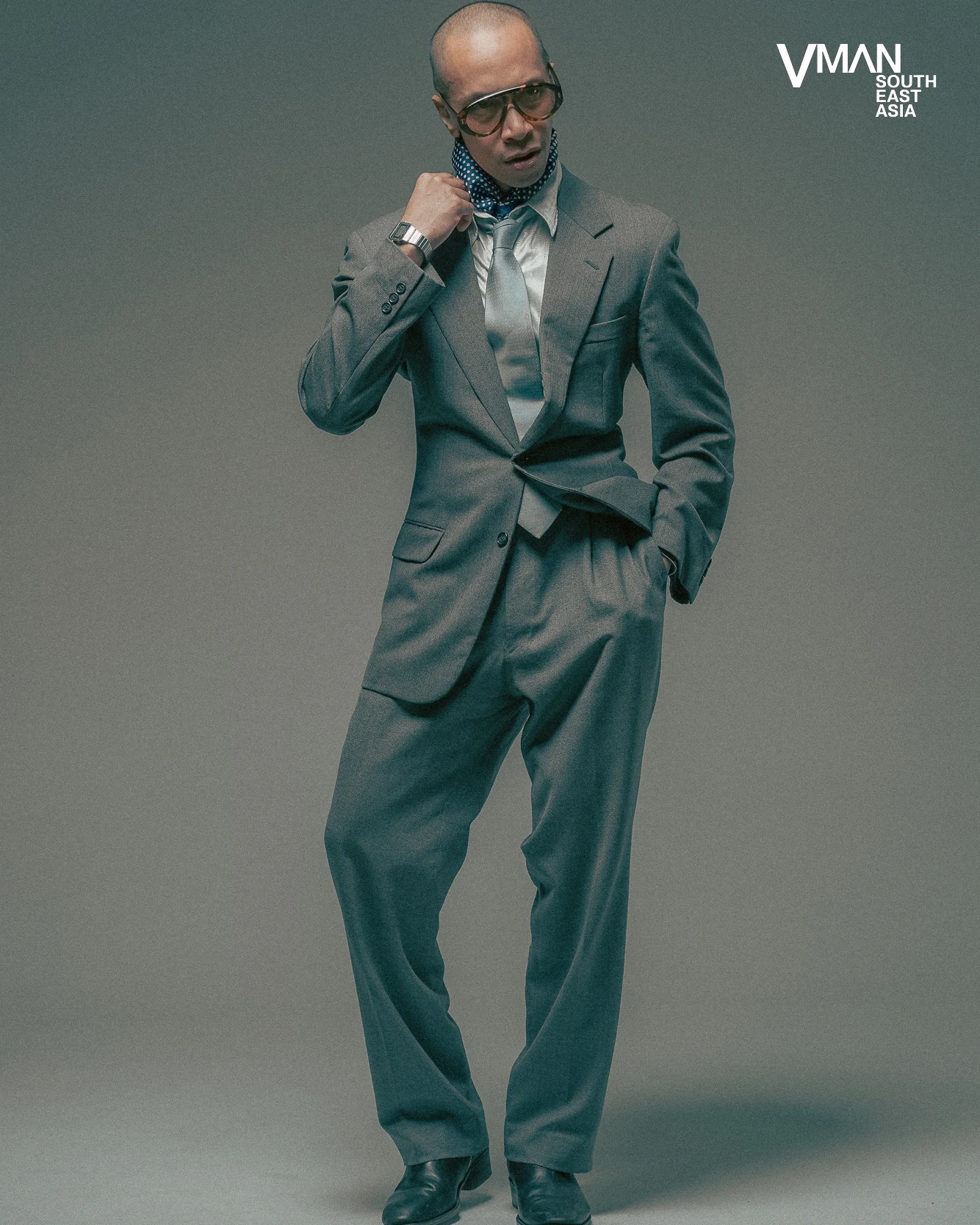
Malaysia has no shortage of talent across fashion, art, food, and film, but he believes local creatives are sometimes too reluctant to claim their place in the international conversation.
“Perhaps Malaysians are too polite to shout about what we do. But maybe we need to do a little more of that.”
It is a pointed observation, particularly at a moment when Southeast Asian fashionFashionThe art and industry of designing, producing, and styling clothing, footwear, accessories, and beauty trends. It reflects cultural influences, personal expression, and evolving styles across seasons and markets.Go to Fashion Glossary is receiving more international attention. Visibility comes from knowing when to put that work in front of people and make them look.
The future is Southeast Asian
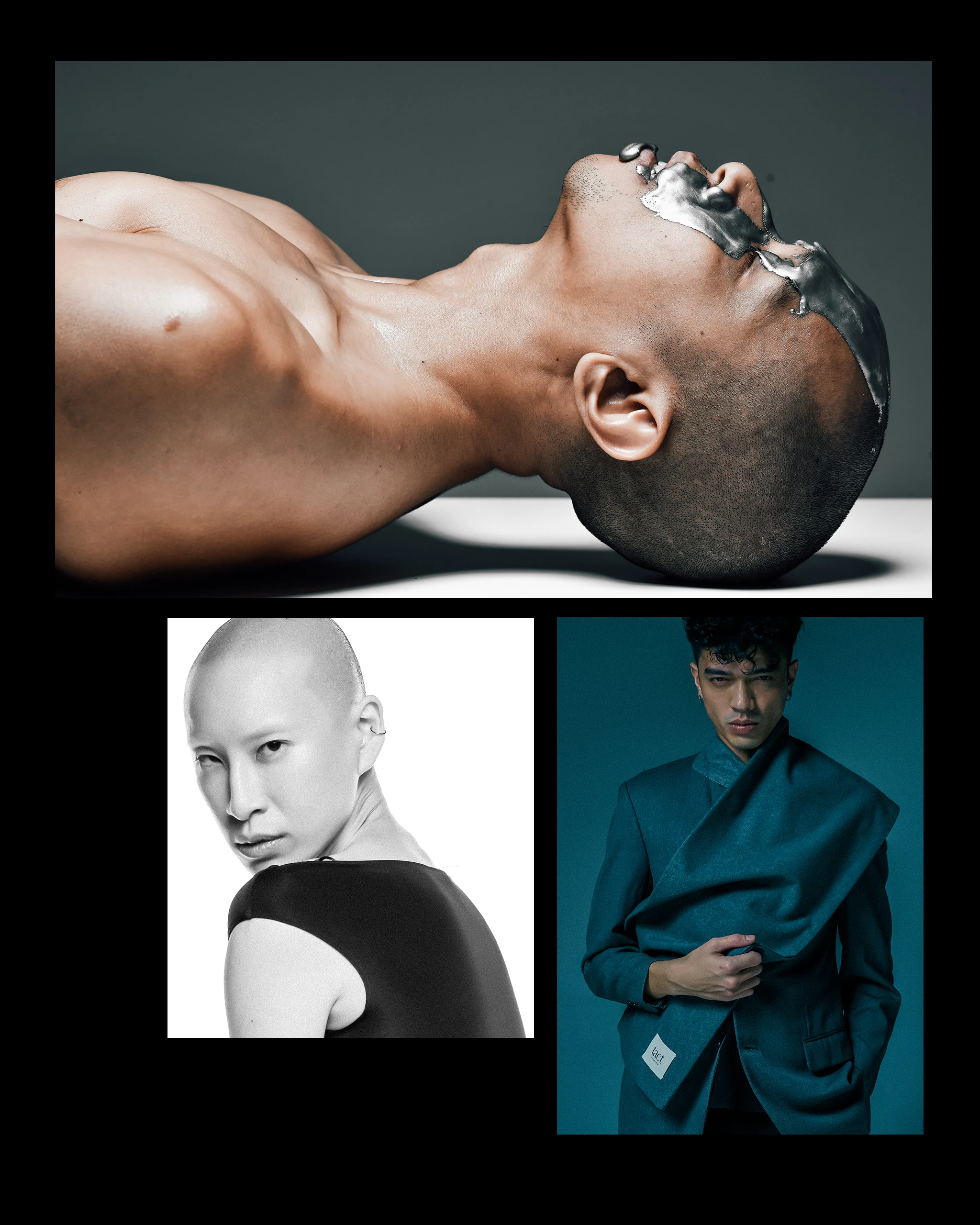
TTFGA sees enormous potential beyond Malaysia’s borders, particularly across Southeast Asia.
“We have an incredibly wide range of fascinating faces and unique features, which I could never get bored of photographing.”
The same diversity, he argues, exists within the region’s creative industries, shaped by different backgrounds, and he hopes to spend more time exploring those stories.
What comes next for TTFGA
TTFGA’s ambitions for Malaysian fashion are ultimately tied to access.
“More opportunities and doors need to be opened for local creatives and talent. There is so much talent here, but we still need more platforms and opportunities for people to be seen, heard, and given the chance to grow.”
He hopes to help create those opportunities through the things he already does best: photographing, directing, styling, and documenting the people around him.
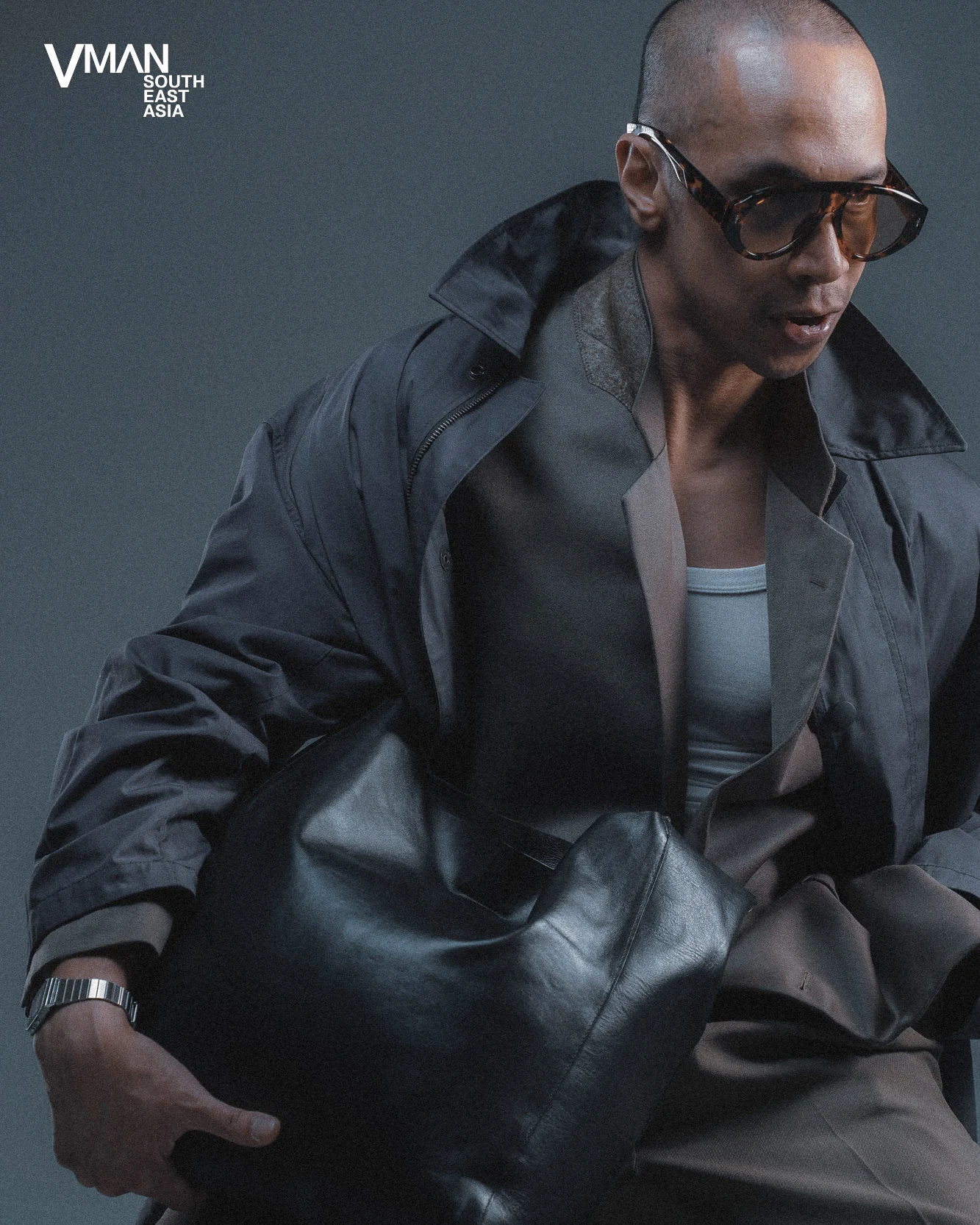
After more than a decade behind the camera, TTFGA is still most interested in what happens when the pose falls away.
When perfection starts to look the same, his perspective offers something harder to manufacture. The image does not always have to be perfect. It just has to make you want to look twice.
Photography Lily Allissa
FashionFashionThe art and industry of designing, producing, and styling clothing, footwear, accessories, and beauty trends. It reflects cultural influences, personal expression, and evolving styles across seasons and markets.Go to Fashion Glossary Ridduan ‘TTFGA’ Ismail
Frequently Asked Questions
TTFGA is the creative moniker of Malaysian photographer, stylist, curator, and creative director Ridduan Ismail. His work spans fashion, street style, editorial photography, and creative direction.
TTFGA stands for Tukang Tangkap Foto Gembira Anda, which roughly translates to “your happy photographer.”
Ridduan Ismail began with wedding photography in 2011 after studying Advertising and Design in Malacca. He later moved to Kuala Lumpur, where the work of Malaysian photographer Bibo Aswan inspired him to pursue street-style and fashion photography.
TTFGA is known for raw imagery that embraces imperfections and individuality. He often finds his most interesting subjects in people who are less comfortable in front of the camera.
TTFGA believes Malaysian fashion has significant talent and is becoming more confident and diverse. He hopes to create more opportunities for local creatives while helping Malaysian and Southeast Asian talent gain greater international visibility.
Recommended Video