Paolo Roldan Is the OG
Before Filipino models became part of fashion’s global conversation, he was already walking the biggest runways, proving that being first is one thing, but becoming an original is another


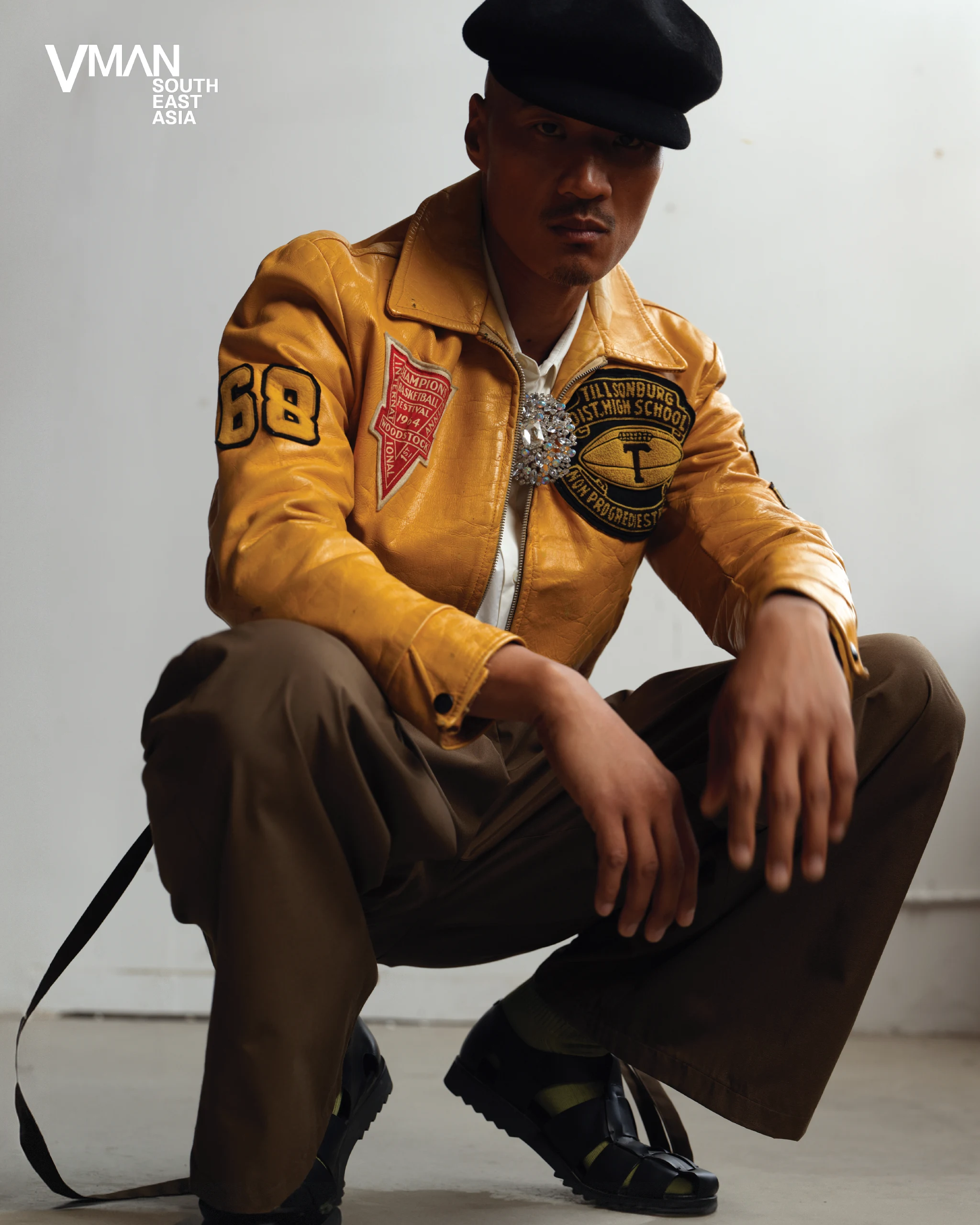
- Paolo Roldan broke barriers in global fashion after Riccardo Tisci selected him as an exclusive Givenchy model in 2010, paving the way as one of the first Filipino male supermodels.
- From Givenchy and Vogue Paris to inspiring a new generation of Filipino creatives, his career has become an important reference point for Asian representation in fashion.
A face ahead of its time
FashionFashionThe art and industry of designing, producing, and styling clothing, footwear, accessories, and beauty trends. It reflects cultural influences, personal expression, and evolving styles across seasons and markets.Go to Fashion Glossary has a habit of making the past feel new again. A vintage photograph resurfaces, an old runway look returns, a forgotten silhouette suddenly appears everywhere, and what once belonged to another era becomes the language of the present.
But nostalgia isn’t simply about looking backward, as it also traces where we came from and recognizes how much of the future was already being built in the images we once took for granted. Few careers illustrate that better than Juan Paolo Roldan’s.
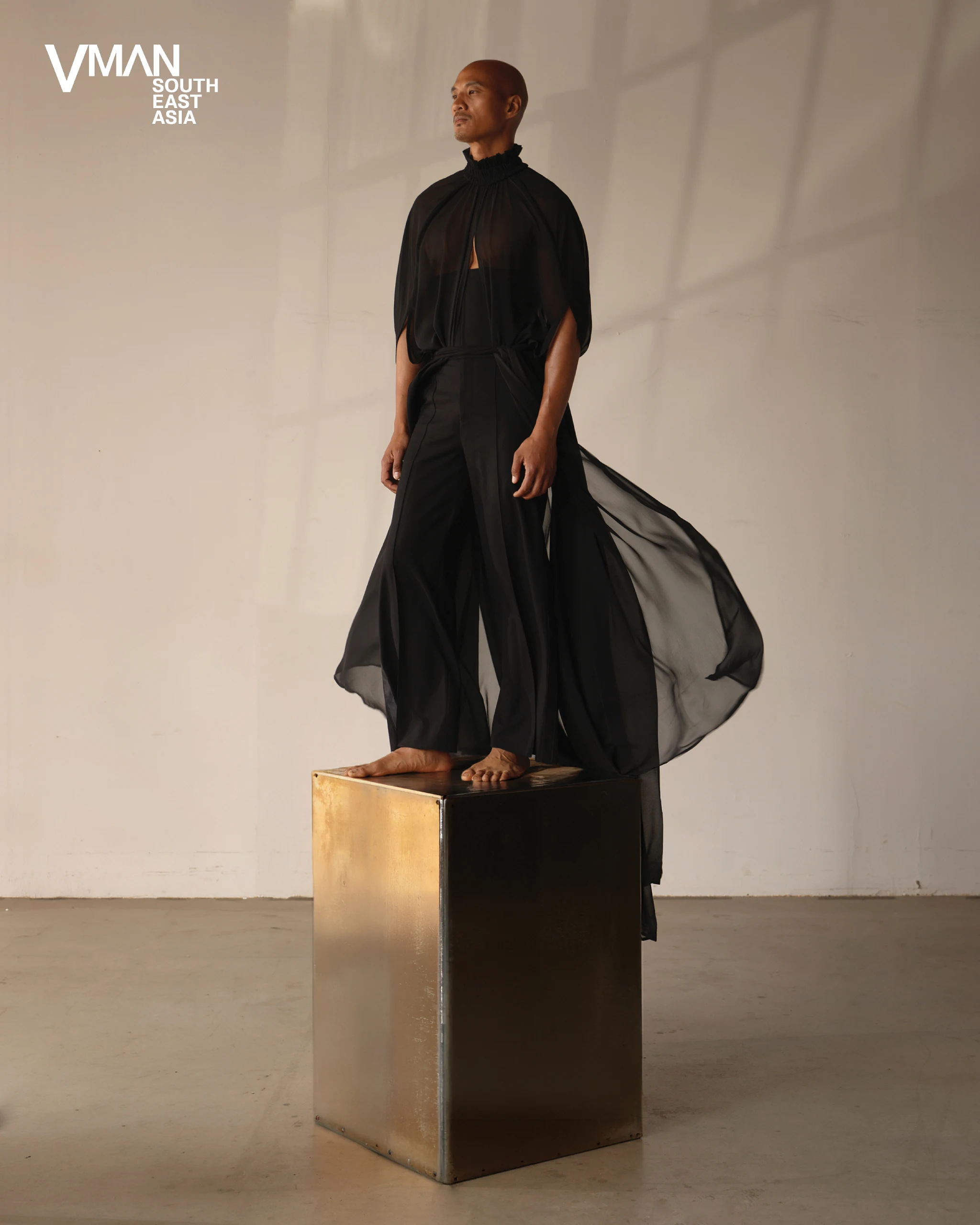
More than 15 years after his international breakthrough, the Filipino-Canadian model remains one of the most significant Filipino men to have entered global fashion. Often celebrated as the first Filipino male supermodel, he arrived at a time when Southeast Asian male faces were still largely absent from the industry’s biggest runways and editorials.
He didn’t set out to become a symbol of representation. He was simply doing the job. The symbolism came later.
“I didn’t think anything about it at the time. I was just being present in the moment and enjoying the experience.”
The moment in question was 2010, when Riccardo Tisci selected Paolo as an exclusive model for Givenchy. He closed the house’s Fall/Winter men’s show, a decisive entrance into the upper echelons of fashion that quickly established him as one of Riccardo’s muses. Almost overnight, he went from working as a menswear retail buyer to traveling the world as an international fashion model.
“I remember just feeling blessed to be able to travel the world, going to a place I never even imagined going to at that time,” he says.
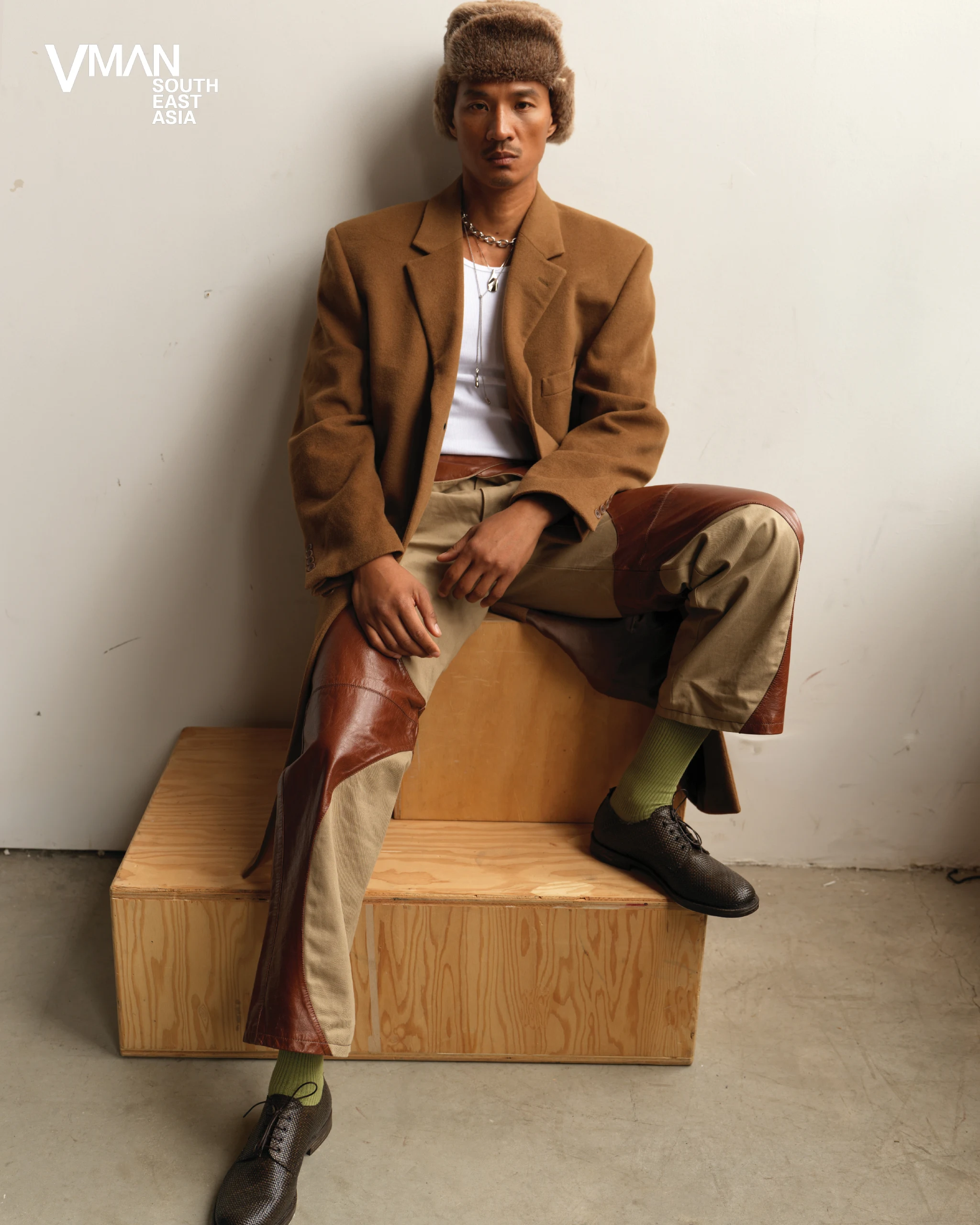
Beyond the photographs
Then the pace accelerated. He met people he’d previously only seen on television or in magazines. The modeling bookings became so demanding that he eventually had to leave his job. Soon, his face was appearing across the fashion capitals, from Givenchy to Armani, Dolce&Gabbana, Burberry, Louis Vuitton, and Vivienne Westwood.
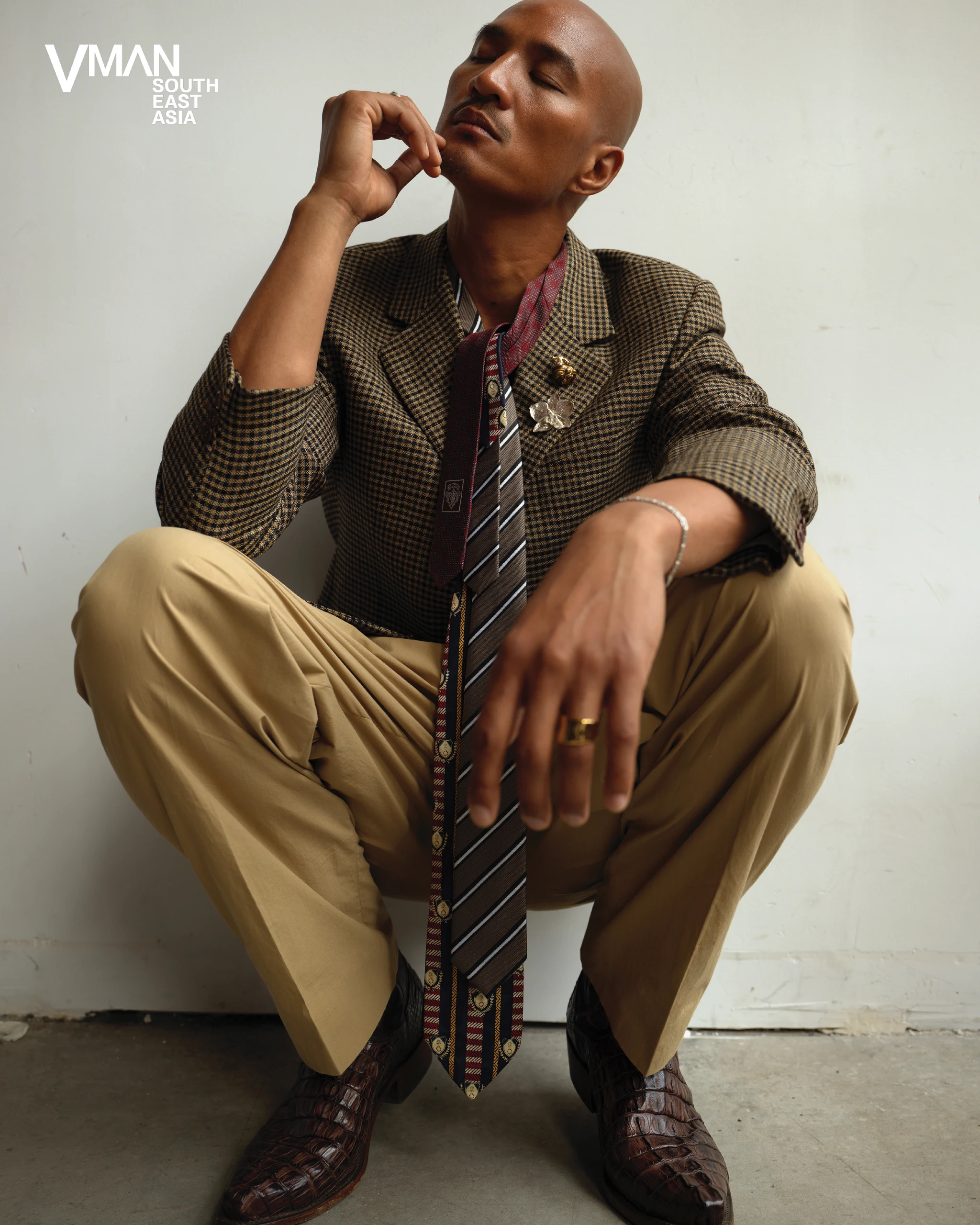
His 2010 nude editorial for Vogue Paris became another defining image from the period, cementing his place in the visual landscape of the decade. Looking at those photographs now, there’s something almost archival about them. They belong unmistakably to a certain moment in fashionFashionThe art and industry of designing, producing, and styling clothing, footwear, accessories, and beauty trends. It reflects cultural influences, personal expression, and evolving styles across seasons and markets.Go to Fashion Glossary, yet Paolo himself doesn’t feel particularly interested in freezing his career there.
At the beginning of his career, there were plenty of reasons for the industry to suggest that someone who looked like him didn’t have an obvious place within fashionFashionThe art and industry of designing, producing, and styling clothing, footwear, accessories, and beauty trends. It reflects cultural influences, personal expression, and evolving styles across seasons and markets.Go to Fashion Glossary. He heard those doubts. He simply refused to build his identity around them.
“I was already confident and didn’t really care about such things, to be honest. I’d heard enough of it so I made an effort to not let that sort of thing get to me.”
Instead, he found himself experiencing the opposite of what those assumptions predicted. The doors were opening. The bookings were coming. And the model who wasn’t supposed to fit the mold was suddenly walking through some of fashionFashionThe art and industry of designing, producing, and styling clothing, footwear, accessories, and beauty trends. It reflects cultural influences, personal expression, and evolving styles across seasons and markets.Go to Fashion Glossary’s most exclusive doors.
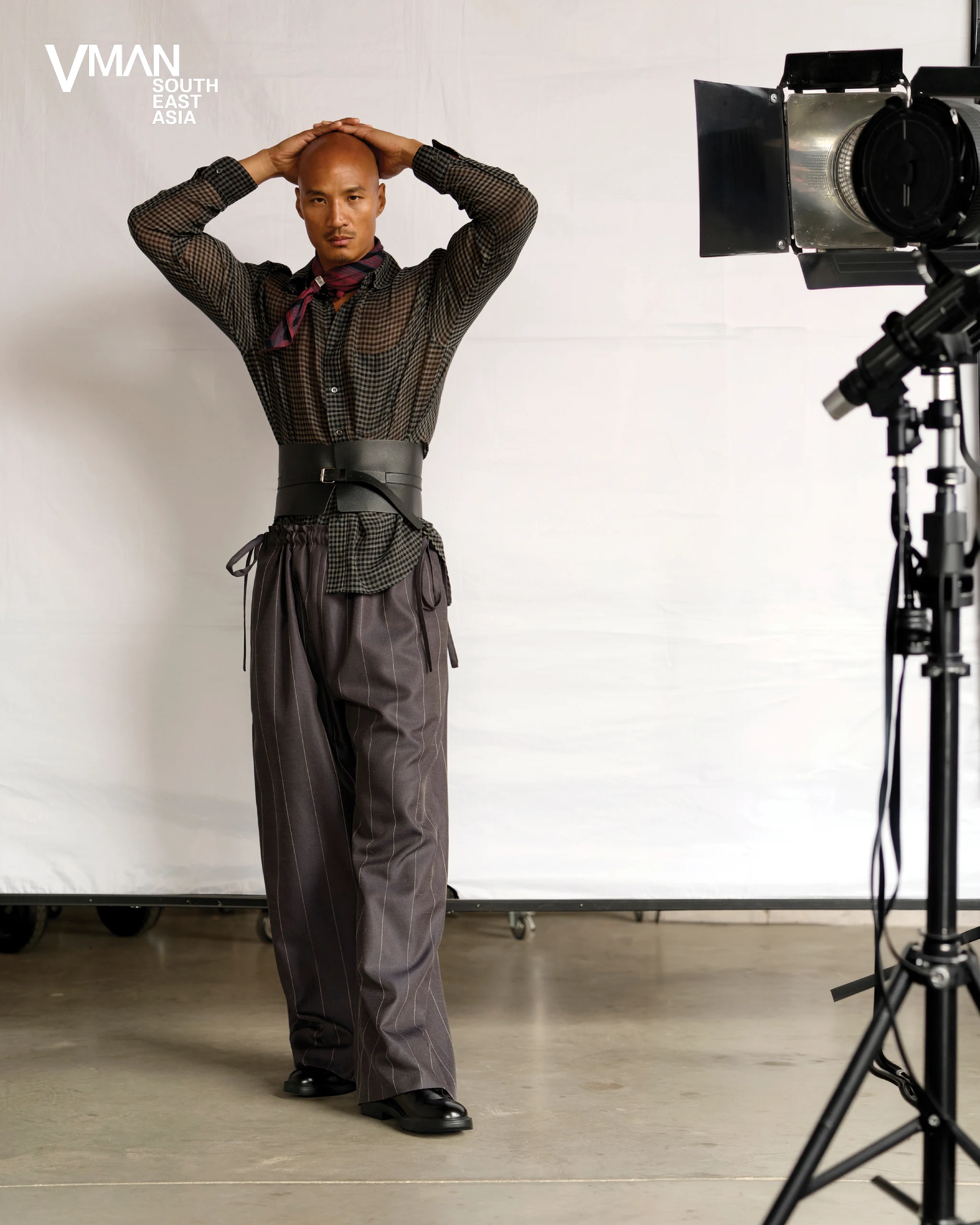
An uncle to the next generation
Paolo has heard from younger creatives who grew up seeing his work and later found their own way into fashionFashionThe art and industry of designing, producing, and styling clothing, footwear, accessories, and beauty trends. It reflects cultural influences, personal expression, and evolving styles across seasons and markets.Go to Fashion Glossary. His response to becoming an influence is both affectionate and funny. “It feels like being an [uncle].”
The joke lands because it carries genuine humility. For someone who entered fashionFashionThe art and industry of designing, producing, and styling clothing, footwear, accessories, and beauty trends. It reflects cultural influences, personal expression, and evolving styles across seasons and markets.Go to Fashion Glossary when Filipino male representation was scarce, becoming the person younger creatives could reference was never necessarily part of the plan.
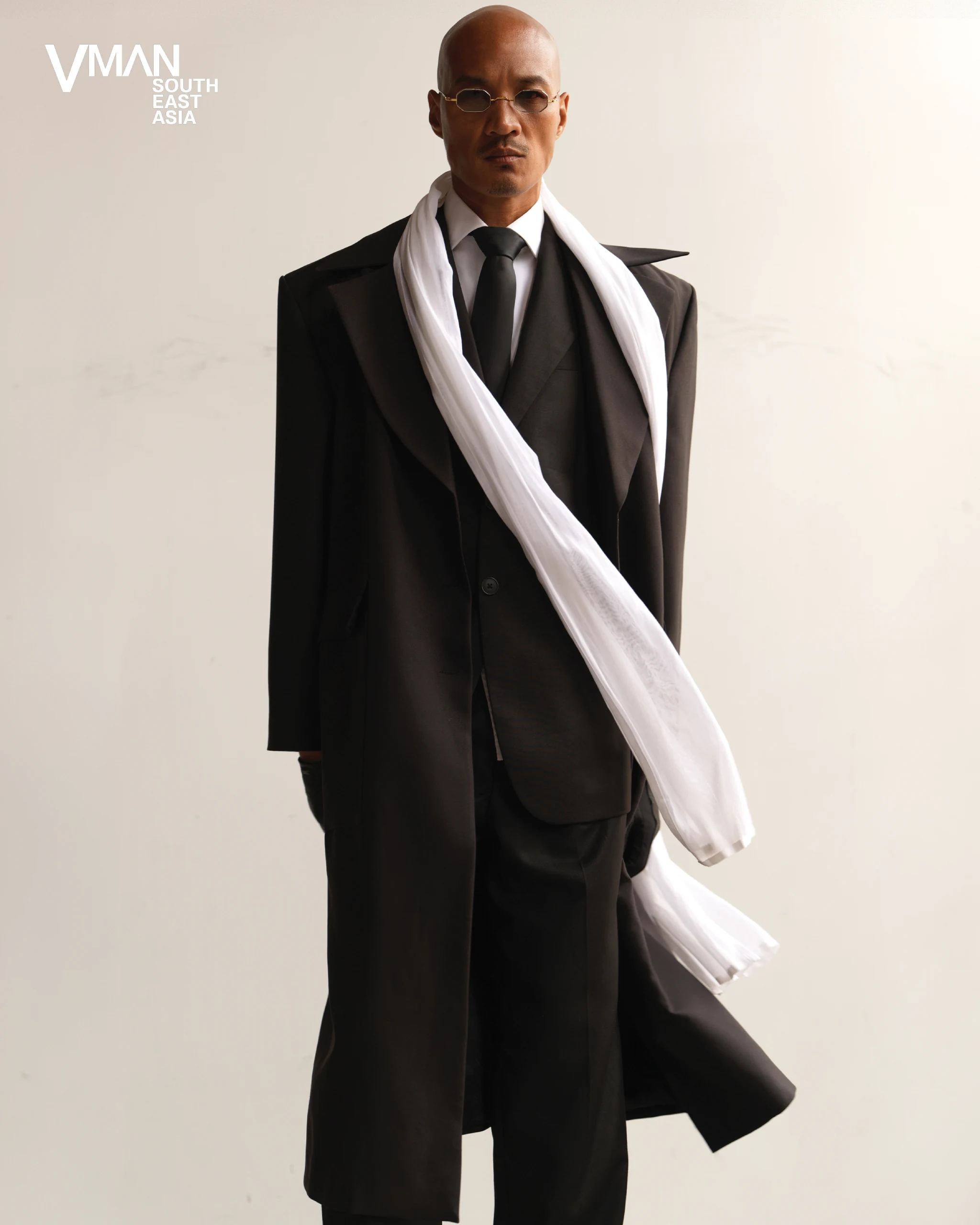
His relationship with Filipino identity has remained equally constant. Although he left the Philippines at a young age, Paolo doesn’t describe himself as having ever been detached from the culture. It’s followed him through his creative work, even when the work itself has taken him thousands of miles away.
“I’ve never really been detached from the culture. Everything I’ve done creatively has always had the Filipino touch. I can’t be what I am not.”
Fashion itself has changed since his breakthrough. The industry’s approach to diversity is broader and more visible than it was when he started, although he’s wary of describing that evolution as a simple story of progress. “I think it’s always been diverse, as diverse as the times called for,” he says.
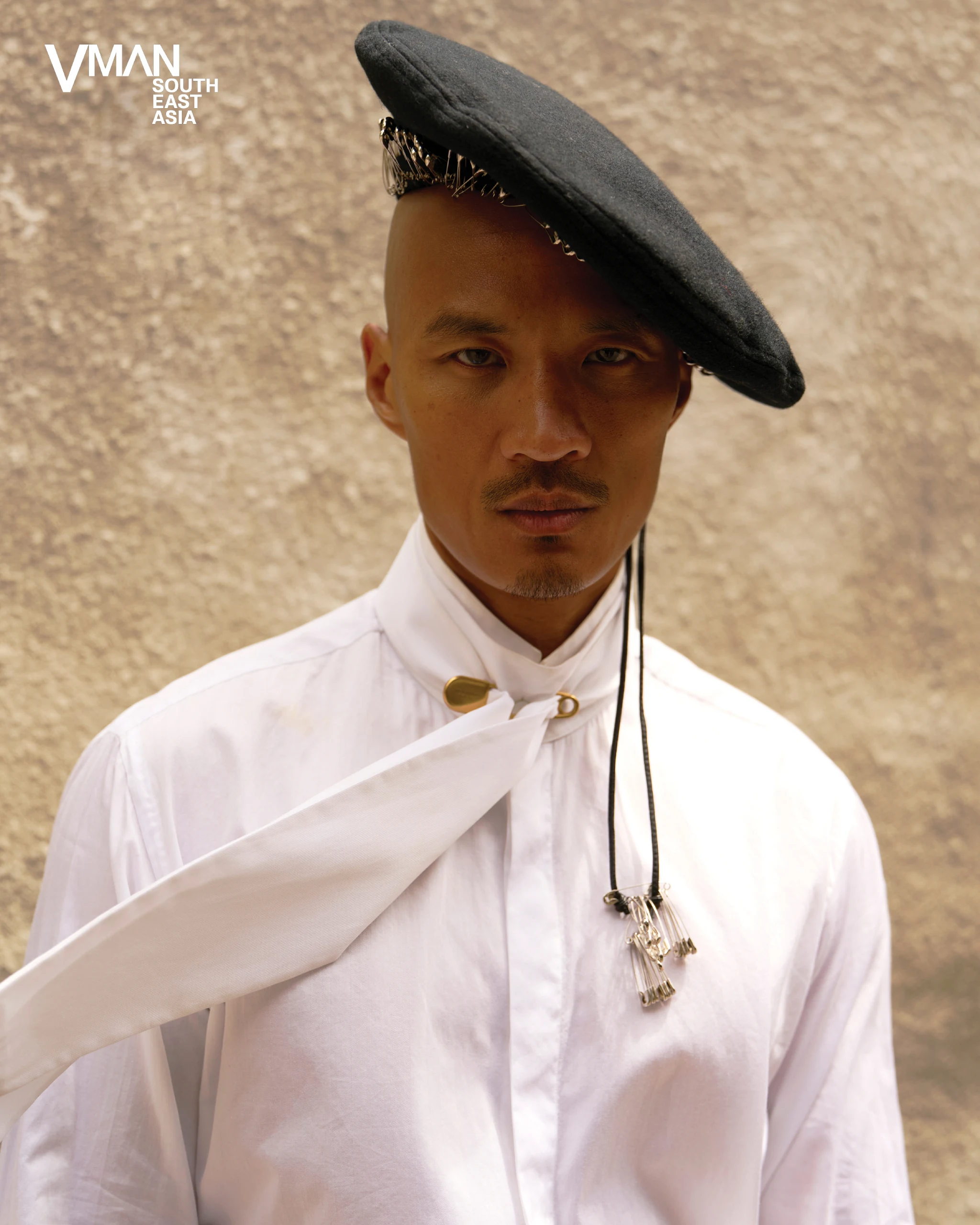
Fashion, according to the times
For Paolo, fashionFashionThe art and industry of designing, producing, and styling clothing, footwear, accessories, and beauty trends. It reflects cultural influences, personal expression, and evolving styles across seasons and markets.Go to Fashion Glossary evolves with the times, and every era comes with its own battles. There will always be something to celebrate and something to challenge. What impresses him is the determination of people to occupy spaces they believe are missing something. “To know peace, one had to have met chaos.”
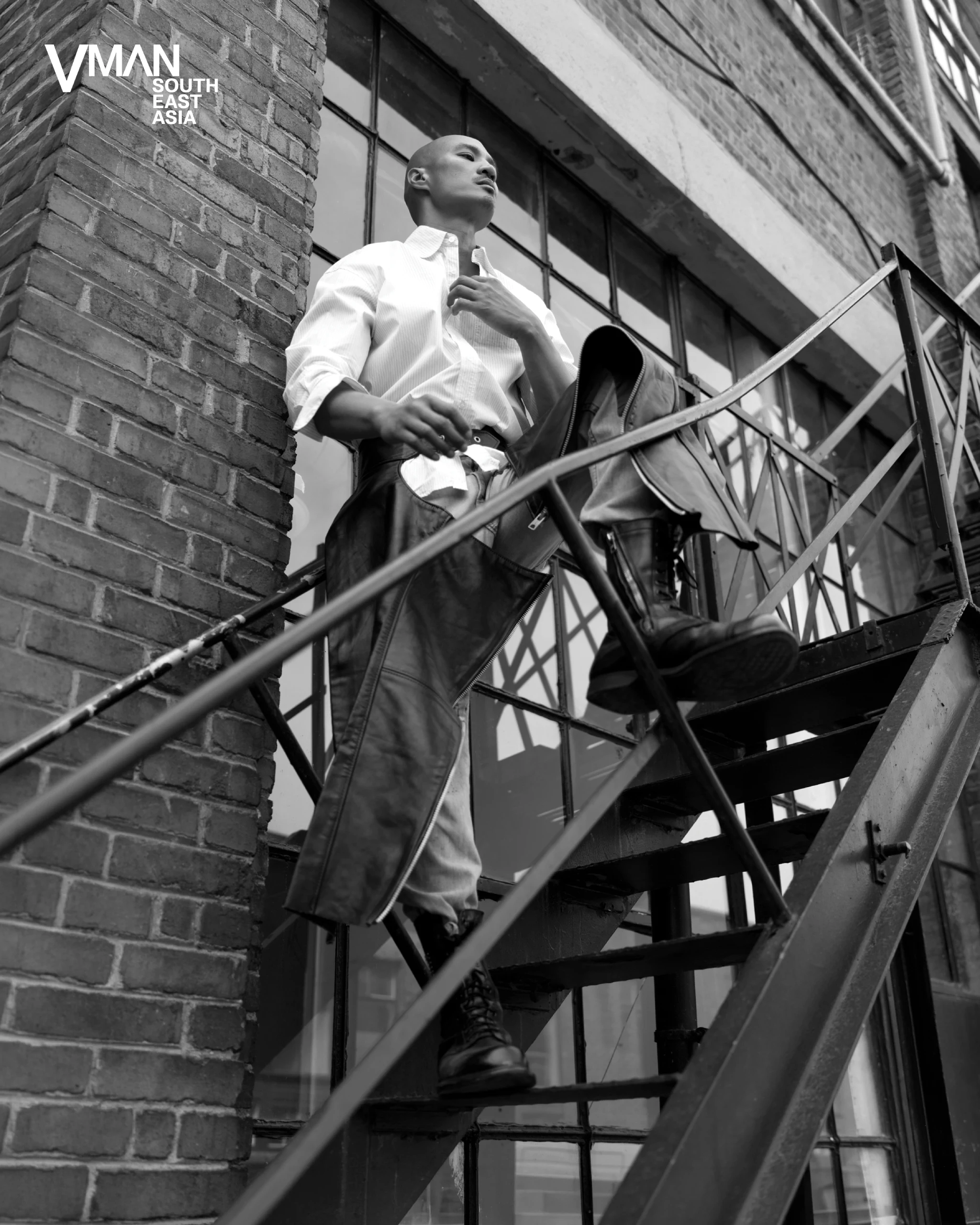
It’s a philosophy that seems to have informed his entire career. He entered an industry that didn’t necessarily have a clear category for him and made one anyway. He didn’t wait for fashionFashionThe art and industry of designing, producing, and styling clothing, footwear, accessories, and beauty trends. It reflects cultural influences, personal expression, and evolving styles across seasons and markets.Go to Fashion Glossary to become ready. He became part of the process that made it ready.
Looking back at his career now, Paolo can see a blueprint that was taking shape all along. The early Givenchy images, the Vogue Paris editorial, the major runway appearances, and the photographs that once represented the cutting edge of fashion have now acquired the patina of history.
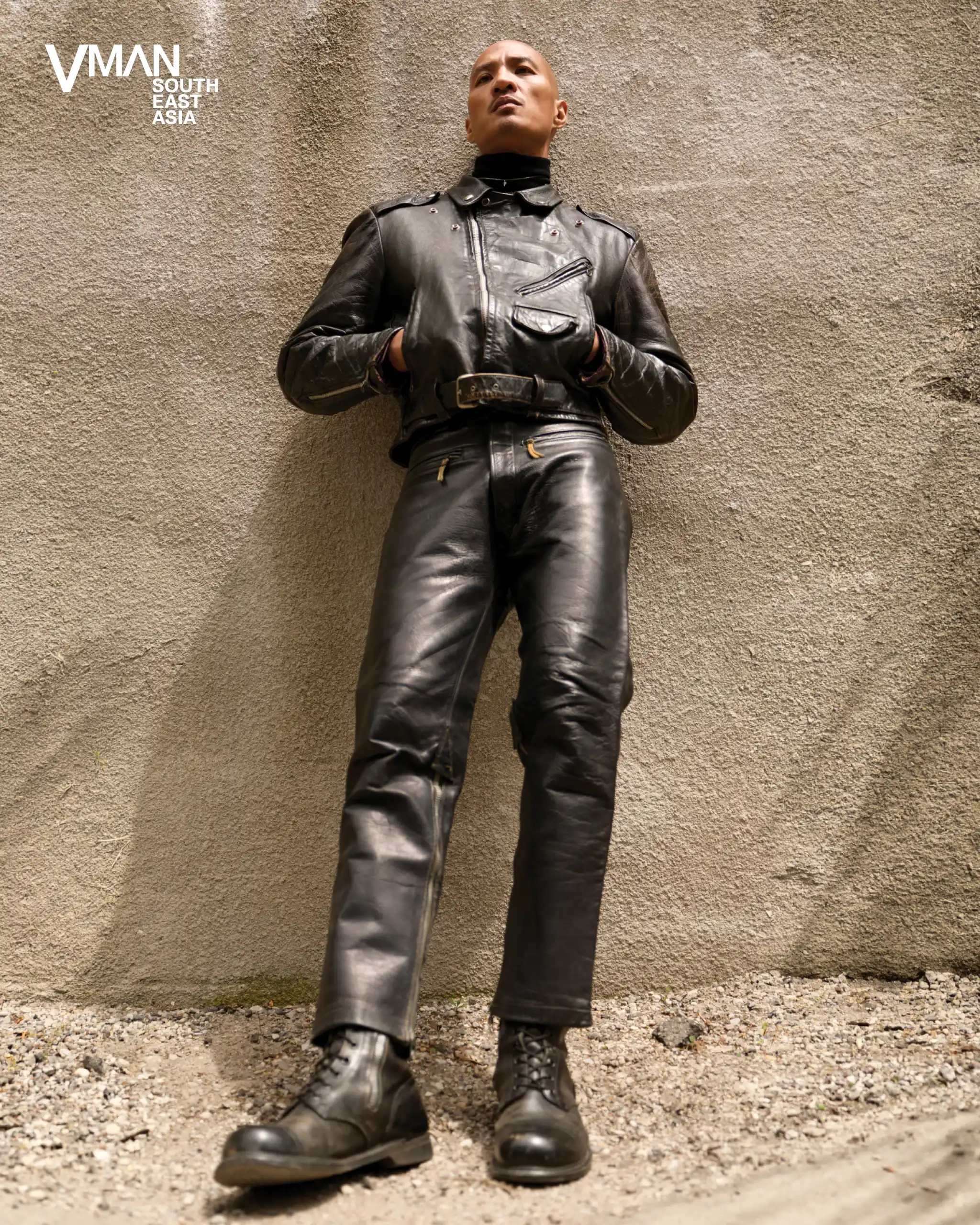
But their influence didn’t stop when the season ended. They became reference points, proof that a Filipino man could stand at the center of a global fashion conversation and claim his place there.
The past has a future
Perhaps that’s the real power of nostalgia. We tend to think of the past as something behind us, fixed and finished. Fashion proves otherwise. It keeps resurrecting what came before, changing its context each time.
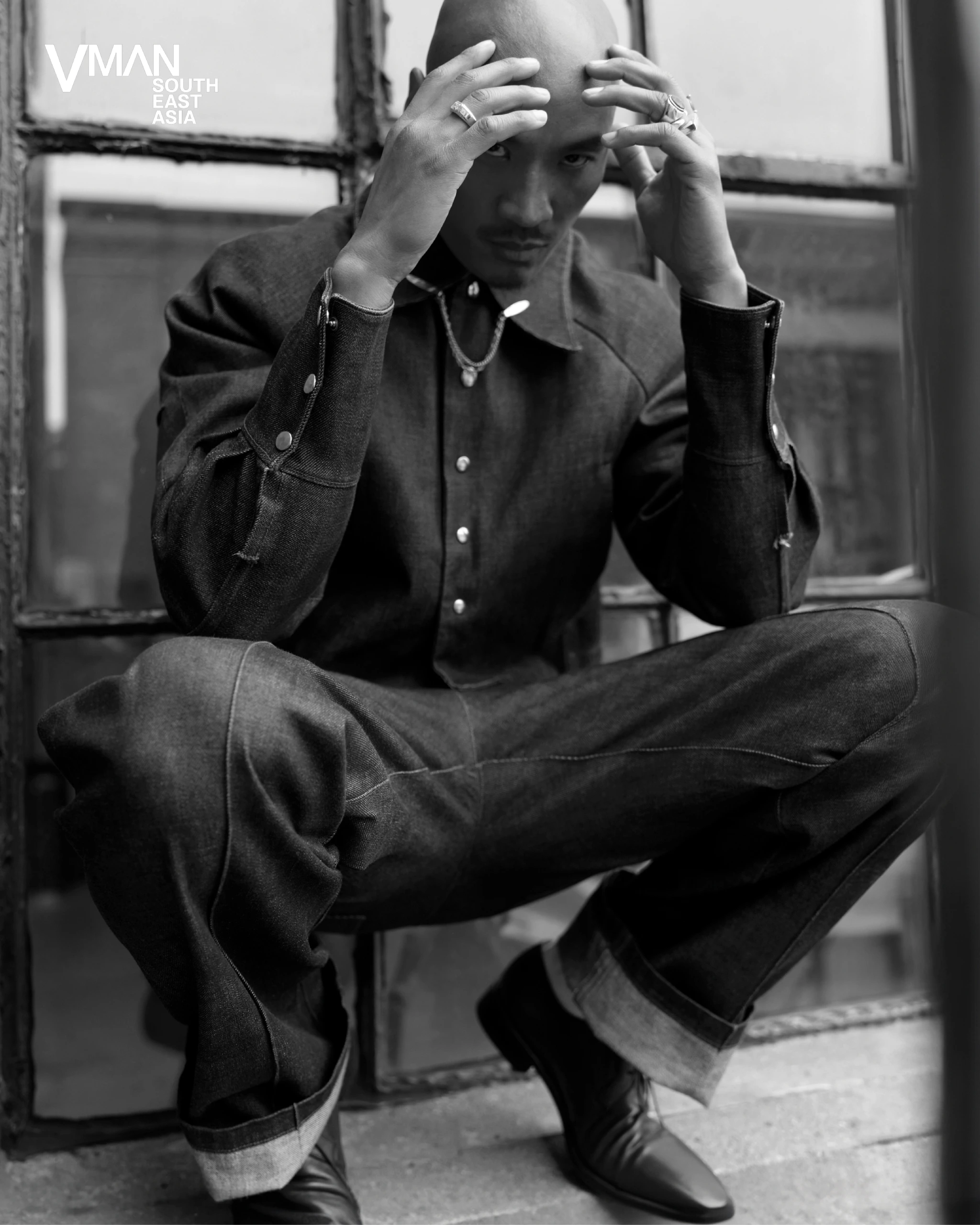
A vintage garment becomes contemporary, an old photograph becomes inspiration, even a career from another era becomes a point of reference for someone just beginning theirs. Paolo’s legacy operates in much the same way.
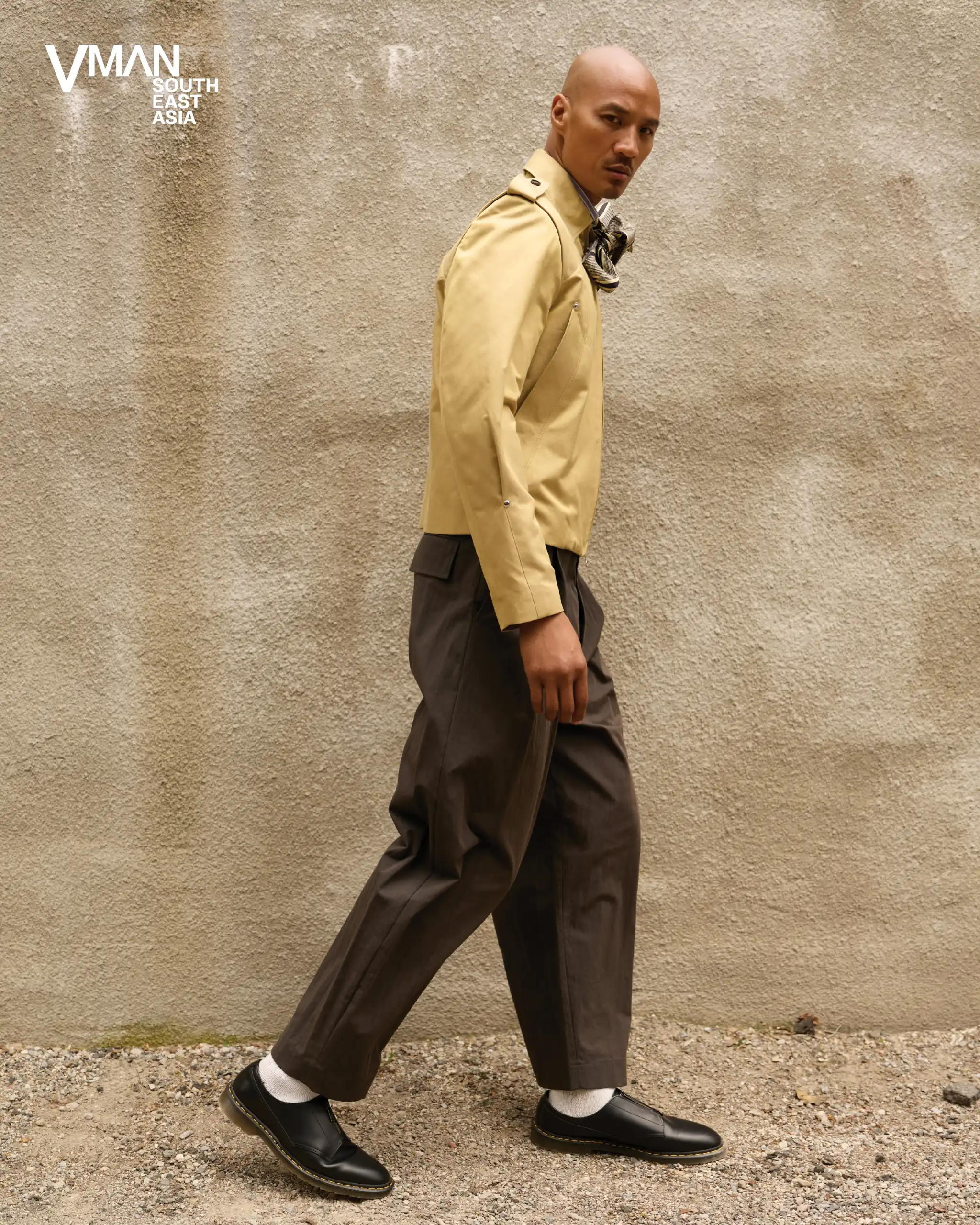
When asked what he hopes people will say he changed for Filipino and Asian representation decades from now, he doesn’t point to the runways he closed or the houses he worked with, returning instead to something much more personal.
“That I made a positive contribution to how we as Pilipinos see ourselves and treat each other. And yes, that’s a P not an F!”
History is made of details. The clothes, the photographs, the names on the invitations, the people who opened doors, and the people who walked through them all become part of the record.
Paolo’s career now sits in that record, somewhere between vintage memory and living influence. He came from a moment that fashion has since moved beyond, but the path he carved through it remains.
The past shapes the present. The present borrows from the past. And eventually, without quite realizing it, the present becomes someone’s nostalgia too. His story exists somewhere in that cycle, no longer only as a record of what came before, but part of what comes next.
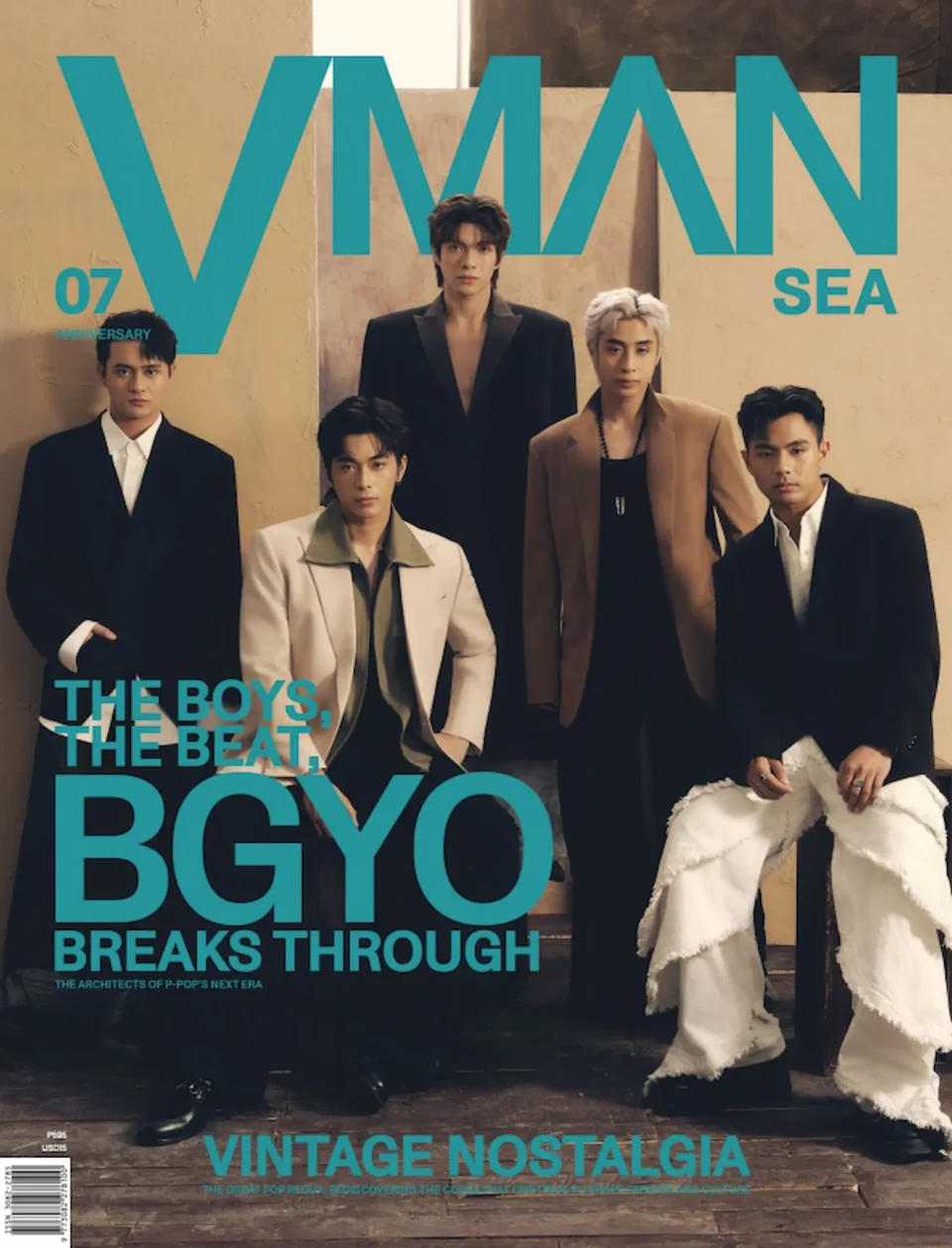
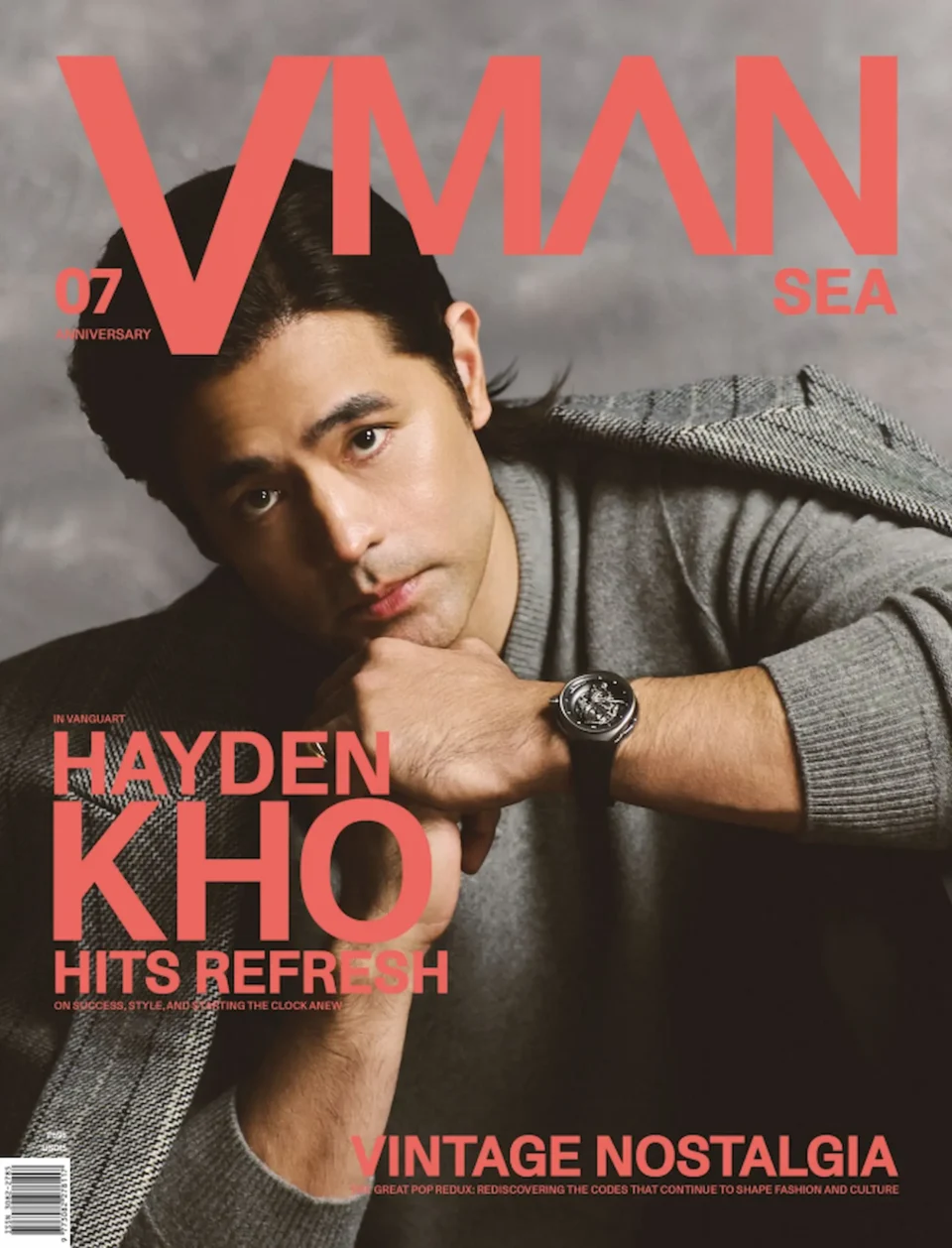
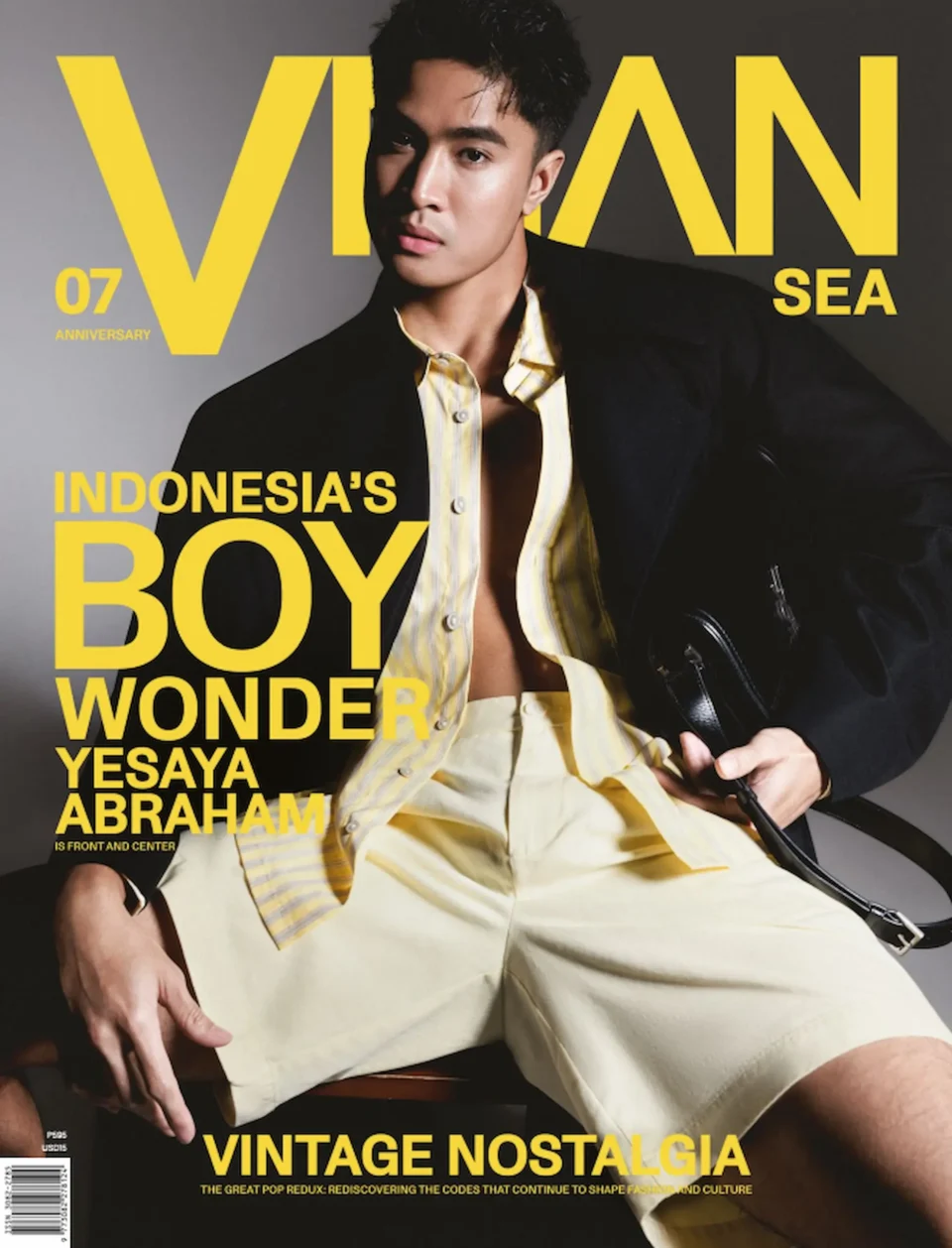
As seen in the pages of VMAN SEA 07: now available for purchase!
Photography Mathew Guido
Art direction Andrea Falasca
Fashion Mac Intia
Grooming Elena Pacienza
Agency Next Models
Lighting assistant Christian Cocuzzo
Fashion assistant Violet Villahermosa
Production Irvine and Company and Sheila McElrea
Frequently Asked Questions
Paolo Roldan, also known as Juan Paolo Roldan, is a Filipino-Canadian fashion model celebrated as one of the first Filipino male supermodels to achieve international success.
Paolo Roldan rose to international prominence in 2010 after designer Riccardo Tisci selected him as an exclusive model for Givenchy’s Fall/Winter men’s show, where he closed the runway.
Throughout his career, Paolo Roldan has worked with major fashion houses including Givenchy, Giorgio Armani, Dolce&Gabbana, Burberry, Louis Vuitton, and Vivienne Westwood.
As one of the first Filipino male models to break into the international fashion scene, Paolo Roldan helped expand visibility for Filipino and Asian men in an industry where Southeast Asian male representation was once limited.
Despite leaving the Philippines at a young age, Paolo Roldan says he’s never been detached from his Filipino identity. He continues to carry that cultural influence into his creative work and hopes to inspire greater pride among Filipinos.
Recommended Video