Inside Kuala Lumpur Fashion Week 2026, Where Malaysian Fashion Took Center Stage
Kuala Lumpur Fashion Week 2026 came home with something to prove, putting Malaysia’s boldest designers and freshest talent front and center




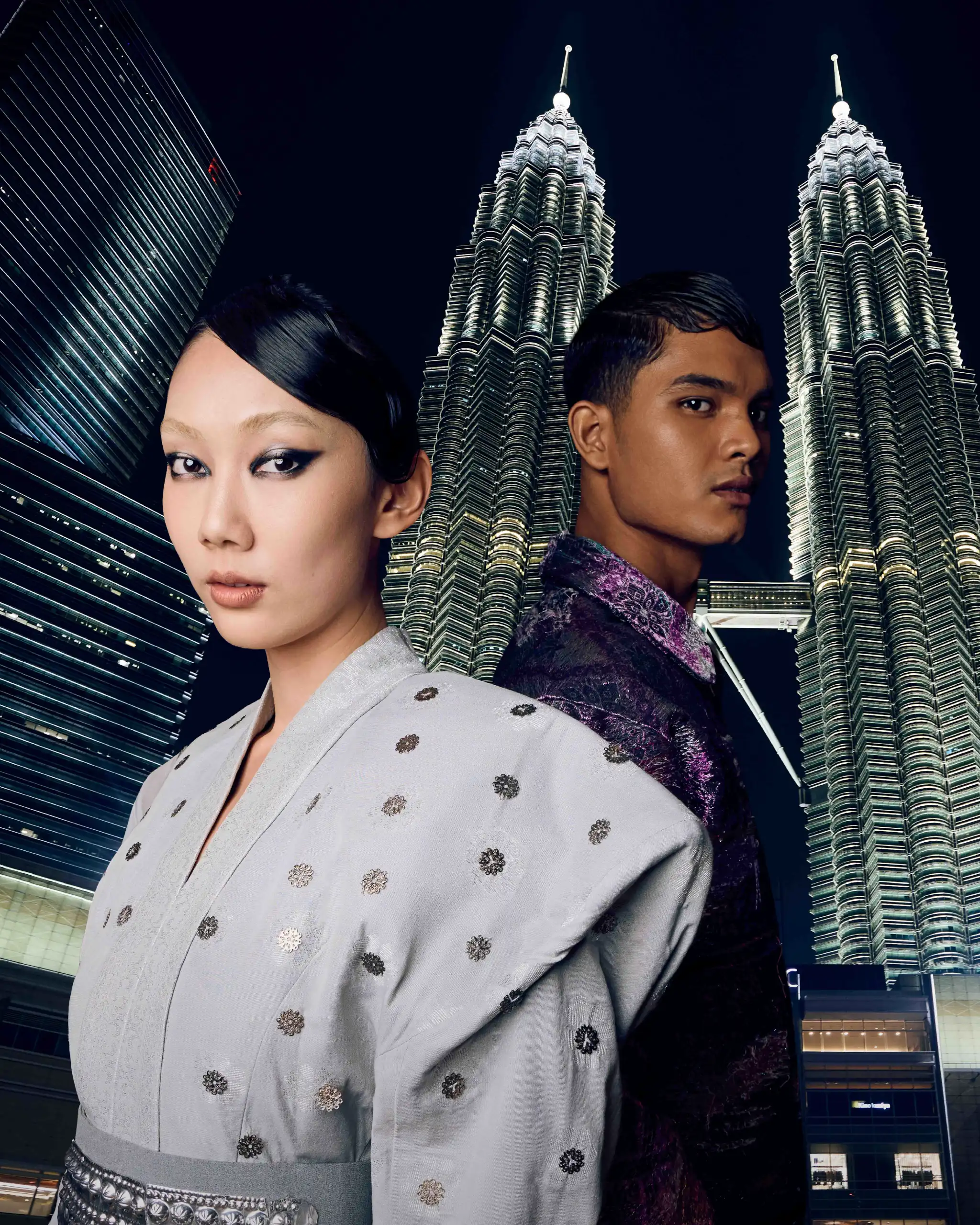
- KLFW 2026 brought fashion home: The 14th edition transformed KLCC into a showcase of more than 50 Malaysian designers under the theme Destination: Home Ground.
- Heritage met modern design: Batik, Peranakan influences, and traditional craftsmanship were reworked through contemporary collections, while new labels joined established names on the runway.
A new home for homegrown fashion
For seven days, Kuala Lumpur Fashion Week 2026 turned the heart of the capital into the country’s most captivating runway.
The Esplanade at KLCC Park once again became the meeting point for designers, celebrities, buyers, industry insiders and curious shoppers, all drawn to a fashion weekFashion WeekA multi-day event held in major cities such as Milan, Paris, London, and New York, where designers present upcoming collections to buyers, press, and celebrities. Menswear fashion weeks set trendsGo to Fashion Week Glossary that has steadily grown into one of Southeast Asia’s defining style events.
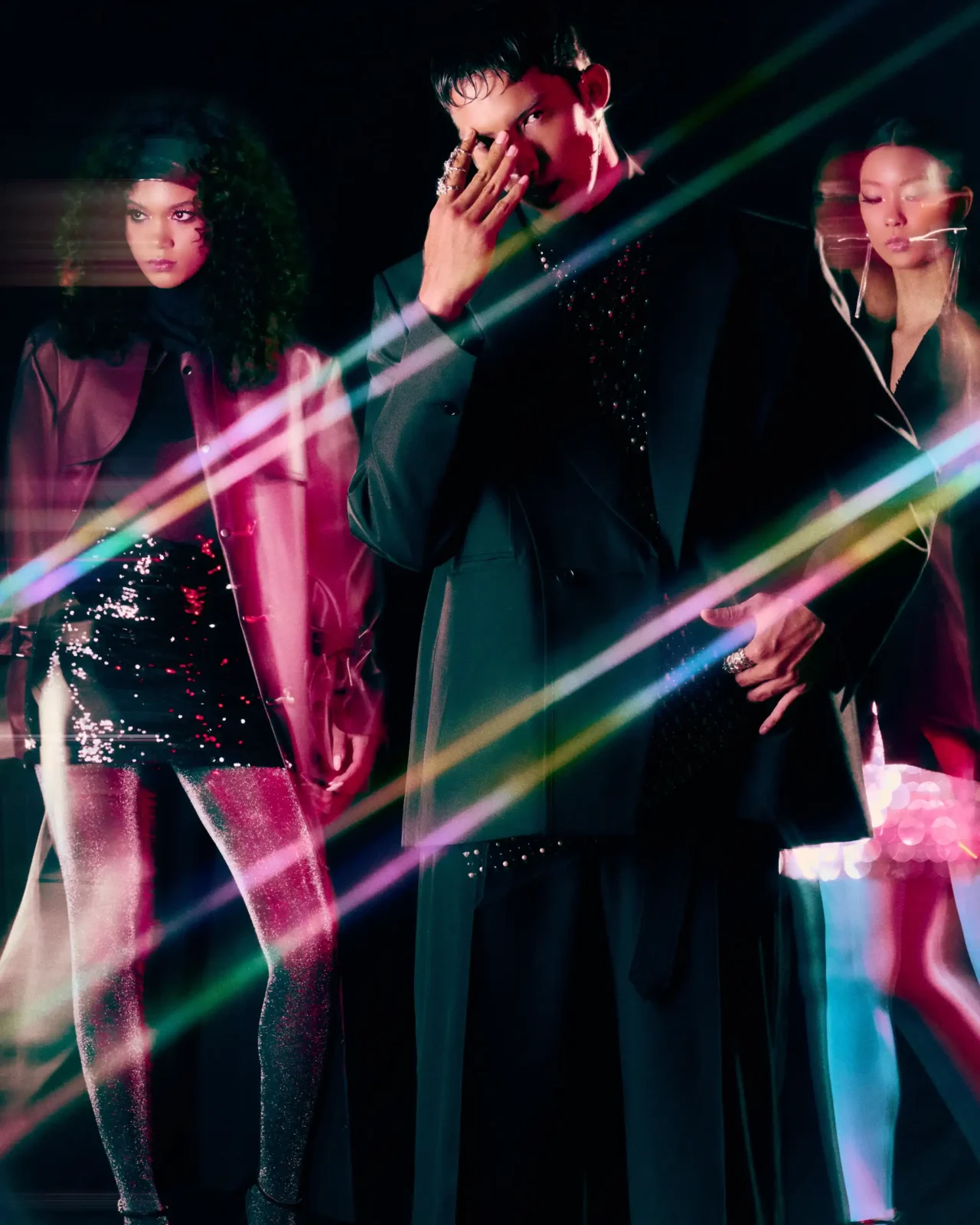
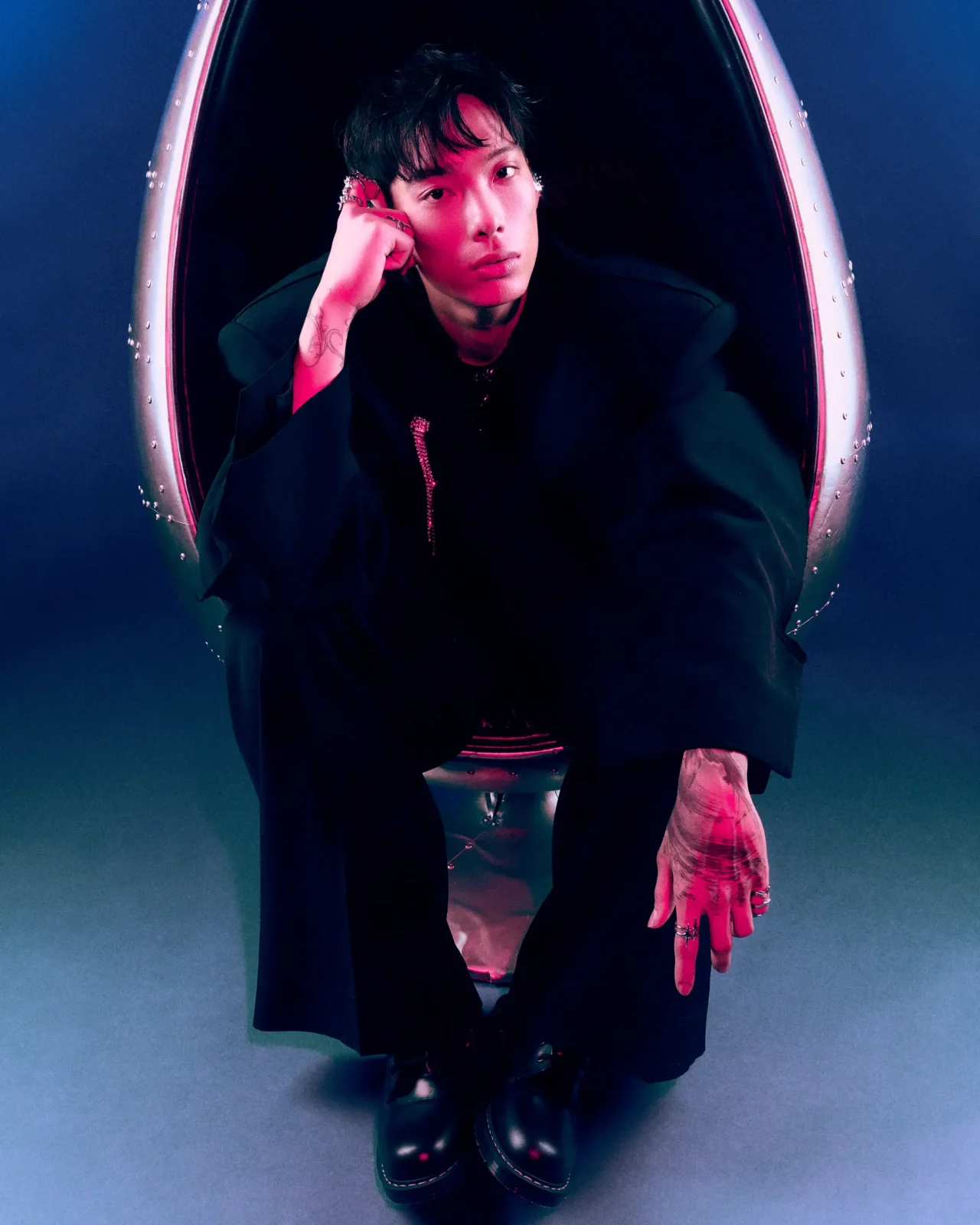
This year’s edition arrived with a confident message. Under the theme Destination: Home Ground, KLFW celebrated Malaysian fashionFashionThe art and industry of designing, producing, and styling clothing, footwear, accessories, and beauty trends. It reflects cultural influences, personal expression, and evolving styles across seasons and markets.Go to Fashion Glossary and made a persuasive case for why it deserved the global spotlight.
Returning for its 14th edition from August 3 to 9, the annual showcase gathered more than 50 homegrown designers and labels, reaffirming its role as the country’s biggest platform for local talent. Backed by Suria KLCC, KLCC (Holdings) Sdn Bhd, the Ministry of Domestic Trade and Cost of Living (KPDN), and Visit Malaysia 2026, KLFW presented a week where heritage and creativity moved in step.
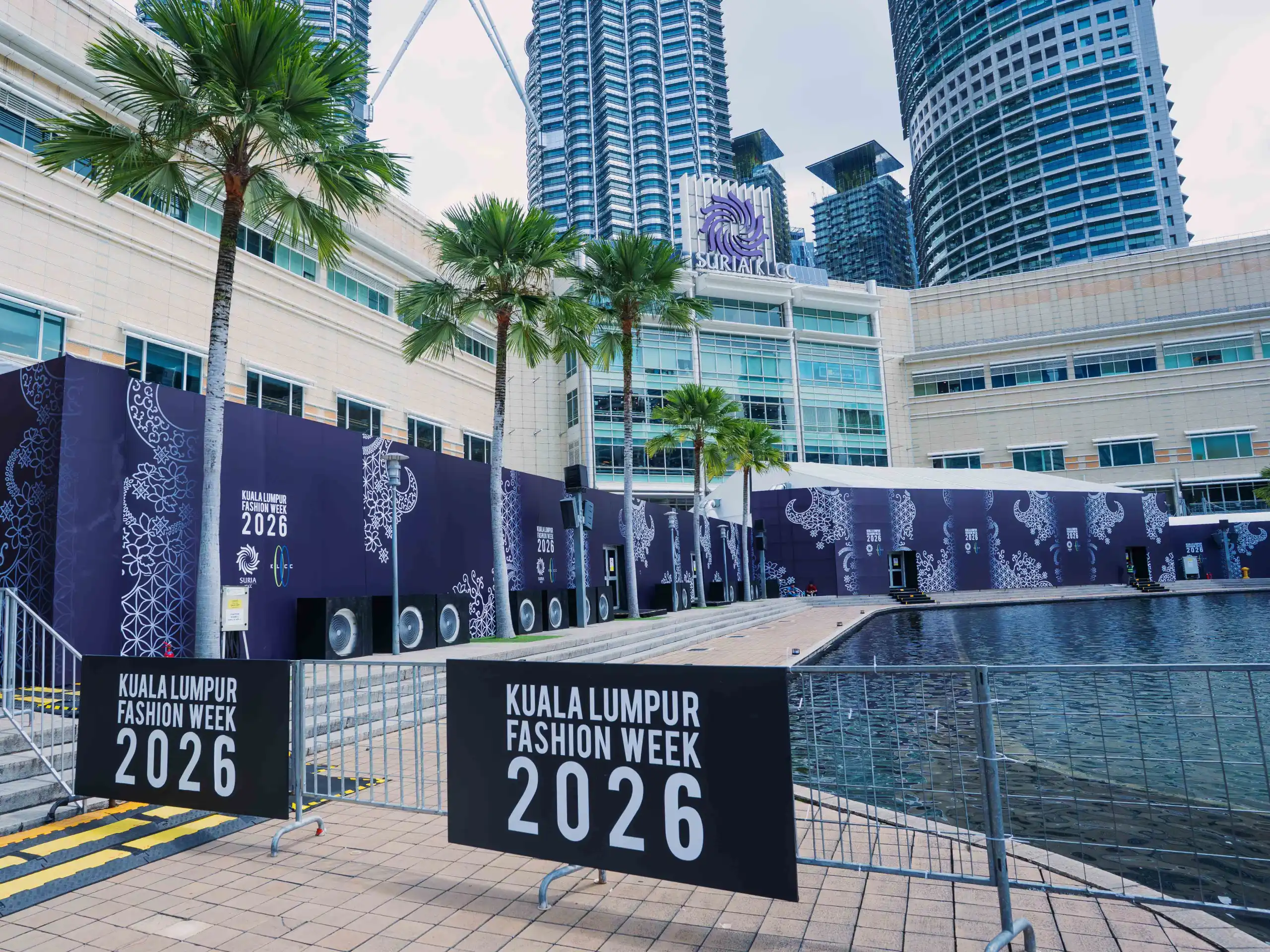
The purpose-built show space underwent one of its biggest transformations yet. Inspired by archival batik prints from Yayasan Sabah, the monochromatic façade hinted at tradition while the hourglass-shaped runway pointed firmly toward the future.
A redesigned 500-seat venue created a more immersive atmosphere through a mix of front rows, bleachers and communal seating, while massive LED screens projected every show to visitors throughout Suria KLCC. FashionFashionThe art and industry of designing, producing, and styling clothing, footwear, accessories, and beauty trends. It reflects cultural influences, personal expression, and evolving styles across seasons and markets.Go to Fashion Glossary escaped the confines of the tent and became part of the city’s daily rhythm.
The experience extended beyond the runway. Across Suria KLCC, styling installations by fashionFashionThe art and industry of designing, producing, and styling clothing, footwear, accessories, and beauty trends. It reflects cultural influences, personal expression, and evolving styles across seasons and markets.Go to Fashion Glossary students at Isetan, MOCCONA’s visual exhibition celebrating industry creatives, and KPDN’s Jom Malaysia pop-up invited visitors to engage directly with Malaysian design.
Fresh names meet fashion heavyweights
This season welcomed a fresh wave of designers including PLAZÄ, NanaLyana, Asyraf Arrif, inisaya by Jeffery Goh, 99%ANGEL, CDH and EMRI, while Sharifah Kirana made her KLFW debut with her signature elegance.
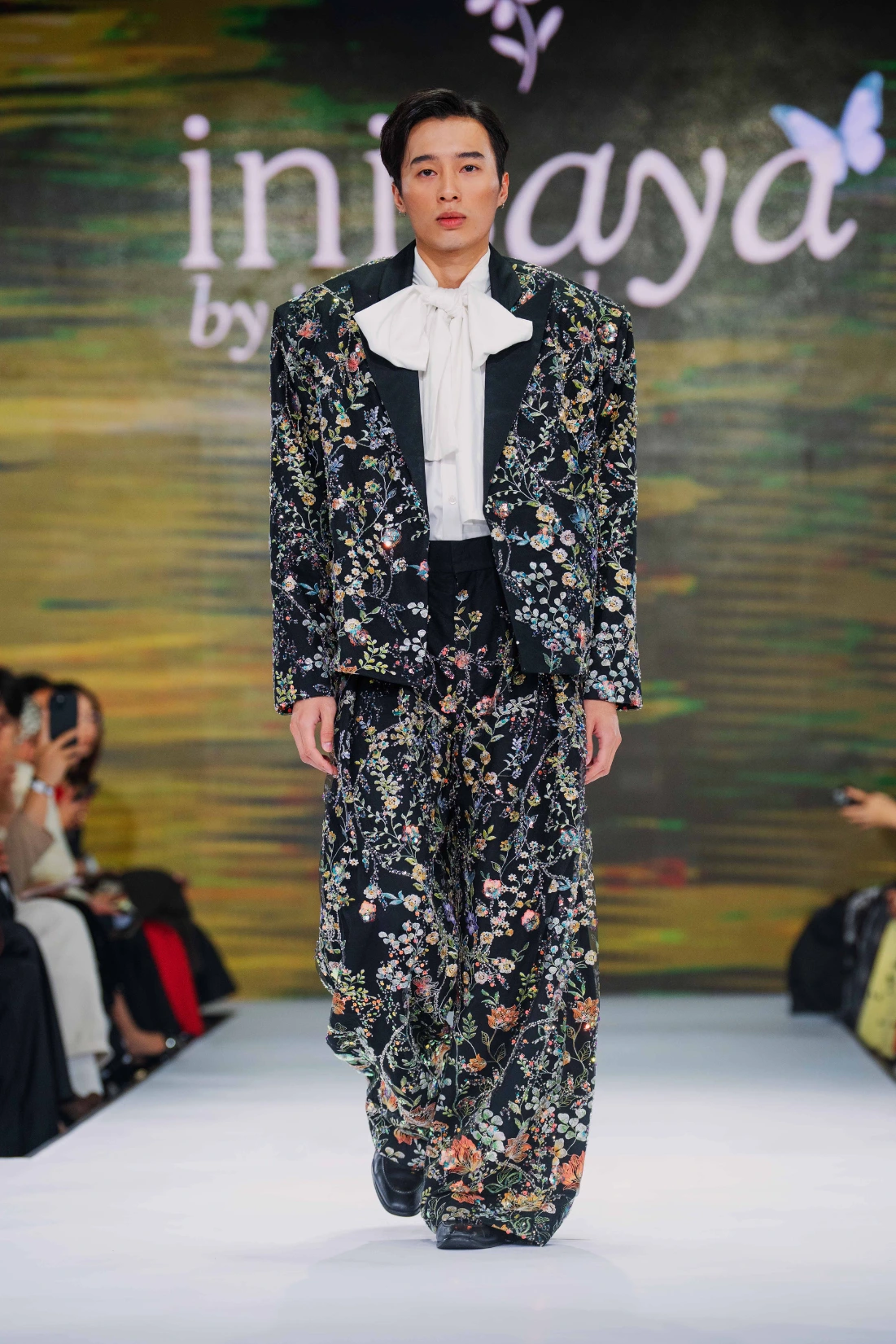
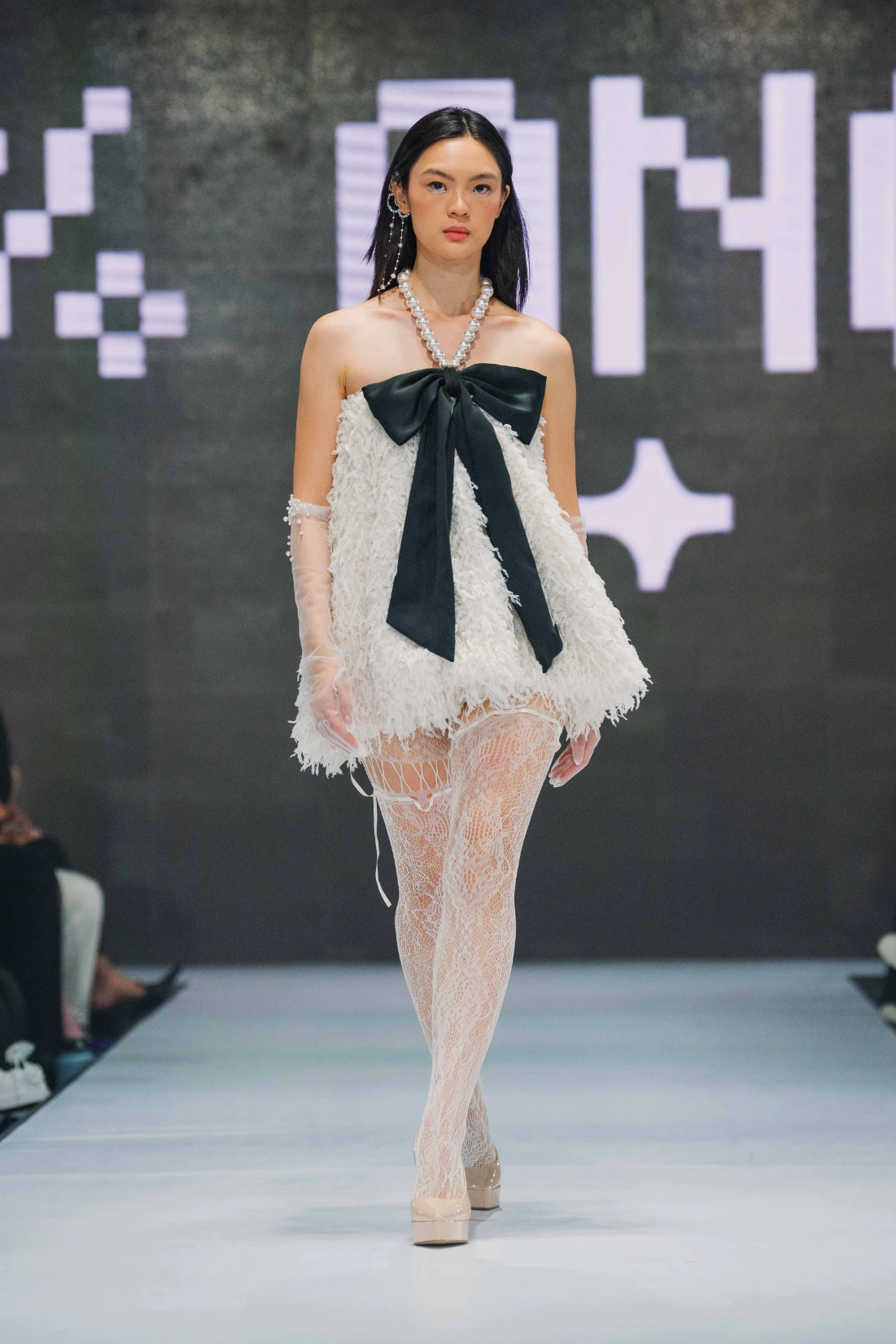
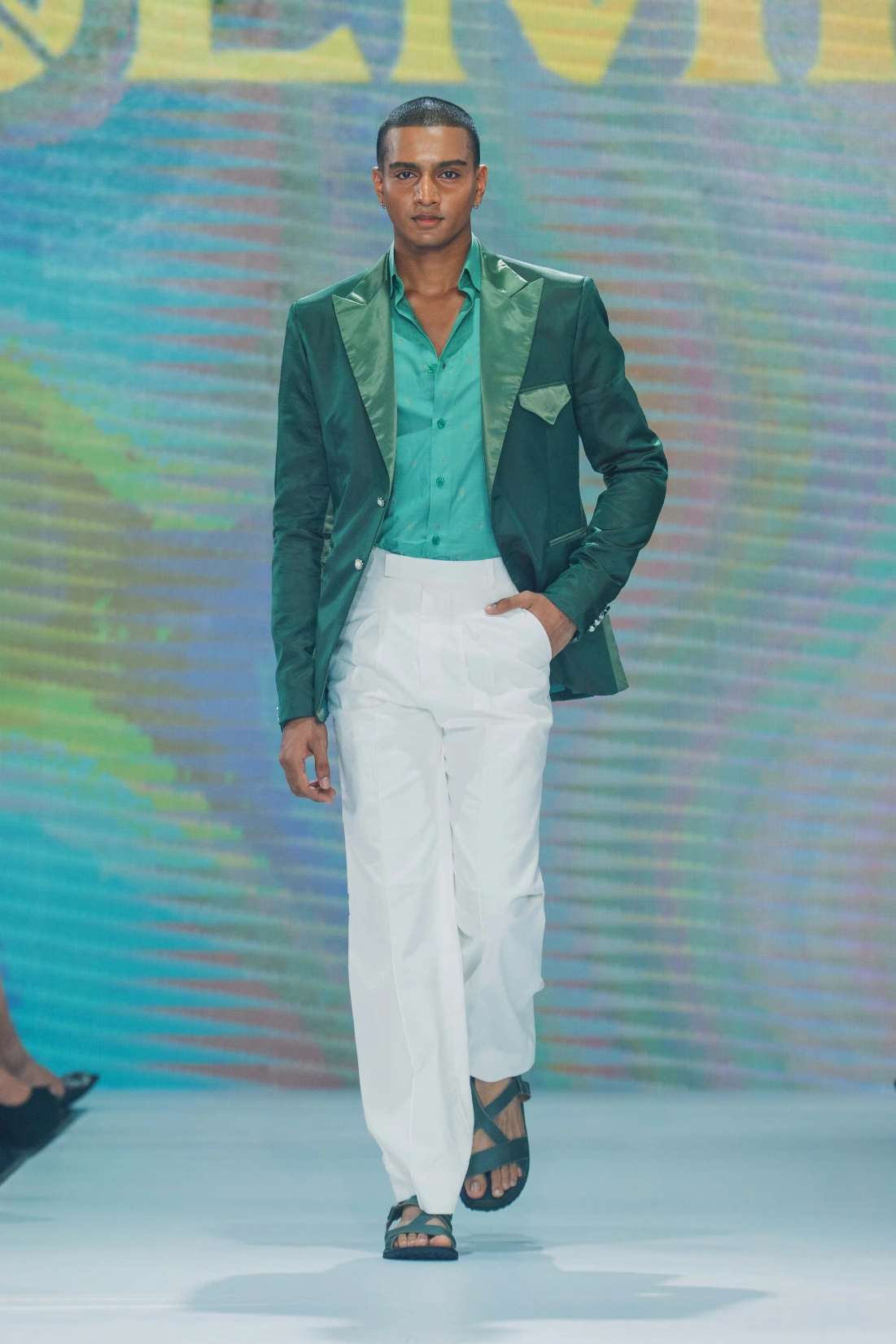
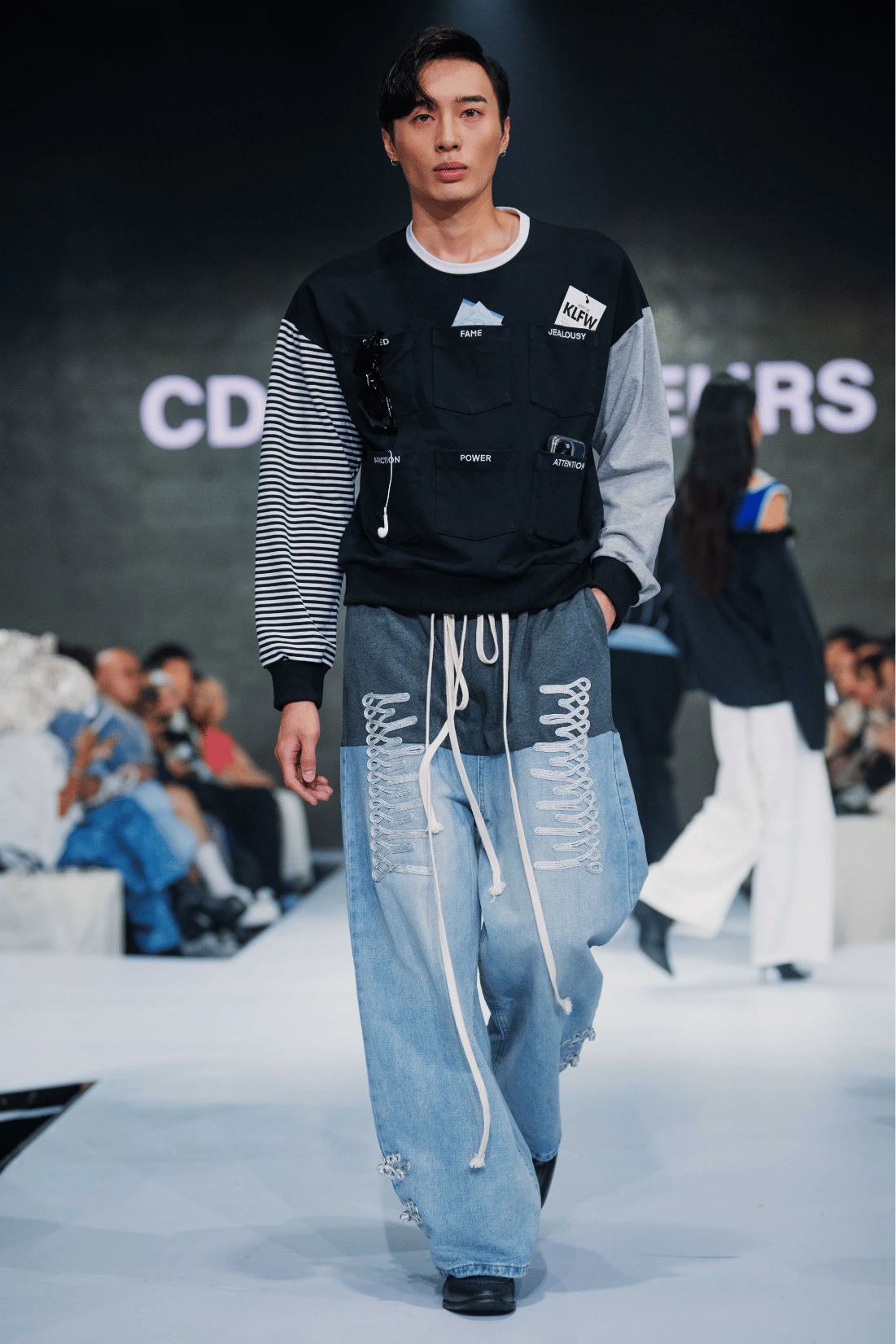
Creative force ManChien also unveiled Super Structure, introducing a new label that immediately positioned itself as one to watch.
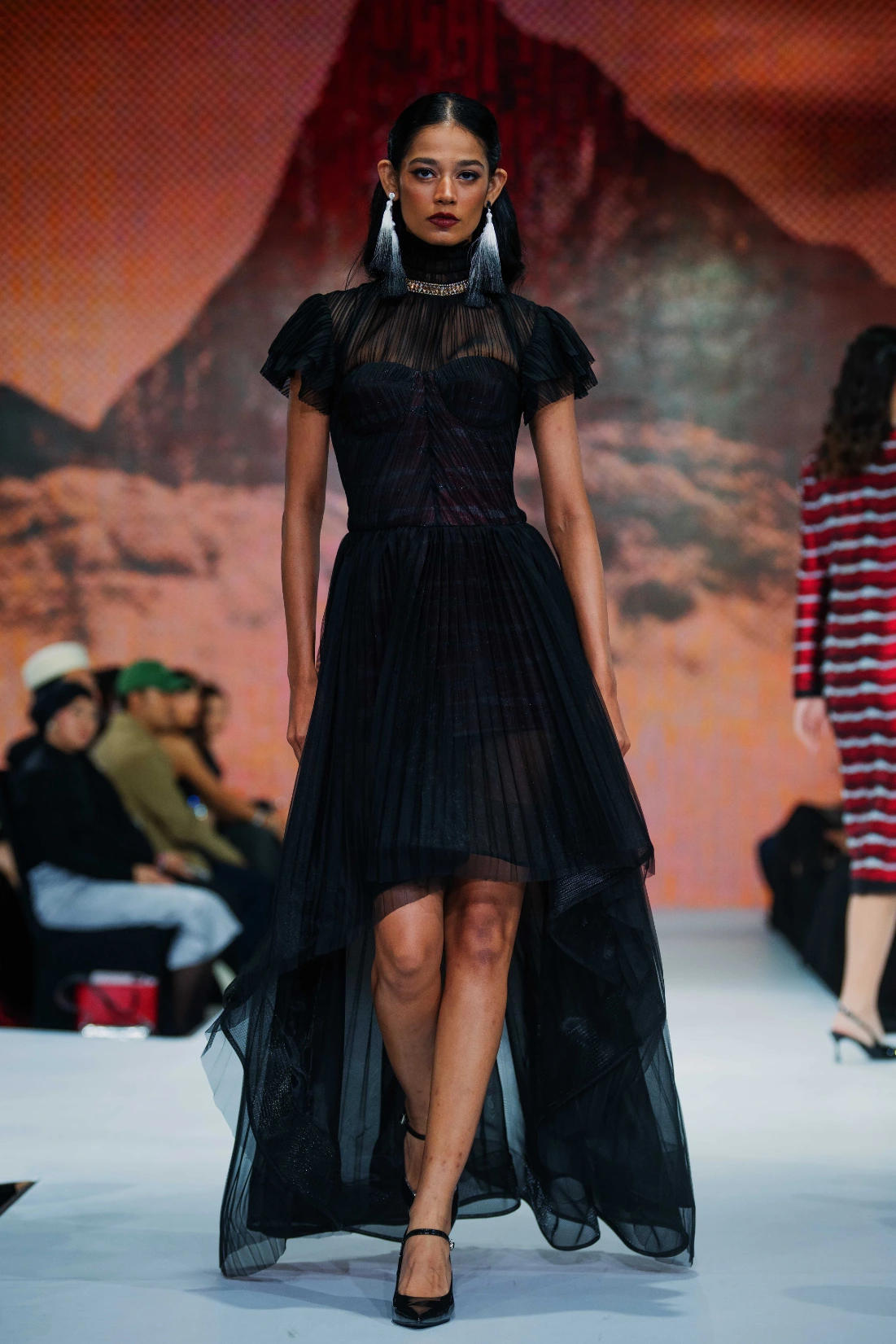
Meanwhile, established names continued to prove why they remain at the forefront of Malaysian fashionFashionThe art and industry of designing, producing, and styling clothing, footwear, accessories, and beauty trends. It reflects cultural influences, personal expression, and evolving styles across seasons and markets.Go to Fashion Glossary. Rizman Ruzaini opened the week with RR Volume 4: Heritage in Motion, weaving Peranakan influences into contemporary Cruise 2026 silhouettes.
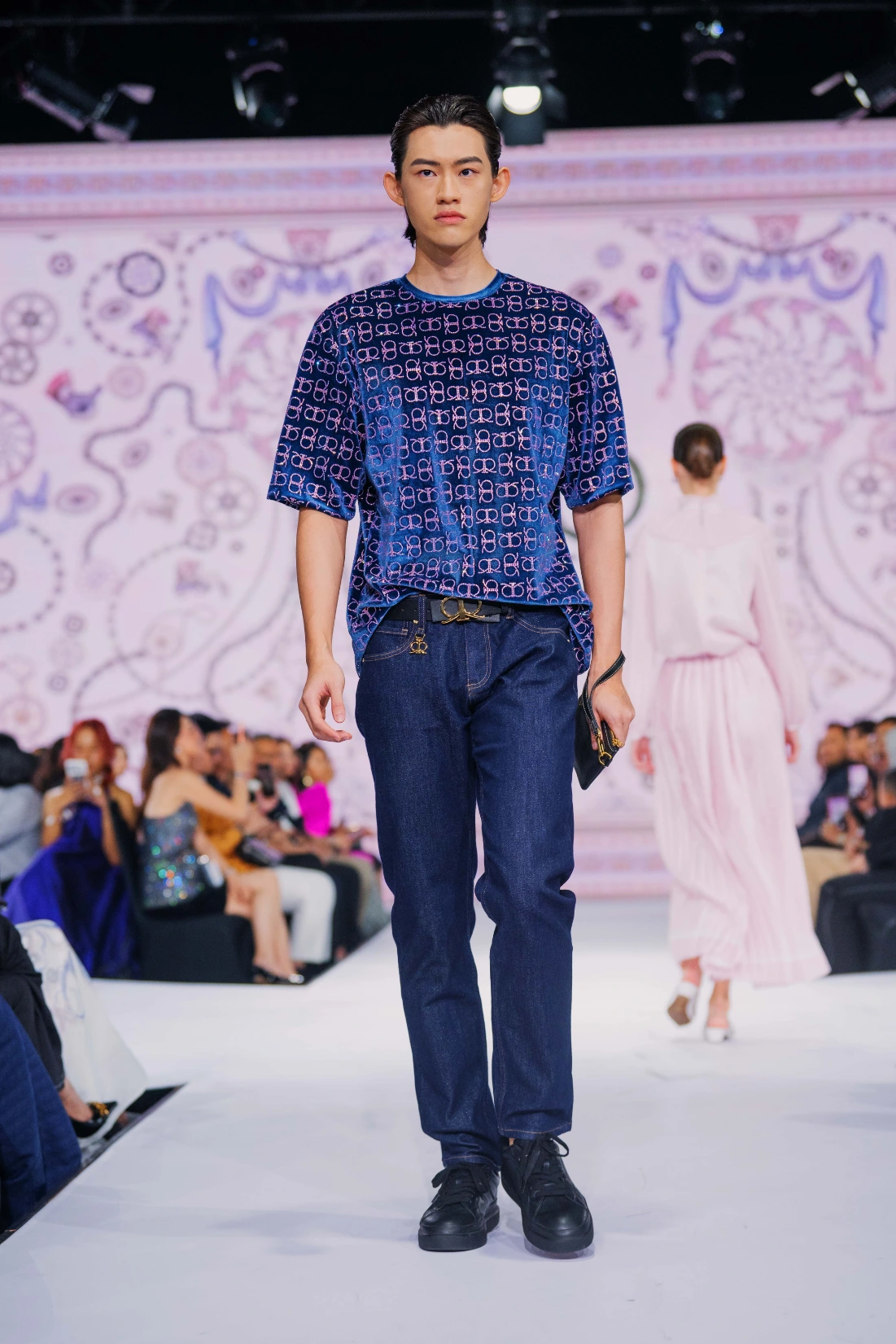
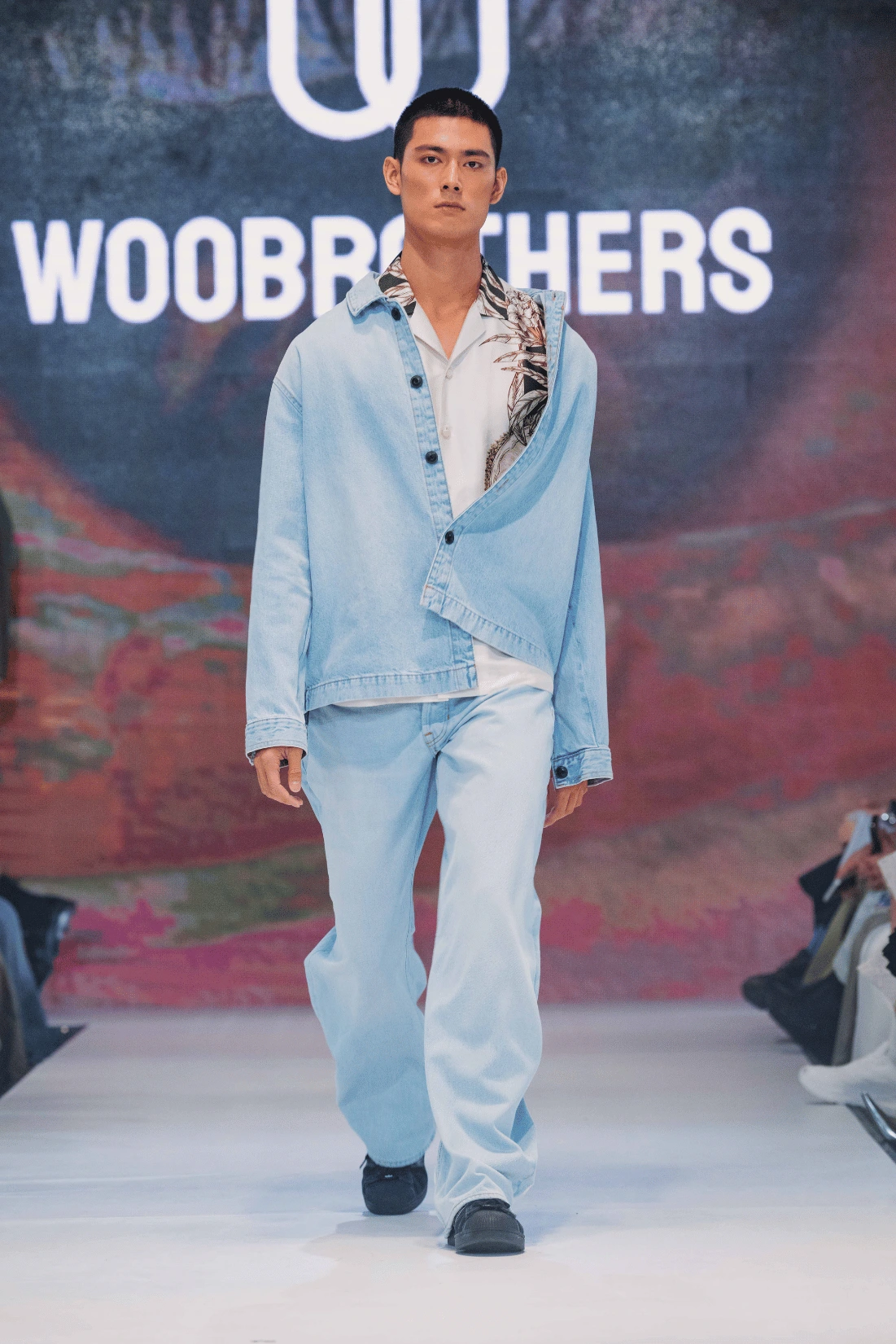
While Fiziwoo expanded its growing universe with Woo Brothers, the label’s menswear extension, giving one of Malaysia’s most recognizable fashionFashionThe art and industry of designing, producing, and styling clothing, footwear, accessories, and beauty trends. It reflects cultural influences, personal expression, and evolving styles across seasons and markets.Go to Fashion Glossary houses a broader voice on the runway.
Heritage was the biggest trend
Several collections demonstrated that heritage remains one of Malaysian fashionFashionThe art and industry of designing, producing, and styling clothing, footwear, accessories, and beauty trends. It reflects cultural influences, personal expression, and evolving styles across seasons and markets.Go to Fashion Glossary’s greatest strengths when viewed through a contemporary lens. Material culture studio MUNI collaborated with Jeff Yeong to reinterpret traditional craftsmanship, while social enterprise Tanoti debuted a collection rooted in textile preservation.
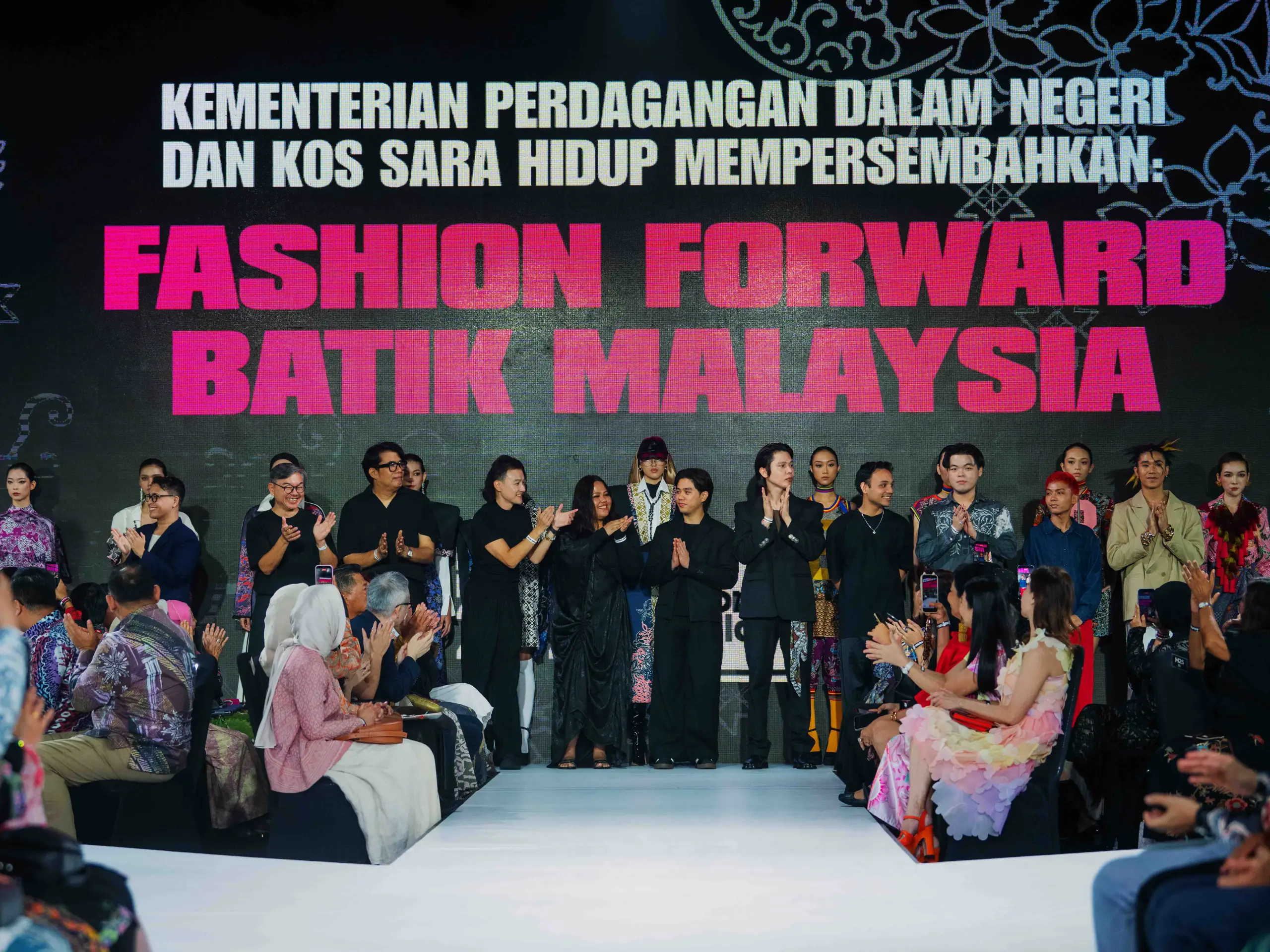
KPDN also revived its FashionFashionThe art and industry of designing, producing, and styling clothing, footwear, accessories, and beauty trends. It reflects cultural influences, personal expression, and evolving styles across seasons and markets.Go to Fashion Glossary Forward Batik Malaysia segment, presenting 30 looks from 10 local designers crafted exclusively from batik sourced across East and West Malaysia. The initiative reinforced batik’s place as a material capable of driving modern design forward.
The shows everyone will remember
The week’s biggest moments belonged to designers celebrating milestones while refusing to stand still.
Hatta Dolmat commemorated two decades in fashion with the twin presentations Linger and Soul. The former explored painterly resortwear in warm sunset palettes, while the latter elevated couture into wearable art through ten dramatic gowns.
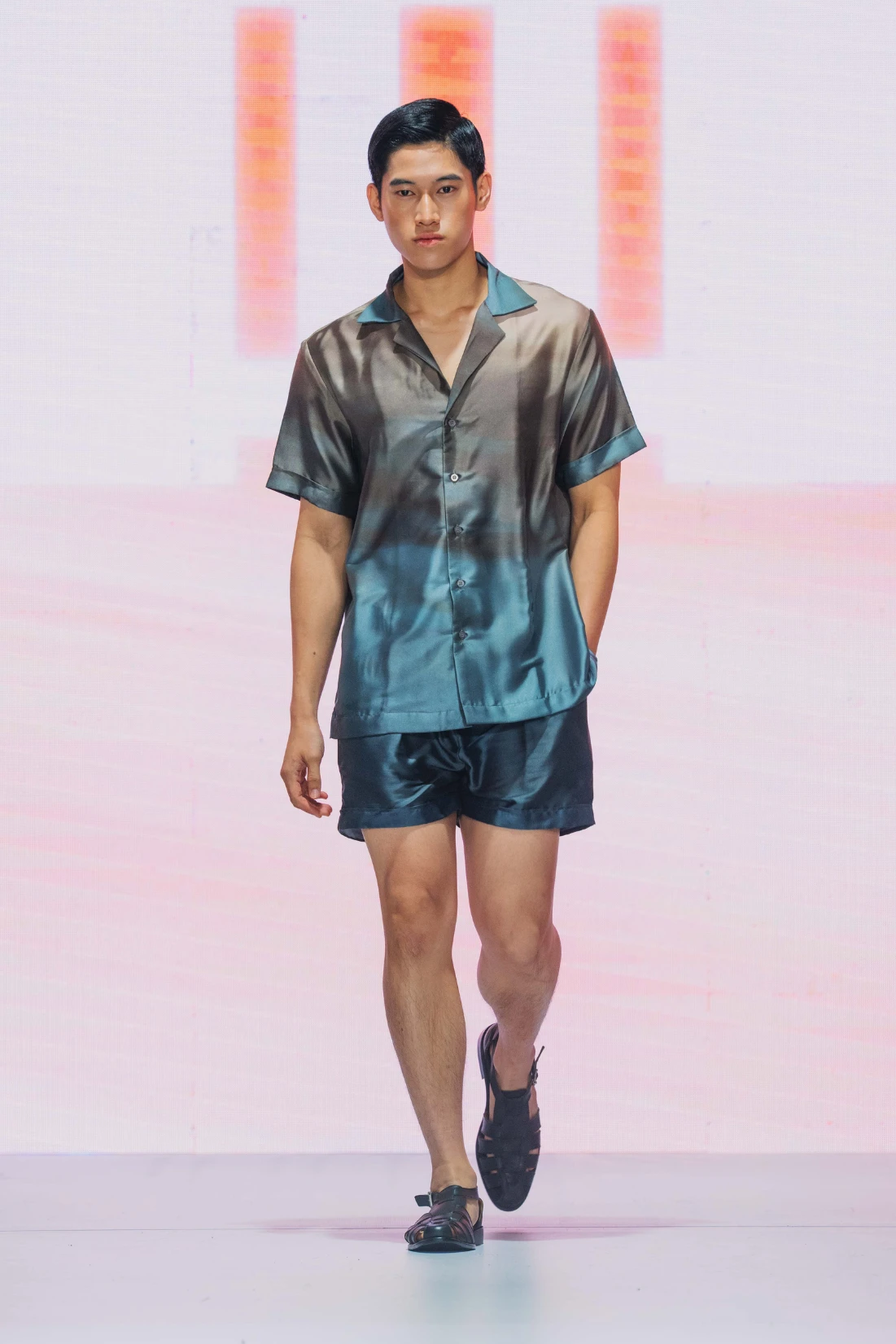
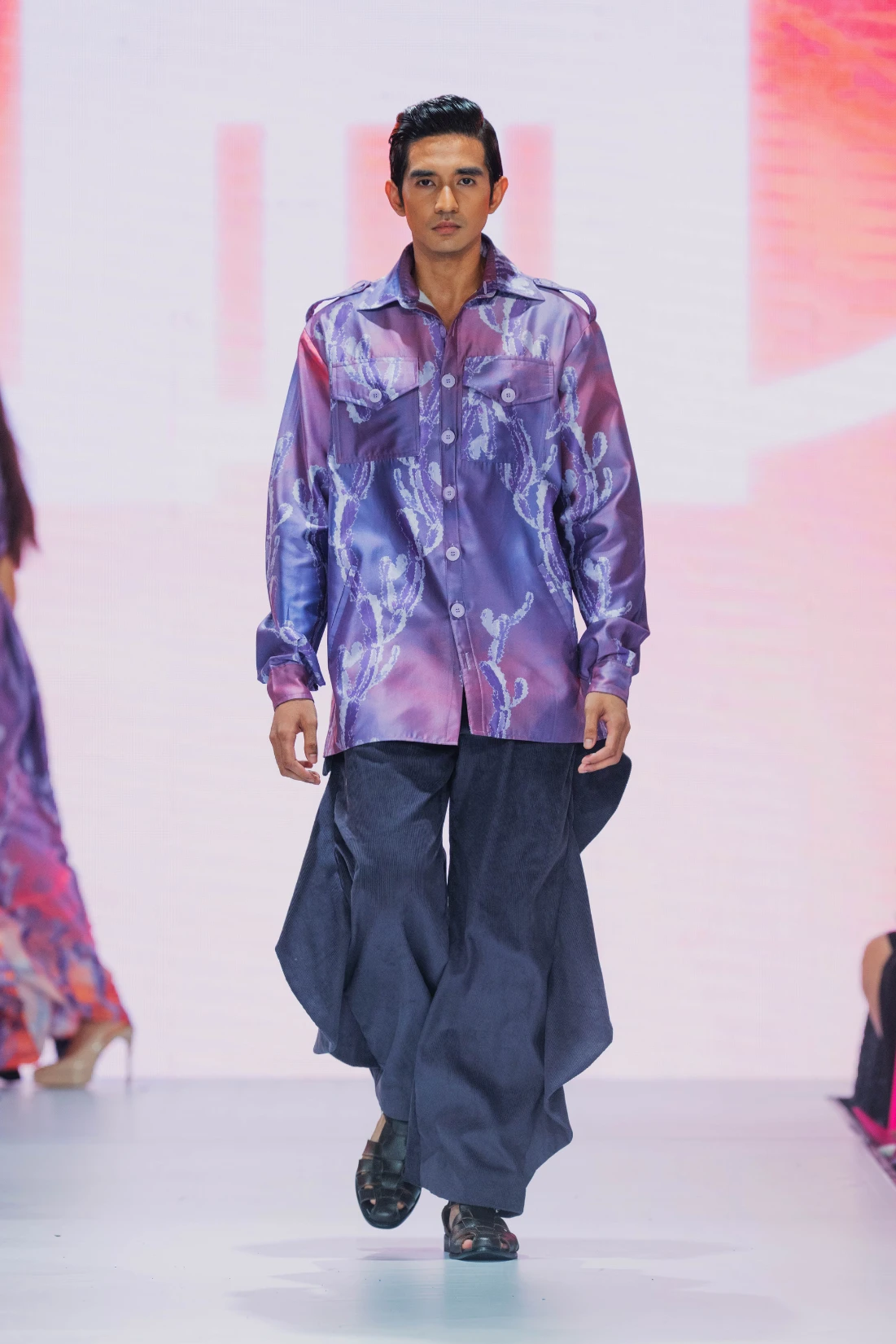
His accompanying Walking Painting exhibition runway earned him a third Malaysia Book of Records title, adding another milestone to an already accomplished career.
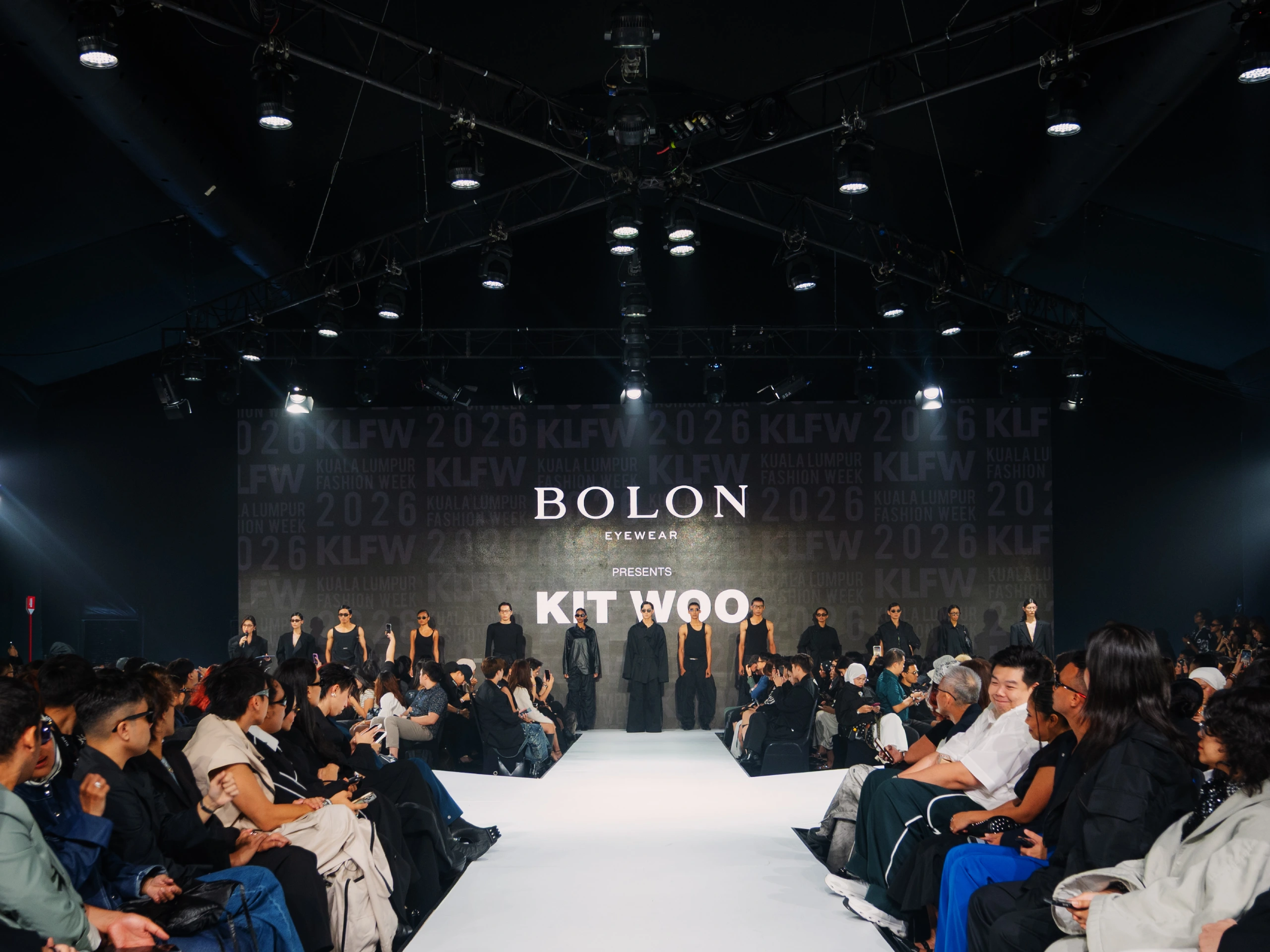
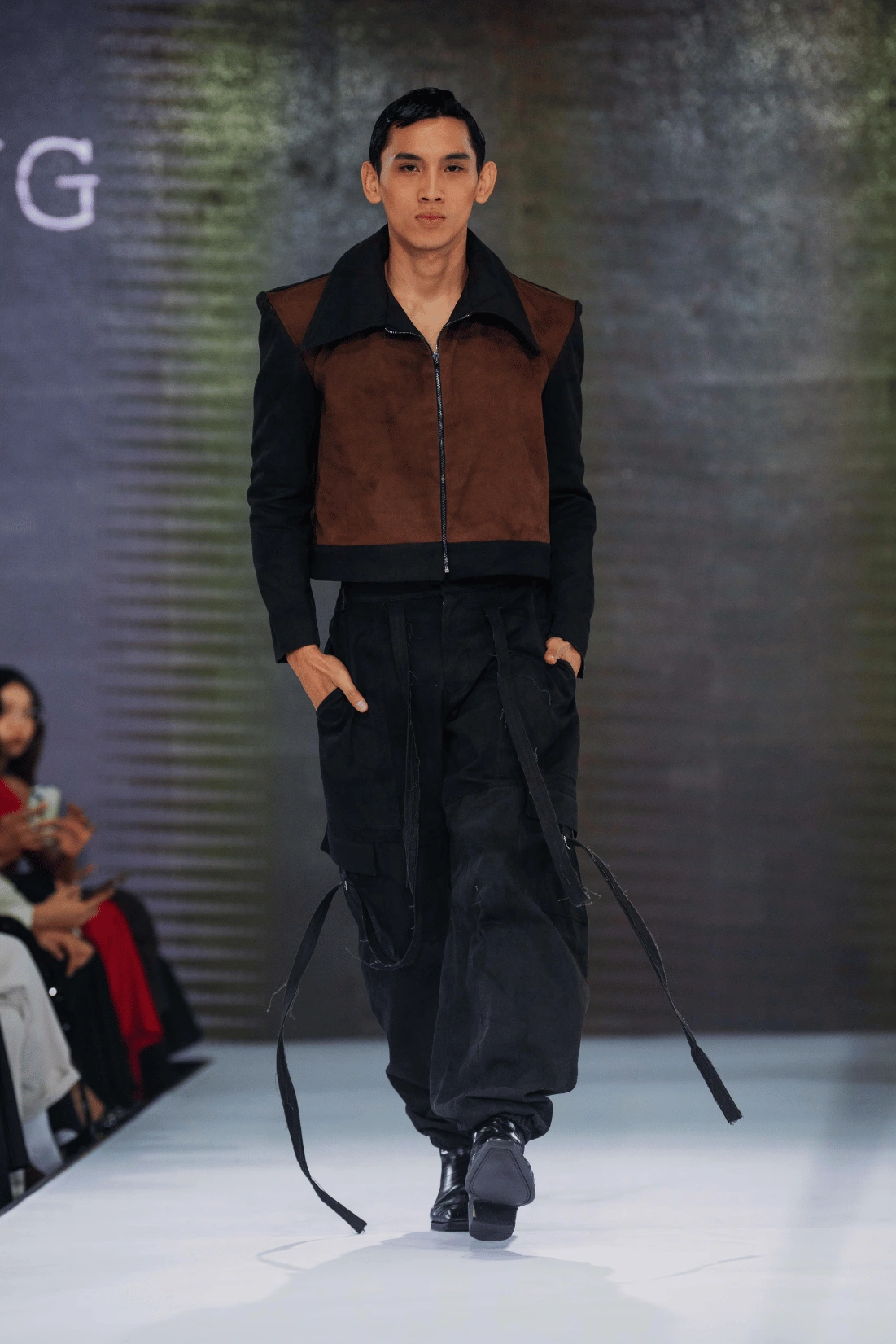
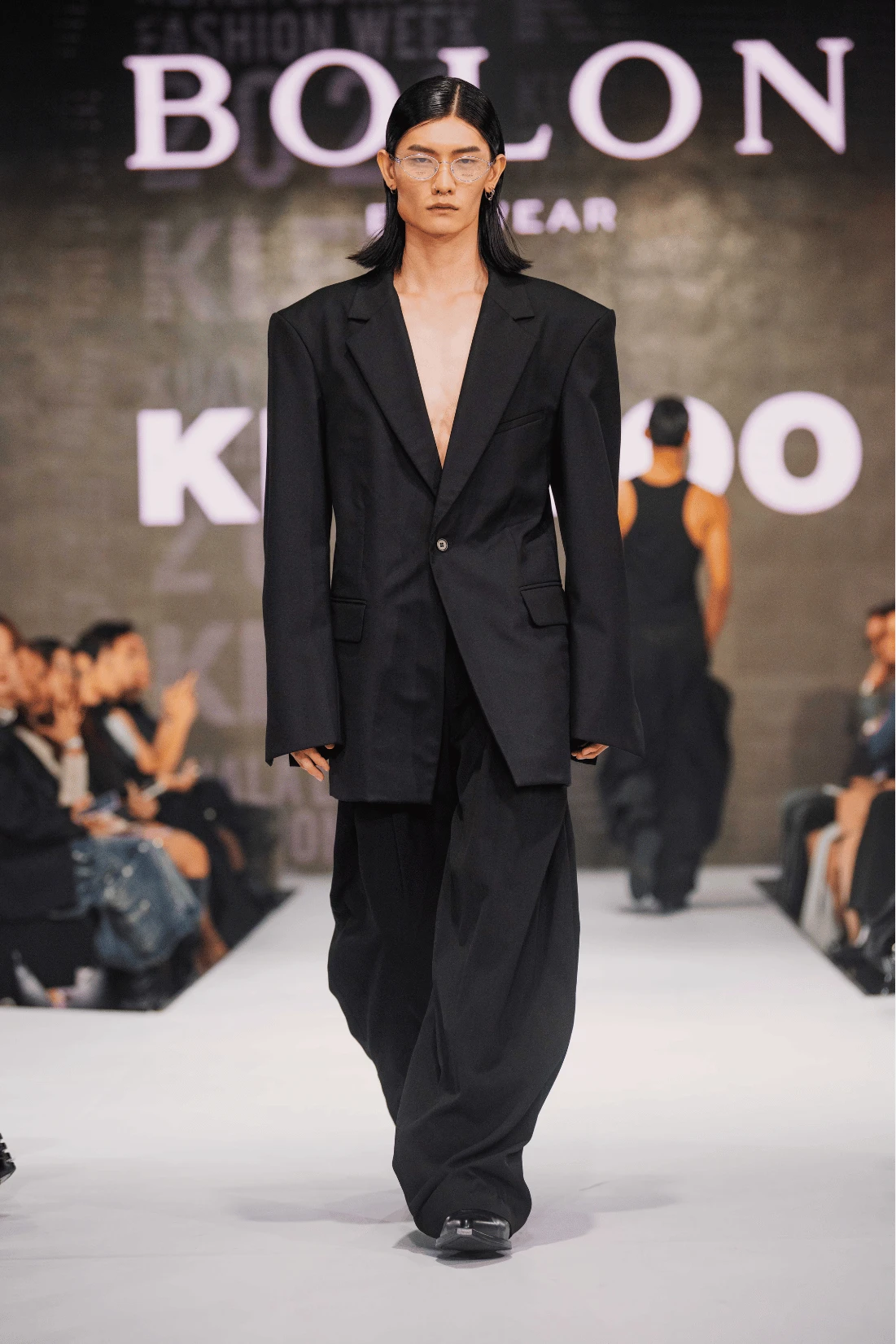
Kit Woo marked his label’s 10th anniversary with Nothing Is Finished, one of the week’s standout presentations. Deconstructed tailoring, exposed basting stitches, unfinished hems and even oversized tailor’s scissors challenged conventional corporate dressing, delivering a sharp meditation on fashion as an unfinished process.
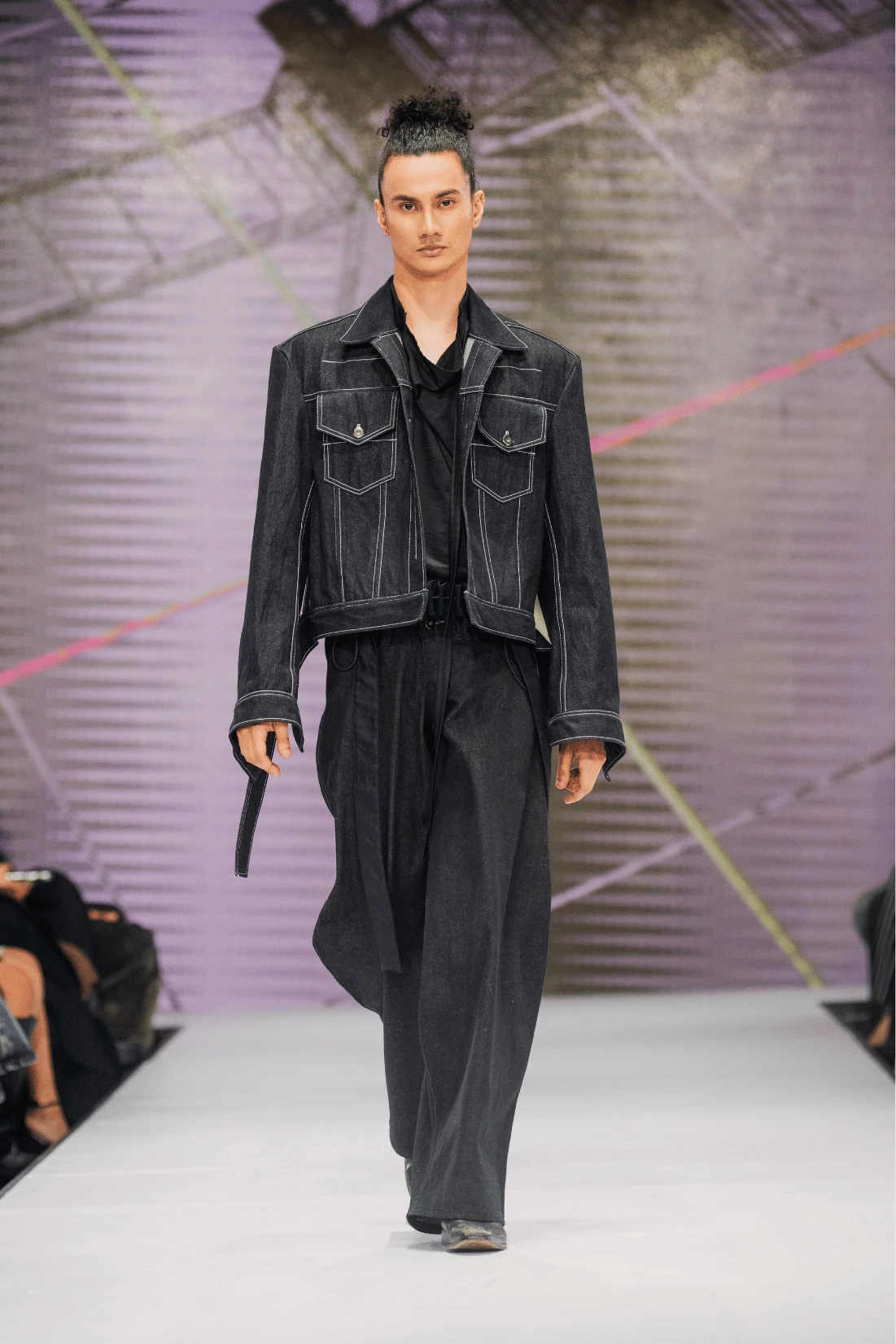
Elsewhere, MSYD‘s Rebels Department dismantled the codes of classic academic dressing through asymmetrical tailoring and leather detailing, while Syomirizwa Gupta‘s Samudera Rasa embraced fluid resort silhouettes, breezy chiffons and soft tailoring that captured the optimism of coastal living.
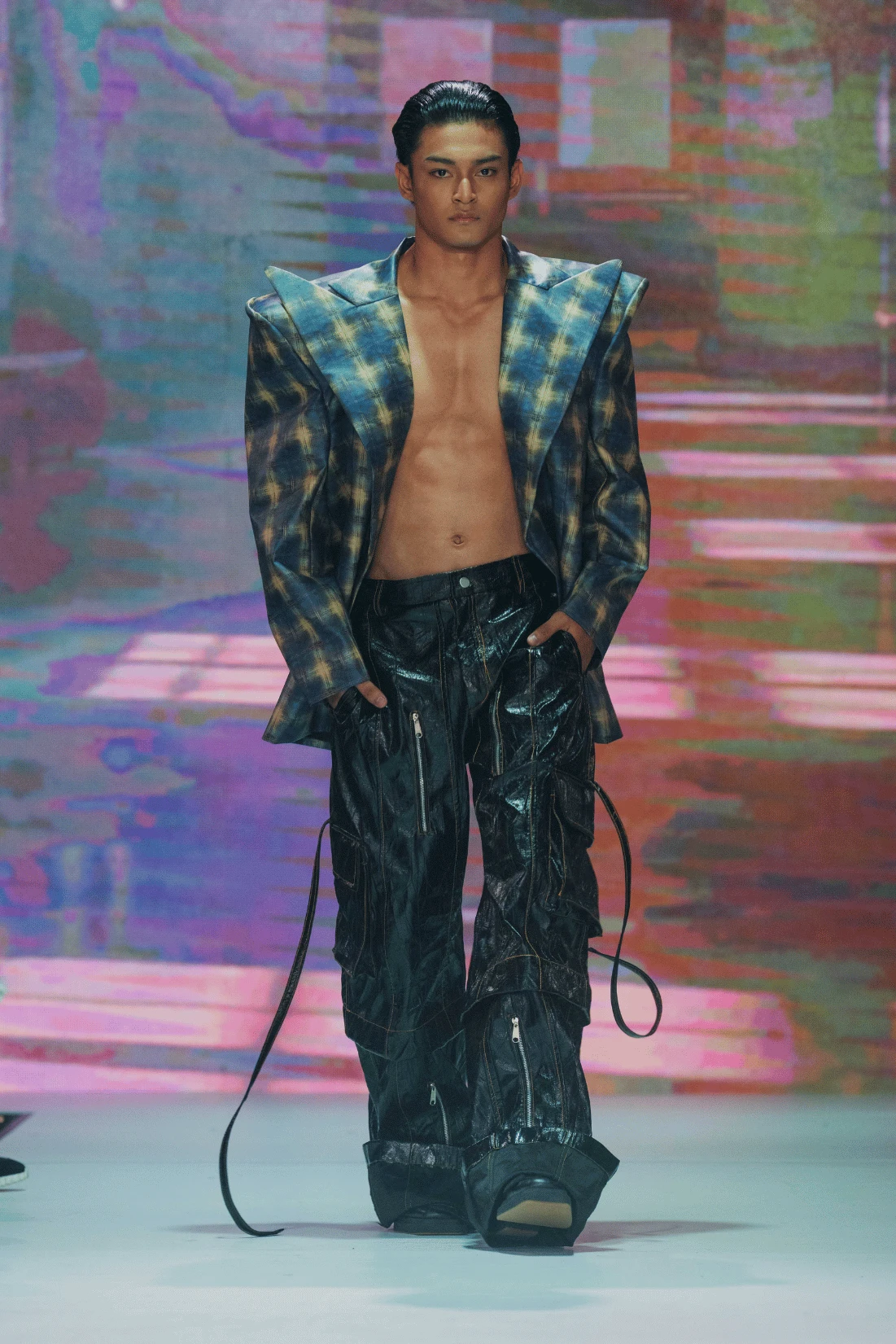
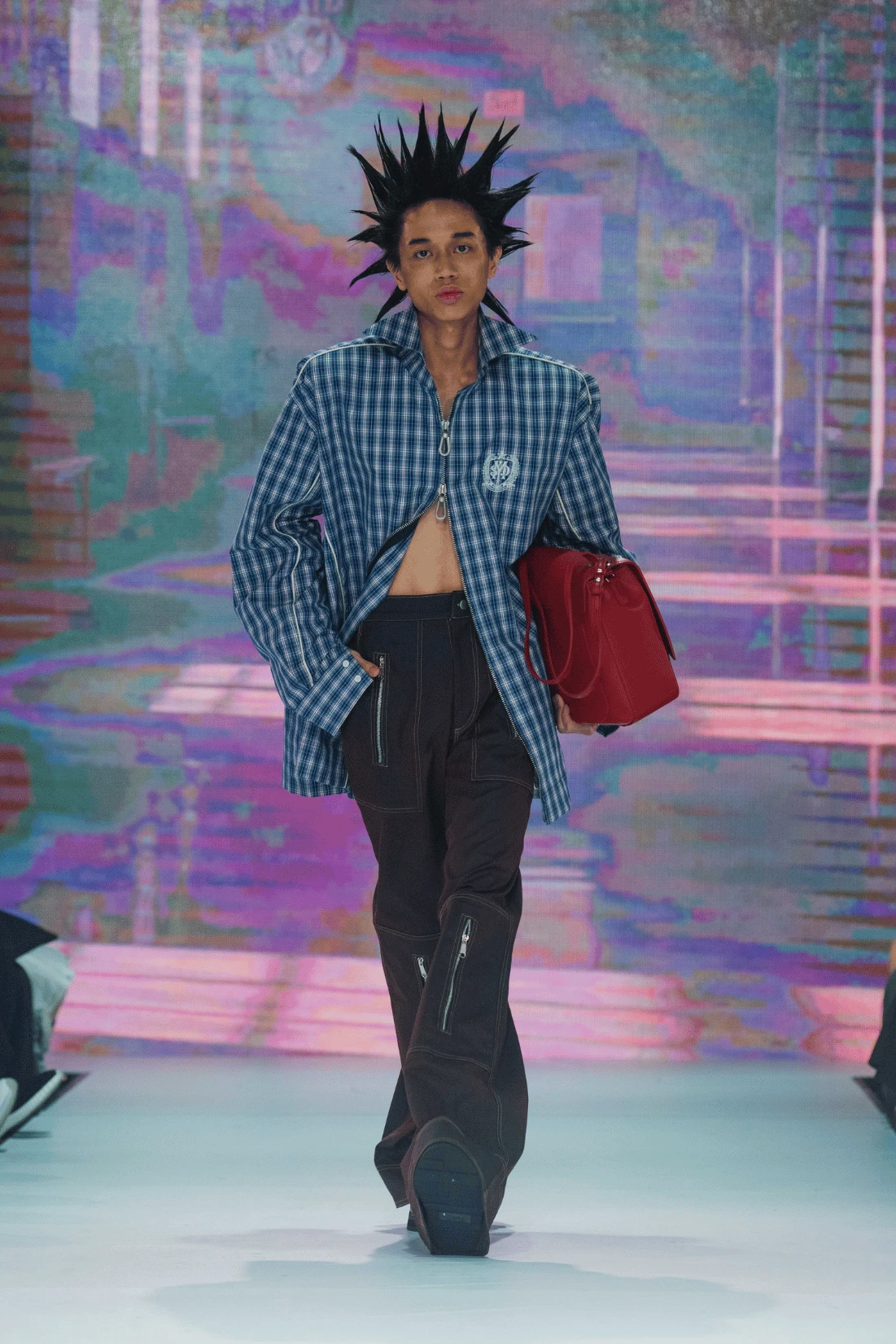
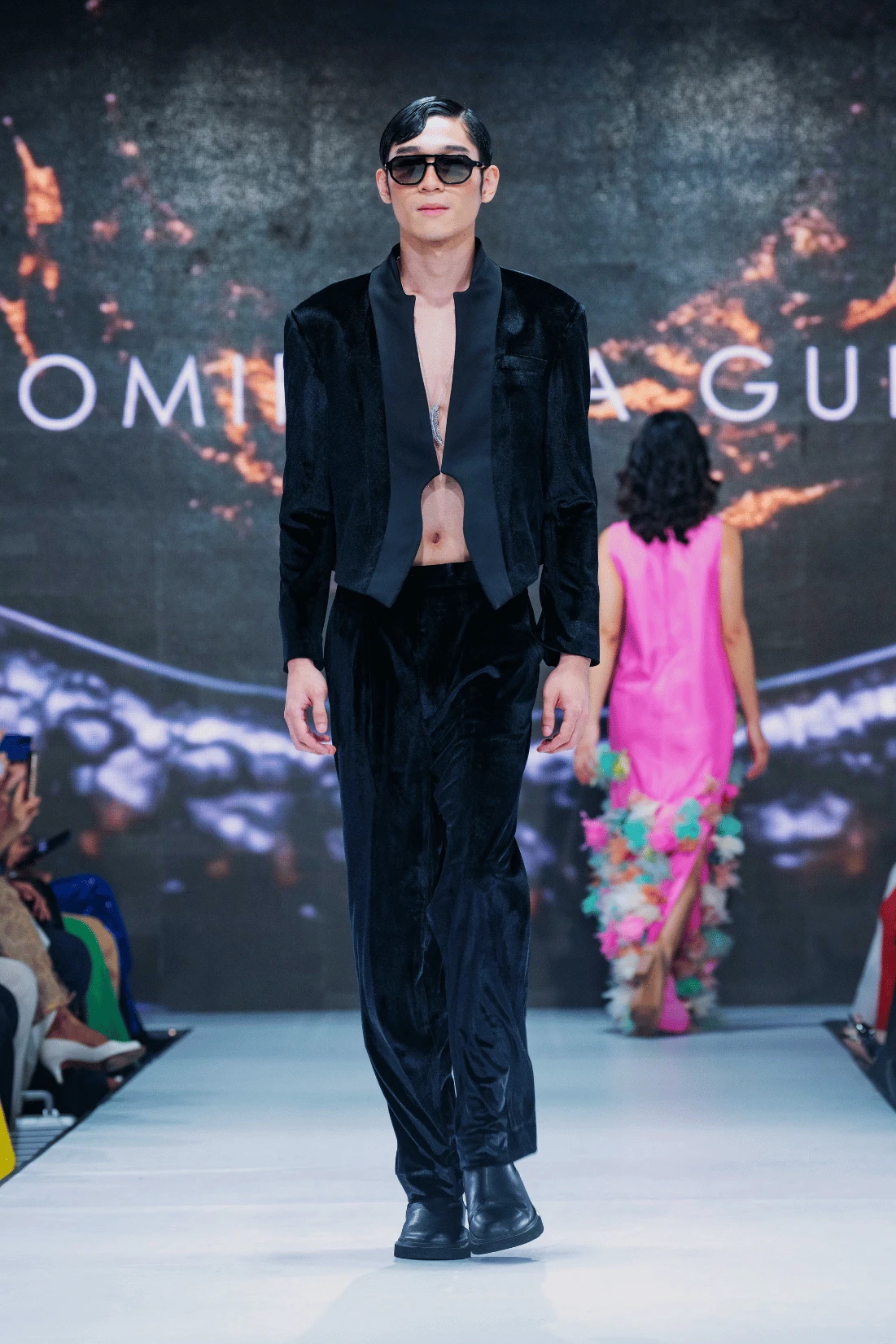
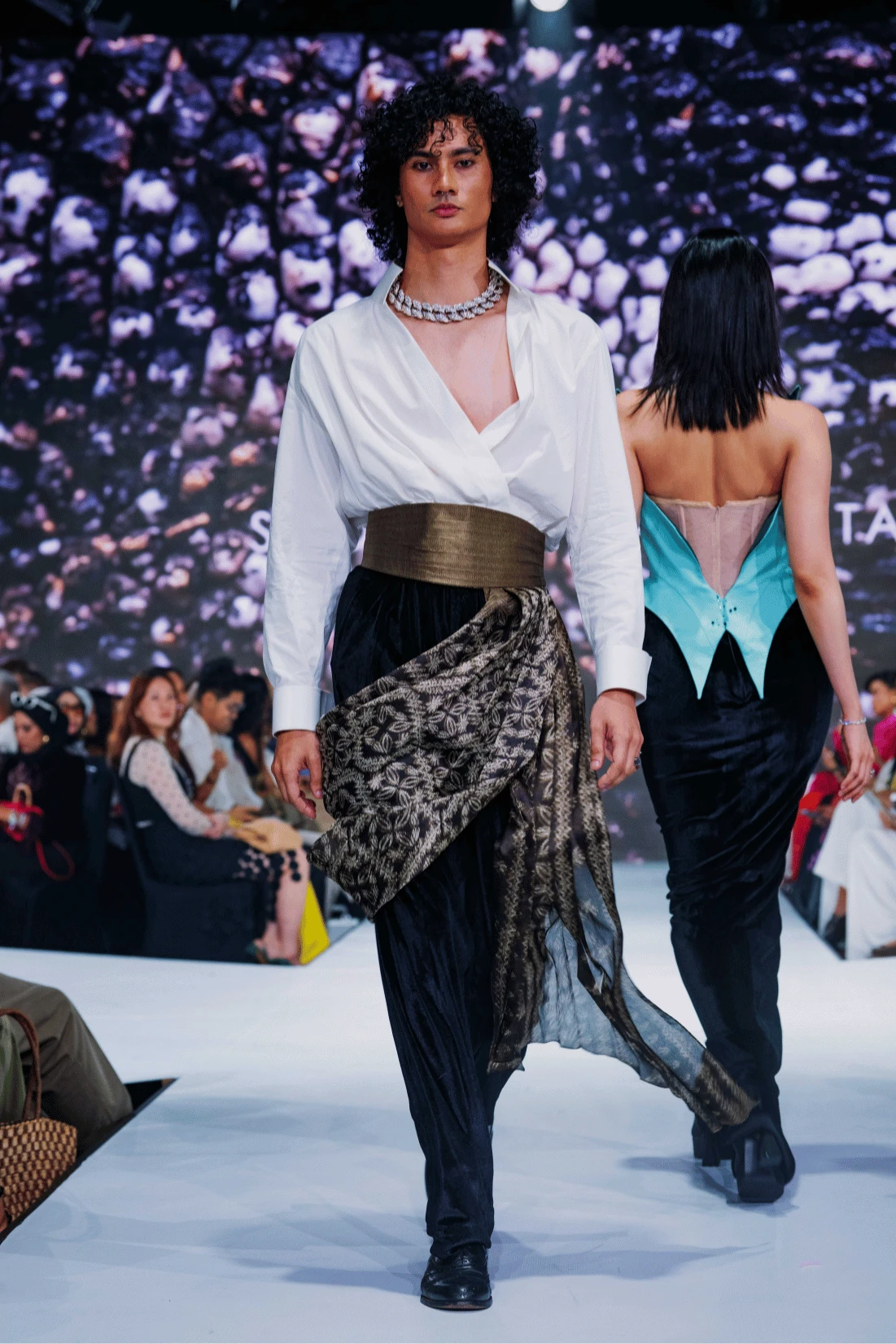
Fourteen editions in, Kuala Lumpur Fashion Week has become a cultural institution capable of bringing together established designers, emerging talent, government support, commercial partnerships and public audiences under one roof.
By the time the lights dimmed on the final runway, Destination: Home Ground had evolved beyond its title. Malaysian fashion is here, and this time, the world is invited to its home ground.
Photography Saufi Nadzri / KLFW 2026
Frequently Asked Questions
Kuala Lumpur Fashion Week 2026 was themed “Destination: Home Ground,” celebrating Malaysian identity and homegrown creativity through contemporary fashion.
KLFW 2026 took place from August 3 to 9, 2026, at the Esplanade, KLCC Park in Kuala Lumpur, with additional activations across Suria KLCC.
More than 50 Malaysian designers and labels participated, including Hatta Dolmat, Kit Woo, Rizman Ruzaini, Fiziwoo, MSYD, Syomirizwa Gupta, MUNI and Tanoti, alongside new names such as PLAZÄ and NanaLyana.
Notable presentations included Hatta Dolmat’s 20th-anniversary collections, Kit Woo’s 10th-anniversary Nothing Is Finished, Rizman Ruzaini’s Heritage in Motion, MSYD’s Rebels Department and Syomirizwa Gupta’s Samudera Rasa.
The event highlighted Malaysian heritage through batik, Peranakan-inspired design, traditional textiles, and local craftsmanship. KPDN’s Fashion Forward Batik Malaysia segment also featured 30 looks from 10 designers using batik sourced from East and West Malaysia.
Recommended Video