The Surprising History of the Napoleon Jacket, From Mick Jagger to Hedi Slimane
The Napoleon jacket has spent decades evolving from military uniform into one of pop culture’s most enduring symbols of style




- The Napoleon jacket began as a European military uniform before musicians and cultural icons transformed it into a symbol of rebellion and personal style.
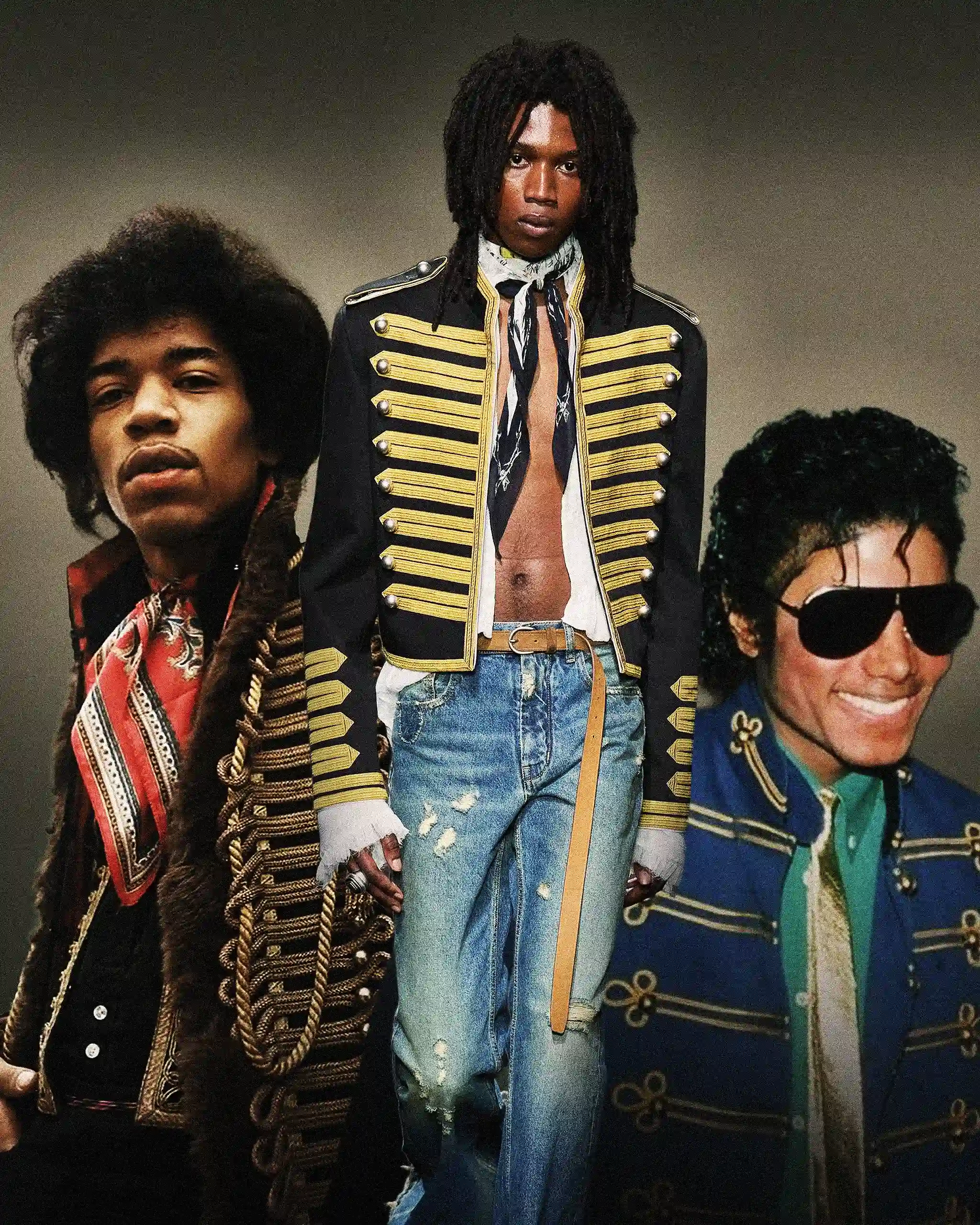
- From Jimi Hendrix and Michael Jackson to My Chemical Romance, each generation reimagined the jacket to portray its own ideas of self-expression.
- Fashion houses such as Alexander McQueen, Balmain, and Celine helped cement the Napoleon jacket as a recurring runway staple that continues to influence contemporary style today.
From military regalia to modern style icon
The Napoleon jacket is having another moment.
Across fashionFashionThe art and industry of designing, producing, and styling clothing, footwear, accessories, and beauty trends. It reflects cultural influences, personal expression, and evolving styles across seasons and markets.Go to Fashion Glossary runways, celebrity wardrobes, TikTok mood boards, and menswear circles, the ornate military-inspired jacket has reemerged as one of the year’s most recognizable statement pieces.
Known historically as the Hussar jacket, the garment originated in 18th- and 19th-century European cavalry regiments, where its braided frogging and structured shoulders were designed to project authority and offer practical protection in battle.
Today, few people associate the jacket with warfare. Instead, it has become a recurring symbol of rebellion and style.
FashionFashionThe art and industry of designing, producing, and styling clothing, footwear, accessories, and beauty trends. It reflects cultural influences, personal expression, and evolving styles across seasons and markets.Go to Fashion Glossary’s renewed interest in historical tailoring has helped drive the trend, but the jacket’s appeal comes from something larger: it has spent decades being reinvented by musicians and designers that transformed a military uniform into a statement of identity.
Its journey through pop culture spans more than half a century.
The 1960s
Rock stars turned imperial uniforms into counterculture fashion
The first major civilian adoption of the Napoleon jacket began in mid-1960s London, where vintage shops sold discarded Victorian military tunics to young musicians looking for something different from mainstream fashion.
One of the most influential stores was I Was Lord Kitchener’s Valet on Portobello Road. The appeal was partly practical, since the jackets were inexpensive, but it quickly became cultural.
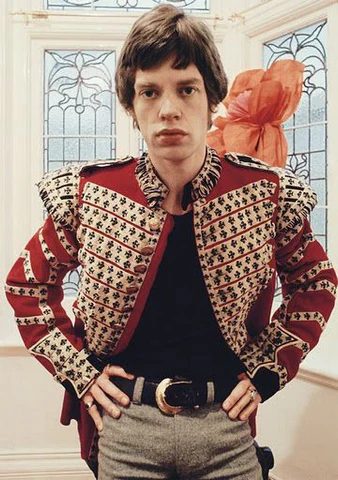
By wearing the uniforms of the old British Empire with jeans, unbuttoned shirts, and long hair, rock musicians stripped the garments of their original authority.
Mick Jagger helped ignite the craze when he wore a red Grenadier Guards drummer’s tunic during a television performance of Paint It Black. Reports from the period describe the shop selling out of similar jackets almost immediately afterward.
John Lennon adopted the look as well, but Jimi Hendrix became its defining image. He wore an authentic British Cavalry Hussar jacket from the 1850s, often left open while performing psychedelic rock music.
The 1980s
Michael Jackson rebuilt the jacket for pop royalty
In the 1980s, Michael Jackson transformed the military jacketMilitary JacketAn outerwear style borrowing details such as epaulettes, utility pockets, and brass buttons from armed forces uniforms, usually in olive, khaki, or navy. The military jacket projects rugged authority, andGo to Military Jacket Glossary into the visual language of superstardom.
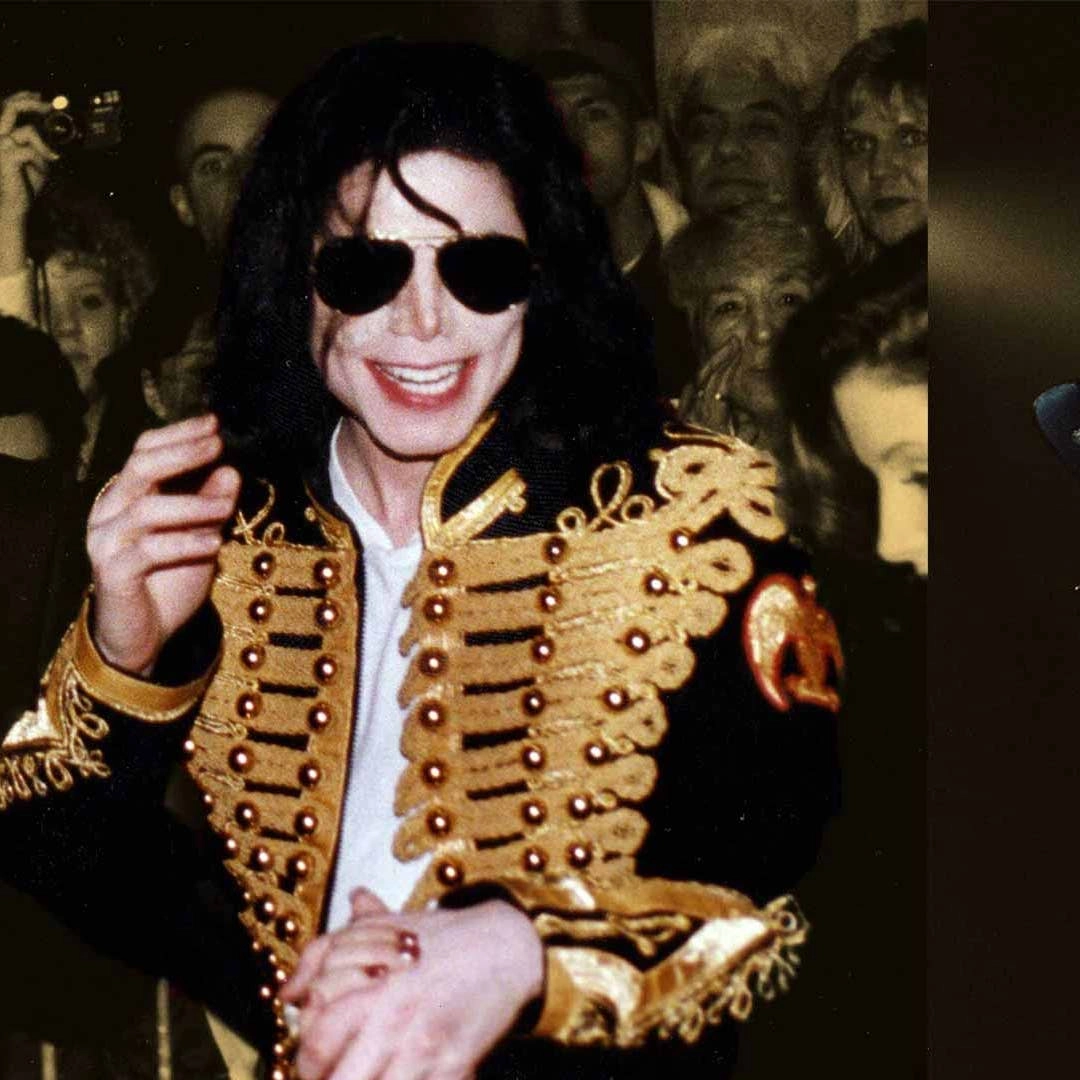
During the Bad and Dangerous eras, Michael wore sharply tailored jackets that projected command on stadium stages. The garments featured structured shoulders, metallic hardware, royal-style medals, and signature asymmetric details such as single armbands.
Behind the scenes, the jackets were engineered for movement. Costume designer Michael Bush later explained that they contained hidden stretch panels and redesigned armholes so the pop star could perform demanding choreography while maintaining a military silhouette.
The 2000s
Indie sleaze made military jackets look messy again
By the mid-2000s, the Napoleon jacket moved away from Michael’s sleekness and returned to its thrift-store roots.
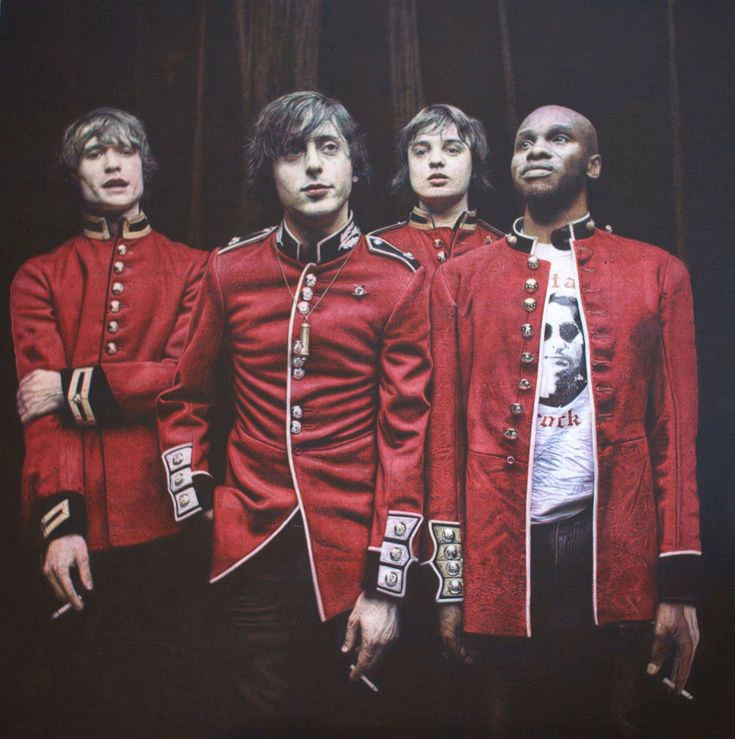
Pete Doherty of The Libertines became one of its most recognizable wearers. His vintage British Guards tunics were often wrinkled and unbuttoned, paired with skinny jeans and trilby hats. The look helped define the emerging indie sleaze aesthetic.
2006
My Chemical Romance turned it into an emo uniform
Few bands have reshaped the Napoleon jacket as completely as My Chemical Romance. For The Black Parade, frontman Gerard Way created uniforms for a fictional marching band that escorts the dead into the afterlife.
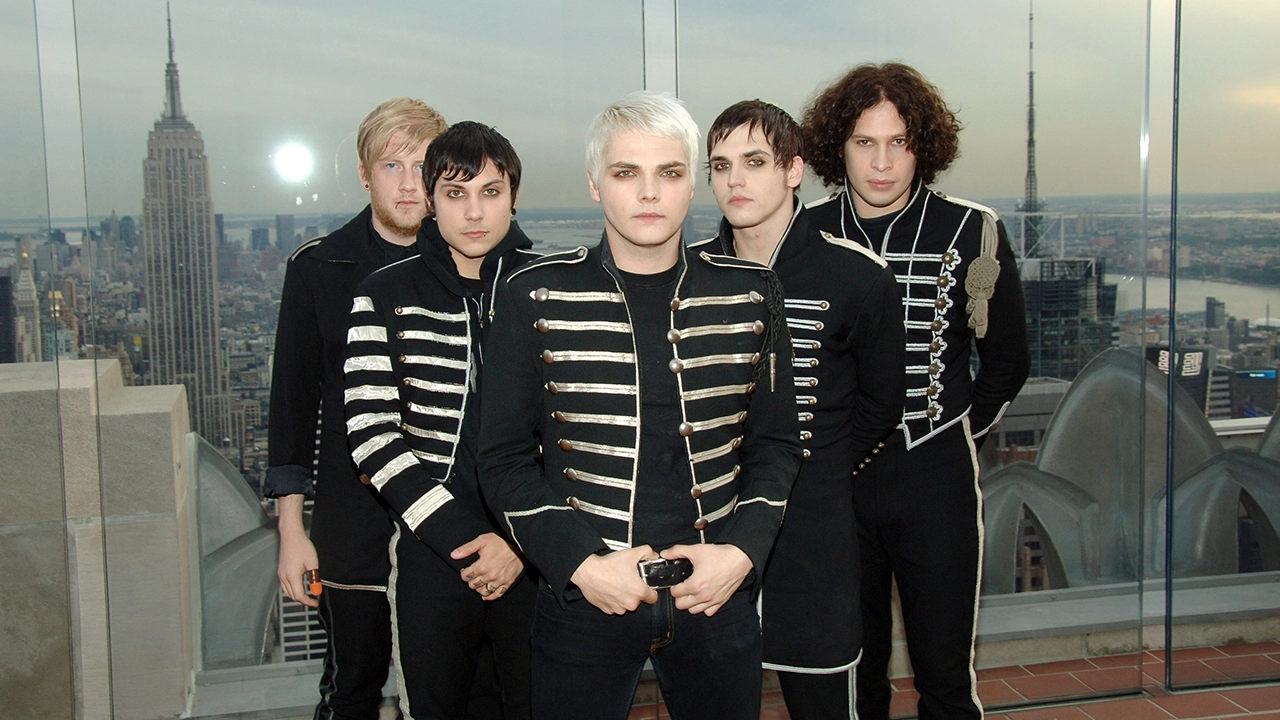
They stripped away the traditional gold braiding and royal colors associated with Hussar jackets. The new designs featured black fabric, white piping, monochrome frogging, and metallic zippers.
The jackets became instantly recognizable within emo culture and evolved into a symbol of teenage grief.
2009 to present
The runway era
Fashion has repeatedly returned to the Napoleon jacket as a way to explore authority and style. Alexander McQueen frequently used Napoleonic tailoring to examine themes of British history and power, creating armor-like silhouettes.
In 2009, Balmain under Christophe Decarnin launched a major military-jacket revival with crystal-covered designs and exaggerated shoulders. The look quickly spread and the jacket became an it-item of the decade.
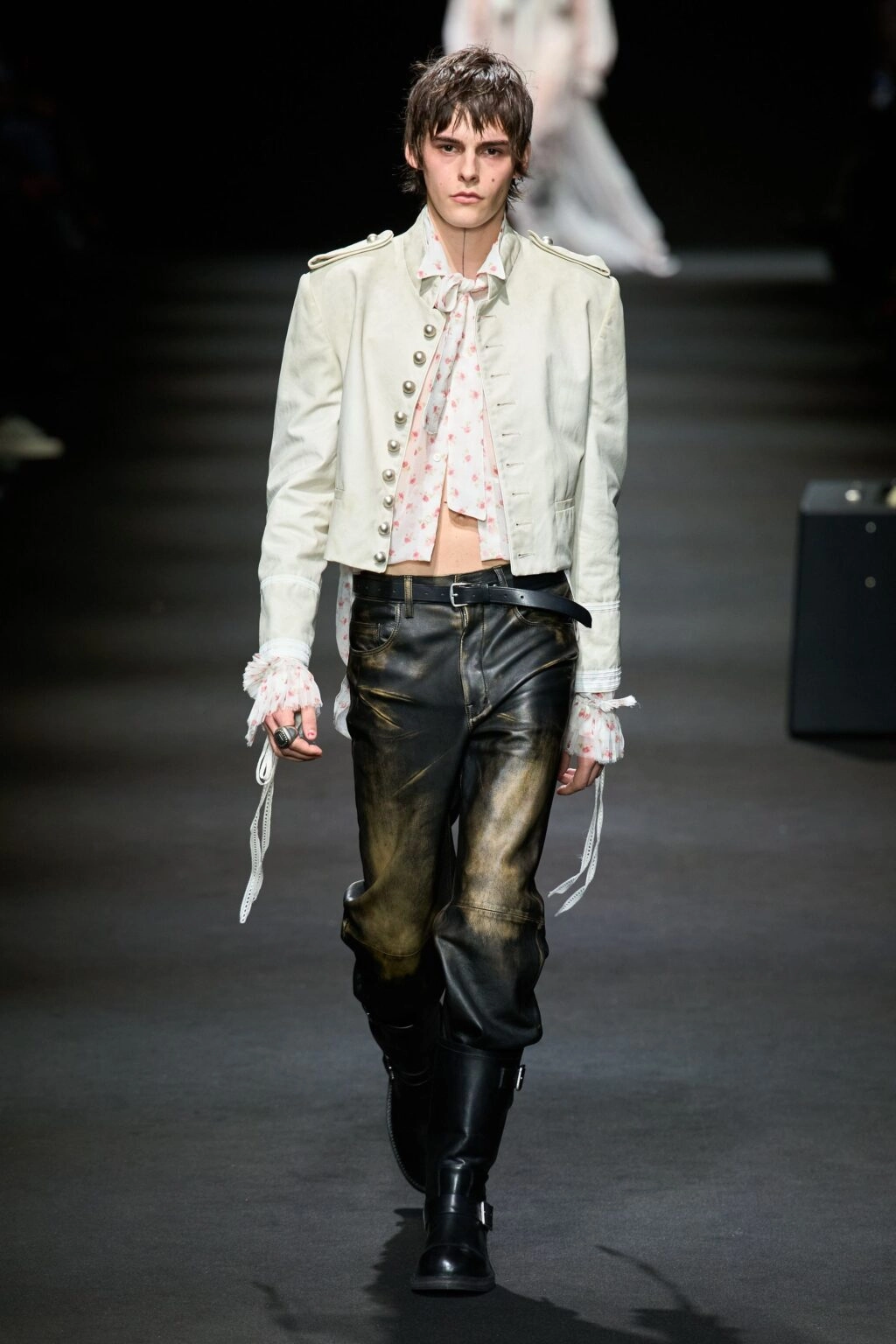
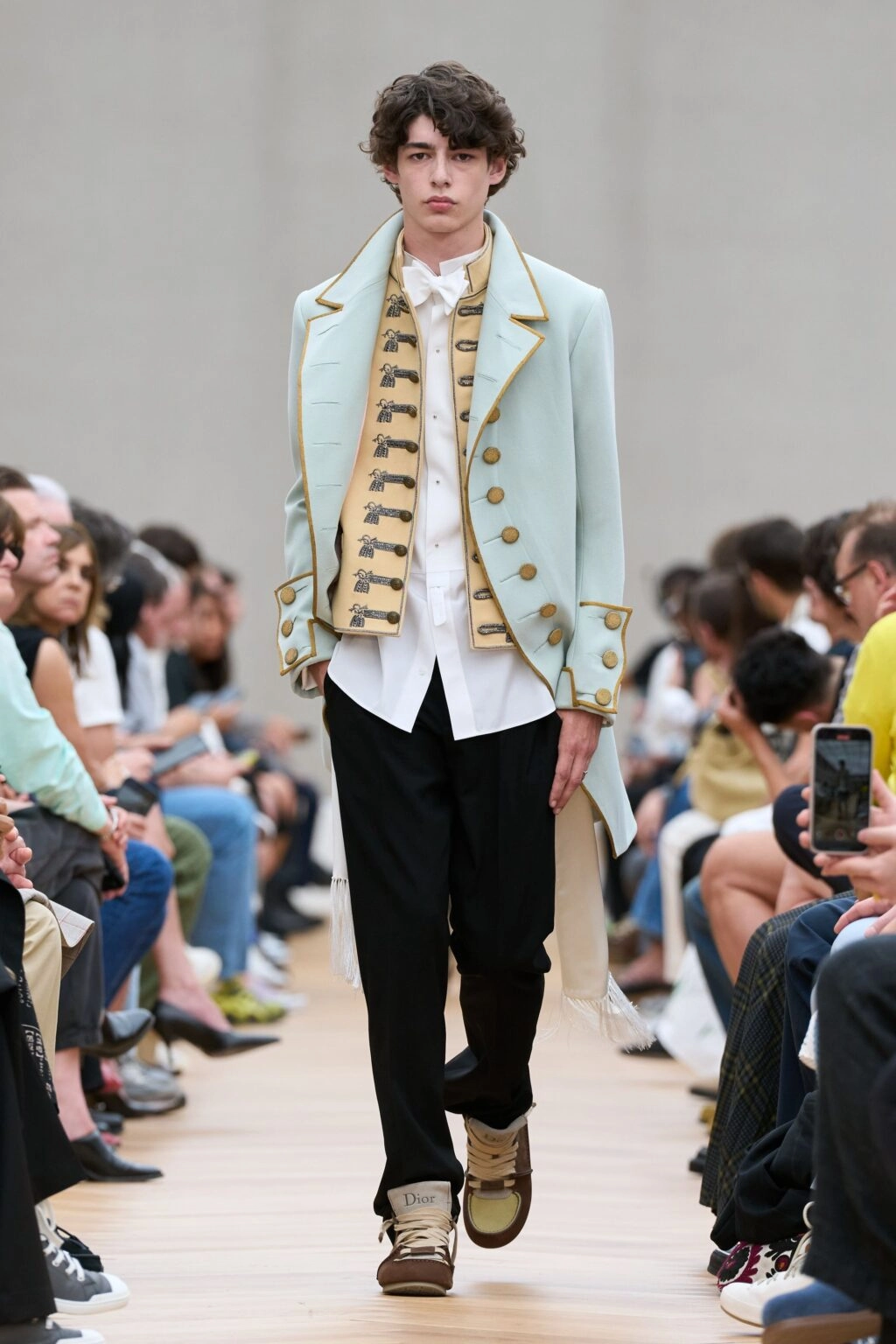
Hedi Slimane later absorbed the silhouette across his tenures at Dior Homme, Saint Laurent, and Celine, keeping the gold braiding and cropped structure while stripping away much of the historical bulk.
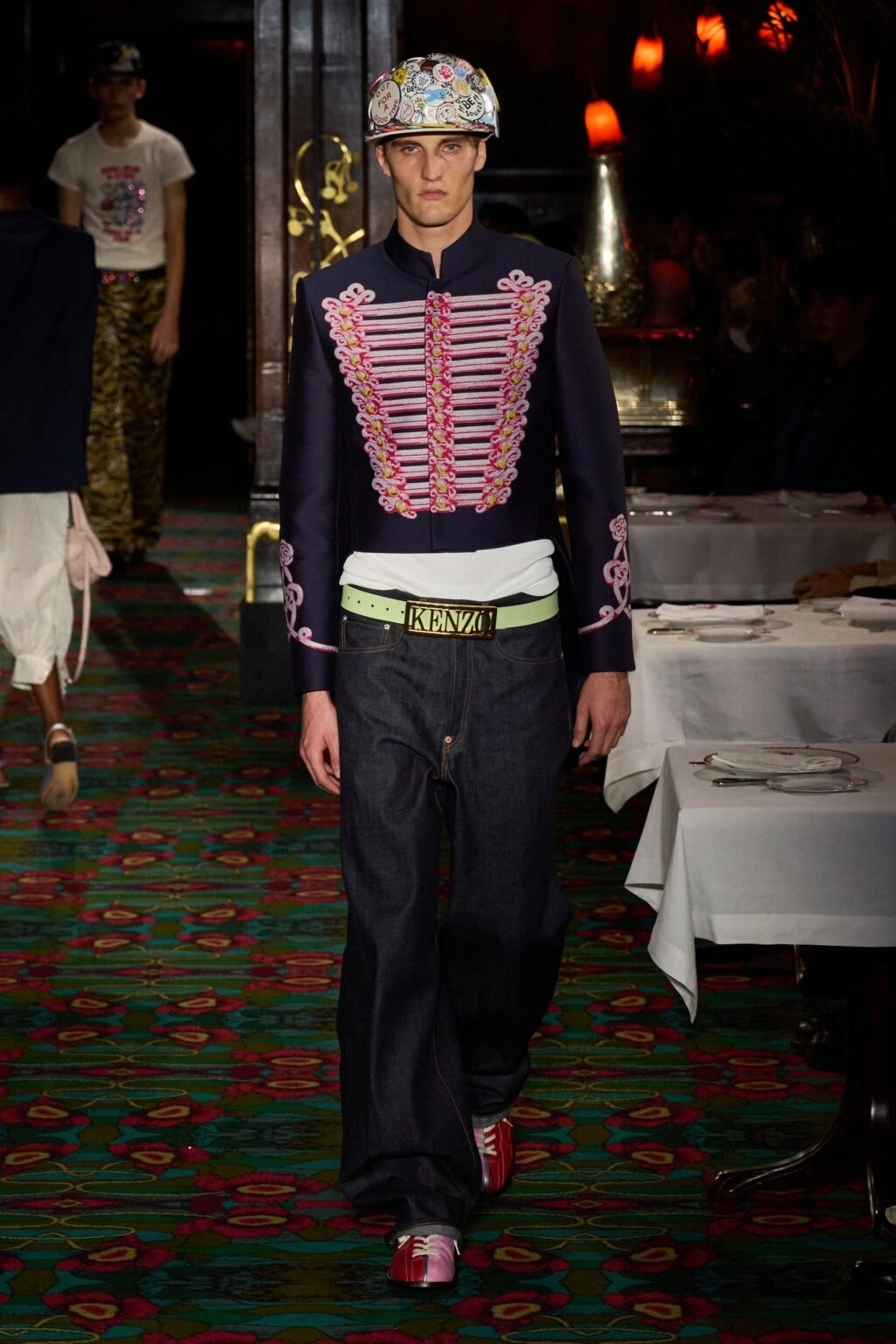
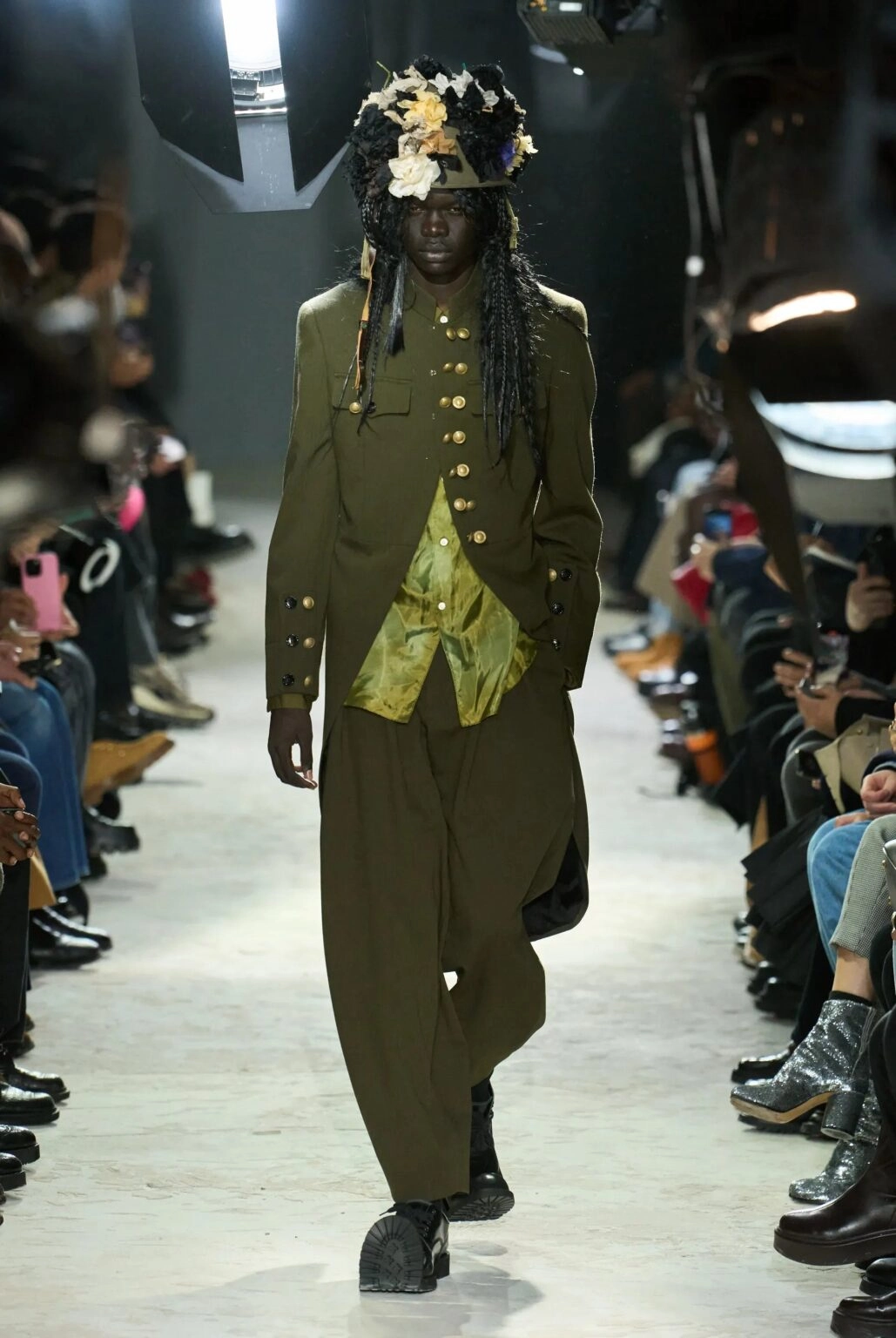
More recently, Jonathan Anderson’s debut menswear collection for Dior featured the jackets in question, which also took center stage at Ann Demeulemeester, Kenzo, and Comme des Garçons. It’s not going away anytime soon.
Why the jacket keeps coming back
The Napoleon jacket has survived because every generation finds a new use for it.
Rock musicians used it to challenge authority, Michael Jackson used it to build a pop empire, indie sleaze turned it into a symbol of beautiful disorder, emo culture transformed it into a uniform of collective emotion, and fashionFashionThe art and industry of designing, producing, and styling clothing, footwear, accessories, and beauty trends. It reflects cultural influences, personal expression, and evolving styles across seasons and markets.Go to Fashion Glossary designers continue to use it as shorthand for power and performance.
What began as military gear has become one of pop culture’s most adaptable garments. Centuries after its creation, the Napoleon jacket still does what it was designed to do: command attention.
Frequently Asked Questions
A Napoleon jacket, also known as a Hussar jacket, is a military-inspired garment that originated in 18th- and 19th-century European cavalry regiments. It is known for its structured silhouette, decorative braiding, and ornate detailing across the chest.
The Napoleon jacket is experiencing renewed popularity due to fashion’s growing interest in historical tailoring and statement dressing. Celebrities, brands, and social media have helped bring the dramatic silhouette back into the spotlight.
Several cultural icons helped popularize the jacket, including Jimi Hendrix, Mick Jagger, Michael Jackson, Pete Doherty, Kate Moss, and My Chemical Romance. Each brought a different interpretation that expanded the jacket’s cultural significance.
For The Black Parade era in 2006, My Chemical Romance worked with costume designer Colleen Atwood to create black military-inspired uniforms based on the Hussar jacket. The designs became iconic within emo culture and remain closely associated with the band’s visual identity.
Designers such as Alexander McQueen, Christophe Decarnin at Balmain, and Hedi Slimane have all incorporated Napoleon-inspired tailoring into their collections. Their interpretations helped establish the jacket as a recurring symbol of rock-and-roll style in modern fashion.
Recommended Video