The Hottest Brand in Fashion Right Now Doesn’t Even Make Menswear
Chanel has become fashion’s most in-demand brand again under Matthieu Blazy, even as it continues to operate without a dedicated menswear line




Back at the top
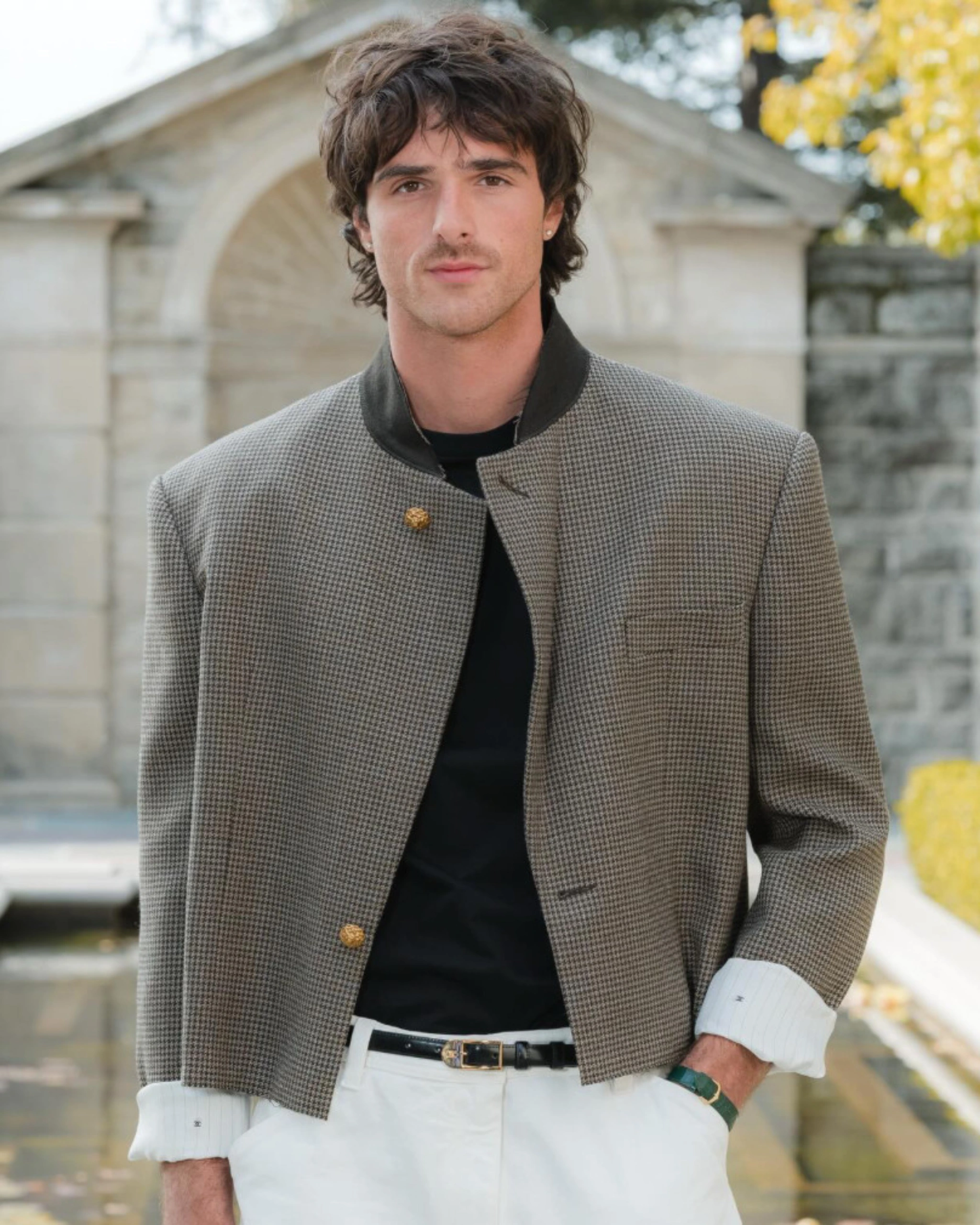
Chanel has returned to the top of the Lyst Index, reaffirming its position as the most in-demand fashionFashionThe art and industry of designing, producing, and styling clothing, footwear, accessories, and beauty trends. It reflects cultural influences, personal expression, and evolving styles across seasons and markets.Go to Fashion Glossary brand at a moment of industry-wide transition.
The ranking follows months of renewed momentum under creative director Matthieu Blazy, whose debut collections have reshaped the house’s aesthetic while preserving its core identity.
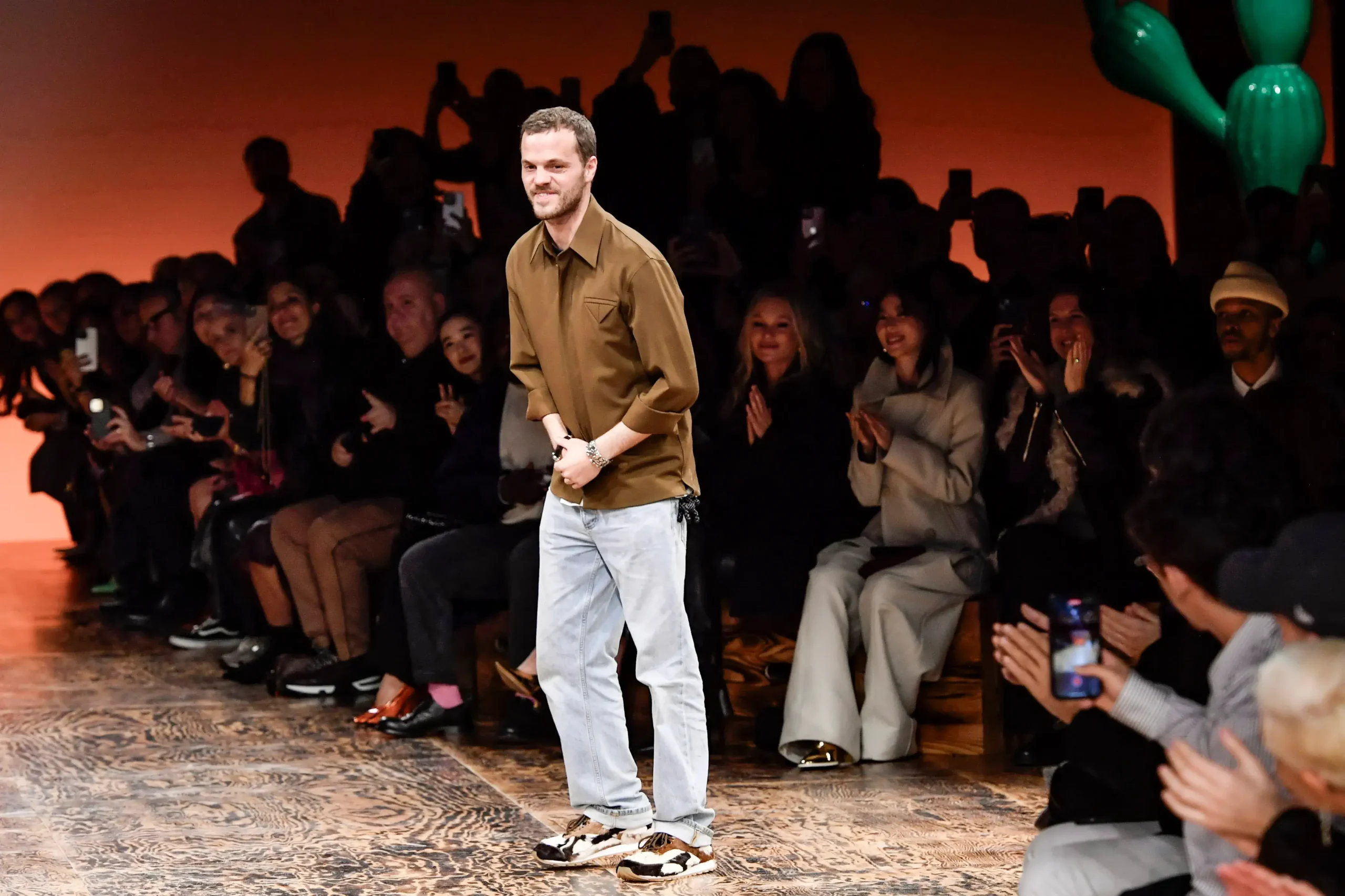
The resurgence has been both visible and measurable. Since October, Chanel has dominated online conversations and driven strong retail performance, with key products selling out and generating waiting lists.
READ ALSO: Is It Finally Time for a Chanel Menswear Line?
The Biarritz statement
The latest milestone came in Biarritz, where Chanel staged Blazy’s Cruise show for roughly 900 guests. The presentation reinforced a direction defined by softer silhouettes, layered fabrics, and a broader interpretation of the brand’s heritage codes. Tweed remains central, but it is no longer the sole focus.
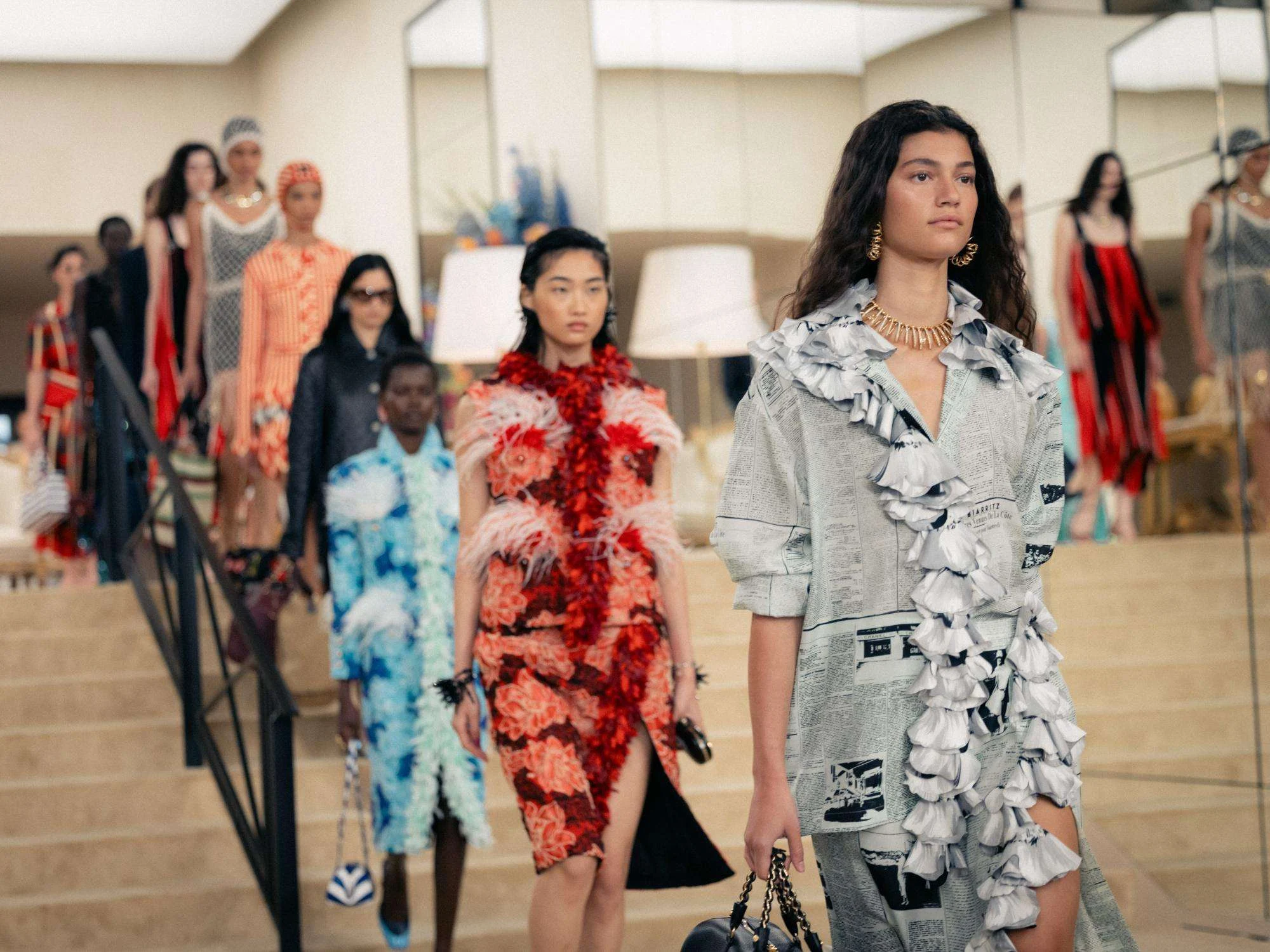
“We’ve been working hard to be back to Chanel mania,” said Bruno Pavlovsky, president of Chanel’s fashionFashionThe art and industry of designing, producing, and styling clothing, footwear, accessories, and beauty trends. It reflects cultural influences, personal expression, and evolving styles across seasons and markets.Go to Fashion Glossary division. He described the current phase as a continuation and emphasized that Blazy’s work represents the next step in the brand’s evolution.
The turnaround follows a challenging period for Chanel and its peers. As post-pandemic demand slowed, customers grew more cautious, particularly in response to steep price increases. Like several major fashionFashionThe art and industry of designing, producing, and styling clothing, footwear, accessories, and beauty trends. It reflects cultural influences, personal expression, and evolving styles across seasons and markets.Go to Fashion Glossary houses, Chanel responded by appointing new creative leadership to reignite interest and stabilize growth.
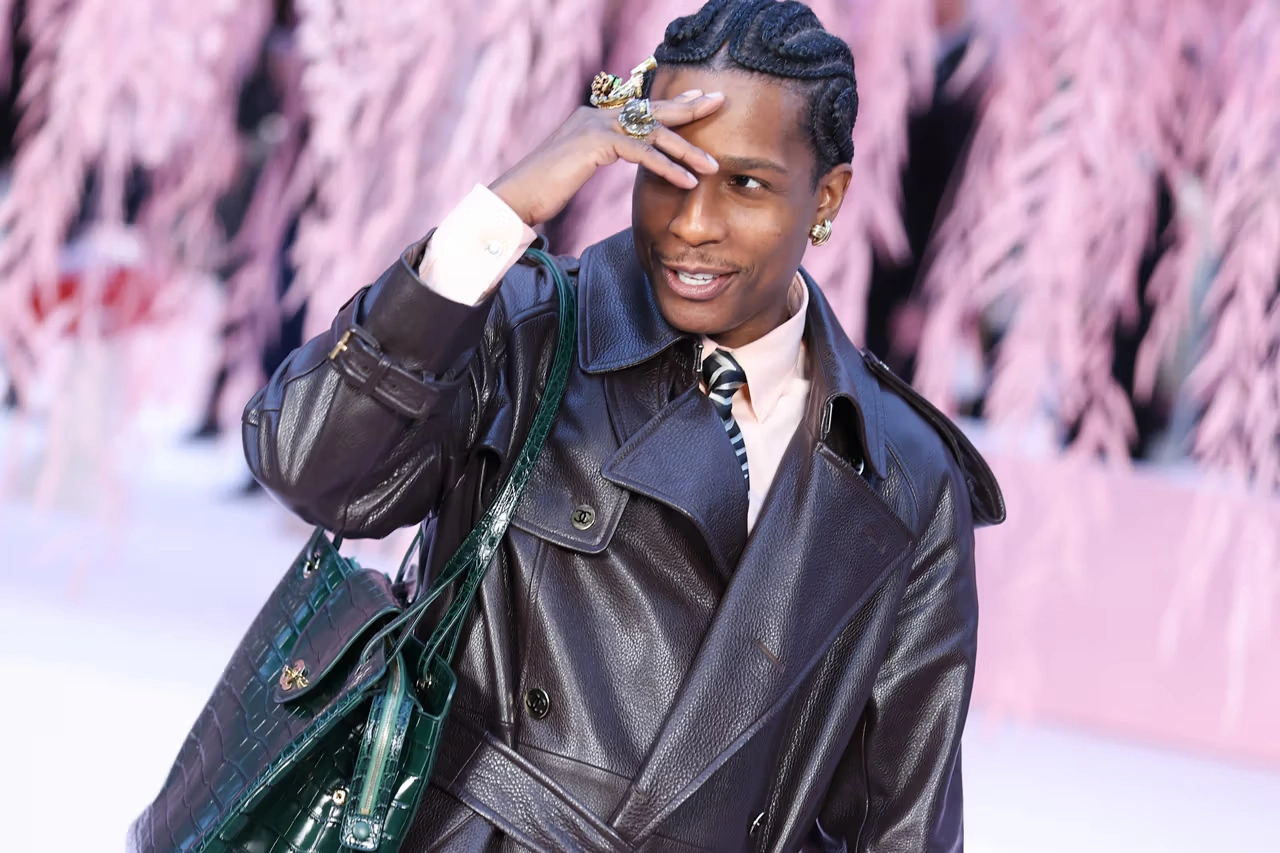
Blazy’s first runway collection introduced a more fluid approach that resonated with industry insiders and digital audiences. Initial reactions among loyal clients were mixed, with some expressing uncertainty about the direction and others questioning pricing. Over time, however, subsequent collections and retail strategies helped broaden acceptance.
Despite the current momentum, Chanel is taking a measured approach to growth. The company is targeting single-digit sales increases, slightly above inflation, in an effort to ensure long-term stability and avoid overexposure.
The menswear question
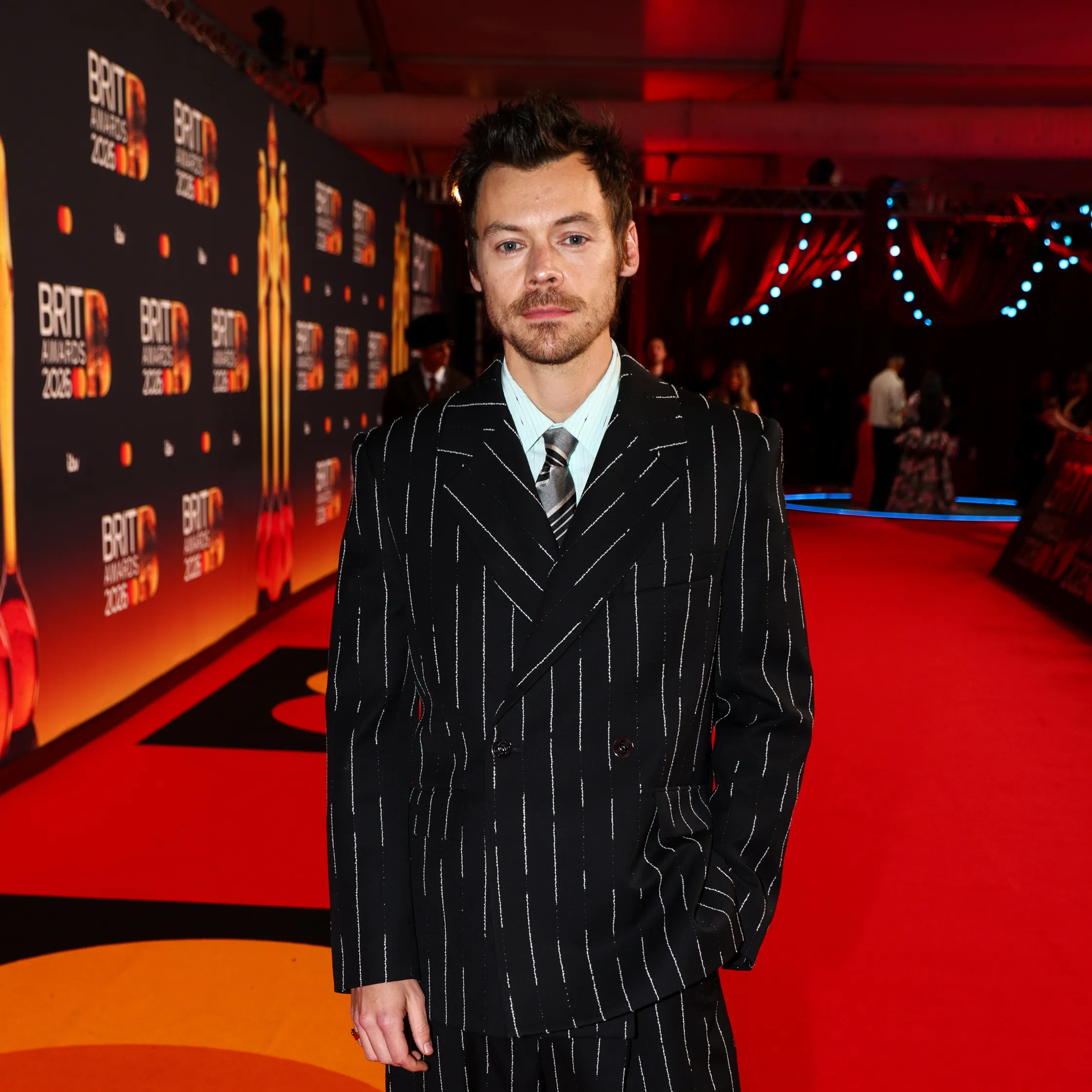
The brand’s renewed prominence also highlights a notable gap in its business model. Chanel remains one of the few major luxury houses without a dedicated menswear line.
While the brand has historically introduced men’s pieces on a limited basis and maintains a strong presence in fragrances and accessories, it has never established a formal menswear category.
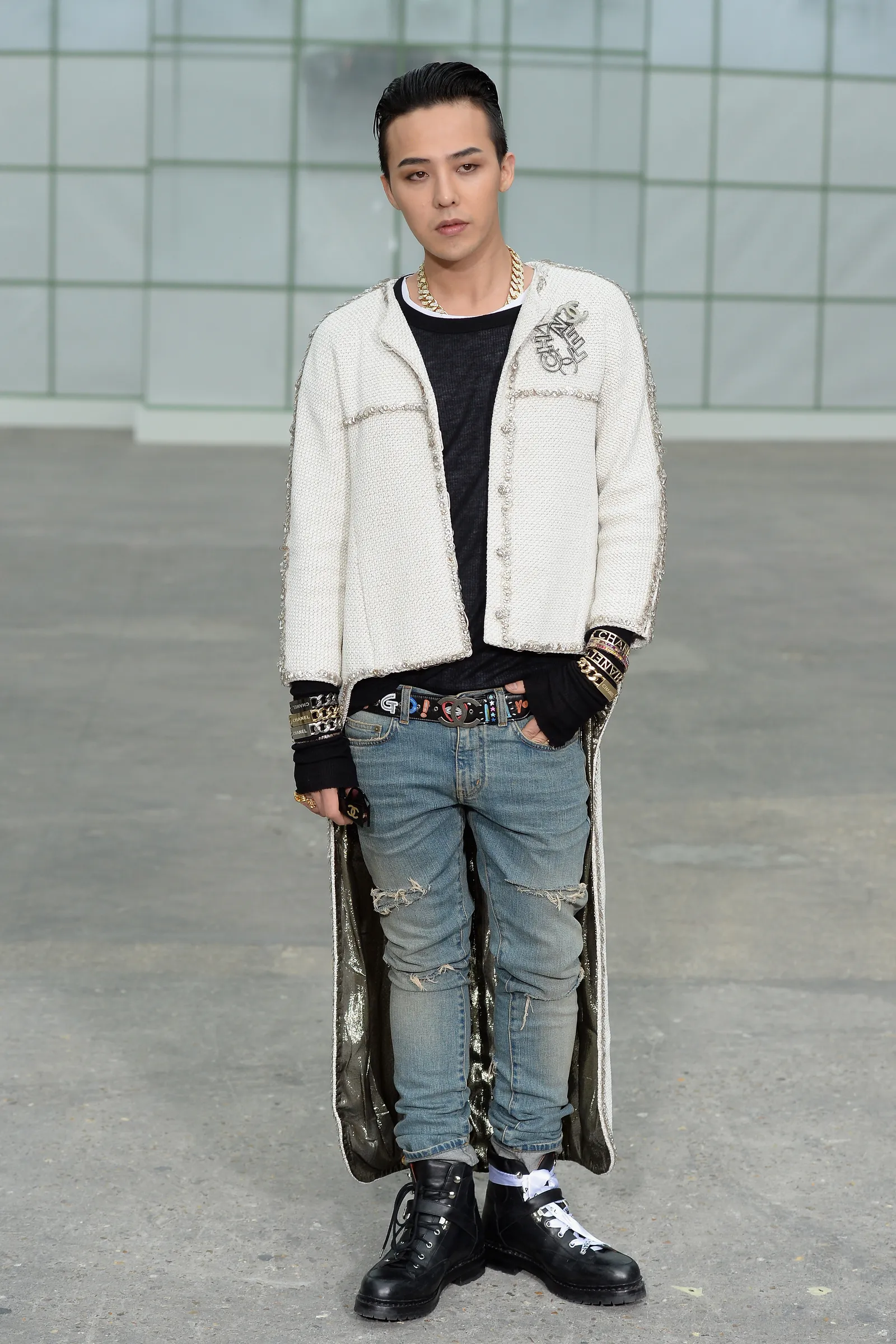
In practice, Chanel’s influence extends beyond this absence. Male consumers continue to engage with the brand through accessories and selected ready-to-wear pieces, often interpreting collections across gender lines. Still, the lack of a structured menswear offering stands in contrast to competitors that have invested heavily in the segment.
Holding the line
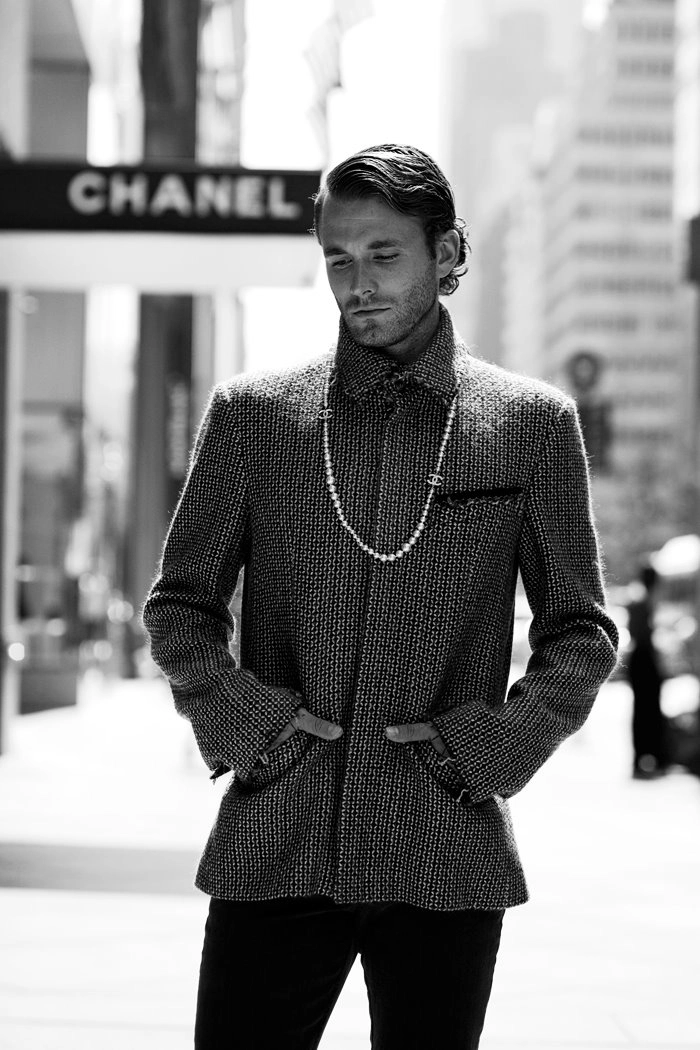
For now, Chanel’s strategy appears effective. Its ability to generate demand without expanding into every category has reinforced its exclusivity while sustaining broad cultural relevance.
As the luxury sector recalibrates, Chanel’s performance suggests that careful evolution, rather than rapid expansion, may define the next phase of growth.
Frequently Asked Questions
Chanel is currently the top fashion brand on the Lyst Index. The luxury house reclaimed its peak ranking following massive digital momentum and strong global retail sales.
Matthieu Blazy is the current creative director of Chanel. His debut collections have successfully modernized the fashion house’s heritage codes while driving renewed consumer demand and waitlists.
No, Chanel does not have a formal menswear collection. The luxury house remains focused on womenswear, accessories, and fragrances, resisting the industry trend of rapid category expansion.
Yes, male consumers frequently purchase and wear Chanel accessories and selected ready-to-wear pieces. Many shoppers regularly interpret the brand’s traditional womenswear collections across fluid gender lines.
Chanel’s business strategy prioritizes measured, single-digit sales growth slightly above inflation. This cautious approach ensures long-term brand exclusivity and protects the luxury house from market overexposure.
Recommended Video