The 7 Most Influential Wardrobes in Television History
From corporate power suits to rugged heritage wear, these iconic shows have fundamentally redefined global fashion trends through the lens of television




- The rise of the “quiet luxury” movement was heavily popularized by a focus on logo-free, high-end fabrics and neutral tones.
- A massive revitalization of mid-century tailored aesthetics brought 1960s pencil skirts and slim-fit suits back to the mainstream.
- Gen-Z beauty and streetwear underwent a global shift toward bold colors, rhinestone makeup, and expressive visual storytelling.
- High-stakes professional wardrobes were elevated into a symbol of ambition and legal dominance through impeccable tailoring.
- Timeless, romantic silhouettes and soft, tactile textures were utilized as a primary tool for intimate storytelling.
The power of small screen wardrobes
Television has transcended mere entertainment to become a primary driver of global fashionFashionThe art and industry of designing, producing, and styling clothing, footwear, accessories, and beauty trends. It reflects cultural influences, personal expression, and evolving styles across seasons and markets.Go to Fashion Glossary trends. Streaming platforms allow beautifully curated wardrobes to enter millions of homes instantly, turning fictional characters into overnight style icons.
This shift has created a unique loop where costume designers wield massive market influence. When a series pairs compelling storytelling with a distinct visual identity, viewers eagerly look to replicate that lifestyle through retail purchases.
Ultimately, the most stylish series understand that a character’s wardrobe is a vital tool for storytelling rather than just clothing. Several specific shows have mastered this art, permanently transforming how the world dresses.
1. Succession
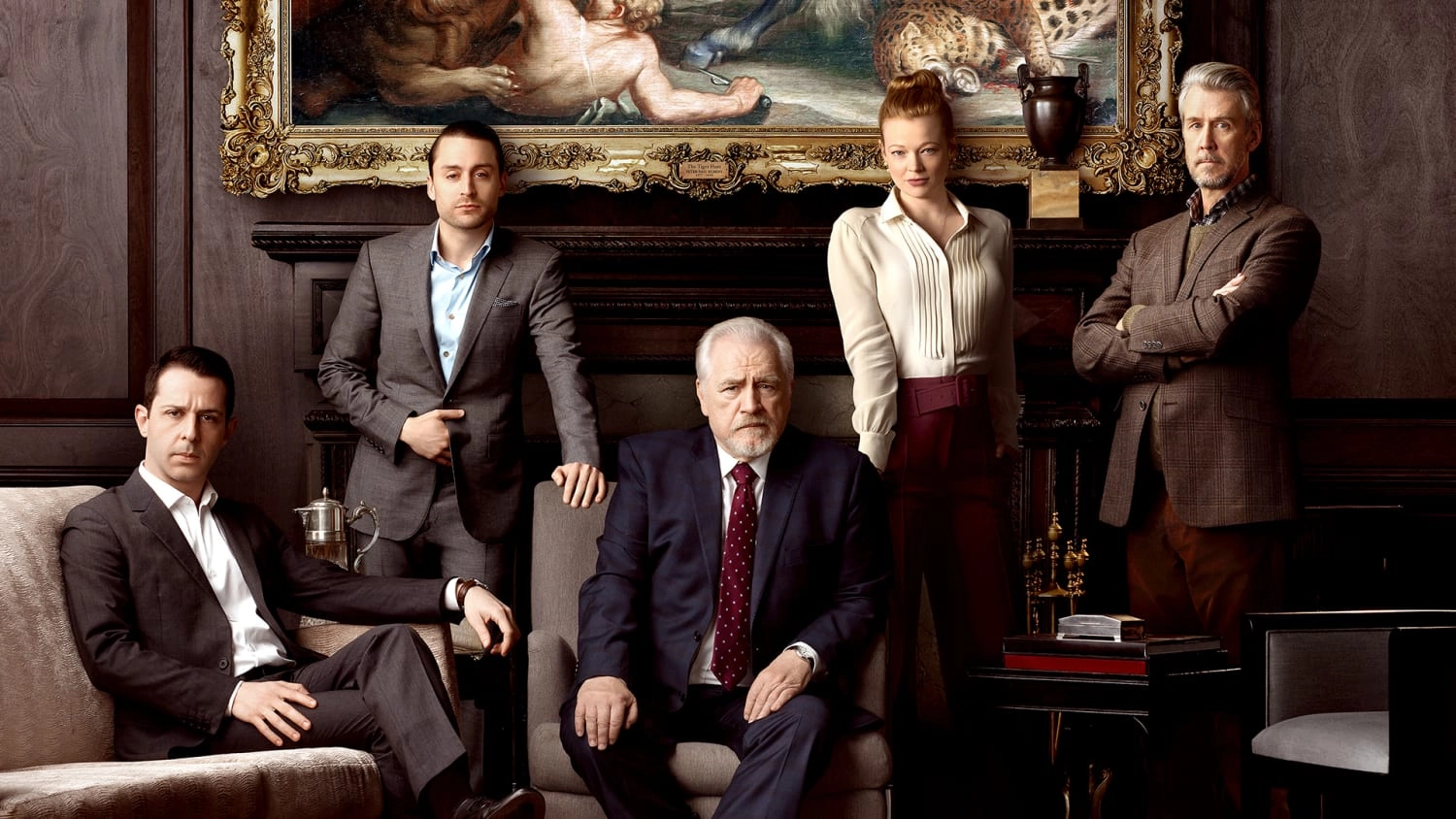
In Succession, logo-free clothing is used as a silent weapon to signify extreme wealth and corporate power. The television series became the ultimate blueprint for “quiet luxuryQuiet LuxuryA style philosophy centered on understated, high-quality clothing with no visible logos, emphasizing fine fabrics, impeccable tailoring, and subtle detail. In menswear, quiet luxury values craftsmanship over display, and itGo to Quiet Luxury Glossary” by dominating screen time with neutral-toned blazers and premium cashmere baseball caps.
2. Mad Men
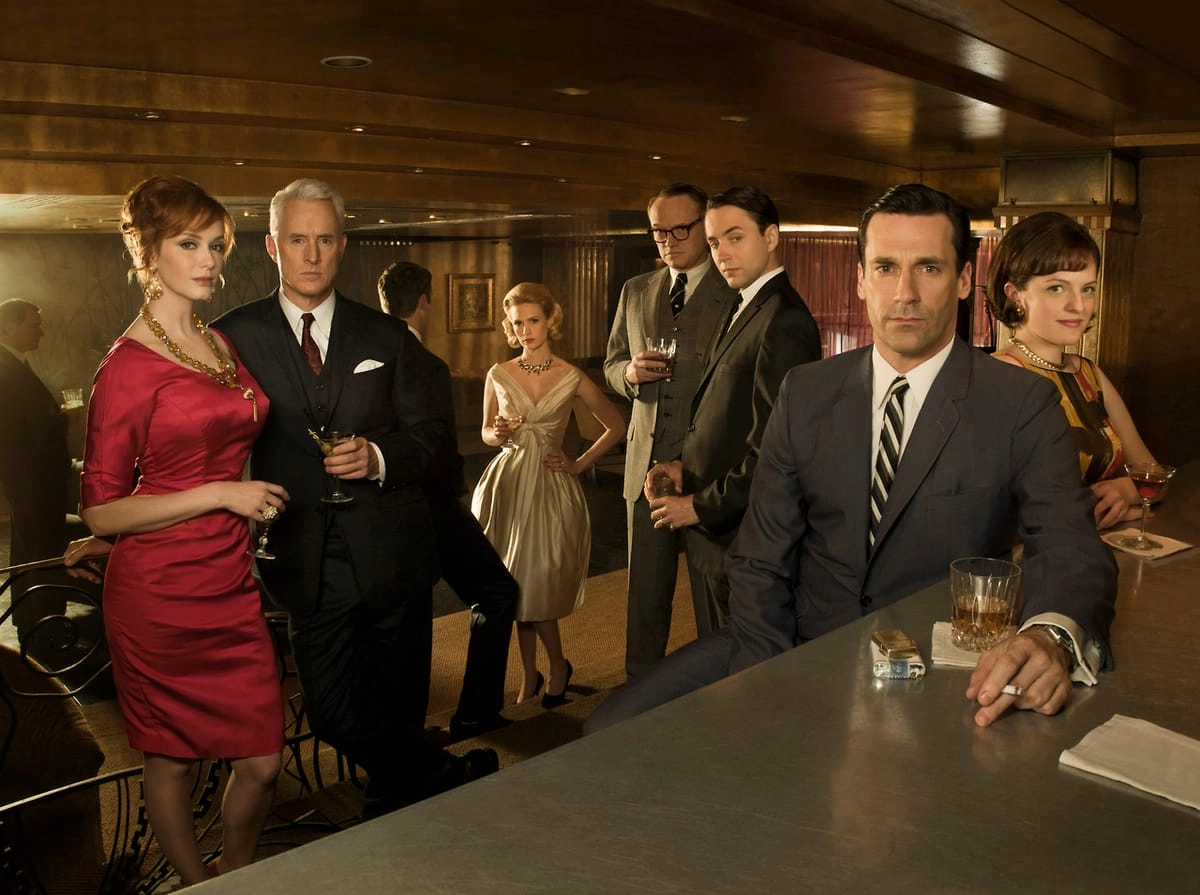
Mad Men launched a massive mid-century design revival by showcasing the sophisticated, sharp aesthetics of 1960s advertising. Through perfectly tailored slim suits and structured dresses, the show proved that immaculate attention to detail never goes out of style.
3. Euphoria
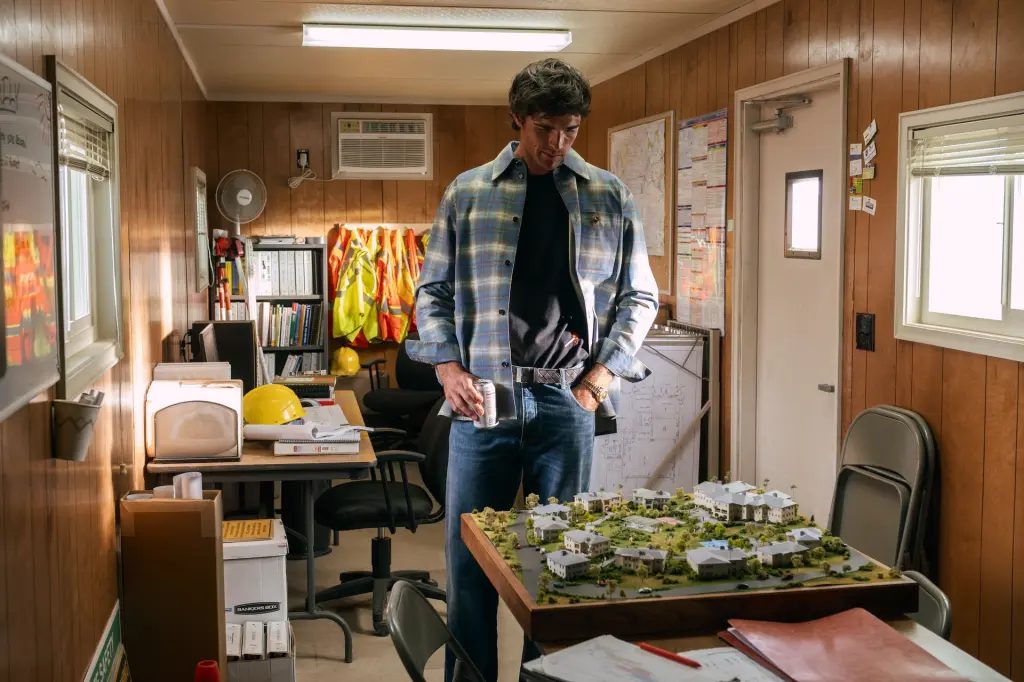
Euphoria completely redefined Gen-Z streetwearStreetwearCasual fashion rooted in skate, hip-hop, and urban youth culture, characterized by graphic tees, hoodies, sneakers, and limited-edition releases. Streetwear has grown into a major global influence on luxury menswear,Go to Streetwear Glossary and beauty trends by rejecting traditional style rules. Its dreamlike pairing of rhinestone makeup, neon eyeliner, and eclectic vintage layering transformed fashion into a raw canvas for emotional expression.
4. Suits
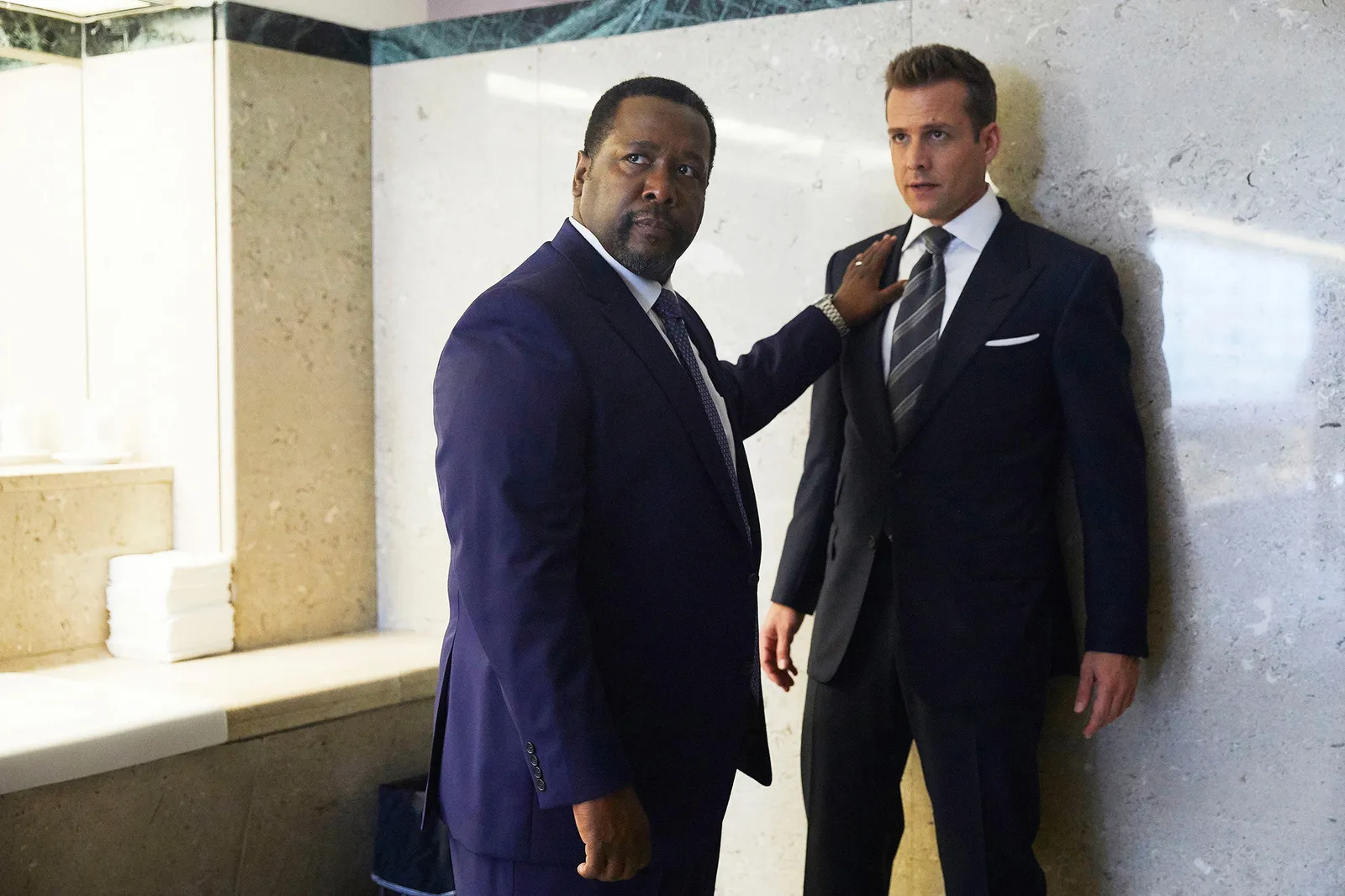
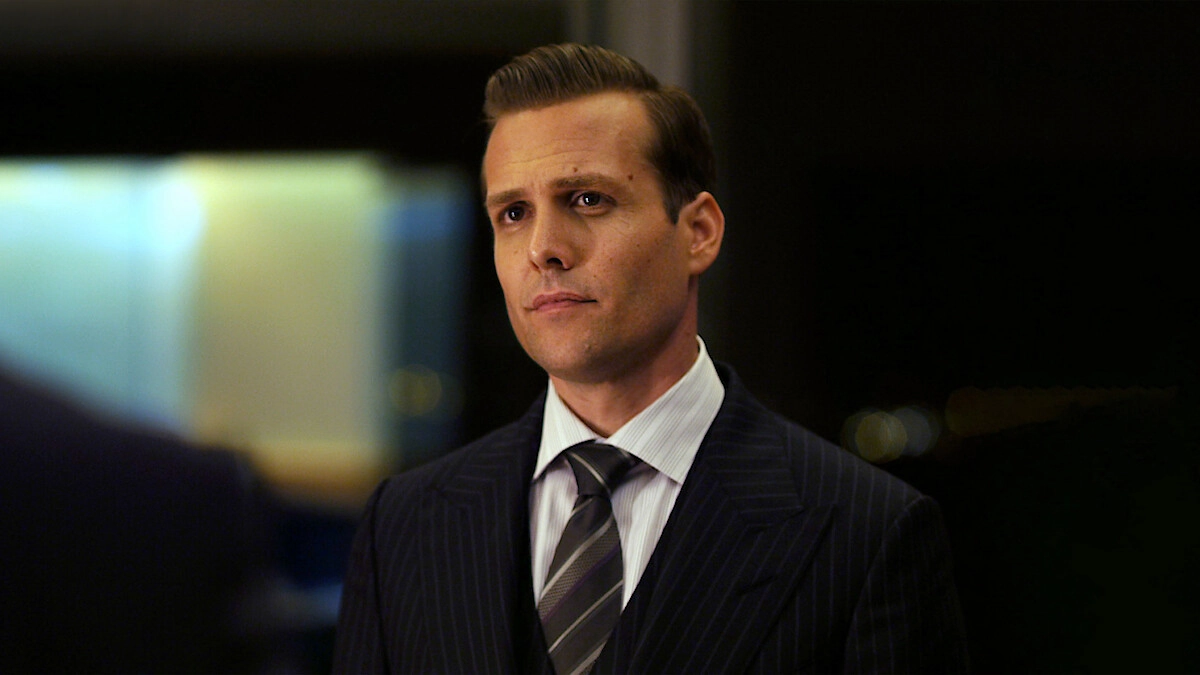
Suits turned corporate legal wardrobes into a high-stakes runway of impeccable modern tailoring. Every razor-sharp ensemble shown on television serves as a masterclass in fit, fabric, and authority, reinforcing the idea that sharp clothing functions as professional armor.
5. Love Story
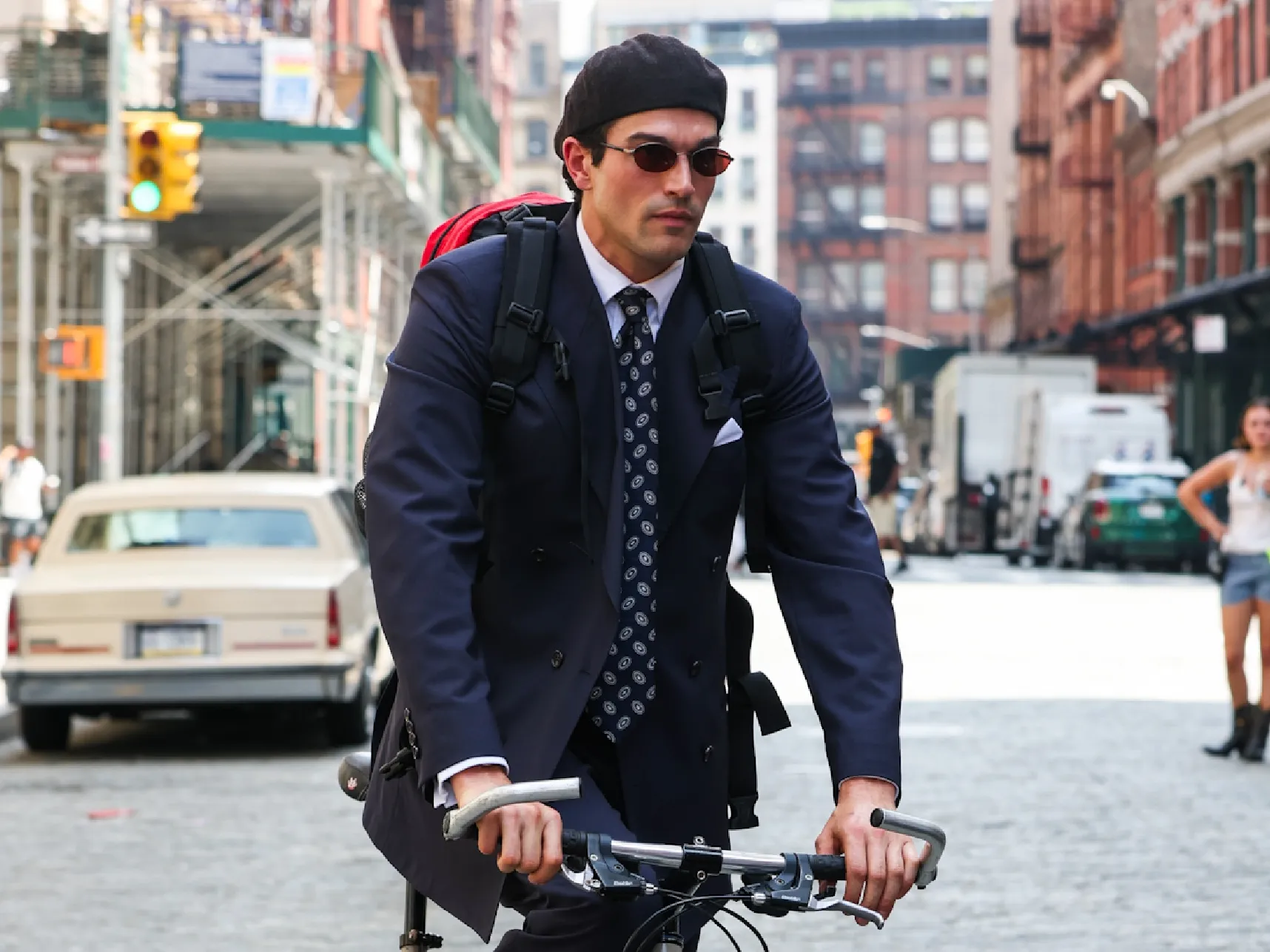
The series Love Story relies on soft textures and classic silhouettes to weave a nostalgic visual narrative of romance. By focusing on timeless, tactile garments, the show uses fashion to heighten emotional intimacy between the characters.
6. Peaky Blinders
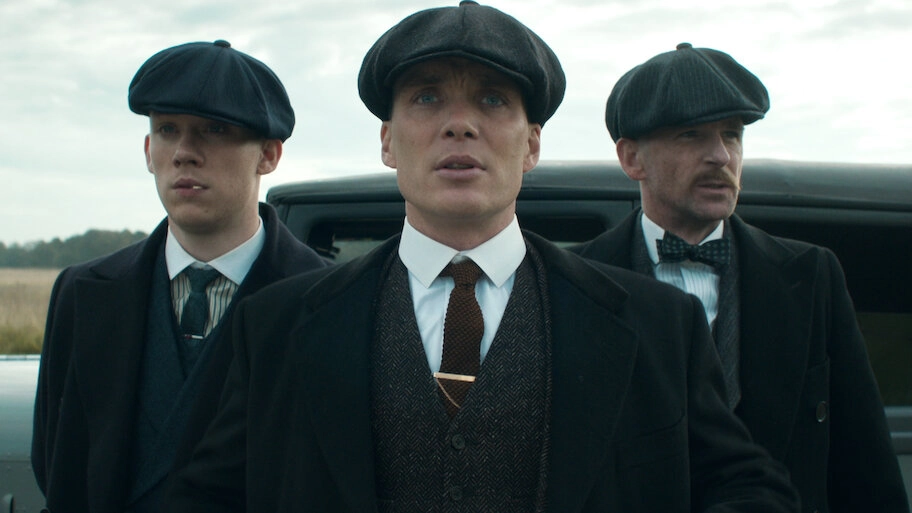
Peaky Blinders single-handedly revived a global obsession with early 20th-century British heritage wear. The television show’s signature look—heavy wool overcoats, textured three-piece tweedTweedA rough, woolen fabric with a woven texture, originating in Scotland and traditionally used for hunting and countryside clothing. Durable and warm, tweed appears in jackets, caps, and suits, andGo to Tweed Glossary suits, detachable collar shirts, and newsboy flat caps—brought a rugged, historical masculinity back into modern menswear.
7. The Sopranos
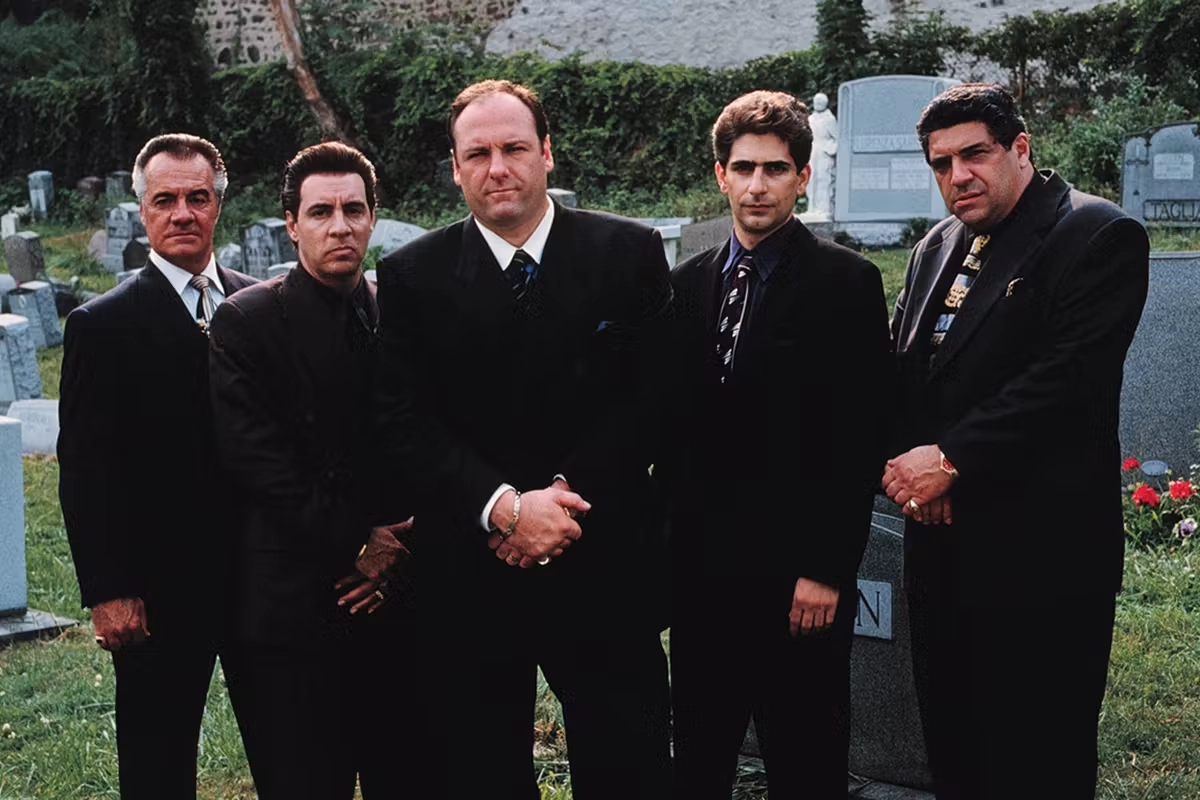
The Sopranos turned suburban mob style into a streetwear staple. Its blend of patterned track jackets, gold chains, knit polos, and oversized leather jackets created a distinct Italian-American aesthetic that still inspires modern capsule collections.
Frequently Asked Questions
It refers to high-end, logo-free fashion emphasizing quality craftsmanship and understated wealth; Succession famously brought this aesthetic into modern pop culture.
The show’s massive popularity led to high-profile capsule collections with major high-street retailers like Banana Republic to directly replicate its sharp 1960s silhouettes.
Yes, the show’s signature use of heavy facial glitter and bold neon makeup directly triggered massive global runway and social media beauty trends.
It popularized the disconnected undercut hairstyle worldwide and sparked a massive commercial resurgence in heritage garments like flat caps and heavy tweed waistcoats
It serves as the ultimate foundation for the popular “mob chic” and retro leisurewear trends, making silk shirts, athletic track jackets, and gold jewelry staples in contemporary street style.
Recommended Video