On Representation and Reality with Shaminder Singh Biring
The South Asian model walking for more than himself




Seen first, understood later
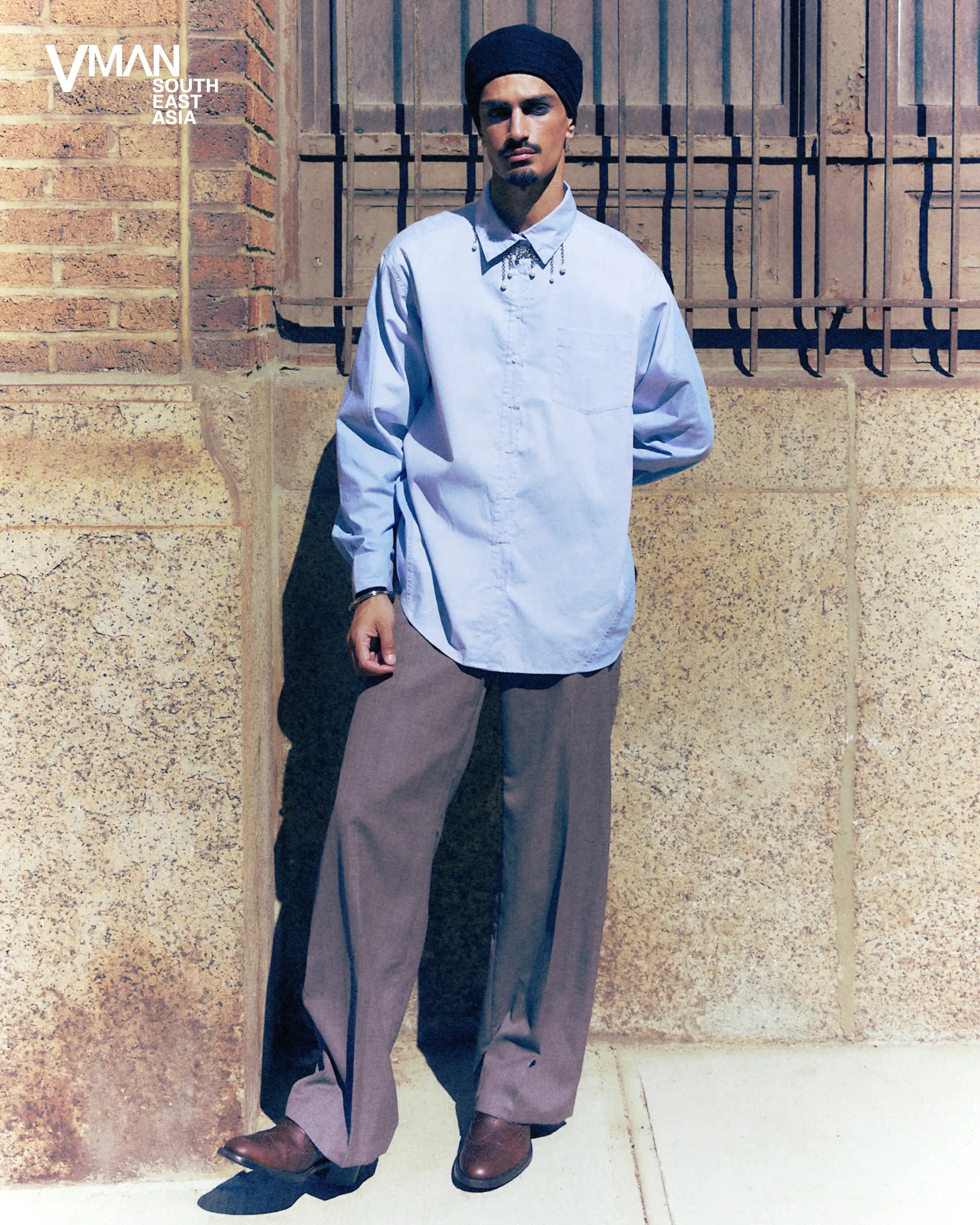
Shaminder Singh Biring may be familiar to fashionFashionThe art and industry of designing, producing, and styling clothing, footwear, accessories, and beauty trends. It reflects cultural influences, personal expression, and evolving styles across seasons and markets.Go to Fashion Glossary audiences from the Hermès runway or luxury campaigns where his turban and calm presence stand out.
He is not just a model but a statement that visibility and identity are inseparable. His work suggests that breaking molds often begins with simply being seen.
A way out and a way in
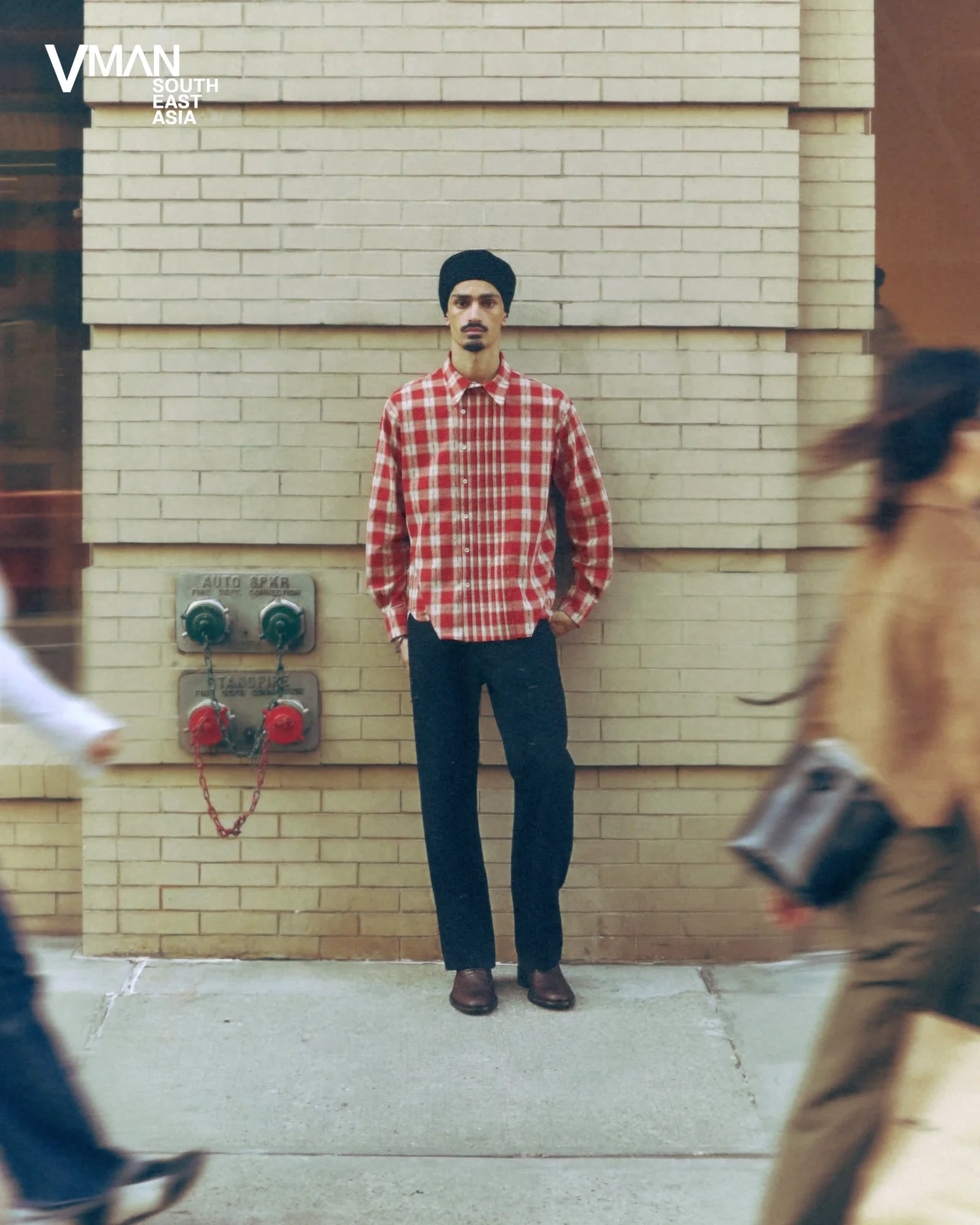
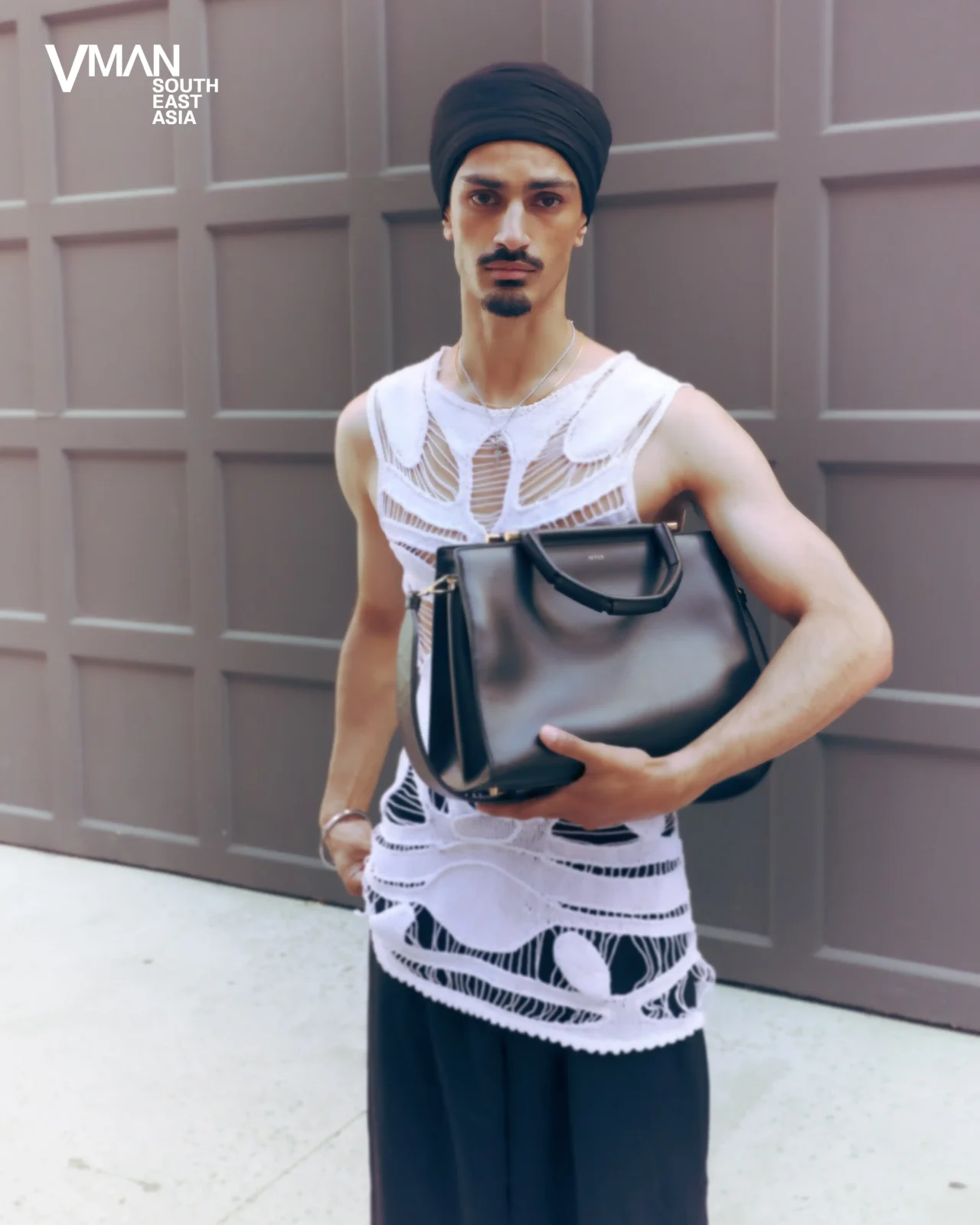
Shaminder did not begin modeling to make a statement. He began to survive. He recalls a period when depression and alcohol had him in their grip. “I started modeling as a distraction. At first, it wasn’t about confidence or how I saw myself. It was just about having somewhere to put my energy.”
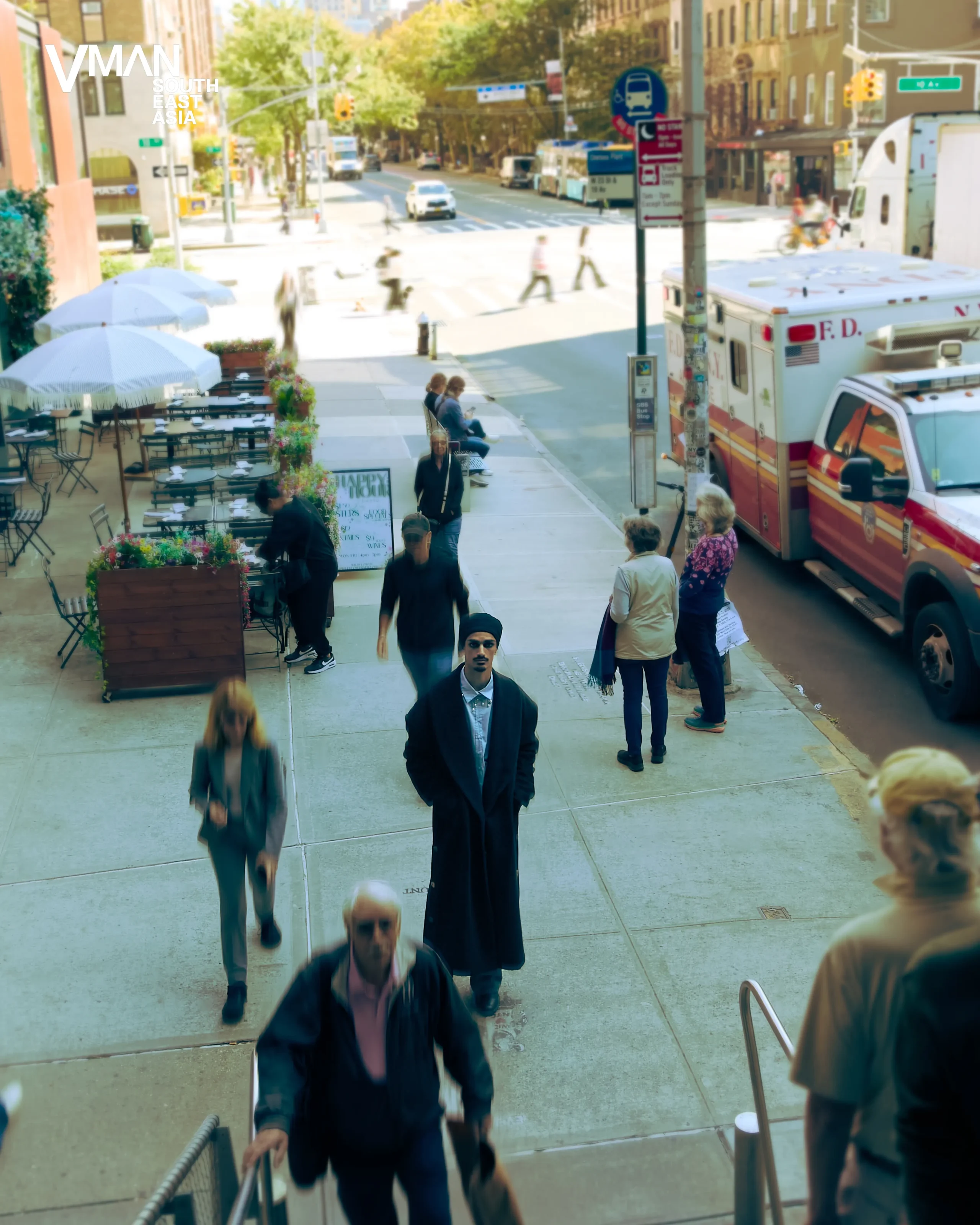
Being photographed slowly changed his relationship with himself. He became more aware of his body and movement and started to feel more comfortable in his own skin. “It didn’t fix everything, but it helped me build a kind of confidence I didn’t have before.”
Carrying identity in an unfamiliar space
Entering the fashion industry as a Punjabi man came with challenges. Male models of South Asian descent remain rare at the global level. He often felt invisible or out of place.
“It could feel isolating carrying an identity people didn’t really know how to place,” he says. Over time, what once felt like a limitation became his strength.
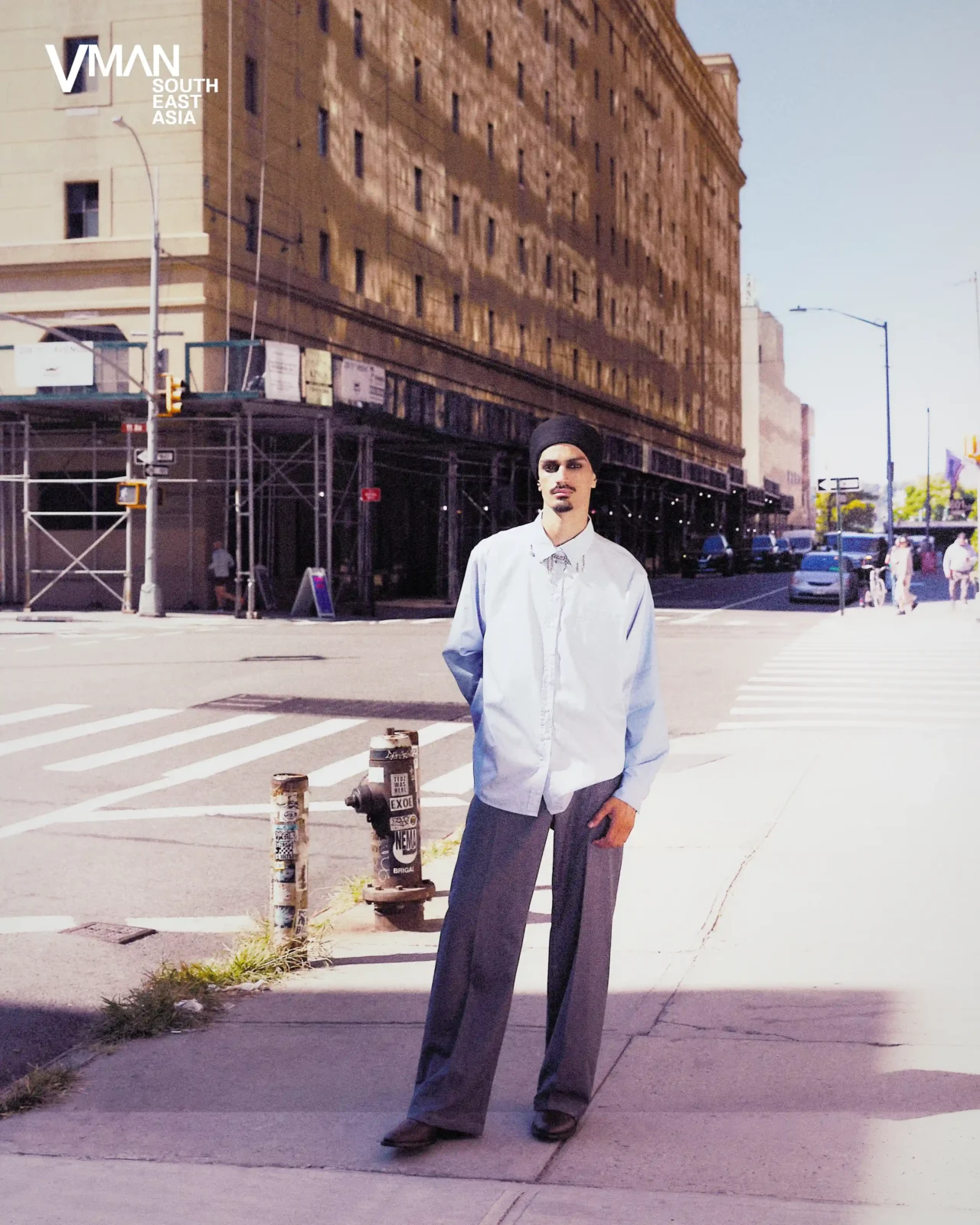
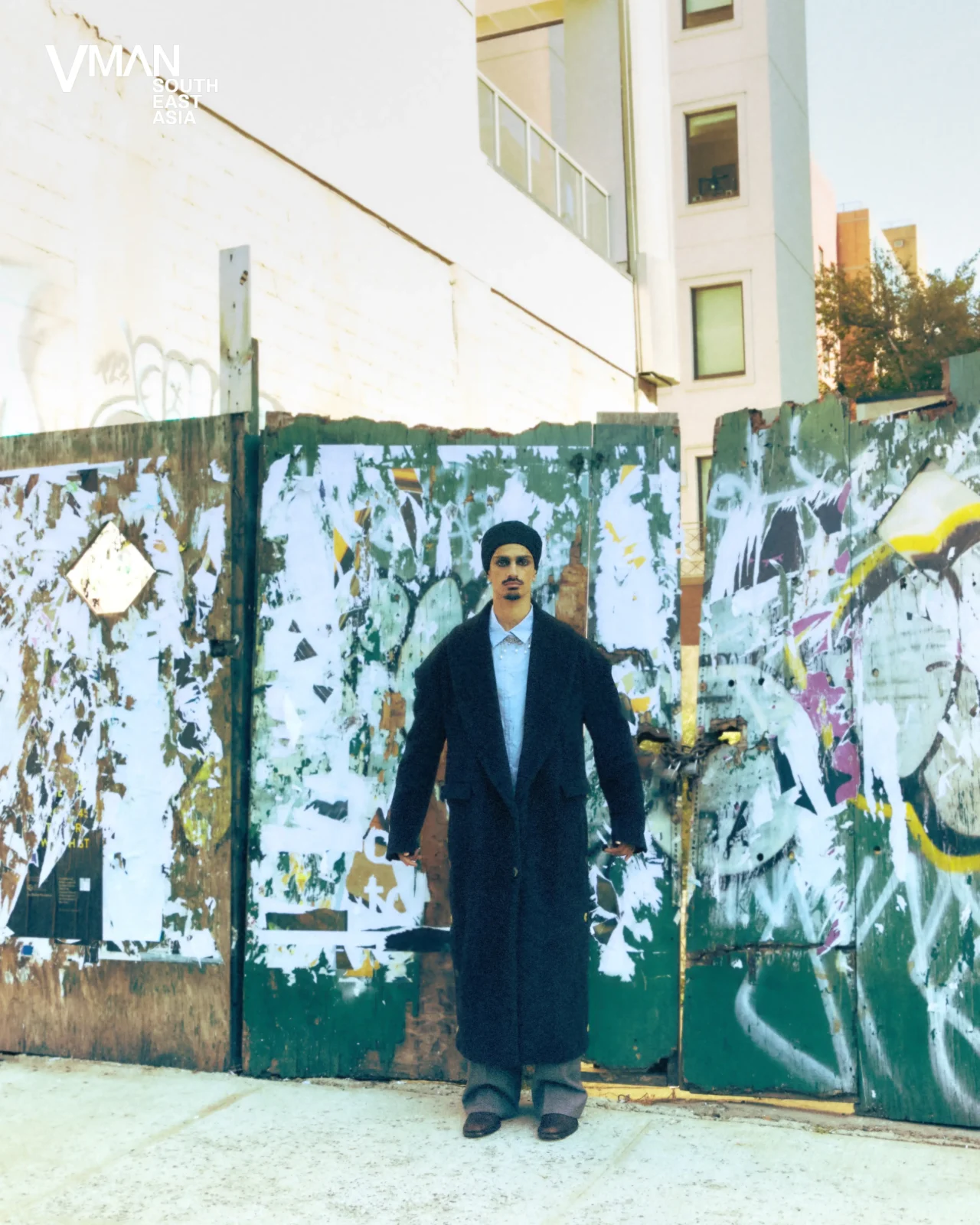
That strength was on full display when he became the first Sardar to walk for Hermès. “For me, that moment was bigger than fashion. It felt surreal,” he says. Wearing his turban without compromise, he stepped into a space where he had never seen someone like him before.
Messages poured in from Sikhs worldwide, many expressing disbelief that someone who looked like them could appear on a runway.
“I was walking for every kid who has been told they are too different. South Asians, Sikhs, and people with strong cultural identities do not have to erase who they are to be accepted.”
Beyond tokenism
Shaminder’s identity has shaped how casting directors and brands approach him. Early in his career, some seemed unsure how to work with him. At other times, those same markers became a reason to cast him.
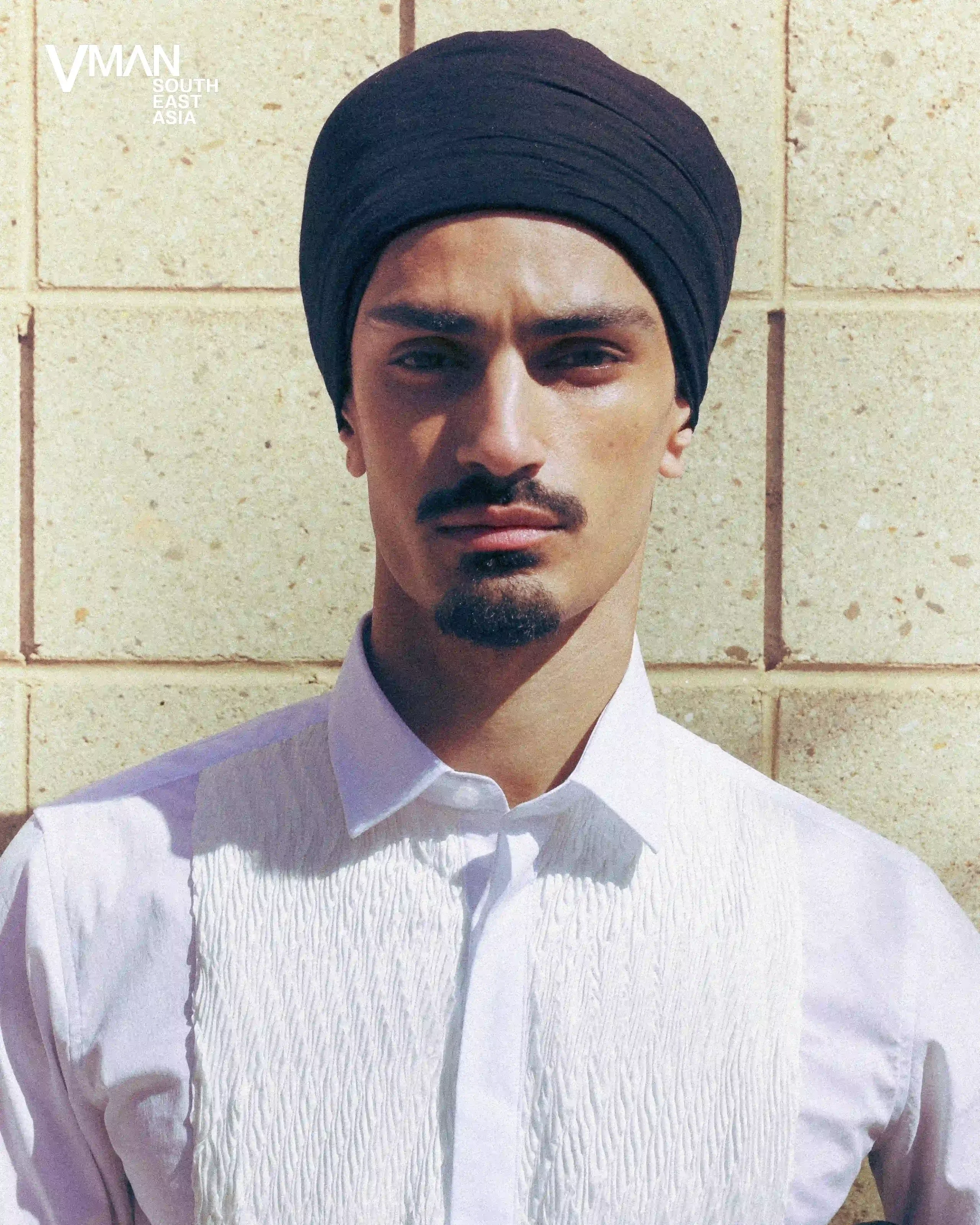
“Some brands and creatives approached me because they wanted to tell more meaningful stories. When that happens, it feels powerful because I know I am not there as a token. I am there because of who I am.”
The Sardar model says representation in modeling goes beyond appearances. It means being seen as a full human being with individuality and depth, and being cast, styled, and treated with the same range as anyone else.
“When representation is done right, it does not feel forced. It feels natural, honest, and empowering.”
Discipline and sobriety
Sobriety has also shaped his career. Shaminder shares that being sober has made him more disciplined and accountable.
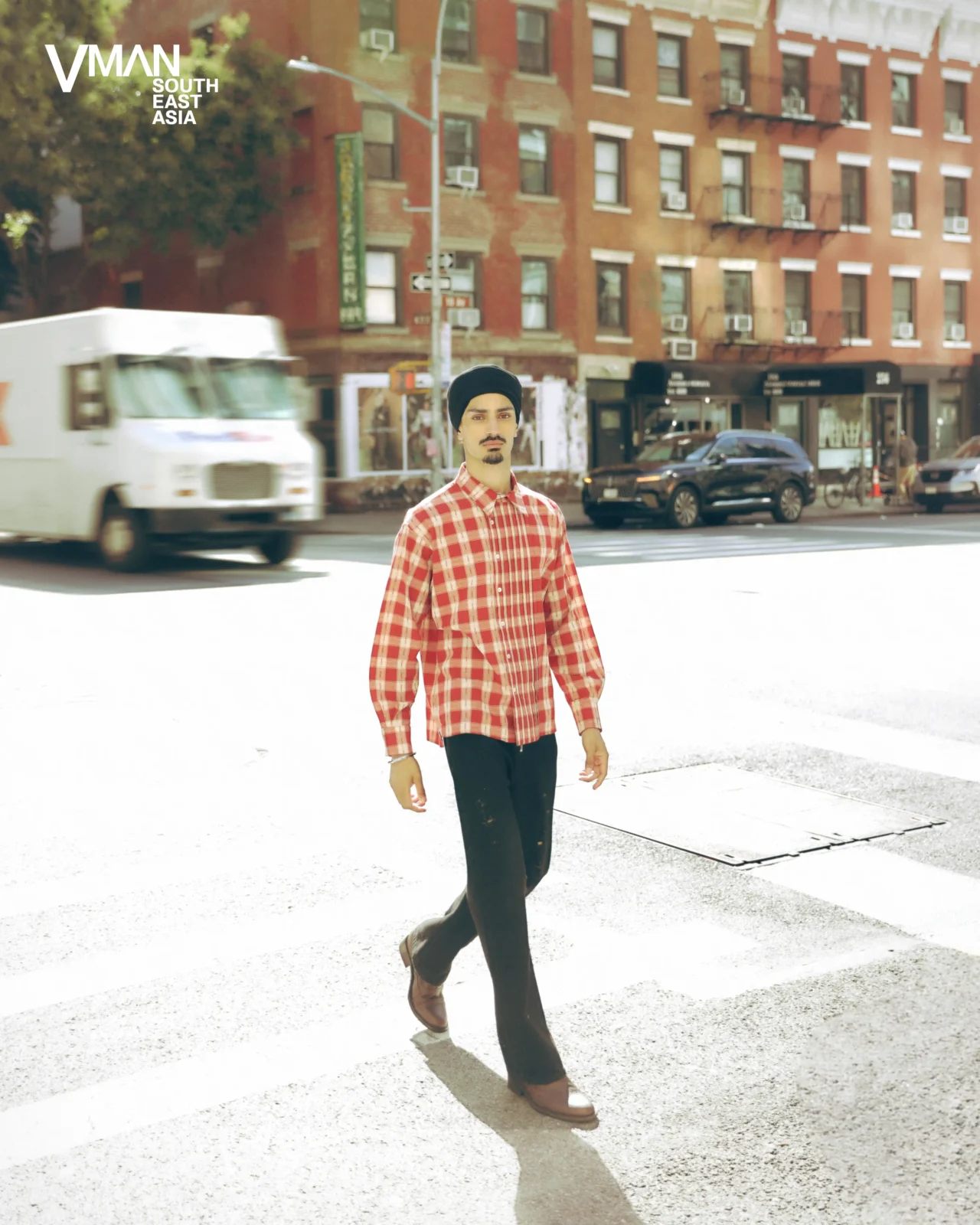
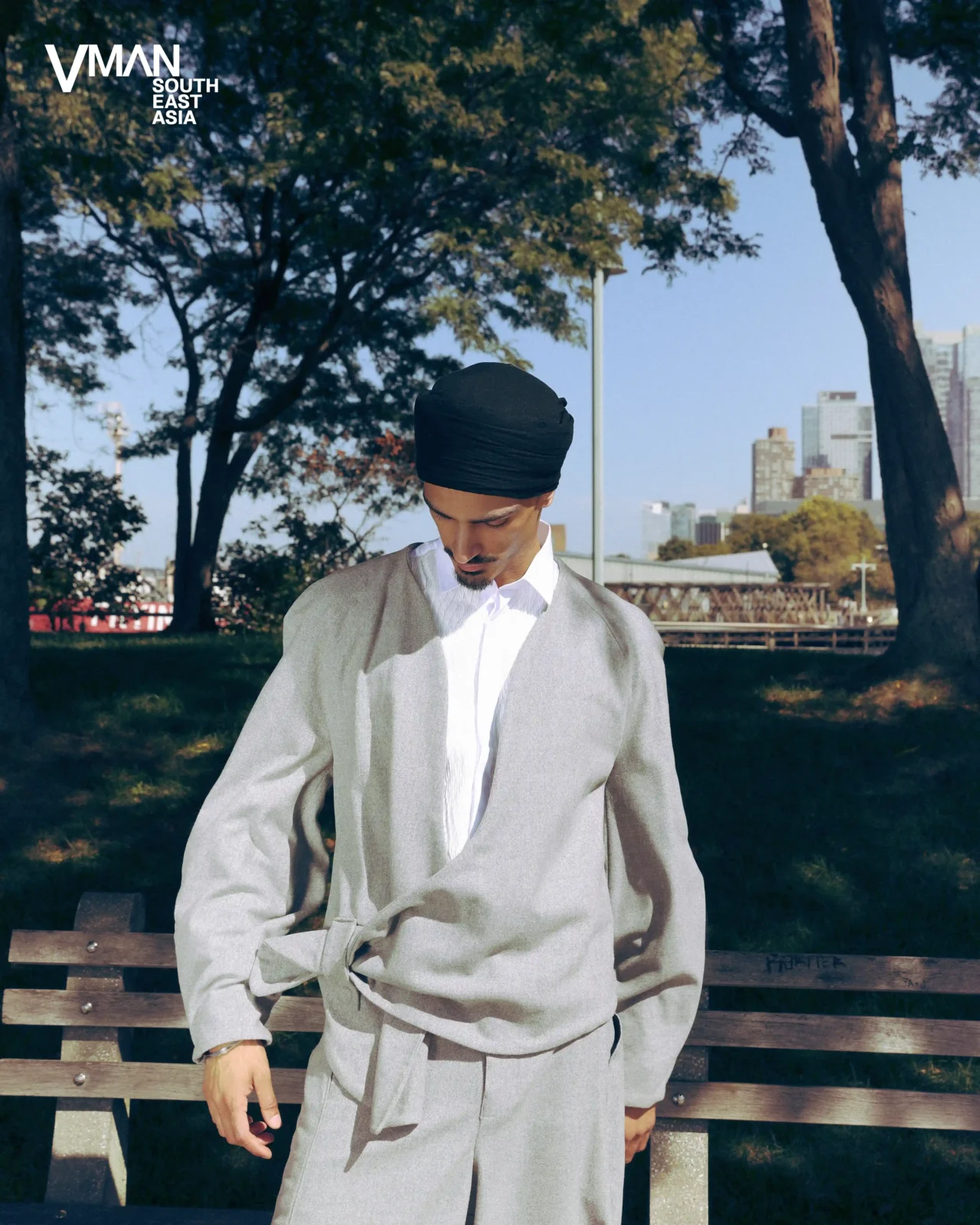
“I take my work more seriously because I take myself more seriously. I choose opportunities that align with who I am, not just what looks good on paper.”
His experience with depression informs how he connects to emotion on camera. He allows himself to feel fully and honestly, drawing on pain and uncertainty. “I am simply sharing what I have lived, and I think that kind of honesty is what allows people to feel something real when they look at my work.”
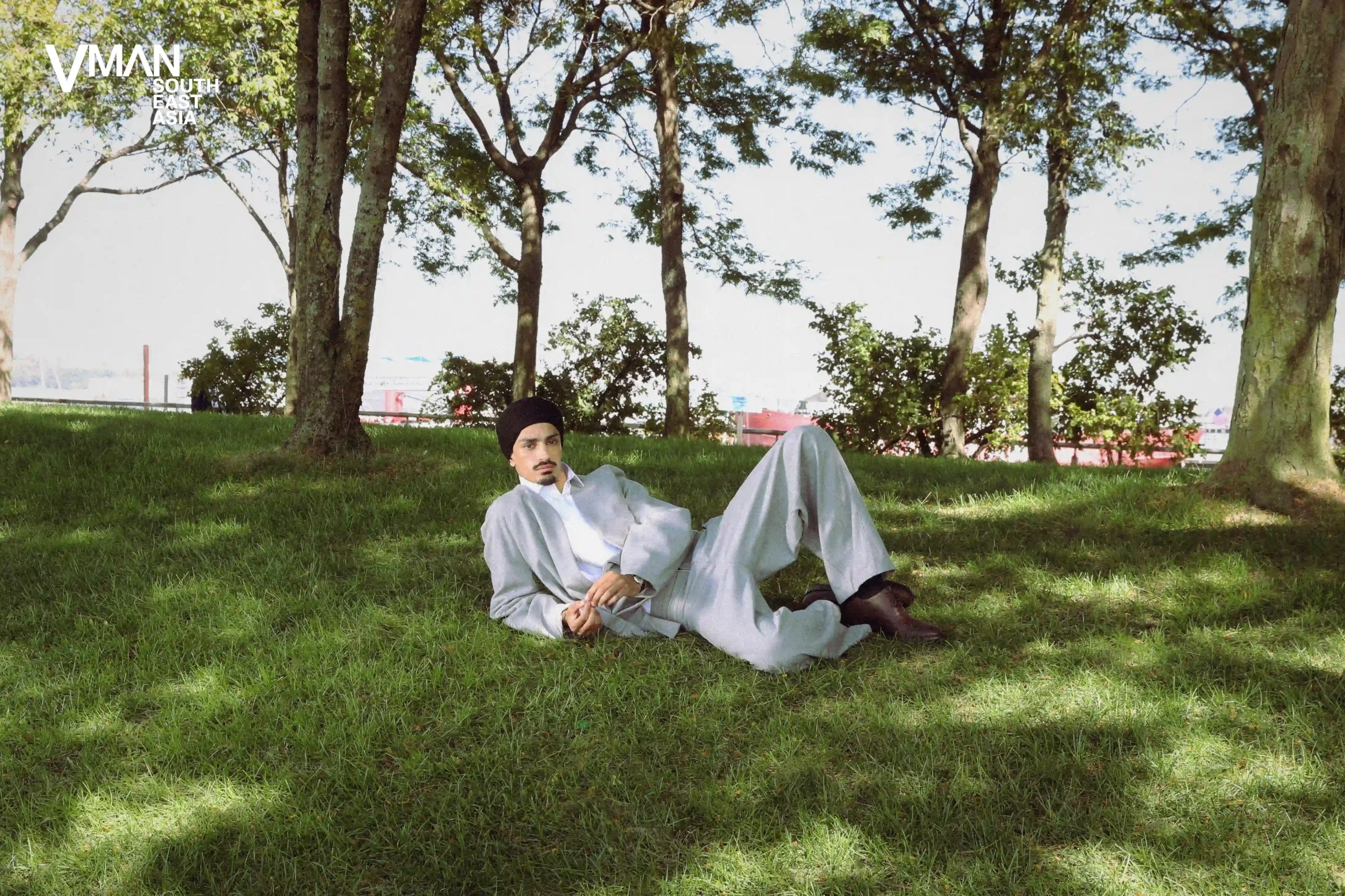
Being seen
Shaminder’s visibility has inspired others. Young Sikhs and South Asians tell him they finally feel seen, and some say his work gave them the courage to embrace their identity. He has also received threats, which he views as part of the visibility he carries.
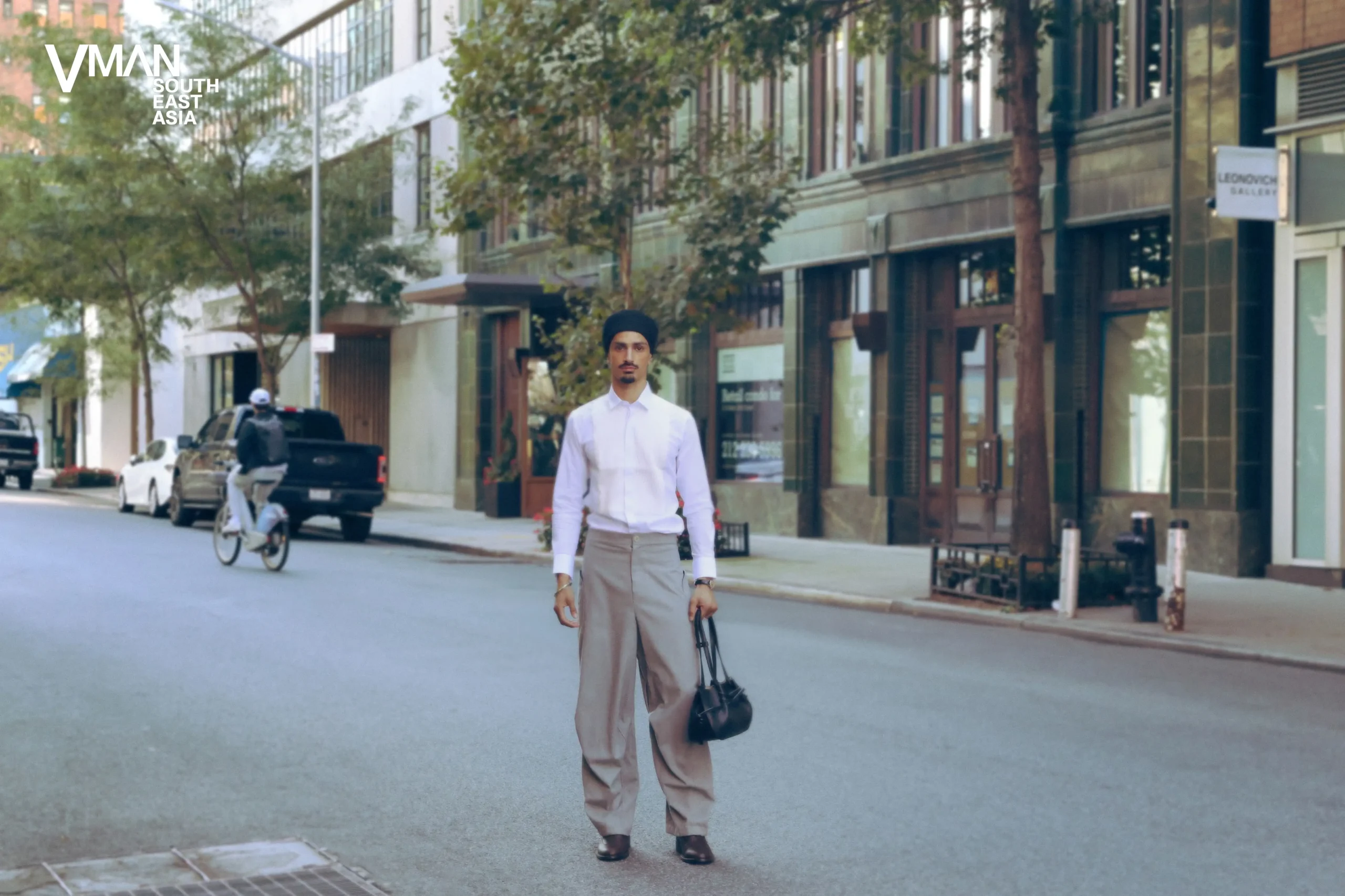
“If my presence can bring out that much emotion, then it means I am standing for something bigger than myself,” he says.
“I want to show us as emotional, tender, strong, and soft at the same time. If someone can look at my work and feel a little more seen, a little more understood, then I know I am doing something right.”
As seen in the pages of VMAN SEA 05: now available for purchase!
Photography and creative direction Soumitri Vadali
FashionFashionThe art and industry of designing, producing, and styling clothing, footwear, accessories, and beauty trends. It reflects cultural influences, personal expression, and evolving styles across seasons and markets.Go to Fashion Glossary Wendy Woffington
Grooming Arpita
FashionFashionThe art and industry of designing, producing, and styling clothing, footwear, accessories, and beauty trends. It reflects cultural influences, personal expression, and evolving styles across seasons and markets.Go to Fashion Glossary assistants Jared Letwat and Claire Smith
Retouching Ritam Mondal
Production assistant Alan Guallpa
Special thanks Flying Solo
Frequently Asked Questions
Shaminder Singh Biring is a Sikh-American model of Punjabi descent represented by DNA Models and Next Models London, known for his turban, long hair, and South Asian identity in international fashion.
Biring is among the few openly Sikh male models in the international fashion industry. His turban and Punjabi heritage are central to his identity, setting him apart and broadening South Asian representation in modeling.
Biring began modeling in 2018 while navigating personal uncertainty, building confidence gradually through shoot experience, agency support, and audience recognition of his versatility and cultural distinctiveness.
South Asian men, including those of Sikh and Punjabi backgrounds, have been historically underrepresented in global fashion. Models like Biring challenge Eurocentric beauty standards and expand the visual language of the industry.