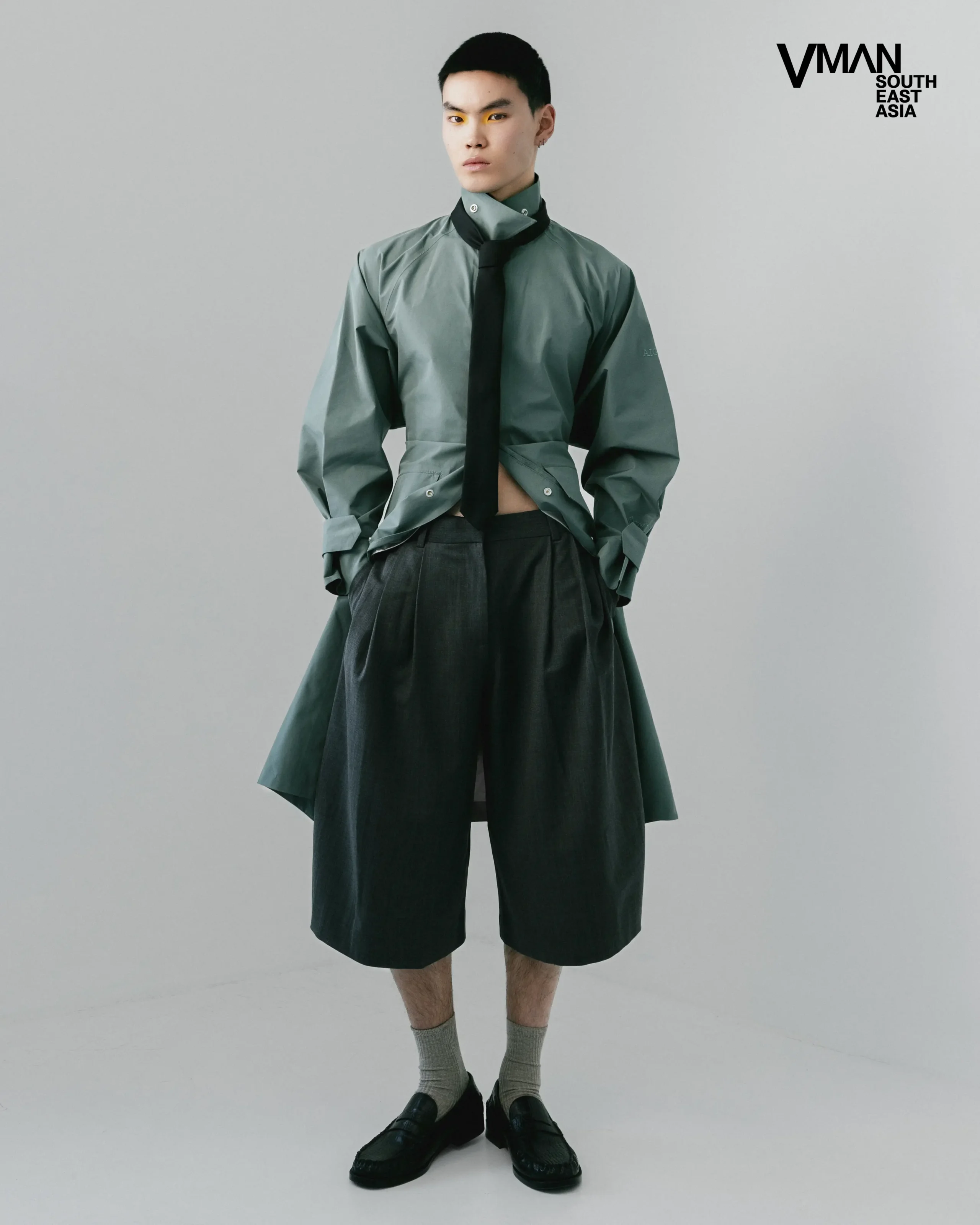
Buyant Munkhbat Refuses To Be Defined By A Single Path
The 24-year-old finance student, fashion designer, and former professional athlete is carving out a self-determined path on the global stage




- Buyant rejects the “exotic” label often assigned to international models, focusing instead on normalizing Mongolian faces on global stages without treating diversity as a performance.
- By leveraging his university studies in finance, Buyant independently manages his vintage clothing business and plans to study logistics firsthand by moving to China.
- In order to maintain balance and avoid being defined by a single career, Buyant recently retired from professional football to focus on fashion and academics.
Normalizing heritage on the global runway
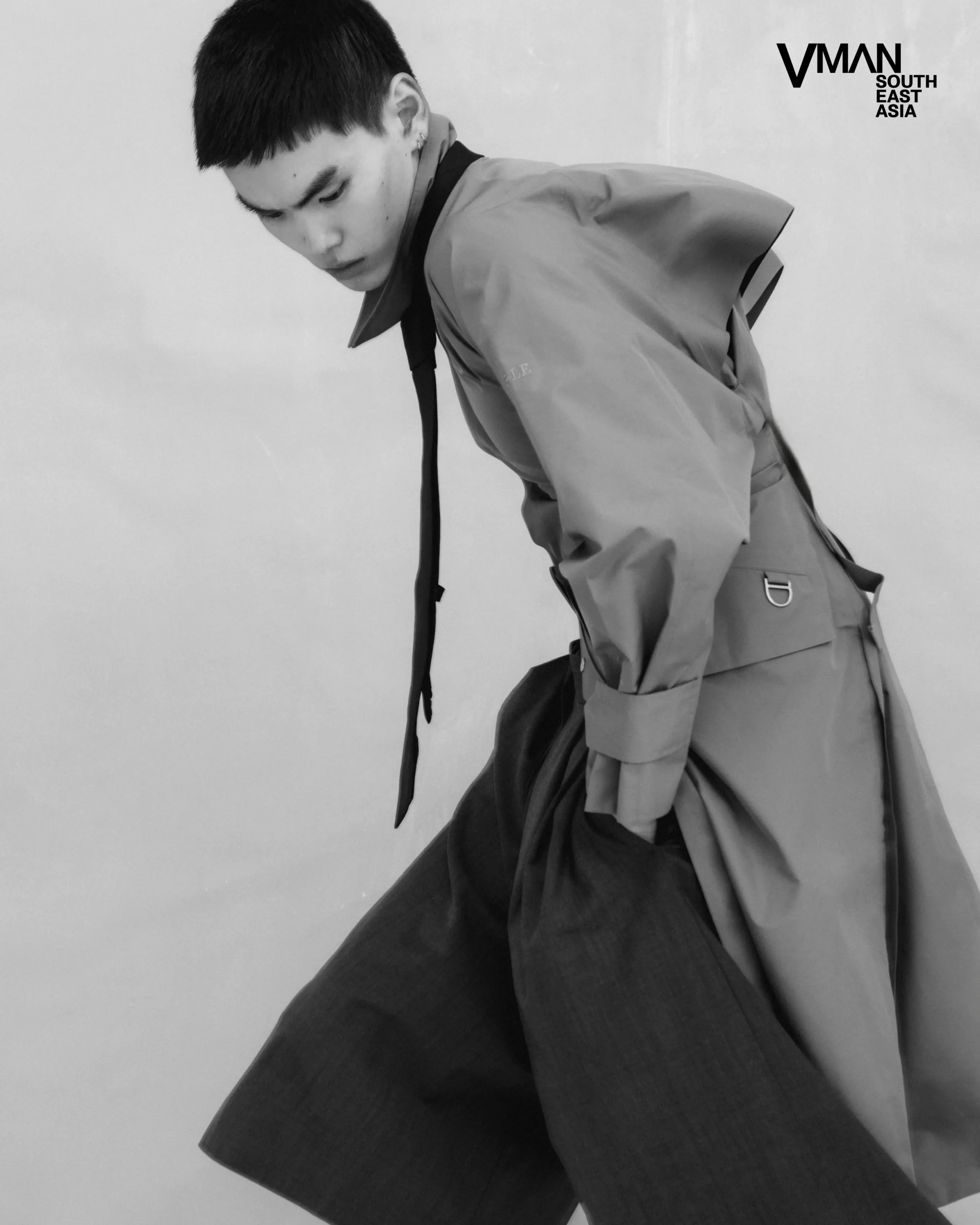
While many international models feel pressured to represent their countries as novelty acts, 24-year-old Mongolian model Buyant Munkhbat rejects tokenization, refusing to let the fashionFashionThe art and industry of designing, producing, and styling clothing, footwear, accessories, and beauty trends. It reflects cultural influences, personal expression, and evolving styles across seasons and markets.Go to Fashion Glossary industry use him to fill demographic quotas.
“I try to avoid the ‘exotic’ trap. I’m not there to check a diversity box.”
He believes Mongolian talent belongs naturally on global stages without needing to be treated as an exception. Consequently, he advocates for grounded work, asserting that their presence should not be a performance.
“My goal is to make it completely normal for a Mongolian face to be on these international stages.”
Ultimately, he hopes his work serves as an invitation for global agencies to view Mongolia as a rich hub of contemporary creative minds. He believes that true inclusion is achieved when global representation feels completely seamless and expected.
Bridging traditional artistry and Western influence
Growing up in Mongolia, Buyant found himself heavily influenced by Western media, music, and fashionFashionThe art and industry of designing, producing, and styling clothing, footwear, accessories, and beauty trends. It reflects cultural influences, personal expression, and evolving styles across seasons and markets.Go to Fashion Glossary trends. It was easy to look outward for inspiration when the globalized world seemed to dominate every creative outlet.
“It’s a bit ironic, really. Western culture had a huge influence on me growing up, but I only realized the most innovative design principles were already part of my heritage.”
This realization reshaped his entire creative philosophy, grounding his work in historical depth rather than transient global aesthetics. He explains that Mongolian artistry has always been about making a statement while staying practical in both daily life and high design.
Recognizing that very few of his peers have made it to this level, he embraces the weight of his platform.
“Since there aren’t many of us in the creative scene here, I’m in a unique position to showcase that heritage.”
He takes pride in using his position to reintroduce these ancestral design philosophies to an international audience hungry for fresh perspectives. By doing so, he hopes to bridge the gap between ancient traditions and modern global fashionFashionThe art and industry of designing, producing, and styling clothing, footwear, accessories, and beauty trends. It reflects cultural influences, personal expression, and evolving styles across seasons and markets.Go to Fashion Glossary.
Shaking off one-dimensional stereotypes
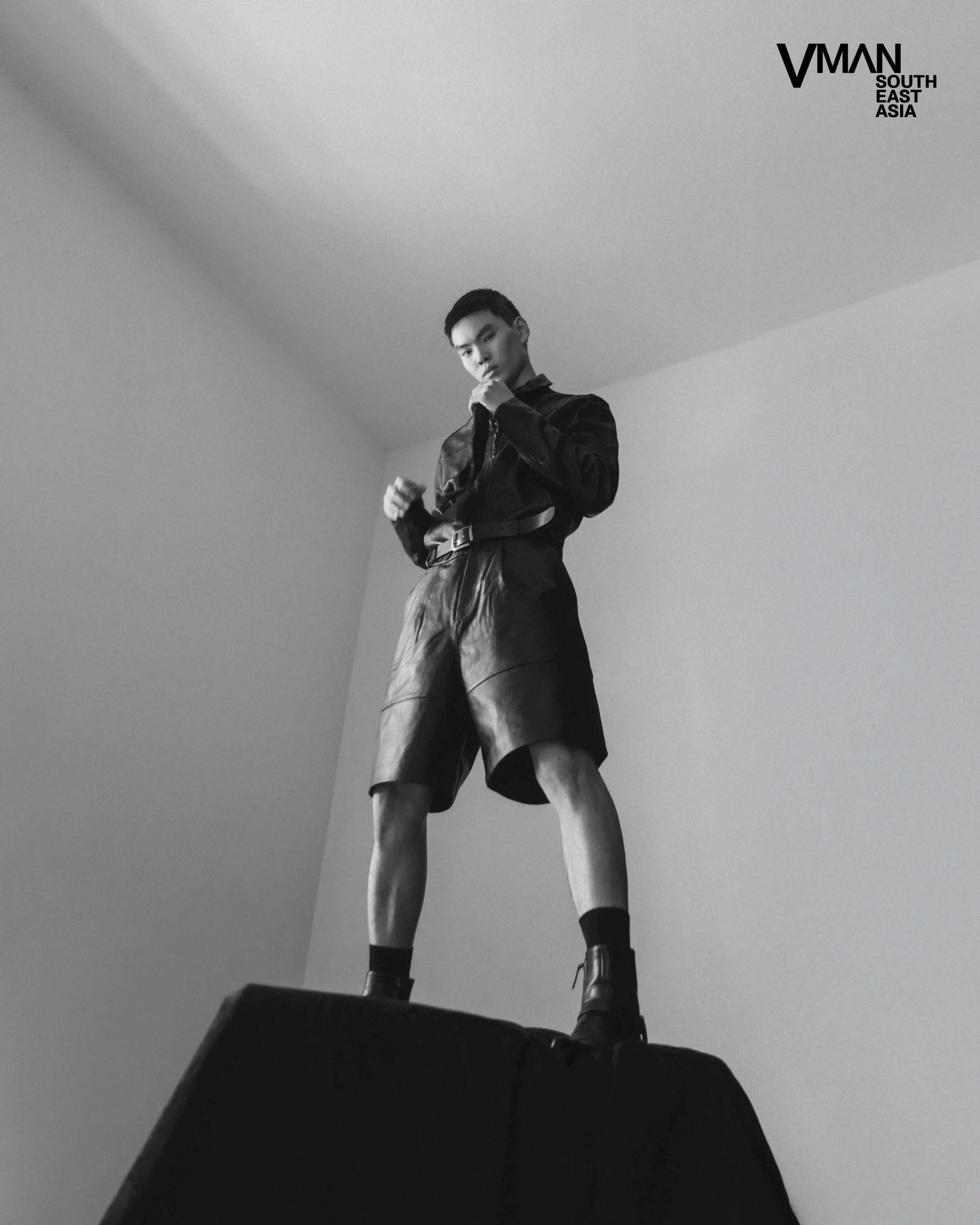
Buyant is highly aware of how little the Western world actually knows about Mongolia, noting that the country is often ignored or romanticized. Rather than fighting active prejudice, he finds himself introducing his country to people who have no preconceived notions of it at all.
When discussing how foreigners react to his background, he points out a curious lack of awareness, as he shares that “Most people don’t have a negative perception of Mongolia; they have no perception at all.”
To counter this blank slate, Buyant uses his public platform to showcase the authentic, daily realities of modern Mongolian youth. He refuses to paint a one-dimensional picture that caters to the romanticized and historicized ideals of foreign observers.
“I use my platform to show the whole picture, the beauty along with the messy parts, and let people make their own opinions.”
He believes the global community deserves an authentic view of his home rather than a sanitized, tourist-friendly version. This transparency challenges outdated stereotypes and proves Mongolian youth actively participate in global contemporary culture.
The creative rebellion of Ulaanbaatar’s youth
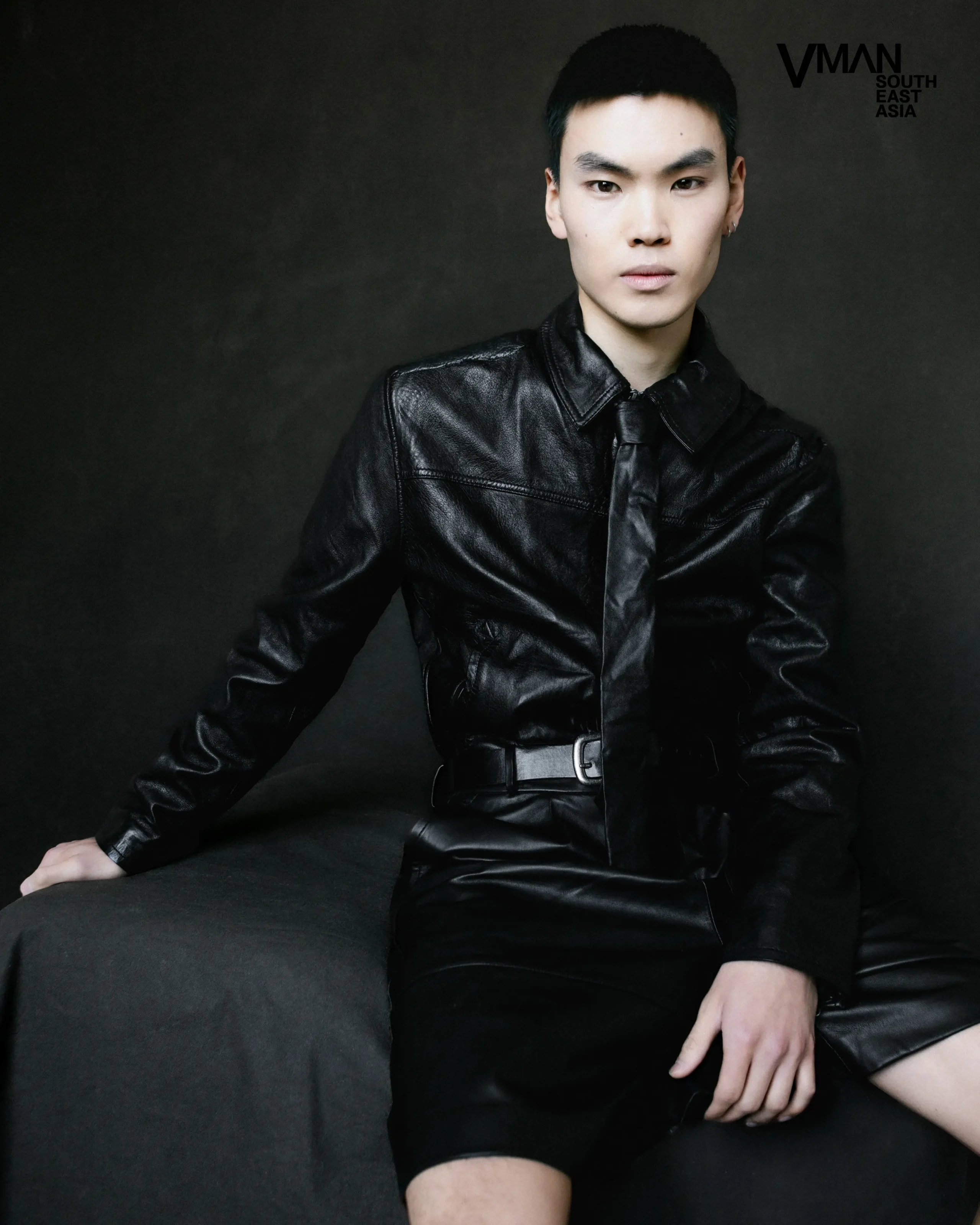
Although small and tight-knit, the creative community in Mongolia’s capital, Ulaanbaatar, is undergoing a fierce cultural renaissance. Buyant shares that his hometown scene is incredibly creative as a new generation takes charge.
Confronting the reality of his local art scene, he finds a potent spark of genius within Ulaanbaatar’s borders, as he puts it, “The scene back home is small, but incredibly creative.”
Across Mongolia’s close-knit creative scene, artists collaborate to honor their ancestors while reimagining tradition for a global audience. A growing movement to reclaim cultural roots has become the foundation for deeply contemporary work.
“There’s a real movement toward reclaiming our traditional roots and bringing that into modern work.”
This youth-led cultural shift is defined by a bold reclamation of historical identity, transforming ancient motifs into modern streetwear and digital art. Buyant constantly draws inspiration from this energetic community, which pushes creative boundaries despite limited resources.
Designing from the inside out
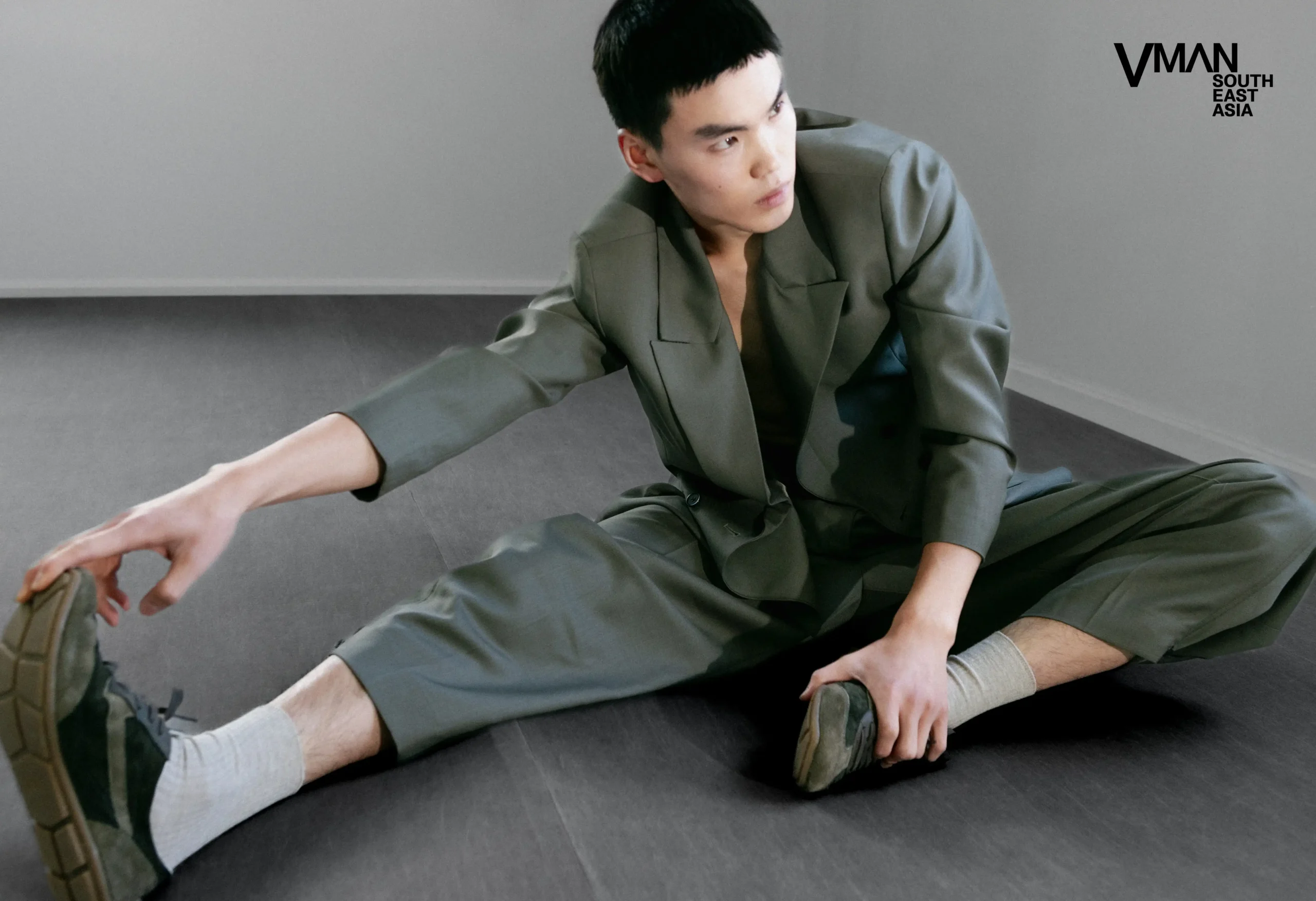
The Mongolian model’s work in front of the lens is deeply informed by his hands-on experience behind the sewing machine. Because he curates vintage pieces and sews garments himself, he approaches modeling with a technical appreciation for fashionFashionThe art and industry of designing, producing, and styling clothing, footwear, accessories, and beauty trends. It reflects cultural influences, personal expression, and evolving styles across seasons and markets.Go to Fashion Glossary.
This hands-on process of reconstructing clothing completely changed how he views the industry, noting that “you definitely start seeing the details in the pieces.”
Knowing how a piece of clothing is built gives him the confidence to experiment and challenge conventional modeling poses on set. Rather than letting a garment restrict his expression, his background encourages him to treat every photoshoot as a blank canvas.
“You’re not boxed in just how things are, but develop the habit to experiment and challenge the already existing ideas.”
This technical eye makes him an active participant in visual storytelling, ensuring his camera movements are purposeful, honor the designer’s intent, and treat each garment as a creative medium.
Merging corporate finance with creative vision
In a market driven by disposable micro-trends, Buyant wants to build a brand with staying power. When observing how quickly mainstream collections lose their appeal, he notes a distinct systemic issue: trends move “too fast.”
When looking toward the future of his own fashionFashionThe art and industry of designing, producing, and styling clothing, footwear, accessories, and beauty trends. It reflects cultural influences, personal expression, and evolving styles across seasons and markets.Go to Fashion Glossary line, he focuses strictly on creating classics; he promises, “I want to make things that actually last.”
While many young creatives shy away from the business side of their industries, Buyant embraces the math and logistics behind the art. Currently studying Finance at university, he applies his academic knowledge directly to his entrepreneurial ventures.
Studying cash flow, business structures, and market dynamics allows him to manage his vintage business independently. Valuing autonomy, he leverages his education to avoid outsourcing logistics or the less sought-after parts of the business.
“It’s become a way of independence. Meaning I don’t have to outsource the logistics or the “boring” parts of the business.”
He views his upcoming transition as an essential step toward mastering the business side of global fashionFashionThe art and industry of designing, producing, and styling clothing, footwear, accessories, and beauty trends. It reflects cultural influences, personal expression, and evolving styles across seasons and markets.Go to Fashion Glossary, as he reveals, “I’m moving to China for an opportunity to see how those business logistics actually work in one of the world’s most intense creative scenes.”
By immersing himself in a high-intensity market, he aims to master the administrative foundation required to launch a successful global brand on his own terms. He believes that a true modern designer must be as competent in the boardroom as they are in the design studio.
Bringing athletic resolve to the studio
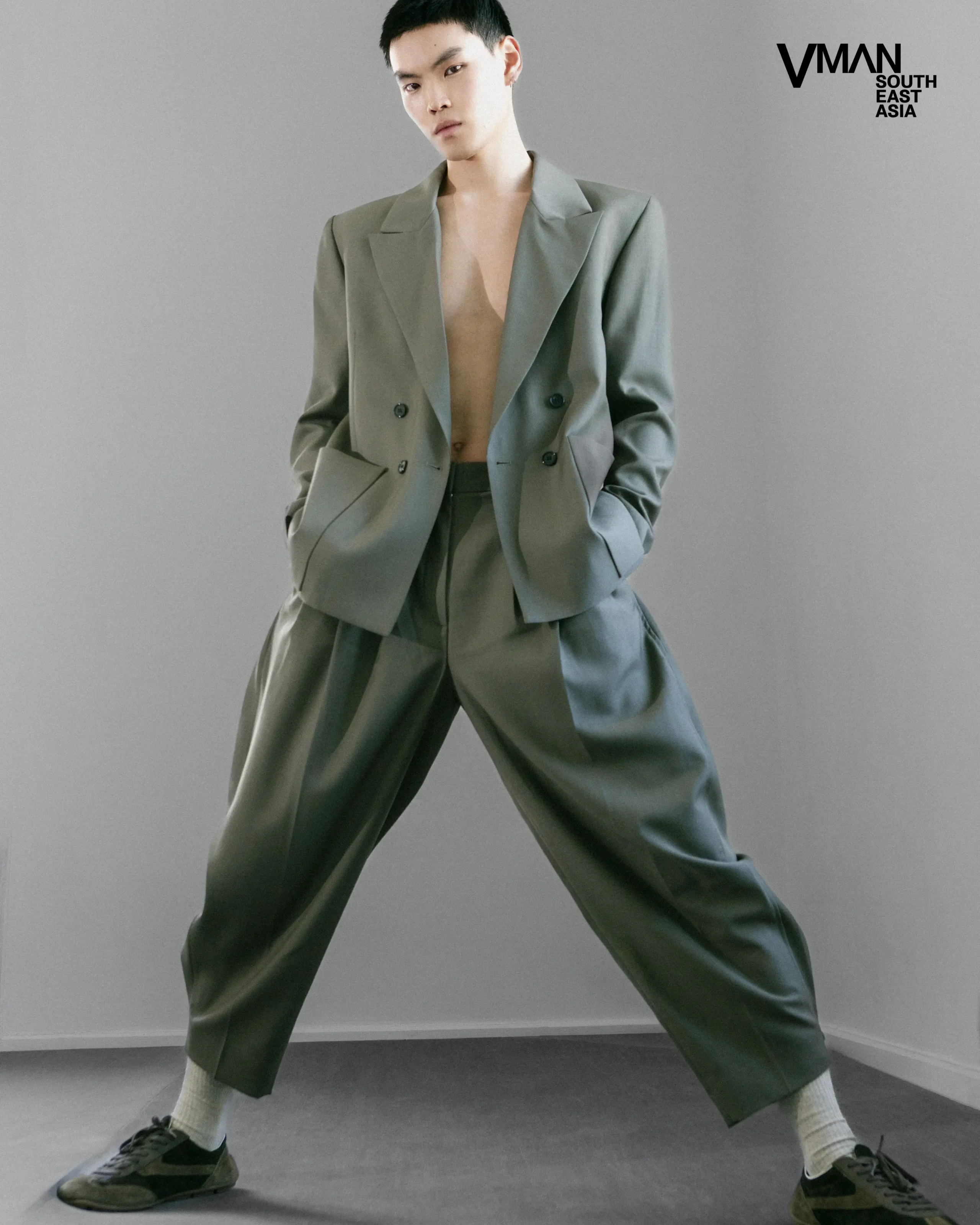
Beyond his academic and fashion endeavors, Buyant has always possessed a highly competitive athletic spirit, spending his free time on various courts and pitches. Out of all the sports he plays, his ultimate passion lies in football, which he spent years playing at a high level.
Even with a growing modeling portfolio, his heart remains tied to the pitch. As he says without hesitation, “Of course, football.”
He carries this relentless athletic discipline directly into the modeling studio, facing exhausting twelve-hour shoots with the stamina of an elite athlete. He attributes his success to pure work ethic rather than raw talent alone.
“I’m not always the most talented, but I always make sure to be the hardest-working player on the pitch.”
For Buyant, consistency, endurance, and sheer effort will always triumph over raw, unpolished talent. He believes that the physical and mental grit built on the football pitch is his greatest asset in the highly competitive fashionFashionThe art and industry of designing, producing, and styling clothing, footwear, accessories, and beauty trends. It reflects cultural influences, personal expression, and evolving styles across seasons and markets.Go to Fashion Glossary landscape.
Refusing to conform to set standards
Earlier in his modeling career, Buyant faced intense pressure to conform to the ultra-lean, sometimes fragile standards of the fashionFashionThe art and industry of designing, producing, and styling clothing, footwear, accessories, and beauty trends. It reflects cultural influences, personal expression, and evolving styles across seasons and markets.Go to Fashion Glossary industry. Despite the criticism he received for being “too big” due to his athletic frame, he refused to sacrifice his health or his love for sports.
“I got plenty of criticism for being ‘too big’ early in my modeling career. I wasn’t going to change my build just to fit into the clothes.”
Instead of forcing his body into an unhealthy mold, he decided to let his physique adapt naturally. He was determined to find a path in modeling that did not require him to abandon his athletic identity.
Rather than compromising his athletic build, he stood his ground against standard industry sizes: “The weight actually came off naturally when I stopped hitting the weights every day and focused on just staying healthy and lean,” he said.
By shifting his workout routines away from heavy weightlifting, his body adjusted without losing its athletic power. This compromise allowed him to respect the aesthetic demands of high fashion while staying true to his identity.
Navigating rejection with a resilient mindset
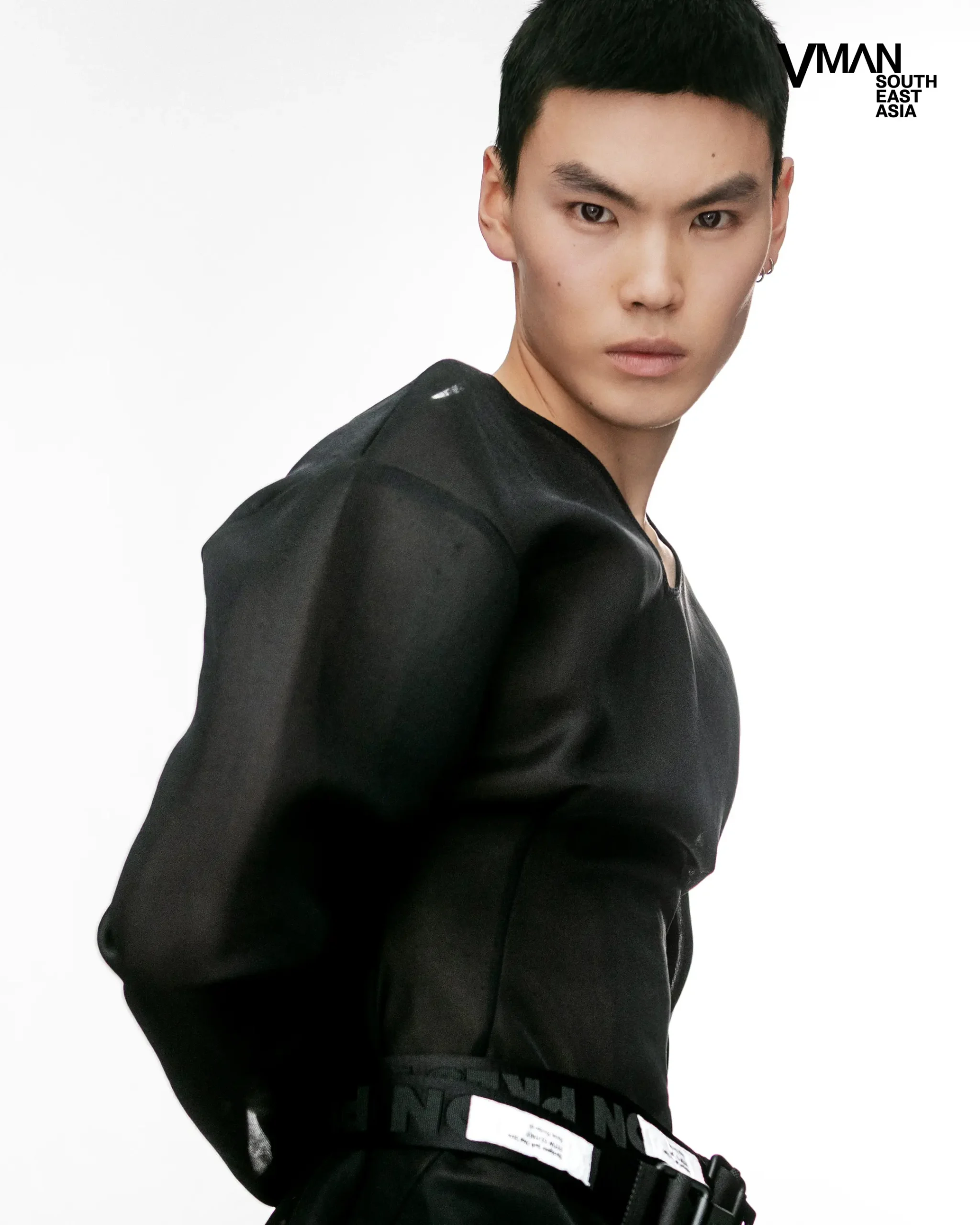
Both professional sports and high-fashion modeling are highly volatile environments filled with constant public scrutiny and sudden rejection. To protect his mental well-being in these high-pressure spaces, Buyant has developed a short memory for setbacks.
“Modeling is full of rejections, so you really need a goldfish memory.”
This resilient attitude keeps him from dwelling on disappointments that are completely out of his control. He treats a rejected modeling audition the same way he would treat a missed pass or a lost match.
When faced with a setback, his approach is to wipe the slate clean immediately. “Whether it’s a bad game or a failed casting, I just forget it and move on to the next thing,” he said.
By instantly resetting his mental state, he preserves his creative energy for the next opportunity. This emotional detachment from failure allows him to remain confident and focused, ensuring that one bad day never derails his long-term goals.
Knowing when to pivot for peace of mind
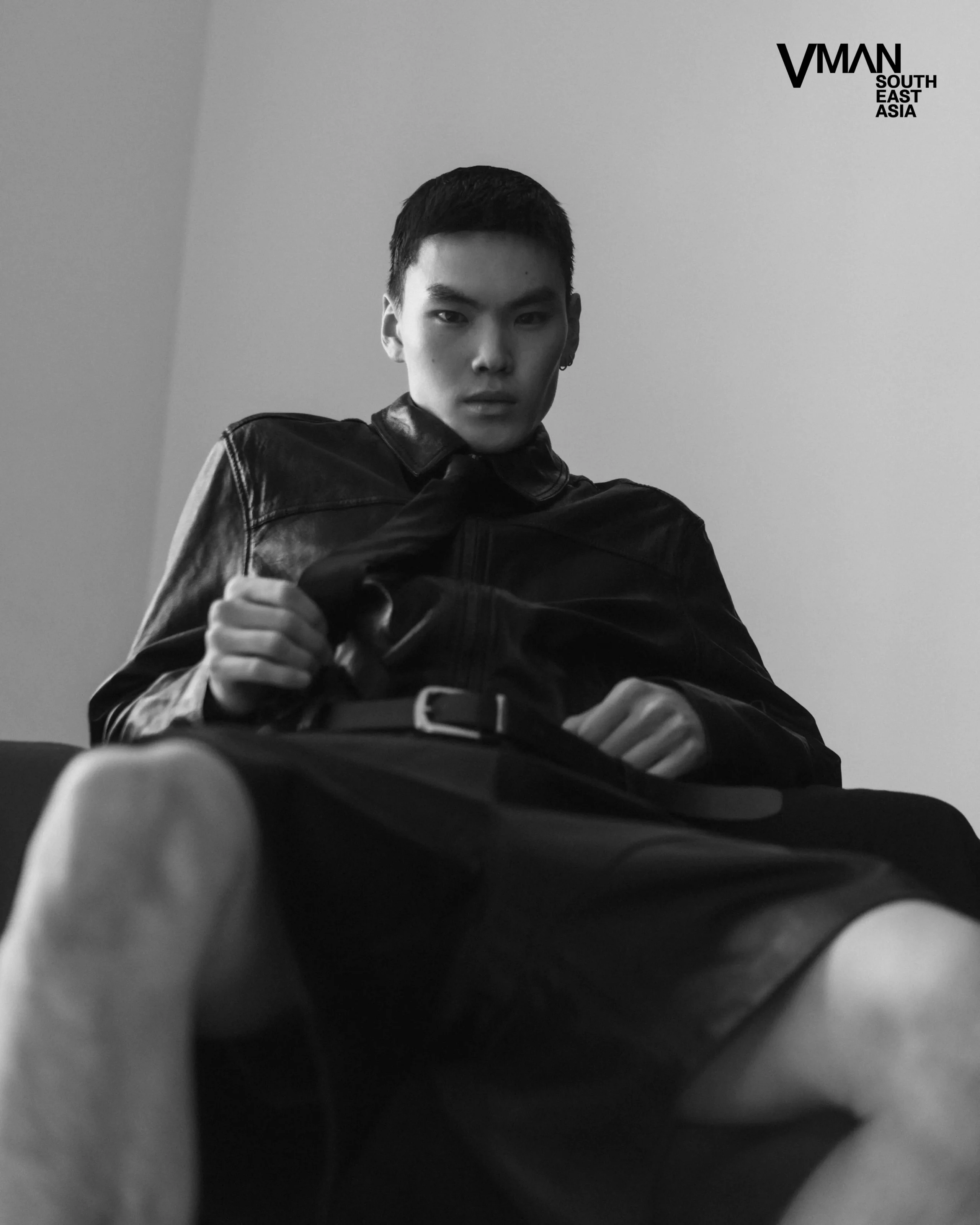
There came a point where balancing university classes, a vintage business, international modeling, and professional football became unsustainable. Recognizing his physical and mental limits, Buyant made the mature decision to step back from his athletic career.
Guided by a practical view of his own limitations, he chose to focus his energy where it mattered most.
“You can do anything you want, but you can’t do everything you want.”
Retiring from professional football allowed him to reclaim his time and establish a much healthier lifestyle. He realized that trying to excel in every single arena simultaneously was a recipe for burnout.
Ultimately, he found peace in knowing that he didn’t have to fit into just one box to feel complete. “I’m happy with the balance I have right now. I never wanted just football or just modeling to be my entire identity.”
By allowing himself to evolve beyond his initial roles, he has unlocked a level of peace that keeps him both creatively fulfilled and focused on his future.
Finding solace in shifting perspectives
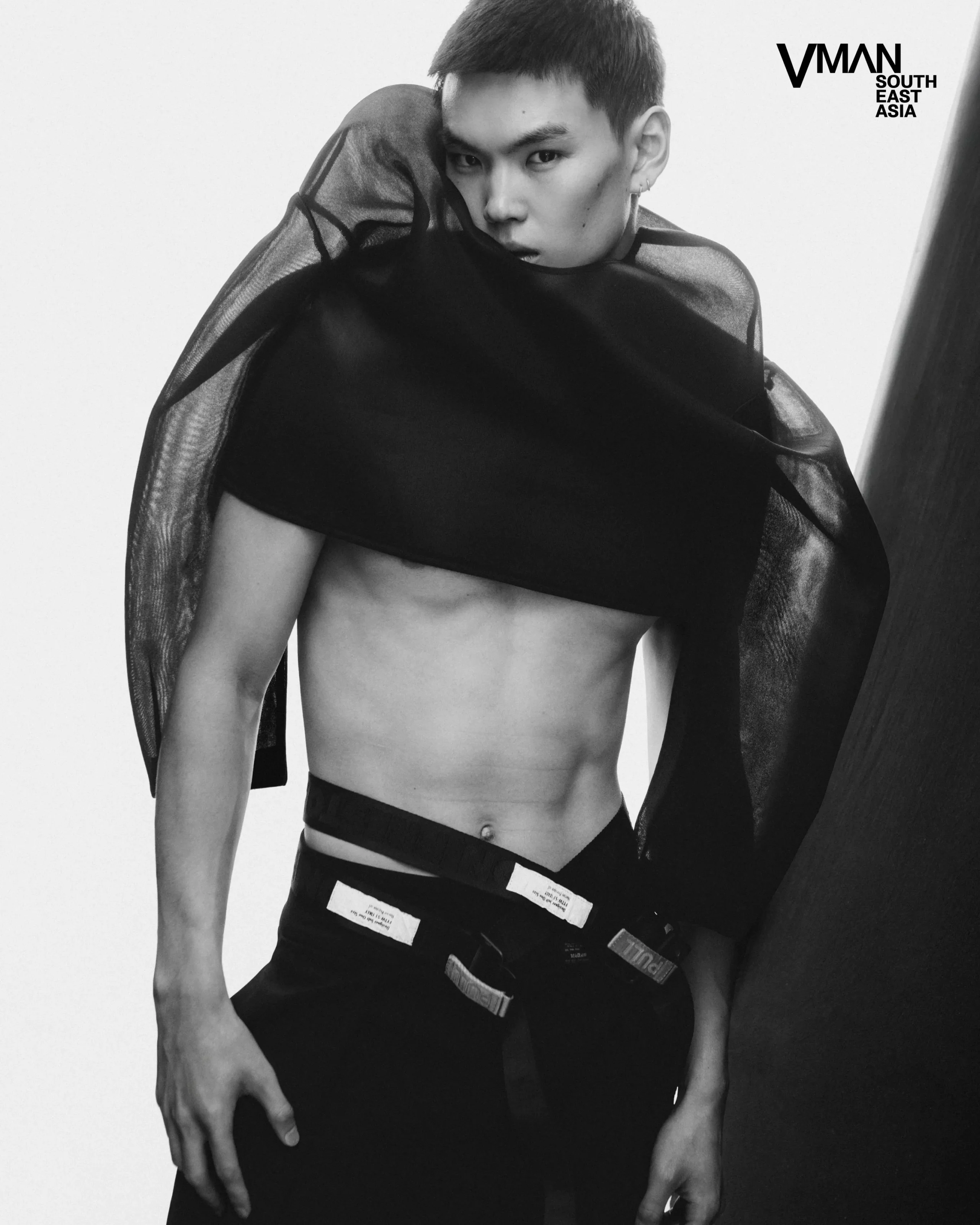
When the noise of his busy entrepreneurial and modeling life gets too loud, Buyant turns to simple, quiet habits to recharge. If all of his various careers and accolades were to disappear tomorrow, his first instinct would be to turn directly to books.
He views the act of reading and the art of modeling as deeply intertwined experiences. As he notes, “I find that reading and modeling are actually quite similar.”
He believes that both reading books and modeling require a person to step out of their own shoes to inhabit another life. In a book, you adopt a character’s mind; on a set, you adopt a designer’s vision.
“They both require you to step out of your own experience to take on a new perspective. If everything else was stripped away, that ability to shift perspectives would still be there.”
No matter where his career takes him, he remains grounded by this quiet curiosity and empathy for stories outside of his own, ensuring his creative journey remains vibrant long after the runway lights fade.
Chief of Editorial Content Patrick Ty
Photography Oleg Borisuk
Production The Wam Production Ltd.
Editor Dayne Aduna
Stylist Mark Kiss
Grooming Gabi Knoll
Recommended Video