Yung Raja Is Building What Hip-Hop Has Been Missing
The Singaporean Tamil hip-hop artist rewriting what it means to rap from home




Roots before borders
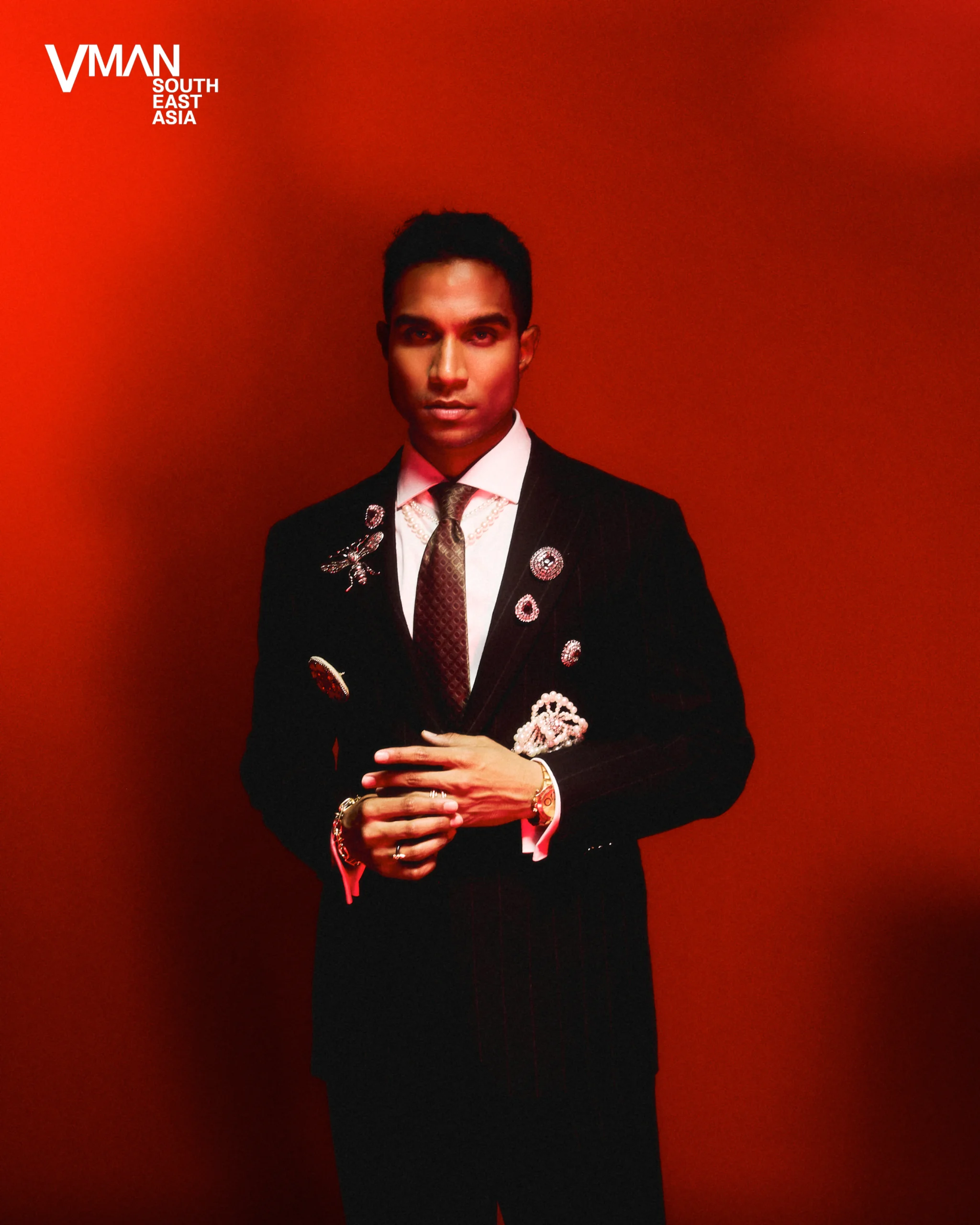
Yung Raja has built a reputation as one of Southeast Asia’s most distinctive hip-hop voices, a Singaporean Tamil rapper whose music moves fluidly between Tamil and English while drawing from Western rap and global fashionFashionThe art and industry of designing, producing, and styling clothing, footwear, accessories, and beauty trends. It reflects cultural influences, personal expression, and evolving styles across seasons and markets.Go to Fashion Glossary culture.
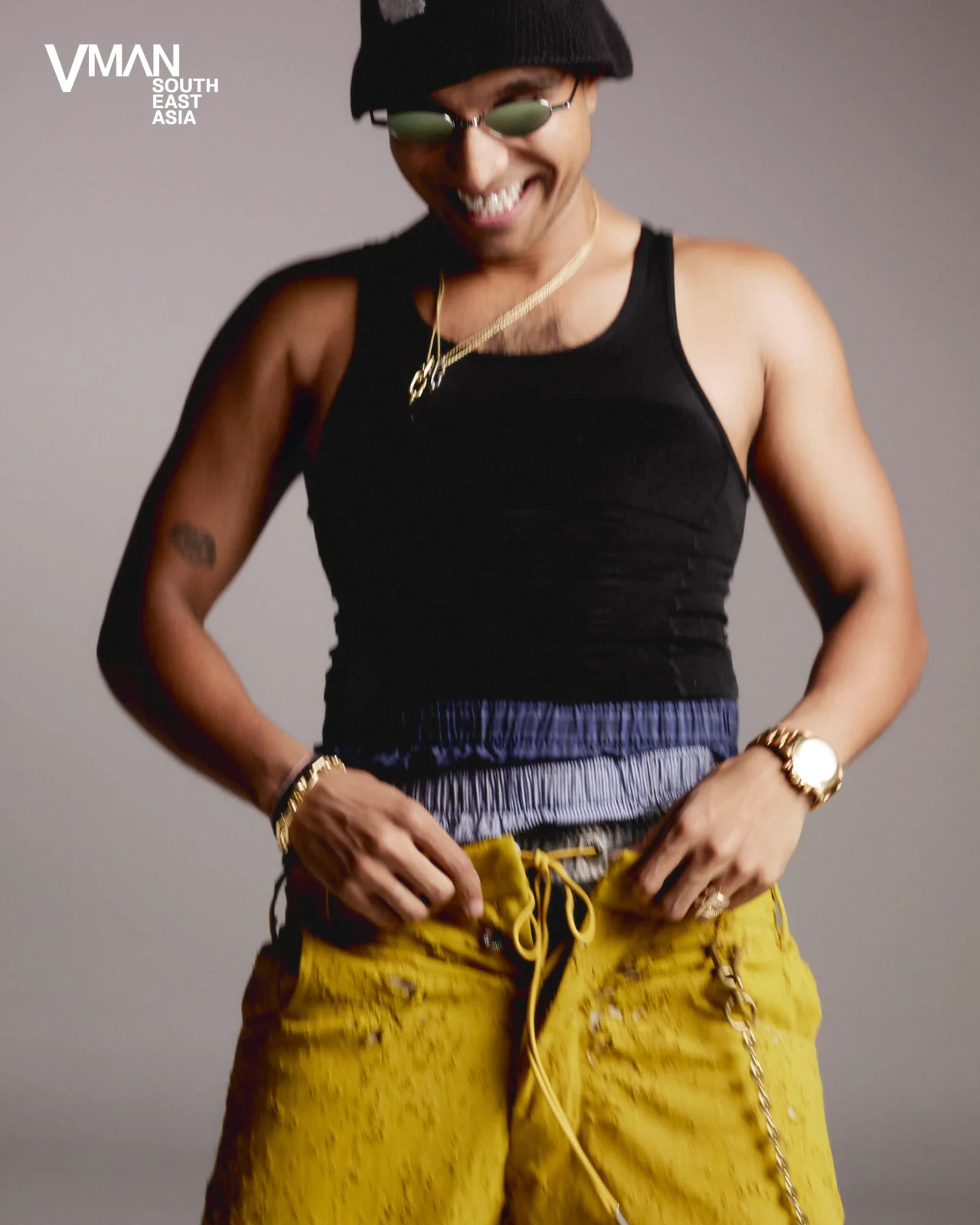
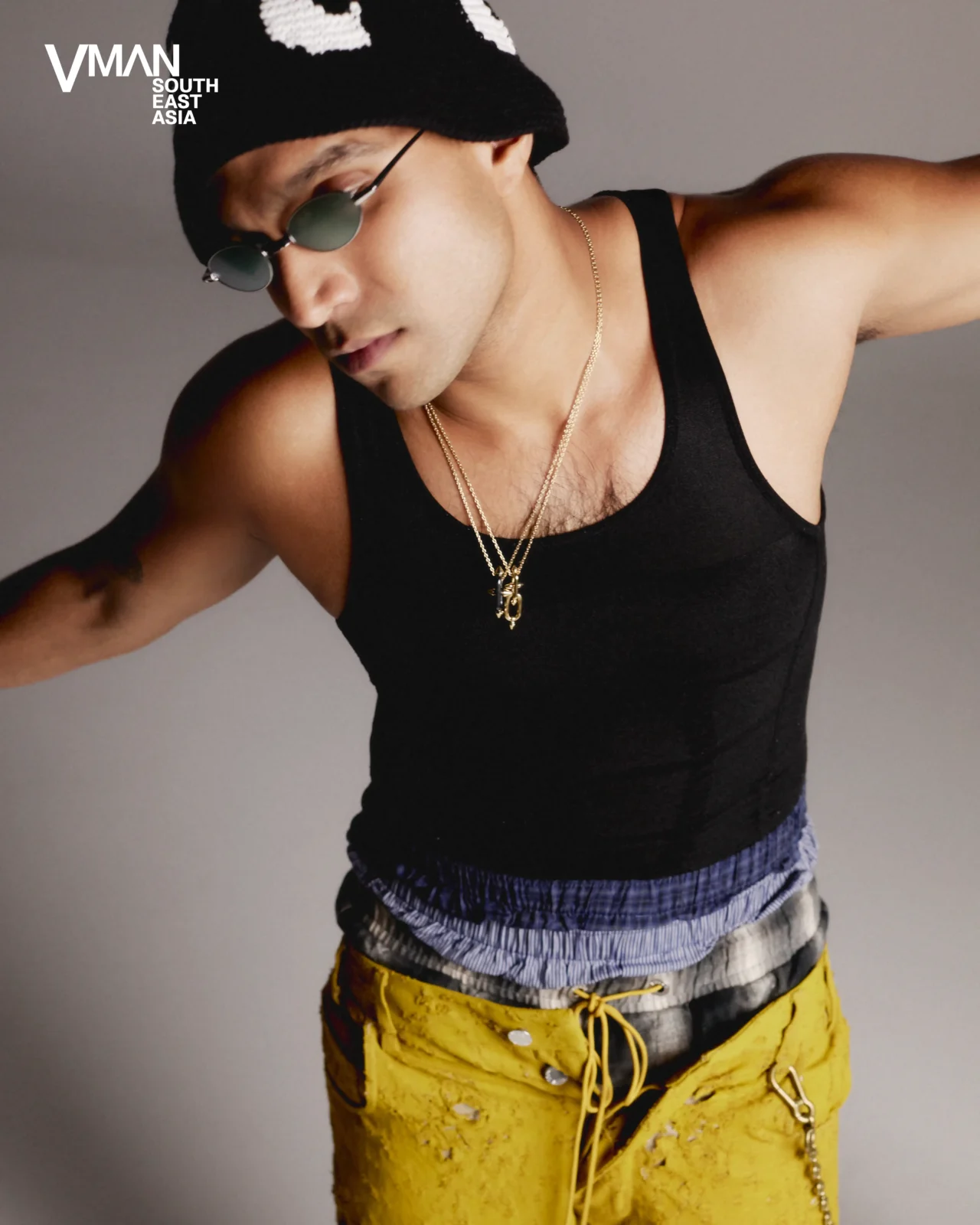
Since emerging in the late 2010s, he has positioned himself within a new generation of artists reshaping how Southeast Asian identity appears in global music, using what he calls cultural juxtaposition to bridge heritage and contemporary pop.
At the core of that perspective is his upbringing. Raja was born in Singapore two years after his parents migrated from Thanjavur. Because they arrived later in life, assimilation was never immediate. The home he grew up in remained deeply rooted in Tamil culture.
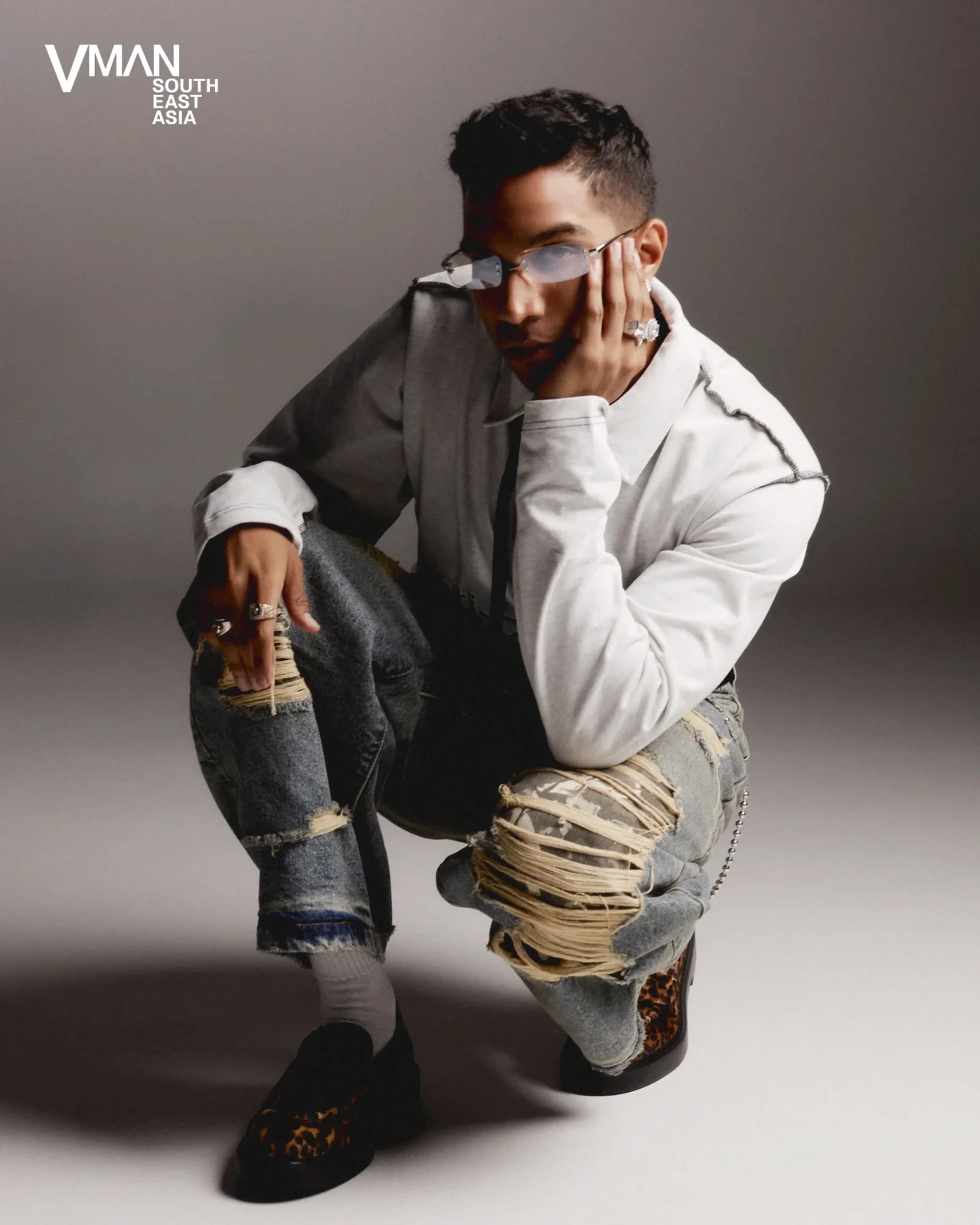
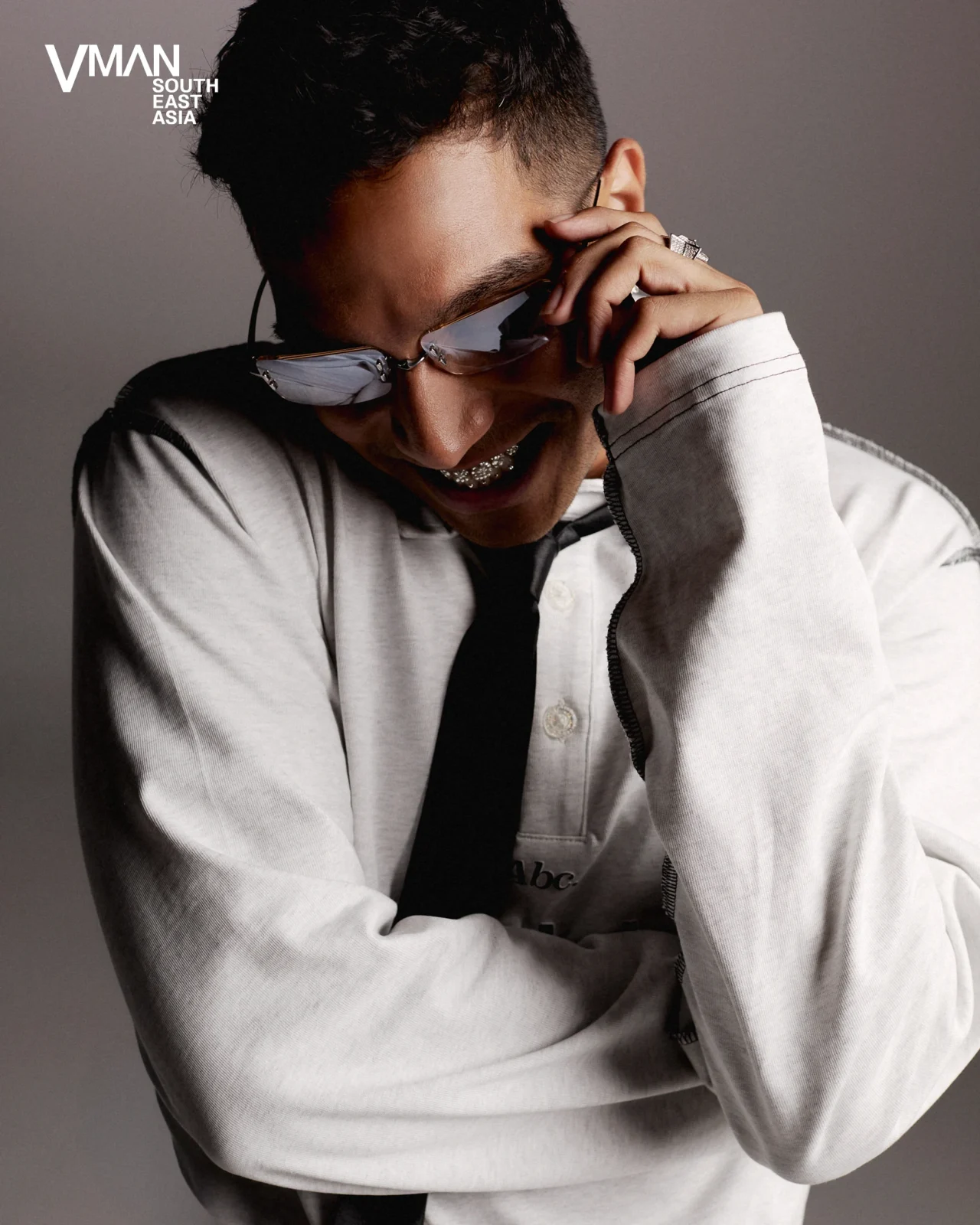
“I think that aspect of my childhood and upbringing is one of the most special things, and something I’m very grateful for.”
“When they came to Singapore, I don’t think they had the capacity to quickly adapt or change their way of life to the Singaporean context,” he adds.
As a result, his earliest sense of identity was shaped more by heritage than geography. “The first identity I had, even though I was born in Singapore, was that I was raised by Tamilians from Thanjavur,” he says. “There was this sense of dual identity from a very young age.”
A language of two worlds
Like many Singaporeans, Raja grew up bilingual, though he describes his experience as more culturally concentrated than that of many peers. At home he spoke Tamil. Outside he moved through English and Singapore’s multicultural social environment. That duality would later become central to his music.
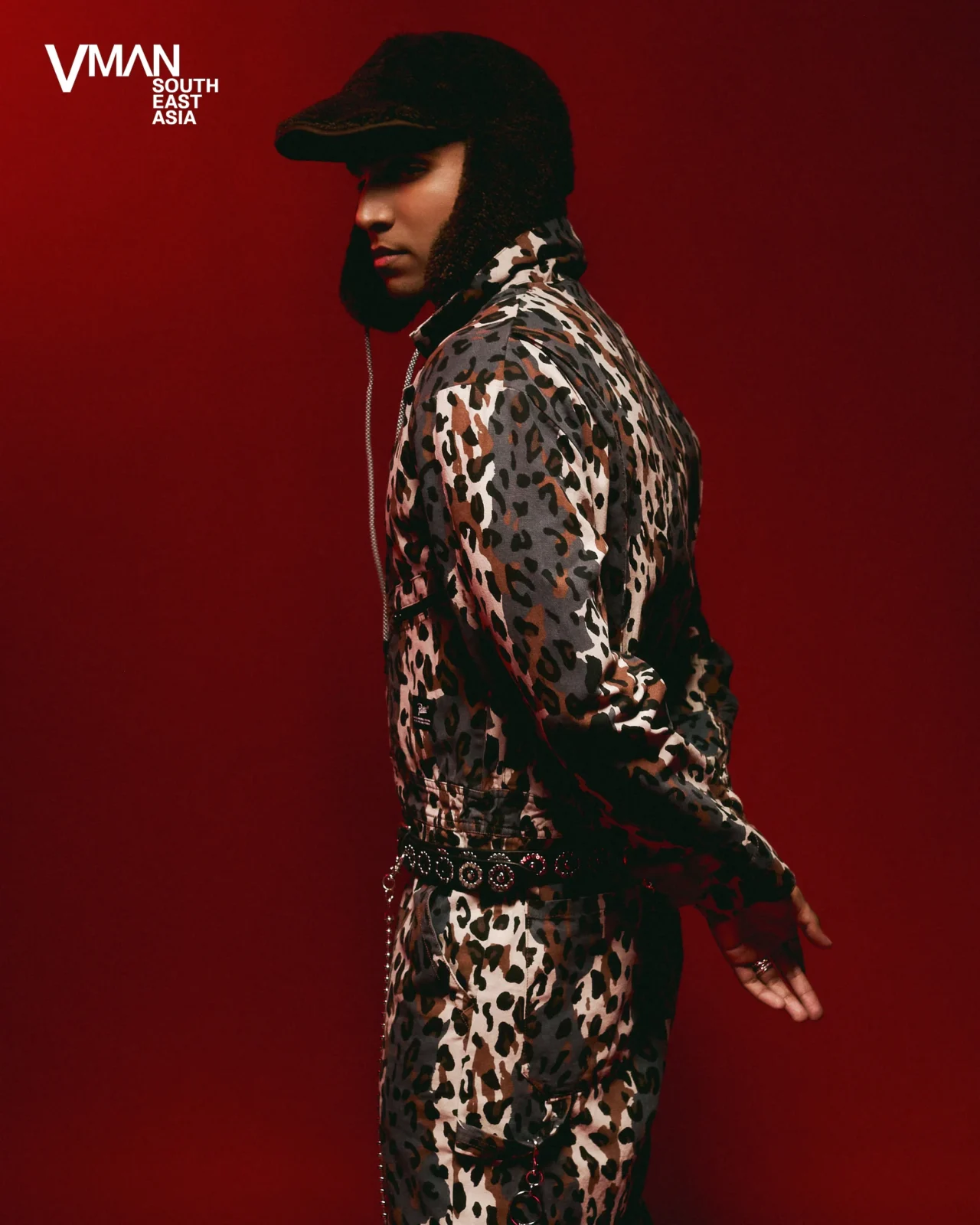
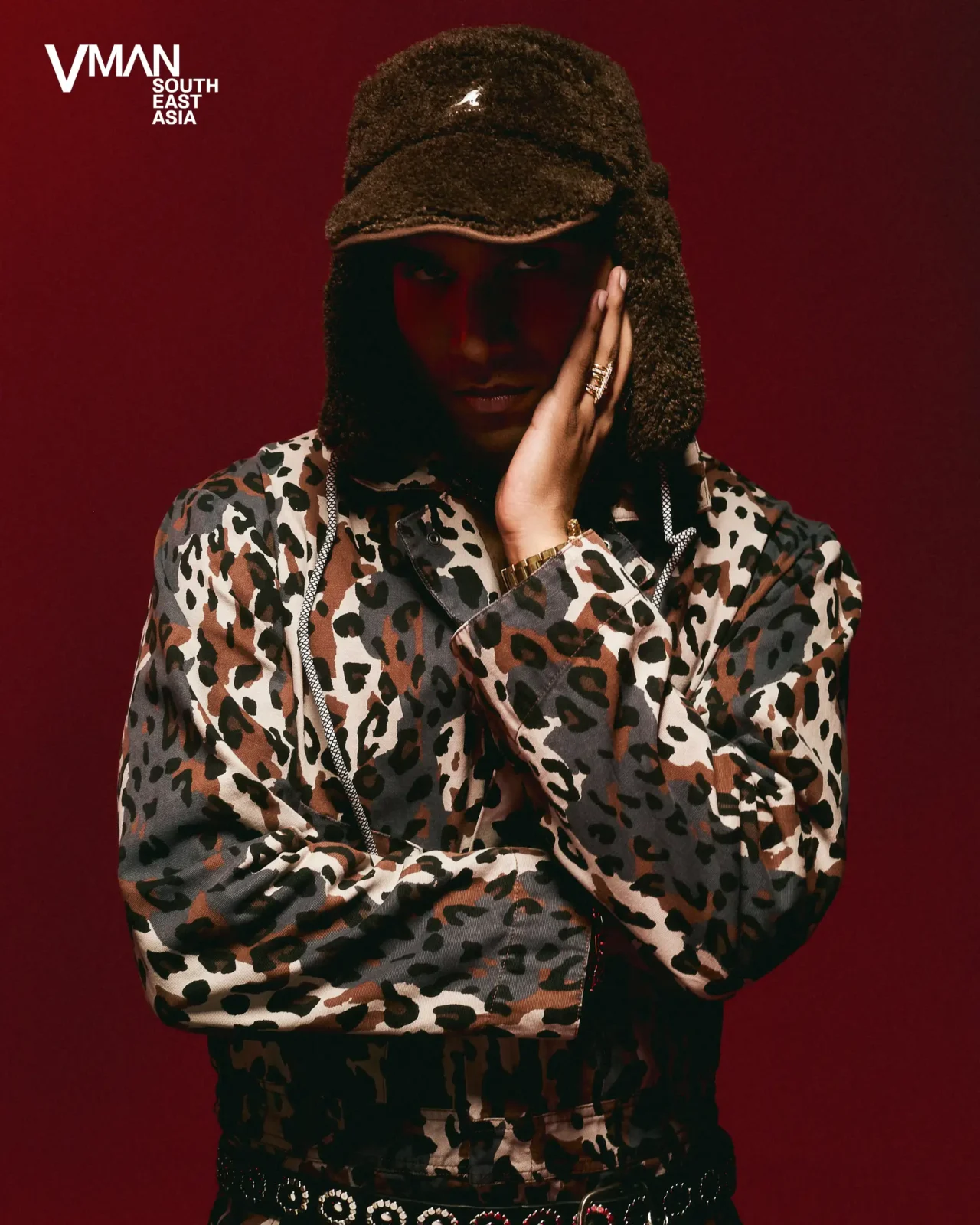
When he began making music, hip-hop felt like a natural framework. “One of the beauties of hip-hop is that it demands a certain level of authenticity from you,” he says. “It demands you speak from your most authentic voice.”
That realization led him to Tanglish, the mix of Tamil and English that reflects how he naturally communicates.
“Realizing that I’m a Tanglish boy and my most authentic voice is in Tanglish was a major turning point. That laid the foundation for my career as a new-gen Tamilian rapper from Singapore.”
Seeing culture, studying detail
His creative perspective was also shaped by growing up in Singapore’s multicultural environment, which allowed him to observe Tamil culture both as a participant and an observer.
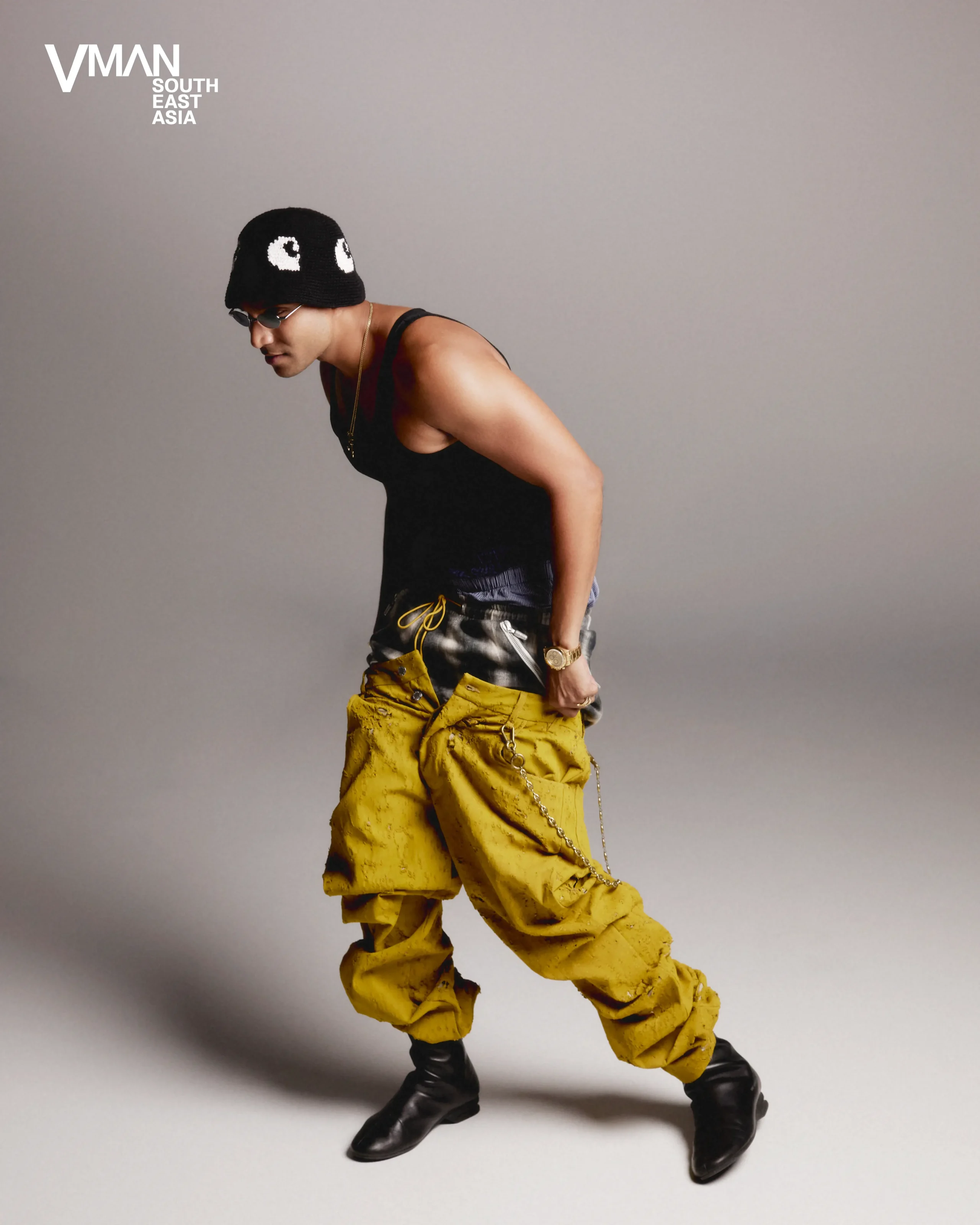
“I’ve always had this sense of fascination when I look at my culture,” he says. He recalls watching his sisters prepare for weddings, studying henna patterns and jewelry details.
“They would spend hours putting henna on their hands, and as a kid, I used to look at the designs and think how amazing they were. It looks like kolam.”
Swagger as a shared language
His influences reflect the same cross-cultural structure as his identity. Tamil cinema icon Rajinikanth shaped his early understanding of charisma, larger-than-life screen presence, and the idea that style can be a language of its own.
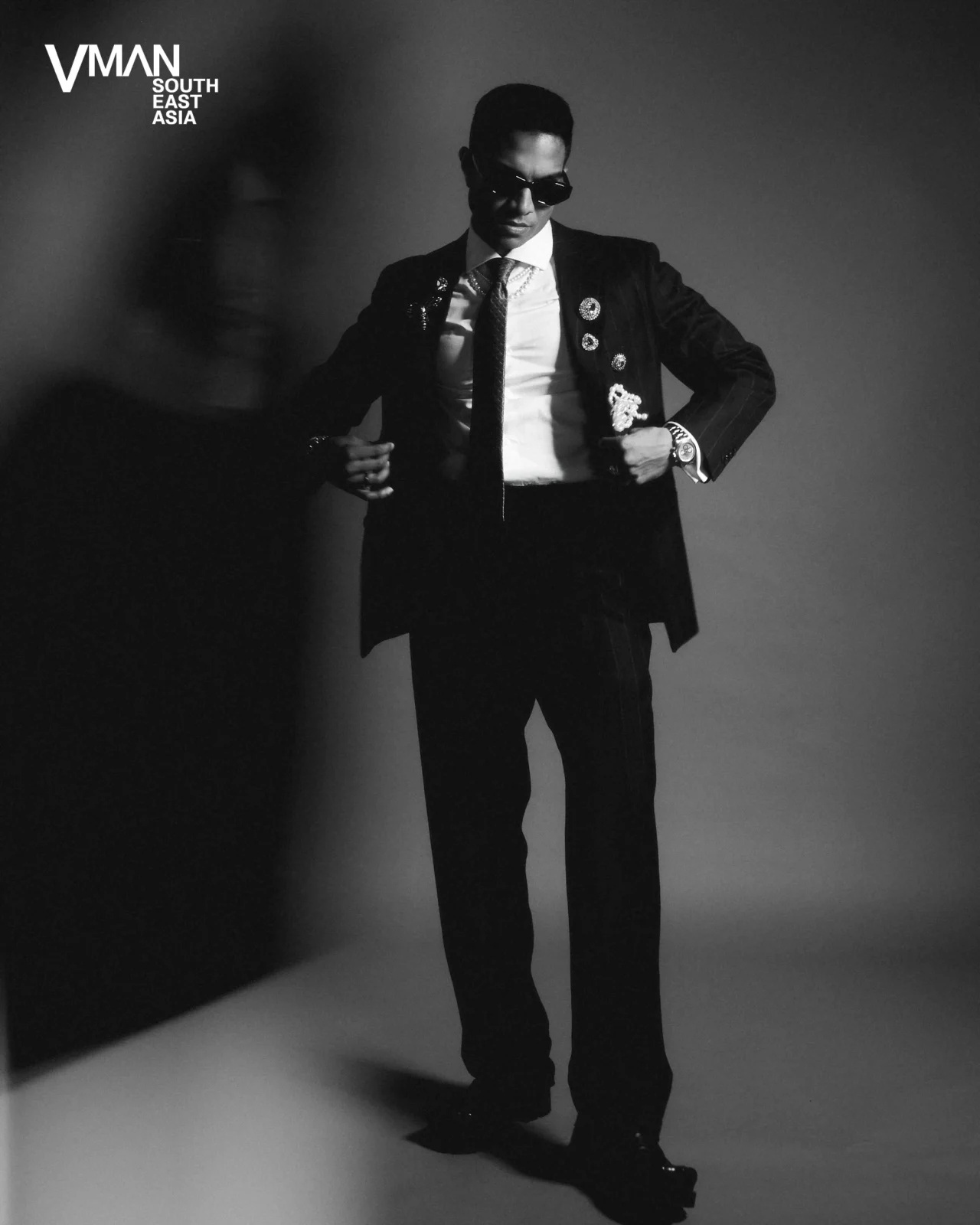
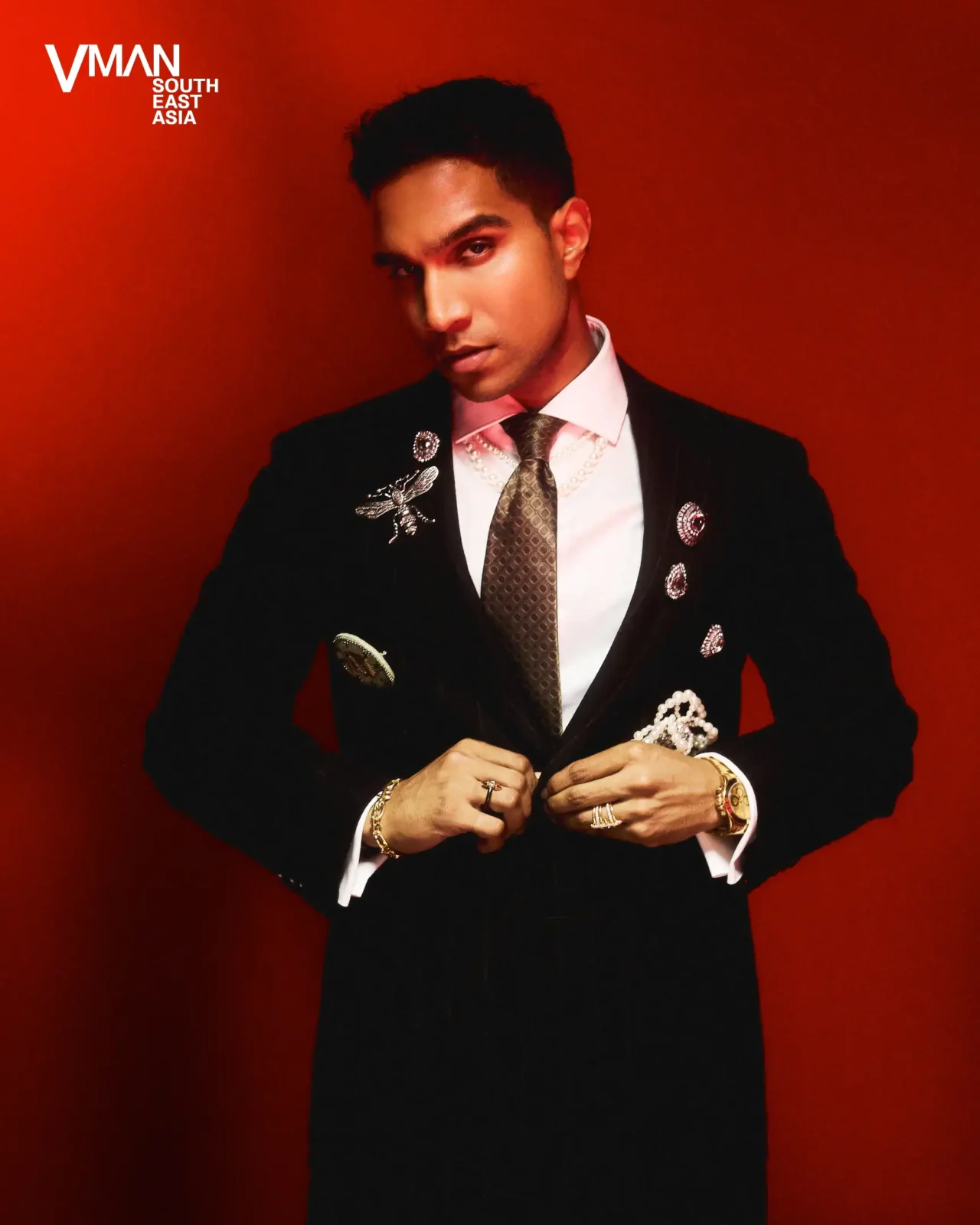
Growing up with Rajinikanth’s swaggering performances and unmistakable star aura offered an early template for how personality and image could command attention. At the same time, Western rap introduced him to a different sense of scale, expanding his understanding of performance by merging cinematic flair with the expansive ambition of global music culture.
“I was drawn to the swagger,” he says. “When I look at Rajinikanth’s fashion sense and swagger, I can correlate that to someone like A$AP Rocky. They’re super different, but from where I stand, I see things that feel cohesive.”
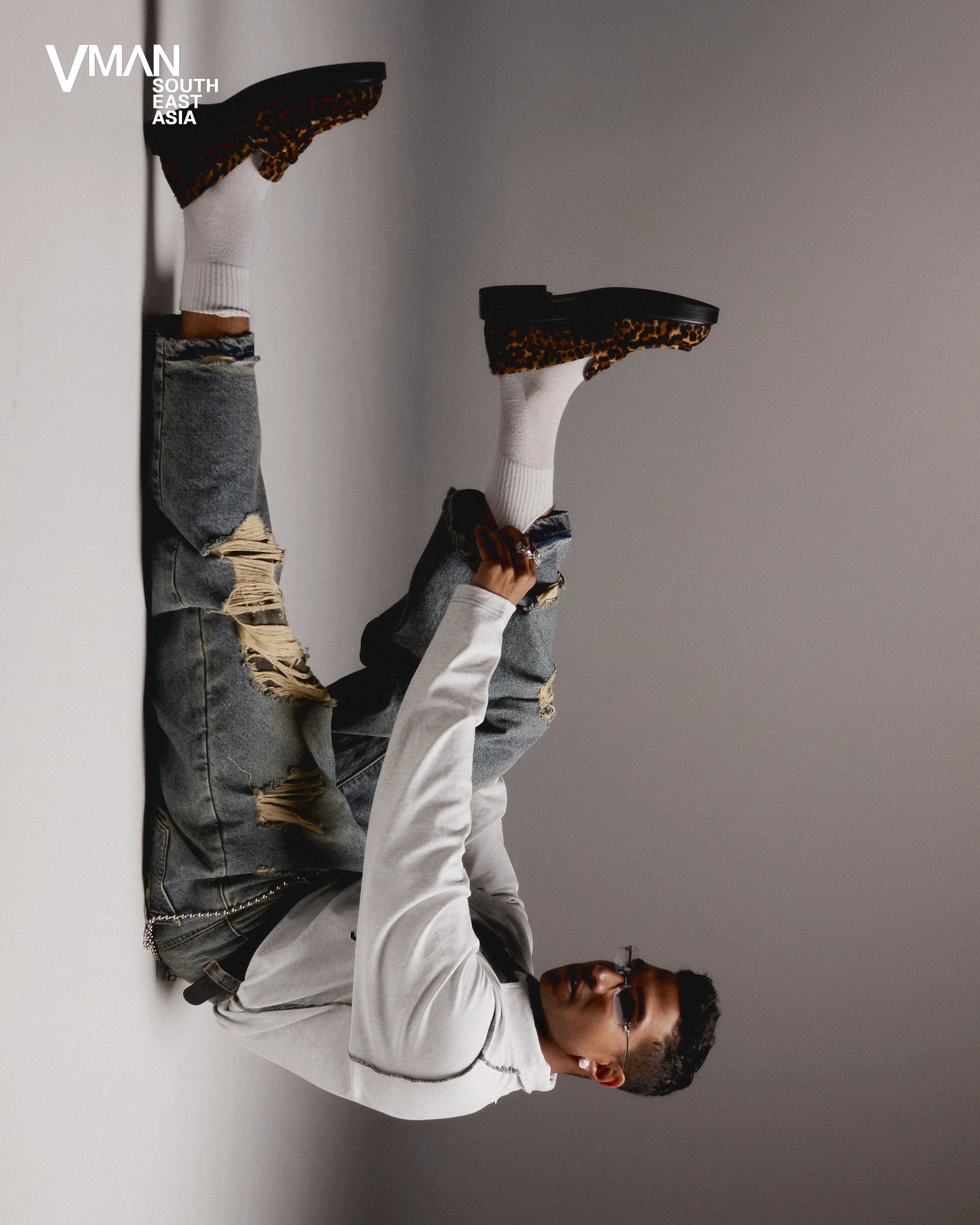
He often references a phrase his mother taught him growing up. “She would say, ‘Aal pathi, aadai paathi,’” he says. The meaning is direct: the person is fifty percent, the outfit is fifty percent. “It shows how important presentation is.”
Becoming the reference point
If one idea shapes his long-term goals, it is the concept of becoming a reference point. Growing up, he rarely saw artists who reflected his background.
“There was not much of a reference point for an artist like me. There was nobody I could look at and go, I want to be exactly like that guy.”
“I made a decision that whether it’s a song, a business venture, or a campaign, I want every single move to be a reference point for the next generation,” he says. “Because it’s one of the best ways you can inspire people. You show them the way.”
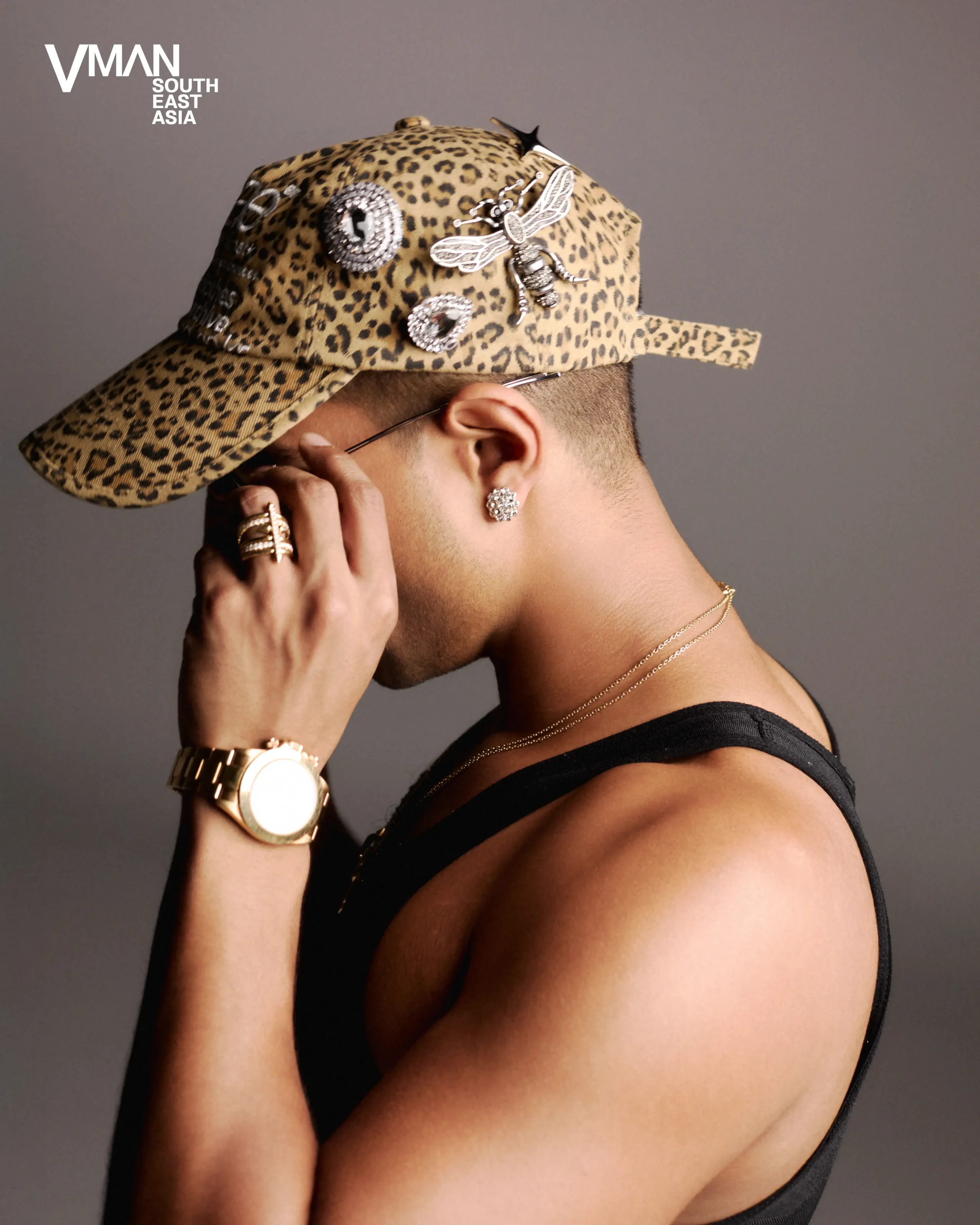
He now sees that shift happening in real time. “There are kids telling me they want to make music like me or go to Paris Fashion Week like me,” he says. “Before I started, there wasn’t anyone doing all these things.”
Expanding the frame
When he talks about legacy, he frames it in terms of visibility and access rather than dominance. “I want everything I do to be something the next generation can look at and draw inspiration from,” he says. “I want to set the tone for what is possible.”
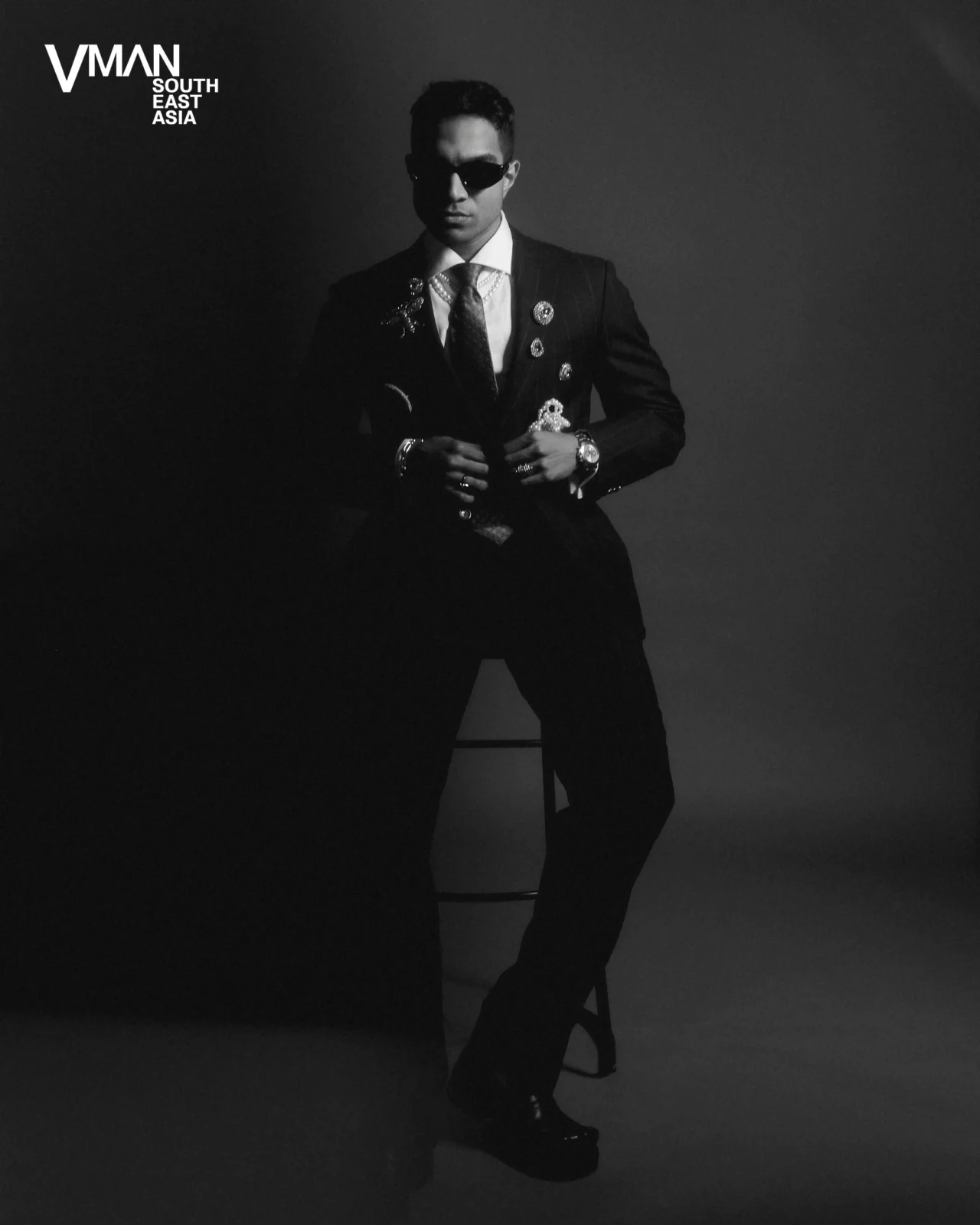
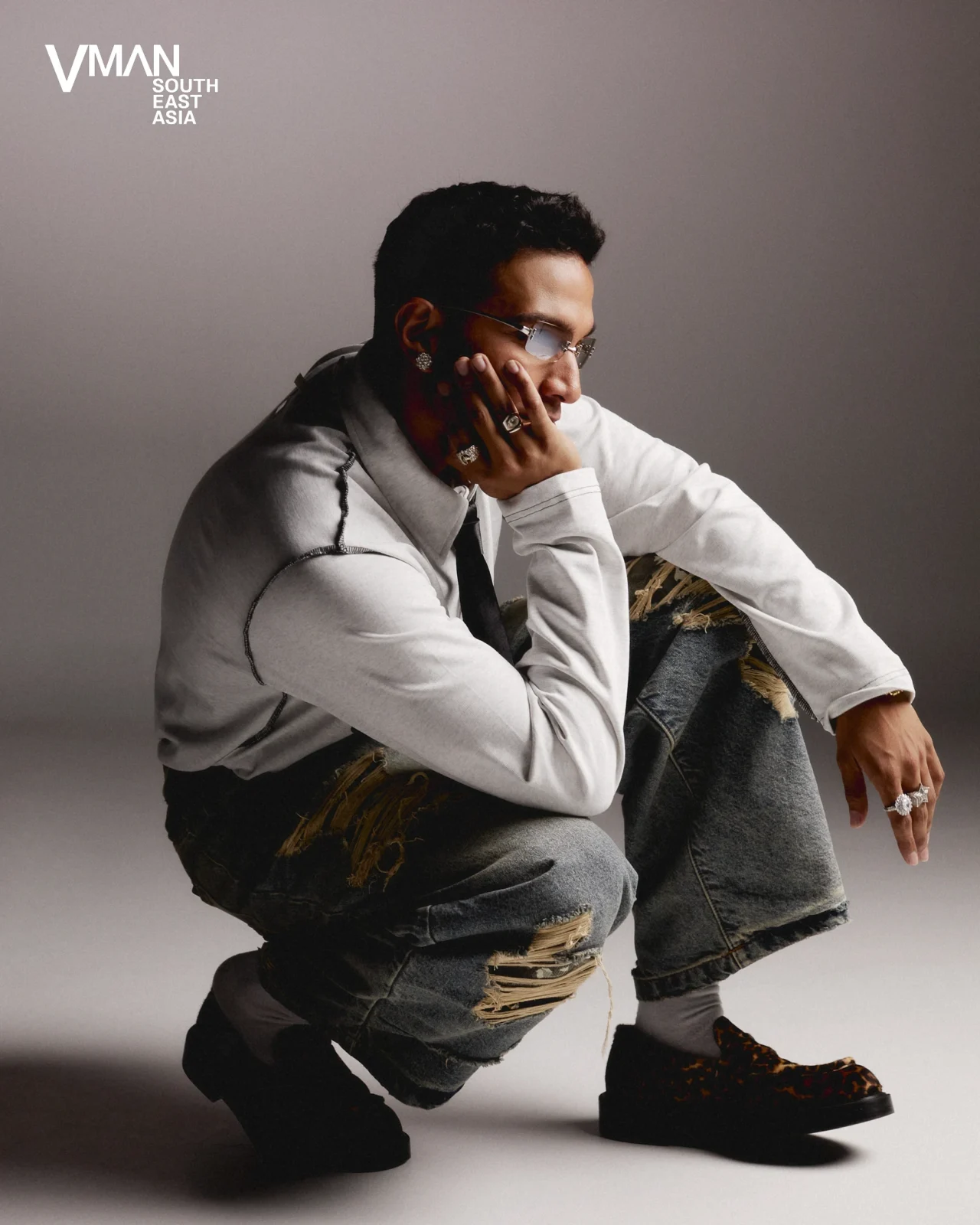
“My experience is unique to me. But I’ve realized there are a lot of people like me around the world.”
In that sense, Yung Raja’s career expands the boundaries of who gets to belong in global hip-hop and what stories can exist within it.
As his profile grows across music and fashionFashionThe art and industry of designing, producing, and styling clothing, footwear, accessories, and beauty trends. It reflects cultural influences, personal expression, and evolving styles across seasons and markets.Go to Fashion Glossary, each project and collaboration widens his frame and creates space for a generation of artists who see their own hybrid identities reflected in the path he is building.
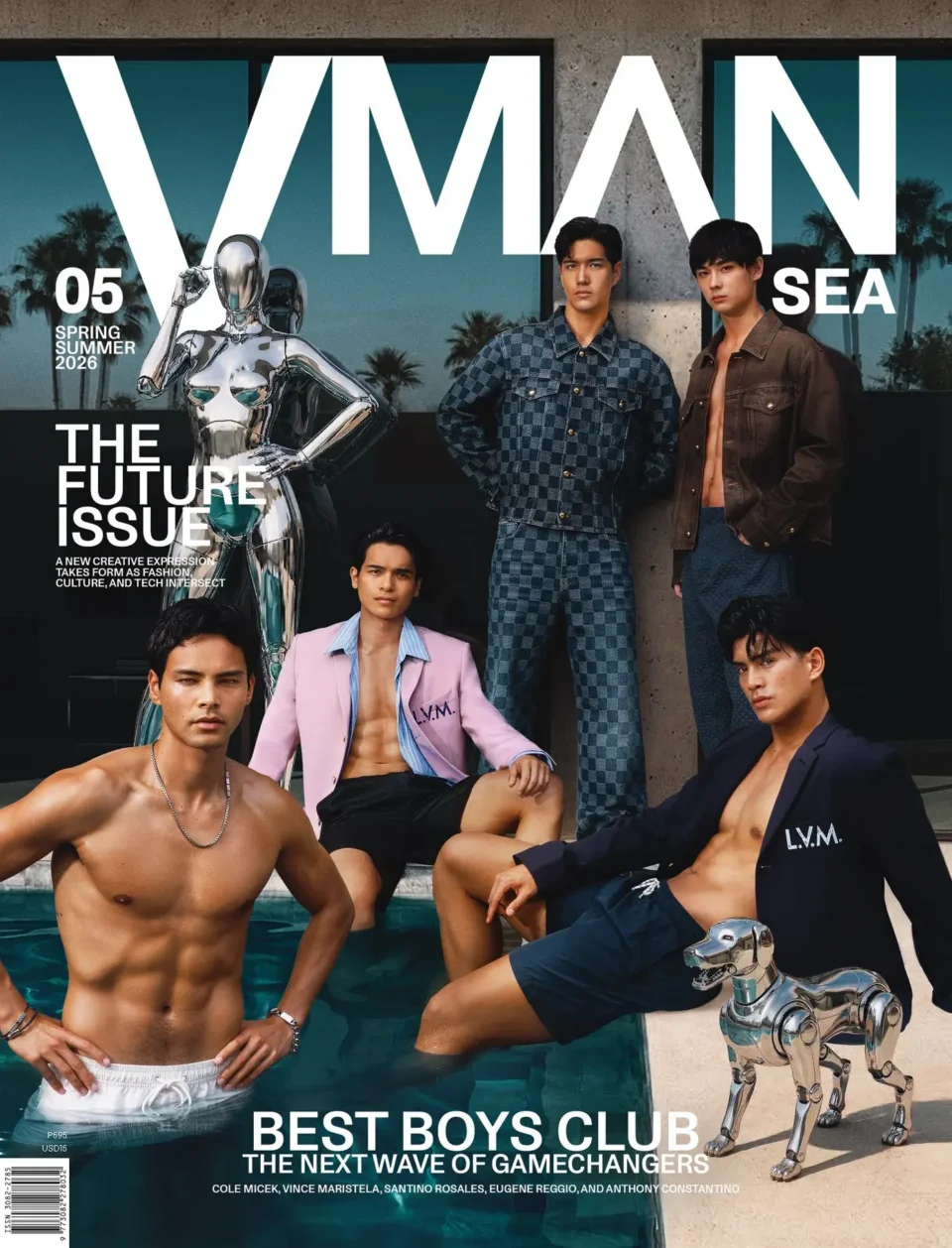
As seen in the pages of VMAN SEA 05: now available for purchase!
Photography Hans Goh
Creative direction and fashion Isabella Chan
Grooming Sha Shamsi
Frequently Asked Questions
Yung Raja is a Singaporean Tamil rapper and one of Southeast Asia’s most distinctive hip-hop voices. Born in Singapore to parents who migrated from Thanjavur, India, he raps in Tanglish — a blend of Tamil and English — and is known for fusing Tamil cultural heritage with global hip-hop aesthetics.
Tanglish is a natural mix of Tamil and English used in everyday communication among Tamil-speaking communities. Yung Raja identifies Tanglish as his most authentic voice, and recognizing this was a turning point in his career — it became the linguistic and cultural foundation of his identity as a new-generation Tamilian rapper from Singapore.
Yung Raja draws from Tamil cinema icon Rajinikanth — whose charisma, screen presence, and swagger offered an early model of how style can command attention — and from Western hip-hop, particularly artists like A$AP Rocky. He connects both through a shared quality he describes as swagger: a cross-cultural language of confidence, image, and identity.
A: Growing up, Yung Raja saw no artists who reflected his Tamil Singaporean background. He made a deliberate decision that every move — music, business, campaign — should serve as a reference point for the next generation of artists from similar hybrid backgrounds. He now sees that shift happening, with younger artists citing him as an influence.
Tamil culture was the dominant identity of Yung Raja’s childhood, shaped by parents who maintained their Thanjavur roots after migrating to Singapore. He describes a lifelong fascination with cultural details — henna patterns, kolam designs, jewelry — that later informed his visual and musical aesthetics, grounding his global ambitions in a specific and deeply felt heritage.