Digital Minimalism Can Be Your Next Style Reset
This Gen Z-led lifestyle change is subtly influencing how people dress, shop, and express themselves




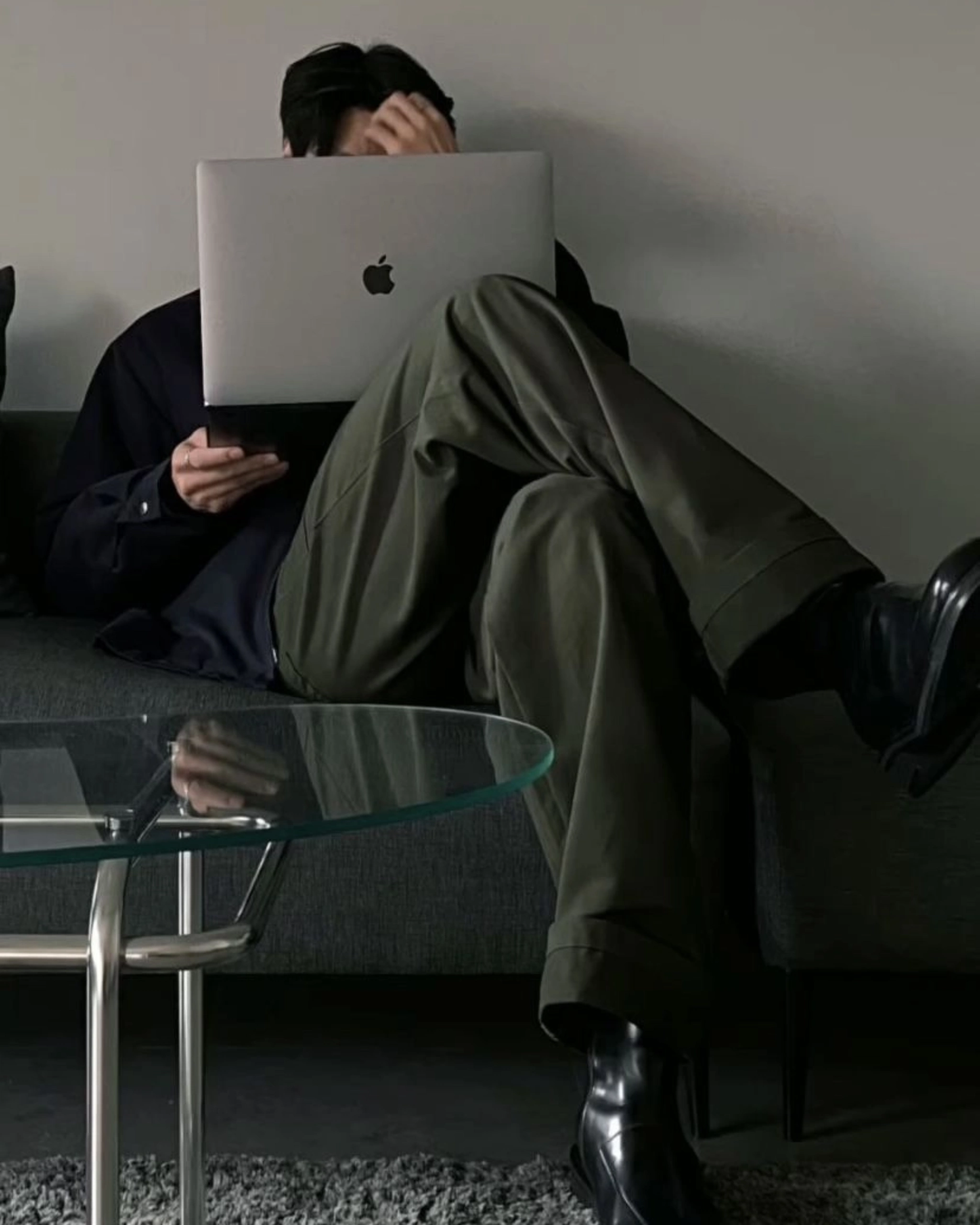
How does digital minimalism influence fashion and style?
It’s an interesting phenomenon: Generation Z, often heralded as today’s chronically online individuals, is leading the charge toward digital minimalism.
It goes beyond a one-time digital detox, nor is it an off-the-grid moment where technology is absolutely cut out. Digital minimalism is, at its core, the intentional and selective use of tools, such as smartphones, social media, streaming services, and the like.
Small habits compound to form a digitally minimalist lifestyle: unfollowing accounts that don’t serve a purpose in one’s life, uninstalling apps that clutter one’s phone (and installing ones that do help in managing screen time, for example), setting times for mindless scrolling (with the intention of letting the habit go altogether), among other things.
Most digital natives themselves, being practically born into the online world, cite how the movement helps with their mental health: not only do they get to focus on what matters and get a clear outlook on things, but they also experience less anxiety and stress caused by information overload. A flurry of benefits follows: good sleep, stronger offline relationships, and more free time for activities outside virtual spaces.
The effects of the movement on fashionFashionThe art and industry of designing, producing, and styling clothing, footwear, accessories, and beauty trends. It reflects cultural influences, personal expression, and evolving styles across seasons and markets.Go to Fashion Glossary and style are already quite apparent, though there are a few ironies as well. On two fronts, it affects how people curate and develop their personal style; also, digital minimalism feeds into the very phenomenon that it seeks to minimize.
Platforms like Instagram and TikTok rapidly churn fashionFashionThe art and industry of designing, producing, and styling clothing, footwear, accessories, and beauty trends. It reflects cultural influences, personal expression, and evolving styles across seasons and markets.Go to Fashion Glossary micro-trends and “cores,” with only a handful making it big before getting replaced by the next moment: think Y2K, preppy fits, the Labubu, and more. It’s an ironic movement: the push for individuality via these hyper-specific ways of dressing has become its own broad style movement: one can tell that a person has been chronically online if their fits, varied as they can get, are all taken from the digital world.
As such, digital minimalism becomes a way for a person to hit the reset button and find pieces that work for them in a more organic and intuitive manner. Instead of content creators and algorithms telling them what to wear, a digital minimalist returns to the real world—aided by intentionally curated online platforms—to get style cues. It could be the interesting fit of a vendor selling snacks on the streets, or the colors of their food cart. Or it can be a more present and mindful trip to a shopping mall or thrift store, allowing the clothes to speak for themselves, rather than seeking what the digital space is pushing you to buy.
In summary, it’s an approach that’s not just intentional; it also has its practical benefits.
Ironically, a digitally minimalist lifestyle is also giving rise to a certain “core” or aesthetic that is being propagated online: think of Dior using books as tote bag designs and collaborating with “BookTokers” to promote the pieces. Also related to the phenomenon is the ‘performative male’ aesthetic: while he isn’t a digital minimalist per se, his penchant for books and portraying a lifestyle that’s more deliberate, studied, and sensitive can be seen as a close relative of the movement.
Then there’s also the predicament of rejecting anything trending as a flawed solution to finding an “authentic” sense of self-expression. The pursuit of digital minimalism becomes less intentional and more avoidant. This could lead nowhere; moreover, it could prevent a person from actually getting closer to things that speak to them, only because the said trend, piece, or fit is popular online.
So how do we proceed? The answer lies not in choosing a side, but rather understanding how you want to approach fashionFashionThe art and industry of designing, producing, and styling clothing, footwear, accessories, and beauty trends. It reflects cultural influences, personal expression, and evolving styles across seasons and markets.Go to Fashion Glossary and style. If you thrive in being the conduit of the fast-paced turnover of trends and cores, by all means, do so; but if you want to hit the refresh button with your fits, consider logging out, putting down your phone, and take a short walk through the real world.
Frequently Asked Questions
Digital minimalism is the intentional, selective use of technology — smartphones, social media, and streaming — rather than a one-time detox or complete disconnection. It involves small habits like unfollowing accounts and limiting mindless scrolling.
Digital minimalism shifts people away from algorithm-curated fashion micro-trends and toward style cues drawn from offline life, such as a street vendor’s outfit or a thrift-store find, encouraging a more organic approach to dressing.
Digital minimalism has become its own trending aesthetic online, with creators and brands packaging it as a “core.” The pursuit of individuality through intentional dressing has paradoxically turned into a recognizable, widely imitated style movement.
The “performative male” aesthetic, associated with curated bookishness and Dior’s BookTok tote bag collaborations, isn’t true digital minimalism but shares its deliberate, studied posture, making it a close cultural relative of the movement.
Yes. Rejecting anything popular purely because it’s trending can shift digital minimalism from intentional to avoidant, potentially distancing someone from pieces or trends that genuinely reflect their taste rather than bringing them closer to authentic style.
Recommended Video