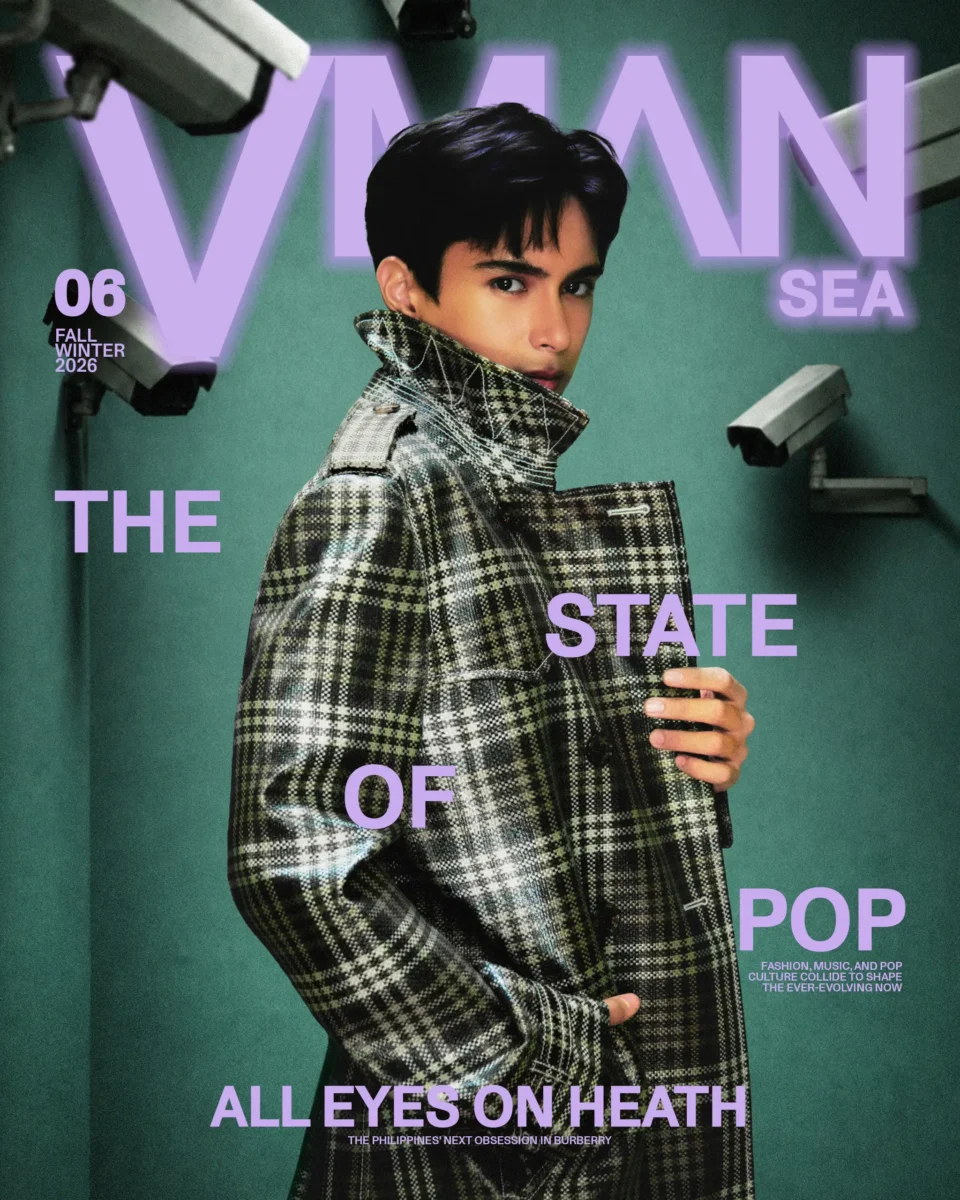
Trendspotting: The 80s Tuck Returns
After years of oversized silhouettes, fashion is rediscovering the confidence of the tucked-in top




A shift in silhouette
After years dominated by oversized silhouettes and looseness, the simple act of tucking a top into a waistband is once again shaping how people dress. Known loosely as the “80s tuck,” the look is emerging as one of the defining styling trends heading into 2026.
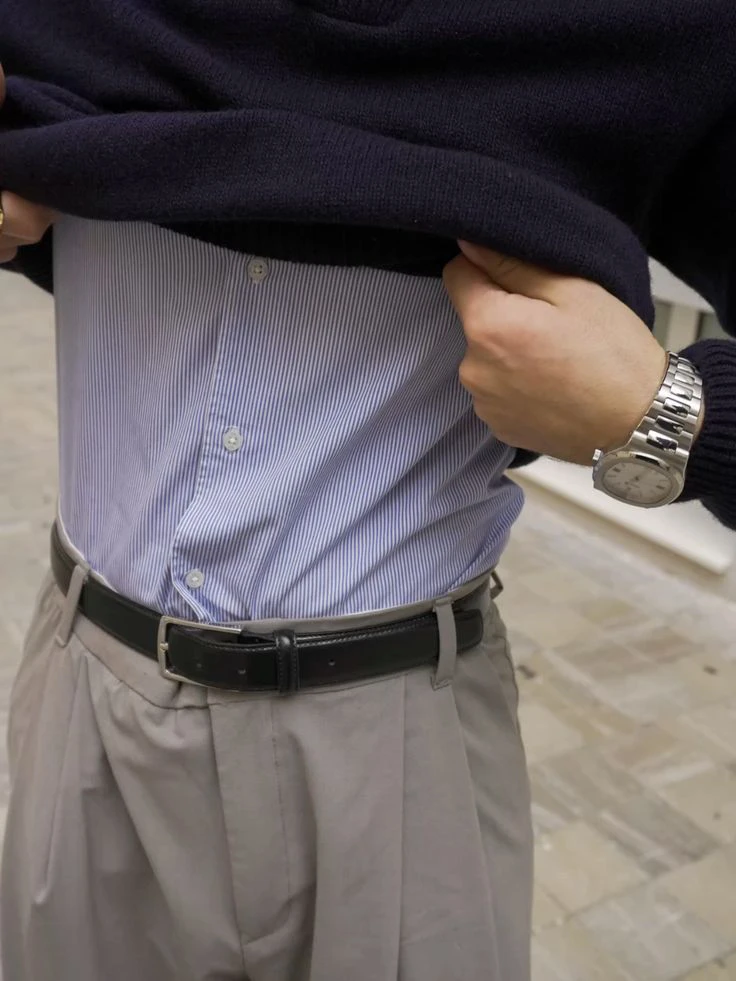
Once considered outdated or overly formal, the tucked-in shirt or sweater had long been sidelined in favor of relaxed layering and clothes that floated around the body. FashionFashionThe art and industry of designing, producing, and styling clothing, footwear, accessories, and beauty trends. It reflects cultural influences, personal expression, and evolving styles across seasons and markets.Go to Fashion Glossary in the past decade rewarded effortlessness, often expressed through excess fabric and slouchy proportions.
But that balance is changing. As designers and wearers alike return to sharper outlines and clearer silhouettes, the tuck has regained relevance, not as a retro gimmick but as a practical and versatile styling choice.

A look that’s everywhere again
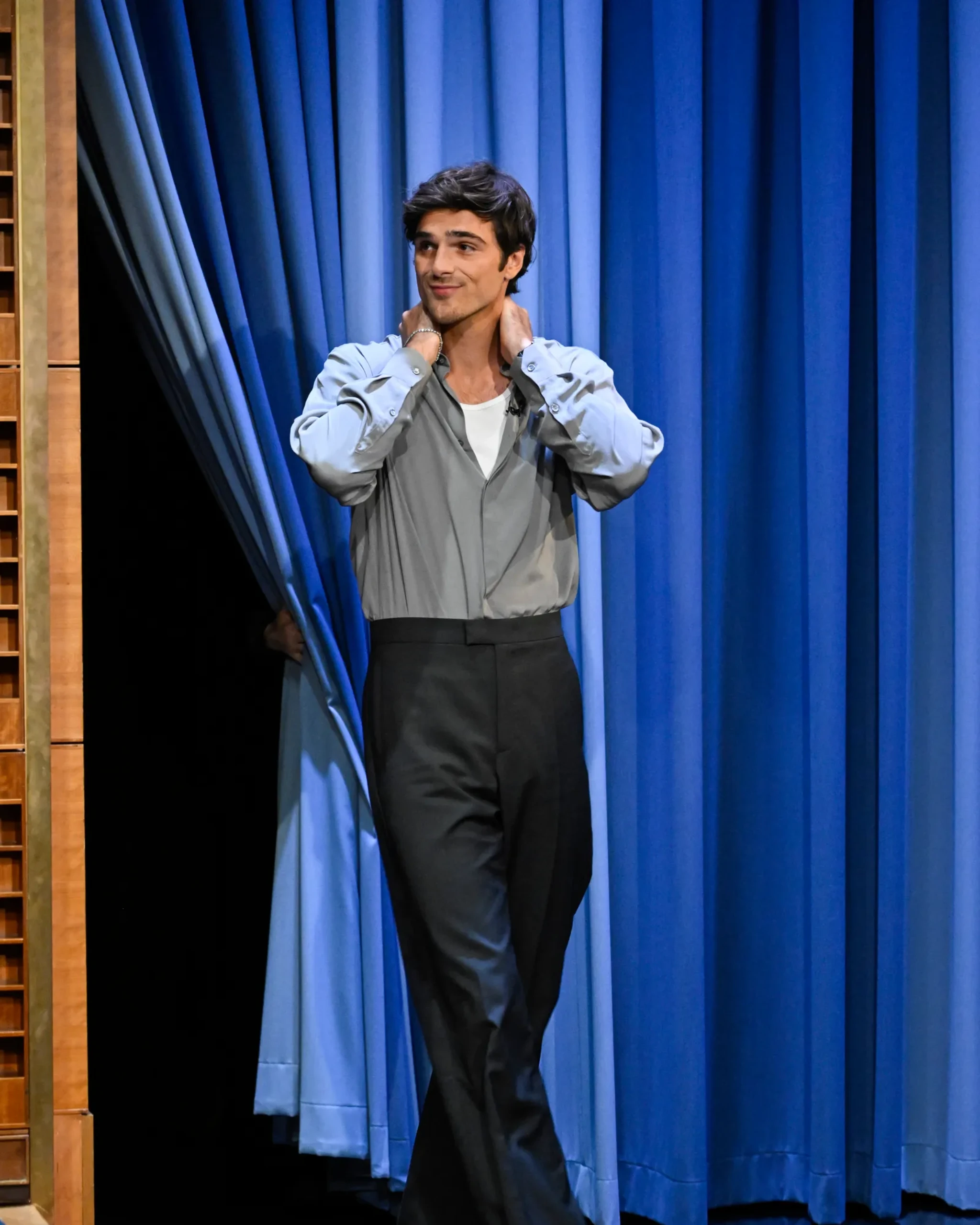
The renewed interest is hard to miss. On red carpets and in street style, figures like Jacob Elordi have embraced the tucked-in top as part of a modern uniform. In these appearances, the tuck does not read as rigid or conservative. It is paired with well-cut, sometimes slightly loose trousers.
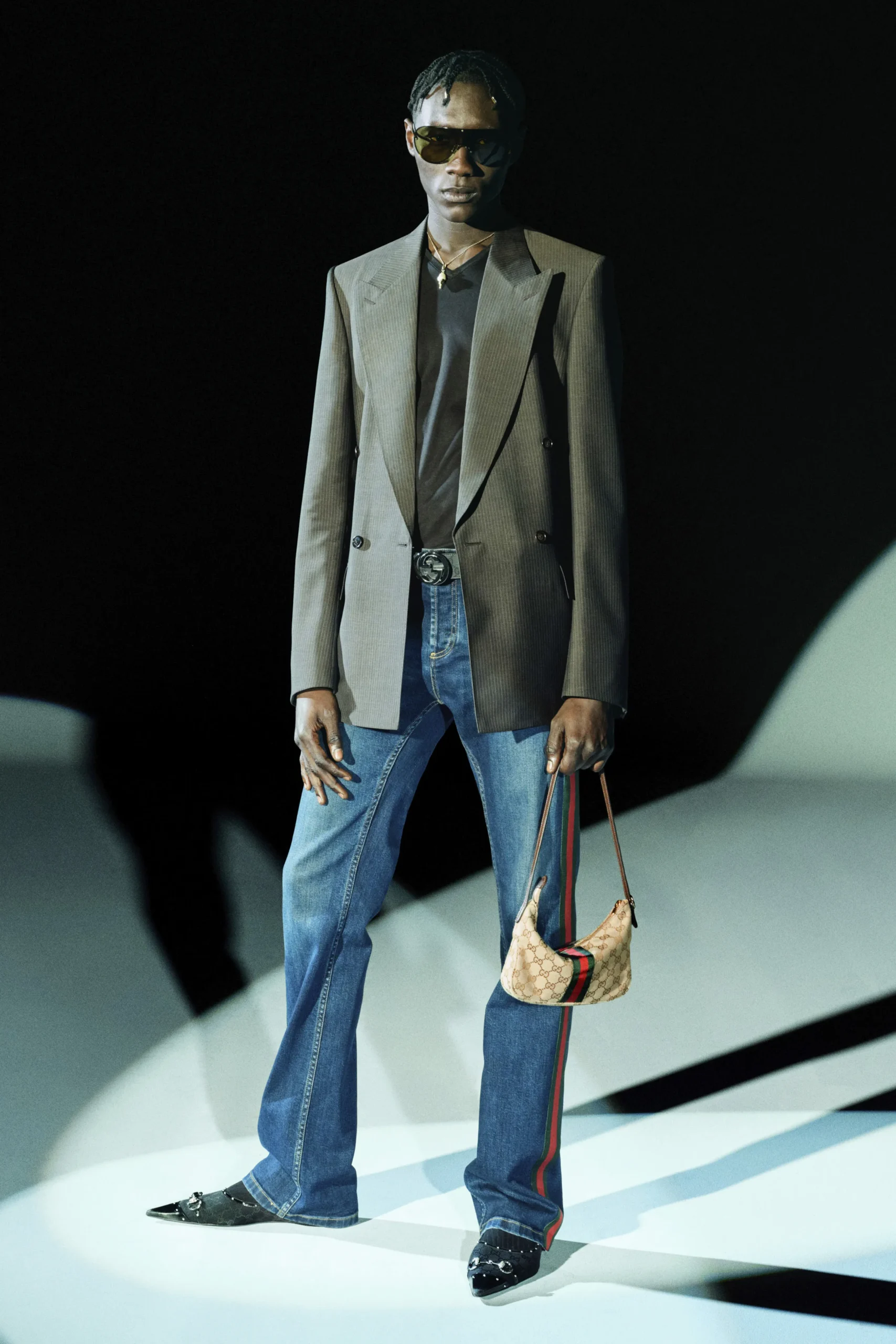
Runway collections reinforce the shift. At Gucci’s Pre-Fall 2026 show under Demna, shirts were consistently tucked into trousers. Similar styling appeared at Dior and Ferragamo, where tucked tops anchored looks that otherwise played with fluid fabrics and relaxed tailoring.
What distinguishes the ’80s tuck in 2026 is its emphasis not on cinching the body, nor on recreating the power silhouettes of past decades. Instead, designers favor mid-rise waists and straight or gently loose-fitting trousers that allow the fabric to fall naturally. Shirts are tucked in without being smoothed flat, leaving a slight looseness that keeps the look modern and wearable.
In everyday terms, the trend translates easily. Straight-leg jeans or barrel-cut trousers paired with an oversized shirt create a look that feels casual but considered.
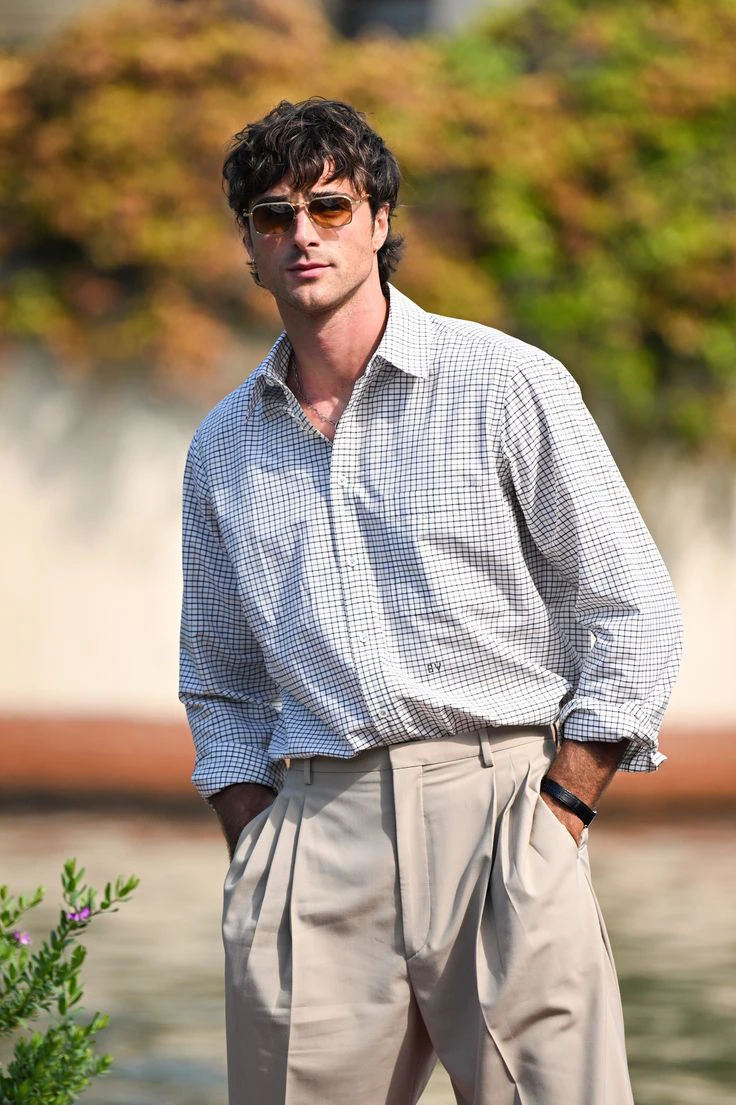
The tuck fits neatly into the current menswear moment, where influences from workwear, prep, and tailoring intersect. It sits comfortably between formality and ease, capable of adapting to denim jackets, boxy coats, or tailored blazers alike.
A trend that asks little
Part of the appeal lies in its accessibility. Unlike many trends that rely on specific pieces or high price points, the 80s tuck asks very little. Most people already own the necessary components. The shift is primarily one of styling. That simplicity helps explain why it has spread so quickly across age groups and aesthetics.
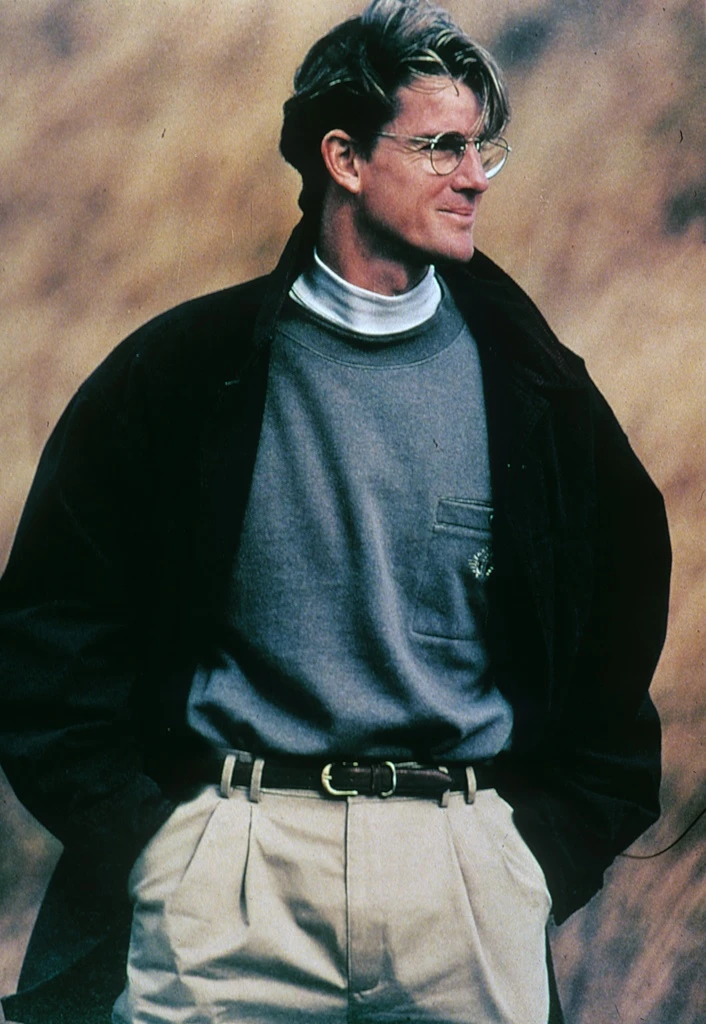
In the end, the return of the tuck reflects a broader desire for clarity in how clothes are worn. It offers a way to look put together without appearing overly styled.
For a fashionFashionThe art and industry of designing, producing, and styling clothing, footwear, accessories, and beauty trends. It reflects cultural influences, personal expression, and evolving styles across seasons and markets.Go to Fashion Glossary cycle increasingly focused on longevity and versatility, that balance may be exactly what gives the 80s tuck its staying power.
Frequently Asked Questions
The 80s tuck refers to the styling move of tucking a shirt or sweater into a waistband to define the silhouette. It is trending in 2026 as menswear shifts away from years of oversized, slouchy proportions toward cleaner outlines and more deliberate dressing.
Unlike the power-dressing version of the 1980s — which centered on cinched waists and structured silhouettes — the 2026 take favors mid-rise waistbands, straight or gently loose trousers, and shirts left with a slight looseness rather than smoothed flat, keeping the look modern rather than retro.
Gucci’s Pre-Fall 2026 collection under Demna consistently featured tucked-in shirts paired with trousers. Dior and Ferragamo also incorporated the tucked silhouette as an anchor for looks that otherwise played with fluid fabrics and relaxed tailoring.
The simplest approach pairs straight-leg or barrel-cut trousers with an oversized shirt tucked in without flattening — leaving a natural looseness at the waist. The look works equally well under denim jackets, boxy coats, or tailored blazers, making it adaptable across casual and dressed-up contexts.
The 80s tuck requires no new purchases — most people already own the pieces needed. The change is purely one of styling: tucking in what you would previously have left out. That low barrier to entry, combined with its versatility across different aesthetics and body types, explains how quickly it has spread.
Recommended Video