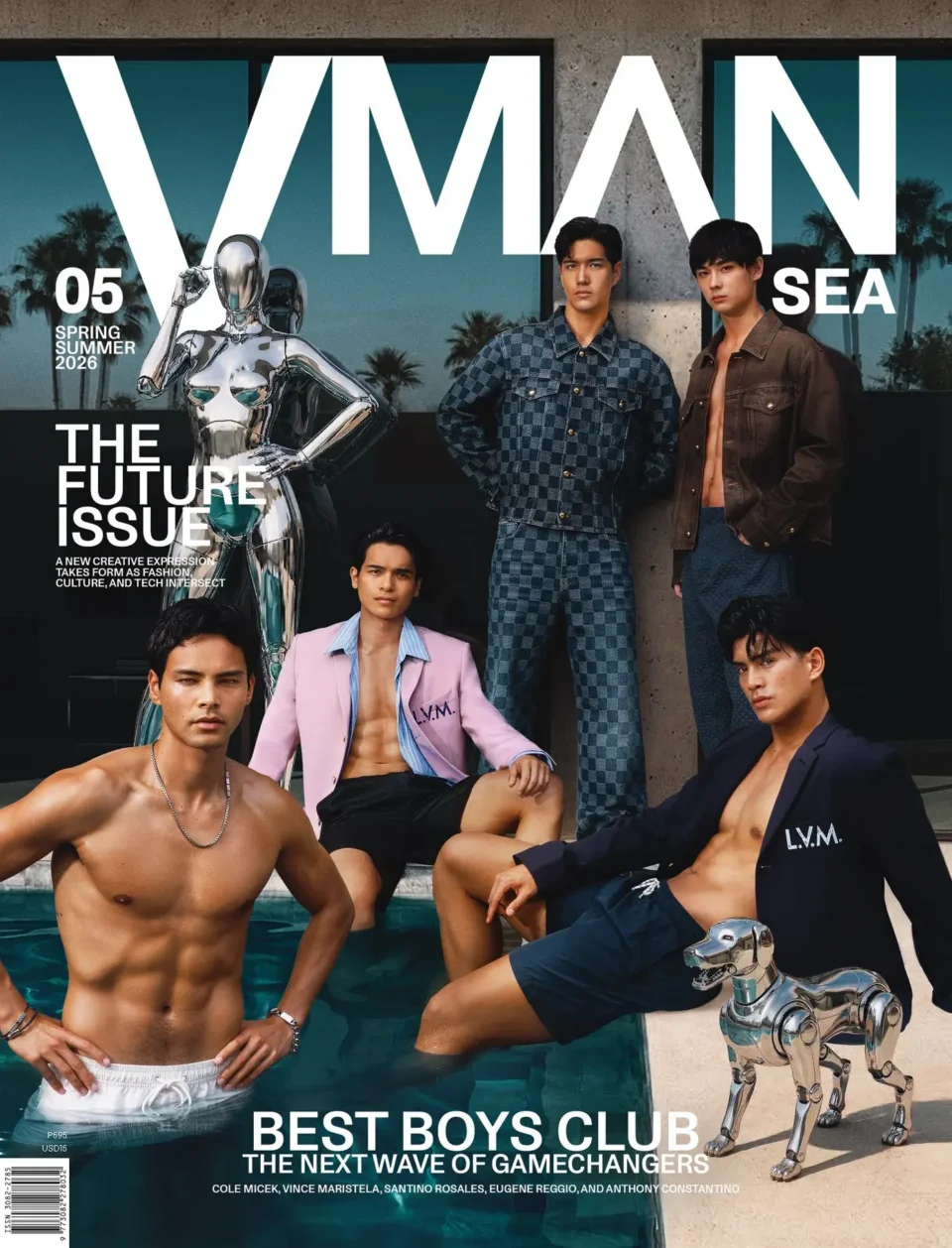
Do You Have Baggy Blindness?
As oversized silhouettes tip from relaxed into exaggerated, “baggy blindness” has become a shorthand for fashion’s growing confusion with how wide is too wide




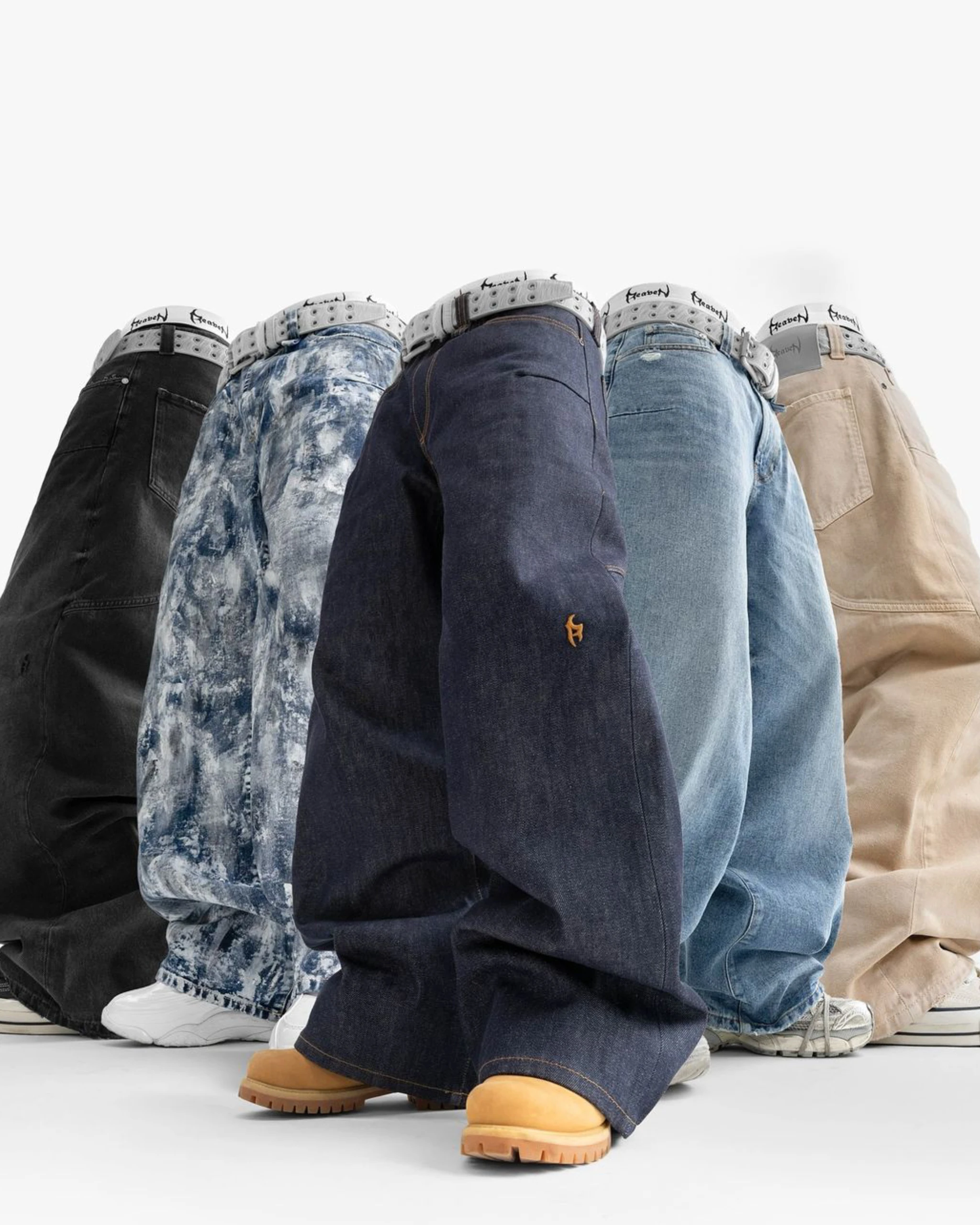
Do you have baggy blindness? Or, more directly, how baggy is too baggy?
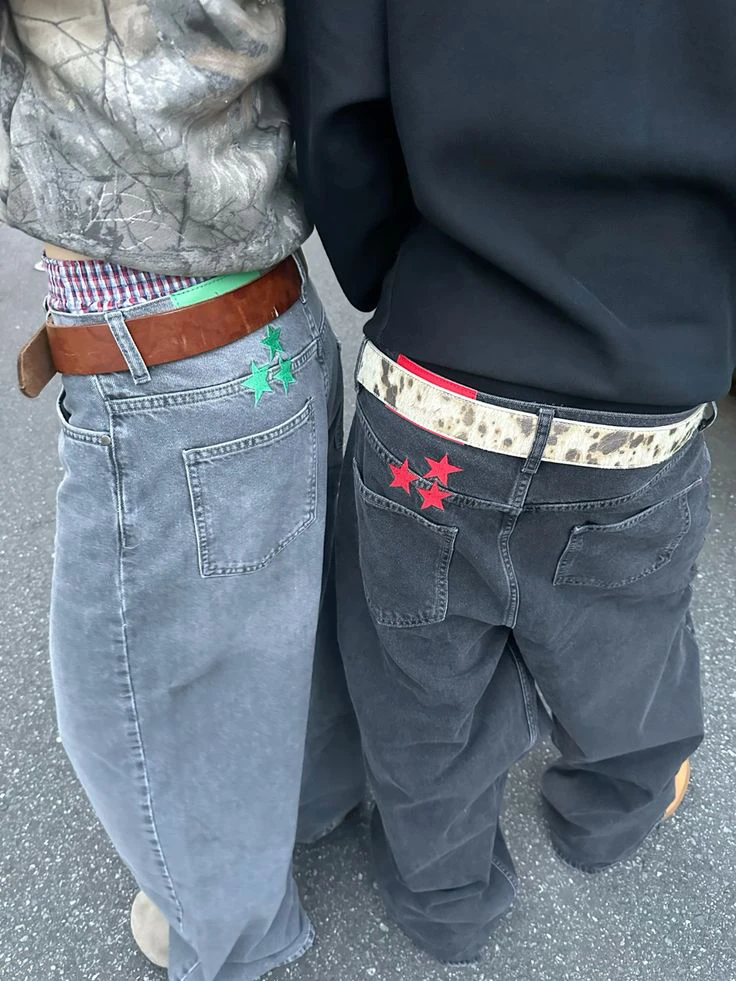
The question has circulated online with a mix of humor and concern, attached to videos of trousers so wide they billow like balloons and hems that drag across sidewalks.
What began as a joke has grown into a conversation about fashionFashionThe art and industry of designing, producing, and styling clothing, footwear, accessories, and beauty trends. It reflects cultural influences, personal expression, and evolving styles across seasons and markets.Go to Fashion Glossary’s proportions and whether the oversized trend has reached an extreme.
READ MORE: New Years Resolutions: 3 Fashion Habits to Learn and 3 to Drop
The new fit check
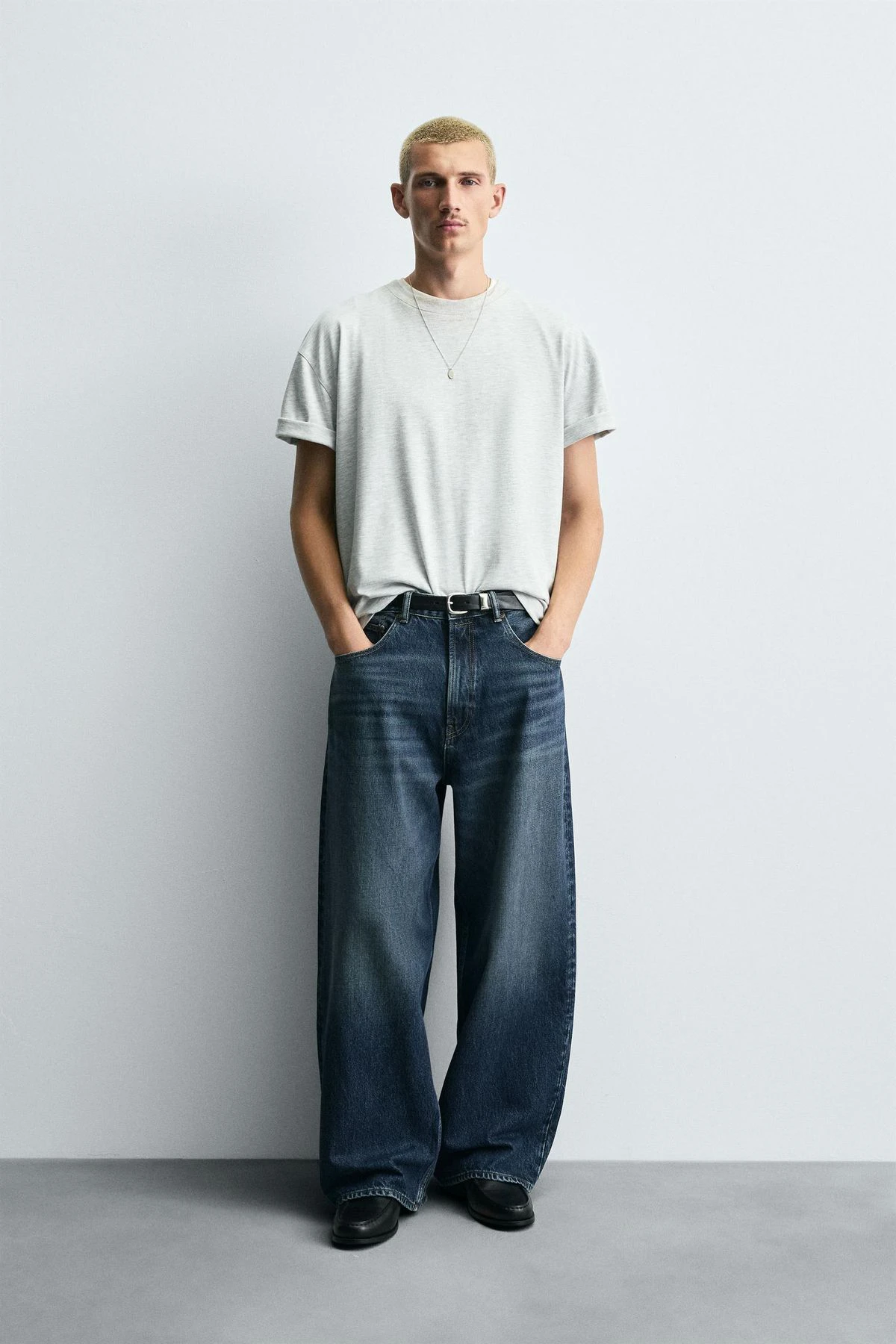
On social media, the pattern is clear. Creators stand in front of mirrors, tugging at the waistband of their pants to show just how much room there is. The trousers swell outward. Comments fill quickly, some applauding the commitment, others diagnosing the look as baggy blindness.
The term has emerged as shorthand for the growing unease with clothing that might have become too loose, too exaggerated, and sometimes too absurd.
The move toward oversized clothing has been gradual. Before the pandemic, slim fits dominated mainstream menswear. Cropped trousers and tailored jackets highlighted attention to proportion.
Then comfort became a cultural priority. Lockdowns removed the divide between private and public dress, and when people returned to the outside world, many retained looser silhouettes.
Excess is the point
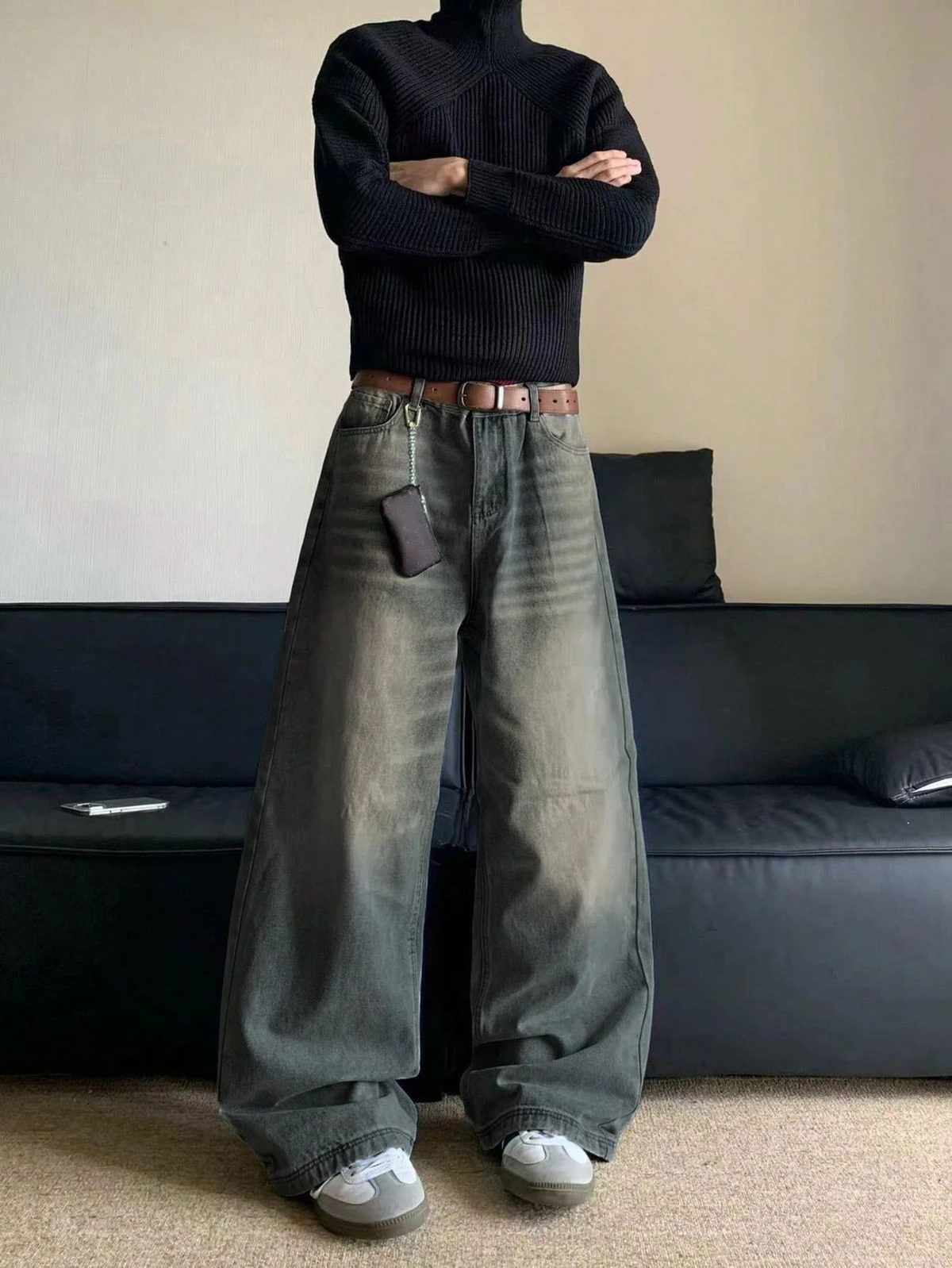
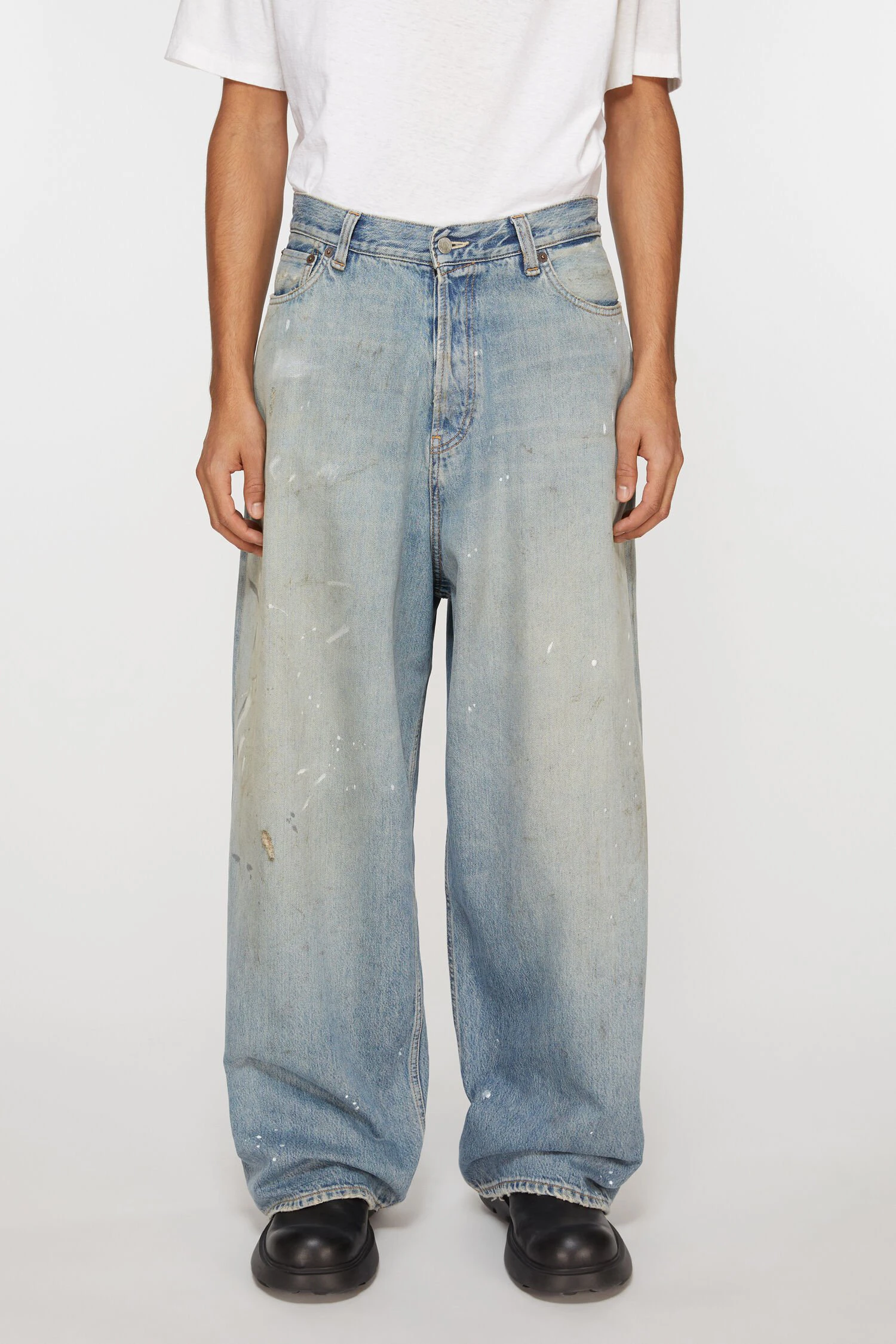
Fashion brands pushed the trend further. Acne Studios softened its lines with denim designed to pool at the ankles. Balenciaga introduced coats, hoodies, and trousers that overwhelmed the body rather than followed it. Oversizing, once associated with poor fit, became an aesthetic choice.
As the trend reached social media, its extremes became more visible. Influencers staged exaggerated fit checks, stretching pant legs outward to emphasize width. Hems dragged along sidewalks for the perfect stack or heel bite.
Baggy blindness captures the sense that this trend has moved from expressive to excessive. When everyone wears oversized clothes, the only way to stand out is to go bigger, longer, and wider.
Why loose still feels right
Still, the trend has opened up new possibilities. Oversized clothing allows comfort and freedom of movement. It accommodates different body types and loosens the idea that looking stylish requires restriction.
The extreme examples may feel absurd, but the movement has shifted fashion toward flexibility and experimentation.

FashionFashionThe art and industry of designing, producing, and styling clothing, footwear, accessories, and beauty trends. It reflects cultural influences, personal expression, and evolving styles across seasons and markets.Go to Fashion Glossary history shows that trends rarely end because they are wrong. They fade when they become too visible or too codified. Baggy clothing may be approaching that stage, where the most extreme versions overshadow the original appeal.
Whether clothing will continue to grow wider is uncertain. The more likely outcome is fragmentation, with room for multiple interpretations of oversized fashionFashionThe art and industry of designing, producing, and styling clothing, footwear, accessories, and beauty trends. It reflects cultural influences, personal expression, and evolving styles across seasons and markets.Go to Fashion Glossary. For now, baggy blindness serves as both a joke and a critique, a way to ask if fashion has stretched itself too far.
Frequently Asked Questions
Baggy blindness is a term that describes the point at which oversized clothing in men’s fashion becomes excessive — when trousers are so wide and hems so long that the silhouette moves from expressive to absurd. It emerged from social media fit-check culture as both a joke and a genuine critique.
Oversized menswear gained mainstream traction after the pandemic, when lockdowns erased the distinction between private and public dress. Comfort became a cultural priority, and looser silhouettes persisted when people returned to public life. Fashion brands including Acne Studios and Balenciaga reinforced the shift by making excess an intentional aesthetic direction.
There is no fixed rule, but the baggy blindness conversation suggests the threshold is reached when proportion loses its logic — when trousers pool dramatically at the ankle, hems drag across floors, or the garment overwhelms the body entirely. Conservative interpretations of the oversized trend maintain structure while still reading as relaxed.
Fashion history suggests oversized menswear will not disappear abruptly but will likely fragment. The most extreme versions may recede as the silhouette becomes too codified, making way for multiple interpretations — some more tailored, some more relaxed — rather than a clean return to slim-fit dominance.
Oversized clothing is intentionally cut larger than the body for aesthetic or comfort reasons, with deliberate proportions. Baggy, in the context of baggy blindness, implies excess without intention — fit that has lost its structure or logic. The distinction is one of authorship: oversized is a choice; baggy is what happens when that choice goes unchecked.
Recommended Video