
Is Bouldering the New Cool Guy Sport? Signs Point to Yes
Bouldering is emerging as a compelling alternative to traditional workouts: physically demanding, mentally engaging, and deeply social




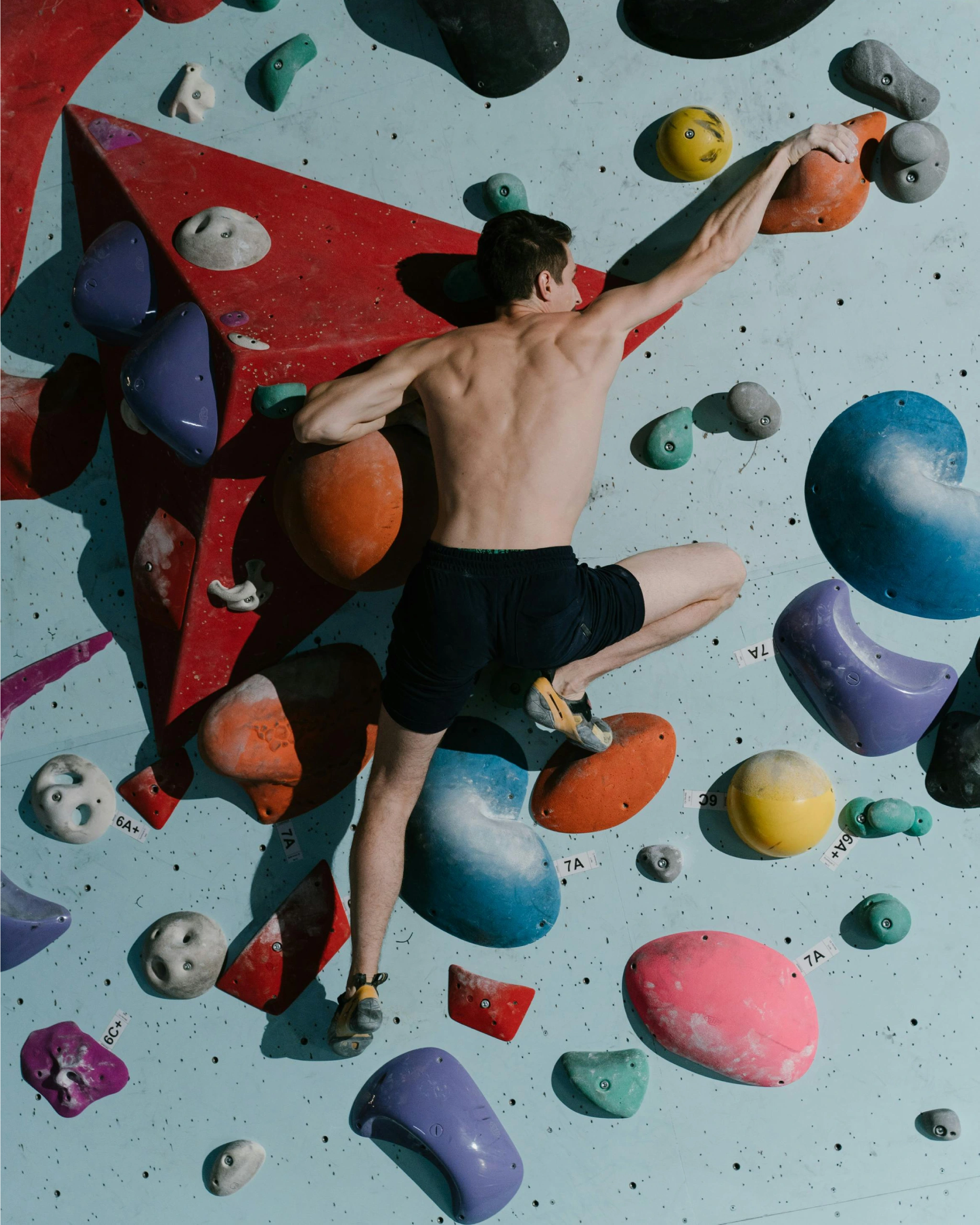
Beyond the treadmill
Across the corners of urban warehouses and echoing gym spaces, something is shifting. The rhythmic scuff of climbing shoes, the soft patter of chalk dust, and a communal murmur set the tone. Bouldering, compact, raw, and intensely tactile, is replacing treadmill monotony with something more elemental. More than that, it’s reshaping the very idea of what a workout can be.
Yes, the gym still does what it’s supposed to do. There’s comfort in its linear progression, in reps counted and calories burned. But even loyal gym-goers can admit there’s a dullness in routine, a greyness to predictability. You lift, you run, you repeat. Eventually, the body adapts. The mind wanders. A psychic plateau is reached.
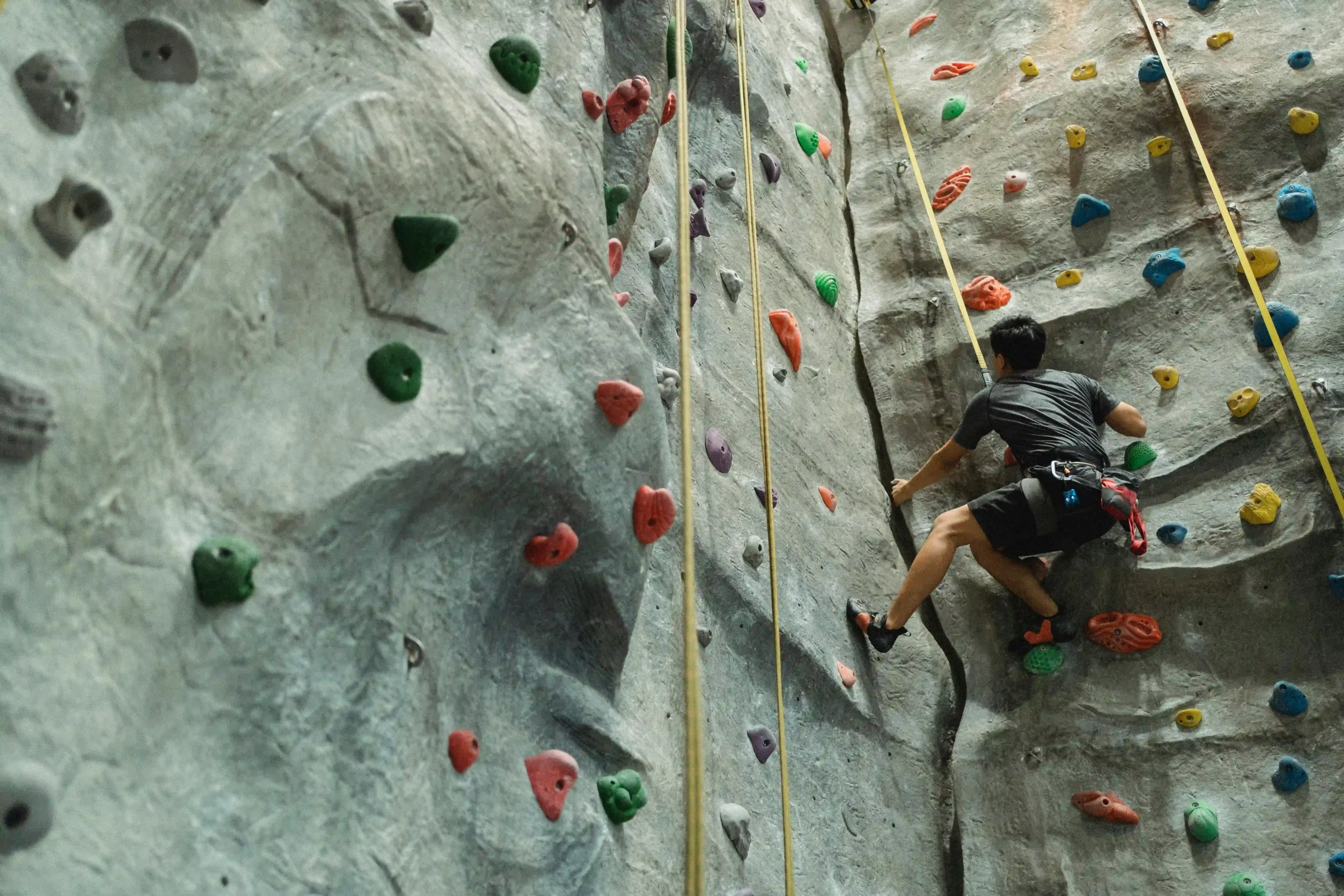
Bouldering offers no such sameness. Each route, called a “problem” in the sport’s own peculiar lexicon, is exactly that: a physical puzzle to be solved with a mix of body tension, momentum, and strategy. It’s a sport defined not just by strength but by interpretation, where angles are read like poems and movement becomes an argument between gravity and will.
A puzzle for the body and mind
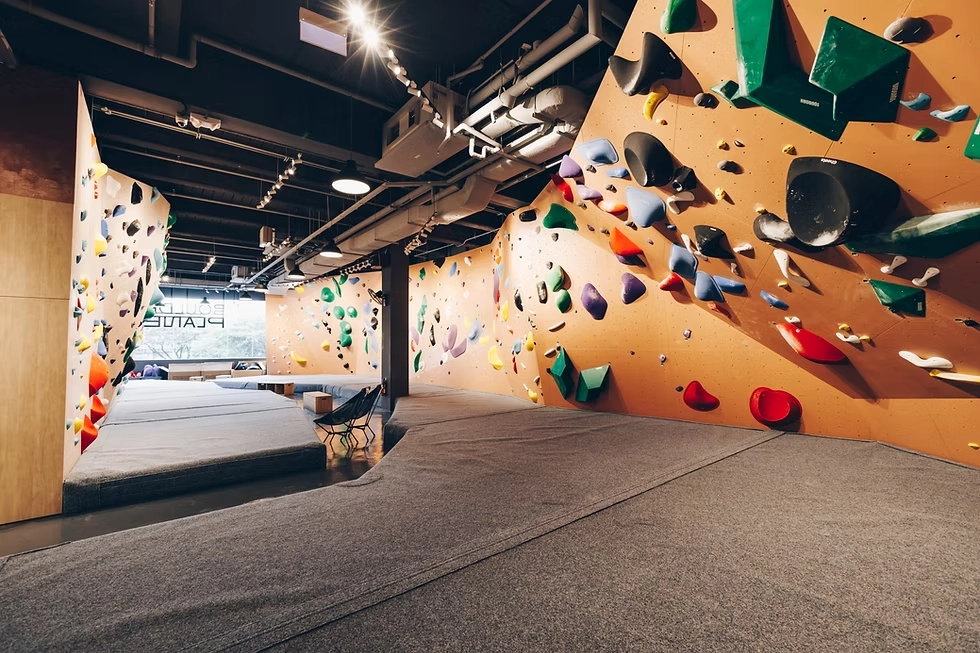
Part of bouldering’s draw is that it rejects the traditional hierarchy of athletic entry. There’s no need to train for months just to begin. You rent some shoes, chalk your hands, and confront a color-coded wall. The holds guide you through problems marked for difficulty. There is no machine to figure out and no apparatus to adjust. The only tool is your own body. And the route tells you, instantly and mercilessly, whether that’s enough.
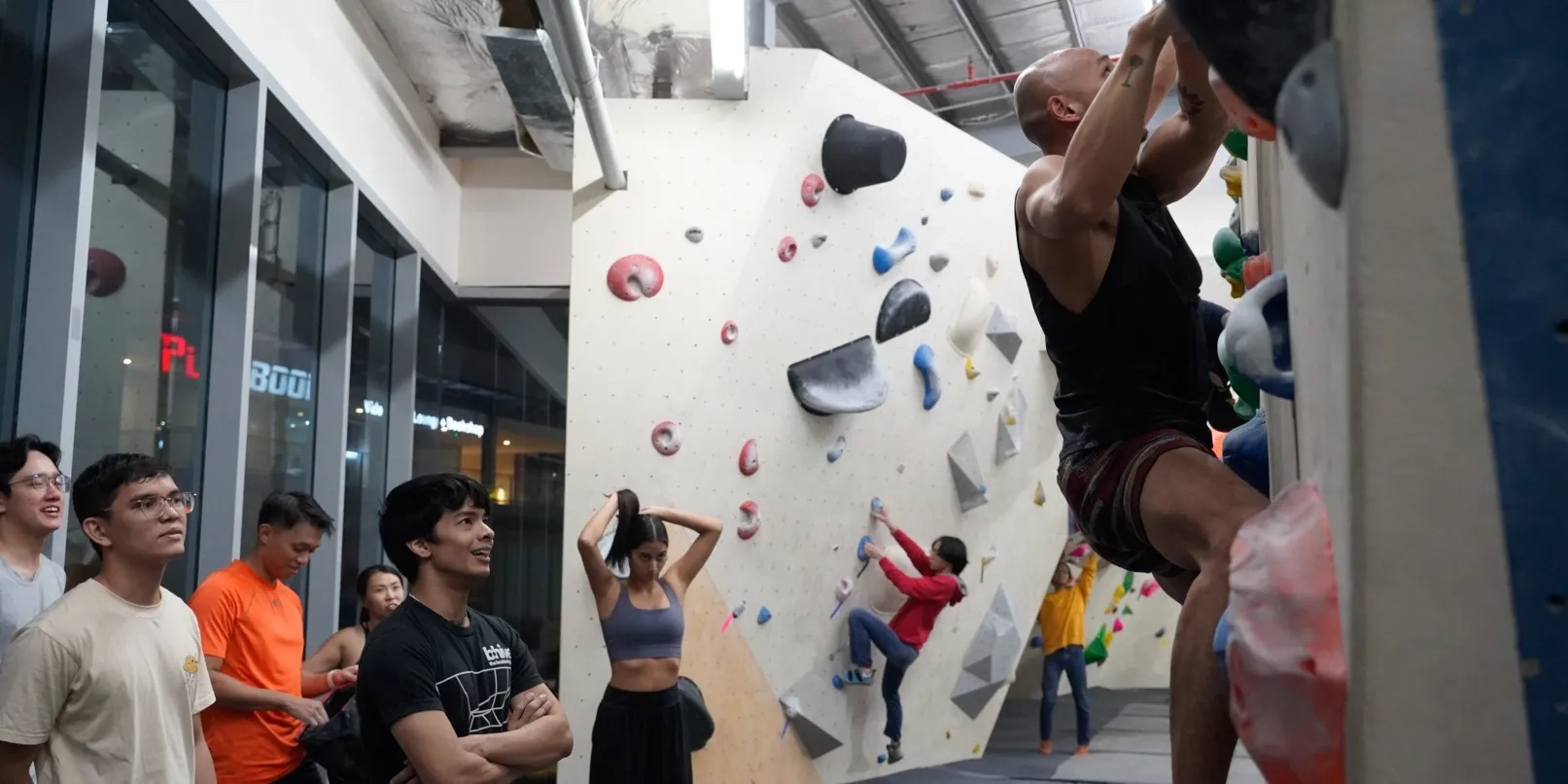
But bouldering’s most radical feature may not be its workout. It’s its sociality. This is a sport where your biggest competition is also your most vocal supporter, where strangers spot each other instinctively and discussions about beta, the method of solving a climb, are shared freely. There’s a culture of camaraderie here that feels rare in fitness spaces, especially ones so often built around individual performance.
And the scene is changing. What was once a predominantly vaguely countercultural hobby has begun to expand. Communities like Boulder Planet, The Bouldering Hive, and Camp5 Climbing Gym are widening the demographic frame. The sport’s simplicity, low barrier to entry and no need for prior experience, makes it uniquely open to redefinition. And as more climbers take up space on the wall, the collective image of who a climber is begins to shift.
One fall at a time
There’s also something unavoidably childlike about the act itself. No other sport so closely resembles what it felt like to play as a kid: climbing trees, scrambling over playground structures, or laughing while upside down. Bouldering taps into this memory. It reminds us that movement can be intuitive, even joyful. It encourages failure, or rather normalizes it, in a way that feels forgiving. You fall. You try again. You’re not alone.
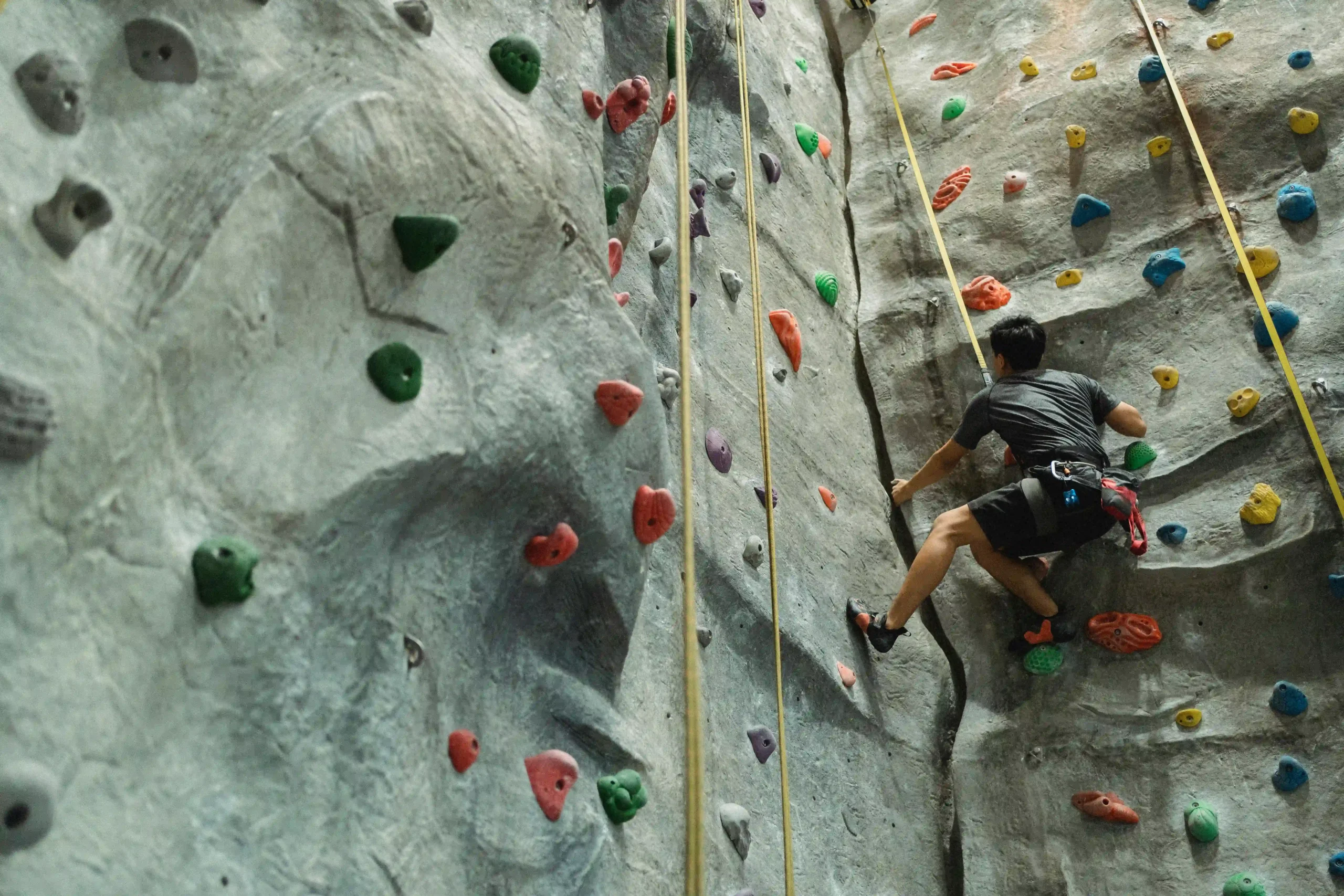
Still, it would be wrong to call it easy. Bouldering is a demanding workout, both muscular and mental. It trains endurance, coordination, core stability, and confidence in humbling doses. There are formal sessions for those who want structure, and solo climbs for those who don’t. The routes evolve with you. The difficulty never disappears, but you begin to meet it differently.
In a time when movement is often commodified, bouldering remains beautifully analog. It doesn’t promise transformation. It promises participation. And in doing so, it’s building not just stronger bodies but stronger communities, too.
Photos courtesy Boulder Planet, Bouldering Hive

Recommended Video