
The Greatest Acting Performances of All Time
Through subtle expressions and masterful character portrayals, these are the men who have cemented their roles as timeless icons of cinema





Countless films have presented characters whose personalities and mannerisms command attention, whether through eccentric traits or a captivating aura. Actors like Marlon Brando and Heath Ledger have shown how the art of acting can immortalize roles in pop culture.
READ MORE: The Greatest Oscar Robberies of All Time
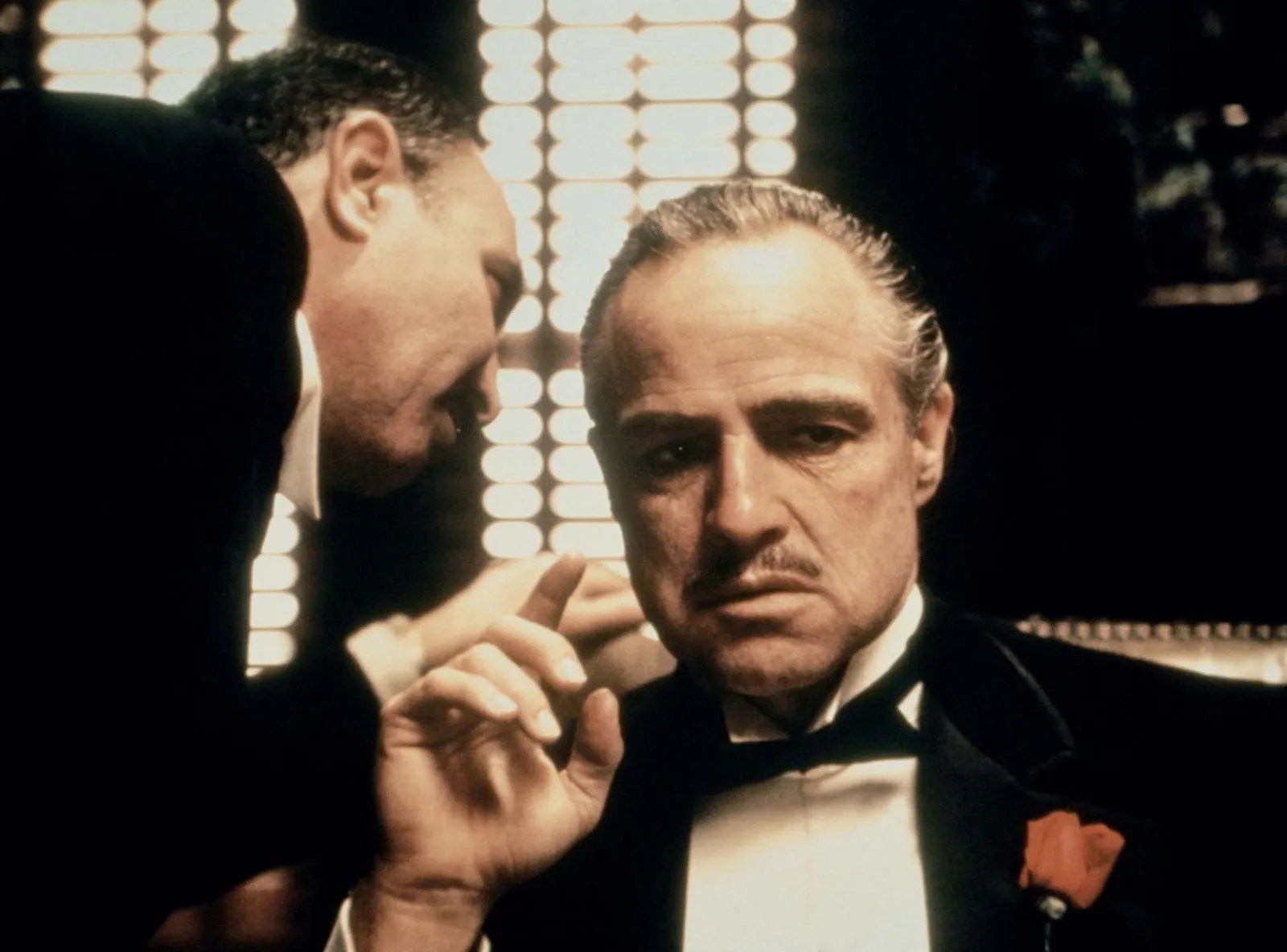
Marlon Brando as Vito Corleone
An iconic performance often referenced across cinema, Marlon’s portrayal in The Godfather is defined by his calm gangster composure, hushed speech, and emotional depth. Recognized by the Academy, this role remains one of the most enduring portrayals of a gangster in pop culture.
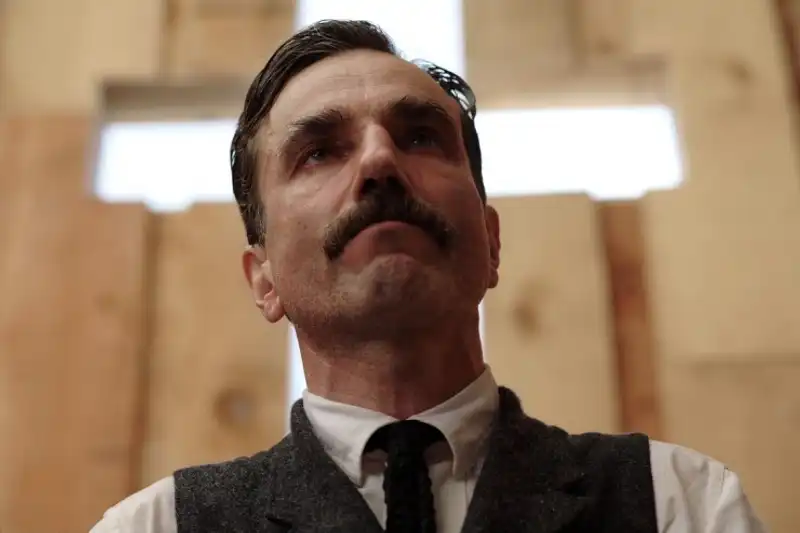
Daniel Day-Lewis as Daniel Plainview
Daniel masterfully depicts a money-driven man’s slow descent into obsession and madness in There Will Be Blood. His performance captures Plainview’s greed and ruthlessness, making the character as compelling as he is unsettling.
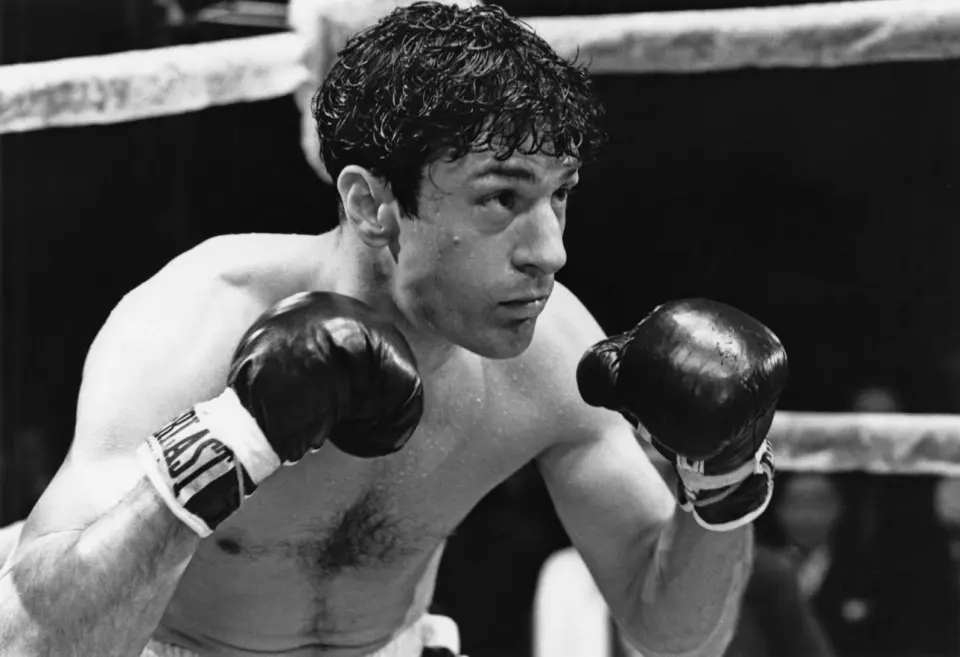
Robert De Niro as Jake LaMotta
In the classic 1980s film Raging Bull, Robert delivers a career-defining portrayal of real-life boxer Jake LaMotta. He embodies Jake’s violent temper and volatile personality, creating a performance that remains a benchmark in acting history.
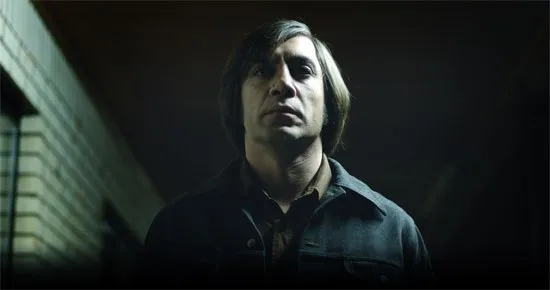
Javier Bardem as Anton Chigurh
Javier’s portrayal of Anton Chigurh in No Country for Old Men exemplifies the terror of psychotic villainy. Without raising his voice, Anton’s unflinching demeanor and blank expressions evoke fear, demonstrating that menace can be subtle yet devastatingly effective.
Timothée Chalamet as Elio Perlman
In Luca Guadagnino’s Call Me By Your Name, Timothée brings to life the ambition, intelligence, sensitivity, and naivety required for Elio. Through subtle expressions and nuanced body language, he captures the tender vulnerability and yearning of a young man discovering love.

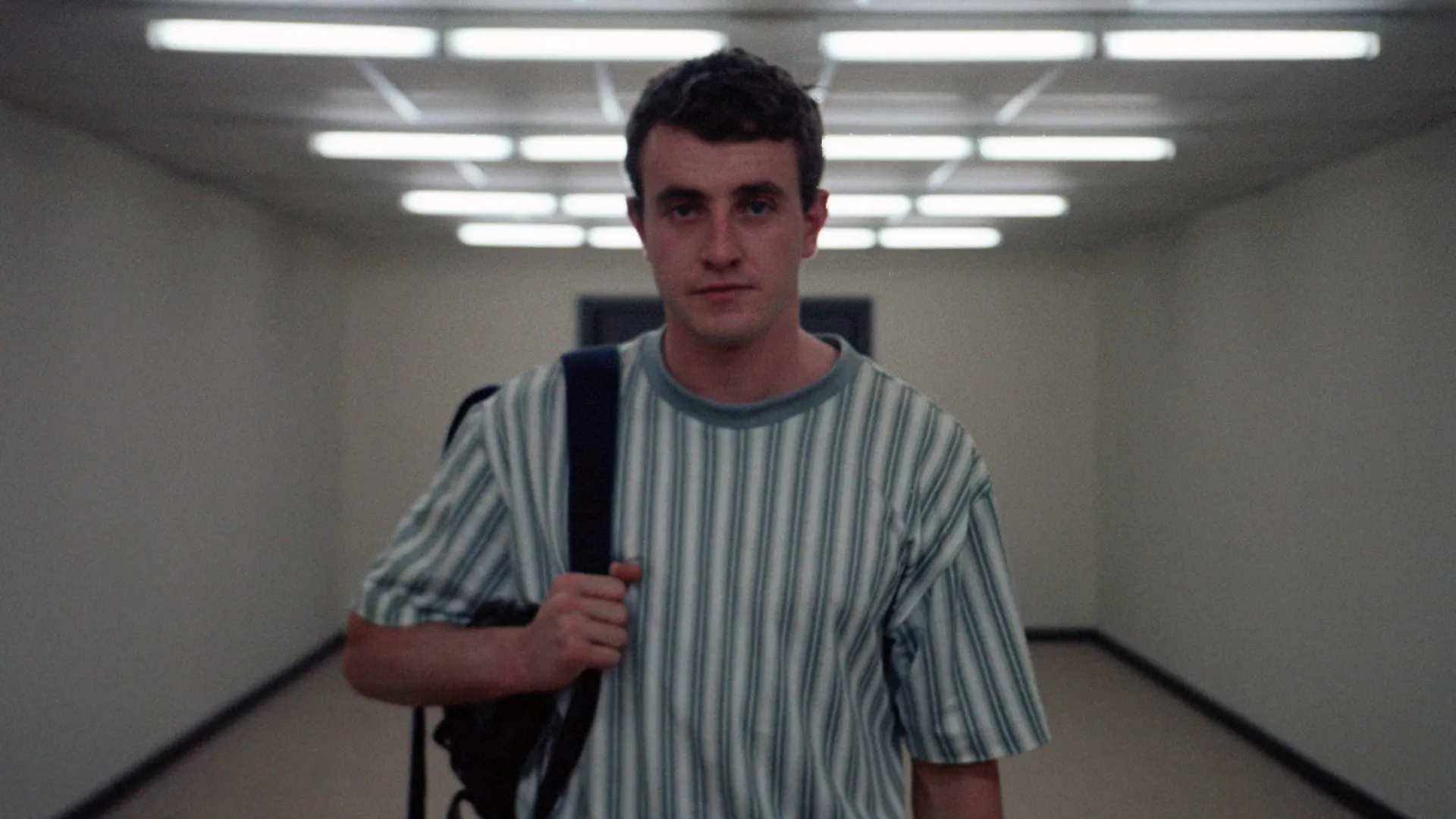
Paul Mescal as Calum Patterson
Paul’s performance in Aftersun shows how body language can communicate more than words. From concealed sadness in his eyes to the vulnerable stance captured in back shots, he conveys a depth of emotion that speaks volumes without dialogue.
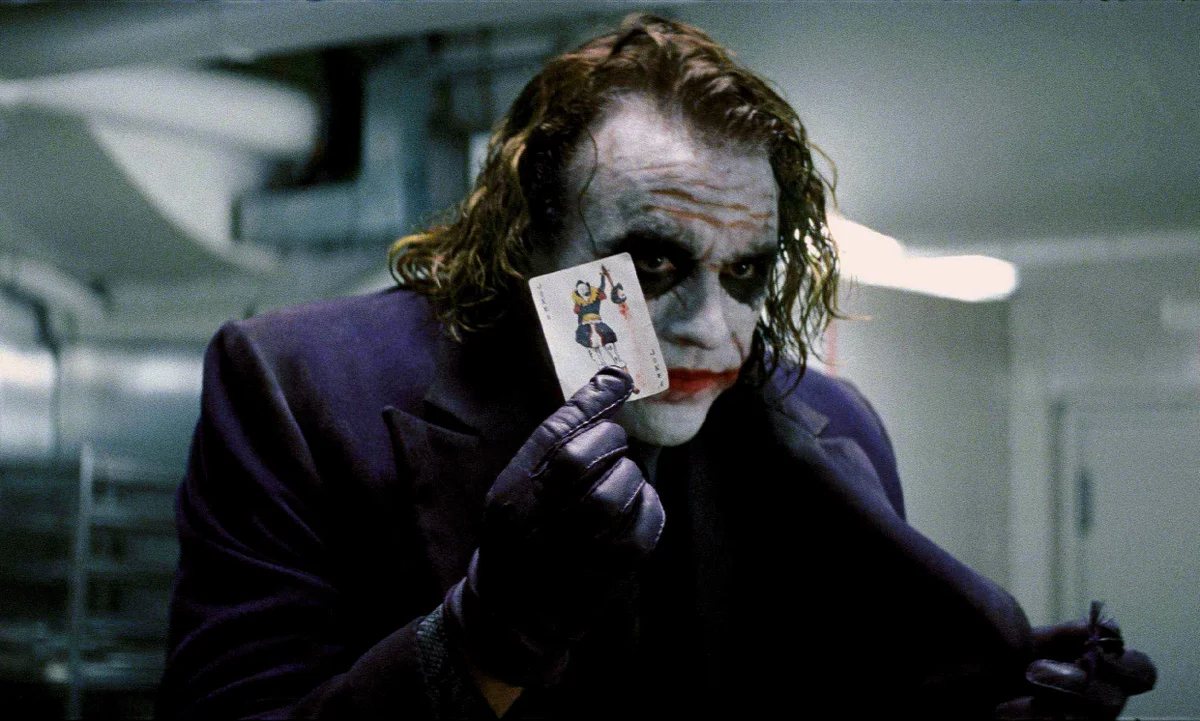
Heath Ledger as The Joker
Heath’s interpretation of The Joker in The Dark Knight remains the definitive portrayal of the Clown Prince of Crime. Departing from the character’s loud and comedic origins, his Joker is calm, calculating, and philosophically complex. The actor infused the role with intrigue and unpredictability, making it one of the greatest comic book character portrayals on film.
Frequently Asked Questions
Marlon Brando’s portrayal of Vito Corleone is defined by a studied restraint — hushed speech, a deliberately slowed physicality, and emotional depth that conveyed power without aggression. The Academy recognised it with an Oscar, and the performance has remained a reference point for cinematic gangster portrayals for over fifty years.
Heath Ledger departed from the Joker’s theatrical origins to create a figure defined by psychological complexity, calculated unpredictability, and a philosophical menace that unsettled rather than entertained. The performance earned him a posthumous Academy Award and is widely regarded as the most culturally significant comic book character portrayal on film.
Daniel Day-Lewis constructed Daniel Plainview as a study in compounding obsession — charting a man’s descent from pragmatic ambition into ruthless, isolating greed. His performance is built on controlled intensity, physical deliberateness, and a refusal to solicit sympathy, making Plainview as compelling as he is morally repellent.
Paul Mescal communicates Calum Patterson’s interior life almost entirely through physical presence — a downward gaze, a guarded posture, the deliberate avoidance of emotional disclosure in back-facing shots. His performance demonstrates how restraint and body language can carry a film’s emotional and psychological weight more effectively than dialogue.
Performances consistently cited among the greatest in film history include Marlon Brando in The Godfather, Daniel Day-Lewis in There Will Be Blood, Robert De Niro in Raging Bull, Heath Ledger in The Dark Knight, and Javier Bardem in No Country for Old Men — each representing a distinct approach to inhabiting character through physicality, restraint, or psychological transformation.
Recommended Video