
The Greatest Oscar Robberies of All Time
From timeless pictures to cinematic masterpieces, these are the biggest Oscar robberies in history




In the long history of the Academy Awards, countless creatives, artists, and cinematic works have earned nominations and Oscar wins. With only one award per category, many deserving contenders have fallen short, leaving audiences and industry insiders confused and sometimes outraged.
READ MORE: The Greatest Acting Performances of All Time
Samuel L. Jackson – Pulp Fiction
Best Supporting Actor
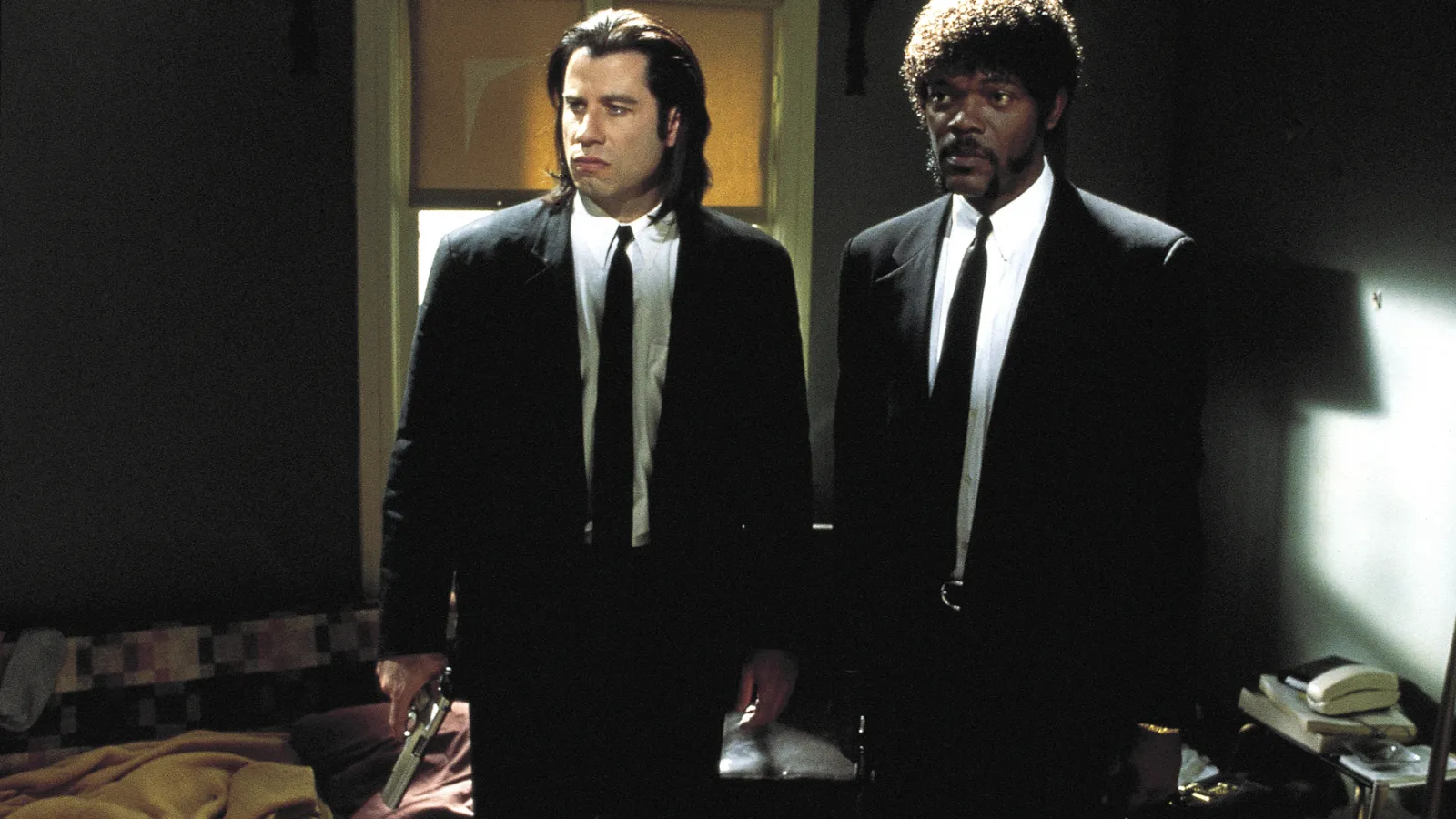
Despite being a household name with notable roles in films such as Coach Carter and as Nick Fury in the Marvel Cinematic Universe, Samuel L. Jackson received his only Oscar nomination for Quentin Tarantino’s Pulp Fiction, portraying the no-nonsense hitman Jules Winnfield.
Cool yet terrifying, the role became his most memorable performance, earning a Best Supporting Actor nomination. Despite Jules’ enduring popularity, Samuel lost to Martin Landau’s portrayal of Bela Lugosi in Ed Wood.
Saving Private Ryan
Best Picture
1999 was a shocking year when Shakespeare in Love, a romantic comedy, won Best Picture over the heavily favored Saving Private Ryan. The film ultimately claimed seven awards, including Best Actress for Gwyneth Paltrow over Cate Blanchett’s Queen Elizabeth I.
More than twenty years later, this remains a famously confusing win, as Saving Private Ryan is still considered one of the best films of the 1990s.

Brokeback Mountain
Best Picture
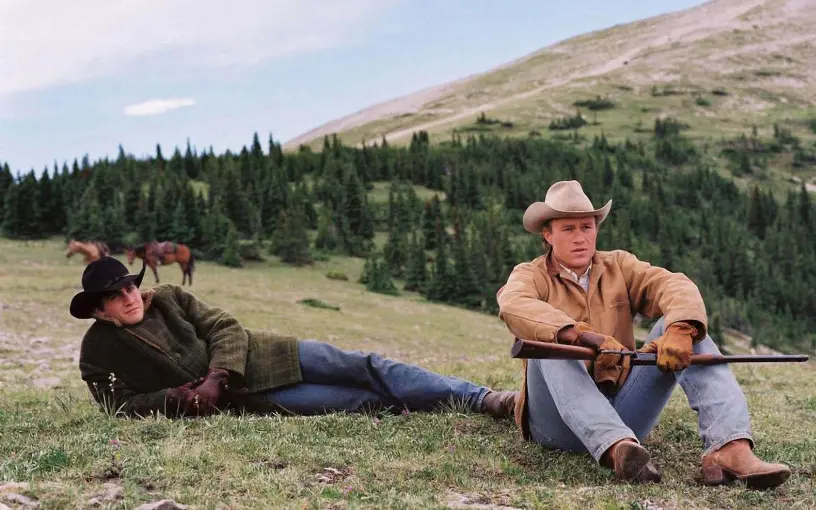
At the 78th Academy Awards, one of the night’s most memorable moments came when Jack Nicholson audibly exclaimed upon seeing the Best Picture winner.
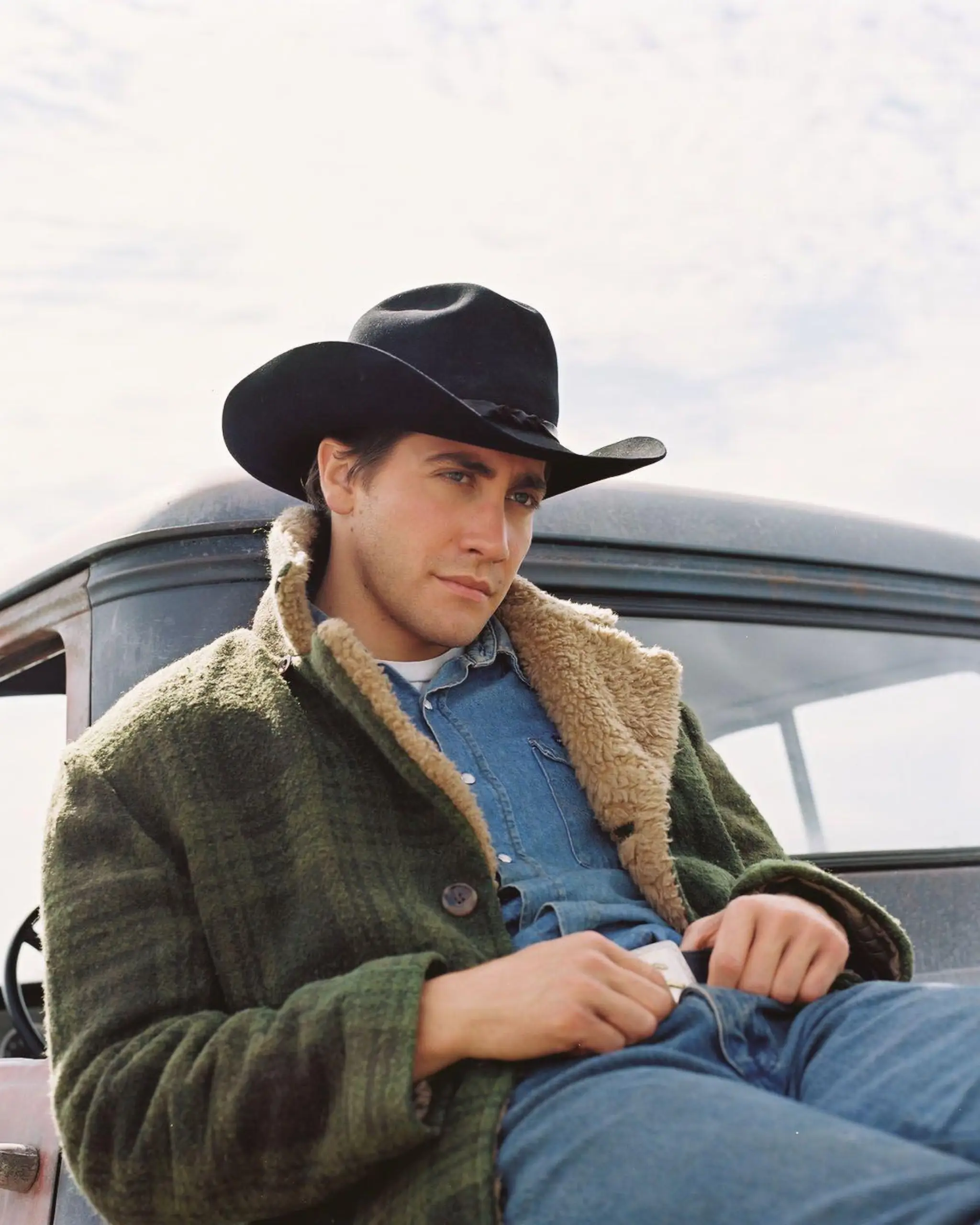
Despite expectations that Brokeback Mountain would take the award, it went to Crash. While Crash was criticized for its superficial approach to racial unity, Brokeback Mountain’s loss left many puzzled. Director Ang Lee, however, won Best Director that evening.
E.T.
Best Picture
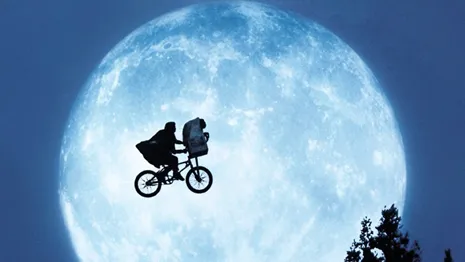
Steven Spielberg’s E.T., a 1980s classic about a boy forming a friendship with an alien, remains one of the greatest family films more than forty years later.
The film earned nine nominations and won four Oscars, including Best Original Score, Best Visual Effects, Best Effects Editing, and Best Sound. Despite its Best Picture nomination, E.T. lost to Gandhi, a decision that even Gandhi’s director, Richard Attenborough, admitted was understandable but disappointing.
John Hughes
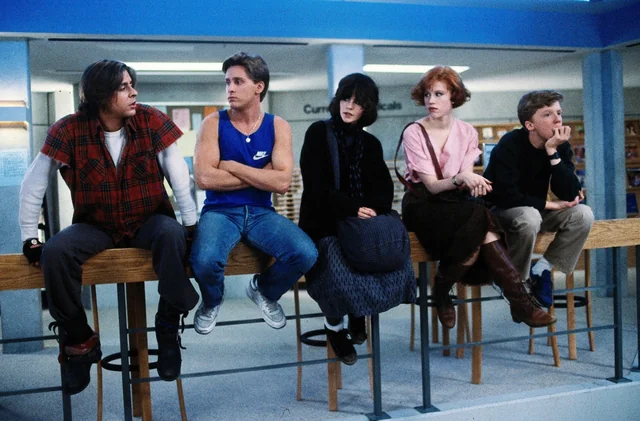
Writer and director John Hughes created many iconic films, from teen classics like Pretty in Pink, Sixteen Candles, and The Breakfast Club to comedies such as Planes, Trains, and Automobiles, and holiday favorites like Miracle on 34th Street and Home Alone.
Ironically, John never received an Academy Award nomination for these works, though he was honored posthumously with a special tribute in 2010, following his death in 2009.
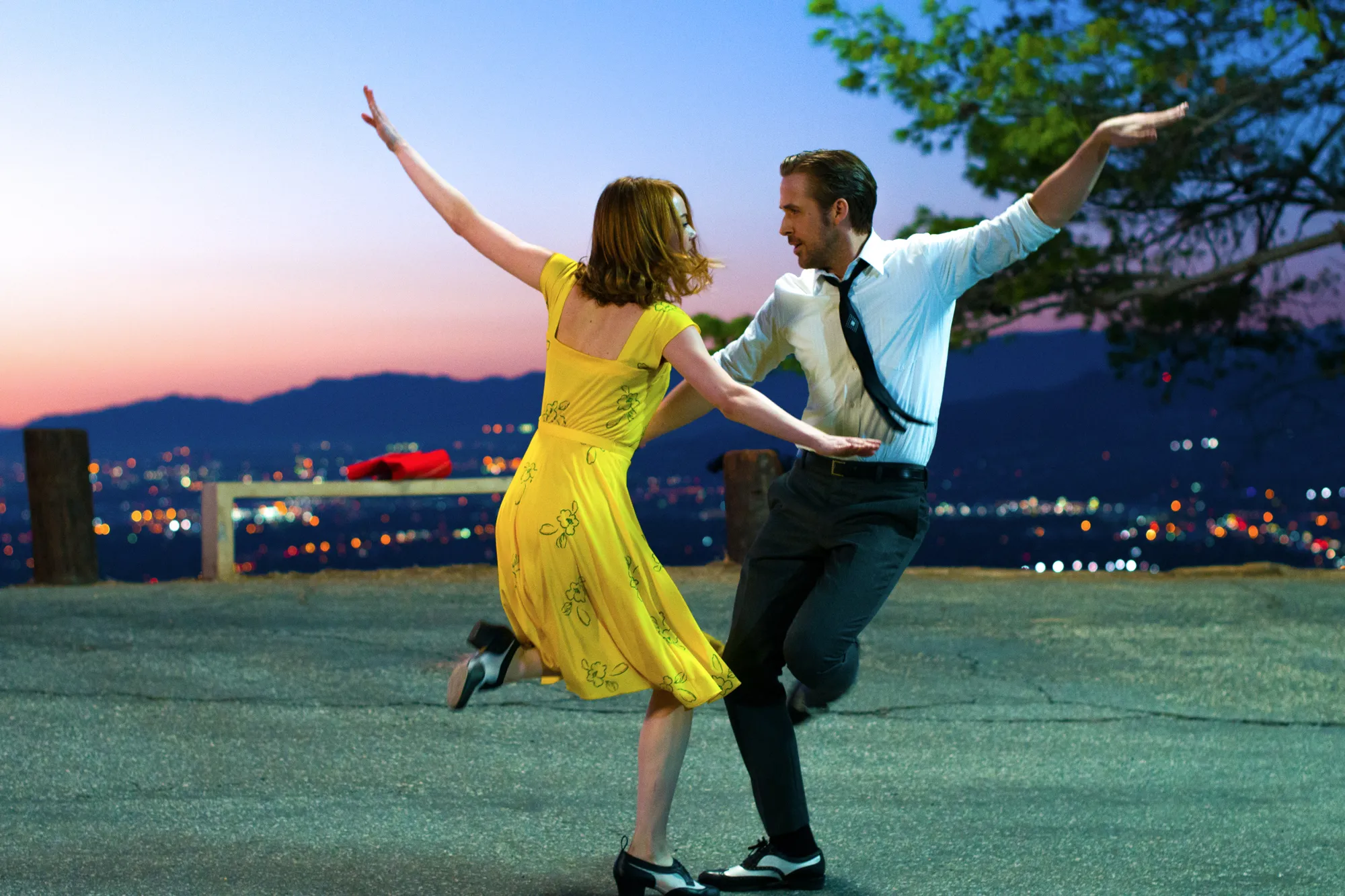
La La Land
Best Picture
In 2017, one of the most unforgettable moments in pop culture occurred when La La Land was mistakenly announced as the Best Picture winner at the Academy Awards.
Even though it ultimately lost, the film still claimed six Oscars from fourteen nominations, including Best Director for Damien Chazelle and Best Actress for Emma Stone. Had it truly won, it would have been a well-deserved victory.
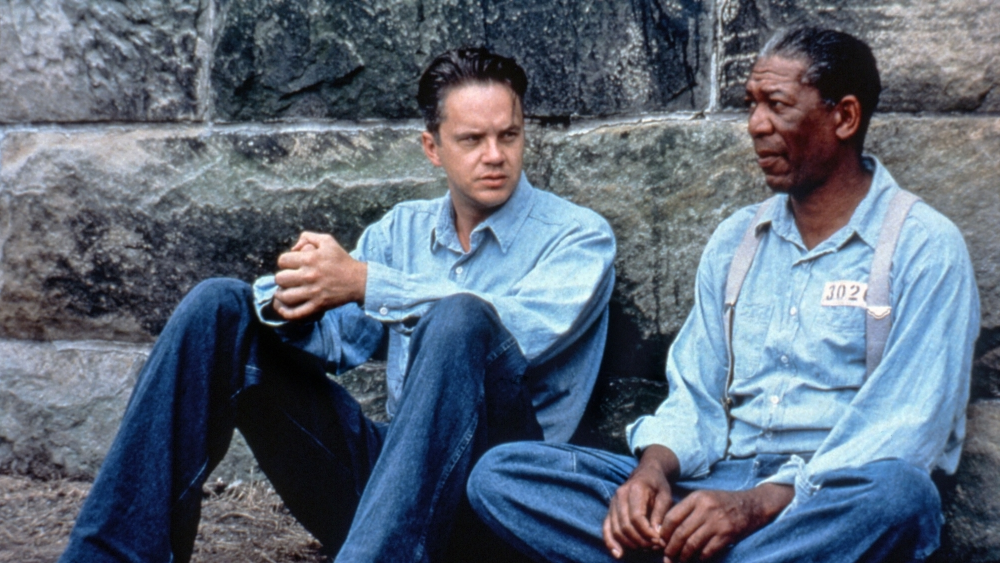
Shawshank Redemption / Morgan Freeman
Best Picture / Best Actor
Considered one of the best prison dramas ever, The Shawshank Redemption received seven nominations at the 1995 Academy Awards, including Best Picture and Best Actor for Morgan Freeman. Despite its critical acclaim and multiple nominations, the film went home empty-handed, as Forrest Gump dominated the night.
Frequently Asked Questions
The most widely cited Best Picture upsets include Shakespeare in Love over Saving Private Ryan in 1999, Crash over Brokeback Mountain in 2006, and Forrest Gump over The Shawshank Redemption in 1995. Each outcome remained contested long after the ceremony, reshaping how audiences evaluate the Academy’s voting record.
Samuel L. Jackson did not win an Oscar for Pulp Fiction. His portrayal of Jules Winnfield earned him a Best Supporting Actor nomination at the 1995 Academy Awards, but the award went to Martin Landau for his performance as Bela Lugosi in Ed Wood. It remains Jackson’s only Oscar nomination to date.
Brokeback Mountain was widely expected to win Best Picture at the 78th Academy Awards but lost to Crash. The outcome surprised industry observers and audiences alike. Director Ang Lee won Best Director for the film, while Crash was later criticized for its approach to racial themes. The result remains one of the most discussed Oscar decisions of the 2000s.
The Shawshank Redemption did not win any Oscars despite receiving seven nominations at the 1995 Academy Awards, including Best Picture and Best Actor for Morgan Freeman. All major awards that evening went to Forrest Gump, which dominated the ceremony. The film has since become one of the most acclaimed prison dramas in cinema history.
John Hughes never received an Oscar nomination during his lifetime despite writing and directing some of Hollywood’s most enduring films, including The Breakfast Club, Home Alone, Ferris Bueller’s Day Off, and Planes, Trains and Automobiles. He was honored posthumously with a tribute at the 2010 Academy Awards, following his death in August 2009.
Recommended Video