
Jerome Kurnia Wants Indonesian Stories to Travel Beyond Borders
The Indonesian actor who fills every role with purpose





From familiar faces to a deeper craft
You might have seen Jerome Kurnia in an Indonesian film like This City Is a Battlefield or streaming in a series such as Gossip Girl Indonesia.
He is a familiar face in the country’s entertainment scene, but beyond the roles and the recognition, he is thoughtful about his craft and in the choices that shape his life.

Jerome traces the foundation of who he is to the streets of Jakarta.
“North Jakarta, where I grew up, undeniably left its mark on me. But my late teens in South Jakarta were equally transformative. The balance between those two environments is what ultimately defined who I am today.”
Growing up between these neighborhoods, he learned to navigate contrasts, and those lessons seep into his work.
Raised in a family of doctors and lawyers, the Indonesian actor could have followed a familiar path. Instead, he chose acting, a decision his family supported rather than questioned.
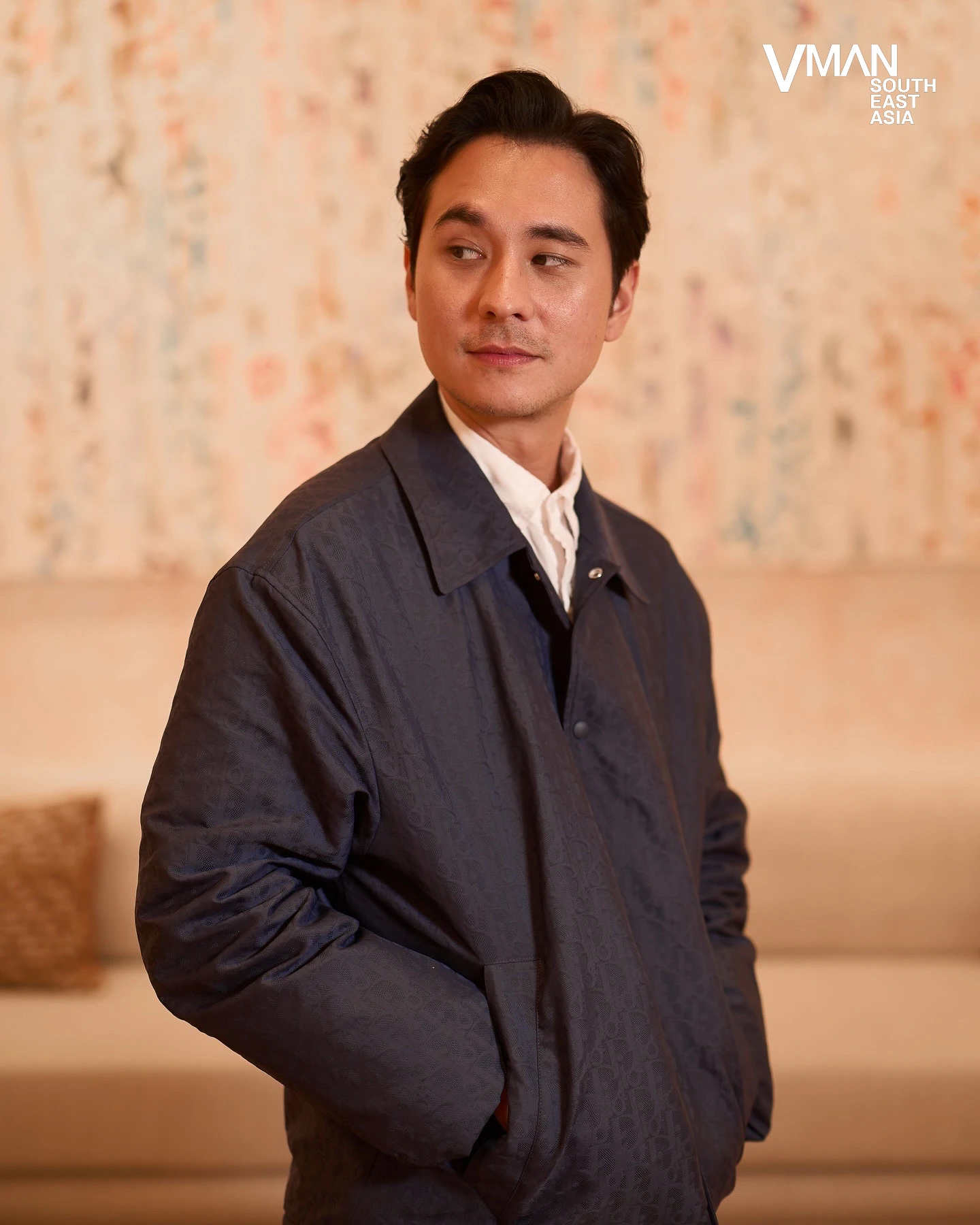
“They have supported every decision I have made as long as it brings me happiness and allows me to be self-sufficient,” he said. That freedom, he adds, gave him the courage to pursue a profession where success is never guaranteed, and the stakes are personal.
The moment acting became real
For Jerome, acting began as a way to fill a void he could not yet name. “There was a hole inside me, a sense that something vital was missing. I eventually realized it was my career,” he said.
The realization came in a moment that remains vivid in his memory. A friend had called him, excited about finding his own passion.
“I could not relate at the time, but after shooting my first movie, I called him back and said I finally understood what he meant.”
Though Dilan 1991 was his breakout in the public eye, it was Bumi Manusia, the first film he actually shot, that truly shaped his trajectory. “That role was the catalyst. The doors it opened led to everything that followed,” he said. In his early years, opportunity and timing were inseparable, each role a step into a larger landscape of possibilities.
Building characters and letting them go
Jerome approaches his roles by likening them to filling a glass:
“Every time I take on a role, I fill that glass. When the project ends, I pour everything out to return to a blank slate. Though sometimes, the glass stains. Some roles stay with you forever.”
There is care in this approach, a recognition that each character leaves a mark even when the actor steps away.
Physical and mental well-being are also central to his craft. “An actor’s portrayal is at its best when their life at home is smooth and happy. To give my best to a character, I have to be at my best first,” he said.
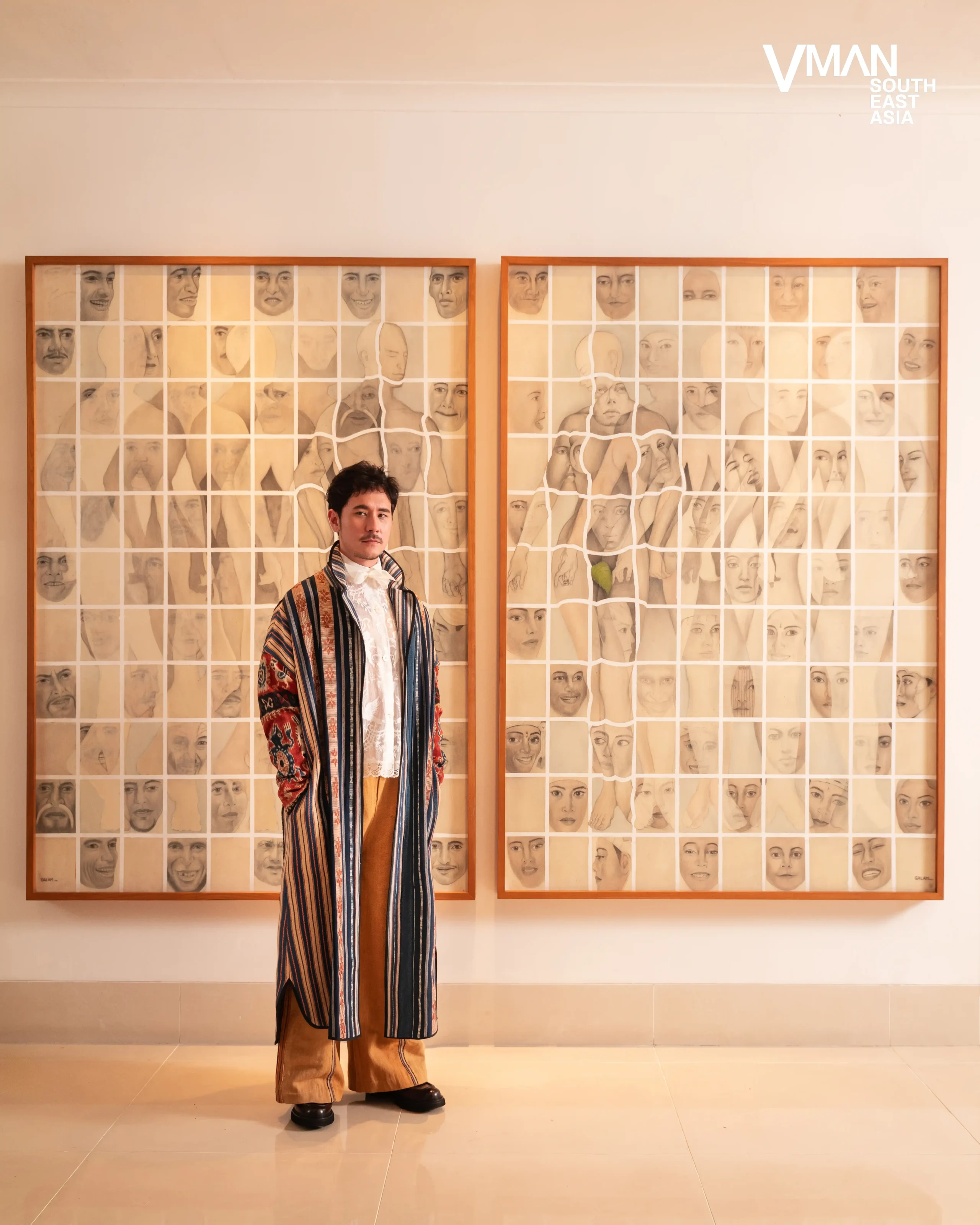
Balancing multiple projects and public attention is demanding, but he sees it as essential to delivering a performance that respects the audience. Persistence has been key. Long hours at auditions, repeated rejections, and the uncertainty of early work taught him endurance.
“Because this is the path I have chosen, when I go in, I go all in. I have sacrificed a lot to be here, so I endure the challenges with the understanding of my own limited privilege.”
Jerome also sees acting as a responsibility. “People invest both their time and money to watch our work. It is essential to respect that investment and give them a performance that is worth it,” he said.
His goal is not simply to entertain but to provide a meaningful experience, one that resonates beyond the screen.
For young Indonesians pursuing nontraditional paths, he offers clear advice: focus on authenticity.
“Focus on what feels authentic and satisfies your own creative soul. Trust your own taste. The moment you try to please an audience, you lose the essence of the work. If you love art first, others will follow.”
Looking ahead, Jerome sees a global stage as an opportunity to share Indonesian stories. “If given the opportunity, I simply want to share a little bit of Indonesia with the rest of the world,” he said.
Ultimately, what he hopes will endure is not his public persona but the work itself:
“I want people to remember the characters I have brought to life. Beyond that, I don’t really mind what they think of me as a person.”
Jerome Kurnia has built a career shaped by the streets he grew up on, the family that supported his choices, and a clear dedication to his craft. His work resonates because it is grounded in authenticity, translating into performances that linger long after the credits roll.
As seen in the pages of VMAN SEA 05: now available for purchase!
Credits for the second and third images:
Photography Chris Suarna
FashionFashionThe art and industry of designing, producing, and styling clothing, footwear, accessories, and beauty trends. It reflects cultural influences, personal expression, and evolving styles across seasons and markets.Go to Fashion Glossary Edward Hutabarat and Narya Abhimata
Frequently Asked Questions
Jerome Kurnia is an Indonesian actor known for his roles in Bumi Manusia, This City Is a Battlefield, and the series Gossip Girl Indonesia. He broke out publicly through Dilan 1991, but credits Bumi Manusia — the first film he shot — as the role that shaped his career trajectory.
Kurnia grew up in Jakarta and came from a family of doctors and lawyers who supported his decision to pursue acting. He has described the turning point as a personal realization that acting filled a creative and emotional void, with early opportunities arriving through timing and persistence across auditions and rejections.
Kurnia approaches each role as a process of careful accumulation — drawing on personal experience, physical and mental wellbeing, and a clear sense of responsibility toward the audience. He has stated that his best performances come when his life outside the set is stable and grounded.
Kurnia has spoken about his ambition to share Indonesian stories with global audiences, framing it not as a commercial goal but as a cultural responsibility. He sees his work as an opportunity to bring Indonesian identity, specificity, and lived experience to viewers beyond the country’s borders.
Kurnia advises young Indonesians in nontraditional fields to focus on authenticity above all — grounding their work in who they genuinely are rather than performing an external expectation. He has also spoken about endurance, noting that long audition hours and repeated rejections were central to his own formation as an actor.

Recommended Video